In the rapidly evolving world of food service, the transition from plastic to sustainable packaging is no longer just a trend—it is a global mandate. As restaurants and catering businesses strive to meet environmental regulations, the demand for high-performance alternatives has skyrocketed. Among these innovations, high temperature resistance paper lunch boxes have emerged as a critical solution.
However, the primary concern for any food business remains the same: "Will this packaging keep my food fresh, safe, and delicious until it reaches the customer?" Maintaining food integrity involves more than just holding the weight of a meal; it requires a sophisticated balance of material science, thermal management, and structural engineering.
The Challenge of Hot Food Logistics
When food is prepared in a kitchen, it is at its peak quality. The textures are crisp, the aromas are vibrant, and the temperature is safe for consumption. The moment that food is placed into a container for delivery or takeout, a battle against physics begins.
For hot meals, three main factors threaten food integrity:
- Heat Loss: As food cools, its fat content can congeal, and the overall flavor profile changes.
- Moisture and Steam: Hot food releases steam. If the container cannot handle high temperatures, the steam can soften the box or, conversely, trap too much moisture and make the food soggy.
- Chemical Migration: In low-quality containers, high heat can cause chemicals from the packaging to leach into the food, affecting both taste and safety.
Modern high temperature resistance paper lunch boxes are specifically engineered to address these three challenges.
Advanced Material Science: The "High Temperature" Secret
The secret to a paper box that can withstand heat lies in the layers you cannot see. Standard paper would quickly absorb grease and turn into mush when exposed to hot oils or steam.
The Multi-Layer Barrier
To achieve lunch boxes with high temperature resistance, manufacturers utilize advanced coating technologies. In the past, traditional polyethylene (PE) linings were common, but today’s market is moving toward aqueous-based coatings or PLA (polylactic acid) linings derived from cornstarch.
These barriers serve a dual purpose. First, they prevent oils and sauces from soaking into the paper fibers. Second, they provide the structural stability needed for the box to maintain its shape even when the food inside is over 100°C. This ensures that the lid stays tight and the bottom doesn't sag, which is vital for maintaining the presentation and "integrity" of the meal.
Thermal Insulation Properties
Paper is a natural insulator. Unlike plastic or aluminum, which conduct heat away from the food rapidly, the fibrous structure of high temperature resistance paper lunch boxes helps trap heat. This natural insulation keeps the meal at a food-safe temperature for longer periods, which is essential for delivery distances that may exceed 20 or 30 minutes.
Preserving Texture: The Role of Breathability
One of the biggest complaints in the takeout industry is "soggy fries" or "soft crusts." This happens because hot food continues to "breathe" or release steam after it is packed.
If a container is completely airtight, the steam condenses back into water droplets, which fall onto the food. High-quality high temperature resistance paper lunch boxes are designed with micro-ventilation or utilize the natural breathability of high-grade paperboard. This allows just enough steam to escape to prevent sogginess while retaining enough heat to keep the meal warm.
By managing this delicate moisture balance, paper containers actually perform better than plastic for fried or crispy foods, preserving the "integrity" of the texture that the chef intended.
Safety and Chemical Stability
Food integrity isn't just about how the food looks or tastes; it is also about its chemical purity. When plastic containers are exposed to high heat (especially in a microwave), there is a risk of phthalates or Bisphenol A (BPA) migrating into the food.
High temperature resistance paper lunch boxes are inherently more stable at high temperatures. Premium manufacturers ensure their products are:
- PFAS-Free: Avoiding "forever chemicals" that were once used for greaseproofing.
- FDA/EU Compliant: Meeting rigorous standards for food contact at elevated temperatures.
- Microwave-Safe: Allowing the consumer to reheat their meal directly in the box without the packaging melting, warping, or releasing unpleasant odors.
When the packaging is chemically inert, the true flavor of the ingredients shines through, unmarred by "packaging taste."
Structural Rigidity and Stackability
In a delivery driver’s thermal bag, lunch boxes are often stacked four or five high. Heat can soften many materials, making the bottom box collapse under the weight of those above it.
The engineering of lunch boxes with high temperature resistance includes reinforced corners and specific "caliper" (thickness) paperboard. This ensures that even when the box is holding a heavy, steaming-hot pasta dish, it retains the structural strength to protect the food from being crushed. Maintaining the physical shape of the box is a key part of food integrity—no one wants a meal that has been squeezed out of its container.
Sustainable Branding and Consumer Perception
Finally, food integrity is closely tied to the consumer's perception of quality. In 2026, consumers associate paper packaging with premium, eco-conscious brands. When a customer receives a hot meal in a sturdy, well-designed high temperature resistance paper lunch box, their psychological experience of the food is enhanced.
The ability to print high-quality, heat-resistant inks on these boxes allows restaurants to communicate their brand values, further reinforcing the idea that the food inside is of high quality and handled with care.
Choosing the Right Manufacturer
For B2B buyers, the key to maintaining food integrity is choosing a high temperature resistance paper lunch boxes supplier that understands the technical nuances. Look for manufacturers who provide:
- Tested Heat Thresholds: Documentation showing the maximum temperature and duration the boxes can withstand.
- Grease Resistance Ratings: Ensuring the boxes won't leak with high-oil content foods.
- Prototyping Services: Allowing you to test your specific menu items in the packaging to ensure the "integrity" of your unique dishes is maintained.
A Win-Win for the Planet and the Plate
The evolution of lunch boxes with high temperature resistance represents a major milestone in the food packaging industry. By combining the natural insulating properties of paper with modern barrier technology, these containers do more than just "hold" food—they protect it.
From preserving the crispness of fried chicken to ensuring the safety of a microwavable meal, high temperature resistance paper lunch boxes prove that we don't have to choose between environmental responsibility and culinary excellence. As we look toward a greener future, these high-performance paper solutions will continue to be the unsung heroes of the global food delivery landscape.


 English
 Español
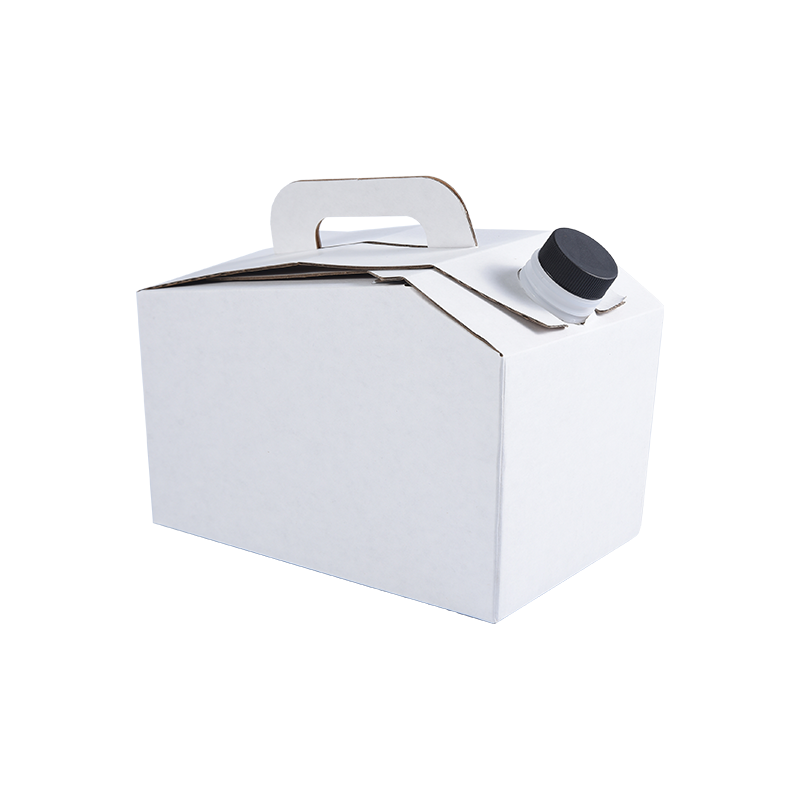 96oz Kraft Coffee/Drink to Go Container/Coffee Carrier Box
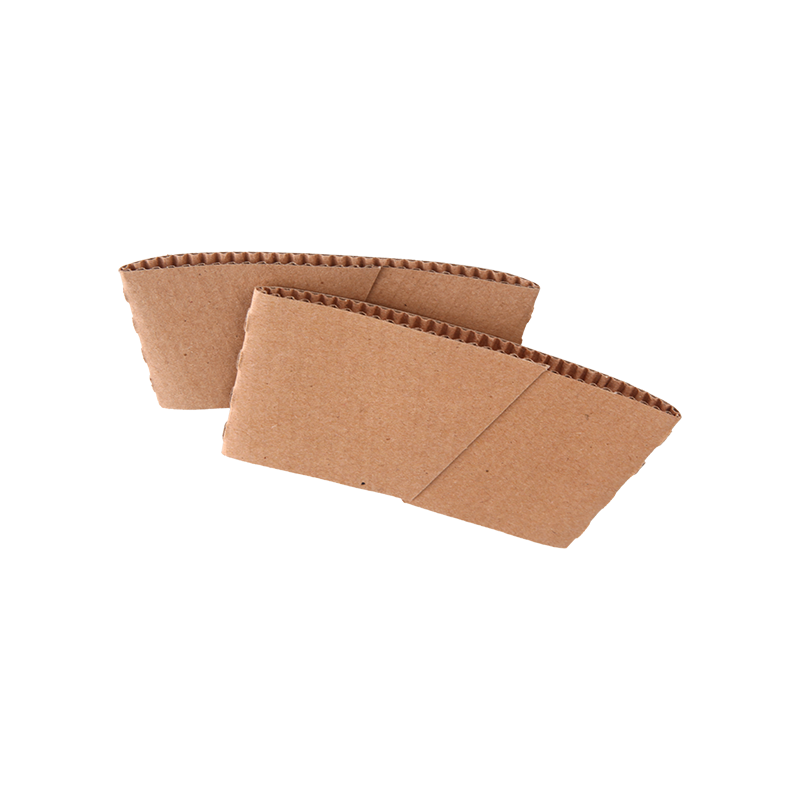 Recyclable Paper Cup Holder Sleeves
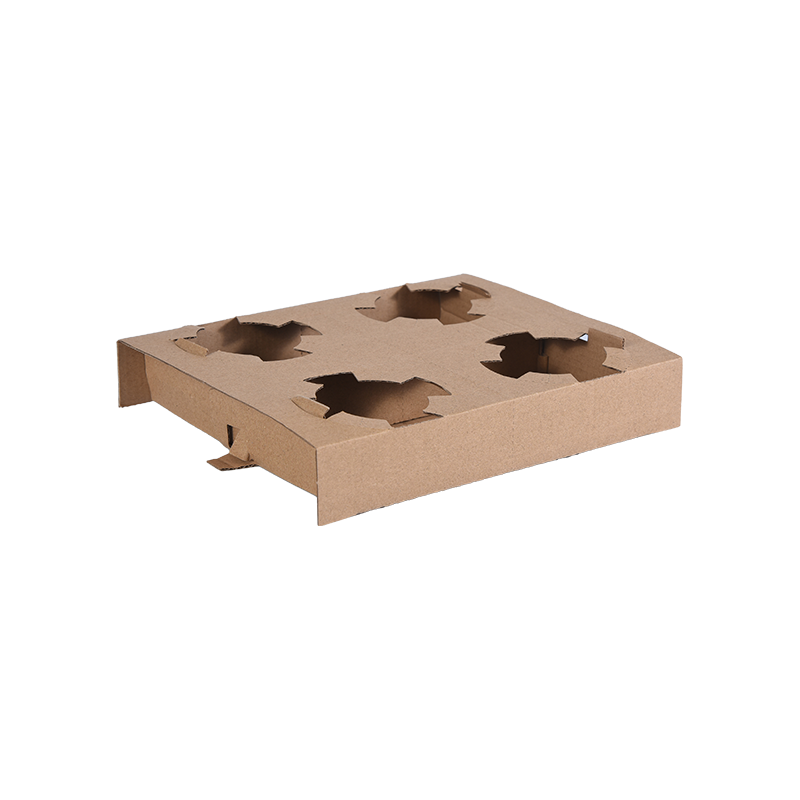 4 Cup Tray Holders for Hot & Cold Drinks – Foldable, Durable, and Cup Carrier for Takeaway, Festivals, Coffee Shops & Events
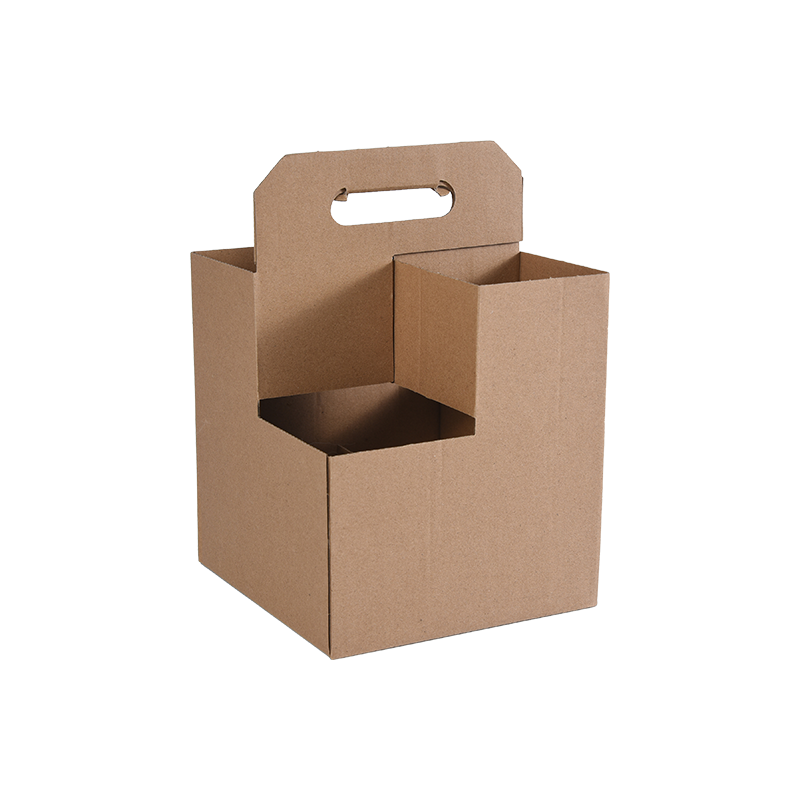 Kraft Cup Drink Carrier with Handles
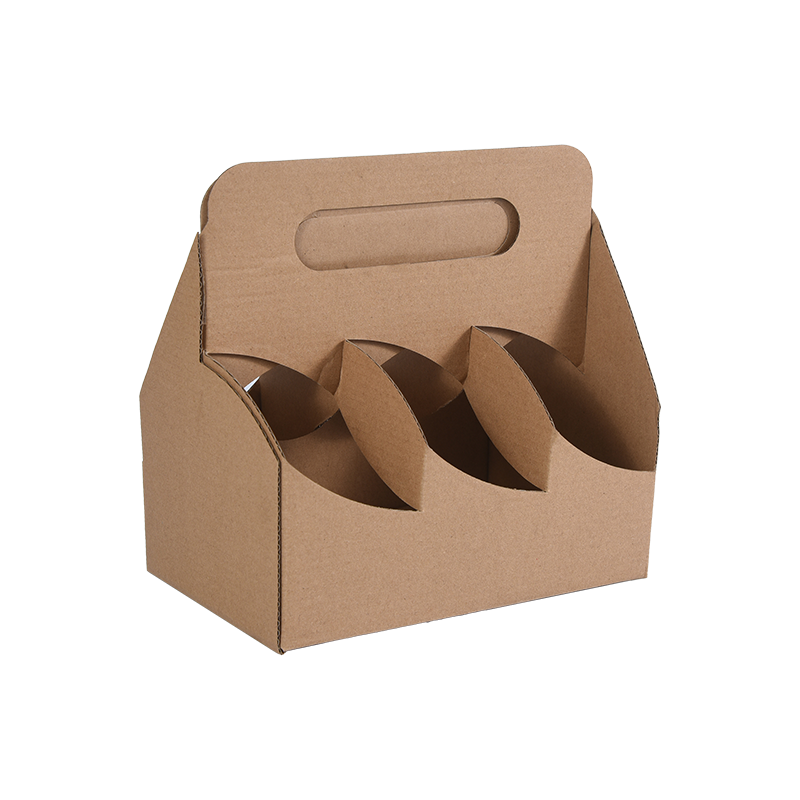 Kraft Beverage Carrier with Handles (6 to 8 Bottles or Cans)
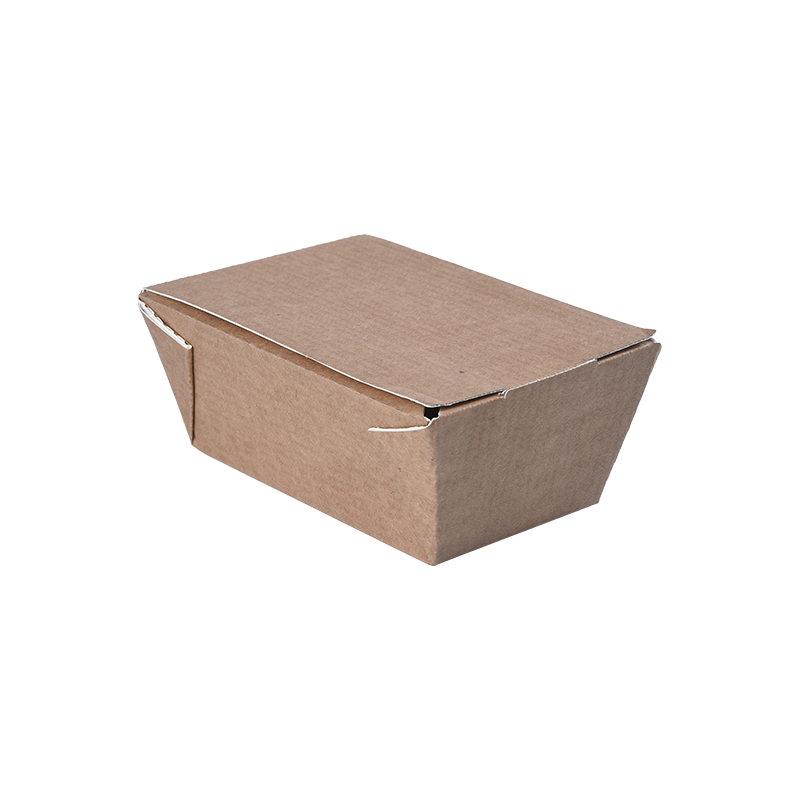 Corrugated Kraft Cardboard Lunch Boxes
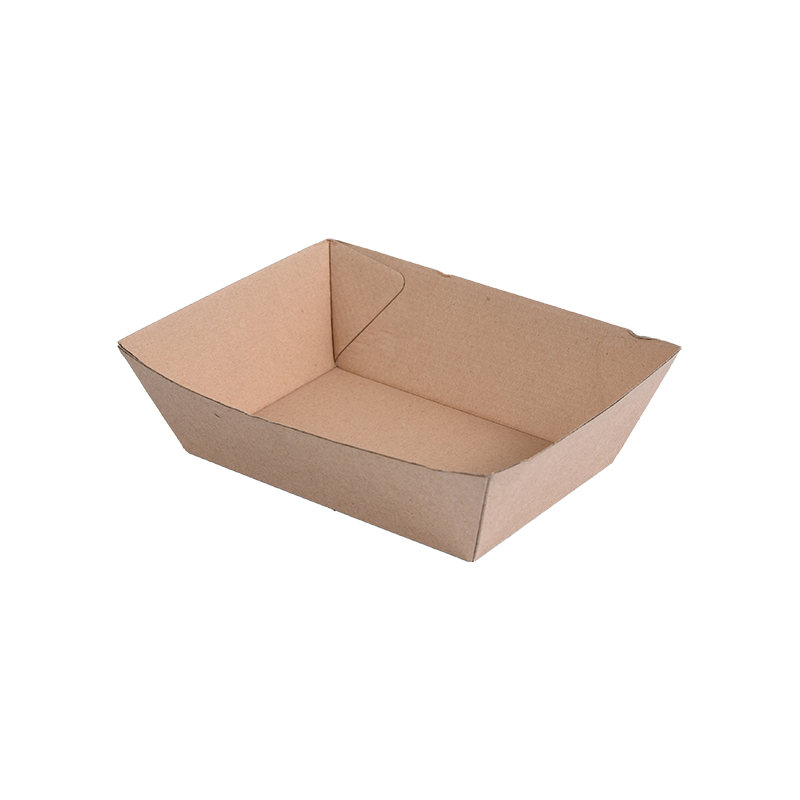 Disposable Rectangular Corrugated Paper Food Trays
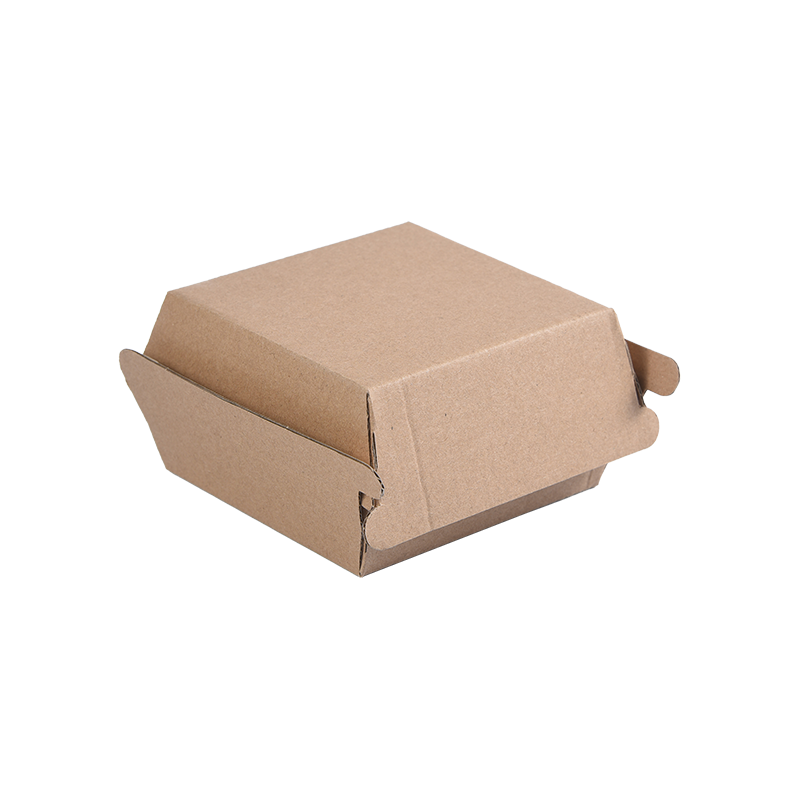 Restaurantware Corrugated Paper Burger Box

 Building 4, Leyin Industrial Park ,No. 330 Qianchun Avenue, Zhanqi Town, Yinzhou District, Ningbo, China
 +86-574-82813668
 Instagram
 Custom Disposable Paper Food Packaging Manufacturers