In recent years, the growing concern over environmental sustainability has drastically influenced consumer behaviors and industries worldwide. The foodservice sector, particularly the take-out and delivery market, has faced significant pressure to reduce its environmental footprint. A major component of this change lies in food packaging—specifically take-out box food containers. With increased awareness around plastic waste, pollution, and resource conservation, take-out box food container manufacturers are turning to eco-friendly alternatives to meet the demands of consumers and regulatory standards.
Shift to Compostable and Biodegradable Materials
Traditionally, take-out boxes were made from plastic or styrofoam (expanded polystyrene), which are both non-biodegradable and harmful to the environment. As awareness about the environmental impact of these materials has grown, many food container manufacturers are transitioning to more eco-friendly alternatives. Some of the most popular materials being adopted include:
-
Bamboo: Bamboo-based containers are gaining traction due to bamboo’s sustainability. Bamboo grows quickly and requires minimal resources to cultivate, making it an excellent renewable resource. Bamboo containers are also strong, durable, and compostable, making them an ideal choice for food packaging.
-
Sugarcane (Bagasse): Bagasse, the byproduct of sugarcane, is being used as an eco-friendly alternative for food containers. Sugarcane-based take-out boxes are fully compostable and can decompose in industrial composting facilities within months, reducing landfill waste significantly.
-
PLA (Polylactic Acid): PLA is a biodegradable plastic made from renewable plant starches like corn. PLA-based containers are compostable and break down naturally, unlike traditional plastic packaging. These containers are a popular choice for manufacturers who want to offer eco-friendly, yet functional, solutions for take-out.
-
Recycled Paper and Cardboard: Manufacturers are increasingly turning to recycled paper and cardboard for take-out containers. These materials are renewable, biodegradable, and can be recycled again, offering a circular solution for food packaging.
By shifting to compostable and biodegradable materials, manufacturers are reducing the amount of non-recyclable waste generated by food packaging, contributing to a cleaner planet and meeting the demand for more sustainable products.
Reduced Plastic Usage with Innovative Alternatives
Plastic is one of the primary materials used in take-out packaging, but it is also one of the most environmentally harmful. Many countries and regions are introducing stricter regulations on plastic use, pushing manufacturers to find alternatives. Here’s how they’re responding:
-
Plant-Based Plastics: Take-out box food container manufacturers are now using plant-based plastics that are derived from renewable sources such as corn, sugarcane, or potatoes. These plastics, such as PLA and PHA (Polyhydroxyalkanoates), are biodegradable, compostable, and more eco-friendly than petroleum-based plastics.
-
Edible Packaging: While still in the early stages, edible packaging is an exciting innovation being explored by some manufacturers. Materials such as seaweed and rice starch can be used to create edible take-out containers that eliminate waste entirely. While this technology is still developing, it holds great promise for reducing packaging waste in the long term.
-
Minimalist Packaging: Another trend is the adoption of minimalist packaging designs that reduce the amount of material used per container. By using less material without compromising the functionality or structural integrity of the container, manufacturers are making significant strides toward reducing waste.
This move toward plastic alternatives not only meets the growing demand for eco-friendly packaging, but it also helps manufacturers comply with stricter environmental regulations on plastic waste.
Focus on Energy-Efficient Manufacturing Processes
Sustainability isn’t just about the materials used in packaging—it also involves the energy consumption and carbon footprint of manufacturing processes. Take-out box food container manufacturers are adopting green manufacturing practices to minimize their impact on the environment.
-
Solar Power and Renewable Energy: Some manufacturers are investing in solar power or wind energy to fuel their production processes. This transition reduces the reliance on fossil fuels and lowers greenhouse gas emissions, making the manufacturing process more sustainable.
-
Efficient Manufacturing Techniques: Advanced technologies such as 3D printing and automation are allowing manufacturers to optimize production processes and reduce waste. These techniques can help create containers with precise measurements, minimizing material waste and improving efficiency.
-
Waste Reduction Programs: Manufacturers are implementing waste reduction programs to ensure that leftover materials, such as offcuts and rejected products, are recycled or repurposed. This can dramatically reduce landfill waste and help manufacturers move toward a more circular economy.
By embracing sustainable manufacturing practices, take-out box food container manufacturers are lowering their environmental impact throughout the entire lifecycle of their products—from production to disposal.
Innovative Designs for Better Efficiency and Sustainability
As part of their ongoing commitment to sustainability, manufacturers are introducing new design innovations that reduce waste and improve the functionality of food containers.
-
Stackable Designs: Many new take-out containers are designed to be more space-efficient, stacking neatly to reduce storage and transportation needs. By minimizing the size of packaging and optimizing its design, manufacturers can cut down on carbon emissions associated with transportation.
-
Multi-Use Containers: Manufacturers are also producing more durable, reusable containers for take-out, which help reduce single-use packaging waste. These containers are often made from materials such as stainless steel or glass, and are designed to be reused multiple times, reducing the need for constant replacement.
-
Compostable Liners: Some manufacturers are introducing compostable liners made from plant-based materials to replace plastic liners. These liners can be composted with the food waste, eliminating the need for plastic-based liners that are difficult to dispose of.
These design innovations are not only functional but also contribute to more sustainable practices across the take-out industry.
Consumer Demand and Regulatory Compliance
As consumers become more environmentally conscious, their purchasing decisions are increasingly influenced by a company’s sustainability practices. Consumers now expect brands to offer eco-friendly packaging solutions and are more likely to support businesses that align with their values.
In addition to consumer pressure, many governments and local authorities have implemented regulations banning or restricting the use of non-recyclable and non-biodegradable packaging materials. Manufacturers must comply with these regulations, which vary by region, in order to maintain market access and avoid potential fines.
-
Packaging Bans and Restrictions: Many cities and countries are imposing plastic bans or restrictions on food packaging. For example, in parts of Europe and North America, there are increasing bans on styrofoam take-out containers, pushing manufacturers to adapt to more sustainable alternatives.
-
Eco-Friendly Labeling and Certifications: Manufacturers are increasingly seeking out eco-certifications such as the FSC (Forest Stewardship Council) or BPI (Biodegradable Products Institute) labels to demonstrate the sustainability of their products. These certifications can help businesses build trust with consumers and strengthen their eco-friendly branding.
The Road Ahead for Take-Out Box Food Container Manufacturers
As the demand for sustainable packaging continues to rise, take-out box food container manufacturers will need to stay ahead of regulatory requirements and consumer expectations. The industry is likely to see even more innovative designs, new materials, and eco-friendly practices in the coming years.
The shift towards sustainability is not just a passing trend—it’s a fundamental change in the way food packaging is produced and consumed. As manufacturers continue to innovate, the take-out box food container industry will play a key role in driving positive change for the environment.


 English
 Español
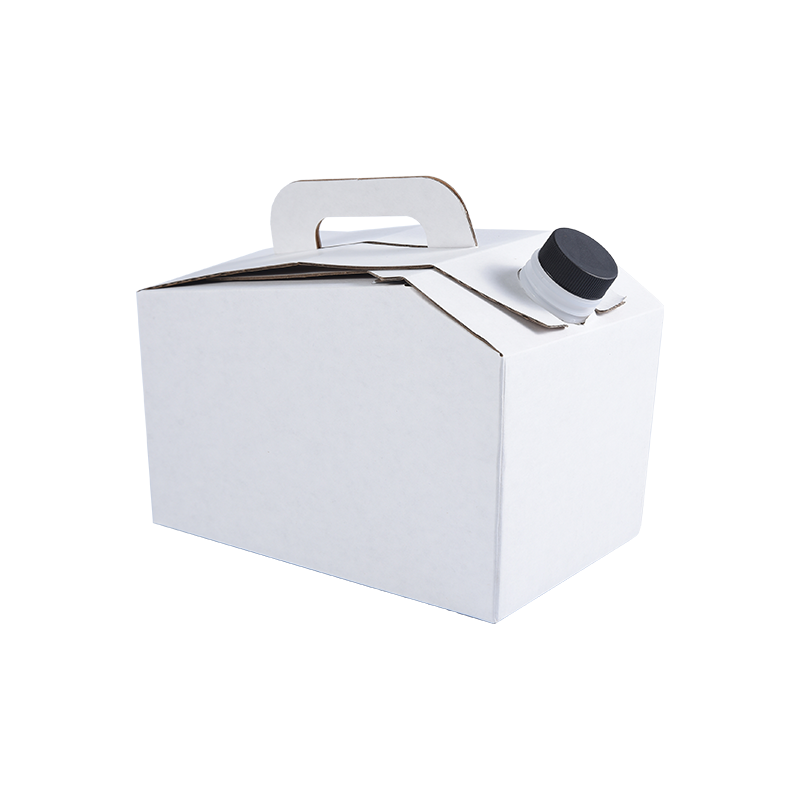 96oz Kraft Coffee/Drink to Go Container/Coffee Carrier Box
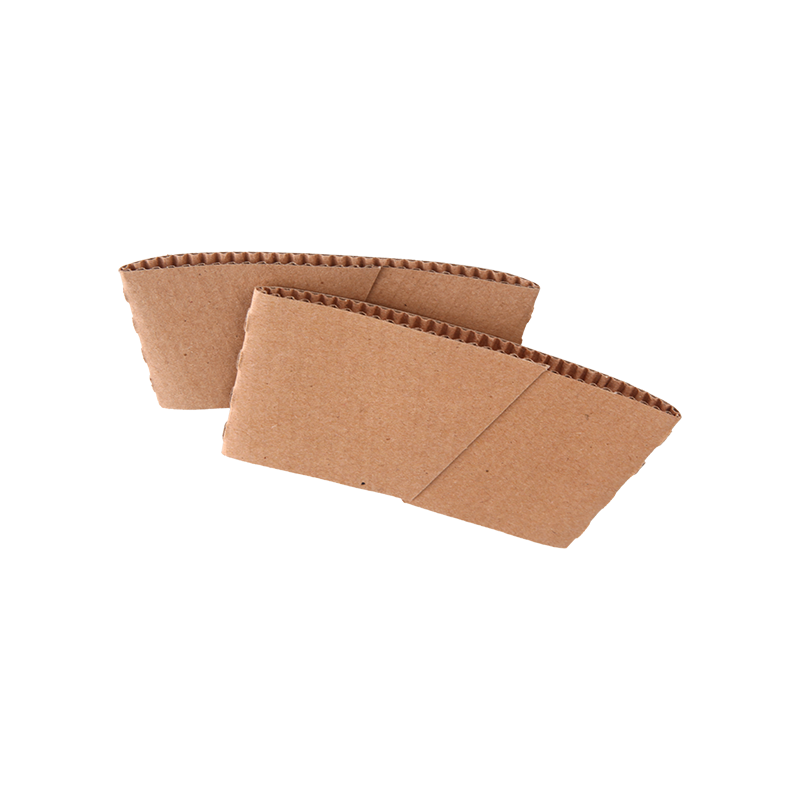 Recyclable Paper Cup Holder Sleeves
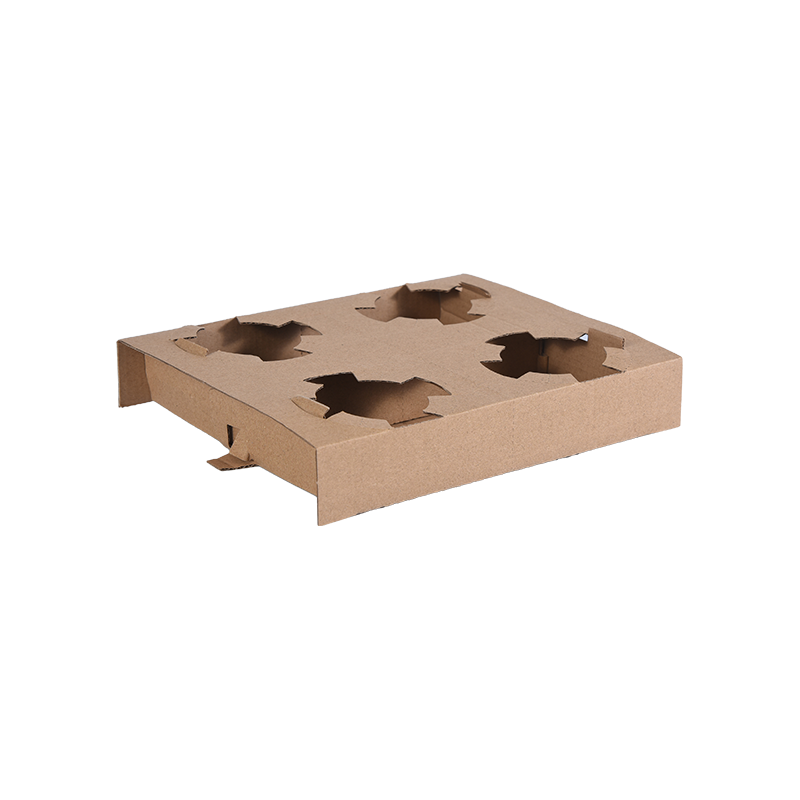 4 Cup Tray Holders for Hot & Cold Drinks – Foldable, Durable, and Cup Carrier for Takeaway, Festivals, Coffee Shops & Events
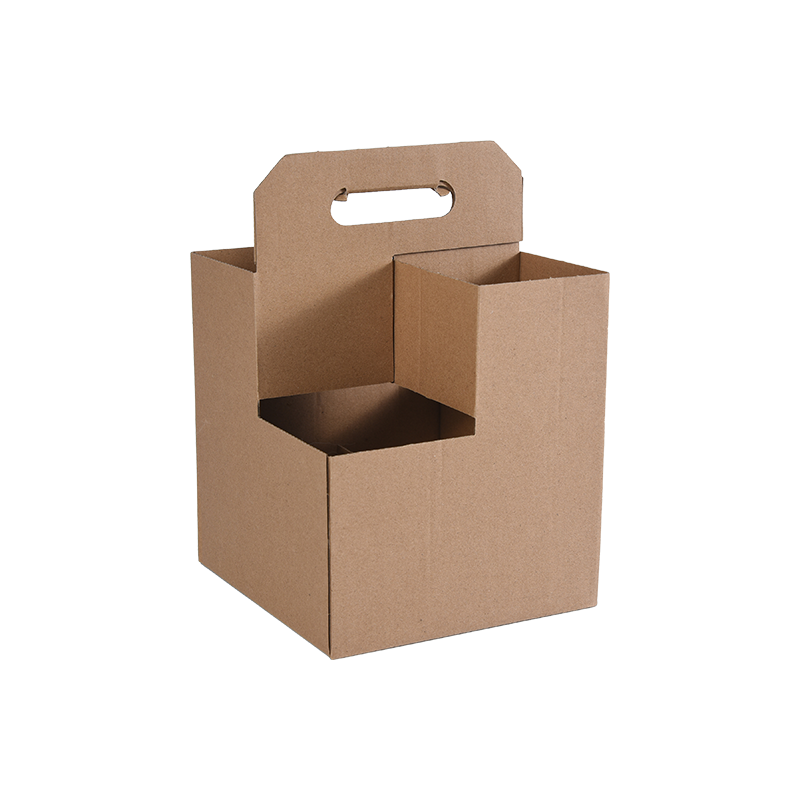 Kraft Cup Drink Carrier with Handles
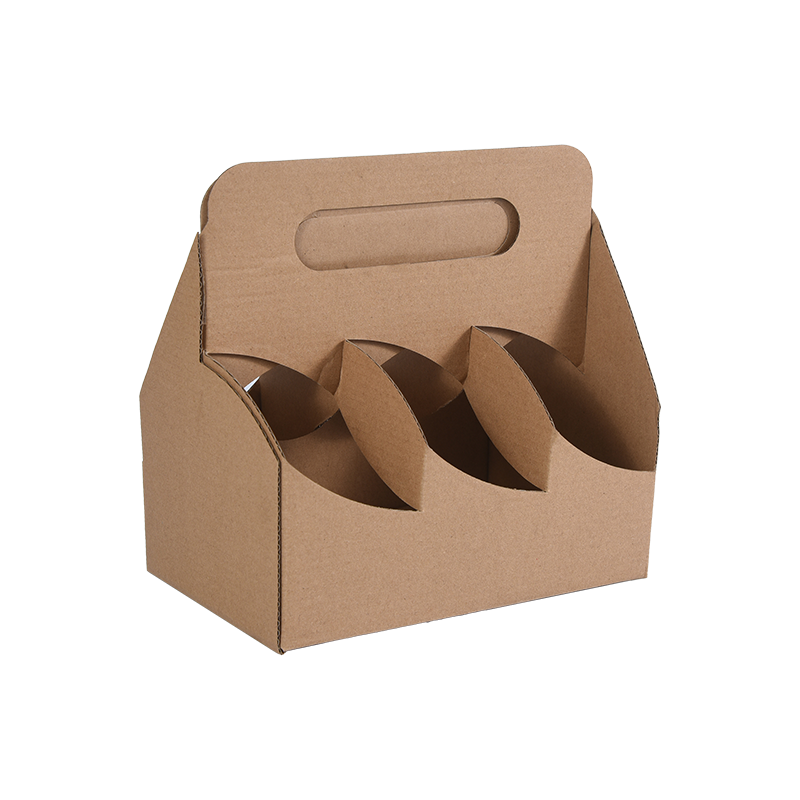 Kraft Beverage Carrier with Handles (6 to 8 Bottles or Cans)
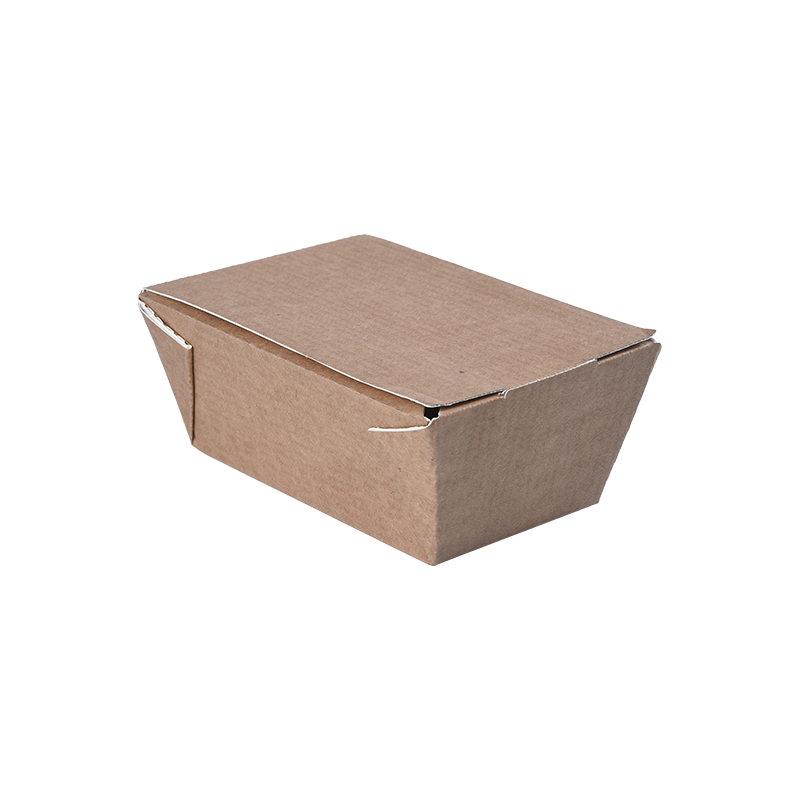 Corrugated Kraft Cardboard Lunch Boxes
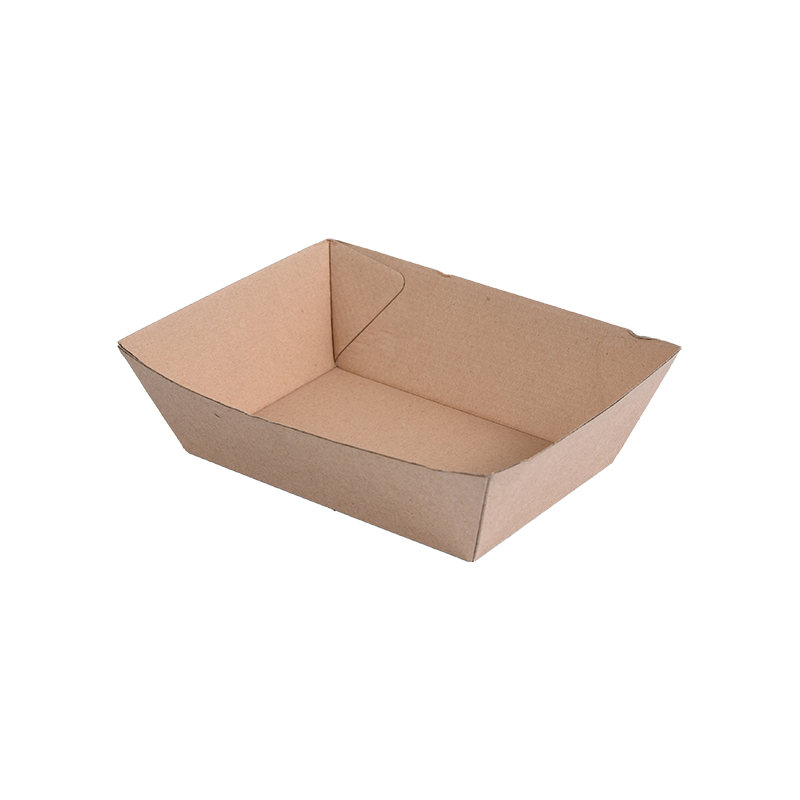 Disposable Rectangular Corrugated Paper Food Trays
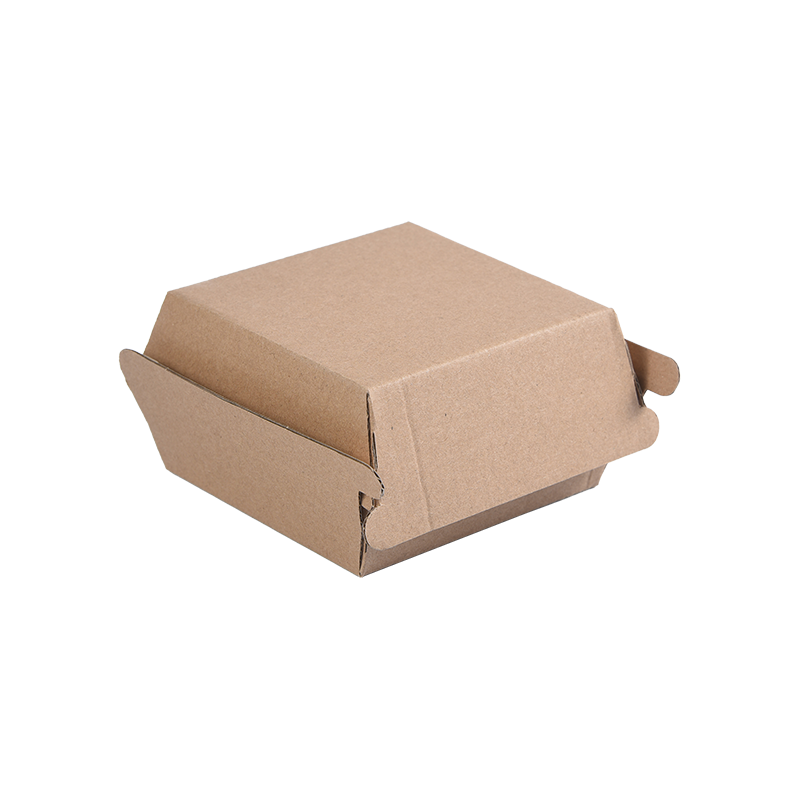 Restaurantware Corrugated Paper Burger Box
 Building 4, Leyin Industrial Park ,No. 330 Qianchun Avenue, Zhanqi Town, Yinzhou District, Ningbo, China
 +86-574-82813668
 Instagram
 Custom Disposable Paper Food Packaging Manufacturers