As sustainability continues to shape consumer preferences and business practices, restaurants around the world are turning to biodegradable paper food boxes as an eco-friendly alternative to plastic packaging. The shift away from plastic is not just a trend, but a necessary step in reducing environmental impact and responding to increasing customer demand for sustainable practices. Whether it's takeout, delivery, or catering services, the use of biodegradable paper food boxes has become a preferred option for businesses aiming to minimize waste and align with the growing global call for reducing single-use plastics.
Environmental Benefits: Reducing Plastic Pollution
One of the most compelling reasons why restaurants are choosing biodegradable paper food boxes is the significant environmental impact they have in comparison to plastic packaging.
- Plastic Waste Crisis: Plastic waste is one of the most pressing environmental challenges of our time. According to research, 8 million tons of plastic enter the ocean each year, causing harm to marine life and polluting natural ecosystems. Plastic packaging, such as takeout containers, often ends up in landfills or waterways, where it can take hundreds of years to break down.
- Biodegradable Advantages: Biodegradable paper food boxes, on the other hand, are made from renewable resources and designed to break down naturally over time. This means that when they are discarded, they don't contribute to the long-term pollution of landfills or oceans. Instead, they decompose more quickly, turning into organic matter that can enrich the soil. Many biodegradable paper food boxes are certified compostable, ensuring they can be safely processed by composting facilities.
- Reducing Carbon Footprint: The production of biodegradable paper food boxes also tends to have a lower carbon footprint than plastic alternatives. Paper is generally easier to recycle, and biodegradable products can be made using less energy-intensive processes than plastics, which require petroleum-based raw materials and significant manufacturing energy.
Consumer Demand for Eco-Friendly Options
Today’s consumers are more environmentally conscious than ever before. Sustainability has become a key factor in many purchasing decisions, particularly in the food industry. As a result, restaurants are adapting their practices to meet the growing demand for eco-friendly products.
- Sustainable Packaging Preferences: Surveys and market research consistently show that a significant percentage of consumers prefer to purchase from brands that prioritize sustainability. In fact, 73% of consumers say they would be willing to pay more for products packaged in eco-friendly materials. This includes biodegradable and compostable packaging, which is perceived as less harmful to the environment compared to single-use plastics.
- Brand Image and Reputation: By switching to biodegradable paper food boxes, restaurants can enhance their brand image as environmentally responsible businesses. Customers who value sustainability are more likely to return to and recommend restaurants that use eco-friendly packaging. This not only builds customer loyalty but also attracts a new demographic of environmentally-conscious diners.
- Public Perception and Trends: The rising awareness around plastic pollution has led to increased scrutiny on businesses that continue to use plastic packaging. With growing public support for sustainability, restaurants that fail to make the switch may be seen as outdated or irresponsible, potentially losing business to more eco-conscious competitors.
Compliance with Regulations and Legislation
In many regions, governments are introducing laws and regulations to curb the use of plastic packaging, especially in industries like foodservice. These regulations are often driven by concerns over environmental pollution and the long-term health of ecosystems.
- Bans on Single-Use Plastics: In places like the European Union, parts of the United States, and Canada, there are already bans or restrictions in place on single-use plastics, including plastic food containers, straws, and utensils. By switching to biodegradable paper food boxes, restaurants can stay ahead of these regulatory changes, ensuring that they are compliant with local laws and avoiding fines or penalties.
- Incentives and Support: Some regions offer incentives to businesses that use sustainable materials, such as tax breaks or grants. Using biodegradable paper food boxes may enable restaurants to benefit from such support while also adhering to environmental regulations.
Cost-Effectiveness and Long-Term Savings
While biodegradable paper food boxes may have a slightly higher upfront cost compared to plastic containers, they often provide significant long-term savings in several areas.
- Waste Management: In many places, the cost of waste disposal is rising. Restaurants that use plastic packaging often face higher fees for waste management, especially if their waste includes non-recyclable materials like plastic. Biodegradable paper food boxes, being compostable or recyclable, often have lower disposal costs. In addition, these products can be disposed of more easily without requiring special processing or treatment.
- Customer Loyalty and Repeat Business: As mentioned, environmentally conscious consumers are more likely to return to restaurants that prioritize sustainability. By investing in eco-friendly packaging, restaurants can build a loyal customer base that appreciates their efforts to reduce waste and protect the environment. This leads to increased repeat business and, over time, higher profitability.
- Sustainability as a Selling Point: Restaurants that market themselves as sustainable can often charge a premium for their products or services. Whether it's promoting the eco-friendly nature of their packaging or showcasing their commitment to environmental issues, sustainability has become a significant selling point. In a competitive market, using biodegradable packaging can differentiate a restaurant and provide a competitive edge.
Versatility and Performance of Biodegradable Paper Food Boxes
Biodegradable paper food boxes come in a wide range of shapes and sizes, making them versatile enough for almost any foodservice application. They are used by fast food chains, cafes, catering services, and even upscale restaurants that focus on takeout and delivery.
- Strong and Reliable: Despite being eco-friendly, biodegradable paper food boxes are durable and reliable for holding food. They are often made from high-quality, sturdy paperboard that can hold hot and cold items without leaking or falling apart. Additionally, many of these boxes come with built-in grease-resistant coatings that allow them to hold oily or saucy foods without getting soggy.
- Convenient for Takeout and Delivery: For restaurants offering delivery or takeout, biodegradable paper food boxes are an excellent solution for packaging meals securely. They provide an easy-to-use, leak-proof option for delivering food to customers’ doors. Their ability to keep food fresh and intact during transit further improves customer satisfaction.
- Customizable and Attractive: Many biodegradable food packaging companies offer customization options, allowing restaurants to print their logos, designs, or sustainability messages directly on the boxes. This helps restaurants not only present an eco-friendly image but also market their brand in an eye-catching and memorable way.
Promoting a Circular Economy
Switching to biodegradable paper food boxes also aligns with the broader concept of a circular economy, where products and materials are reused, recycled, or composted rather than disposed of as waste.
- Supporting Composting and Recycling: Unlike plastic packaging, which can take hundreds of years to decompose, biodegradable paper products can be composted or recycled, allowing them to re-enter the natural ecosystem or be repurposed into new products. This helps reduce waste and promote a more sustainable lifecycle for the packaging.
- Encouraging Responsible Consumption: By choosing biodegradable paper food boxes, restaurants contribute to a broader movement toward responsible consumption. This approach encourages consumers to think more critically about how their purchases impact the environment and fosters a sense of shared responsibility for reducing waste.


 English
 Español
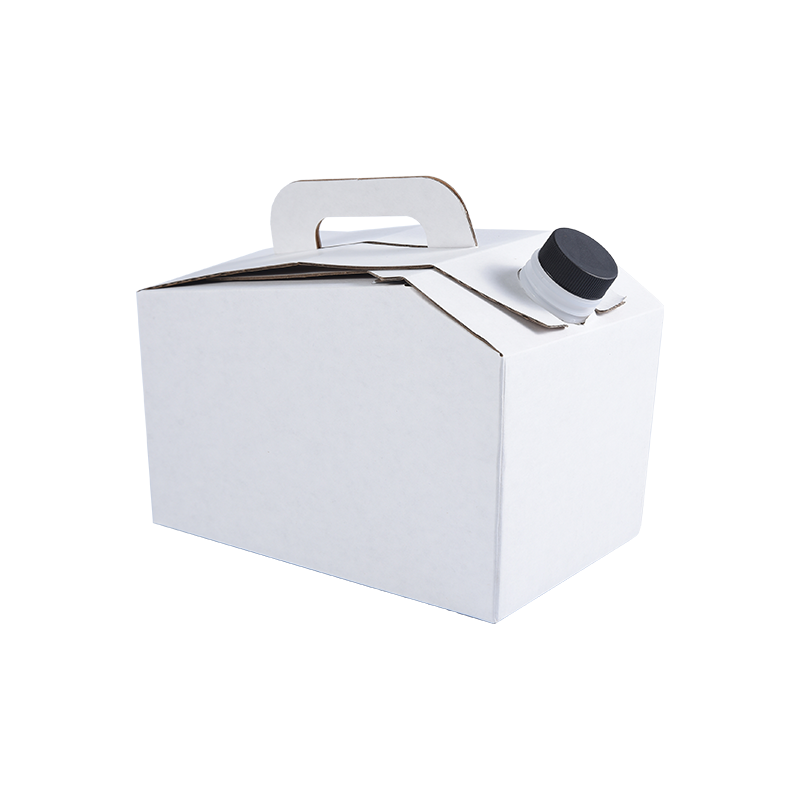 96oz Kraft Coffee/Drink to Go Container/Coffee Carrier Box
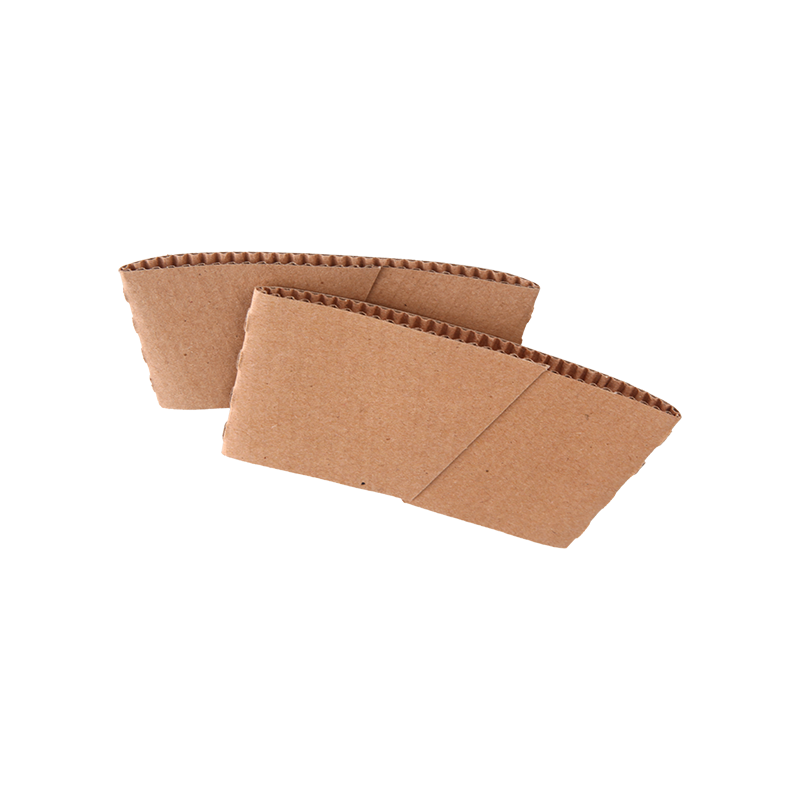 Recyclable Paper Cup Holder Sleeves
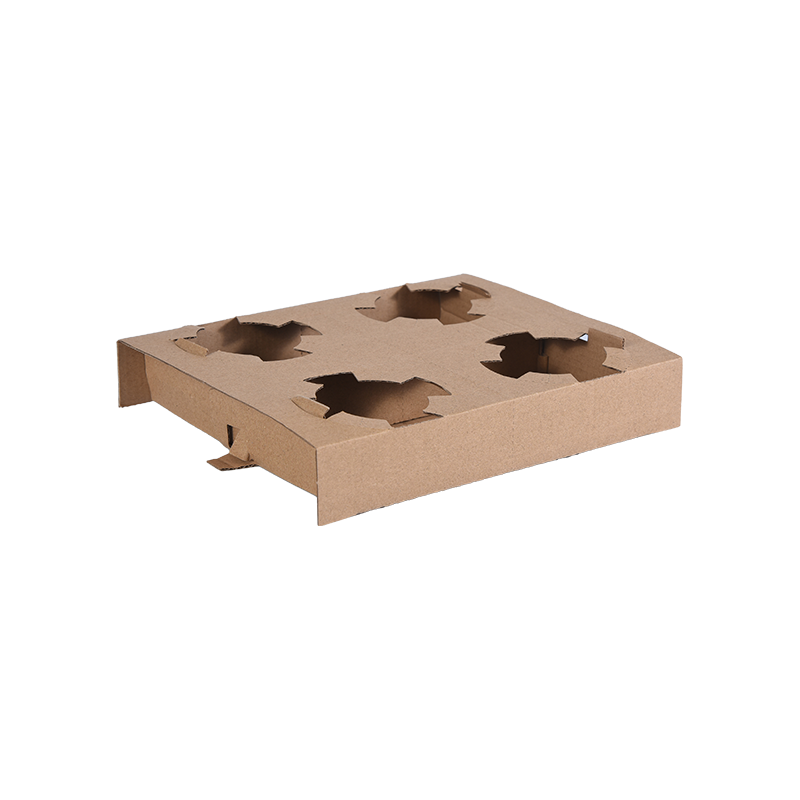 4 Cup Tray Holders for Hot & Cold Drinks – Foldable, Durable, and Cup Carrier for Takeaway, Festivals, Coffee Shops & Events
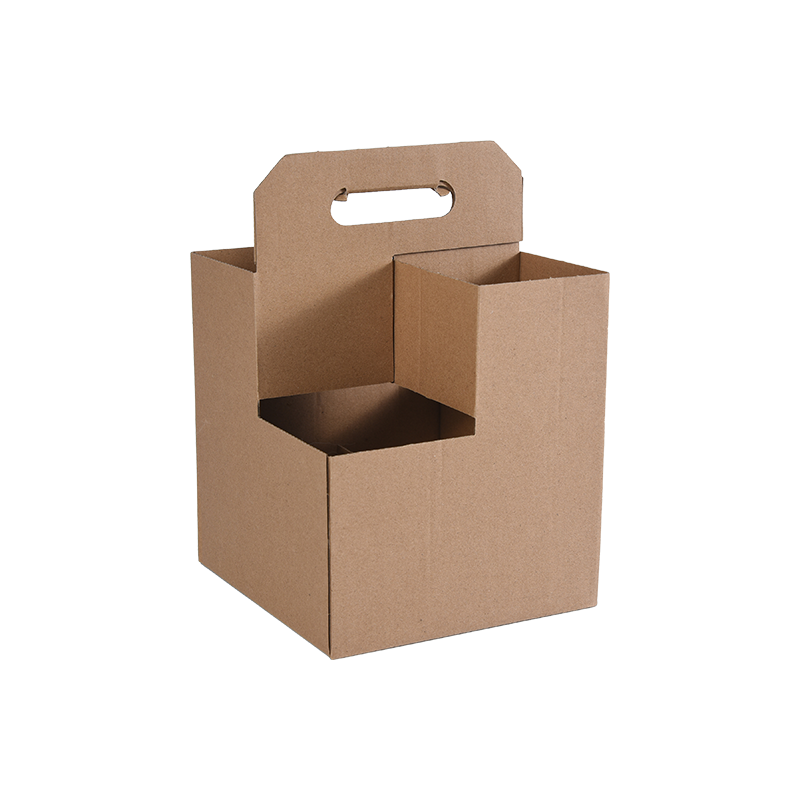 Kraft Cup Drink Carrier with Handles
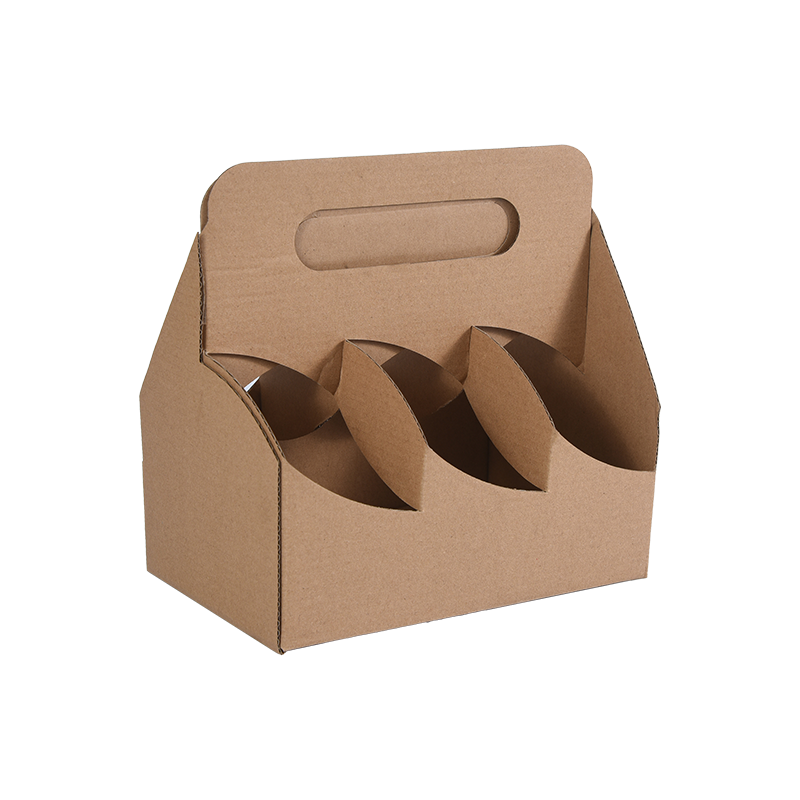 Kraft Beverage Carrier with Handles (6 to 8 Bottles or Cans)
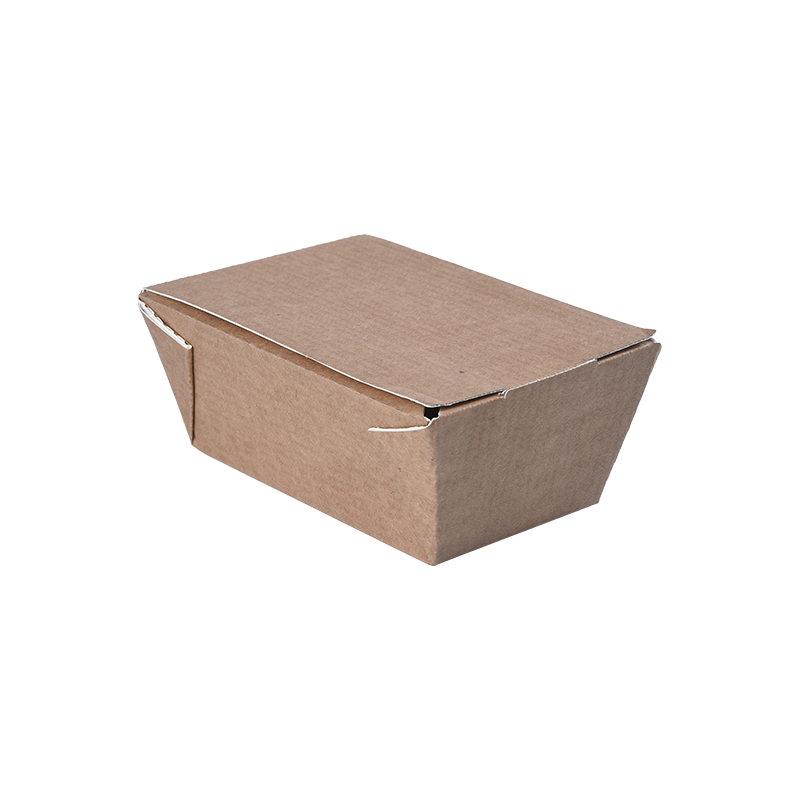 Corrugated Kraft Cardboard Lunch Boxes
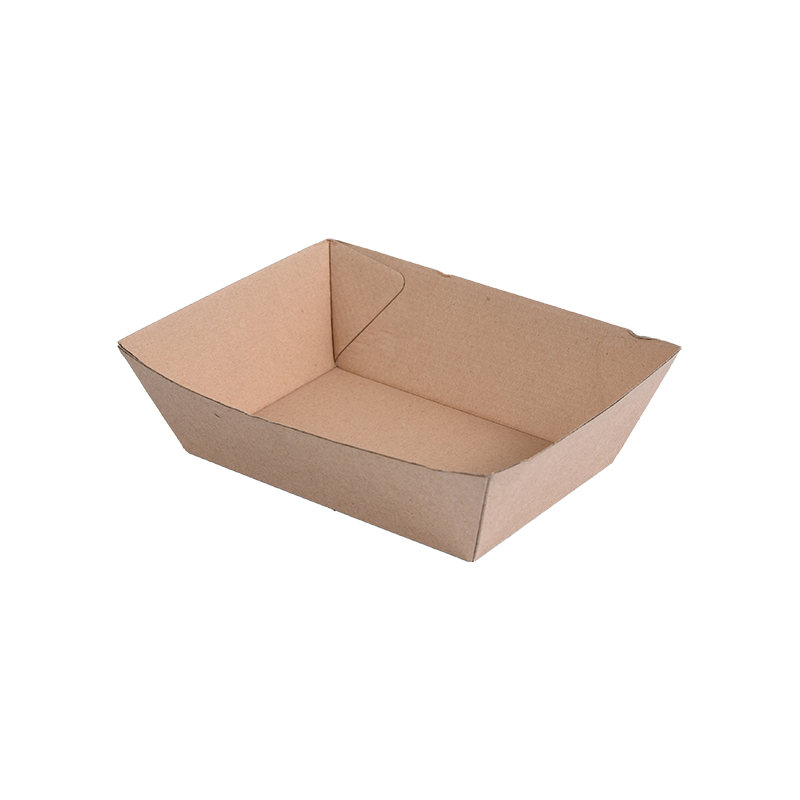 Disposable Rectangular Corrugated Paper Food Trays
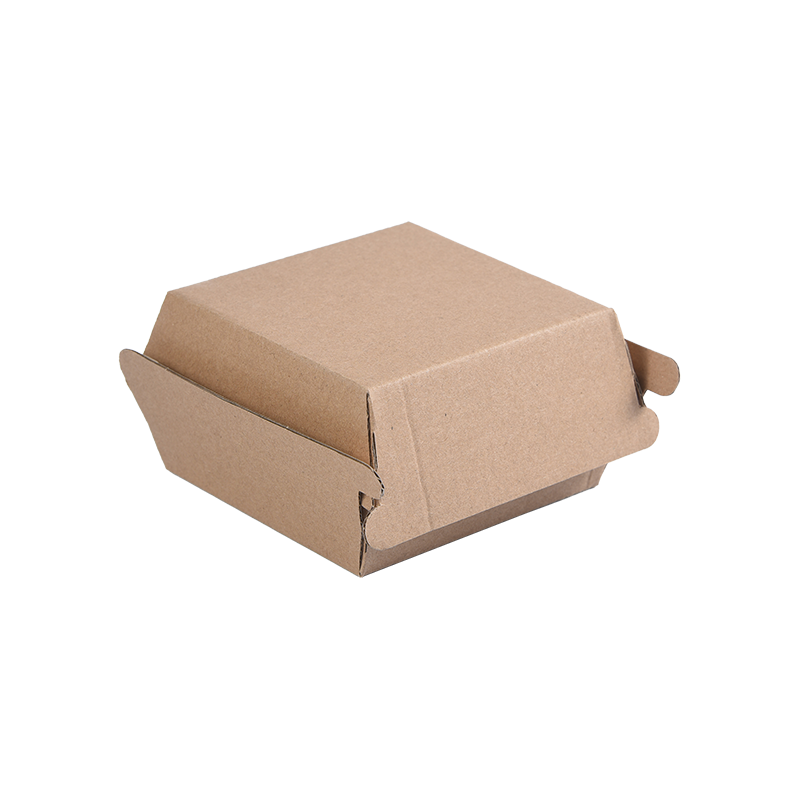 Restaurantware Corrugated Paper Burger Box

 Building 4, Leyin Industrial Park ,No. 330 Qianchun Avenue, Zhanqi Town, Yinzhou District, Ningbo, China
 +86-574-82813668
 Instagram
 Custom Disposable Paper Food Packaging Manufacturers