


 English
 Español
-
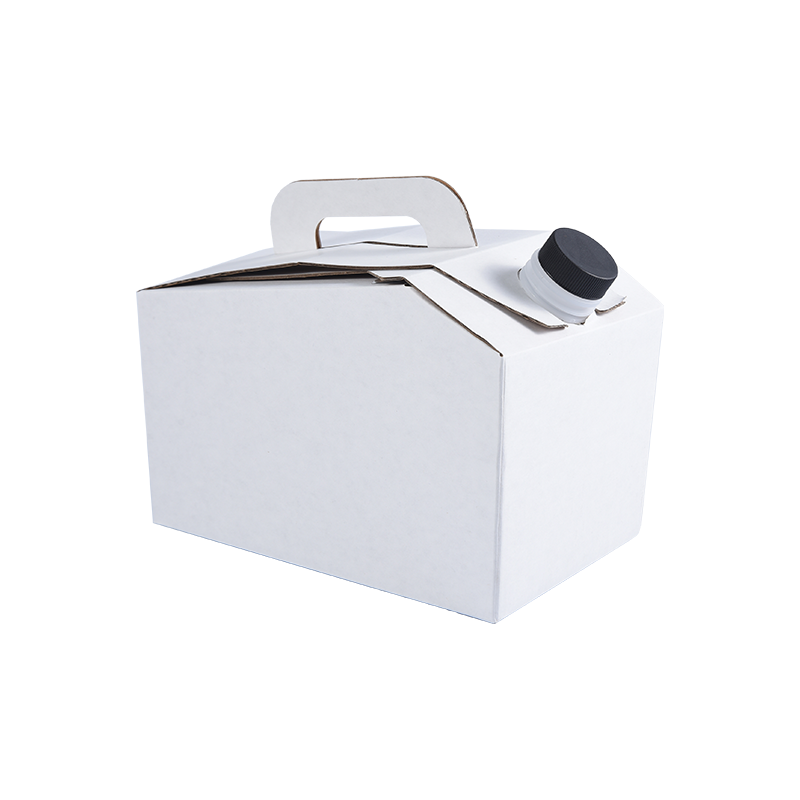 96oz Kraft Coffee/Drink to Go Container/Coffee Carrier Box
-
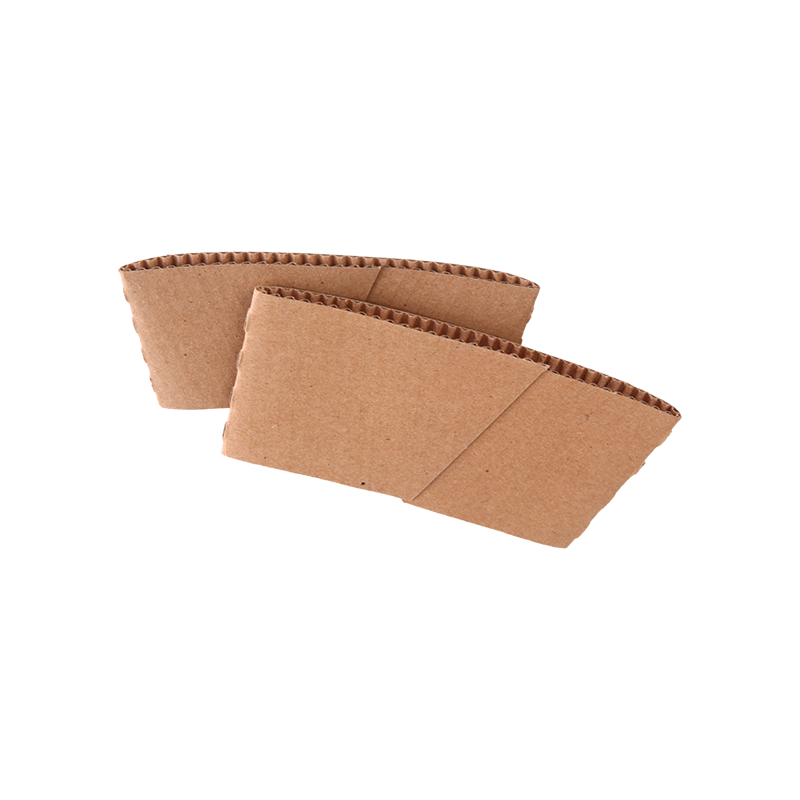 Recyclable Paper Cup Holder Sleeves
-
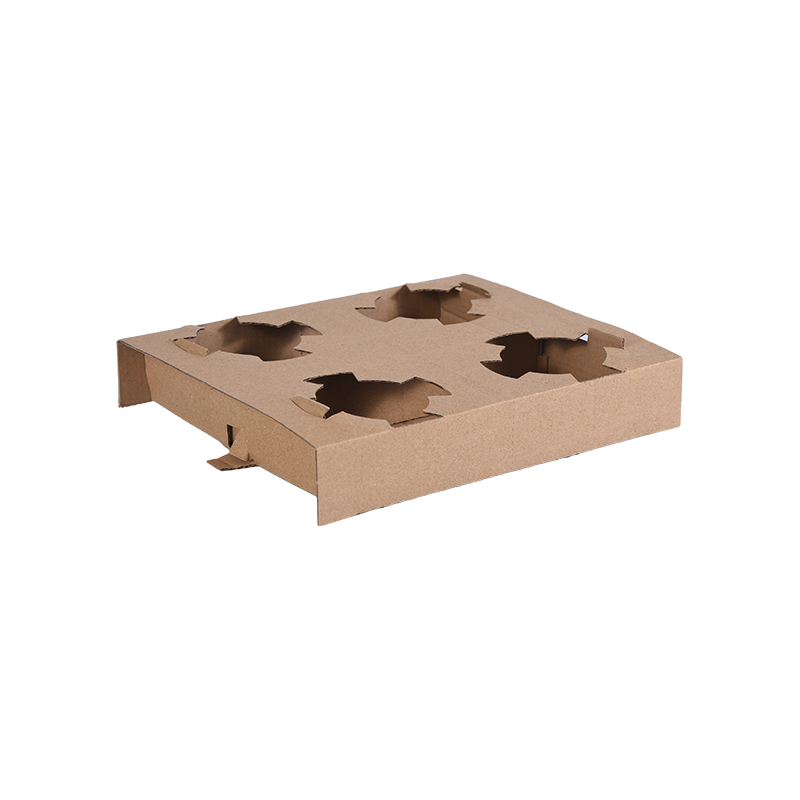 4 Cup Tray Holders for Hot & Cold Drinks – Foldable, Durable, and Cup Carrier for Takeaway, Festivals, Coffee Shops & Events
-
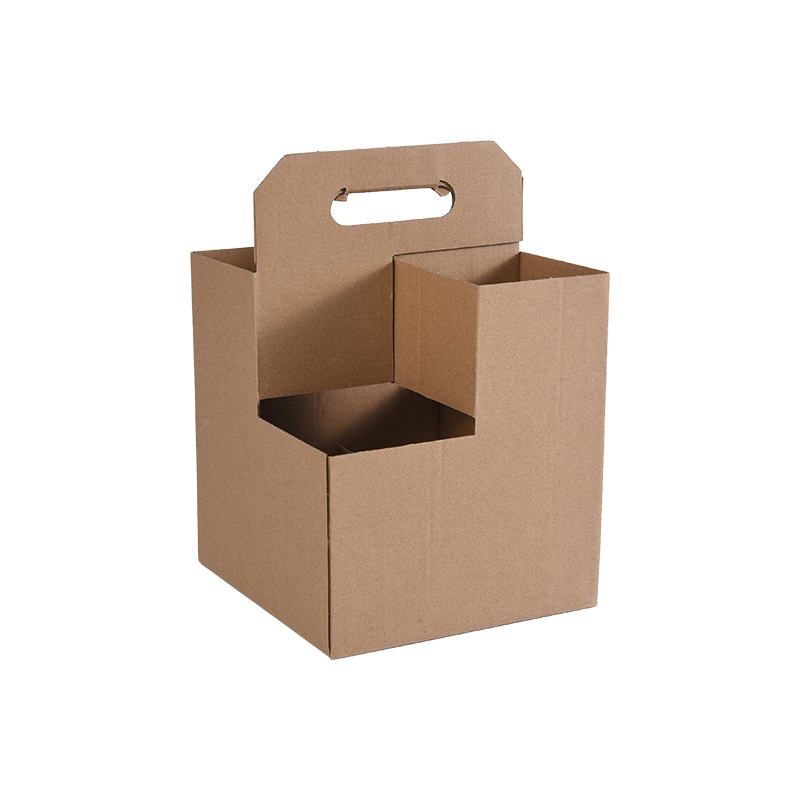 Kraft Cup Drink Carrier with Handles
-
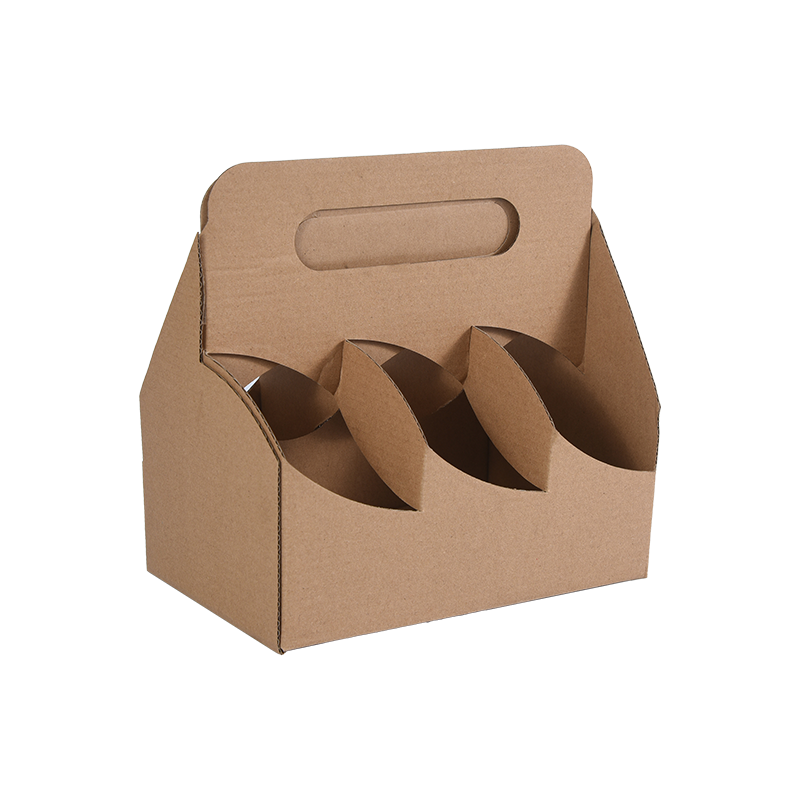 Kraft Beverage Carrier with Handles (6 to 8 Bottles or Cans)
-
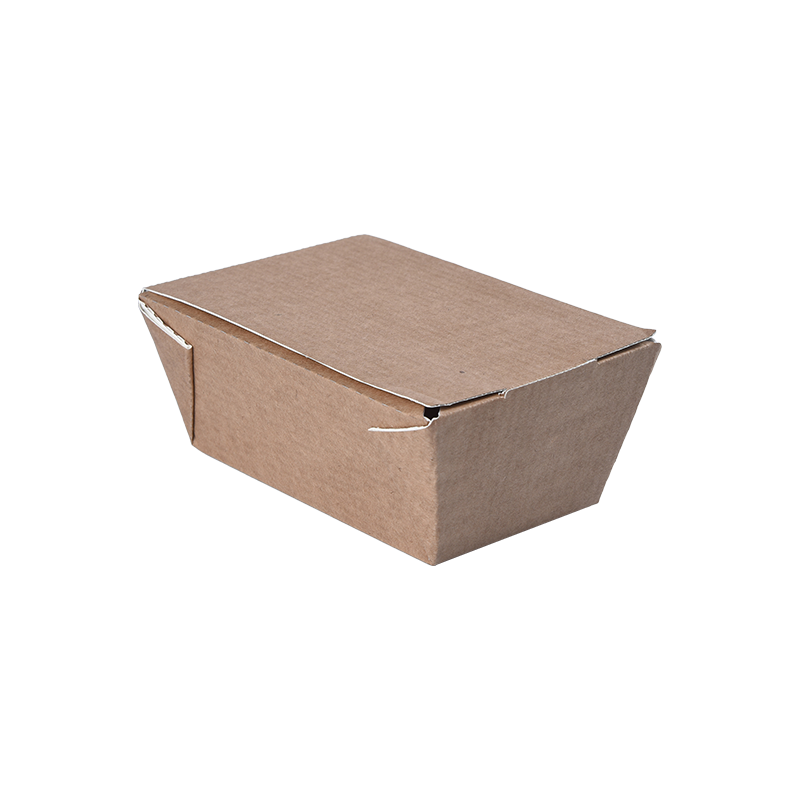 Corrugated Kraft Cardboard Lunch Boxes
-
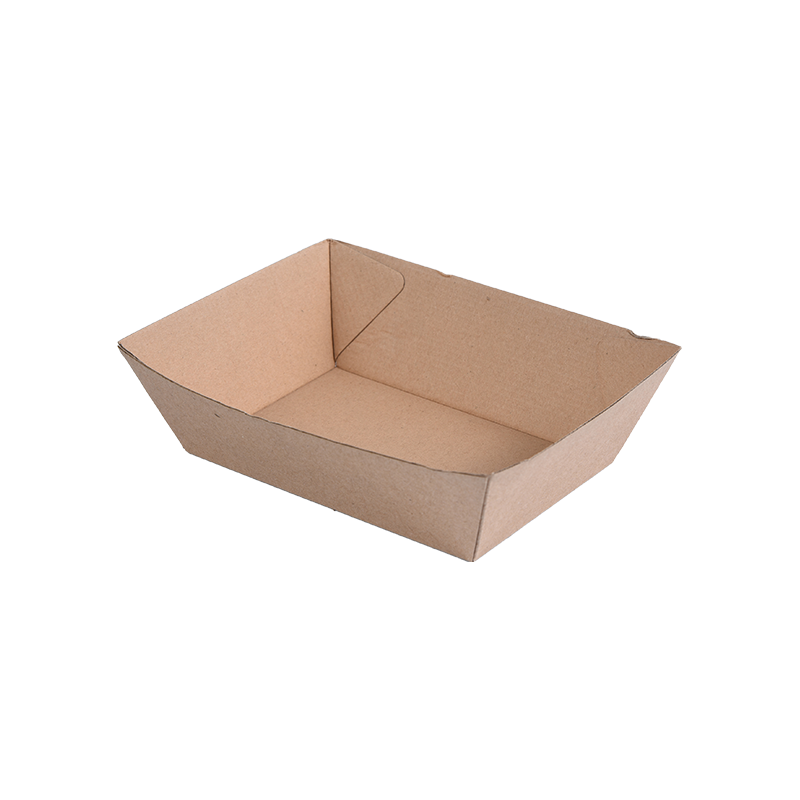 Disposable Rectangular Corrugated Paper Food Trays
-
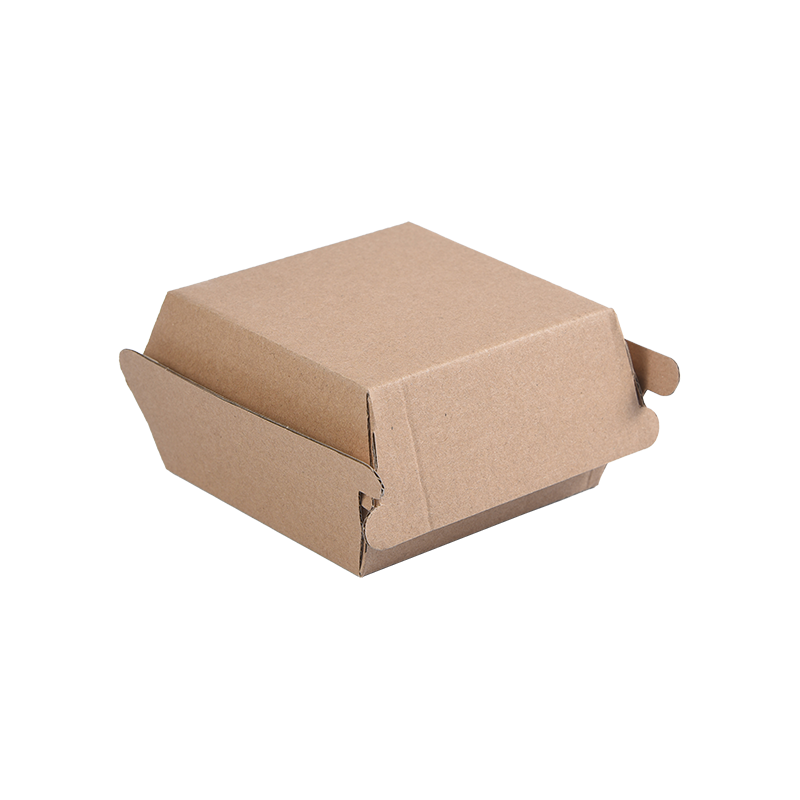 Restaurantware Corrugated Paper Burger Box
Chinese Food Container Sizes Explained: Measurements in Pints & Quarts
If you have ever ordered Chinese takeout, you have probably held one of those folded paper pails with the wire handle. They look compact, but they hold a surprising amount of food. The real question is: how big are Chinese food containers? This guide answers that question by looking at the two standard sizes, how they are measured, and what to consider when choosing takeout packaging for your restaurant or delivery service.
Chinese Food Container Sizes at a Glance
Most Chinese takeout boxes are sold by volume, not by inches. The two most common sizes are the pint and the quart. A pint container holds 16 oz, or about two cups of food. A quart container holds 32 oz, or about four cups. These measurements are standard across most suppliers, although the physical dimensions of the box can change based on the shape and design.
| Size | Capacity | Common uses |
|---|---|---|
| Pint | 16 oz / 2 cups | Single portions of rice, noodles, and main dishes |
| Quart | 32 oz / 4 cups | Family-style servings, soups, and large entrees |
Keep in mind that the stated volume refers to liquid capacity. A container rated at 16 oz may not hold 16 oz of fried rice once the food is packed tightly, but it gives you a reliable baseline for portion planning. The pint and quart names come from liquid measurements, but in takeout they are used loosely. A pint container often holds about as much as two standard single-serving soup cups.
The Classic Folded Pail: Pint vs Quart
The folded pail is the box that most people picture when they think of Chinese takeout. It has a folded top that locks in heat, a wire handle for carrying, and a convenient shape that stacks well in a delivery bag. The 16 oz pint version is ideal for single meals, while the 32 oz quart version suits larger portions and shared dishes.
Physical measurements vary between manufacturers. Some pails are taller and narrower; others are shorter and wider. If you compare a pint pail with a quart pail from the same product line, the quart will usually be noticeably taller and wider, but not necessarily twice the height. That is why volume is the more reliable way to compare. Because the folded pail has no flat lid, the top fold also creates a natural handle or closure. This design keeps the container secure during delivery while making it easy for customers to open.
 Paper Food Pail with Plastic Handle for TakeoutCompare pail volumes and dimensions to match your menu portions. This customizable container suits noodles, rice, and single-protein dishes across 8 to 32 oz sizes.View Product →
In our own packaging experience, a 16 oz pail works well for chow mein, fried rice, and single-protein dishes. A 32 oz pail is a better match for soups, heavier noodle dishes, or any menu item where customers expect a generous amount.
How to Measure Chinese Takeout Containers
If you are sourcing containers, you will want to compare actual dimensions as well as stated capacity. Here is a simple way to check any container:
- Write down the volume stated on the product page or label.
- Measure the width and depth of the base from the outside edges.
- Measure the height from the bottom of the box to the top edge when the container is fully opened.
- Fold the top closed and measure again to see the usable height for packing and stacking.
You can also test capacity by filling the container with water. A 16 oz box should hold two cups of water, and a 32 oz box should hold four cups. This test is handy when you are comparing boxes from different suppliers or checking a new sample. To measure accurately, open the container completely before taking dimensions, and do not include the folded flap in the height.
Wide Containers and Multi-Compartment Boxes
Chinese food containers are not always pails. Many restaurants use wide hinged boxes or multi-compartment containers that provide the same pint and quart volumes with a different footprint. These are useful when you want to present food in a shallow, open layout rather than a deep pail.
A two-compartment folded-top box, for example, keeps an entrée separate from rice or vegetables. The overall capacity can be in the same 16 oz or 32 oz range as a pail, but the divided layout changes how food is portioned and presented. Wide containers are also easier for customers who want to see the food before they commit to a fork; that visual appeal can make a difference in online reviews.
 Two-Compartment Kraft Bento Box with Folded TopKeep entrées separate from sides in this divided kraft box. The clear layout enhances visual appeal and portioning, making it ideal for catering and takeout.View Product →
Choosing the Right Size for Your Menu
How do you decide between a pint and a quart? Start with your menu and portion sizes. Here are a few guidelines:
- Use a 16 oz pint for individual portions of rice, noodles, or a single main dish.
- Use a 32 oz quart for large entrees, family meals, or soup orders.
- Look for a leak-resistant folded top if you serve hot, saucy dishes.
- Consider a multi-compartment box for combos or meals with separate sides.
- Check how the box will fit in your existing delivery bags and cup holders.
The right size is about more than capacity. If a container is too large, the portion looks small. If it is too small, food gets crushed. A well-filled container looks generous and keeps customers satisfied. When in doubt, order samples of both sizes and test them with your actual dishes. Staff feedback and customer comments will quickly show which portion size feels right.
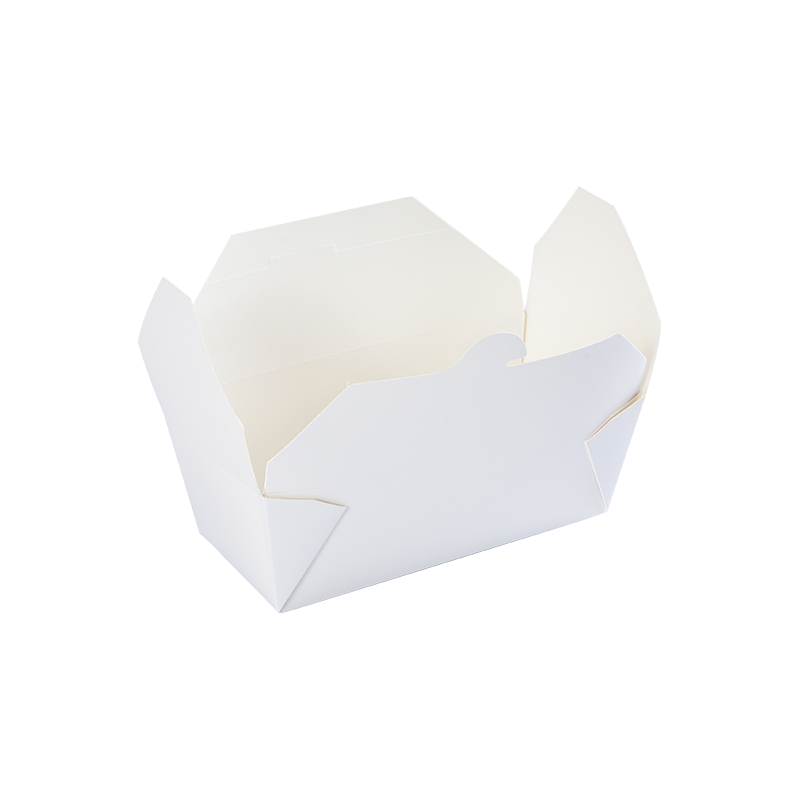 Leak-Proof Kraft Takeout Box with Secure Tab LockCoated paper resists oil and sauce while the lockable flaps protect contents. Available in multiple sizes to fit fried items, soups, and hearty meals.View Product →
A Note on Materials and Coating
Size is only part of the equation. Paper takeout containers also need the right material and coating to hold up against oil, sauce, and heat. Coated paper is a common choice for Chinese takeout because it helps prevent leaks and keeps the box from getting soggy. Uncoated kraft is often used for dryer foods like spring rolls or fried items.
If you are comparing your options, our takeout box types and materials guide walks through the differences between coated paper, kraft board, and other food-safe materials. Choosing the right combination of size and material will save you money and reduce waste. Food safety matters too. Make sure the paperboard meets food-grade standards and the coating is suitable for hot, oily foods. If you serve soups, look for a container with extra moisture resistance.
So how big are Chinese food containers? The simplest answer is that they come in two standard sizes: 16 oz pints and 32 oz quarts. Beyond that, the exact dimensions depend on the shape you choose, whether it is a classic folded pail, a wide hinged box, or a multi-compartment container. If you start with these two sizes and match them to your menu portions, you will cover most takeout situations without guesswork.
-
Chinese Food Container Sizes Explained: Measurements in Pints & Quarts
If you have ever ordered Chinese takeout, you have probably held one of those folded paper pails wi...
-
How Are Paper Bags Made? The Complete Kraft Paper Manufacturing Process
Paper bags are one of those everyday objects we rarely stop to think about — until we watch one bei...
-
how to carry cupcakes: Applications, Selection Criteria, and Practical Guidance
Freshly baked cupcakes are hard to resist, but they are even harder to carry. A light bump can send...
-
How to Make a Paper Lunch Box: DIY Folding & Commercial Manufacturing Guide
A paper lunch box is one of those everyday objects that seems too simple to think about — until you...
-
how to pack tacos for delivery: Applications, Selection Criteria, and Practical Guidance
Delivering tacos has become a daily challenge for many restaurants and food trucks. Unlike burgers ...
-
how to transport cupcakes: Applications, Selection Criteria, and Practical Guidance
Cupcakes are small, but moving them safely is a bigger challenge than most people expect. A slight ...
 Building 4, Leyin Industrial Park ,No. 330 Qianchun Avenue, Zhanqi Town, Yinzhou District, Ningbo, China
 +86-574-82813668

 Instagram
Copyright © Ningbo Shuohui New Material Technology Co., Ltd. Rights Reserved.
 Custom Disposable Paper Food Packaging Manufacturers