


 English
 Español
-
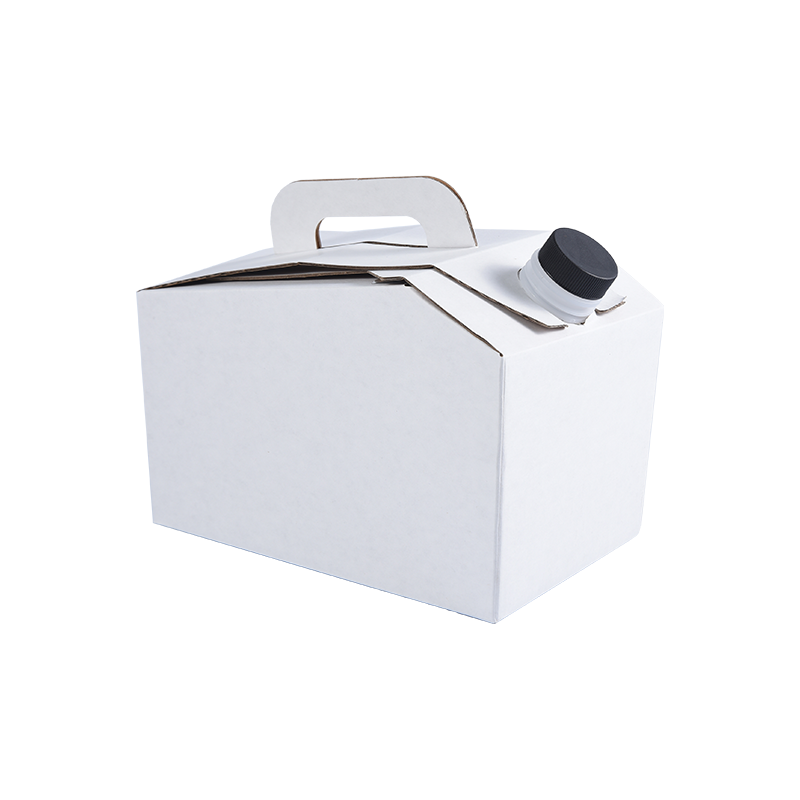 96oz Kraft Coffee/Drink to Go Container/Coffee Carrier Box
-
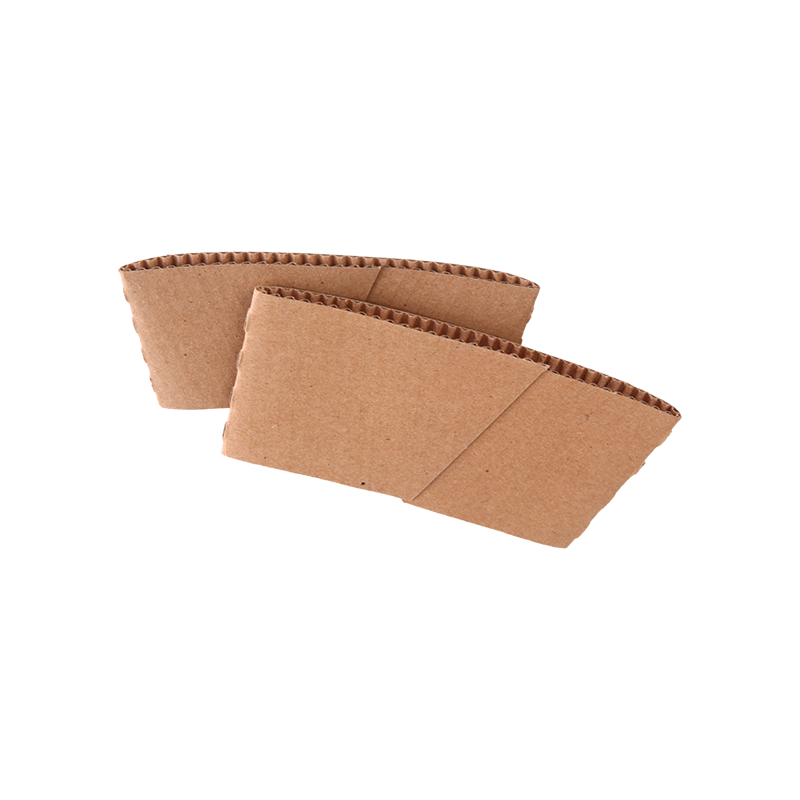 Recyclable Paper Cup Holder Sleeves
-
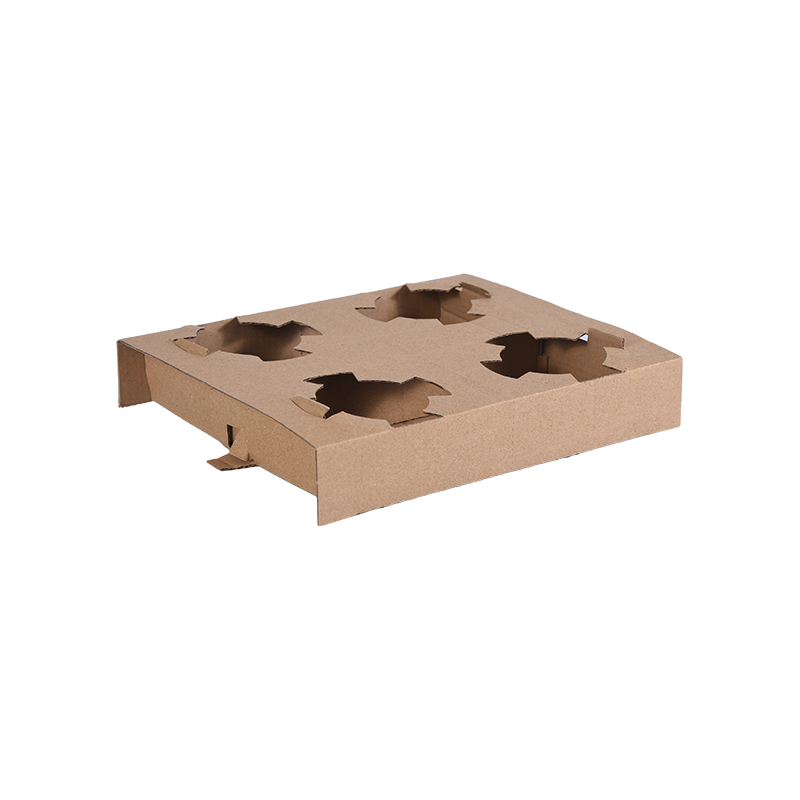 4 Cup Tray Holders for Hot & Cold Drinks – Foldable, Durable, and Cup Carrier for Takeaway, Festivals, Coffee Shops & Events
-
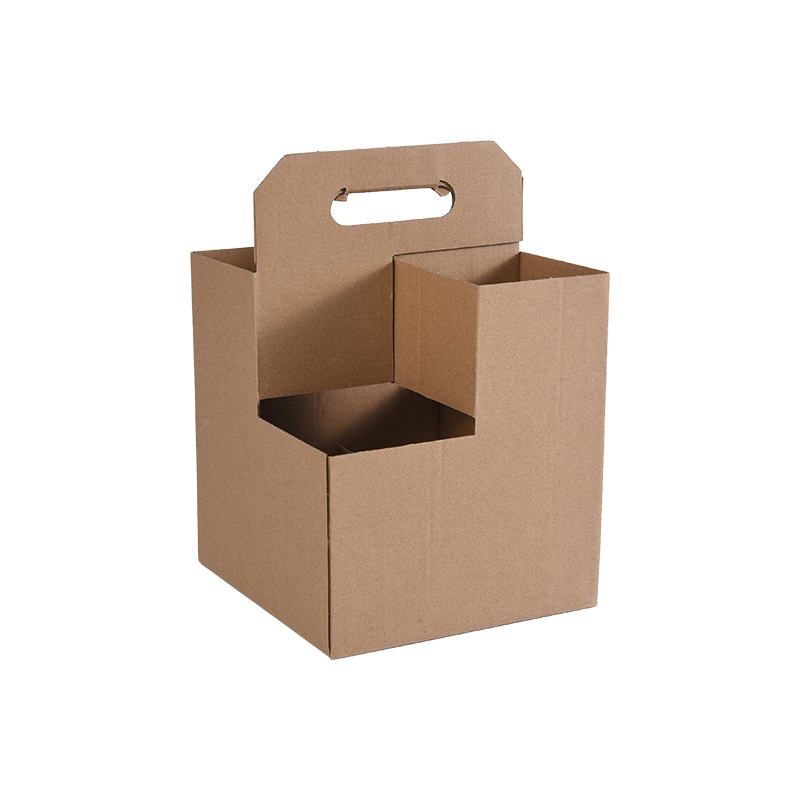 Kraft Cup Drink Carrier with Handles
-
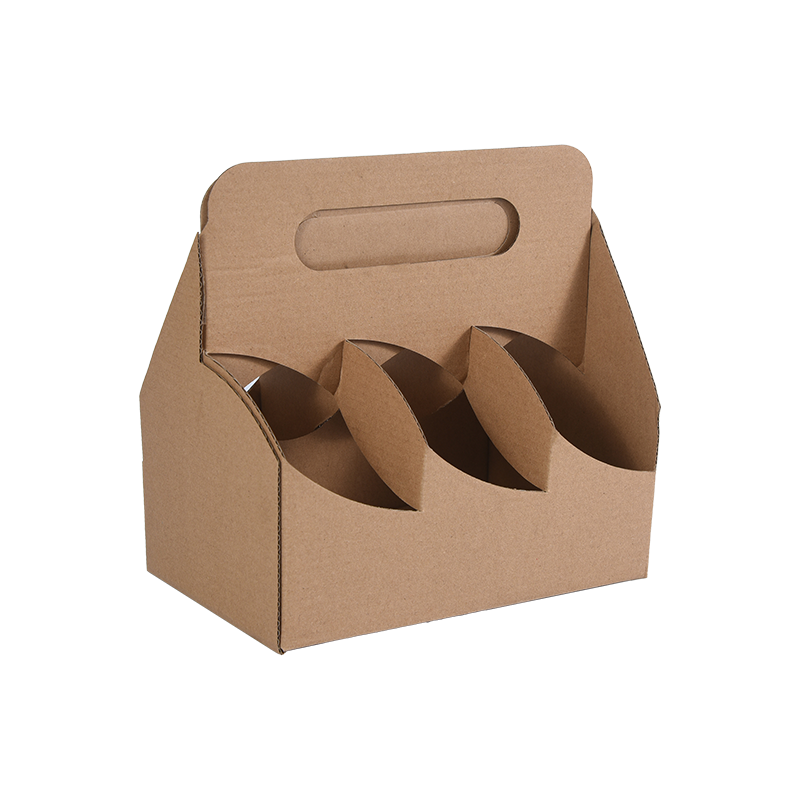 Kraft Beverage Carrier with Handles (6 to 8 Bottles or Cans)
-
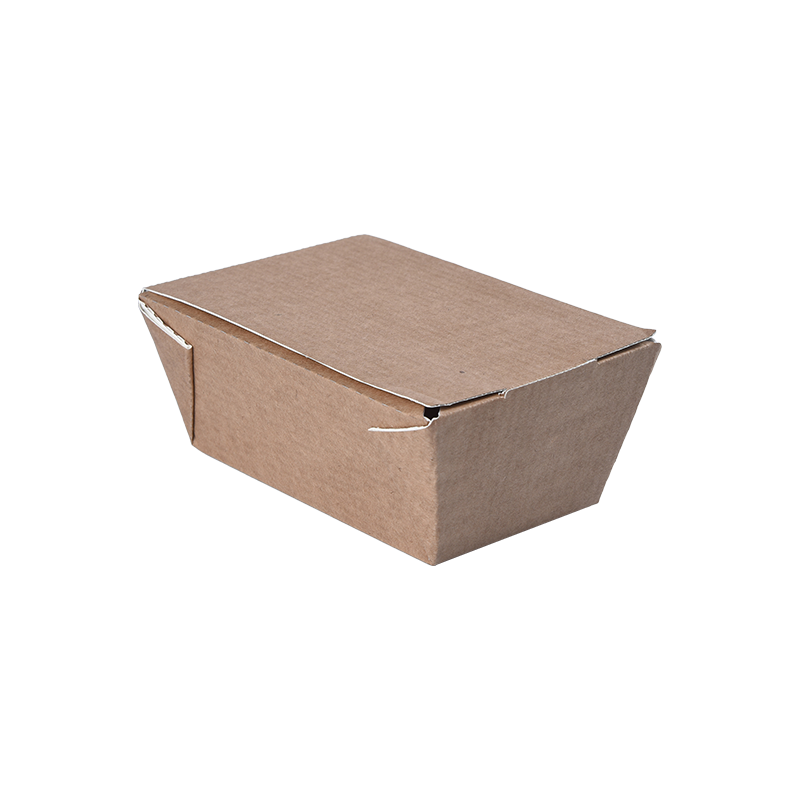 Corrugated Kraft Cardboard Lunch Boxes
-
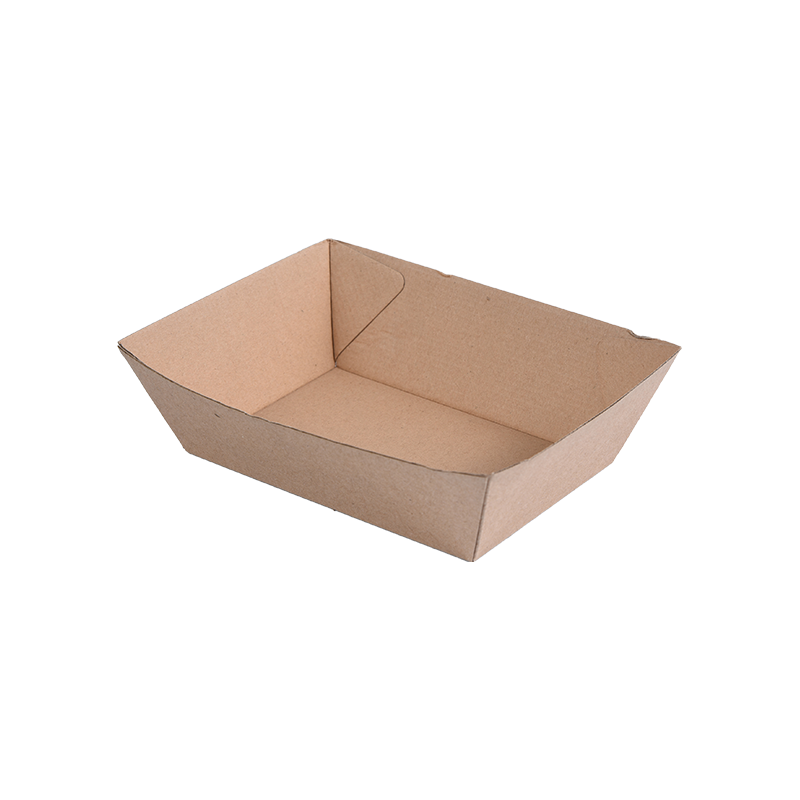 Disposable Rectangular Corrugated Paper Food Trays
-
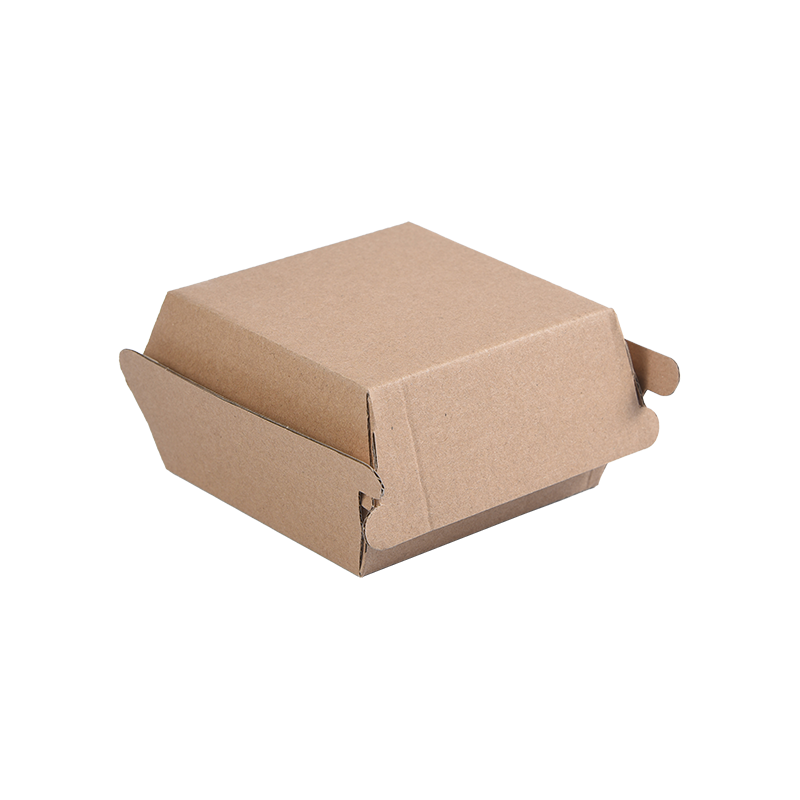 Restaurantware Corrugated Paper Burger Box
how to transport cupcakes: Applications, Selection Criteria, and Practical Guidance
Cupcakes are small, but moving them safely is a bigger challenge than most people expect. A slight shift can smear buttercream, a warm car can melt ganache, and a too-deep box can crush a tall swirl. After years of making paper packaging for bakeries and delivery services, we’ve learned what works. Here is a practical guide to transporting cupcakes so they arrive looking as good as they did on the counter.
Why Cupcakes Are Tricky to Transport
Unlike a whole cake, which sits on a solid base, cupcakes are individual portions with exposed frosting. They move independently inside a box, and their liners are not always anchored to anything. Add the fact that buttercream softens above 70°F and cream cheese frosting can turn slippery in minutes, and you have a recipe for a messy delivery. The table below shows the usual culprits and the fixes that prevent them.
| Problem | Why It Happens | Solution |
|---|---|---|
| Smeared frosting | Cupcakes slide when the box is tilted | Use a snug-fitting lid and a non-slip base |
| Crushed decorations | Box allows vertical movement | Choose a box with enough headroom |
| Soggy cake | Condensation from warm cake | Cool completely before packing |
| Melted buttercream | Heat inside a car | Keep box in an insulated bag, avoid direct sunlight |
| Broken cake base | Thin cardboard flexes | Use a rigid paper box or double-layer bottom |
Prepare Cupcakes for the Journey
Cool and Chill Before Packing
Packaging cannot fix a cupcake that is still warm. Steam from a just-baked cupcake condenses on the lid and drips onto the frosting, leaving spots and soggy crumbs. Let cupcakes cool on a rack for at least an hour after baking. If you are working with cream cheese or whipped frosting, chill the frosted cupcakes for 20-30 minutes in the refrigerator before packing. Firm frosting holds its shape better and resists sticking to a lid.
Set the Liners
A droopy liner causes the cake to lean, and leaning cupcakes inevitably touch. To keep liners upright, place cupcakes in a sturdy muffin tin before filling and baking. If you bought cupcakes from a bakery, leave them in the original baking cups and gently press the liner back into shape if needed. The goal is a straight, stable base before the cupcake goes into its travel box.
- Cool baked cupcakes completely on a wire rack.
- Chill soft frostings for 20-30 minutes.
- Check that each liner is upright and snug against the cake.
Choose the Right Cupcake Box
The container you choose matters more than any other variable. A proper cupcake box should be rigid enough to resist stacking pressure, tall enough to clear the frosting, and secure enough to stop cupcakes from sliding. For single-layer orders, a lidded cake box designed for bakery items is ideal. In our experience, a lidded cake box is the most reliable choice because the sides are sturdy and the closure holds the two halves tightly together.
 Lidded Cake Boxes with Leak-Proof Lining and Anti-Fog WindowThese sturdy lidded boxes offer a clear anti-fog window and leak-proof lining, making them a reliable choice for keeping cupcakes secure and presentable during delivery.View Product →
If you are transporting just a few cupcakes, a smaller bakery box with a window lets the recipient see the treats without opening the lid. For branded deliveries, a printed cake box turns a simple order into a memorable gift. Whichever style you select, make sure the box is the right size: too much room means cupcakes slide, too little room means the frosting brushes against the lid. If you need help with sizing and materials, read our guide to custom paper cake boxes.
Secure Cupcakes Inside the Box
A good box holds cupcakes away from the lid, but it cannot keep them from sliding forward when you brake or turn. To solve this, create a base that grips the liners. One trick is to cut a sheet of paper towel or parchment to fit the bottom of the box. Another is to squeeze a pea-sized dot of frosting onto the base and press each liner onto it; once set, the frosting acts like a tiny glue that keeps the cupcake in place. If you are packing an assortment, place cupcakes in a checkerboard pattern so they do not touch.
Short Drives and Small Batches
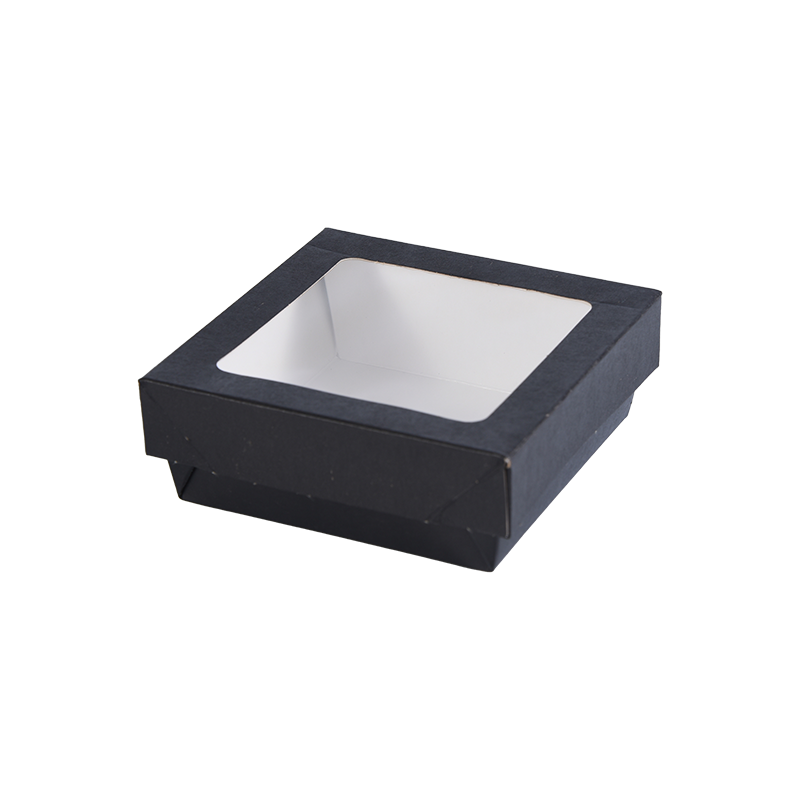
 Small Brown Kraft Cake Box with Clear WindowThis compact kraft box with a PET window is ideal for moving one or two cupcakes, keeping them close together and easy to handle while showing off the treats.View Product →
If you only need to move one or two cupcakes, a smaller kraft box can be easier to handle than a large carrier. Its compact footprint keeps the cupcakes close together and reduces sliding. Just be sure to pad the space above the frosting with a small layer of tissue paper if the box has extra headroom.
Keep the Box Level and Steady
How you place the box in the car is just as important as the box itself. Put the cupcake box on a flat surface such as the floor behind the front seats or on the passenger seat with the seat belt loosely across it. Avoid placing the box on your lap or on top of other bags. Sudden stops are the biggest enemy of cupcake transport; the more secure the box, the less the cupcakes will shift. If the box has a card insert or tray, use it.
Handle Temperature and Humidity
Buttercream likes cool, dry conditions. If the outside temperature is above 75°F, pre-cool the car cabin before loading the cupcakes. On sunny days, keep the box out of direct sunlight, and never leave cupcakes in a parked car for more than a few minutes. For very warm days, place the cupcake box inside an insulated cooler or bag with an ice pack, but do not let the ice pack touch the box directly, because condensation can dampen the cardboard. Refrigeration is fine for some frostings, but it can cause condensation when the box is brought back out. If you refrigerate, let the cupcakes sit at room temperature in the closed box for about 10 minutes before serving.
Transporting Large Cupcake Orders
Bakeries and event caterers often need to move dozens of cupcakes at once. Stacking cupcake boxes is tempting, but it only works if the boxes are designed to support weight without bending the lid. A stronger solution is to use flat, rigid trays and a compartmentalized carrier, or to arrange several covered boxes in a single cardboard tote. For large deliveries, plan the order so that the first delivery is the last loaded. If you are delivering for a brand, custom-printed boxes add a professional finish and make the boxes easier to spot among other packages. We make food-grade paper packaging for busy delivery days, and you can see our packaging solutions on the homepage.
 Custom-Printed Cake Box for Branded DeliveriesThis white board cake box can be custom printed with your bakery's name or message, adding a professional finish that makes large branded orders stand out.View Product →
A printed cake box is especially useful for large orders because it can carry your bakery’s name, handling instructions, and even a thank-you note. When the recipient sees a cohesive, branded box, the cupcakes feel more cared for.
Final Checklist for Transporting Cupcakes
- Cool cupcakes completely before packing.
- Chill soft frosting if your recipe allows it.
- Use a rigid, lidded cake box with enough headroom.
- Anchor liners with a dab of frosting or a parchment base.
- Keep the box level, cool, and out of direct sun during transport.
Once you get into these habits, transporting cupcakes becomes routine. Choose a sturdy paper box, prep the cupcakes properly, and treat the journey like you would treat a precious dessert. Your customers, friends, and family will notice the difference.

-
how to pack tacos for delivery: Applications, Selection Criteria, and Practical Guidance
Delivering tacos has become a daily challenge for many restaurants and food trucks. Unlike burgers ...
-
how to transport cupcakes: Applications, Selection Criteria, and Practical Guidance
Cupcakes are small, but moving them safely is a bigger challenge than most people expect. A slight ...
-
How Many Oz in a Chinese Takeout Box? Pint, Quart and Half Sizes Explained
Few questions reach our inbox as often as this one, and it nearly always arrives from someone holdi...
-
How Are Today's Foods Typically Packaged? A Complete Modern Guide to Paper Packaging
Walk into any restaurant, coffee shop, or delivery kitchen today, and you will see packaging that b...
-
How to Pack Food for Takeaway: Essential Paper Container Tips for Restaurants
When a customer orders takeaway, they are not just buying a meal; they are buying the convenience o...
-
How Do You Calculate Package Size? A Practical Guide for Food Businesses
Ask anyone who has packed a few hundred takeaway orders in a single evening and they will tell you:...
 Building 4, Leyin Industrial Park ,No. 330 Qianchun Avenue, Zhanqi Town, Yinzhou District, Ningbo, China
 +86-574-82813668

 Instagram
Copyright © Ningbo Shuohui New Material Technology Co., Ltd. Rights Reserved.
 Custom Disposable Paper Food Packaging Manufacturers