


 English
 Español
-
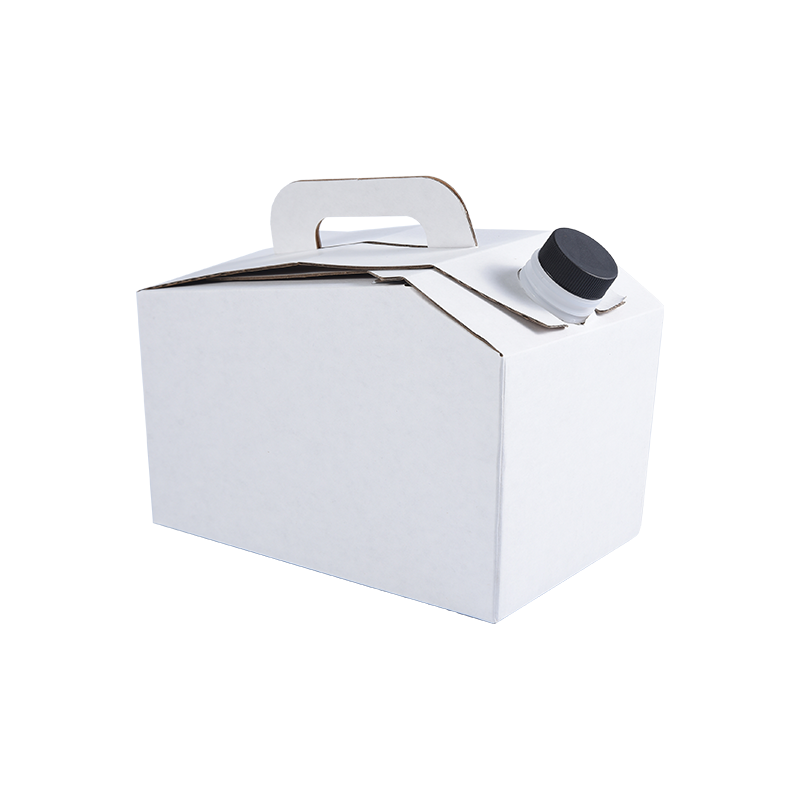 96oz Kraft Coffee/Drink to Go Container/Coffee Carrier Box
-
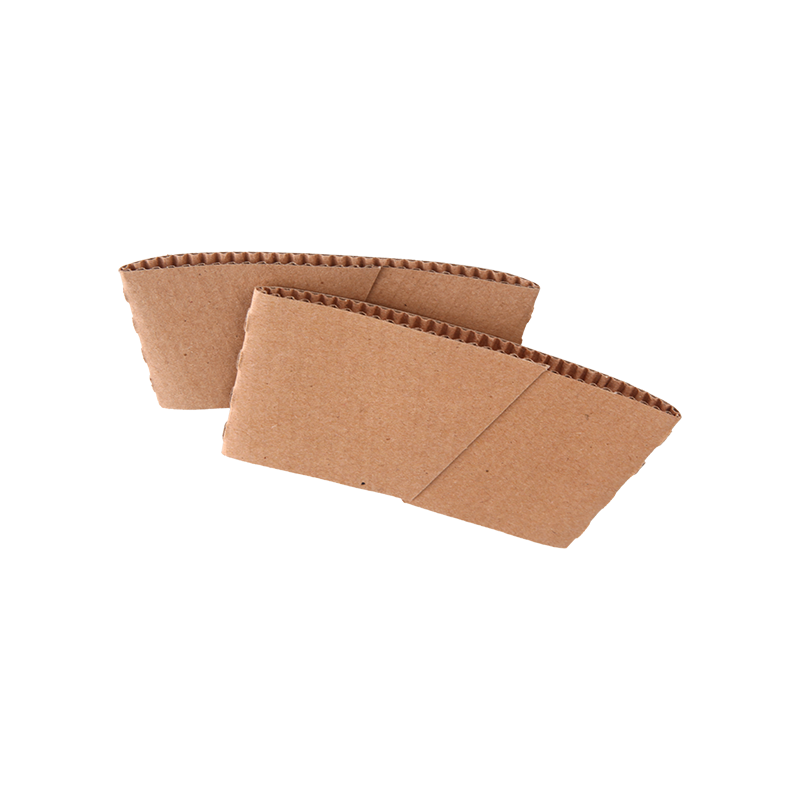 Recyclable Paper Cup Holder Sleeves
-
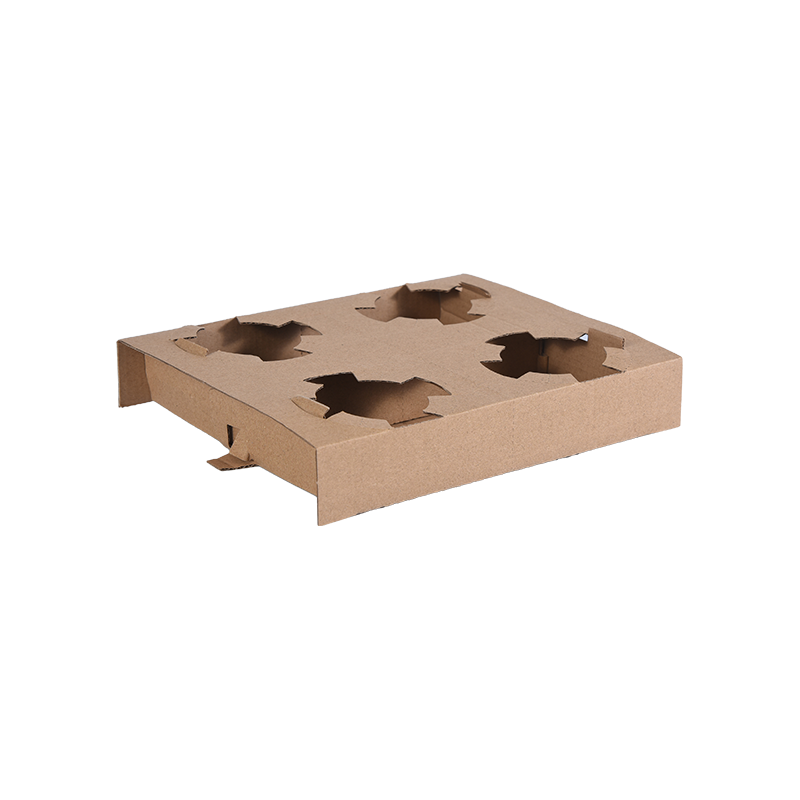 4 Cup Tray Holders for Hot & Cold Drinks – Foldable, Durable, and Cup Carrier for Takeaway, Festivals, Coffee Shops & Events
-
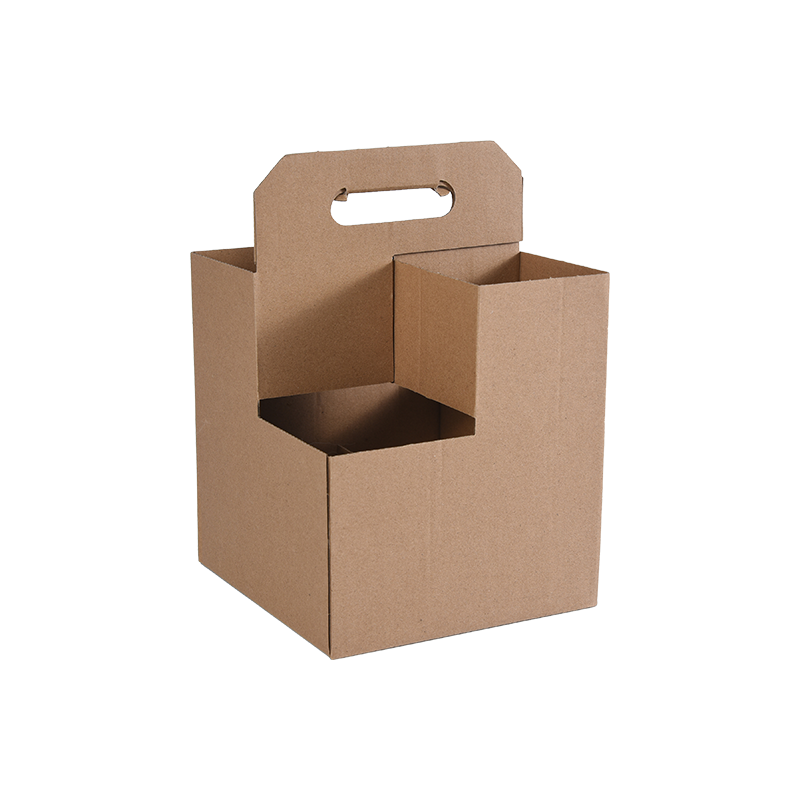 Kraft Cup Drink Carrier with Handles
-
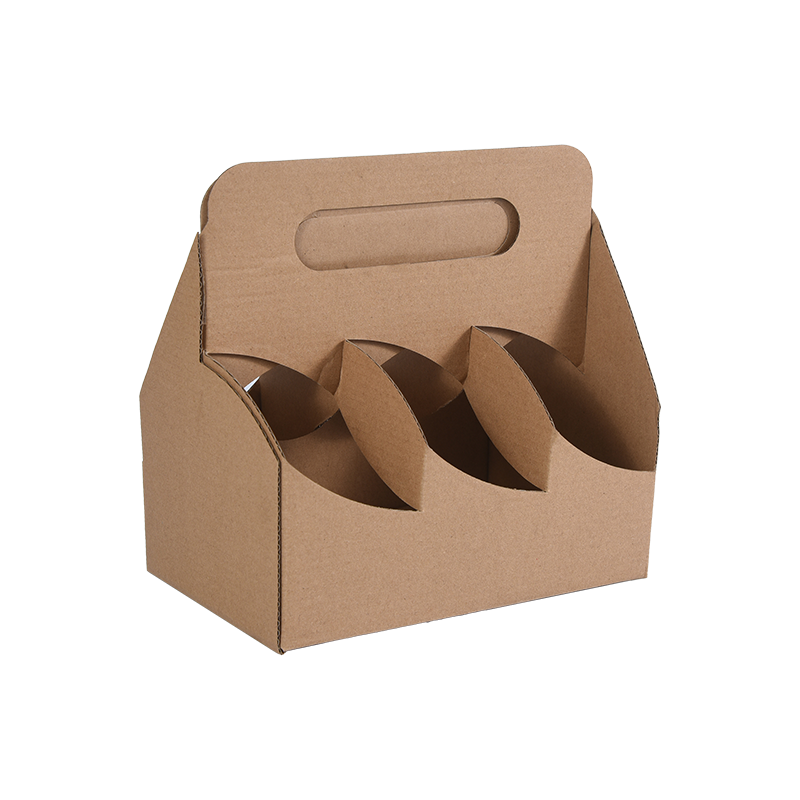 Kraft Beverage Carrier with Handles (6 to 8 Bottles or Cans)
-
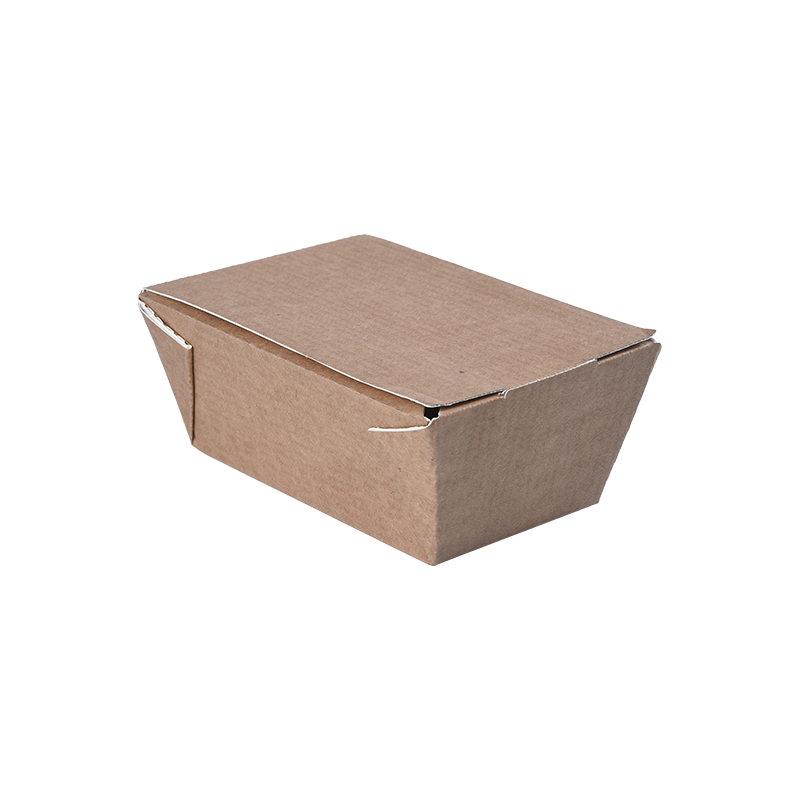 Corrugated Kraft Cardboard Lunch Boxes
-
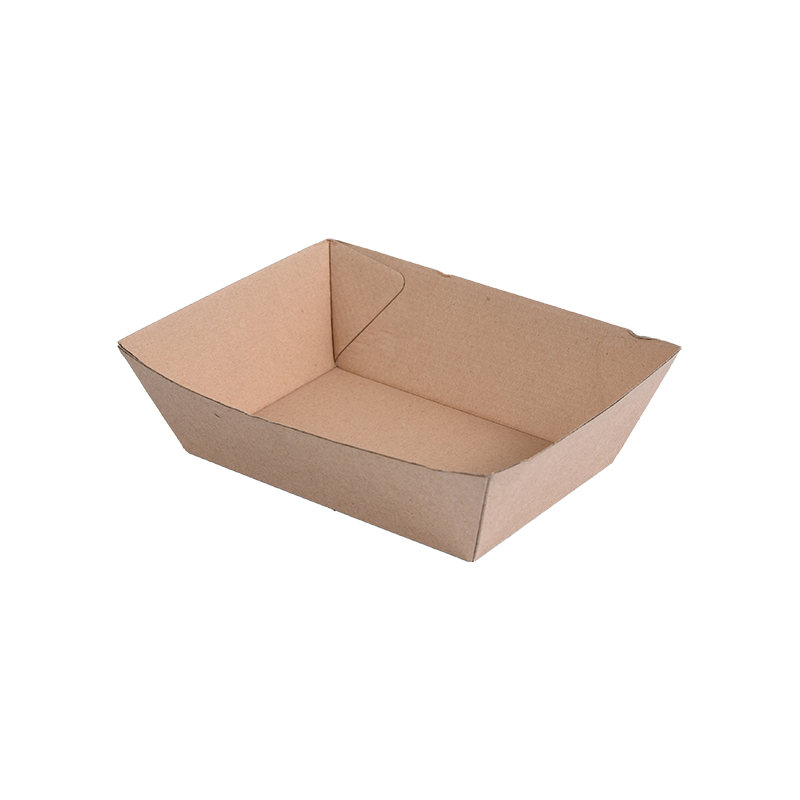 Disposable Rectangular Corrugated Paper Food Trays
-
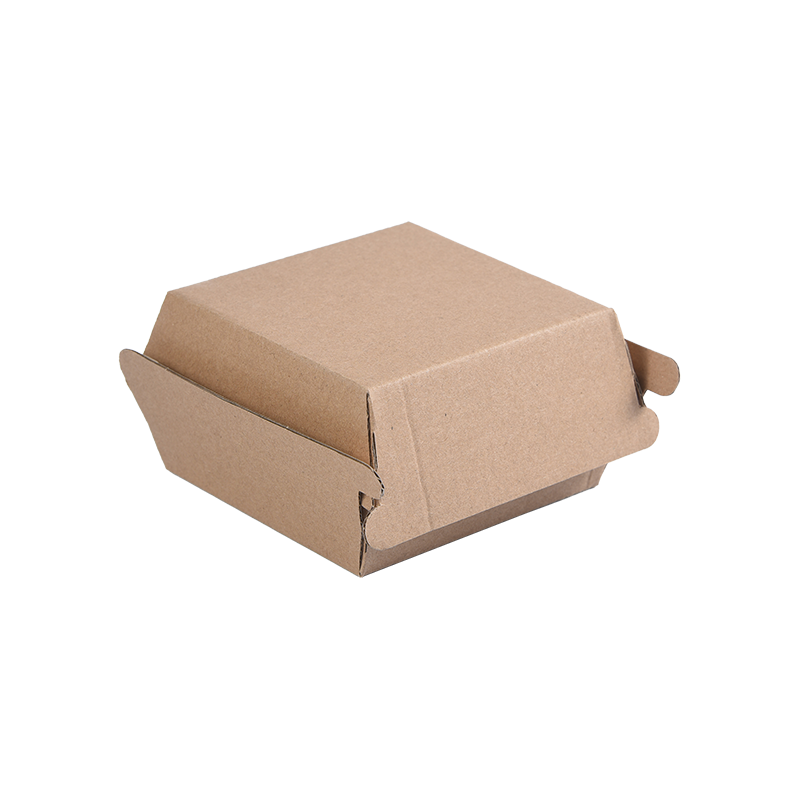 Restaurantware Corrugated Paper Burger Box
How Are Today's Foods Typically Packaged? A Complete Modern Guide to Paper Packaging
Walk into any restaurant, coffee shop, or delivery kitchen today, and you will see packaging that barely resembles what the food service industry used a decade ago. From kraft paper burger boxes and coated paper bowls to corrugated pizza boxes and recyclable cup carriers, today's foods are typically packaged with paper-based materials engineered for convenience, food safety, and environmental responsibility. As a supplier of eco-friendly disposable food packaging, we have watched this transformation happen on the factory floor, and we want to share a practical, experience-based look at how modern food packaging works and what it means for your business.
The Shift from Plastic to Paper
Plastic once dominated takeaway packaging because it was cheap, light, and easy to mold. But consumer awareness, tighter regulations, and corporate sustainability goals have pushed the industry toward a different answer. Today, most foods are packaged in paper, paperboard, and corrugated materials that can be recycled or safely biodegraded after use.
When we talk to restaurant operators, café owners, and bakery managers, most tell us the same story: moving away from plastic is no longer a future plan, it is a current requirement. The switch is visible across every category, including cups, meal containers, trays, boxes, and beverage carriers. If you are still deciding where to start, learning the basics of choosing sustainable food packaging materials is the smartest first step.
The Materials Behind Modern Food Packaging
To understand how foods are packaged today, it helps to examine the materials themselves. Plastic still appears in a few niche applications, but most modern food packaging is built around a small group of paper-based materials, each chosen for a specific job.
| Material | Typical Uses | Key Properties |
|---|---|---|
| Kraft paper | Takeout boxes, burger boxes, noodle pails | Durable, natural look, recyclable |
| Corrugated cardboard | Pizza boxes, lunch boxes, beverage carriers | Cushioning, heat retention, stackable |
| Coated paperboard (PE/PLA) | Bowls, trays, takeout containers | Leak resistance, grease resistance |
| Paper with windows | Sandwich boxes, bakery boxes | Product visibility, lightweight |
| Recyclable cup sleeves and carriers | Coffee shops, events, takeaway | Insulation, multi-cup transport |
Each material serves a clear purpose. A corrugated pizza box traps heat and keeps slices crisp, while a coated paper bowl keeps sauce from soaking through. Modern packaging rarely depends on a single material. Instead, manufacturers combine paper, coatings, and structural design to meet the demands of each food type and transport scenario.
How Different Foods Are Typically Packaged
The clearest way to answer the question is to look at how different food categories are packaged. Each type of food places different demands on its package, and the industry has developed specialized solutions for every case.
Burgers, Sandwiches, and Fast Food
Fast food packaging today is built for speed and for hot, greasy contents. Paper burger boxes keep the bun intact, retain heat, and handle grease without losing their shape. Sandwich wedges and tortilla boxes with clear windows let customers see the food while keeping it secure. For sides, paper chip boxes, cones, and popcorn cups are popular because they are lightweight, easy to hold, and easy to customize with branding.
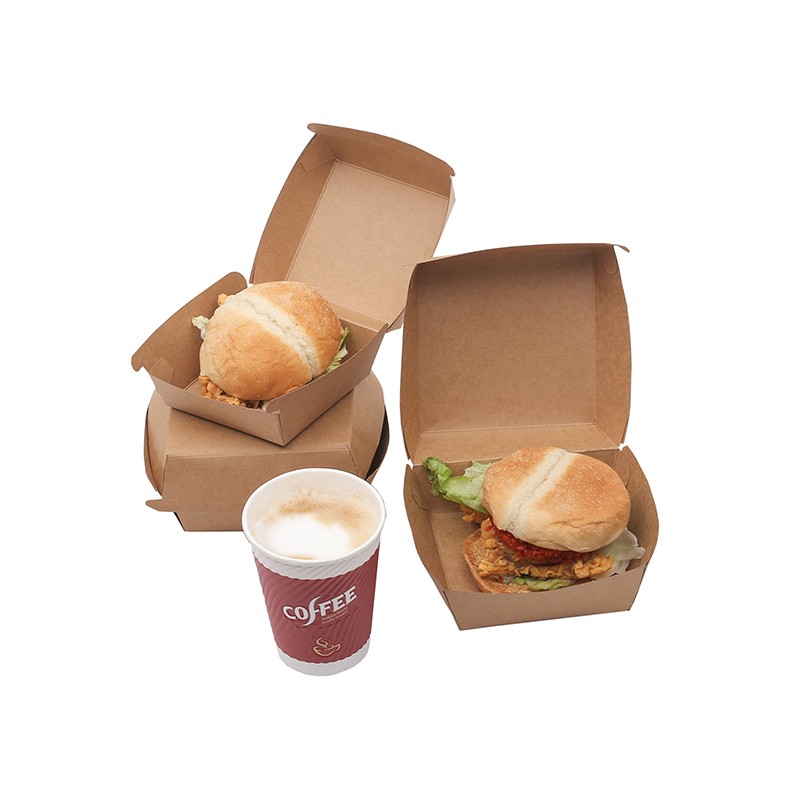 Recyclable Grease-Resistant Paper Burger Box for TakeoutThis burger box features a grease-resistant inner coating and is recyclable and biodegradable, making it a practical choice for fast-food packaging. It suits burgers, fish, and chips while allowing custom printing and dimensions.View Product →
Takeout and Delivery Meals
Delivery and takeout boxes are the workhorses of the modern food industry. Today's foods are typically packaged in kraft paper takeout containers with folded tops, two-compartment bento boxes for mains and sides, and pails for noodles and soups. These containers are designed to stack well, resist leaks, and survive the trip from the kitchen to the customer's door. Understanding the takeout food container types and materials available can make sourcing far easier.
Many operators now choose PE or PLA coated paperboard, which provides a moisture and grease barrier while keeping the package recyclable through the appropriate waste stream.
 Leak-Proof Kraft Paper Take-Out Box with Secure LockThis ready-to-use kraft container requires no assembly and features four flaps with a tab lock. It is recyclable, leak-resistant, freezable, and heat-lamp safe, ideal for fast-food and takeaway establishments seeking durability.View Product →
Coffee and Beverages
Beverage packaging goes well beyond the cup. Paper cup sleeves protect hands from heat and give brands a canvas for their logo. Cup carriers hold multiple drinks securely for takeaway, delivery, and events, whether it is two hot coffees or six bottled drinks. The modern trend is moving toward foldable, durable paper carriers that replace plastic rings and trays.
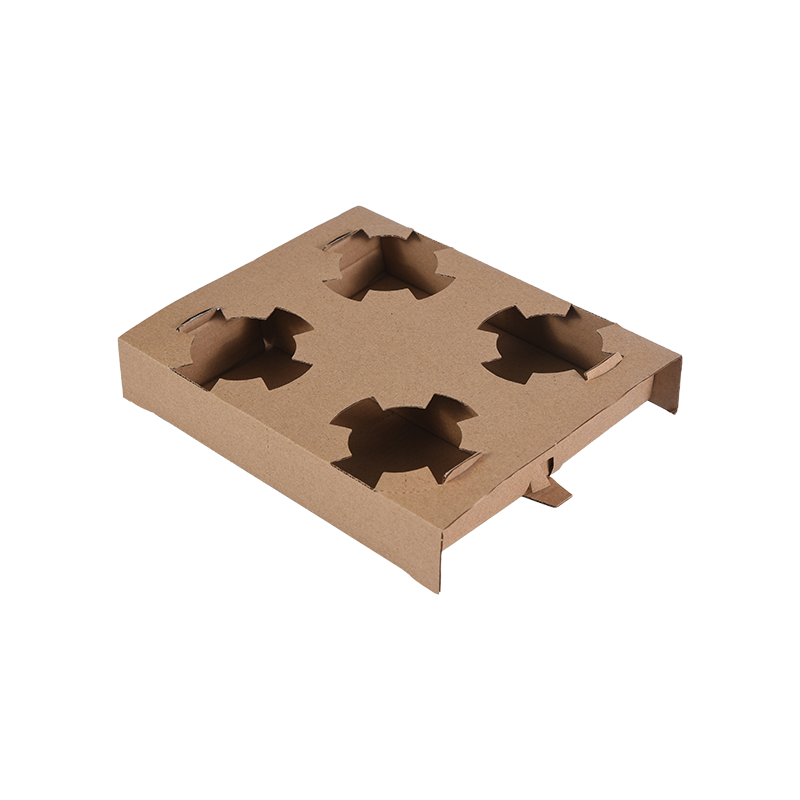 Foldable 4-Cup Carrier for Hot and Cold DrinksThis sturdy, multi-compartment holder accommodates cups or containers from 8 to 32 ounces, making it versatile for takeout and events. Its stackable design saves storage space while keeping multiple drinks secure.View Product →
Bakery, Cake, and Dessert Packaging
Bakeries and dessert shops have embraced paper packaging with windows and attractive printing. Cake boxes with lids protect delicate items, pie boxes with windows display baked goods without opening the package, and small kraft boxes work perfectly for cookies, brownies, and cake slices. These packages combine structural strength with a premium feel that matches the quality of the food inside.
Salads, Bowls, and Light Meals
Salads and fresh bowls require packaging that protects produce while managing the condensation that comes from chilled ingredients. Kraft paper salad bowls, paper salad boxes, and trays with separate compartments are common today. Biodegradable options are especially popular in this category, because health-conscious customers expect the package to match the freshness of the food.
Performance Matters: Leak Resistance, Grease Resistance, and Heat Tolerance
Appearance alone is not enough. Modern food packaging must perform under real-world conditions. It has to resist leaks from sauces and soups, contain greasy foods without softening, and tolerate hot temperatures without releasing harmful substances. High-temperature-resistant paper lunch boxes have become a practical choice for delivering freshly cooked meals, and well-designed corrugated boxes keep pizza hot while allowing moisture to escape.
On the production side, consistent performance comes from the details: choosing the right board thickness, applying the correct coating, and testing structural strength before boxes leave the factory. This is why mechanized production and strict quality control matter so much in packaging manufacturing today.
Sustainability Is Now the Baseline
Perhaps the strongest trend in how today's foods are packaged is sustainability. Customers now expect packaging to be recyclable, biodegradable, or compostable. Many restaurants have already removed foam and single-use plastic items from their counters, replacing them with renewable-fiber containers that use water-based or PLA coatings for barrier performance without permanent plastic.
Regulatory pressure is accelerating the same change. As restrictions on plastic food packaging spread across global markets, businesses are future-proofing their operations by sourcing paper packaging that satisfies both environmental standards and customer expectations.
Choosing the Right Packaging for Your Food Business
If you are evaluating packaging for a restaurant, café, bakery, or food delivery brand, start with the food itself. Think about temperature, grease, moisture, portion size, and the type of meal. Then consider how the package will actually be used: dine-in, takeaway, delivery, or event catering. Finally, weigh sustainability expectations and branding needs.
- Match the package to the food: hot, greasy dishes need coated boards or corrugated structures.
- Prioritize leak resistance and grease resistance for delivery menus.
- Choose stackable designs to improve transport and storage efficiency.
- Treat the package as a branding surface, not just a container.
- Ask your supplier about recyclability and relevant certifications.
As a manufacturer of paper-based food packaging, we see every day how thoughtful design improves both the customer experience and the operator's bottom line. When packaging fits the food, survives the delivery journey, and reflects a genuine commitment to sustainability, it creates value at every stage. If you are planning your next packaging upgrade, our team is ready to help you find the right paper containers for your menu.
-
How Are Today's Foods Typically Packaged? A Complete Modern Guide to Paper Packaging
Walk into any restaurant, coffee shop, or delivery kitchen today, and you will see packaging that b...
-
How to Pack Food for Takeaway: Essential Paper Container Tips for Restaurants
When a customer orders takeaway, they are not just buying a meal; they are buying the convenience o...
-
How Do You Calculate Package Size? A Practical Guide for Food Businesses
Ask anyone who has packed a few hundred takeaway orders in a single evening and they will tell you:...
-
How Big Is a Large Pizza Box? Standard Dimensions & Sizing Guide for Pizzeria Owners
A large pizza box is typically 16 inches by 16 inches or 18 inches by 18 inches, but the exact size...
-
How to Measure the Length, Width and Height of a Box: A Practical Guide
A shipping clerk once asked me to confirm the size of a takeout box before ordering 5,000 units. Th...
-
How Does Die Cutting Work? Inside the Pressure Process That Shapes Paper Packaging
A kraft cup carrier holds four drinks steady because a shaped blade punched its openings through th...
 Building 4, Leyin Industrial Park ,No. 330 Qianchun Avenue, Zhanqi Town, Yinzhou District, Ningbo, China
 +86-574-82813668
 Instagram
Copyright © Ningbo Shuohui New Material Technology Co., Ltd. Rights Reserved.
 Custom Disposable Paper Food Packaging Manufacturers