


 English
 Español
-
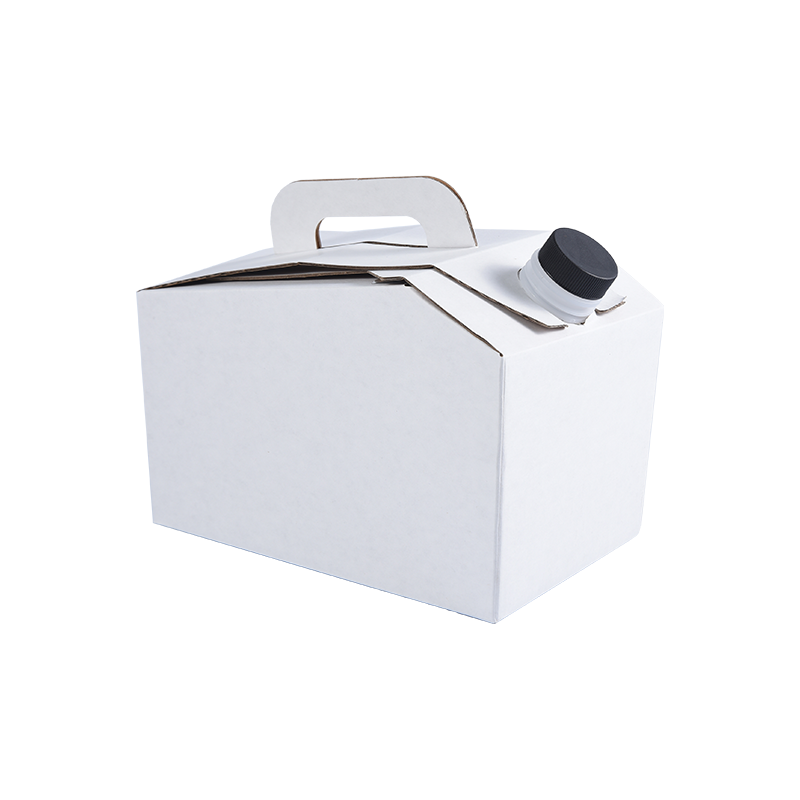 96oz Kraft Coffee/Drink to Go Container/Coffee Carrier Box
-
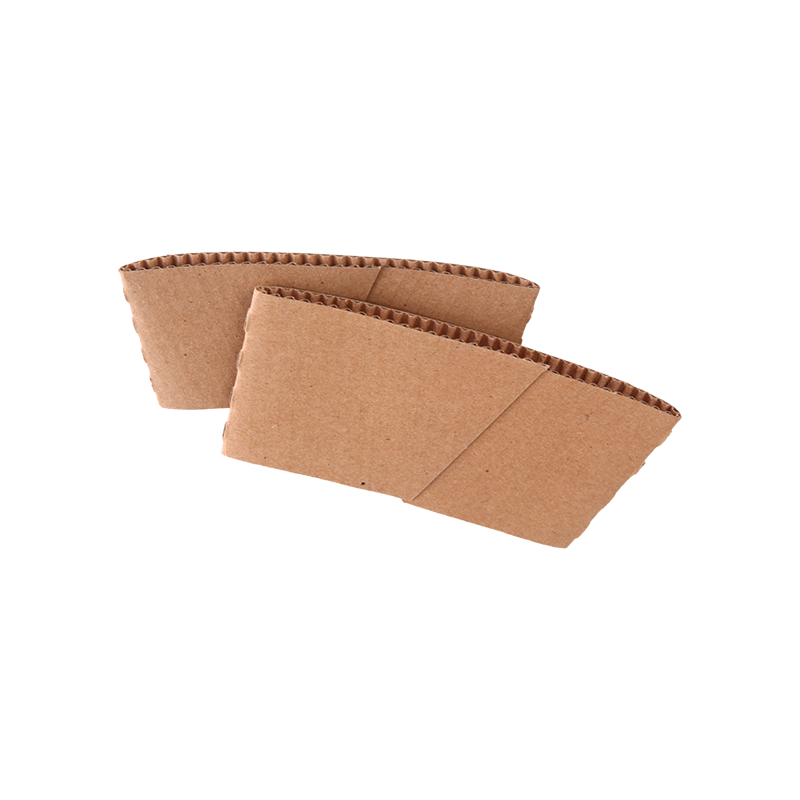 Recyclable Paper Cup Holder Sleeves
-
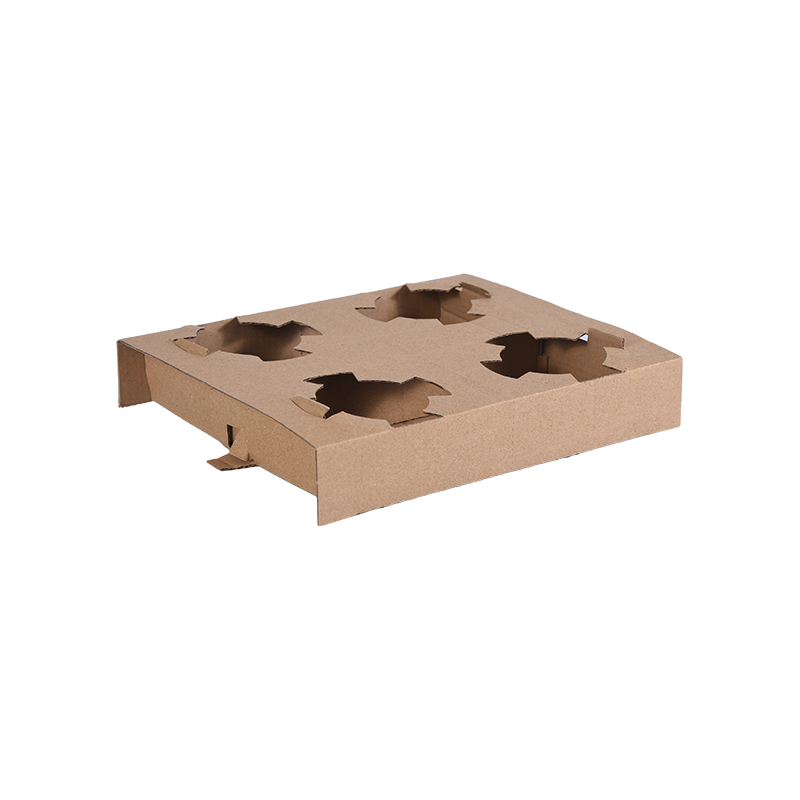 4 Cup Tray Holders for Hot & Cold Drinks – Foldable, Durable, and Cup Carrier for Takeaway, Festivals, Coffee Shops & Events
-
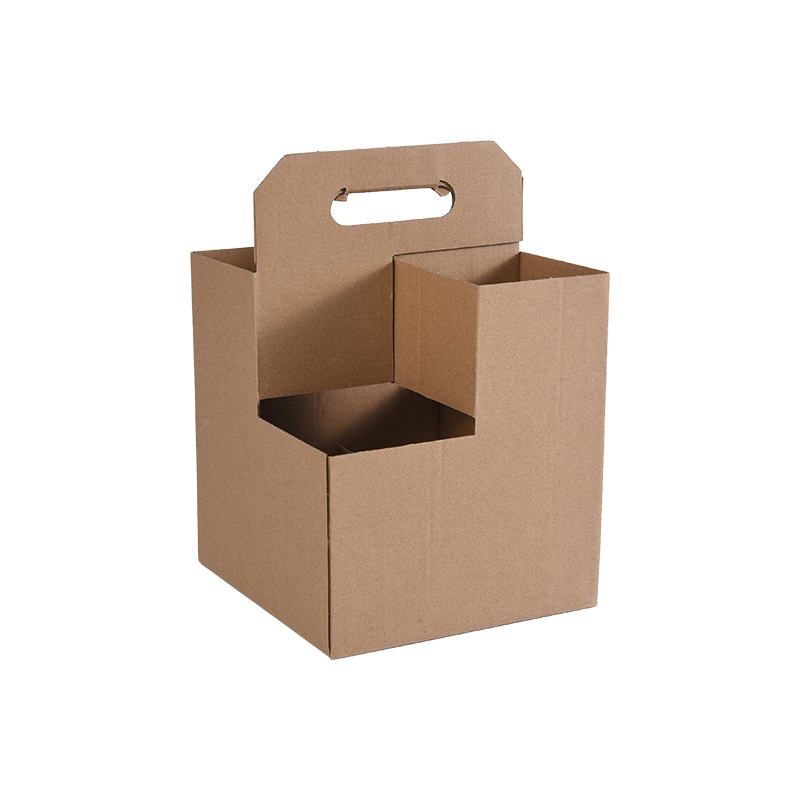 Kraft Cup Drink Carrier with Handles
-
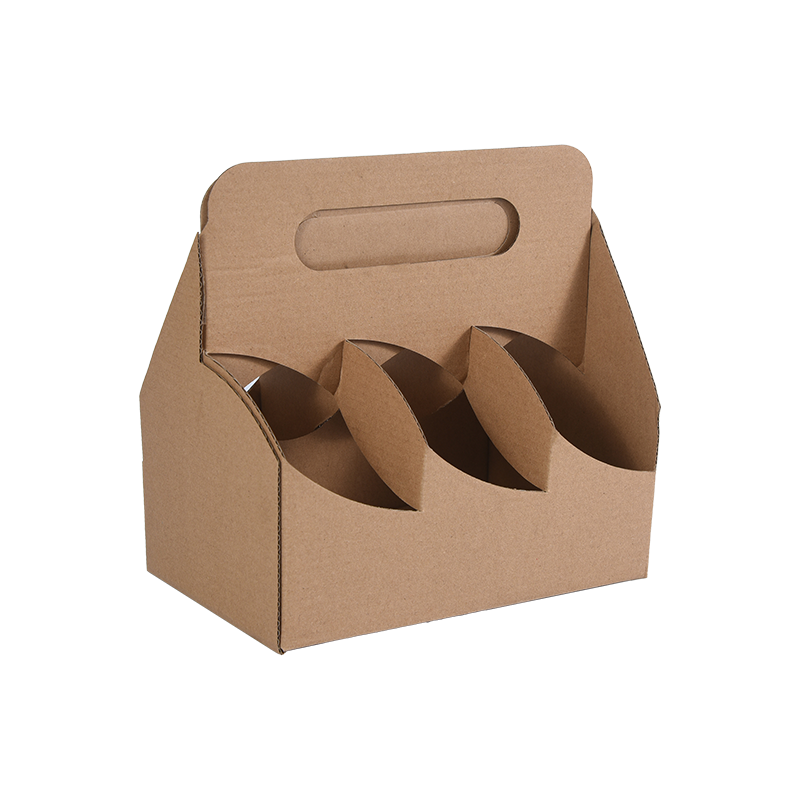 Kraft Beverage Carrier with Handles (6 to 8 Bottles or Cans)
-
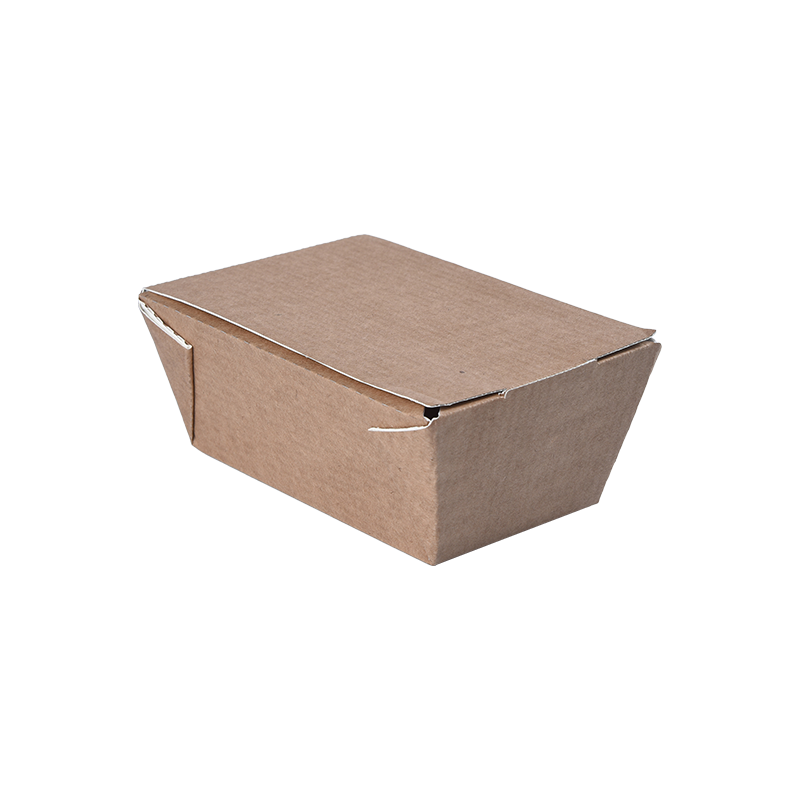 Corrugated Kraft Cardboard Lunch Boxes
-
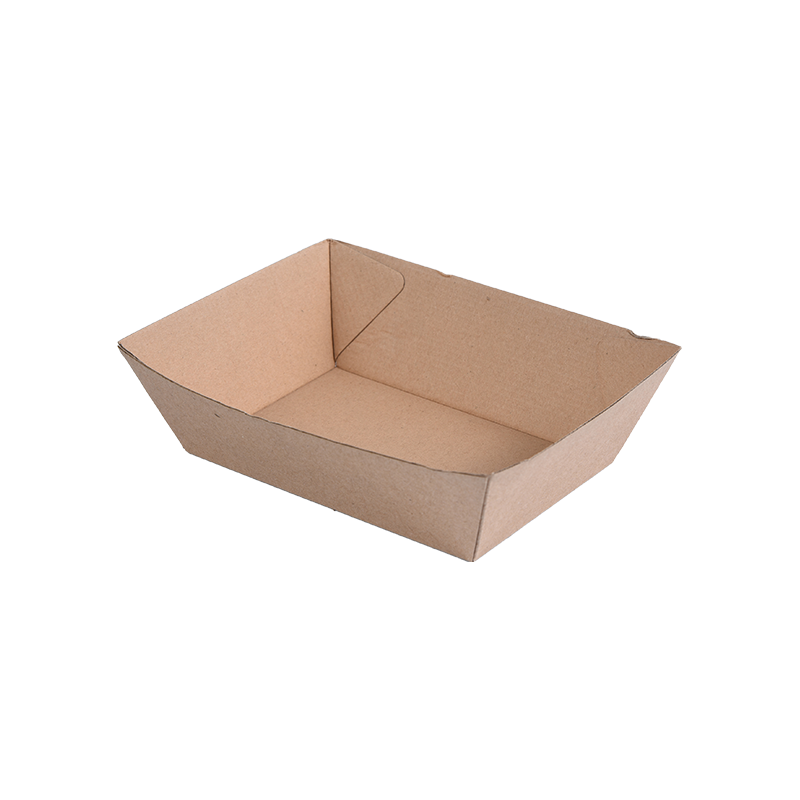 Disposable Rectangular Corrugated Paper Food Trays
-
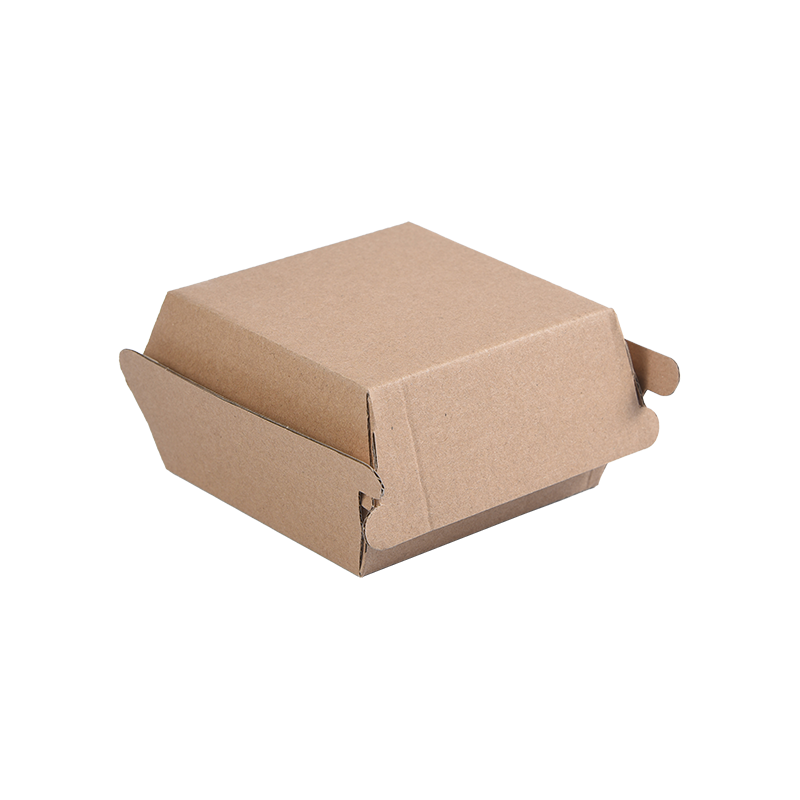 Restaurantware Corrugated Paper Burger Box
How Big Is a 64 Qt Container? Real Dimensions, Capacity, and Sizing Tips
A 64 qt container is a serious piece of equipment. It is the tub a busy kitchen pulls off the shelf on prep day, the box a caterer fills with iced drinks for an outdoor event, and the one size that still surprises people the first time they see it in person: sixteen gallons of open space, usually standing close to a foot and a half tall. If you have ever stood in front of a shelving unit wondering whether that big tub will actually clear your counter, fit your walk-in, or hold a full batch of soup, the numbers below will settle it quickly.
The short answer is that 64 quarts equals 16 gallons, or about 60.5 liters, and a container with that capacity typically measures somewhere around 18 inches across and 14 to 15 inches tall. But volume is fixed while shape is not, so the honest answer depends on whether you are looking at a round tub, a square one, or a low rectangular box. Let's walk through it the way we would if you were standing in our sample room.
The numbers first: what 64 quarts really means
Quarts are a volume measure, not a size label, so the cleanest way to get your head around 64 qt is to convert it into units you already use every day. One US quart is 57.75 cubic inches, which means a 64 qt container needs roughly 3,696 cubic inches of usable interior space. That is the figure that matters when you start comparing shapes, because every manufacturer reaches 64 quarts in a slightly different footprint.
| Unit | 64 quarts equals |
|---|---|
| Gallons | 16 gal |
| Liters | about 60.5 L |
| US fluid ounces | 2,048 fl oz |
| Cups | 256 cups |
| Cubic inches | about 3,696 cu in |
| Weight if filled with water | roughly 133 lb |
That last row is worth a second look. A full 64 qt container of water weighs around 133 pounds, and while prepared food is usually lighter per quart, a loaded tub is still heavy enough that lifting technique and shelf height matter as much as the dimensions themselves. Most kitchens treat a full 64 qt tub as a two-person lift or a cart job, not something to haul off a top shelf at speed.
So how big is a 64 qt container in inches?
Here is the arithmetic that makes dimension shopping simple. Take your target of about 3,696 cubic inches. A round tub that is 18 inches across needs to stand roughly 14.5 inches tall to reach that volume, because 3.14 × 9 × 9 × 14.5 comes out close to 3,690 cubic inches. A rectangular box 24 inches long and 16 inches wide only needs about 9.6 inches of depth to hit the same number. Same capacity, completely different footprint.
| Shape | Typical outside size | Where it works best |
|---|---|---|
| Round tub | 18 in diameter × 15 in tall | Prep stations, mixing, dough and bulk liquids |
| Square tub | 18 × 16 × 13 in | Walk-in shelving, tight stacking, small footprints |
| Low rectangular | 24 × 16 × 9.5 in | Under-counter storage, low shelves, easy scooping |
A practical note from experience: manufacturers quote exterior dimensions, and lids add height. A tub listed at 13 inches tall often sits closer to 14.5 inches once the lid is on, which is exactly the half-inch that stops it fitting under a shelf. Measure the gap you actually have, then subtract a little.
Why shape matters more than the number on the label
Two containers can both hold 64 quarts and still be completely different purchases. A tall round tub fits a narrow prep corner and lets a long spoon or ladle reach the bottom, but it eats vertical space and can be awkward to scrape out. A low rectangular box slides under a work surface and is easier to scoop from, but it needs a deeper shelf and takes up more floor area.
Walk-in coolers are usually the deciding factor. Standard shelving is commonly 18 or 24 inches deep, so a tub wider than the shelf either overhangs or gets pushed to the floor. Doors, thresholds, and stacked heights add another constraint: three 64 qt tubs stacked with lids can easily reach beyond waist height, which turns a routine restock into a climbing exercise. We always suggest sketching the shelf first and choosing the shape second.
64 qt versus 64 oz: the mix-up worth catching early
Before you order anything, double-check which unit you actually need. A 64 oz container is two quarts, about 1.9 liters, or roughly half a gallon. That is a common size for soup, deli sides, and large drink cups, and it is a world away from 64 quarts. The two numbers look almost identical on a search bar and behave nothing alike on a countertop.
The same trap appears in packaging. Paper takeout containers are almost always described in ounces, while storage tubs, buckets, and ingredient bins are described in quarts or gallons. If a supplier's listing says "64" and you are unsure, look for the unit right next to the number, then confirm it against the physical dimensions. Our own guide to takeout box types and materials spells out how those ounce-based sizing conventions work in practice.
Translating that logic to paper takeout containers
The sizing habits you learn from a 64 qt tub carry straight over to disposable food packaging, just at a smaller scale. Paper takeout boxes, noodle pails, food pails, and soup cups are rated by nominal ounce capacity, and the usable fill is always a little lower once a lid goes on, sauce is added, or the box is folded shut. A container sold as a "quart" noodle box is usually in the 32 oz range, not a true 64 qt, and nobody should expect it to behave like bulk storage.
Our rule of thumb when matching menu items to packaging is to work backwards from the served portion. Sides and sauces sit comfortably in 8 to 16 oz, a single entrée with rice or noodles lands around 26 to 32 oz, and shared or family-style portions move up to the larger pails that look closer to a small bucket than a box. If you are choosing between sizes, fill a sample with water to the line you expect to use and see how the box behaves when closed and carried. That test tells you more than any spec sheet.
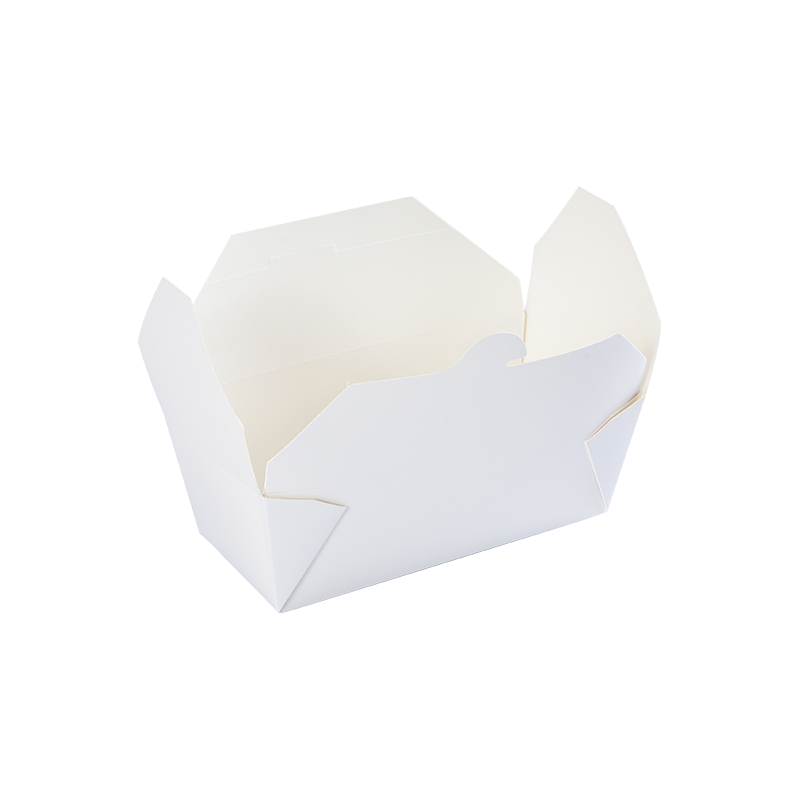 Custom Kraft Paper Take-Out Boxes with Tab LockLeak-resistant, food-grade paperboard takeout boxes with four-flap tab locks and eight size options, useful for matching portions to packaging.View Product →
Materials deserve the same scrutiny as volume. Greasy or saucy food wants a coated or leak-resistant board, hot and steamy food wants structure that will not soften halfway through delivery, and anything with a window needs a film that survives the trip. Our range of paper takeout food containers covers kraft, white, and coated board options so you can match the box to the dish rather than forcing the dish to fit the box.
A practical checklist before you commit to a size
Whether you are buying a single 64 qt storage tub or a pallet of paper food pails, the same short checklist saves a lot of returns:
- Measure shelf depth, shelf gaps, and door width before deciding on a footprint.
- Confirm whether the quoted capacity is to the brim or to a printed fill line.
- Estimate the full weight and decide whether one person can move it safely.
- Check that lids, handles, and stacking work with the way you store and transport.
- Match the material to the food: hot, greasy, acidic, and frozen all behave differently.
- Fill one sample with water and carry it the way a customer would before you buy volume.
For high-volume sides, chips, and shareable snacks, the paper food pail style is a good middle ground between a small takeout box and a bulk tub — it holds a generous portion, stacks neatly, and keeps grease contained during delivery.
 Custom Paper Chip Box and Food PailFood-grade white paperboard chip box and pail for generous snack portions, usable open or lidded and offered in multiple sizes.View Product →
The rule of thumb to take away
Remember one number and the rest follows: 64 quarts needs about 3,696 cubic inches of interior space. From there, multiply length × width × height on any candidate container and compare — if the product lands near 3,700 cubic inches, it is genuinely in the 64 qt class. If it comes out closer to 115 cubic inches, you are looking at 64 ounces instead.
In everyday terms, expect something in the region of 18 inches across and 15 inches tall for a round tub, or a lower rectangular box around 24 × 16 × 9.5 inches. Choose the shape that fits your shelves and your lifting limits, buy one sample before committing to a case, and let the volume math settle the rest. That is exactly the conversation we have with customers every week, and it rarely steers anyone wrong.
-
How Big Is a 64 Qt Container? Real Dimensions, Capacity, and Sizing Tips
A 64 qt container is a serious piece of equipment. It is the tub a busy kitchen pulls off the shelf...
-
How Big Is a 64 oz Container? Capacity, Dimensions, and Packaging Guide
The Short Answer: 64 Ounces Is Half a Gallon When someone asks how big is a 64 oz container, the fi...
-
How Big Is an 8 Ounce Cup? Real Dimensions, Capacity and Everyday Uses
Order a small coffee at the counter and there is a good chance it arrives in an 8 ounce cup. It is ...
-
How Big Is a 5 oz Container? Dimensions, Capacity, and Common Food Uses
A 5 oz container holds about 148 ml. In paper food packaging that usually means a small tray or boa...
-
Chinese Food Container Sizes Explained: Measurements in Pints & Quarts
If you have ever ordered Chinese takeout, you have probably held one of those folded paper pails wi...
-
How Are Paper Bags Made? The Complete Kraft Paper Manufacturing Process
Paper bags are one of those everyday objects we rarely stop to think about — until we watch one bei...
 Building 4, Leyin Industrial Park ,No. 330 Qianchun Avenue, Zhanqi Town, Yinzhou District, Ningbo, China
 +86-574-82813668

 Instagram
Copyright © Ningbo Shuohui New Material Technology Co., Ltd. Rights Reserved.
 Custom Disposable Paper Food Packaging Manufacturers