


 English
 Español
-
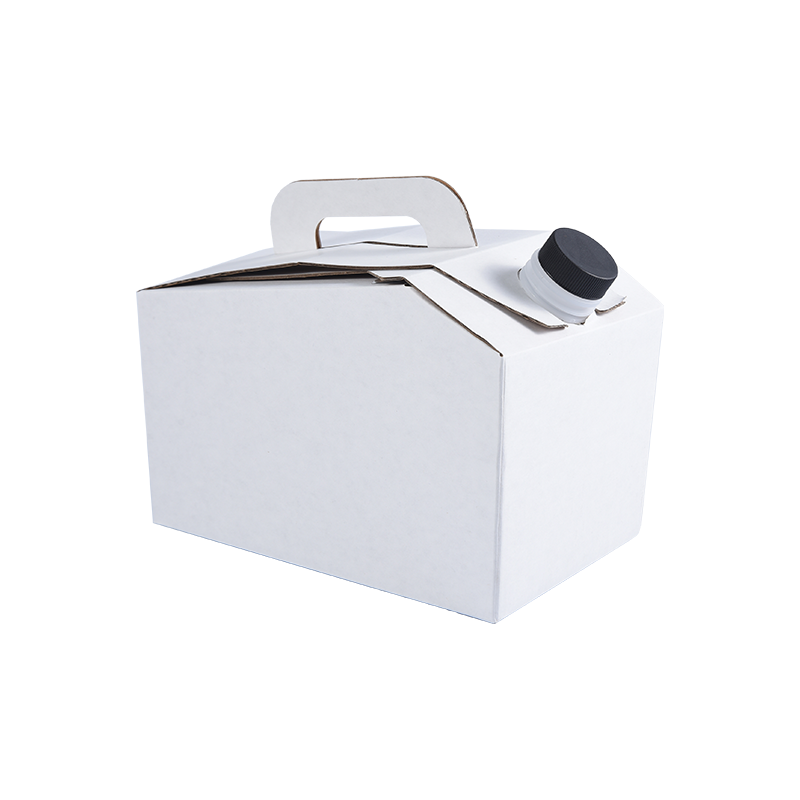 96oz Kraft Coffee/Drink to Go Container/Coffee Carrier Box
-
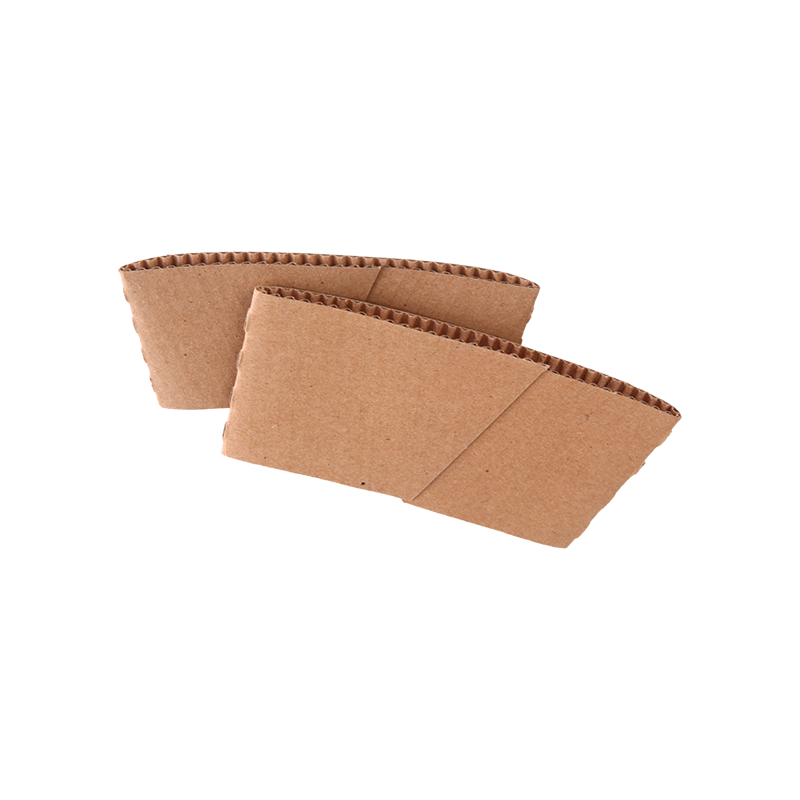 Recyclable Paper Cup Holder Sleeves
-
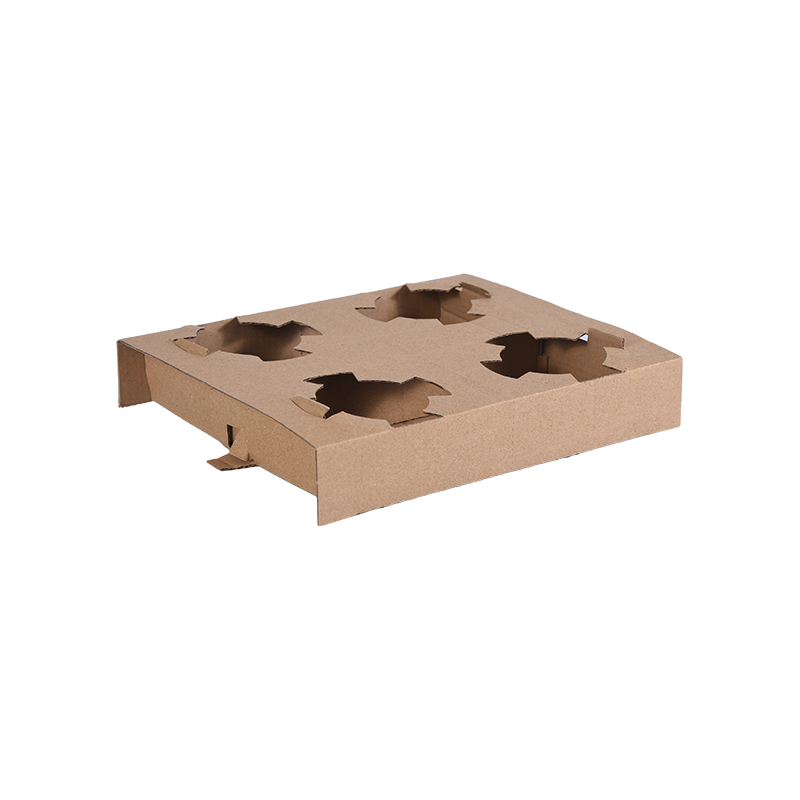 4 Cup Tray Holders for Hot & Cold Drinks – Foldable, Durable, and Cup Carrier for Takeaway, Festivals, Coffee Shops & Events
-
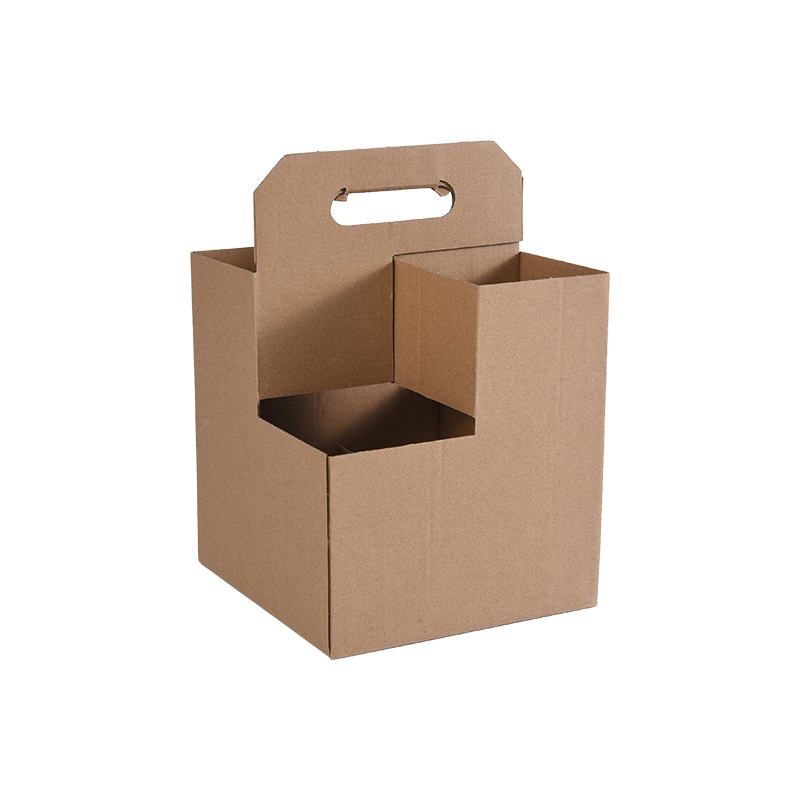 Kraft Cup Drink Carrier with Handles
-
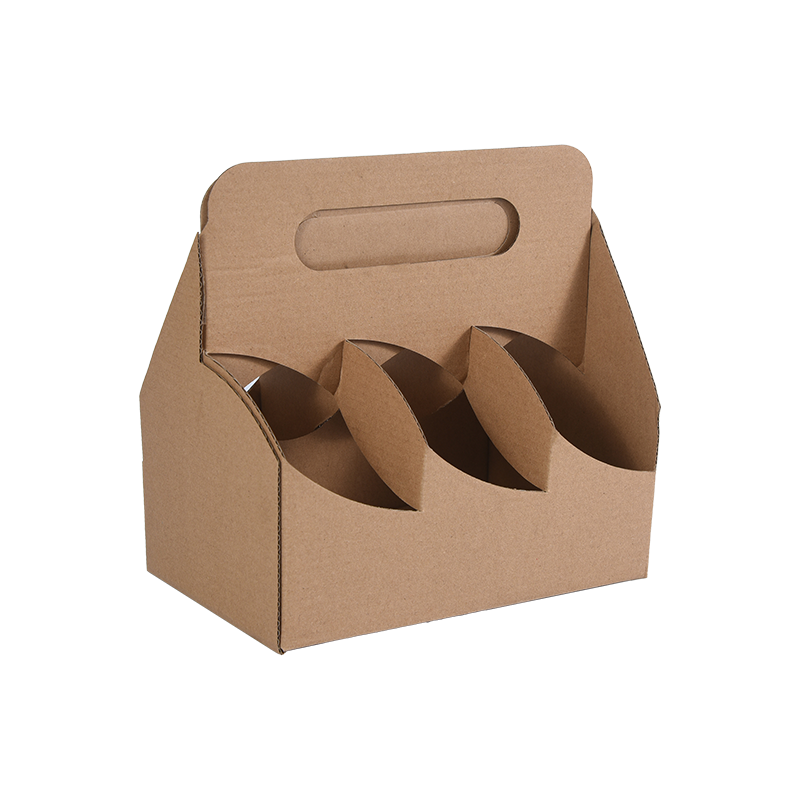 Kraft Beverage Carrier with Handles (6 to 8 Bottles or Cans)
-
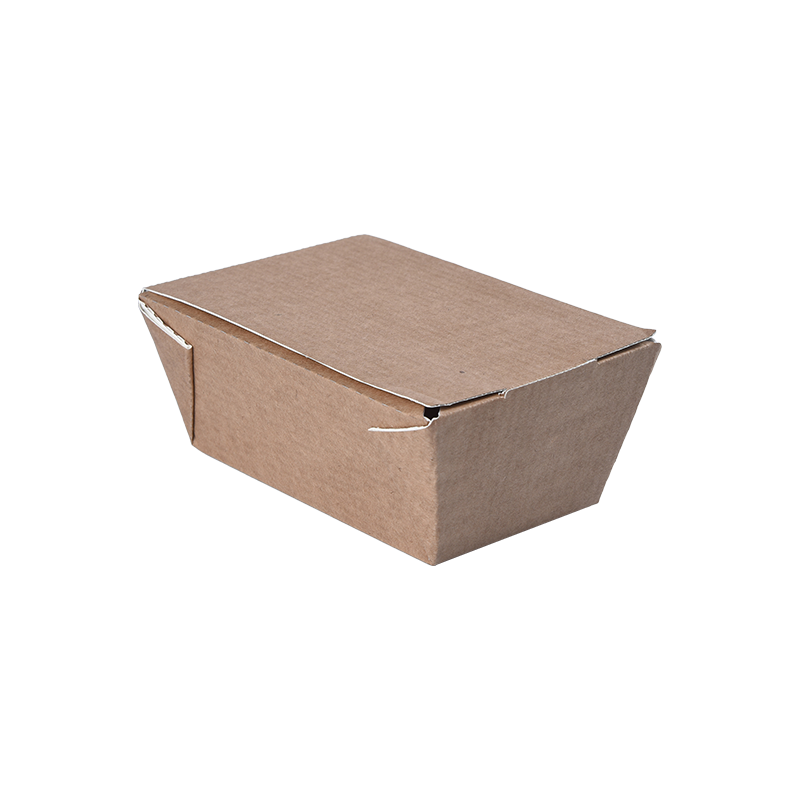 Corrugated Kraft Cardboard Lunch Boxes
-
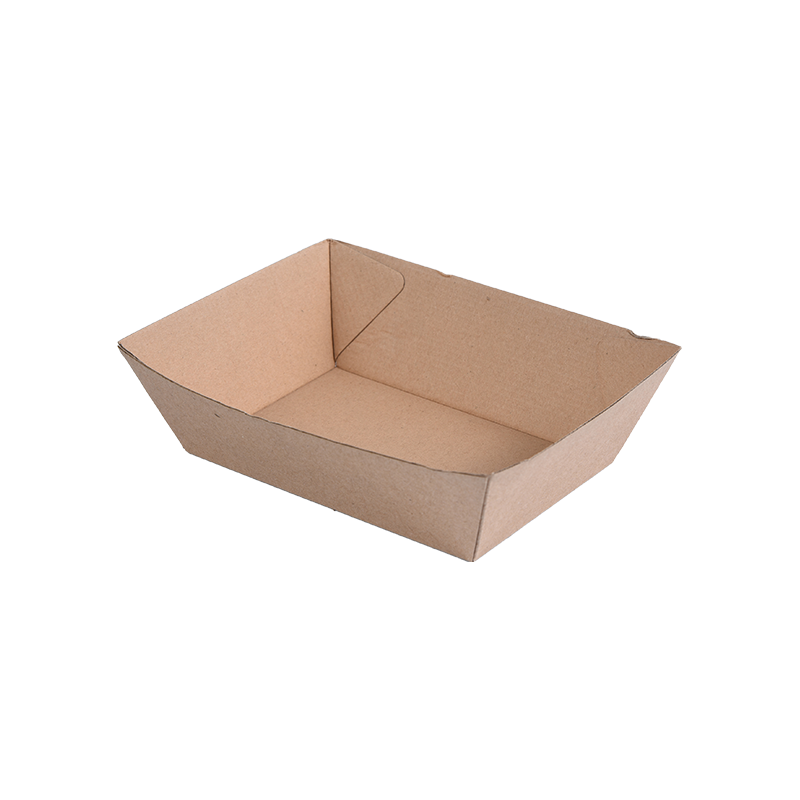 Disposable Rectangular Corrugated Paper Food Trays
-
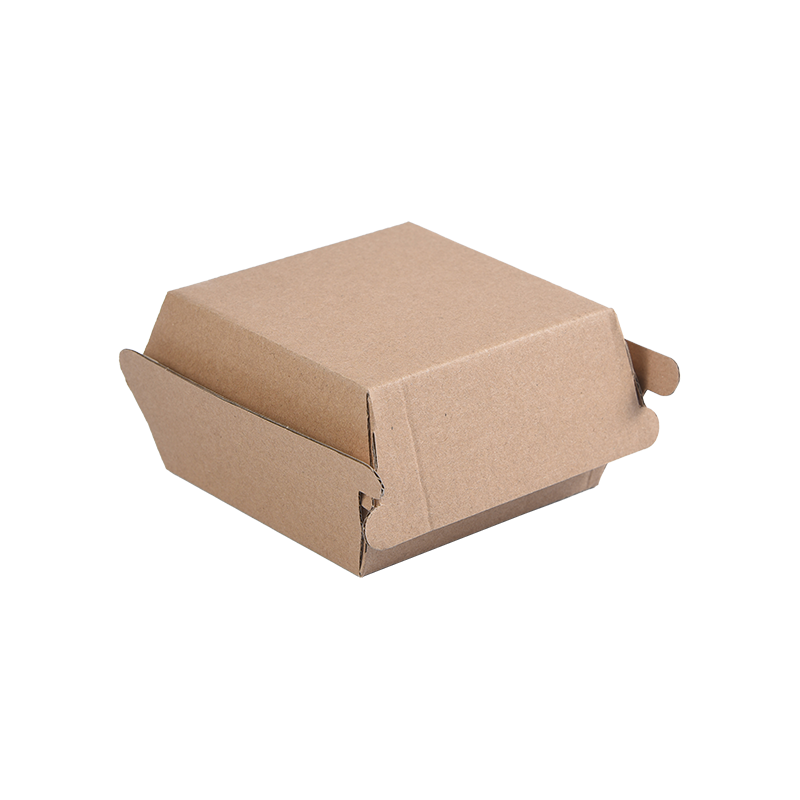 Restaurantware Corrugated Paper Burger Box
How Big Is a 64 oz Container? Capacity, Dimensions, and Packaging Guide
The Short Answer: 64 Ounces Is Half a Gallon
When someone asks how big is a 64 oz container, the first answer is a capacity answer. In US fluid ounces, 64 oz is half a gallon: 8 cups, 4 pints, 2 quarts, or about 1.9 liters. For water, that is roughly 4.2 pounds; for soup, sauce, or noodles, the weight will be different because density differs.
That makes a 64 oz container similar in capacity to a half-gallon milk jug. But a jug, a tall drink cup, and a wide soup pail can all hold 64 fl oz while looking nothing alike. The ounce number tells you volume, not height, width, or diameter.
| Measure | 64 oz equivalent |
|---|---|
| US fluid ounces | 64 fl oz |
| US cups | 8 cups |
| US pints | 4 pints |
| US quarts | 2 quarts |
| US gallons | 0.5 gallon |
| Milliliters | about 1,892 mL |
| Liters | about 1.9 L |
| Weight of water | about 4.2 lb / 1.9 kg |
One caution: some labels use ounces as weight. Sixty-four weight ounces is 4 pounds, which is not the same as 64 fluid ounces. Foodservice packaging usually means fluid ounces when it says 64 oz.
Why a 64 oz Container Has No Single Size
How big a 64 oz container is in inches depends on its shape. A cylinder needs a certain diameter and height; a rectangular tub needs length, width, and depth. A tapered cup or bowl can have a wide rim but a smaller base, and a lid can add height without adding capacity. Wall thickness changes outside dimensions slightly, but it does not change the volume inside.
The rated capacity also matters. A container marked 64 oz may be measured to the brim. The usable fill level is lower once you leave headspace for a lid, a hot liquid, or transport. In our work, we ask for the food type before discussing size, because broth, noodles, salad, and sauce do not behave the same way in the same footprint.
What 64 Ounces Looks Like in Foodservice
In foodservice, 64 oz shows up in several familiar forms.
- Beverage cup: a half-gallon drink, often taller than a 16 or 32 oz cup and sold for sharing or large-format orders.
- Soup or sauce pail: wide and stable, often designed for ladling or storage; a 64 oz pail can hold eight 8 oz portions.
- Family takeout container: deep enough for noodles, rice, or shared sides. The footprint matters because steam, oil, and sauce affect the board.
- Four-cup beverage order: four 16 oz cups total 64 fl oz, even though no single cup is half a gallon.
- Catering tray: 64 oz total across compartments, where each section may hold only a few cups.
That last point matters for ordering. If the 64 oz is a total beverage order, a carrier matters as much as cup capacity. Four 16 oz cups can add up to the same volume while being easier to hold, seal, and serve.
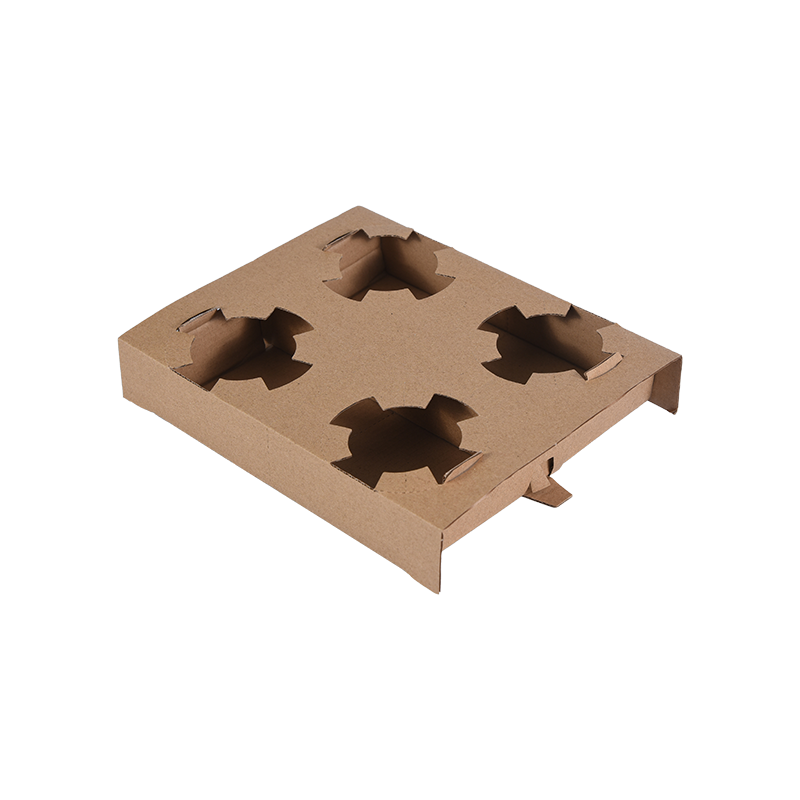 Custom 4-Cup Paper Drink Carrier TrayA foldable, stackable carrier for up to four 8–32 oz cups, suited to takeaway orders, events, and coffee shop service.View Product →
How to Check the Real Size Before You Buy
Spec sheets can be honest and still confusing. Use this checklist before you compare a 64 oz cup, pail, tray, or takeout box with another format.
- Confirm fluid ounces, not weight ounces. A 64 fl oz container is a volume claim; 64 oz on a scale is a weight claim.
- Ask whether 64 oz is brimful or usable capacity. A lid, a fill line, or a hot liquid can reduce the practical amount.
- Check top diameter, base diameter, and height. The same volume can be tall and narrow or short and wide.
- Match the material and closure to the food. Hot broth, oil, and acidic sauces behave differently in paperboard, coating, and lid systems.
- Test lids, stacking, and carton fit. A container that fits on a shelf may not fit in a delivery bag.
- Plan transport. A tall 64 oz cup and a wide 64 oz pail need different carriers and different amounts of shelf space.
For beverage transport, the carrier is part of the container system. A single large cup and a multi-cup order can both total 64 oz, but they need different handling. When a client moves to a larger shared drink format, we look at carrier strength, cup stability, and how the box stacks.
Custom 96 oz Kraft Drink-to-Go Carrier BoxA custom 96 oz kraft drink-to-go box with an insulated foil bag, suited to catering, parties, and outdoor meals with larger shared drink orders.View Product →Paper Packaging and the Half-Gallon Question
In paper packaging, the same 64 oz can feel different depending on board grade, coating, and shape. A tall paper food pail may take less shelf space than a wide bowl, while a shallow tray may fit a catering cart better. The ounce label is a starting point; the footprint, lid, and intended serving temperature decide whether the container is practical.
Our team works with paper takeout boxes, bowls, trays, and cup carriers, so we tend to look at 64 oz as part of a complete serving system: how much food fits, how the lid closes, how the package stacks, and how it travels. That is more useful than treating 64 oz as a universal size.
A Practical Takeaway
So, how big is a 64 oz container? It holds half a gallon, or eight cups, or about 1.9 liters, and it weighs about 4.2 pounds when filled with water. Its actual dimensions are not standardized. Use the half-gallon comparison for mental scale, then check the real top, base, height, and usable fill for the package you are considering. If you are choosing between formats, give your supplier the food, serving size, and transport conditions; that conversation will settle the size question faster than the ounce label alone.
-
How Big Is a 64 Qt Container? Real Dimensions, Capacity, and Sizing Tips
A 64 qt container is a serious piece of equipment. It is the tub a busy kitchen pulls off the shelf...
-
How Big Is a 64 oz Container? Capacity, Dimensions, and Packaging Guide
The Short Answer: 64 Ounces Is Half a Gallon When someone asks how big is a 64 oz container, the fi...
-
How Big Is an 8 Ounce Cup? Real Dimensions, Capacity and Everyday Uses
Order a small coffee at the counter and there is a good chance it arrives in an 8 ounce cup. It is ...
-
How Big Is a 5 oz Container? Dimensions, Capacity, and Common Food Uses
A 5 oz container holds about 148 ml. In paper food packaging that usually means a small tray or boa...
-
Chinese Food Container Sizes Explained: Measurements in Pints & Quarts
If you have ever ordered Chinese takeout, you have probably held one of those folded paper pails wi...
-
How Are Paper Bags Made? The Complete Kraft Paper Manufacturing Process
Paper bags are one of those everyday objects we rarely stop to think about — until we watch one bei...
 Building 4, Leyin Industrial Park ,No. 330 Qianchun Avenue, Zhanqi Town, Yinzhou District, Ningbo, China
 +86-574-82813668

 Instagram
Copyright © Ningbo Shuohui New Material Technology Co., Ltd. Rights Reserved.
 Custom Disposable Paper Food Packaging Manufacturers