


 English
 Español
-
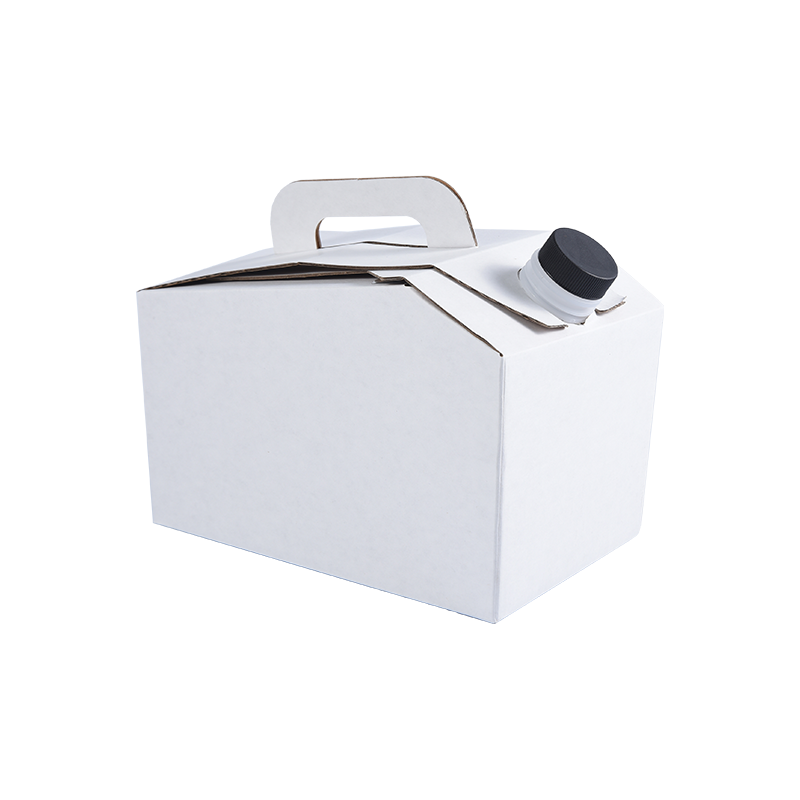 96oz Kraft Coffee/Drink to Go Container/Coffee Carrier Box
-
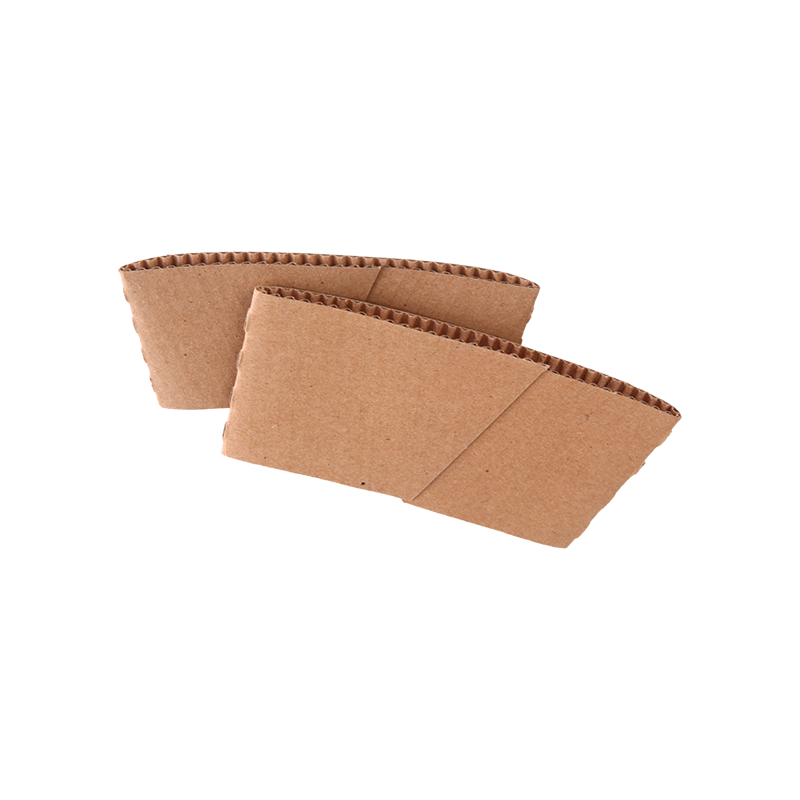 Recyclable Paper Cup Holder Sleeves
-
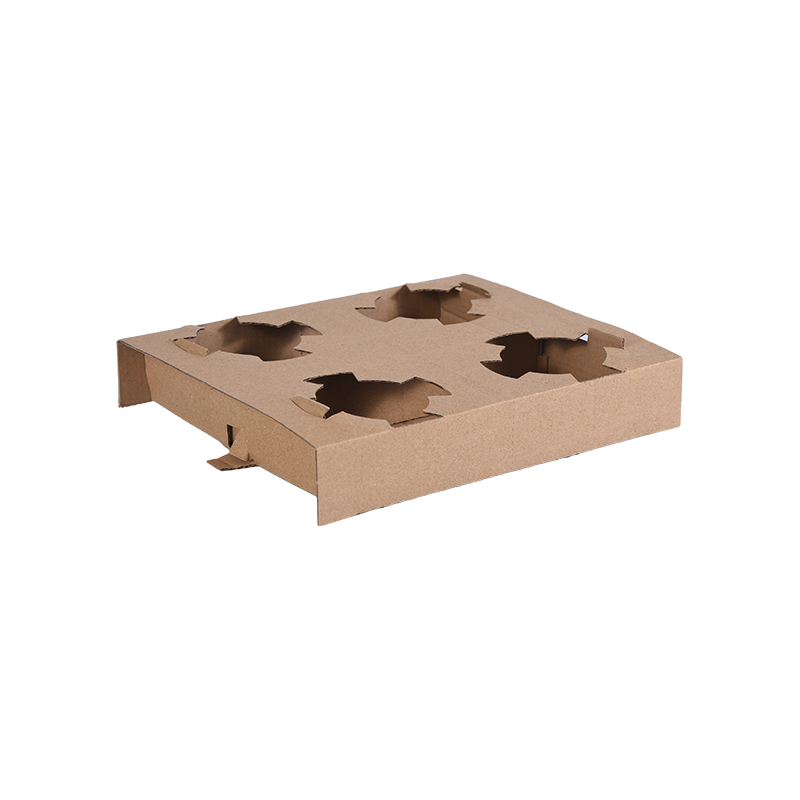 4 Cup Tray Holders for Hot & Cold Drinks – Foldable, Durable, and Cup Carrier for Takeaway, Festivals, Coffee Shops & Events
-
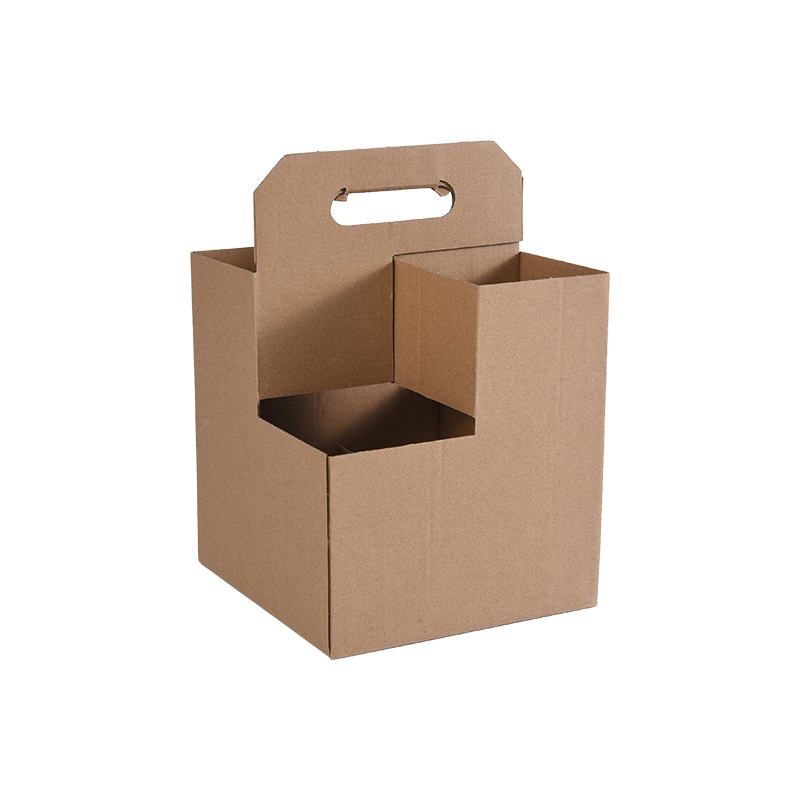 Kraft Cup Drink Carrier with Handles
-
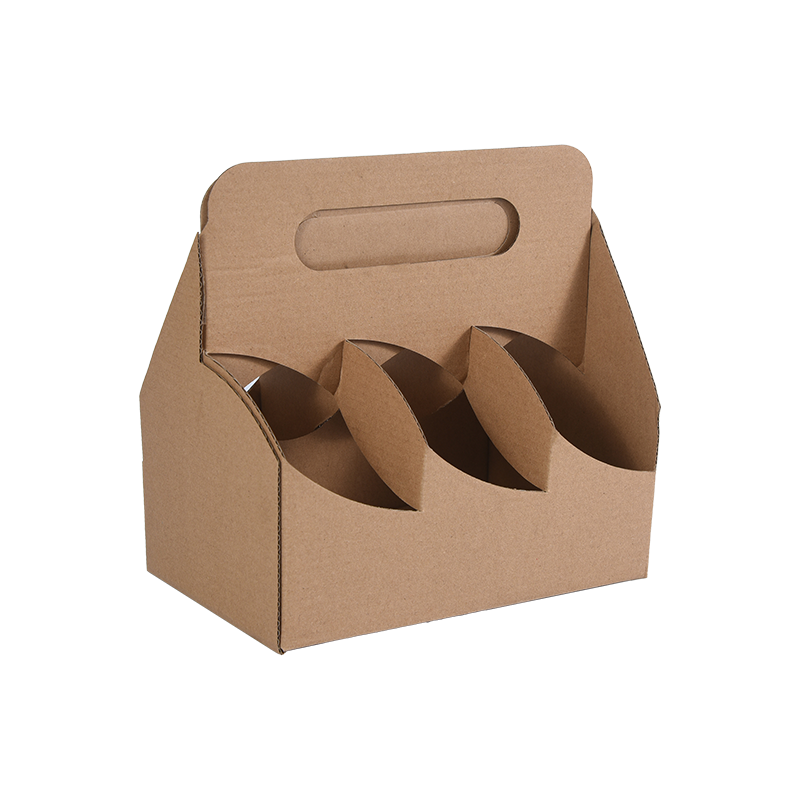 Kraft Beverage Carrier with Handles (6 to 8 Bottles or Cans)
-
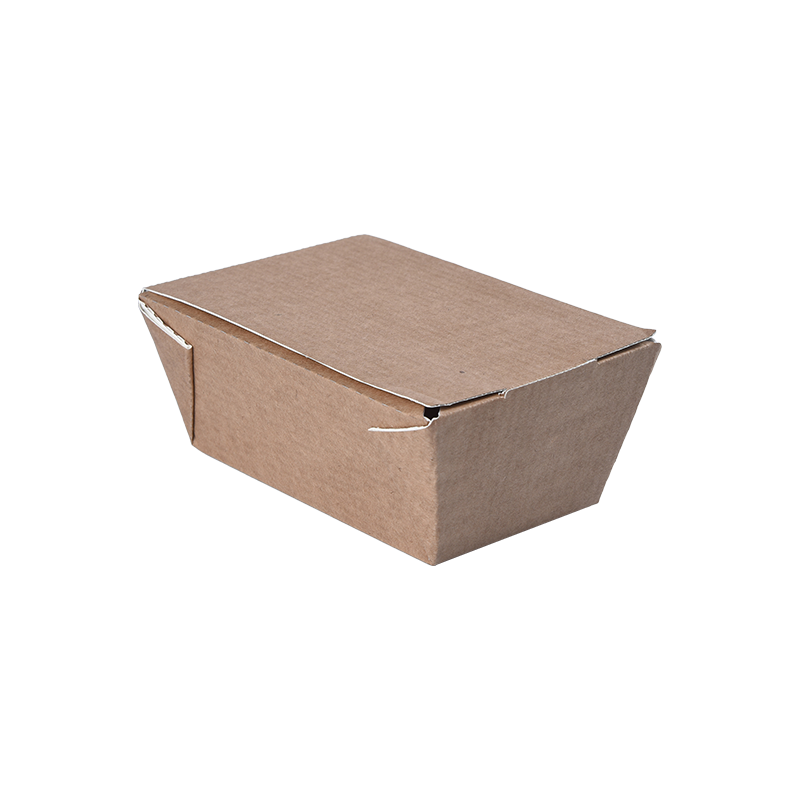 Corrugated Kraft Cardboard Lunch Boxes
-
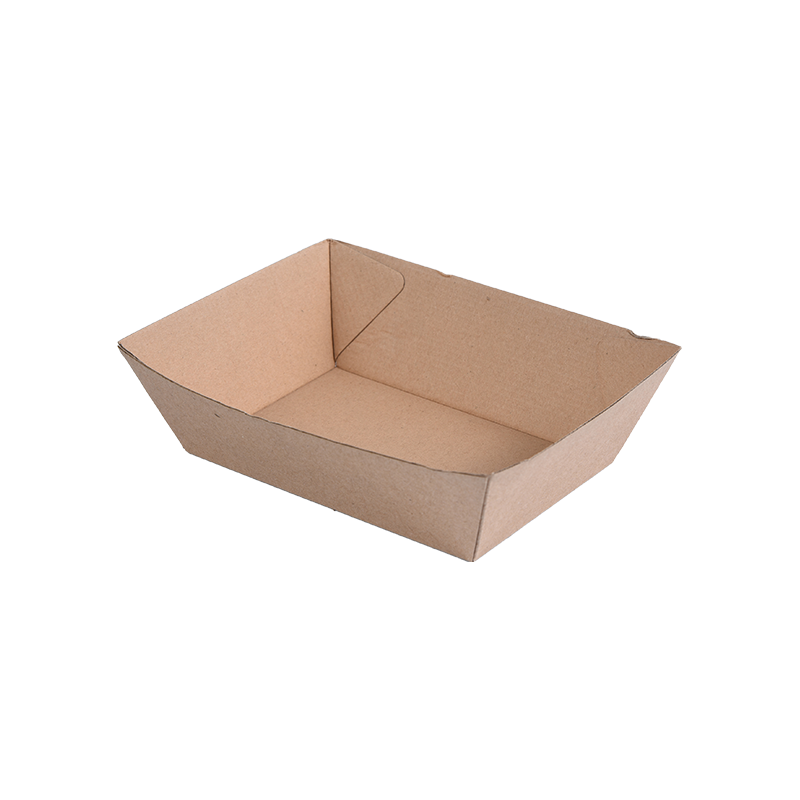 Disposable Rectangular Corrugated Paper Food Trays
-
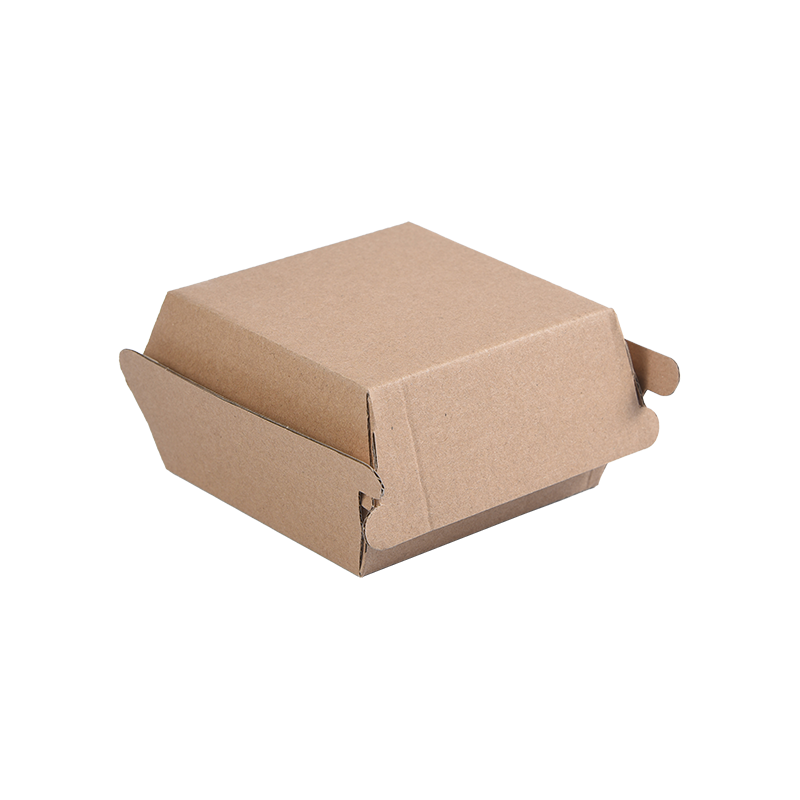 Restaurantware Corrugated Paper Burger Box
How Are Paper Bags Made? The Complete Kraft Paper Manufacturing Process
Paper bags are one of those everyday objects we rarely stop to think about — until we watch one being made. The process is a satisfying blend of chemistry, precise machinery, and old-fashioned paper craft. Whether you are evaluating packaging suppliers, designing a new takeout program, or simply wondering about the brown bag that carried your groceries home, understanding how paper bags are made makes the material a great deal more interesting.
What Raw Materials Go Into a Paper Bag?
Almost every paper bag starts with wood. Fast-growing softwood species such as pine, spruce, and eucalyptus are the most common sources, because their long fibers give paper the strength and tear resistance a bag needs to carry weight.
Kraft Paper: The Backbone of the Bag
Most brown paper bags are made from kraft paper, which is produced through a chemical pulping process. Wood chips are cooked under heat and pressure in a solution of sodium hydroxide and sodium sulfide, dissolving most of the lignin that holds the wood fibers together. The fibers that remain are longer and stronger than those produced by mechanical pulping, which is exactly why kraft paper has become the standard material for bags of all kinds.
Depending on the intended use, pulp can be bleached to create a clean white printing surface or left unbleached for the familiar natural brown look. Many manufacturers also blend in recycled fiber. For food-contact packaging, which is what we specialize in, the paper may receive a water-based coating or a thin barrier layer to resist grease and moisture. These refinements matter as much for paper takeout containers as they do for retail shopping bags. If you would like to dig deeper into food-safe options, our guide on what paper is used for food packaging covers the different materials side by side.
A Step-by-Step Look at the Paper Bag Manufacturing Process
Here is the short version before we walk through each stage in detail:
- Pulping and fiber refining
- Forming the paper sheet
- Printing and surface treatment
- Tube forming
- Cutting and bottom forming
- Handle attachment
Step 1 — Pulping and Fiber Refining
After the wood is debarked and chipped, the chips travel into a digester where the kraft cooking process takes place. The resulting pulp is washed, screened, and then beaten or refined to open up the fiber walls. This refining stage may sound minor, but it determines the paper's strength, density, and flexibility.
Step 2 — Forming the Paper Sheet
Refined pulp is diluted with water to a mixture that is more than 99 percent water, then sprayed onto a moving wire mesh on a paper machine. As the water drains away, the fibers interlock into a mat. The mat is pressed between rollers and dried over heated cylinders, emerging as a continuous roll of kraft paper. The paper's grammage is selected at this stage for the job ahead — a light sheet for bakery bags, or a heavier paper stock for reinforced shopping bags.
Step 3 — Printing and Surface Treatment
Not every paper bag is printed, but when it is, flexographic printing is the usual approach for large production runs. The paper web passes over printing cylinders that apply logos, colors, or messaging. For food-related bags, water-based and food-safe inks are the standard. Some bags also receive a varnish or coating at this stage to add scuff resistance or a softer finish.
Step 4 — Tube Forming
This is the point where a roll of paper starts to look like a bag. The flat web is unwound and threaded through a forming station, where one edge is folded over and glued along the full length to create a continuous tube. If the bag will have gussets, the folded side panels that let the bag expand, the forming section creates those creases at the same time.
Step 5 — Cutting and Bottom Forming
The tube is sliced to the correct length, and the real magic takes place at the bottom. The lower edge is folded into a square or rectangular base using a series of mechanical tuckers and folders, then sealed with adhesive — which is why, when you open a classic paper bag, the bottom creases fan out into that familiar star pattern. For self-opening square bags, the two opposed side folds are pressed inward simultaneously, so the bag pops open with a quick flick of the wrist — a design that has made the SOS bag a staple in grocery stores and bakeries for more than 140 years.
Step 6 — Handle Attachment
When a bag needs handles, a separate station attaches them. Twisted kraft paper handles are formed from narrow strips of paper wrapped around each other, with a folded paper patch glued to the bag body for reinforcement. Flat tape handles are cut, folded, and glued into place in one continuous operation. Die-cut handle holes and additional reinforcement patches are added at this phase as well. The finished bags are then counted, stacked flat, and packed into bundles.
Types of Paper Bags and How They Differ
Once you understand the production steps, it is easy to see why the final bag looks different depending on how it will be used.
| Bag Type | Typical Use | Key Feature |
|---|---|---|
| SOS grocery bag | Supermarkets and grocery stores | Self-opening square bottom |
| Flat-bottom shopping bag | Retail and boutique purchases | Wide stable base, stands upright |
| Twisted-handle merchandise bag | Apparel, gifts, takeout | Strong twisted paper handles |
| Bakery and food-service bag | Baked goods, deli counters | Lightweight, often grease-resistant |
| Block-bottom bag | Coffee beans, flour, retail | Gusseted sides, large capacity |
Quality Control: What to Watch For
Good paper bag manufacturing is as much about consistency as it is about raw material quality. Serious producers inspect incoming rolls for basis weight and moisture content, run in-process checks on glue seam strength and print registration, and test the finished bag's burst strength and handle pull resistance. For food service applications, there is another layer: migration testing for food-contact compliance, and verification that coatings and inks do not contain restricted substances.
At our own factory, we apply the same logic to every kraft paper container we produce. A box or tray that fails at a seam, under a hot meal, or in a delivery bag is not really cheaper — it is a liability. That is why we keep quality checks tightly integrated into the production flow rather than treating them as an afterthought.
The Environmental Side of Paper Bags
Paper bags have a solid sustainability story, although it is not a simple one. They are made from a renewable resource, and kraft fibers can be recycled or composted at the end of their life. Because they break down naturally, they do not linger in the environment the way conventional plastic bags do. At the same time, producing virgin kraft pulp requires energy and water, which is why responsible mills focus on certified fiber, efficient water use, and recycling production waste back into the process.
From a practical standpoint, the most sustainable bag is the one that gets reused the most. A sturdy kraft bag carried several times earns back its footprint much faster than a flimsy bag that lasts a single trip. That is a good reason to choose a sensible grammage and sturdy construction rather than the cheapest option available.
From Bags to Broader Paper Packaging
Once you see how paper bags are made, it becomes easy to recognize the same techniques in a far wider range of paper products. Takeout boxes, burger boxes, cup carriers, and bakery trays all start with the same family of materials and processes — kraft paper webs, food-safe coatings, precise folding, and dependable glue seams. This is the craft our team at Ningbo Shuohui New Material Technology Co., Ltd. applies every day to food packaging.
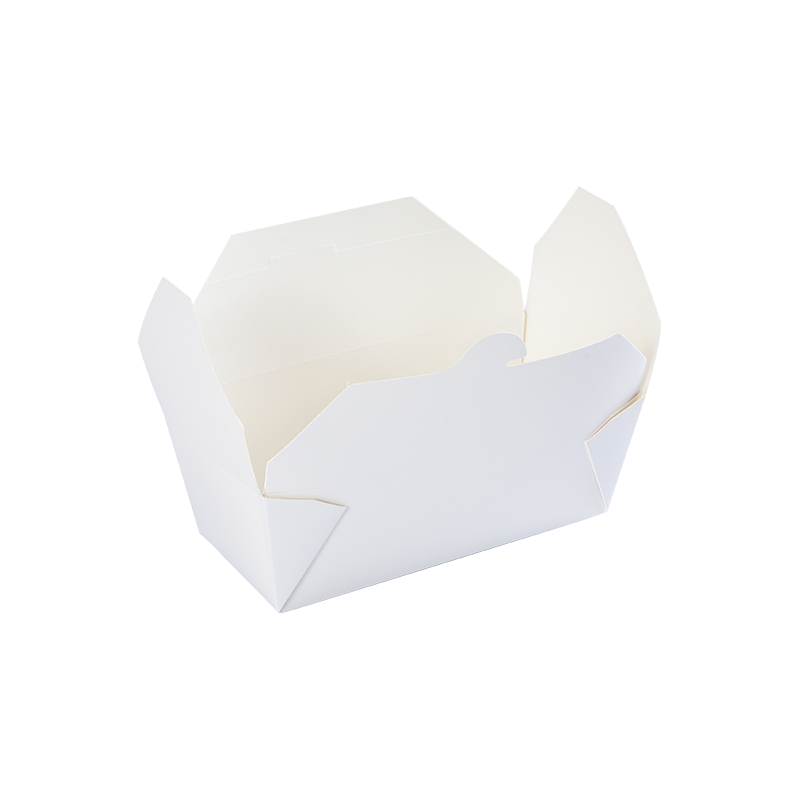 Leak-Proof Kraft Takeout Box for Hot and Saucy MealsThis folded-bottom paperboard container locks securely with four flaps, resists leaks, and comes in multiple sizes for noodles, rice dishes, and burgers.View Product →
A kraft takeout box relies on the same folded-bottom construction that keeps a grocery bag strong, adapted to hold noodles, rice dishes, and burgers without leaking.
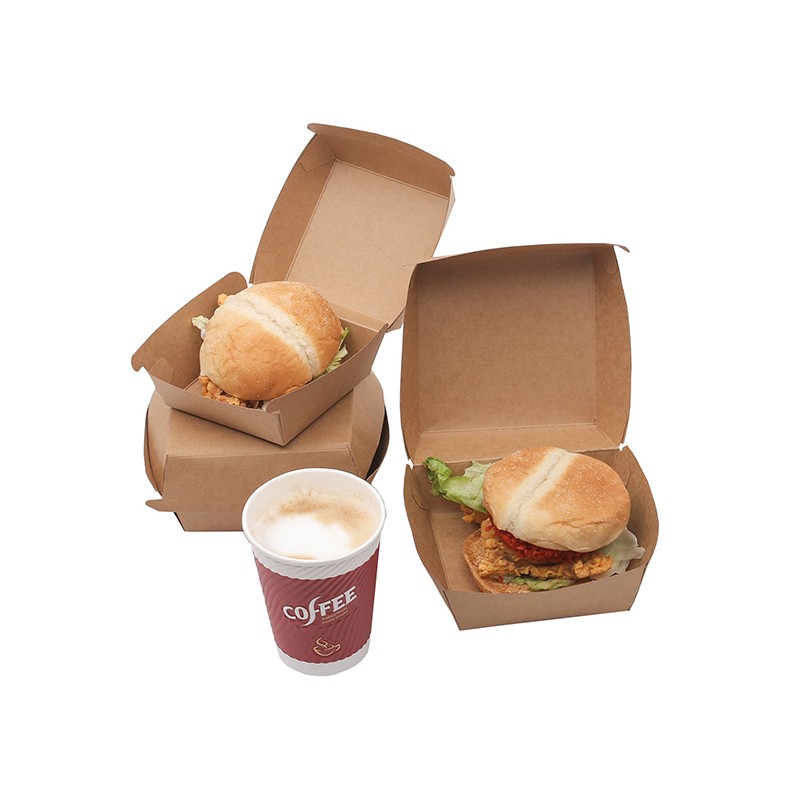 Grease-Resistant Recyclable Paper Burger BoxA fold-and-lock kraft box with a grease-resistant coating keeps burgers and fish and chips hot and saucy without compromising recyclability or strength.View Product →
A recyclable paper burger box uses a grease-resistant kraft board with a fold-and-lock lid, so it stays intact even when the meal inside is hot and saucy.
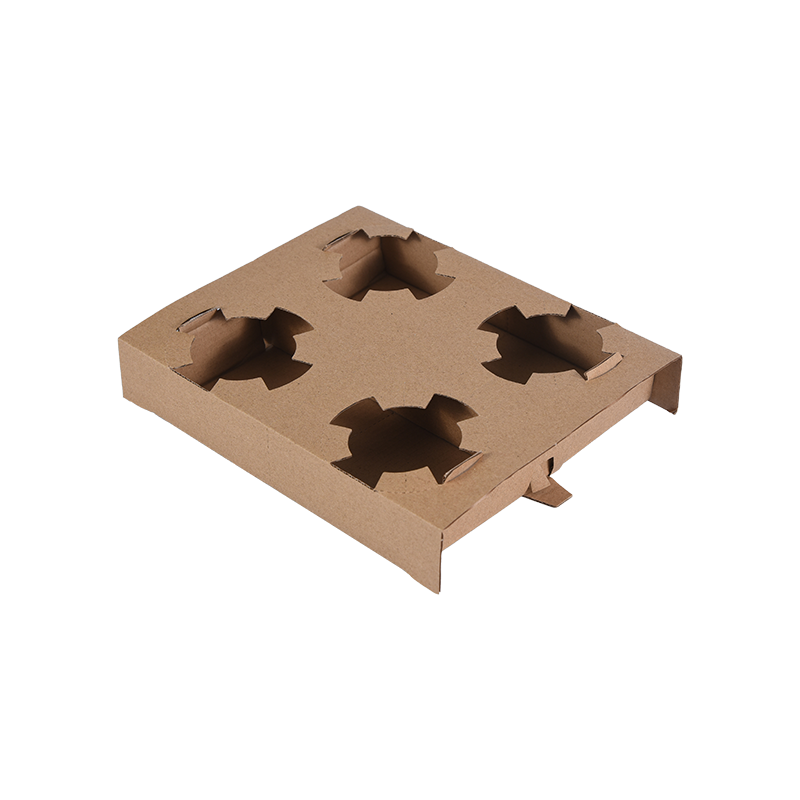 Foldable 4-Cup Carrier for Hot and Cold DrinksThis stackable paper tray locks around up to four cups from 8 to 32 oz, making it a sturdy, space-saving choice for coffee shops and events.View Product →
A foldable cup carrier takes the same paper engineering in a different direction, locking around cups to keep four drinks steady on the way out the door.
Whatever format you work with — takeout containers, bakery boxes, burger packs, or drink carriers — the fundamentals remain the same. If you want to see how these principles play out across a full range, our paper container range covers lunch boxes, salad bowls, trays, and many other food-safe options.
Paper bags may look simple, but their manufacturing process is anything but. From the first wood chip to the final glued bottom, every step is designed to produce something strong, consistent, and light on the environment. And the same process, refined over decades of production, is exactly what makes modern paper food packaging so dependable.
-
Chinese Food Container Sizes Explained: Measurements in Pints & Quarts
If you have ever ordered Chinese takeout, you have probably held one of those folded paper pails wi...
-
How Are Paper Bags Made? The Complete Kraft Paper Manufacturing Process
Paper bags are one of those everyday objects we rarely stop to think about — until we watch one bei...
-
how to carry cupcakes: Applications, Selection Criteria, and Practical Guidance
Freshly baked cupcakes are hard to resist, but they are even harder to carry. A light bump can send...
-
How to Make a Paper Lunch Box: DIY Folding & Commercial Manufacturing Guide
A paper lunch box is one of those everyday objects that seems too simple to think about — until you...
-
how to pack tacos for delivery: Applications, Selection Criteria, and Practical Guidance
Delivering tacos has become a daily challenge for many restaurants and food trucks. Unlike burgers ...
-
how to transport cupcakes: Applications, Selection Criteria, and Practical Guidance
Cupcakes are small, but moving them safely is a bigger challenge than most people expect. A slight ...
 Building 4, Leyin Industrial Park ,No. 330 Qianchun Avenue, Zhanqi Town, Yinzhou District, Ningbo, China
 +86-574-82813668

 Instagram
Copyright © Ningbo Shuohui New Material Technology Co., Ltd. Rights Reserved.
 Custom Disposable Paper Food Packaging Manufacturers