


 English
 Español
-
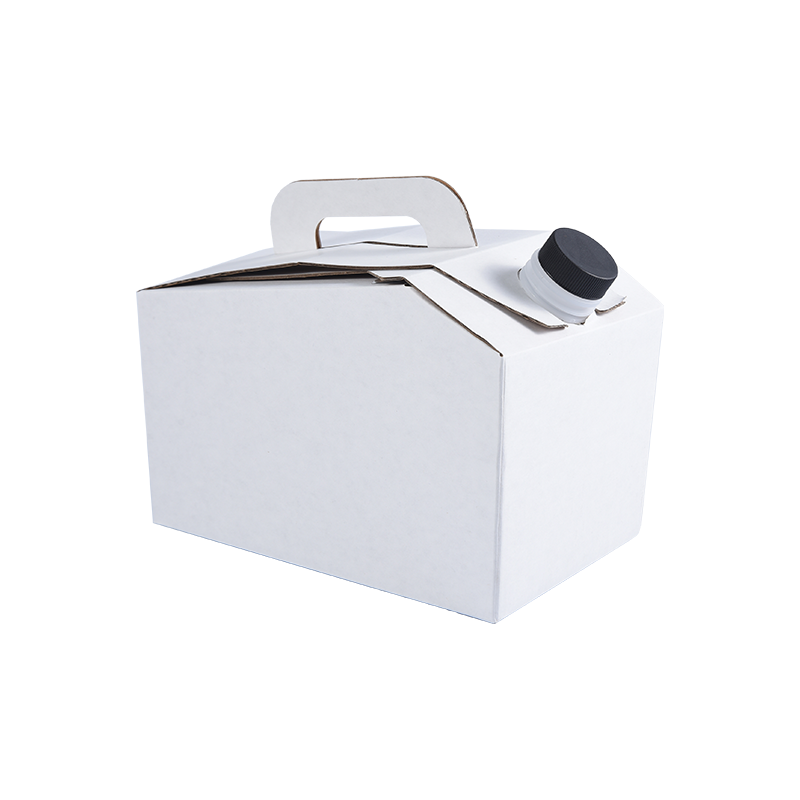 96oz Kraft Coffee/Drink to Go Container/Coffee Carrier Box
-
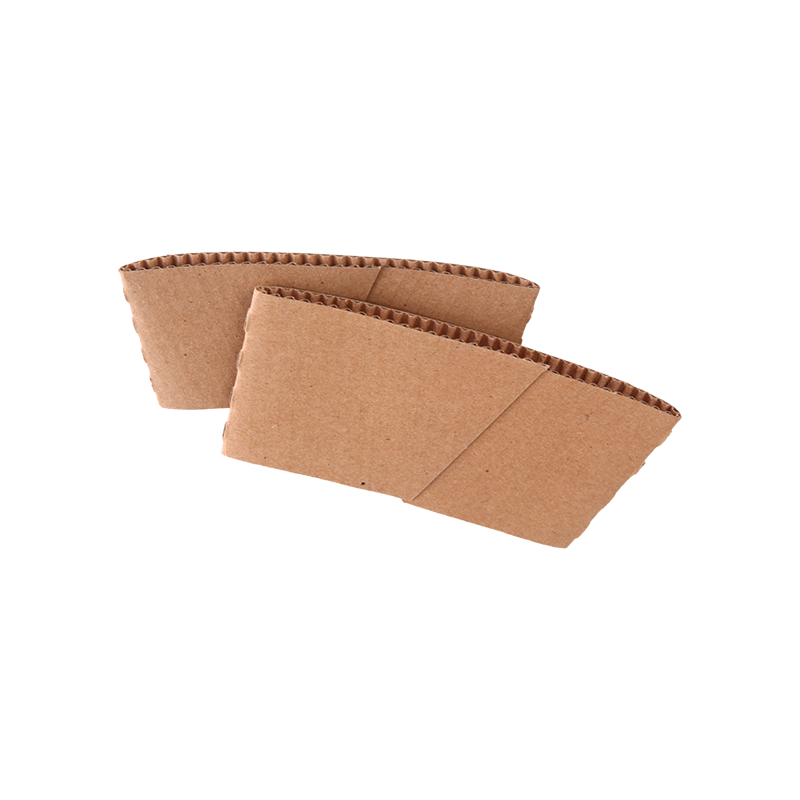 Recyclable Paper Cup Holder Sleeves
-
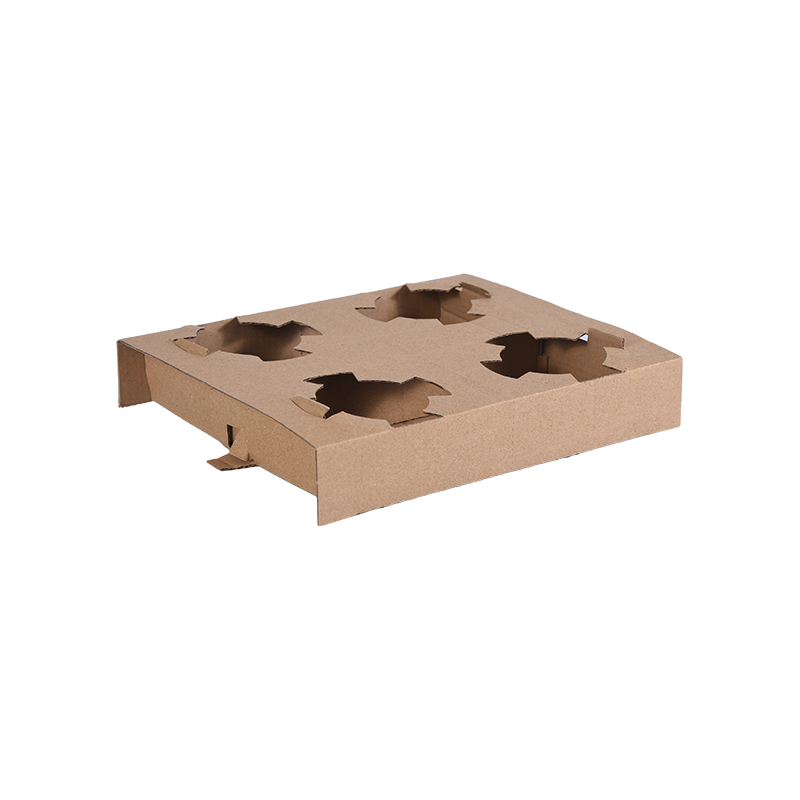 4 Cup Tray Holders for Hot & Cold Drinks – Foldable, Durable, and Cup Carrier for Takeaway, Festivals, Coffee Shops & Events
-
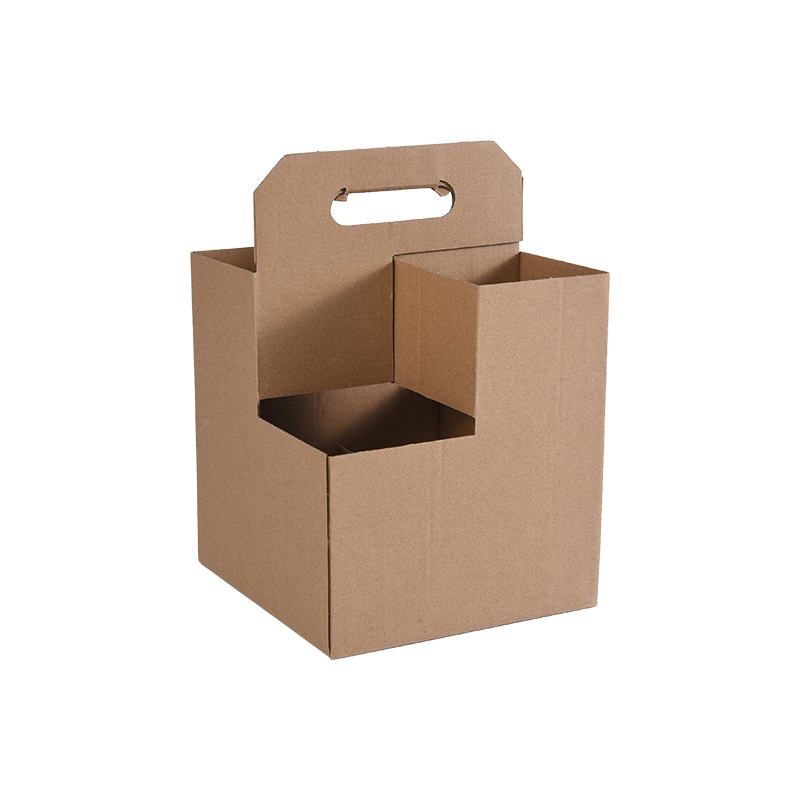 Kraft Cup Drink Carrier with Handles
-
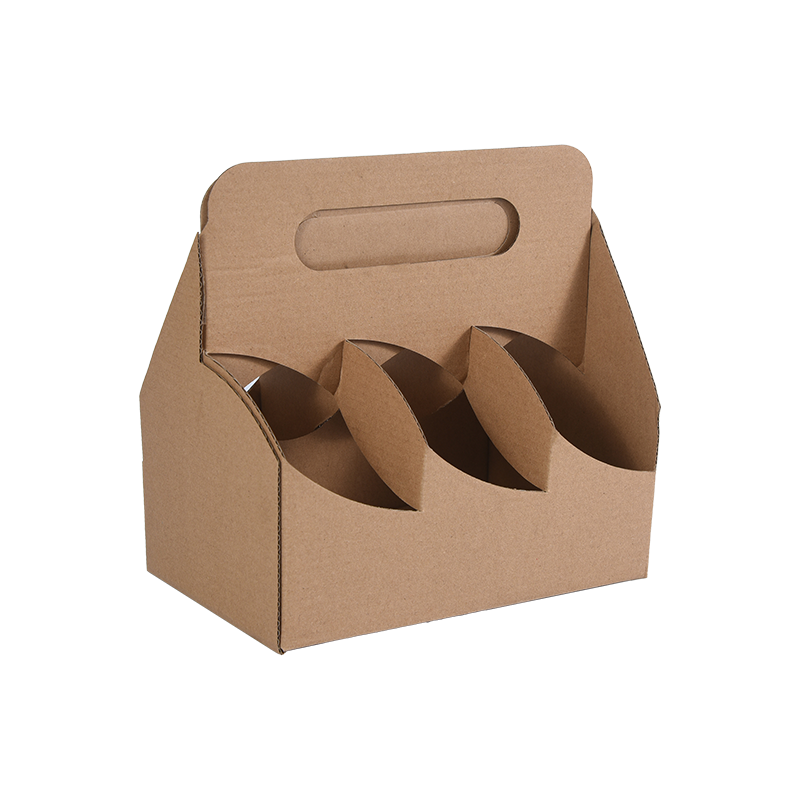 Kraft Beverage Carrier with Handles (6 to 8 Bottles or Cans)
-
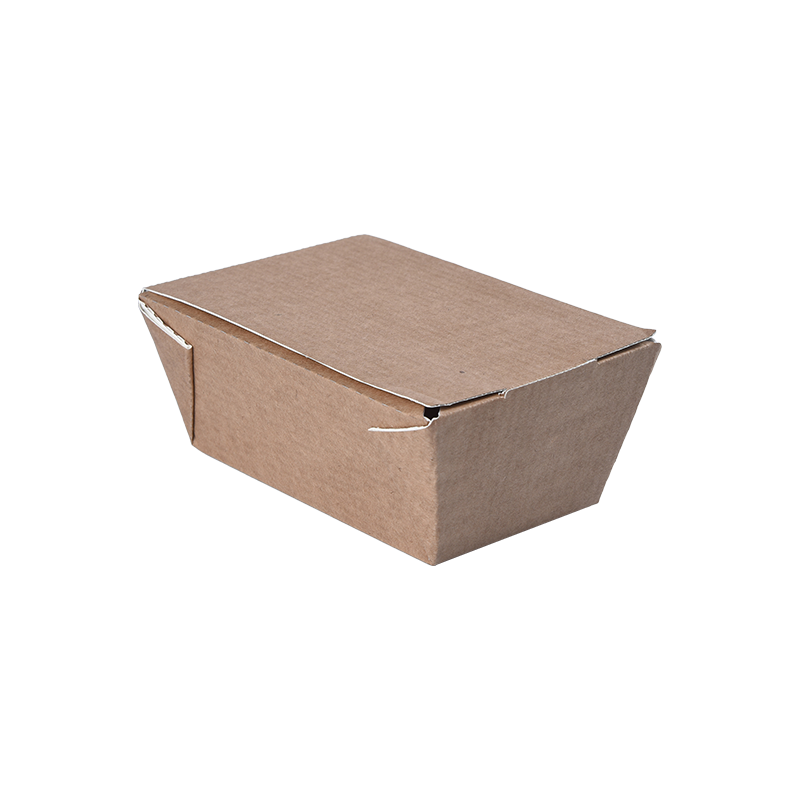 Corrugated Kraft Cardboard Lunch Boxes
-
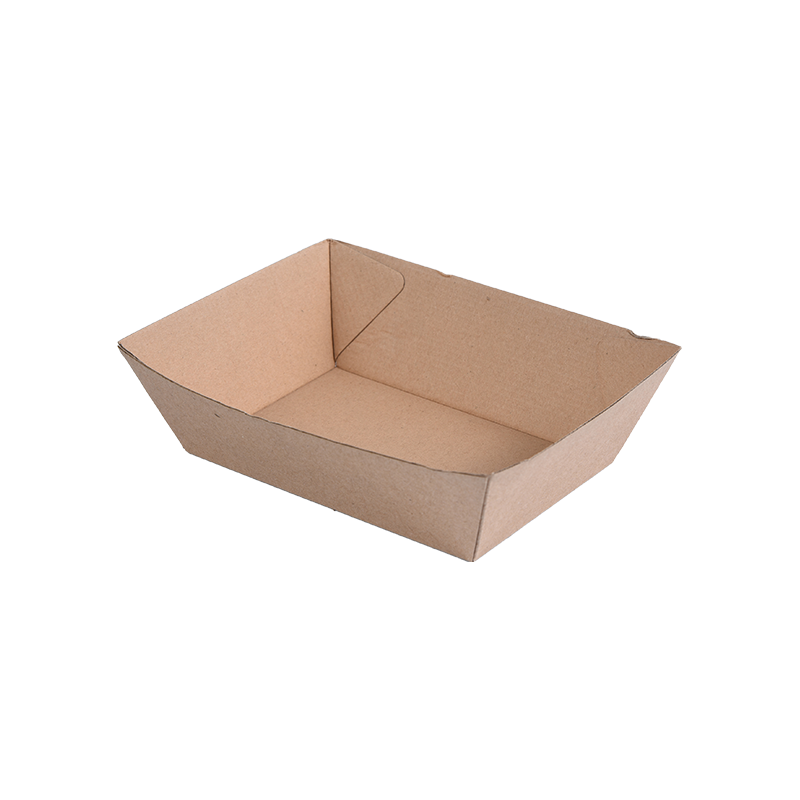 Disposable Rectangular Corrugated Paper Food Trays
-
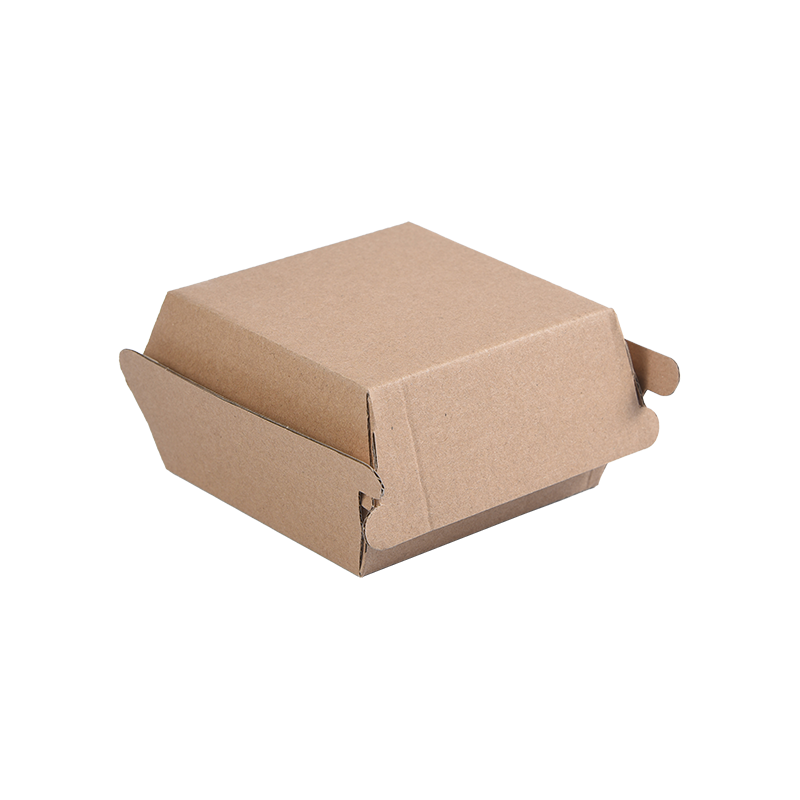 Restaurantware Corrugated Paper Burger Box
How to Make a Paper Lunch Box: DIY Folding & Commercial Manufacturing Guide
A paper lunch box is one of those everyday objects that seems too simple to think about — until you need one. Maybe you are packing a school lunch, running a small food stall, or simply curious about how a flat sheet of paper becomes a sturdy container. In this guide, we will cover both sides of that question: how to make a paper lunch box with your own hands, and how commercial paper lunch boxes are actually produced at scale. By the end, you will understand what goes into a good paper lunch box and what to look for when sourcing them for your business.
What “Making a Paper Lunch Box” Really Means
When people search for how to make a paper lunch box, they usually mean one of two things. The first is a quick DIY craft: folding a sheet of paper into a box shape, often for packing dry snacks or gifts. The second is the industrial process behind the disposable paper lunch boxes used by restaurants, cafeterias and delivery kitchens. Both are worth learning. The DIY method is useful at home, while understanding the commercial process helps you make better purchasing decisions for your food business.
Interestingly, both paths rely on the same fundamental logic: a flat sheet of paper is folded, creased and secured to create a three-dimensional container. The difference lies in the materials, the machinery and the level of food-safety engineering involved.
How to Make a Paper Lunch Box by Hand: A Simple Folding Method
You do not need any special equipment to fold a basic paper lunch box. A square piece of food-safe paper is the only real requirement, though a few common tools help you get crisp creases.
| Item | Purpose | Notes |
|---|---|---|
| Kraft paper or butcher paper | Main body of the box | Choose food-safe, unprinted paper |
| Ruler | Measuring and scoring creases | Optional but helpful |
| Pencil | Marking fold lines | Use light marks on the outside |
| Scissors | Cutting the paper to size | Start with a square |
| Food-safe tape or stapler | Securing flaps | Use only if the box will hold heavier items |
Step-by-step instructions
- Cut a square piece of paper. A 30 cm by 30 cm sheet will give you a lunch box roughly 15 cm wide and 8 cm deep.
- Fold the paper in half horizontally and vertically, then unfold. You now have two center crease lines crossing in the middle.
- Fold each of the four corners into the center point, creating a smaller square with a diamond pattern.
- Fold the top edge and the bottom edge of this smaller square toward the center line, then unfold them. This creates the rim of the future box.
- Pinch the left and right sides and lift them upward so the paper starts to fold itself into a three-dimensional shape.
- Fold the front and back flaps down and tuck them into the side walls. Tape or staple the corners if you want extra stability.
This simple box works well for sandwiches, pastries, fries and other dry foods. If you want it to hold wetter or hotter items, you will need a coated or laminated paper — which brings us to the difference between a homemade box and a properly manufactured one.
What to Keep in Mind When Making Your Own Paper Lunch Box
A hand-folded box is charming, but it is not automatically food-safe. The paper itself matters. Recycled newspaper, glossy flyers or craft paper with heavy ink should never touch food directly. Look for unprinted kraft paper or parchment-style paper that is explicitly labeled for food contact.
Grease and moisture are the next concern. Plain paper does not resist oil well, so oily fried foods can soak through quickly. You can line the inside with parchment paper, or if you regularly need a grease-resistant and leak-proof solution, consider a commercial box with a PE or PLA coating. And if hot food is part of your plan, material selection becomes even more important. Our guide on how to make a paper lunch box with high-temperature resistance covers the safest choices for hot meals.
How Commercial Paper Lunch Boxes Are Made
Commercial paper lunch boxes follow the same folding principle as a DIY box, but the manufacturing process is far more controlled. The journey starts with the right paperboard and ends with a box that is mechanically folded, sealed and quality-checked on a production line.
| Stage | What happens | Why it matters |
|---|---|---|
| Paperboard selection | Food-grade kraft, cardboard or coated paperboard is chosen | Determines strength and food safety |
| Coating | PE or PLA layers are applied to resist grease and moisture | Prevents leaks and keeps sauces from soaking through |
| Printing | Food-safe inks add branding and designs | Creates a professional look while staying compliant |
| Die-cutting | The flat blank is cut into the box shape with precise creases | Allows fast, consistent folding later |
| Folding and gluing | Machines fold the blank and seal the seams | Creates a leak-resistant structure at scale |
| Quality control | Boxes are checked for defects, strength and hygiene | Reduces failures during packing and delivery |
Because the whole process is automated, commercial boxes offer a level of consistency that hand folding can never match. Every batch comes out with the same dimensions, the same coating and the same structural strength — which is exactly what a busy kitchen needs.
 Disposable Kraft Paper Lunch Boxes with Leak-Proof Click LocksThese eco-friendly, food-grade kraft boxes offer consistent dimensions and sturdy construction, ideal for busy kitchens needing reliable, no-assembly takeaway packaging.View Product →
DIY vs. Commercial Paper Lunch Boxes: Which Should You Use?
Both approaches have their place. It all depends on the situation.
| Criterion | Handmade DIY box | Commercial paper lunch box |
|---|---|---|
| Best for | Home lunches, snacks, crafts | Restaurants, takeout, delivery, events |
| Leak resistance | Poor without a liner | Good to excellent with PE/PLA coating |
| Grease resistance | Low | High with coated food-grade paper |
| Time per unit | About 5 minutes | A fraction of a second |
| Custom branding | Not practical | Full-color printing available |
| Consistency | Varies every time | Uniform from box to box |
If you are a food business, consistency and food-safety compliance are non-negotiable. That is why most restaurants and caterers choose a manufactured box rather than folding by hand. For sturdy, stackable options, corrugated kraft lunch boxes are a popular choice because they combine rigidity with a natural, eco-friendly look.
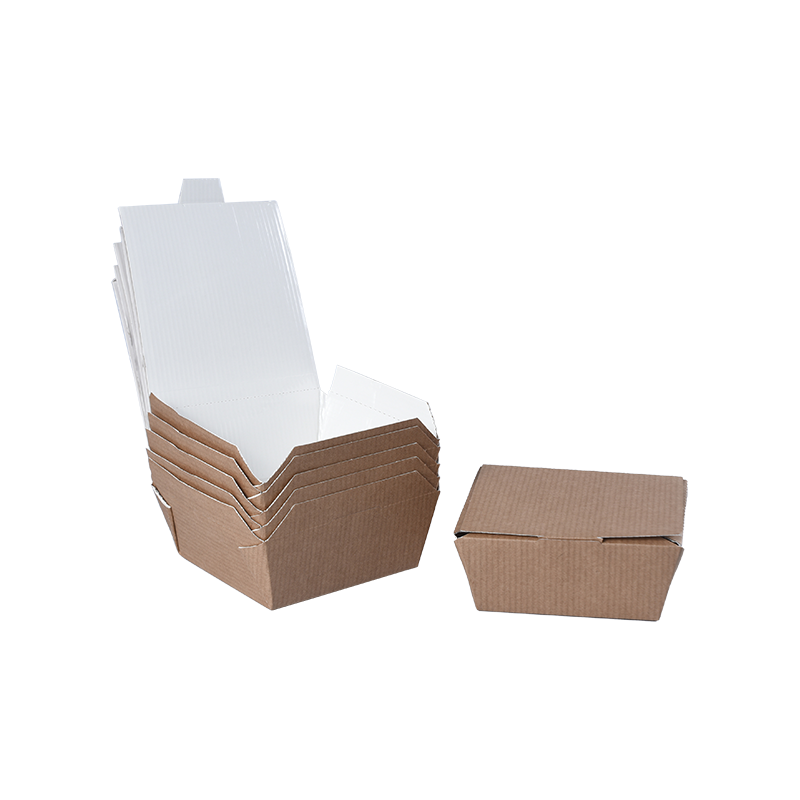 Corrugated Kraft Cardboard Lunch Boxes for Sturdy TakeawayMade from rigid corrugated kraft cardboard, these customizable lunch boxes protect meals and keep them fresh, suiting restaurants and caterers seeking stackable, eco-friendly options.View Product →
Choosing the Right Paper Lunch Box for Your Business
Once you decide to buy commercial paper lunch boxes, the next question is which one to choose. Start with the food you serve. Dry items like sandwiches and pastries work fine with an uncoated kraft box, while saucy noodles, fried chicken and curry dishes need a leak-proof, grease-resistant coating.
Size is just as important. A box that is too small forces employees to cram food in, which often leads to spills. A box that is too large wastes space in your delivery bag and makes portions look smaller. Measure your typical portion before ordering.
Finally, think about printing. A custom-printed lunch box is a subtle but effective branding tool — every box that leaves your kitchen carries your logo to the customer's table. For classic takeout-style meals with a folded top, a kraft paper takeout box is a versatile choice that handles both hot and cold food well.
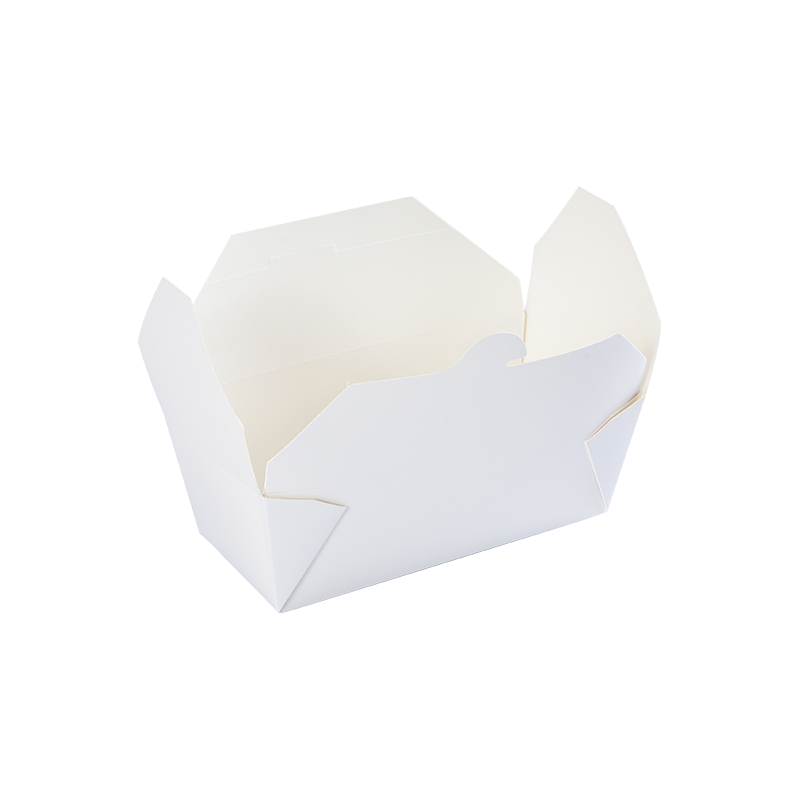 Kraft Paper Take-out Food Containers with Secure Tab LockThese leak-resistant paperboard containers are freezable and heat-lamp safe, making them a versatile branding tool for fast food and catering businesses serving hot or cold meals.View Product →
Common Mistakes to Avoid
- Using non-food-grade paper for DIY boxes — always choose paper that is safe for direct food contact.
- Ignoring grease resistance — oily food will soak through plain paper within minutes.
- Choosing the wrong size — order a few sample sizes and test them with your actual menu items.
- Skipping leak tests — fill a box with sauce or soup and see whether the seams hold.
- Overlooking heat resistance — hot meals can weaken uncoated paper and release substances from low-quality inks.
Making a paper lunch box is a satisfying DIY project, but when your goal is serving food at scale, the real answer lies in understanding materials, coatings and production quality. Whether you fold a single box at home or buy thousands for your restaurant, the same principle applies: the paper, the crease and the seal decide whether your lunch arrives intact and appetizing. Start with the right material, respect the limits of your paper, and you will never have to worry about a soggy lunch again.
-
How to Make a Paper Lunch Box: DIY Folding & Commercial Manufacturing Guide
A paper lunch box is one of those everyday objects that seems too simple to think about — until you...
-
how to pack tacos for delivery: Applications, Selection Criteria, and Practical Guidance
Delivering tacos has become a daily challenge for many restaurants and food trucks. Unlike burgers ...
-
how to transport cupcakes: Applications, Selection Criteria, and Practical Guidance
Cupcakes are small, but moving them safely is a bigger challenge than most people expect. A slight ...
-
How Many Oz in a Chinese Takeout Box? Pint, Quart and Half Sizes Explained
Few questions reach our inbox as often as this one, and it nearly always arrives from someone holdi...
-
How Are Today's Foods Typically Packaged? A Complete Modern Guide to Paper Packaging
Walk into any restaurant, coffee shop, or delivery kitchen today, and you will see packaging that b...
-
How to Pack Food for Takeaway: Essential Paper Container Tips for Restaurants
When a customer orders takeaway, they are not just buying a meal; they are buying the convenience o...
 Building 4, Leyin Industrial Park ,No. 330 Qianchun Avenue, Zhanqi Town, Yinzhou District, Ningbo, China
 +86-574-82813668

 Instagram
Copyright © Ningbo Shuohui New Material Technology Co., Ltd. Rights Reserved.
 Custom Disposable Paper Food Packaging Manufacturers