You can make a functional paper lunch box using food-grade kraft paper or paperboard, a simple box-fold template, and a waterproof coating — in under 30 minutes with basic tools. However, standard paper lunch boxes are not high temperature resistant; they typically withstand up to 120°C (248°F) in brief contact scenarios. For hot meals, you need either a PE-coated, PLA-lined, or clay-coated paperboard that is specifically rated for food-safe heat exposure. This article walks you through both the DIY making process and the material science behind building a paper lunch box that can genuinely handle heat.
What Is a Paper Lunch Box and Why It Matters
A paper lunch box is a food container constructed primarily from paperboard or kraft paper, designed to hold meals for transport or single-use service. Unlike plastic containers, paper lunch boxes are biodegradable, lightweight, and increasingly favored in food service, schools, corporate catering, and meal-prep culture as sustainable packaging alternatives.
The global sustainable food packaging market, which includes paper lunch boxes, was valued at over $270 billion in 2023 and is projected to grow at a CAGR of 5.7% through 2030, driven largely by bans on single-use plastics across the EU, UK, and many U.S. states. Paper lunch boxes sit at the center of this shift.
There are two main contexts in which people want to know how to make a paper lunch box:
- DIY / craft use: Folding a decorative box for a packed lunch, school event, or gift presentation.
- Commercial / functional use: Producing food-grade, grease-resistant, and heat-resistant paper boxes for actual hot meal service.
Both are addressed in this guide, with particular attention to the heat resistance requirements that determine whether a paper lunch box is genuinely safe and practical for warm or hot food.
Materials You Need to Make a Paper Lunch Box
Choosing the right paper material is the most critical decision. The paper type determines structural integrity, moisture resistance, and whether the box can hold hot food safely.
Paper and Board Options
| Material |
Thickness |
Heat Tolerance |
Best Use |
| Kraft Paper (uncoated) |
60–120 gsm |
Low (softens when wet) |
Dry / room-temp food |
| SBS Paperboard (uncoated) |
200–350 gsm |
Moderate (up to ~80°C) |
Sandwiches, cold meals |
| PE-Coated Paperboard |
250–350 gsm |
Good (up to ~100°C) |
Warm / moist food |
| PLA-Lined Paperboard |
250–400 gsm |
Good (up to ~110°C) |
Hot food, compostable |
| Clay-Coated / PFAS-Free Barrier Board |
300–450 gsm |
High (up to ~120°C+) |
Hot meals, oven-warm food |
Comparison of paper and board materials for making lunch boxes, including heat tolerance ratings
Additional Tools and Supplies
- Ruler and bone folder — for crisp, accurate fold lines
- Cutting mat and craft knife or scissors — for clean cuts without tearing
- Food-safe adhesive or double-sided tape — standard glue sticks are not food-safe or moisture-resistant; use PVA-based food-safe adhesive
- Box template or cutting die — a printed net (flat unfolded box shape) ensures consistent sizing
- Waterproof coating spray (optional) — for uncoated paper, a food-safe wax or aqueous coating adds moisture resistance
How to Make a Paper Lunch Box: Step-by-Step
The following method produces a standard rectangular tray-style paper lunch box with a lid — one of the most practical and widely used formats. A typical finished size is 18 cm × 12 cm × 5 cm, suitable for a main meal portion.
Step 1: Create or Print Your Box Template (Net)
Draw or download a box net — the flat unfolded layout of all six faces. For an 18 × 12 × 5 cm box, your net should include:
- A base panel: 18 cm × 12 cm
- Two long side panels: 18 cm × 5 cm each
- Two short side panels: 12 cm × 5 cm each
- Corner tab flaps: 1–1.5 cm wide on each side panel for gluing
Make a separate, slightly larger net for the lid — add 2–3 mm to all dimensions so the lid fits over the base without forcing.
Step 2: Cut the Net Precisely
Place your template on the paperboard and trace with a pencil. Use a craft knife on a cutting mat for straight edges. Scissors can be used but tend to create slight bevels on thick board. Cut all outer edges cleanly — ragged edges weaken fold joints.
Step 3: Score All Fold Lines
Use a bone folder and ruler to score (not cut) along every fold line. Scoring compresses the paper fibers and creates a clean, sharp fold without cracking the outer coating. This step is especially important on thick paperboard (300 gsm+) — skipping it causes cracked, uneven folds that weaken the box structure.
Step 4: Fold the Sides Up
Fold all four side panels upward along the scored lines, creasing firmly. The corner tab flaps will fold in at 90° to the adjacent side panels. For a tray-style box, the tabs fold inside the corners.
Step 5: Glue or Tape the Corner Joints
Apply food-safe adhesive to each tab flap and press firmly against the adjacent side panel. Hold for 30–60 seconds or use binder clips to clamp while drying. For immediate-use boxes, double-sided food-safe tape is faster and strong enough for single-use service. Repeat for the lid.
Step 6: Apply Waterproof Coating (If Using Uncoated Paper)
For uncoated kraft paper, brush or spray a food-safe aqueous coating on the interior surfaces before assembly. Allow to dry completely (typically 15–20 minutes). This step is skippable if you used PE-coated or PLA-lined board, which already has a moisture barrier built in.
Step 7: Quality Check Before Use
Press gently on all four corners to confirm the joints are secure. Check that the lid seats evenly without gaps. If the box will hold hot food, allow any adhesive or coating to fully cure — typically at least 1 hour — before filling.
High Temperature Resistance in Paper Lunch Boxes: What You Need to Know
This is where most DIY and commercial paper lunch boxes fall short. Plain paper and standard board begin absorbing moisture and losing structural integrity at temperatures above 60–70°C (140–158°F) — well below the temperature of freshly cooked rice (around 85°C) or steamed vegetables (90–95°C). For a paper lunch box to reliably hold hot food, the material must meet specific heat resistance benchmarks.
What "High Temperature Resistance" Actually Means for Paper Boxes
In the context of paper lunch boxes, high temperature resistance refers to the ability of the box to maintain its shape, structural strength, and food-safe barrier properties when exposed to:
- Hot food contact: Meals served at 70–95°C placed directly into the box
- Microwave reheating: Typically 1–3 minutes at 700–1000W, generating internal temperatures of 80–100°C
- Steam exposure: From soups, stews, or steamed dishes held in a sealed box during transit
- Oven warming: Some commercial paper boxes are rated for brief oven warming at up to 120°C (248°F)
How Different Coatings Provide Heat Resistance
The coating applied to the paperboard is the primary factor in heat and moisture performance. Here is how the most common options compare:
| Coating Type |
Max Temp |
Microwave Safe |
Compostable |
Notes |
| No Coating |
~60°C |
No |
Yes |
Dry food only |
| PE (Polyethylene) |
~100°C |
Limited |
No |
Most common, not eco-friendly |
| PLA (Polylactic Acid) |
~110°C |
Yes (short bursts) |
Yes (industrial) |
Bio-based, compostable at 60°C+ |
| Aqueous / Clay Barrier |
~120°C |
Yes |
Yes |
PFAS-free, premium option |
| PFAS / Fluorocarbon |
~230°C |
Yes |
No |
Being phased out due to toxicity |
Heat resistance, microwave safety, and compostability of common paper lunch box coatings
Note that PFAS-based coatings, once the industry standard for heat and grease resistance, are now being legislatively banned in food packaging across California (AB 1200, effective 2023), the EU (REACH regulations), and other jurisdictions. Modern high-temperature-resistant paper lunch boxes use aqueous barrier or PLA coatings as safe replacements.
Common Paper Lunch Box Styles and Their Construction Differences
Different lunch box formats require slightly different folding and assembly techniques. Understanding the options helps you choose the right style for your intended use.
Tray-and-Lid Style
The most common format — a flat-based tray with four folded sides and a separate lid. Easy to make with a single-piece net, suitable for sandwiches, bento-style meals, and salads. The lid can be made slightly shallower (1–2 cm depth) for a neat, stackable fit.
Suitcase / Handle Box
A self-contained box with a built-in folded handle at the top, popular for children's lunch boxes and takeout. The handle is formed by extending the two long side panels upward, cutting a handhold slot, and folding them together. Requires a single piece of board cut to a more complex net shape.
Window Box
A tray-and-lid box where the lid has a cut-out window covered with a food-safe transparent film (typically PET). Used for display purposes — bakeries, gift lunches, and specialty meal boxes. The window film is adhered to the inside of the lid before assembly.
Compartment / Bento Box
A tray with internal dividers made from scored and folded strips of the same paperboard, creating 2–4 separate food compartments. Divider strips are typically 1–2 cm taller than the tray sides so they remain stable and prevent food mixing. This style requires more cutting and assembly time but is highly practical for multi-component meals.
Scaling Up: Making Paper Lunch Boxes for Commercial or Bulk Use
Hand-folding paper lunch boxes one at a time is practical for personal or small-event use, but impractical beyond 50–100 units. Scaling up production involves a different set of decisions around tooling, pre-cut blanks, and material sourcing.
Using Pre-Cut Flat Blanks
Paper box manufacturers and wholesale packaging suppliers sell pre-scored, pre-cut flat blanks — nets ready to fold and glue without any cutting. A box of 500 flat blanks for a standard 18 × 12 × 5 cm lunch box typically costs $25–$60 depending on board grade and coating. This approach reduces assembly time to approximately 15–30 seconds per box for an experienced person.
Sourcing High Temperature Resistant Board
For hot-meal applications, specify the following when ordering materials or flat blanks:
- Board weight: minimum 300 gsm for structural integrity with hot, moist food
- Interior coating: PLA or aqueous barrier, rated to at least 110°C
- Food-grade certification: FDA 21 CFR (U.S.) or EU 10/2011 food contact compliance
- PFAS-free declaration from supplier
Automated Assembly Options
Small-scale automatic box-forming machines (sometimes called tray-formers) can produce 600–1,200 formed boxes per hour and are available for $5,000–$15,000 new, or $1,500–$4,000 used. For caterers, food prep companies, or packaging startups producing thousands of boxes per week, this level of automation offers a payback period of under 12 months at typical labor rates.
How to Test Your Paper Lunch Box for Heat and Durability
Before using your handmade or newly sourced paper lunch boxes for actual food service, simple tests can confirm they meet your requirements.
- Hot water test: Pour 200 ml of water at 85°C into a sealed box. Hold for 10 minutes. Check for seepage, structural softening, or adhesive failure at corners. A passing box shows no leakage and retains its shape.
- Grease resistance test (Kit Test): Apply a drop of cooking oil to the interior surface. After 30 minutes, check whether oil has migrated through to the exterior. No visible strike-through indicates adequate grease barrier.
- Microwave test: Fill the box with a damp paper towel and microwave for 90 seconds at 800W. The box should remain structurally sound with no scorching, melting, or adhesive separation.
- Stack load test: Stack 5 filled boxes (each approximately 400g content weight) vertically. After 30 minutes, the bottom box should not have collapsed or deformed beyond 5 mm.
- Transit simulation: Fill with a representative meal and transport in a bag for 20 minutes. Check that the lid has not popped open and that no moisture has seeped through seams.
Eco-Friendliness and Sustainability of Paper Lunch Boxes
A key reason to choose paper over plastic is environmental benefit — but not all paper lunch boxes are equally sustainable. The coating type and certification matter as much as the base material.
- Uncoated kraft paper boxes are the most sustainable: fully recyclable and home-compostable. However, they are not suitable for moist or hot food.
- PLA-lined paper boxes are commercially compostable (typically requiring industrial compost at 55–60°C for 90 days) but are not recyclable in standard paper streams because the PLA lining must be separated.
- PE-coated paper boxes are neither recyclable nor compostable in most municipal systems due to the inseparable plastic layer — they end up in landfill despite the paper substrate.
- Aqueous / clay barrier paper boxes are fully recyclable and compostable, making them the most sustainable option for high-temperature-resistant lunch boxes. Look for FSC certification on the paperboard to ensure responsibly sourced fiber.
A 2022 lifecycle assessment published in the Journal of Cleaner Production found that paper-based food containers produce 60–80% lower greenhouse gas emissions over their lifecycle compared to equivalent polystyrene foam containers — but only when the paper is sourced from certified forests and the end-of-life pathway (recycling or composting) is actually utilized.
Troubleshooting Common Problems When Making Paper Lunch Boxes
Even with the right materials, a few common issues arise during hand-making. Here are the most frequent problems and their practical fixes.
| Problem |
Likely Cause |
Fix |
| Corners splitting or cracking |
Fold lines not scored |
Always score with a bone folder before folding thick board |
| Lid doesn't fit over base |
Lid same size as base |
Add 2–3 mm to all lid dimensions |
| Moisture seeping through base |
Uncoated paper used for hot/wet food |
Use PE or PLA coated board; add food-safe wax lining |
| Corners ungluing during use |
Wrong adhesive type |
Use food-safe PVA adhesive; allow full cure time |
| Box collapses under weight |
Board too thin or low gsm |
Use minimum 300 gsm for meals over 300g |
| Uneven folds / warped box |
Inaccurate cutting or measuring |
Use a metal ruler and cutting mat; measure twice before cutting |
Common paper lunch box construction problems, their causes, and practical solutions


 English
 Español
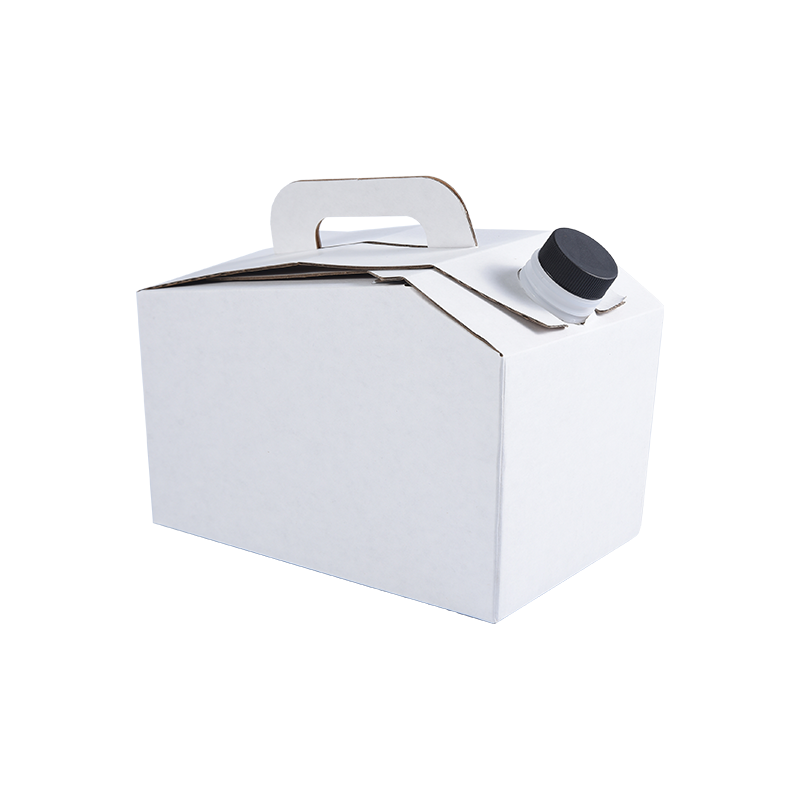 96oz Kraft Coffee/Drink to Go Container/Coffee Carrier Box
 Recyclable Paper Cup Holder Sleeves
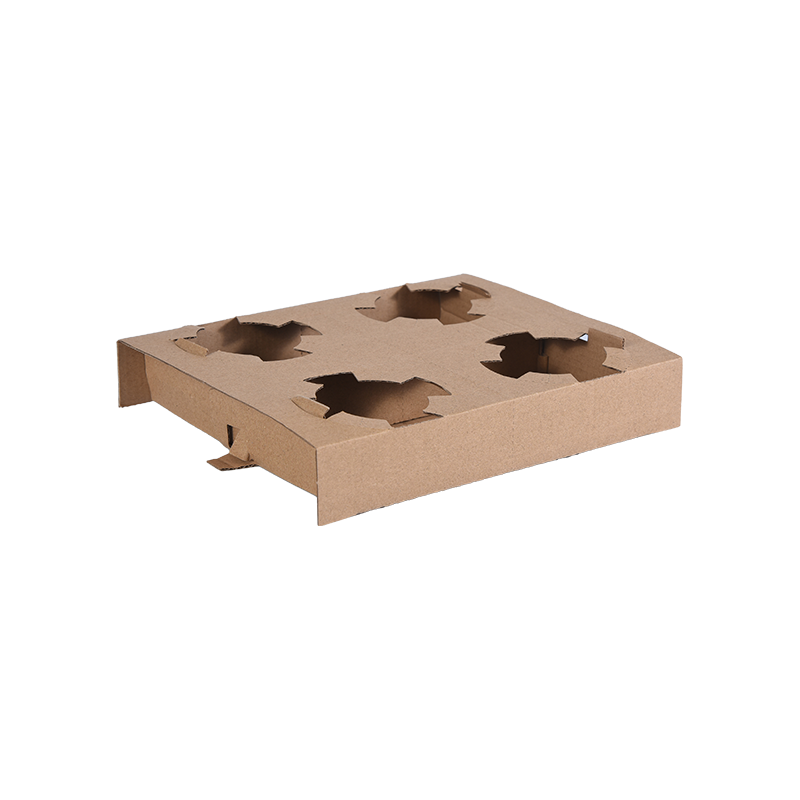 4 Cup Tray Holders for Hot & Cold Drinks – Foldable, Durable, and Cup Carrier for Takeaway, Festivals, Coffee Shops & Events
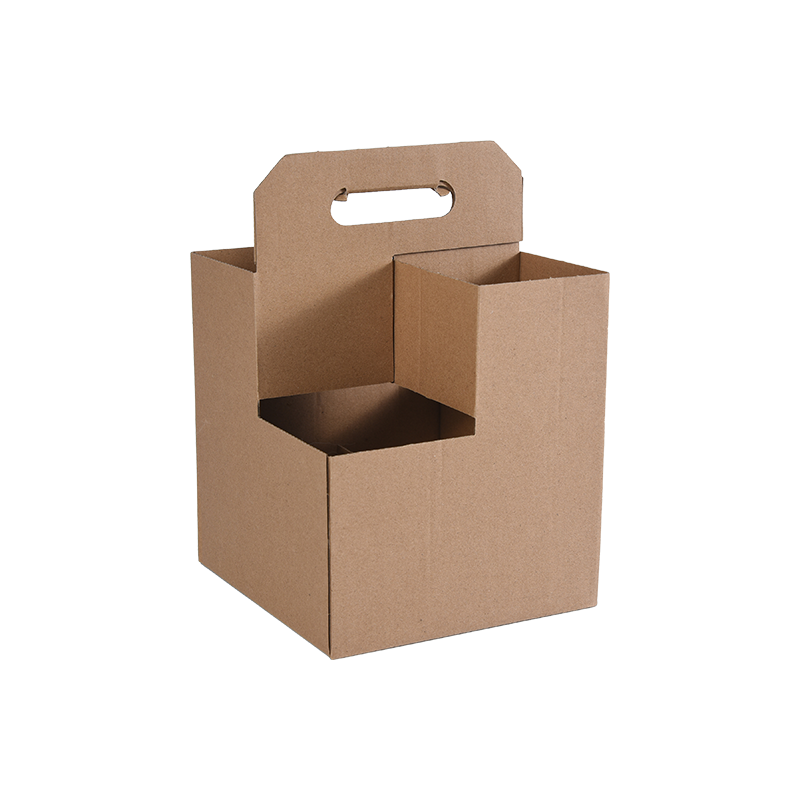 Kraft Cup Drink Carrier with Handles
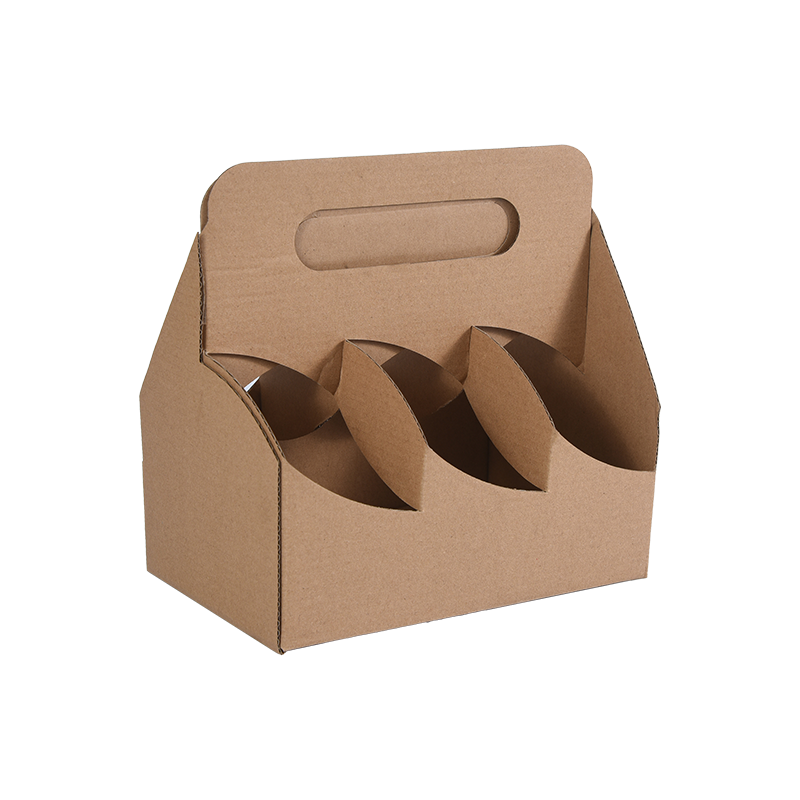 Kraft Beverage Carrier with Handles (6 to 8 Bottles or Cans)
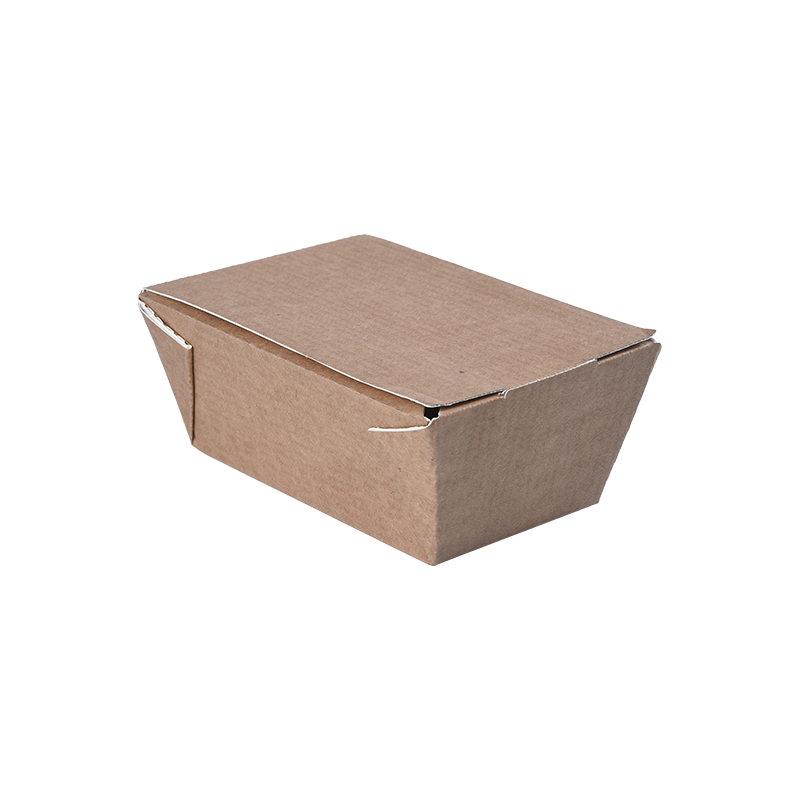 Corrugated Kraft Cardboard Lunch Boxes
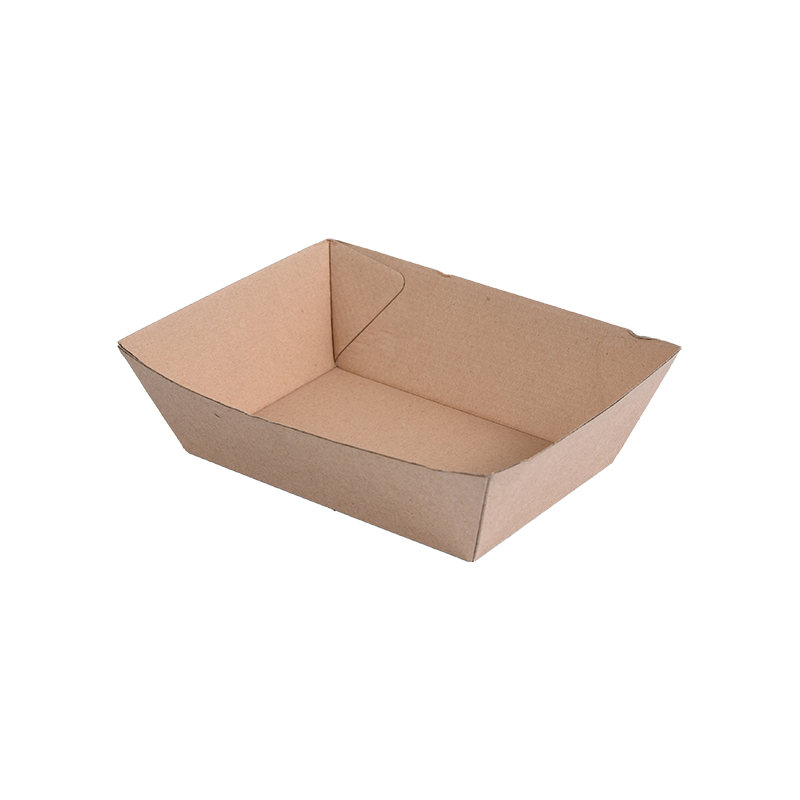 Disposable Rectangular Corrugated Paper Food Trays
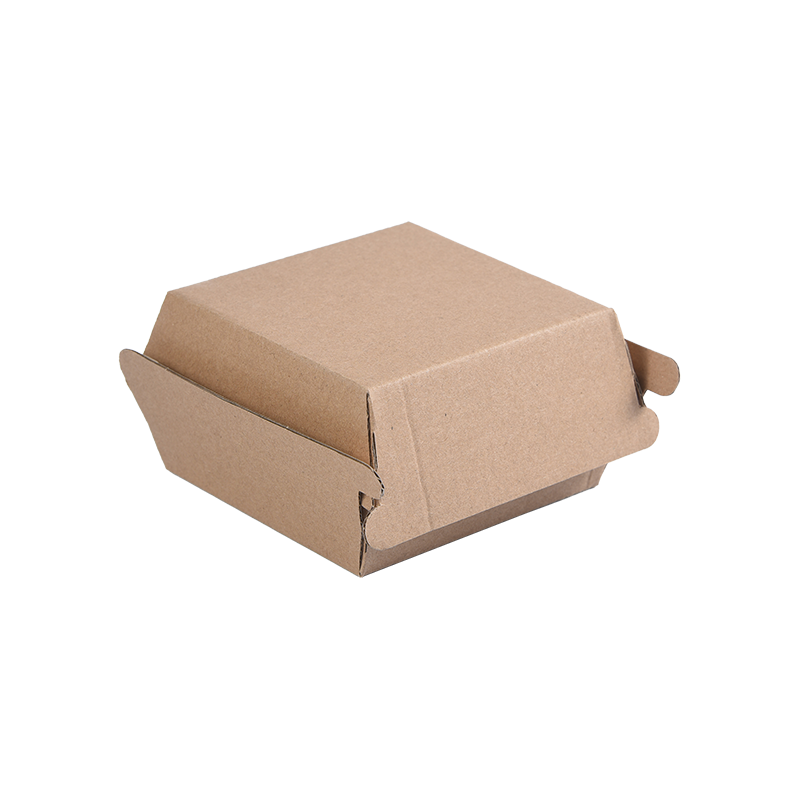 Restaurantware Corrugated Paper Burger Box
 Building 4, Leyin Industrial Park ,No. 330 Qianchun Avenue, Zhanqi Town, Yinzhou District, Ningbo, China
 +86-574-82813668
 Instagram
 Custom Disposable Paper Food Packaging Manufacturers