Cake boxes are primarily made from food-grade paperboard — most commonly SBS (Solid Bleached Sulfate) board, kraft paperboard, or corrugated board — with grammages typically ranging from 250 gsm to 450 gsm depending on the box size and structural requirements. The specific paper or board chosen affects the box's strength, printability, moisture resistance, food safety compliance, and visual finish. A standard single-layer paper cake box for a slice or small cake uses 300–350 gsm SBS board, while a large tiered wedding cake box may require double-wall corrugated construction for load-bearing support.
Understanding which paper material is used — and why — matters for bakeries choosing packaging, brands designing custom paper cake boxes, and manufacturers sourcing board stock. This guide covers every major material type, their technical specifications, food safety requirements, printing characteristics, and how to match the right board to the right cake box application.
SBS Board: The Most Widely Used Material for Paper Cake Boxes
Solid Bleached Sulfate (SBS) board is the dominant material in premium and retail paper cake box production worldwide. It is manufactured from 100% virgin bleached chemical pulp, giving it a bright white surface on both sides — a key advantage for cake boxes that require high-quality printing, vibrant color reproduction, and a clean, hygienic appearance that reassures customers about food safety.
Technical Properties of SBS Board for Cake Boxes
- Grammage range: 270–450 gsm for cake box applications. A standard bakery window box for a 6-inch round cake typically uses 300–350 gsm SBS board.
- Brightness: SBS board achieves ISO brightness levels of 85–92%, enabling accurate color reproduction of branding, patterns, and food photography on the box exterior.
- Caliper (thickness): Typically 0.38–0.60 mm for cake box grades, providing sufficient rigidity to hold box shape without excessive material weight.
- Surface coating: Most SBS board used for cake boxes carries a clay-coated exterior surface (C1S — Coated One Side, or C2S — Coated Two Sides) that improves ink adhesion and printability while the uncoated inner surface maintains food-contact safety.
- Food safety: SBS board is FDA-compliant for direct food contact and meets EU Regulation (EC) No 1935/2004 requirements for food packaging materials.
Why Bakeries and Box Manufacturers Choose SBS
SBS board scores consistently in crease retention — the ability to fold cleanly along score lines without cracking or delaminating, which is critical for the crisp corners and secure locking tabs that give a paper cake box its structural integrity. Its uniform caliper across the sheet also ensures consistent die-cutting results at high production speeds, reducing waste in automated box-making lines.
Kraft Paperboard: The Choice for Natural and Eco-Positioned Cake Boxes
Kraft paperboard — produced from unbleached or semi-bleached sulfate pulp — delivers the characteristic brown or natural tan appearance associated with artisan and eco-friendly bakery packaging. It is the second most commonly used board material for paper cake boxes, particularly among craft bakeries, organic food brands, and packaging lines positioning sustainability as a core value.
Kraft Board vs. SBS Board for Cake Boxes
Direct comparison of SBS and kraft paperboard properties for paper cake box manufacturing
| Property |
SBS Board |
Kraft Paperboard |
| Surface color |
Bright white |
Natural brown / tan |
| Print quality |
Excellent (full color) |
Good (limited color range) |
| Tear resistance |
Good |
Excellent |
| Recycled content |
Usually 0% (virgin pulp) |
Can include recycled fiber |
| Visual perception |
Premium, clean, modern |
Natural, artisan, eco-friendly |
| Typical cost |
Moderate to high |
Moderate |
| Food contact compliance |
Yes (FDA / EU) |
Yes (FDA / EU) |
Kraft board's higher tear resistance — typically 15–25% greater than SBS at equivalent grammage — makes it a practical choice for heavier cake boxes where structural durability during carrying is a priority. Its natural surface limits full-color printing, but this constraint often aligns with the minimalist aesthetic many artisan bakery brands actively seek.
Corrugated Board: For Large, Heavy, or Transport Cake Boxes
When a cake box must carry significant weight — a multi-tier wedding cake, a large slab cake, or cakes being transported over distance — single-layer paperboard is replaced by corrugated board. Corrugated construction sandwiches a fluted medium layer between two flat liner sheets, creating an air-cushion structure that dramatically increases compression strength and shock resistance.
Corrugated Flute Types Used in Cake Boxes
- E-flute (1.5 mm thick): The most common corrugated choice for retail cake boxes. Thin enough to print well on the outer liner, strong enough to support cakes up to approximately 3–4 kg. Folds cleanly and produces a box with smooth exterior walls.
- B-flute (3.0 mm thick): Used for larger cake boxes and bakery shipping containers. Offers higher stacking strength than E-flute — approximately 25% greater edge crush resistance — at the cost of slightly reduced print surface smoothness.
- EB double-wall (4.5 mm thick): Two flute layers combined, used for heavy wedding cake transport boxes or tiered cake containers requiring maximum protection. Can support loads exceeding 10 kg without base deformation.
The liner sheets on food-grade corrugated cake boxes are typically made from white-top kraft liner — kraft board with a bleached white clay-coated surface layer — allowing clean branding and print on the outside while maintaining the structural advantages of kraft fiber throughout.
Grammage Guide: Choosing the Right Paper Weight for Each Cake Box Type
Board grammage (gsm — grams per square meter) directly determines a paper cake box's rigidity, weight, material cost, and suitability for different cake sizes. Selecting the wrong grammage is one of the most common errors in cake box specification — too light and the box collapses or warps with moisture; too heavy and the box becomes unnecessarily expensive and difficult to fold cleanly.
Recommended board grammage by paper cake box application and cake weight
| Cake Box Application |
Cake Weight |
Recommended Grammage |
Typical Board Type |
| Single slice / cupcake box |
Under 300 g |
250–300 gsm |
SBS C1S |
| Small round cake (6 inch) |
0.5–1.5 kg |
300–350 gsm |
SBS or kraft C1S |
| Standard birthday cake (8–10 inch) |
1.5–3 kg |
350–400 gsm |
SBS or E-flute corrugated |
| Large slab or sheet cake |
3–6 kg |
400–450 gsm or E/B-flute |
Heavy SBS or B-flute corrugated |
| Tiered wedding cake box |
Over 6 kg |
EB double-wall corrugated |
Double-wall white-top kraft |
Coatings and Treatments Applied to Cake Box Paper
Raw paperboard alone is not sufficient for cake box applications. The interior and exterior surfaces require specific treatments to handle the moisture, grease, and food contact demands of bakery environments.
Interior Surface Treatments
- PE (polyethylene) coating: A thin layer of food-grade PE laminated to the interior surface provides moisture and grease resistance. Standard PE coating weight is 15–20 gsm, sufficient to prevent oil from butter-based cakes from soaking through the base panel within typical handling timeframes of 4–12 hours.
- Grease-resistant (GR) coating: A water-based fluorine-free barrier coating applied inline during board manufacturing. More sustainable than PE lamination and increasingly required by EU regulations reducing PFAS (per- and polyfluoroalkyl substances) in food contact materials.
- Uncoated natural interior: Used in dry cake applications (e.g., bread, biscuits) where grease migration is not a concern. The most recyclable and cost-effective option.
Exterior Surface Finishes
- Gloss lamination: A thin OPP (oriented polypropylene) film bonded to the printed exterior, adding 30–40% greater scuff resistance and a high-gloss finish that intensifies color saturation. Most common in retail gift cake boxes.
- Matte lamination: Same OPP film in a matte finish. Produces a soft-touch, premium tactile quality increasingly associated with luxury and artisan bakery branding.
- Aqueous (water-based) varnish: A thin clear coat applied over print to protect ink without adding a plastic film layer. More recyclable than OPP lamination and sufficient for indoor-use boxes that will not be handled roughly.
- Spot UV: Selective high-gloss varnish applied to specific design elements — logos, patterns — over a matte background for a premium contrast effect used in high-end custom paper cake boxes.
Food Safety Requirements for Cake Box Paper Materials
Any paper or board used in a cake box that makes direct or indirect food contact must comply with applicable food safety regulations. These requirements restrict which dyes, bleaching agents, coatings, adhesives, and inks can be used anywhere in the box construction.
- FDA 21 CFR (USA): Paper and board materials must comply with 21 CFR 176.170 (components of paper and paperboard in contact with aqueous and fatty foods) and 21 CFR 176.180 (dry food contact). Coatings and adhesives have separate CFR listings.
- EU Regulation (EC) No 1935/2004: All food contact materials must be inert — they must not transfer substances to food in quantities that could endanger human health or unacceptably change food composition.
- BRCGS Packaging Materials Standard: Required by many major retail chains in the UK and EU. Certifies that packaging manufacturers maintain documented food safety management systems covering material traceability and contamination control.
- Printing ink compliance: Inks on the exterior of cake boxes must not contain mineral oils or primary aromatic amines that can migrate through the board into food. Low-migration UV-cured or water-based inks are the industry standard for food packaging print.
- Recycled fiber restrictions: Recycled paperboard can contain mineral oil contaminants from newspaper inks. For direct food contact applications, virgin fiber SBS or a functional barrier layer is required to prevent migration.
Sustainable Paper Options for Cake Boxes
As sustainability requirements tighten for food packaging, bakeries and box manufacturers are shifting toward board and coating combinations that maintain food performance while improving end-of-life recyclability and reducing environmental impact.
- FSC-certified board: Forest Stewardship Council certification confirms that the virgin fiber used in SBS or kraft board originates from responsibly managed forests. FSC Chain of Custody certification allows bakeries to print the FSC logo on their boxes — an increasingly important signal to environmentally conscious consumers.
- Fluorine-free barrier coatings: Replacing PE lamination and PFAS-based grease-resistance treatments with water-based bio-derived barrier coatings maintains grease resistance while making the box fully recyclable in standard paper streams.
- Compostable board: Uncoated kraft or SBS board without plastic lamination is certified home or industrially compostable (EN 13432 standard), provided inks and adhesives are also compostable-certified.
- Recycled SBS (CSBS): Some manufacturers offer SBS board incorporating a percentage of de-inked recycled fiber in inner plies while maintaining a virgin fiber outer surface — reducing virgin pulp use while meeting food contact safety requirements through the barrier provided by the virgin outer layer.
How to Specify Paper for a Custom Paper Cake Box Order
When commissioning custom paper cake boxes from a manufacturer, specifying the board material correctly from the outset avoids costly sampling errors and ensures the finished box meets both performance and compliance requirements.
- Define the cake weight and moisture content. A dense cheesecake or cream-filled gateau produces significantly more moisture and grease load than a dry sponge cake. This determines whether a PE or grease-resistant barrier is required on the interior.
- Specify board type and grammage. State SBS, kraft, or corrugated; the grammage (e.g., 350 gsm SBS); and whether C1S or C2S coating is required on the exterior.
- State the exterior finish required. Gloss lamination, matte lamination, aqueous varnish, or uncoated — each affects cost, recyclability, and visual result differently.
- Confirm food contact compliance requirements. Specify FDA 21 CFR, EU EC 1935/2004, or both, and request a Declaration of Compliance (DoC) document from the board and coating suppliers.
- Request FSC certification if sustainability branding is needed. Both the board stock and the converting (box-making) facility must hold FSC Chain of Custody certification for the FSC logo to appear on the final box legally.
- Request a physical sample before production approval. Test the finished box with actual product — fill it with a cake of the target weight, seal it, carry it for 30 minutes, and inspect for base sag, moisture strike-through, and fold line integrity before approving the run.


 English
 Español
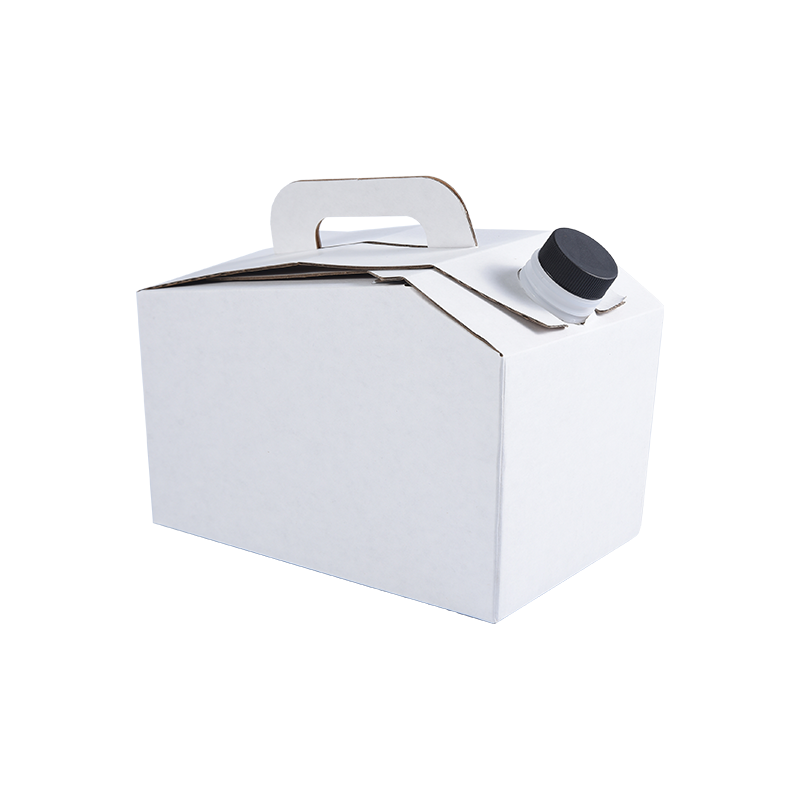 96oz Kraft Coffee/Drink to Go Container/Coffee Carrier Box
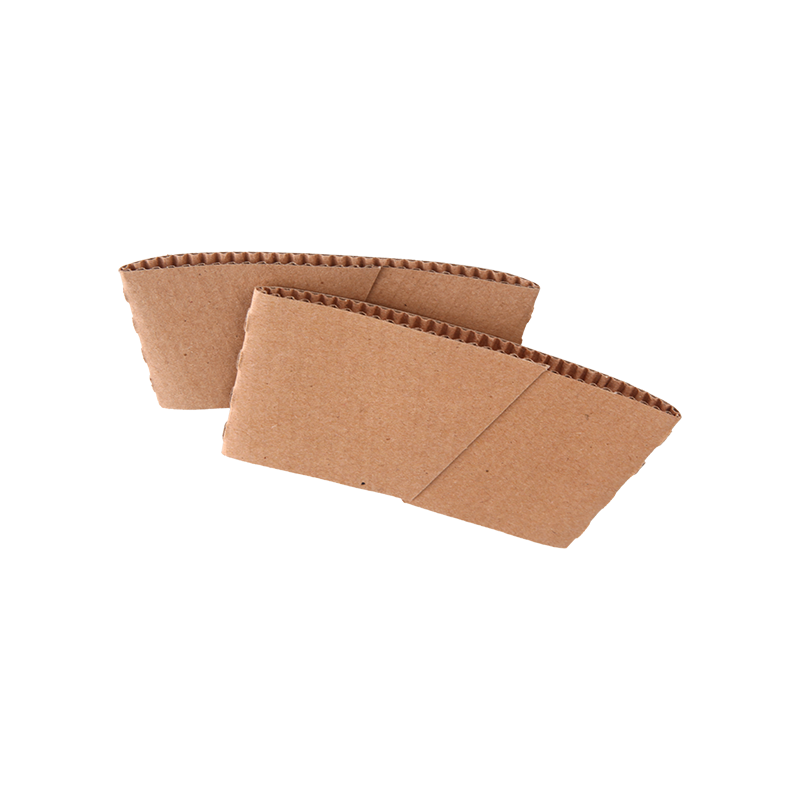 Recyclable Paper Cup Holder Sleeves
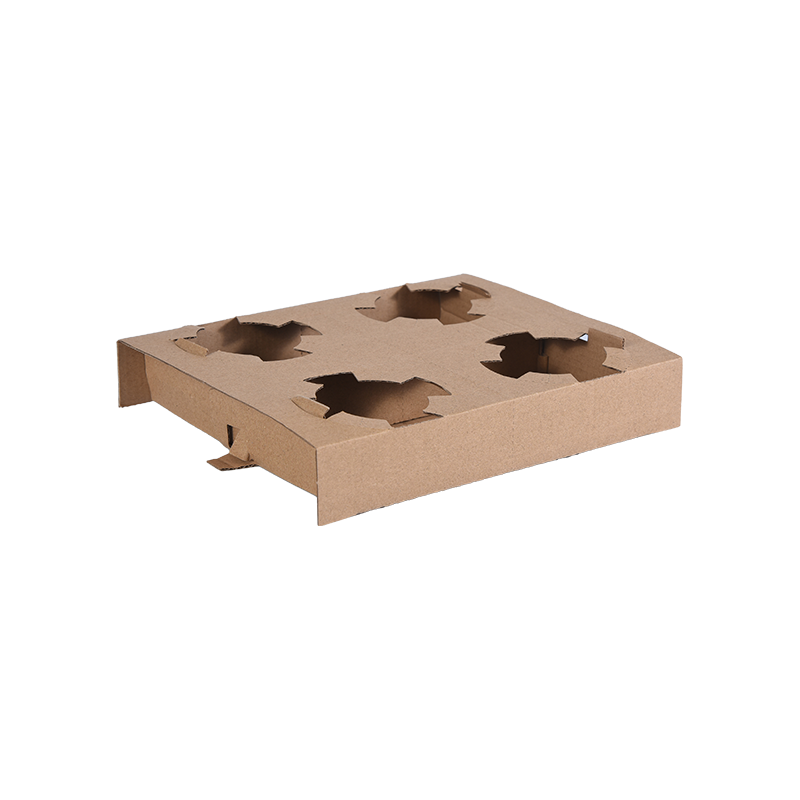 4 Cup Tray Holders for Hot & Cold Drinks – Foldable, Durable, and Cup Carrier for Takeaway, Festivals, Coffee Shops & Events
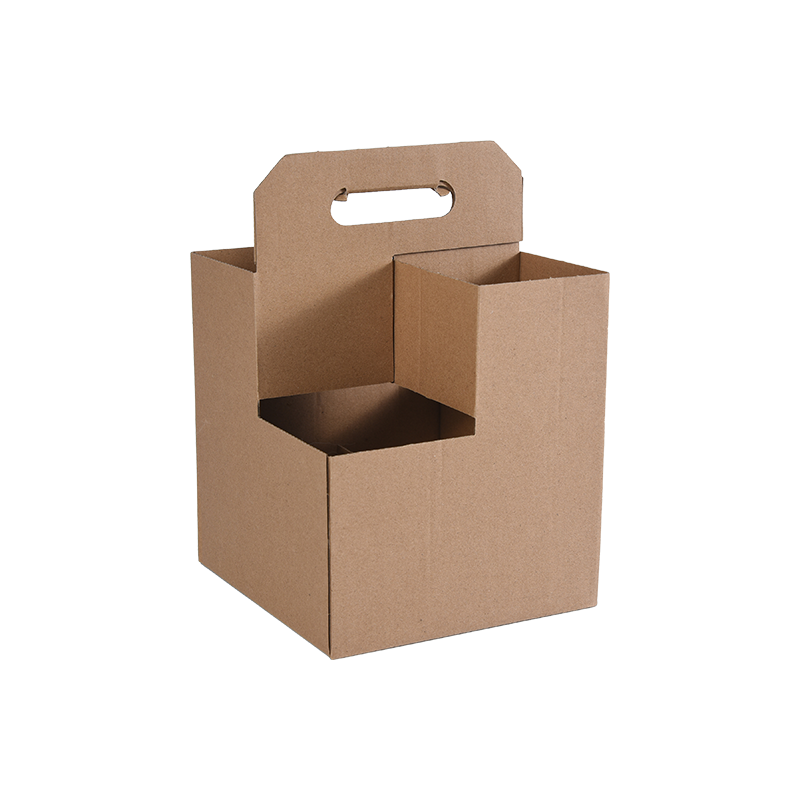 Kraft Cup Drink Carrier with Handles
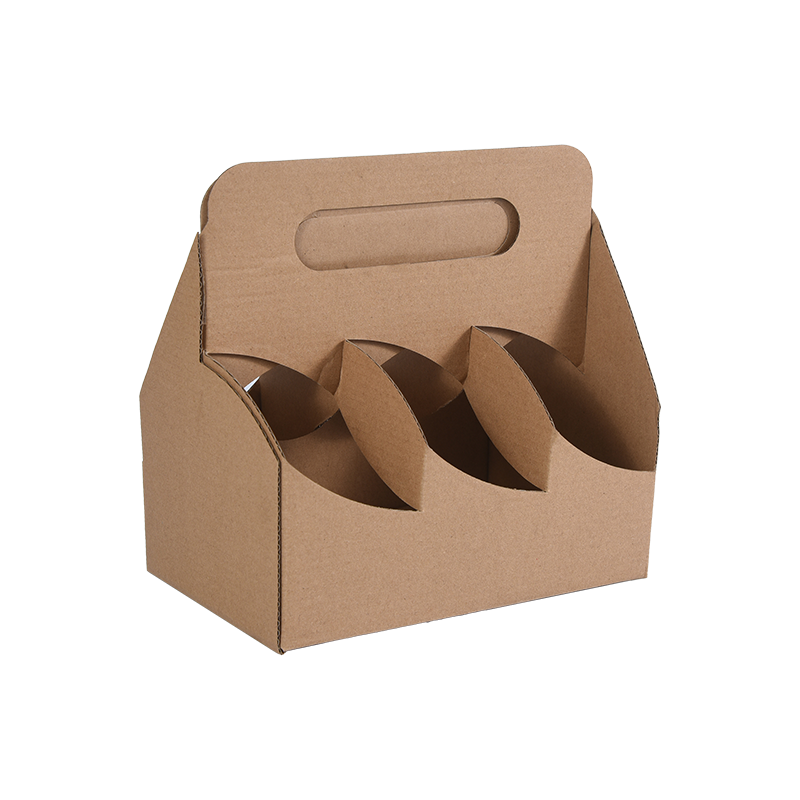 Kraft Beverage Carrier with Handles (6 to 8 Bottles or Cans)
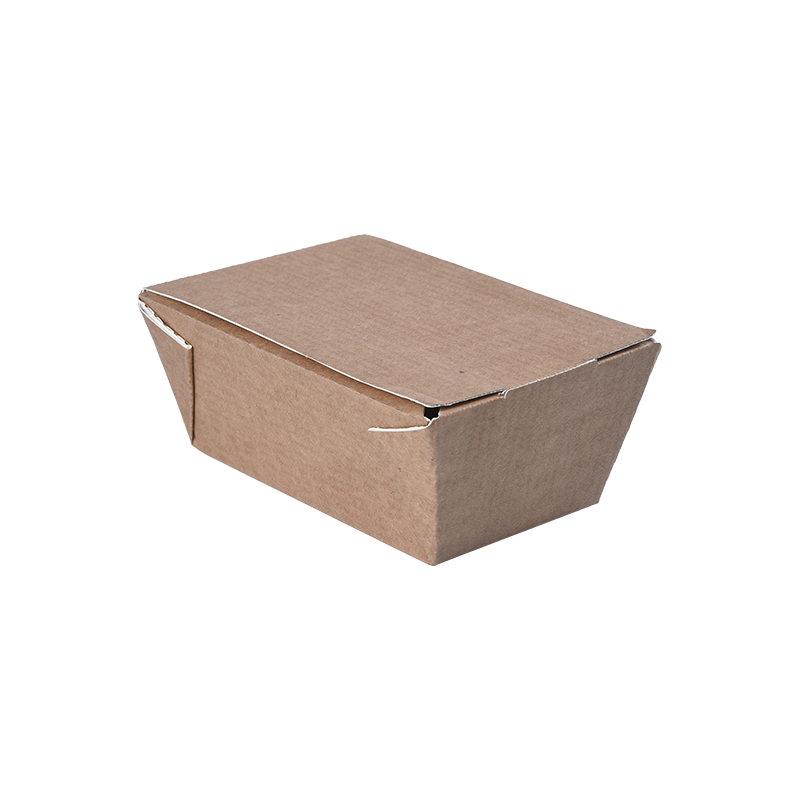 Corrugated Kraft Cardboard Lunch Boxes
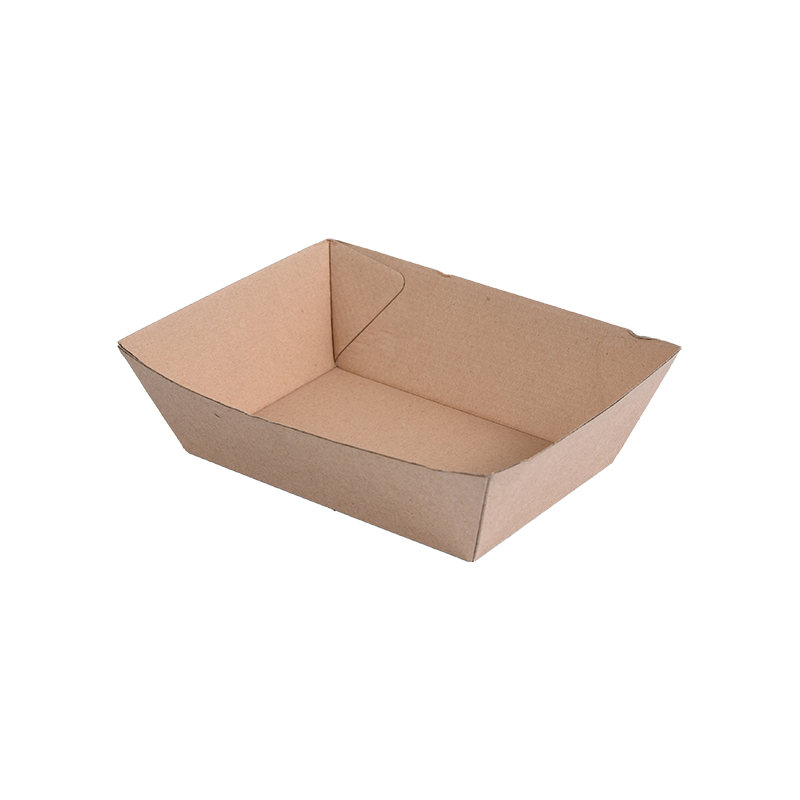 Disposable Rectangular Corrugated Paper Food Trays
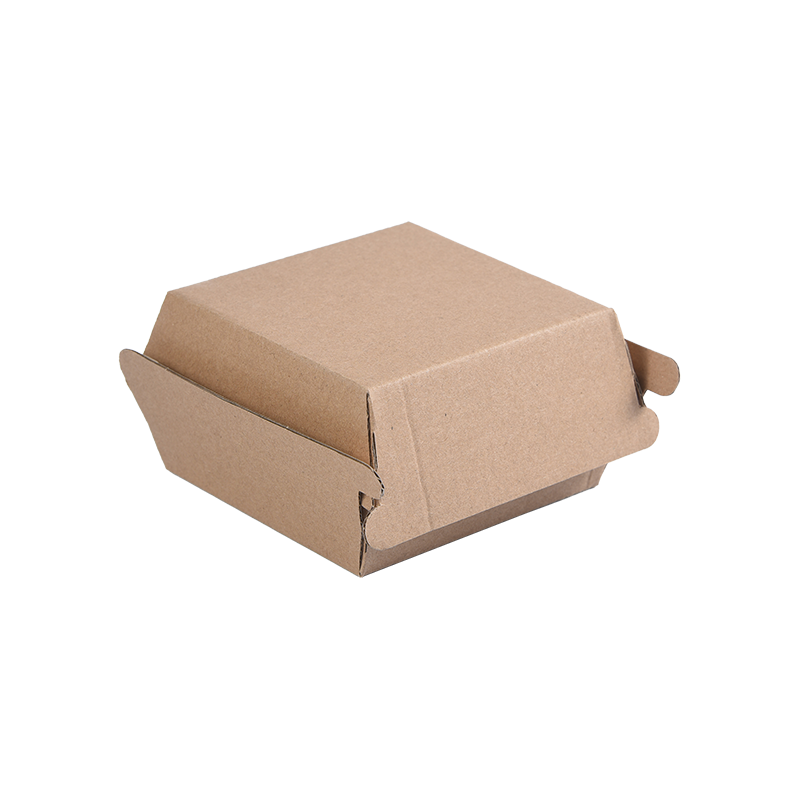 Restaurantware Corrugated Paper Burger Box
 Building 4, Leyin Industrial Park ,No. 330 Qianchun Avenue, Zhanqi Town, Yinzhou District, Ningbo, China
 +86-574-82813668
 Instagram
 Custom Disposable Paper Food Packaging Manufacturers