The healthiest containers to store food in are glass, stainless steel, and food-grade silicone. These materials do not leach chemicals into food, are non-reactive, and are safe for both hot and cold contents. Paper containers are a reasonable short-term option but are not ideal for long-term storage due to moisture absorption and potential chemical coatings. If you're choosing between common household options, glass jars and stainless steel containers rank highest for safety, durability, and food integrity.
This article breaks down the science behind food storage materials, compares each option—including paper—and gives you practical guidance based on real data.
Why the Container Material Matters More Than You Think
Food containers aren't inert. Depending on the material, temperature, acidity of the food, and duration of storage, containers can transfer chemical compounds directly into what you eat. A 2020 study published in Environmental Science & Technology found that over 4,000 chemicals are known to migrate from food contact materials into food, with plastics being the most significant contributor.
Key factors that affect chemical migration include:
- Temperature: Heat dramatically increases leaching, especially in plastics and coated paper.
- Acidity: Acidic foods like tomatoes or citrus accelerate chemical transfer from reactive materials.
- Duration: The longer food sits in a container, the greater the potential for migration.
- Fat content: Fatty foods absorb fat-soluble chemicals more readily than water-based foods.
Glass: The Gold Standard for Food Storage
Glass is widely considered the safest material for food storage. It is chemically inert, meaning it does not react with food or release compounds regardless of temperature, acidity, or fat content. Borosilicate glass (used in brands like Pyrex) is rated safe from -40°F to 500°F, making it suitable for the freezer, refrigerator, oven, and microwave.
Advantages of Glass
- Zero chemical leaching under any conditions
- Does not absorb odors or stains
- Dishwasher-safe and easy to sterilize
- Long lifespan—reduces environmental waste over time
- Transparent, so food visibility is easy
Limitations of Glass
- Heavier and more fragile than alternatives
- Higher upfront cost compared to plastic or paper
- Not suitable for on-the-go use in most cases
For storing leftovers, meal prep, or preserves, glass mason jars and glass meal prep containers are the top recommendation from food safety experts and nutritionists alike.
Stainless Steel: Durable, Safe, and Practical
Food-grade stainless steel (typically 18/8 or 304-grade) is another top-tier option. It contains 18% chromium and 8% nickel, which form a passive oxide layer that prevents corrosion and chemical migration under normal food storage conditions. It is used extensively in commercial kitchens and food processing for this reason.
Best Use Cases for Stainless Steel
- Lunch boxes and bento-style containers for kids and adults
- Bulk dry food storage (grains, nuts, flour)
- Outdoor and travel food containers
- Insulated containers for hot or cold foods
Note: Stainless steel is not microwave-safe and can react slightly with highly acidic foods (like prolonged storage of vinegar-based dishes) over time. For those uses, glass remains preferable.
Paper Containers: Convenient but With Important Caveats
Paper containers—including paper bags, boxes, and cups—are widely used in food service and takeout. They feel eco-friendly and are often marketed as a "natural" alternative to plastic. However, many paper food containers are coated with polyethylene or PFAS (per- and polyfluoroalkyl substances) to make them grease- and moisture-resistant, which significantly undermines their safety profile.
The PFAS Problem in Paper Packaging
PFAS are sometimes called "forever chemicals" because they do not break down in the environment or the human body. A 2019 study by the Environmental Working Group (EWG) found that PFAS were detected in approximately 33% of fast-food packaging tested in the United States, including paper wrappers, bowls, and boxes. Long-term exposure has been linked to hormone disruption, immune system effects, and certain cancers.
Even without PFAS, standard paper containers:
- Are not airtight, leading to faster spoilage
- Absorb moisture, potentially encouraging bacterial growth
- Are not suitable for storing liquids or high-fat foods long-term
- Cannot be washed or reused safely
When Paper Containers Are Acceptable
Paper is a reasonable short-term option for dry, non-fatty foods. Examples include:
- Storing baked goods like bread or muffins for 1–2 days
- Wrapping sandwiches for immediate consumption
- Takeout containers used once and discarded promptly
If you use paper containers, look for products labeled "PFAS-free" or certified by organizations like the Biodegradable Products Institute (BPI) for compostable, uncoated options.
How Common Food Storage Materials Compare
| Material |
Chemical Safety |
Microwave Safe |
Reusable |
Best For |
| Glass |
Excellent |
Yes |
Yes |
All food types, long-term storage |
| Stainless Steel |
Excellent |
No |
Yes |
Dry goods, travel, lunch boxes |
| Food-Grade Silicone |
Very Good |
Yes |
Yes |
Flexible storage, snacks, freezer bags |
| PFAS-Free Paper |
Good (short-term) |
Limited |
No |
Dry baked goods, sandwiches |
| Standard Plastic |
Poor–Fair |
Varies |
Yes (limited) |
Cold storage only, short-term |
| Coated Paper |
Poor |
No |
No |
Avoid for food storage |
Table 1: Comparison of common food storage container materials by safety, functionality, and best use.
The Truth About Plastic Containers
Plastic remains the most commonly used food storage material globally, but its safety record is inconsistent. The two most problematic compounds are BPA (bisphenol A) and phthalates, both of which act as endocrine disruptors. While BPA-free labeling has become widespread, many BPA-free plastics contain BPS or BPF—structurally similar chemicals with comparable health concerns.
A landmark 2011 study in Environmental Health Perspectives tested 455 commercially available plastic products marketed as BPA-free and found that more than 70% still leached chemicals with estrogenic activity. This is especially pronounced when plastics are:
- Heated in the microwave
- Washed repeatedly in the dishwasher
- Scratched or worn with age
- Used to store acidic or fatty foods
If plastic must be used, choose HDPE (recycling code #2), LDPE (#4), or polypropylene (#5), which are considered lower-risk. Avoid PVC (#3) and polystyrene (#6) entirely for food contact.
Food-Grade Silicone: The Flexible Middle Ground
Food-grade silicone has gained significant popularity as a plastic alternative. It is stable up to approximately 428°F (220°C), is flexible, lightweight, and does not leach BPA or phthalates. Silicone bags and containers are particularly useful for replacing single-use plastic zip bags.
However, not all silicone is equal. Low-quality silicone products may contain fillers that can migrate into food. A simple test: pinch and twist the silicone—if white shows through, it likely contains fillers. Pure food-grade silicone will not change color under this test.
Leading brands in certified food-grade silicone include Stasher, Souper Cubes, and Zip Top—all tested against FDA food contact standards.
Practical Recommendations by Food Type
Matching the right container to the right food type maximizes both safety and food quality:
- Leftovers and cooked meals: Glass containers with locking lids (e.g., Pyrex or OXO glass sets)
- Fruits and vegetables: Glass or stainless steel; avoid plastic bags for acidic fruits
- Dry goods (flour, nuts, grains): Stainless steel tins or glass jars with airtight seals
- Freezer storage: Borosilicate glass (leave expansion room), silicone bags, or freezer-safe stainless steel
- Kids' lunch boxes: Stainless steel bento boxes (e.g., PlanetBox or LunchBots)
- Bread and baked goods: Uncoated paper bags or bread boxes for short-term; glass for longer storage
- Hot beverages and soups: Stainless steel insulated containers; never use polystyrene foam
How to Identify Safe Paper Containers
If paper containers are your preference—for environmental or convenience reasons—here's how to choose wisely:
- Look for "PFAS-free" or "fluorochemical-free" labeling on the packaging.
- Choose uncoated or wax-free options whenever possible, particularly for dry foods.
- Check for BPI or ASTM D6400 certification, which indicates compostability and typically signals minimal chemical coatings.
- Avoid using paper containers for hot, greasy, or acidic foods—these conditions accelerate any chemical migration from coatings.
- Do not reuse paper containers—once exposed to food, moisture, or heat, their structural and chemical integrity degrades rapidly.
Brands like If You Care and Nordic Paper have begun producing unbleached, PFAS-free parchment and paper products suitable for food wrapping and short-term storage.
The Bottom Line on Choosing the Healthiest Food Storage Container
For daily use, glass is the safest and most versatile food storage container available. Stainless steel is the best choice for portability and bulk dry storage. Food-grade silicone is an excellent flexible alternative for bags and molds. Paper containers are acceptable for dry, short-term, non-fatty foods—but only when they are certified PFAS-free.
The key takeaway: no single container works for every situation, but switching away from conventional plastic—especially for hot foods, acidic foods, and long-term storage—is one of the most impactful steps you can take for your health and your household's food safety. Even a gradual transition, starting with glass jars for leftovers and a stainless steel lunchbox, can meaningfully reduce your exposure to harmful food contact chemicals over time.


 English
 Español
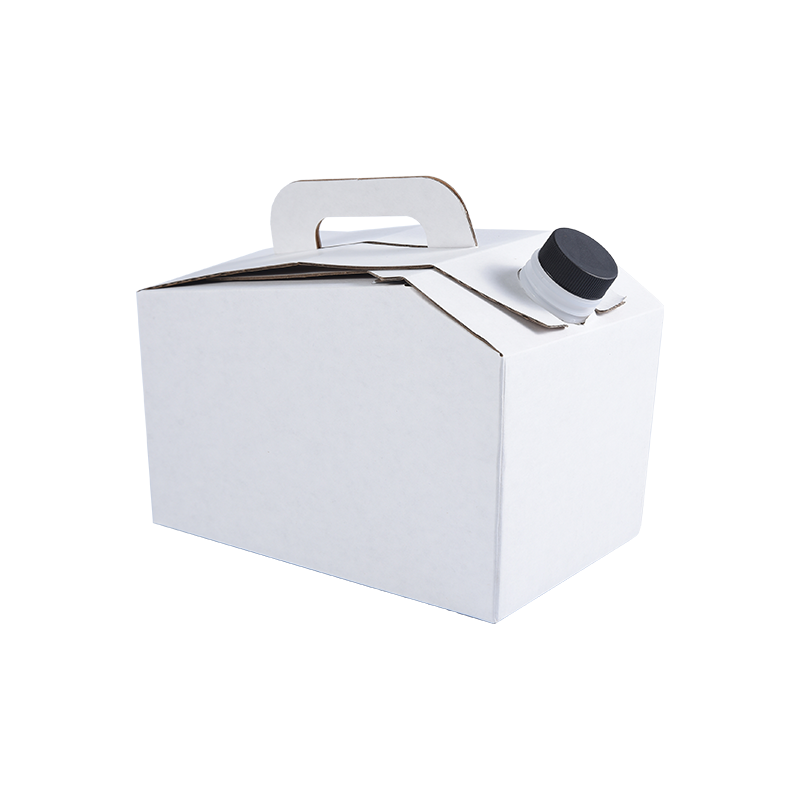 96oz Kraft Coffee/Drink to Go Container/Coffee Carrier Box
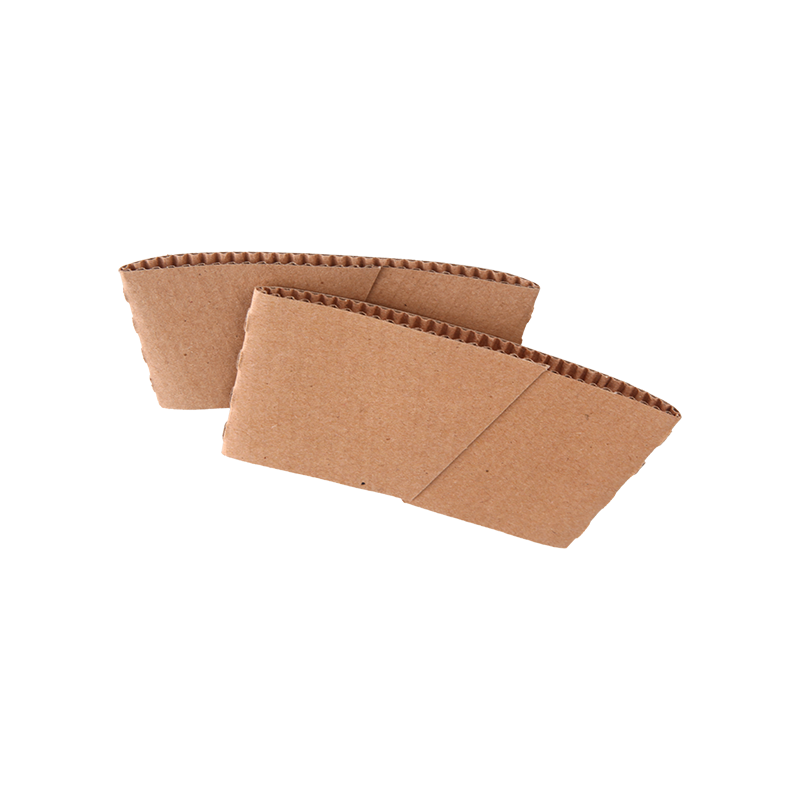 Recyclable Paper Cup Holder Sleeves
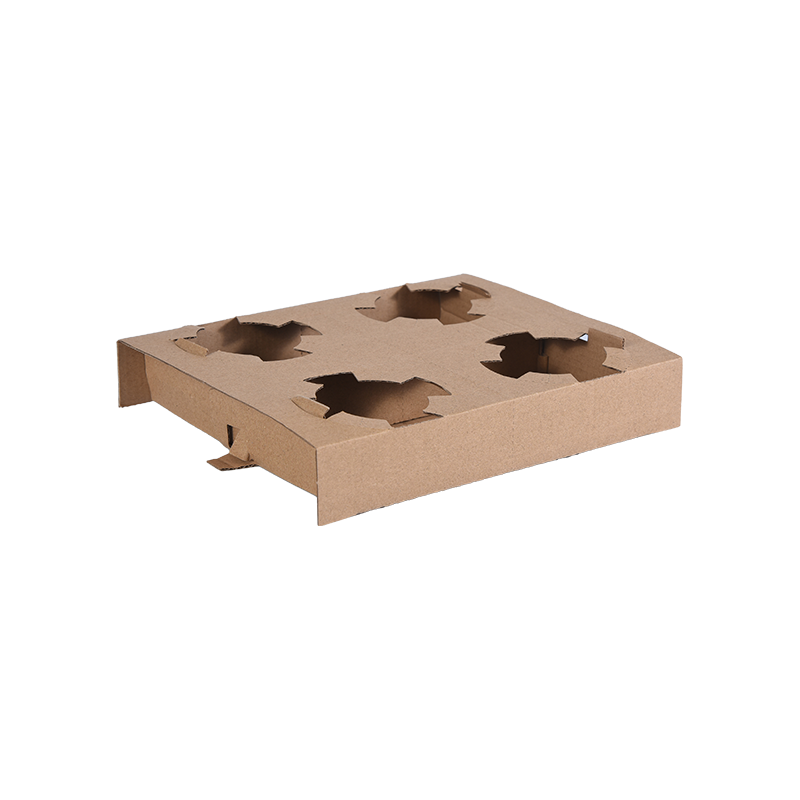 4 Cup Tray Holders for Hot & Cold Drinks – Foldable, Durable, and Cup Carrier for Takeaway, Festivals, Coffee Shops & Events
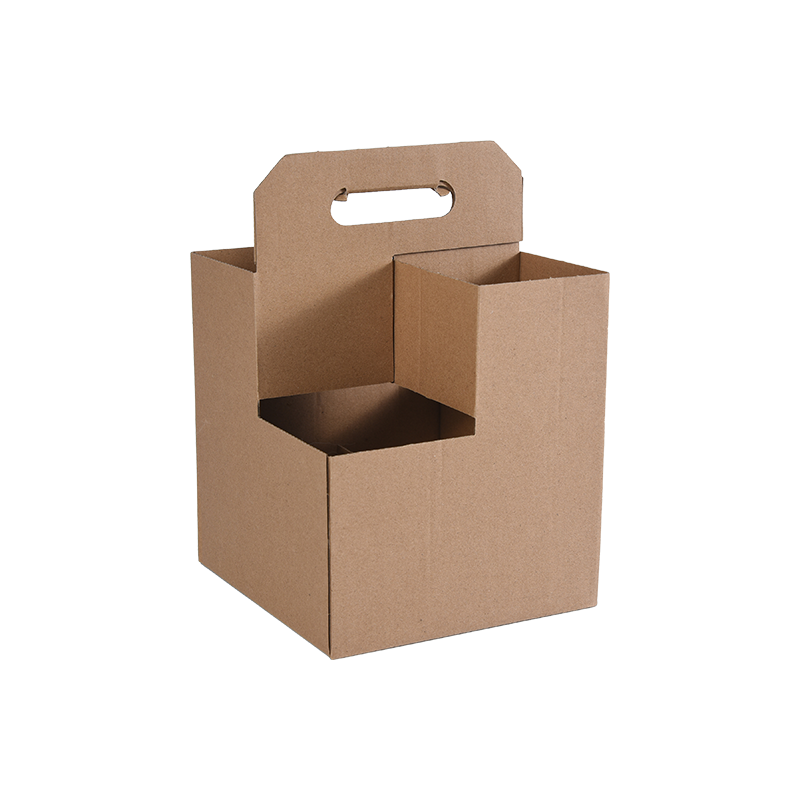 Kraft Cup Drink Carrier with Handles
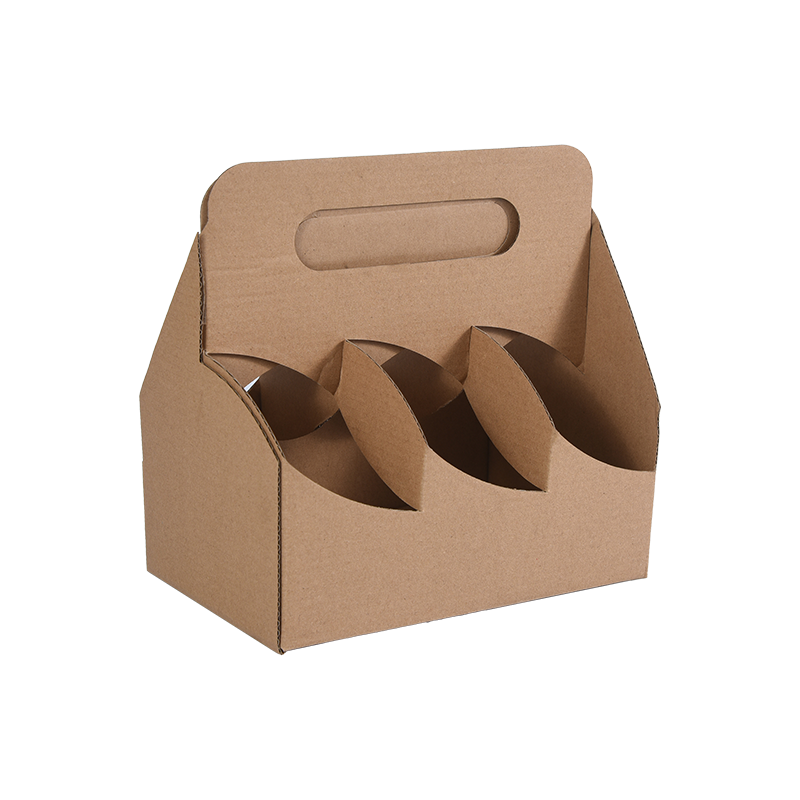 Kraft Beverage Carrier with Handles (6 to 8 Bottles or Cans)
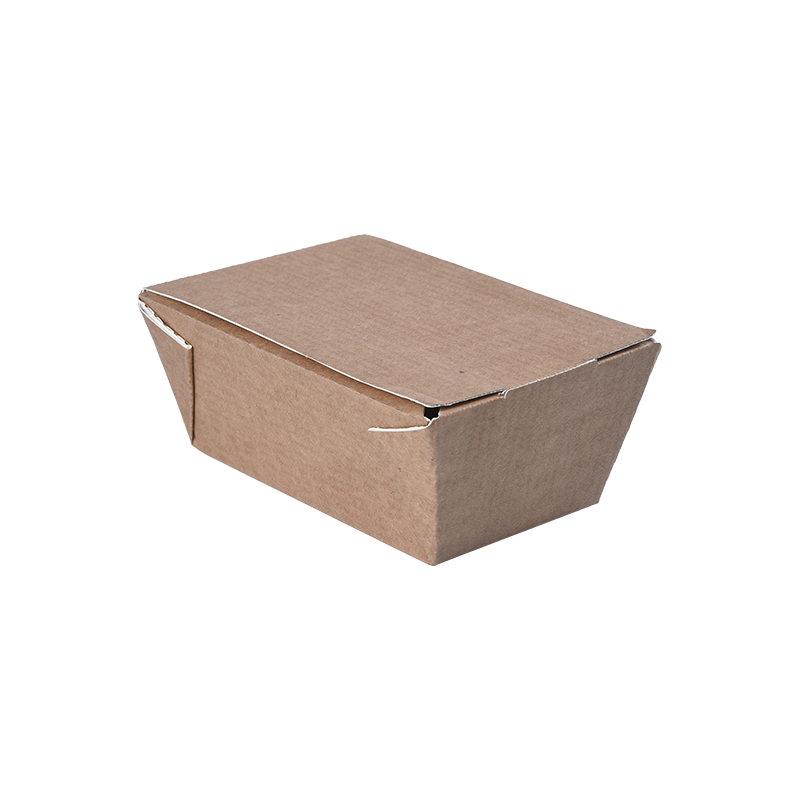 Corrugated Kraft Cardboard Lunch Boxes
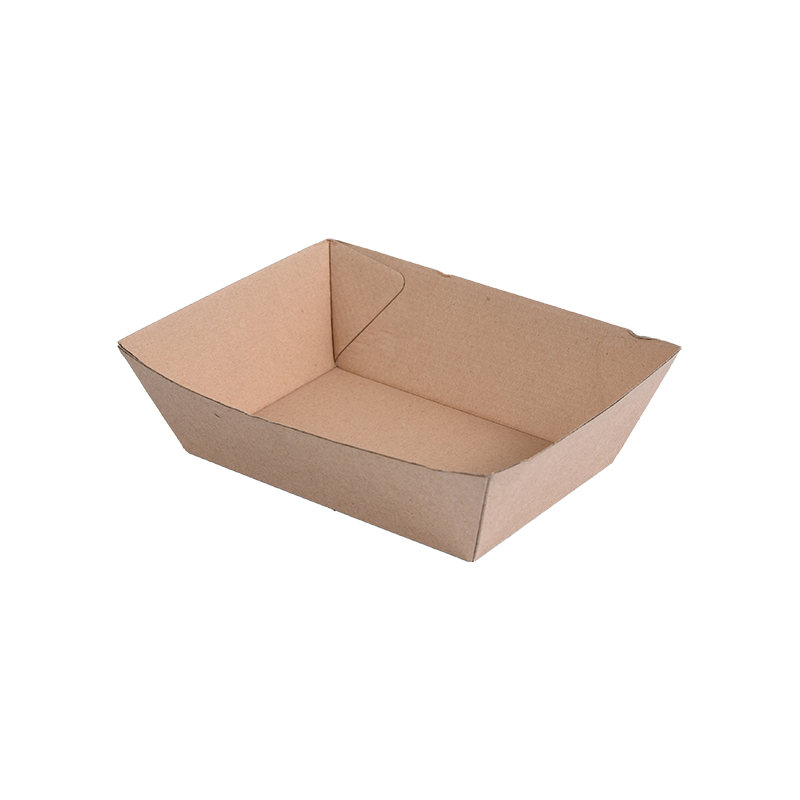 Disposable Rectangular Corrugated Paper Food Trays
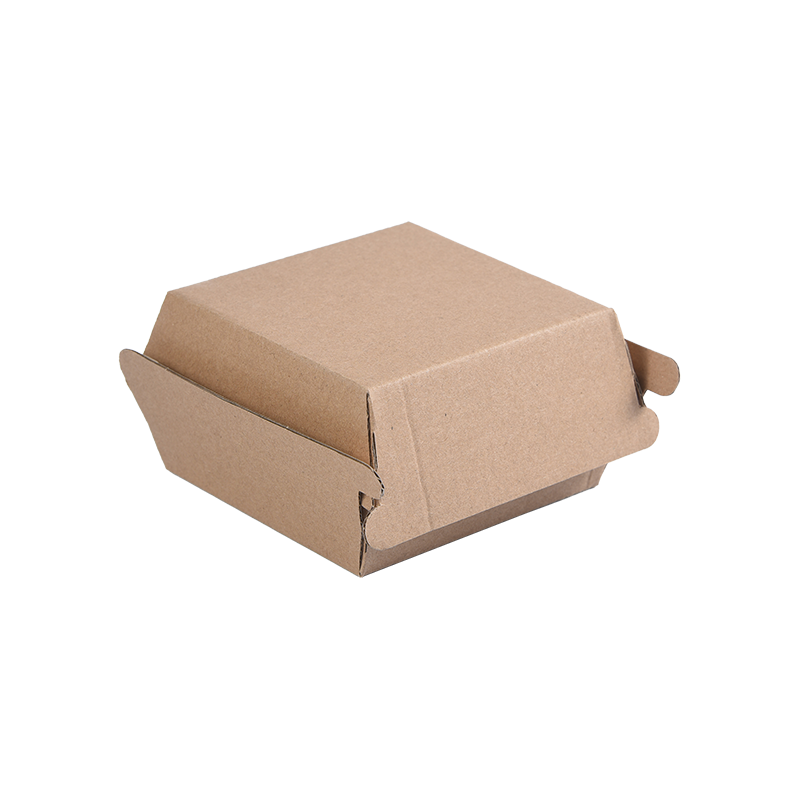 Restaurantware Corrugated Paper Burger Box
 Building 4, Leyin Industrial Park ,No. 330 Qianchun Avenue, Zhanqi Town, Yinzhou District, Ningbo, China
 +86-574-82813668
 Instagram
 Custom Disposable Paper Food Packaging Manufacturers