Why Corrugated Paper is the Premier Choice for Food Packaging
The corrugated paper food box is the most constructive solution for modern food logistics because it offers an unparalleled strength-to-weight ratio combined with natural thermal insulation. Unlike standard folding cartons, the corrugated structure consists of a fluted medium sandwiched between two liners, creating air pockets that act as a thermal barrier, keeping food at optimal serving temperatures (above 60°C) for significantly longer periods. Furthermore, these boxes are 100% biodegradable and recyclable, addressing the global push toward plastic-free packaging. For food service operators, the switch to high-quality corrugated paper results in 95% fewer crushed deliveries compared to thinner paperboard, ensuring that the consumer receives the product in its intended aesthetic and culinary state.
Engineering the Corrugated Structure for Food Safety
A corrugated paper food box is a complex multi-layered product. The performance of the box depends on the "flute" size and the grade of the paper used in the liners.
The Flute Profile: E-Flute vs. F-Flute
In the food industry, "Micro-flute" is the standard. E-flute (1.1mm to 1.8mm thickness) is the most common for pizza boxes and catering trays because it provides excellent crush resistance and a smooth surface for high-quality printing. F-flute (0.8mm) is even thinner and is used for clamshell burger boxes, offering a more refined look that mimics traditional folding cartons but with 30% more stacking strength. The fluting provides the structural "pillars" that allow boxes to be stacked without collapsing under steam or moisture.
Food-Grade Liners and Kraft Paper
The inner liner of a corrugated paper food box must be certified for direct food contact (FDA or EU compliant). Virgin Kraft paper is preferred because it contains no recycled chemicals that could migrate into hot food. It also possesses higher burst strength, ensuring that heavy or oily foods do not tear the bottom of the packaging during transit.
Technical Specifications of Food-Grade Corrugated Boxes
When selecting packaging, technical metrics like the Edge Crush Test (ECT) and Bursting Strength are vital to ensure the box survives the rigors of delivery bikes and stacking.
Table 1: Standard Specifications for Corrugated Food Packaging
| Metric |
Pizza Box (E-Flute) |
Burger Box (F-Flute) |
Importance |
| Grammage (gsm) |
320 - 450 gsm |
250 - 350 gsm |
Weight vs. Rigidity |
| ECT (lbs/in) |
29 - 32 ECT |
23 - 26 ECT |
Stacking capacity |
| Oil Resistance |
KIT 5 - 7 |
KIT 7 - 9 |
Prevents soggy bottom |
Moisture Control and Grease-Proofing Technologies
The biggest challenge for a corrugated paper food box is steam. Hot food releases water vapor, which can soften the cellulose fibers and cause the box to lose up to 50% of its structural integrity within minutes.
- Venting Systems: Precision die-cut vents are essential. By placing vents at the top or sides of the box, steam can escape without significantly lowering the temperature, keeping fried foods like calamari or fries crispy for an average of 20 minutes longer.
- Aqueous Coatings: To replace traditional plastic (PE) linings, manufacturers now use water-based (aqueous) coatings. These provide a biodegradable barrier against grease and moisture, ensuring that the sauce from a pasta dish or the juice from a steak does not seep through the paper.
- Clay Coating: Many premium corrugated boxes feature a thin white clay coating on the outer liner. This enhances the color vibrancy of soy-based inks, allowing for branding that rivals traditional offset printing while maintaining eco-friendly standards.
Operational Advantages for Food Service Owners
Switching to a corrugated paper food box isn't just about the environment; it is a constructive business decision that impacts the bottom line through efficiency and customer satisfaction.
Space-Saving Flat-Pack Design
Corrugated boxes are shipped flat, which reduces storage volume by up to 80% compared to pre-formed plastic or foam containers. In a busy kitchen environment where floor space is at a premium, the ability to store 500 pizza boxes in a single stack is a significant logistical benefit.
Brand Perception and Customization
Consumer surveys consistently show that 70% of diners prefer paper packaging over plastic, perceiving it as more "premium" and "natural." High-speed flexographic or digital printing on corrugated paper allows restaurants to print seasonal promotions, QR codes for loyalty programs, or social media handles directly onto the box, turning the packaging into a low-cost marketing tool.
Sustainability and End-of-Life Management
The corrugated paper food box is a hero of the circular economy. However, its recyclability depends heavily on how it is treated during and after use.
- Compostability: If the box is contaminated with heavy food residue, it can often be composted in industrial facilities. Corrugated paper breaks down into organic matter in 90 to 180 days under the right conditions.
- FSC Certification: Constructive sourcing involves choosing boxes made from Forest Stewardship Council (FSC) certified paper. This ensures that for every tree harvested to make a corrugated box, three to four more are planted, maintaining the health of the global forest ecosystem.
- Soy-Based Inks: By using vegetable-based inks instead of petroleum-based ones, the recycling process is simplified because the ink can be easily separated from the paper pulp without creating toxic sludge.
Conclusion: The Future of Food Delivery Hardware
The corrugated paper food box is no longer just a "container"—it is a critical piece of delivery hardware. As the food delivery market continues to grow, the demand for smarter, stronger, and more sustainable packaging will only increase. In 2026, the industry is moving toward antimicrobial corrugated coatings and integrated temperature-sensitive labels. For the food entrepreneur, the choice is clear: corrugated paper provides the thermal protection, structural reliability, and eco-friendly credentials that modern consumers demand. By prioritizing high-spec corrugated boxes, businesses ensure that their culinary creations arrive exactly as the chef intended, fostering trust and repeat business in a competitive digital marketplace.


 English
 Español
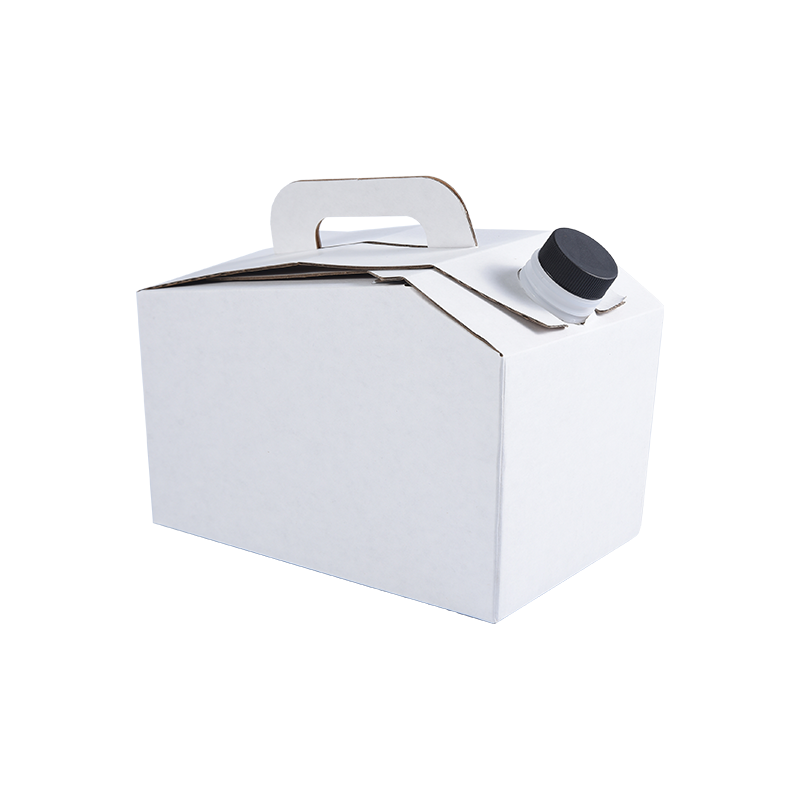 96oz Kraft Coffee/Drink to Go Container/Coffee Carrier Box
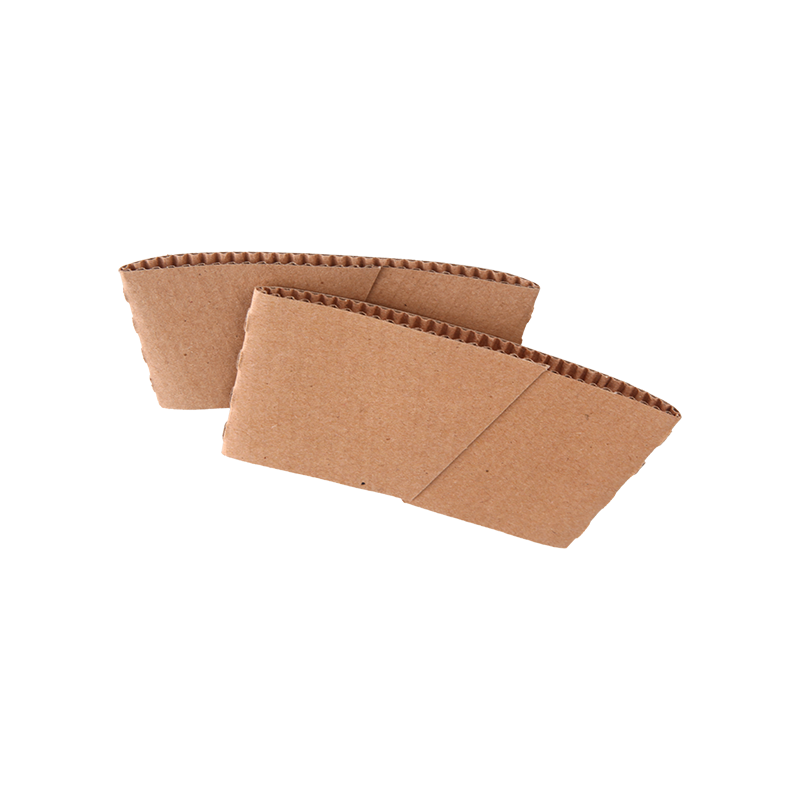 Recyclable Paper Cup Holder Sleeves
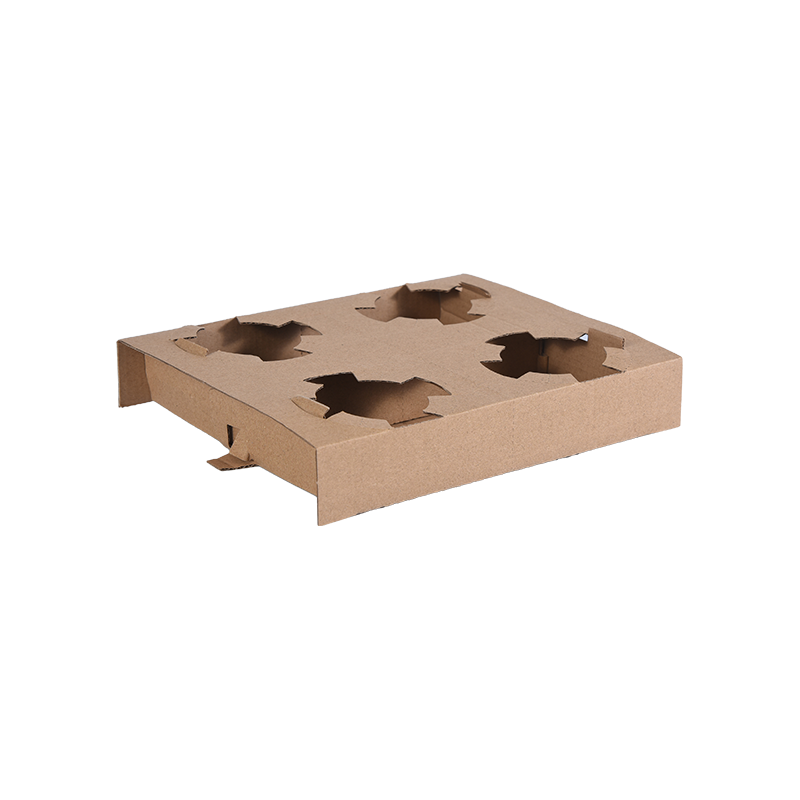 4 Cup Tray Holders for Hot & Cold Drinks – Foldable, Durable, and Cup Carrier for Takeaway, Festivals, Coffee Shops & Events
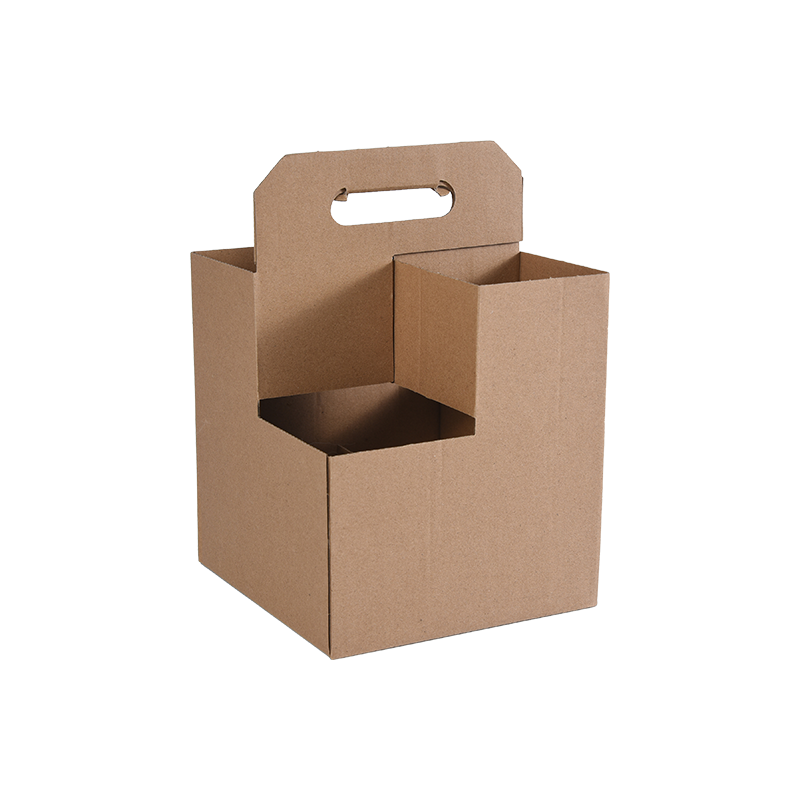 Kraft Cup Drink Carrier with Handles
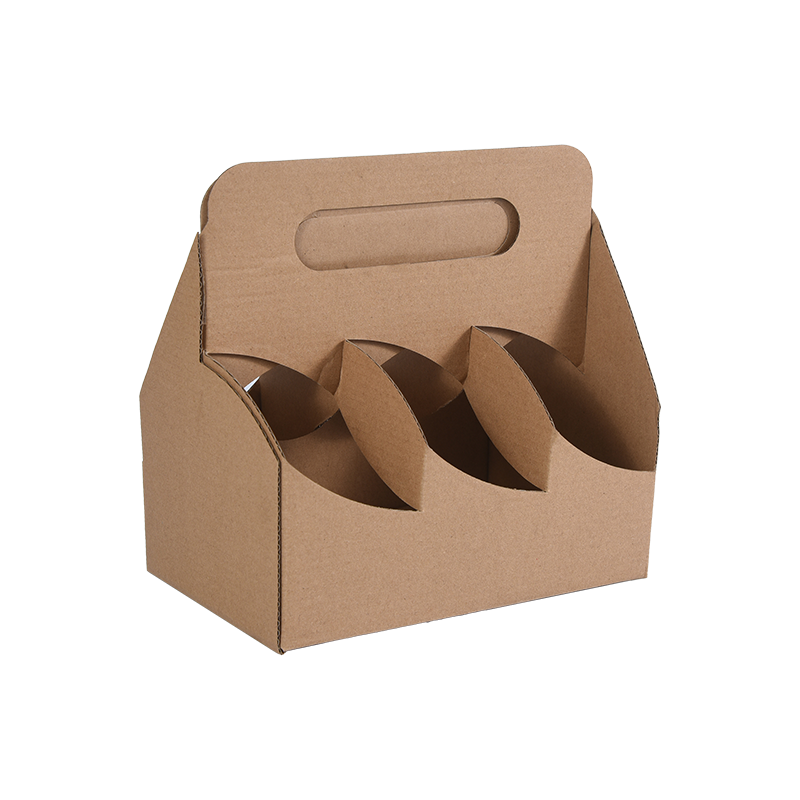 Kraft Beverage Carrier with Handles (6 to 8 Bottles or Cans)
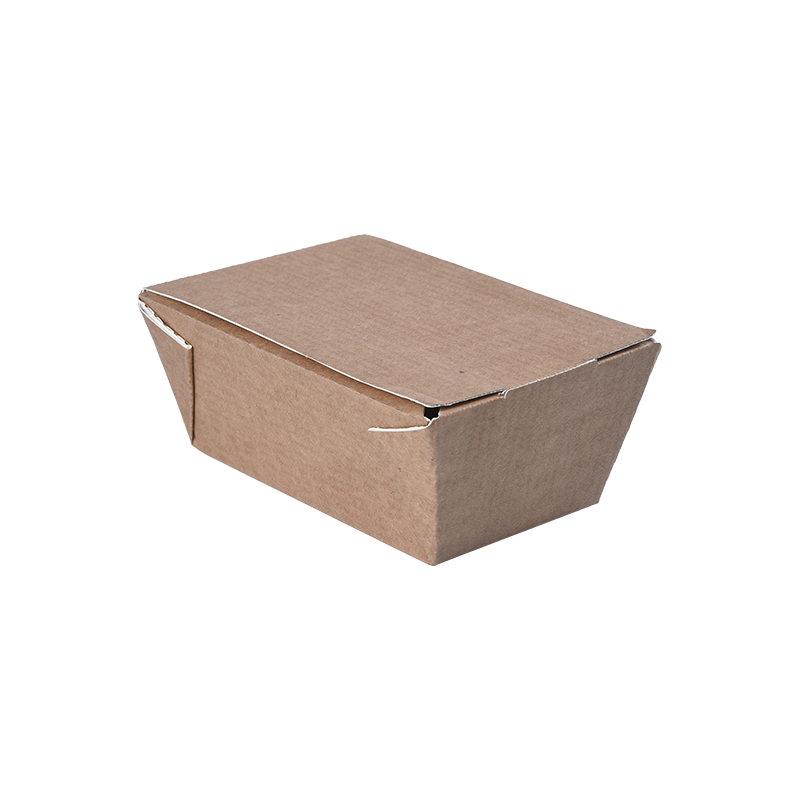 Corrugated Kraft Cardboard Lunch Boxes
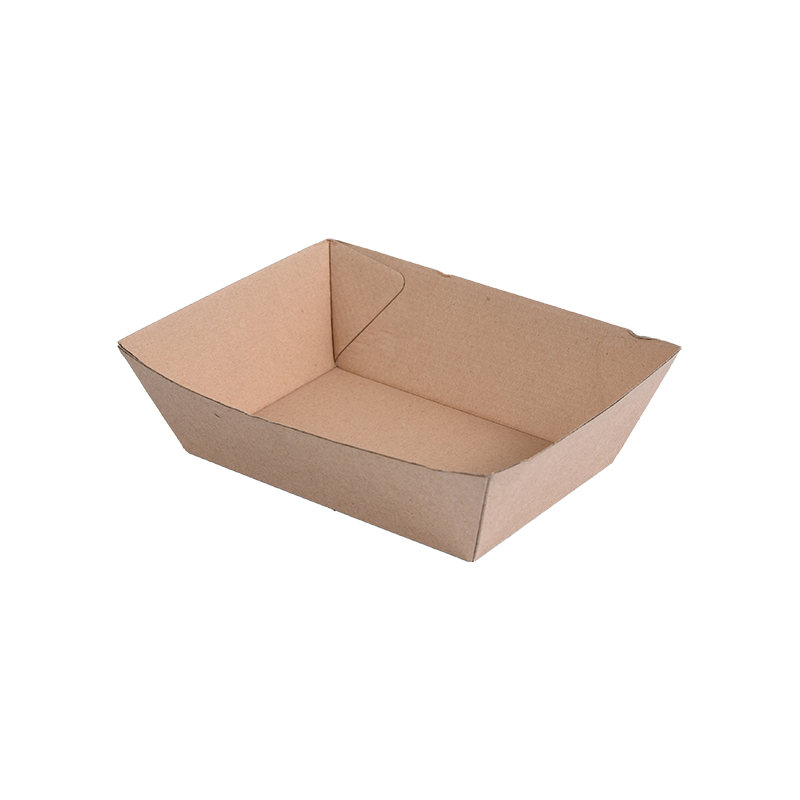 Disposable Rectangular Corrugated Paper Food Trays
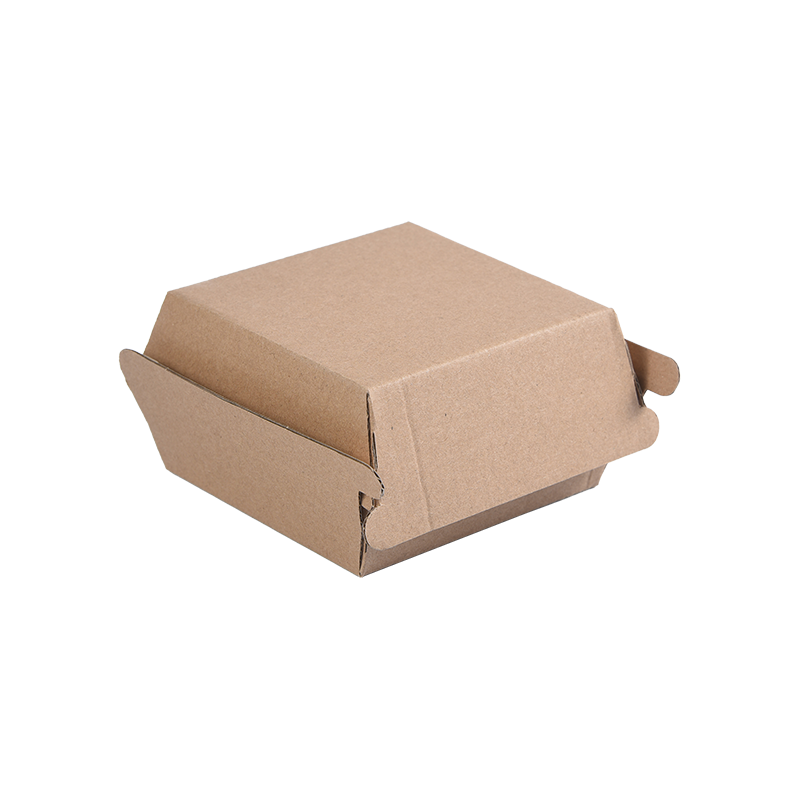 Restaurantware Corrugated Paper Burger Box
 Building 4, Leyin Industrial Park ,No. 330 Qianchun Avenue, Zhanqi Town, Yinzhou District, Ningbo, China
 +86-574-82813668
 Instagram
 Custom Disposable Paper Food Packaging Manufacturers