


 English
 Español
-
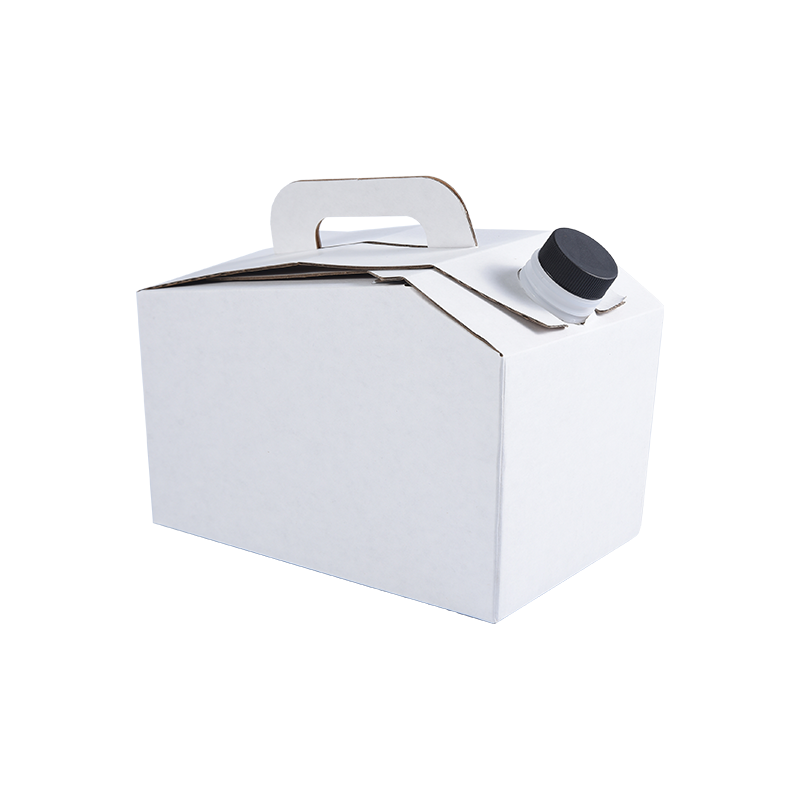 96oz Kraft Coffee/Drink to Go Container/Coffee Carrier Box
-
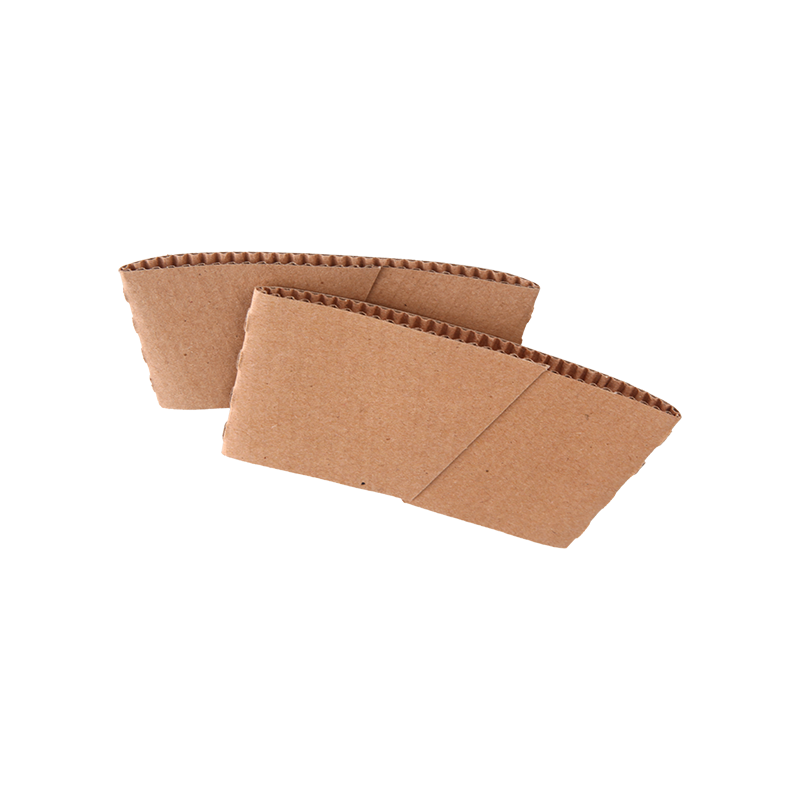 Recyclable Paper Cup Holder Sleeves
-
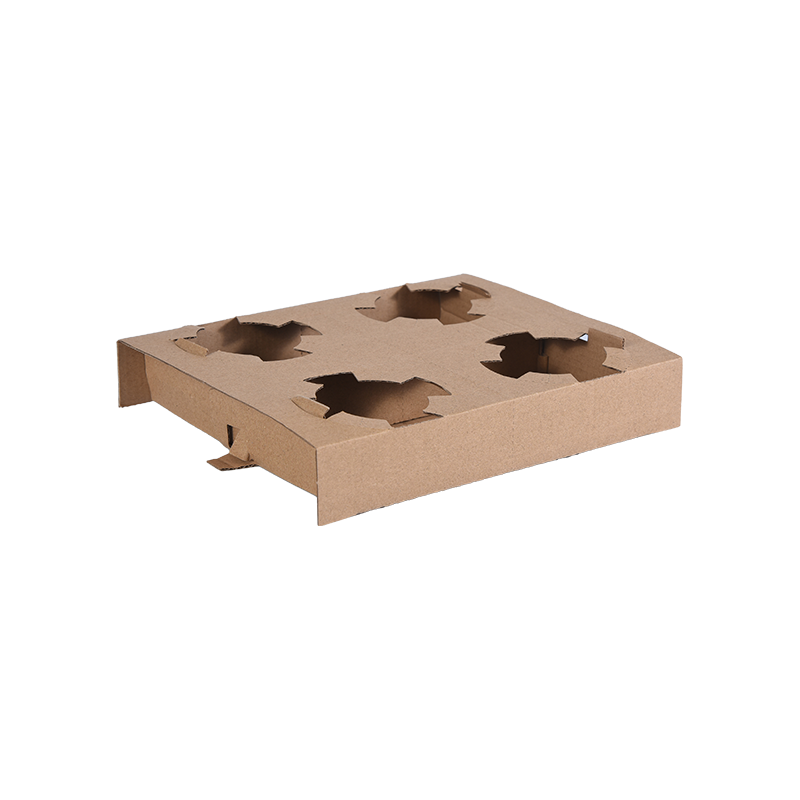 4 Cup Tray Holders for Hot & Cold Drinks – Foldable, Durable, and Cup Carrier for Takeaway, Festivals, Coffee Shops & Events
-
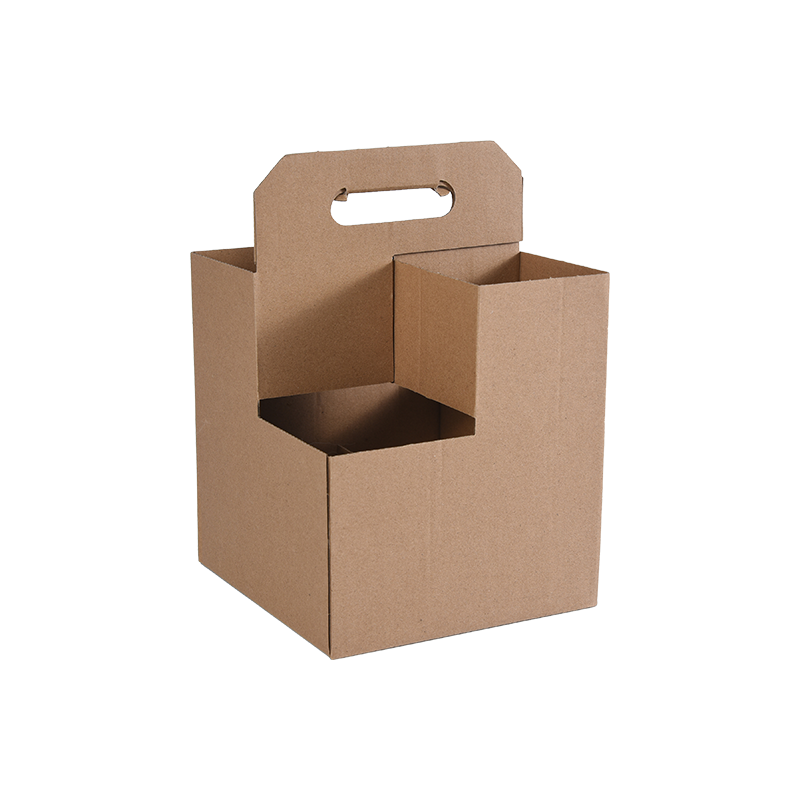 Kraft Cup Drink Carrier with Handles
-
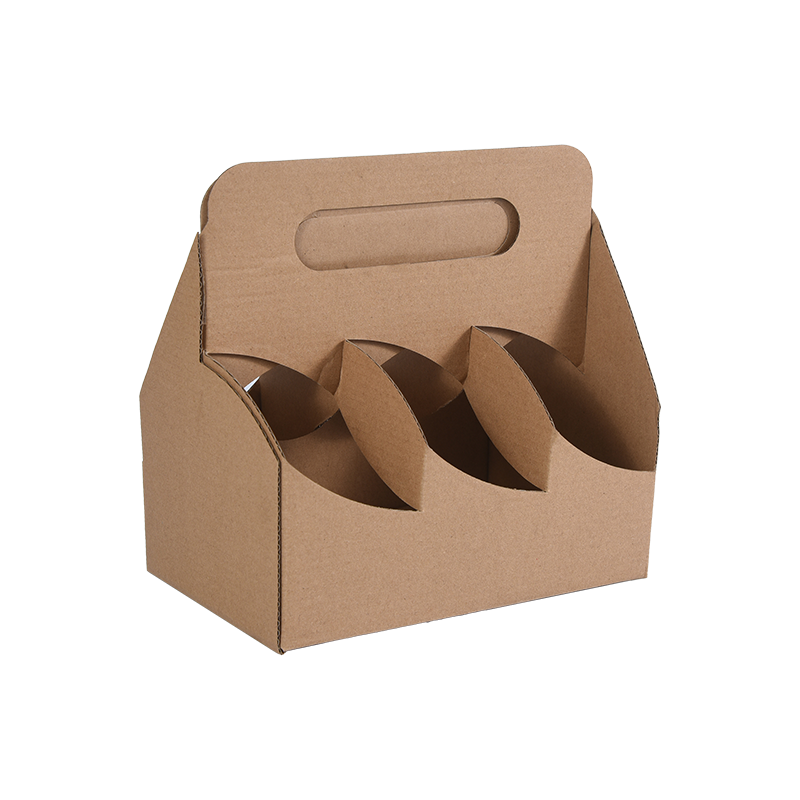 Kraft Beverage Carrier with Handles (6 to 8 Bottles or Cans)
-
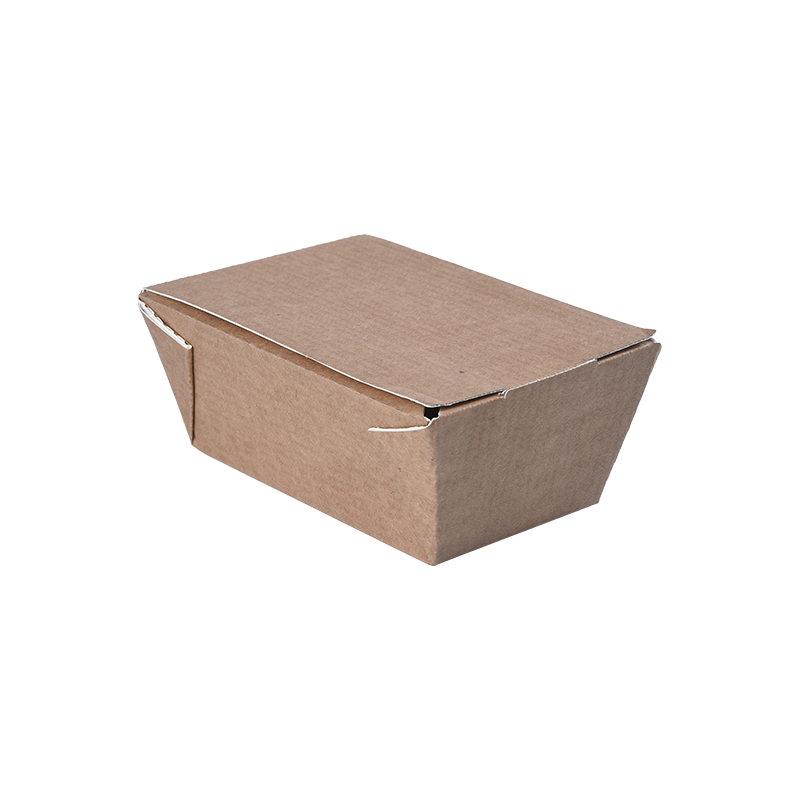 Corrugated Kraft Cardboard Lunch Boxes
-
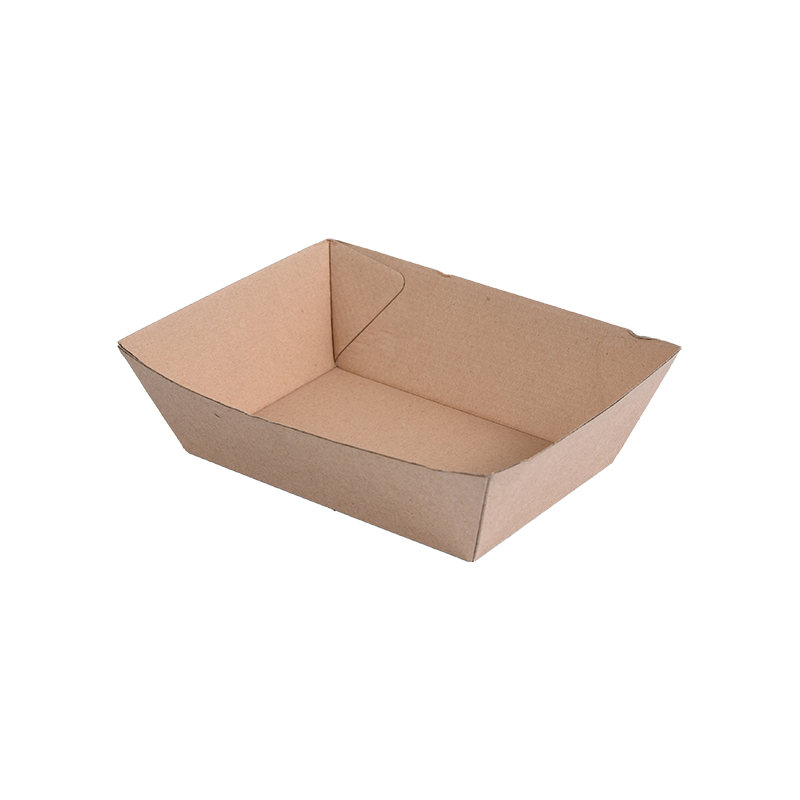 Disposable Rectangular Corrugated Paper Food Trays
-
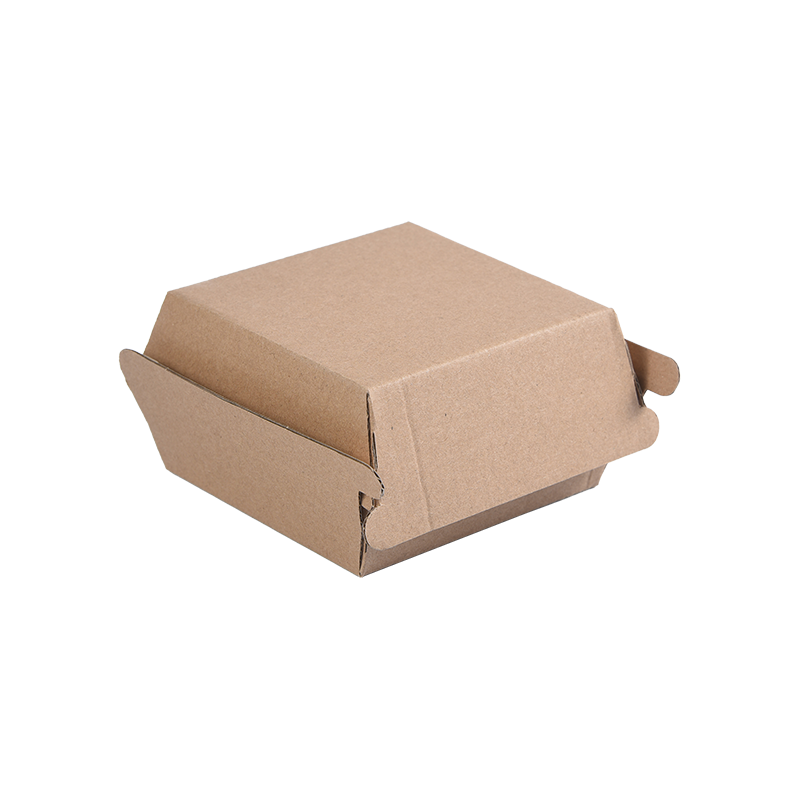 Restaurantware Corrugated Paper Burger Box
How Do You Calculate Package Size? A Practical Guide for Food Businesses
Ask anyone who has packed a few hundred takeaway orders in a single evening and they will tell you: the size of the box can make or break the experience. Too small, and the lid crushes the cake. Too big, and the fries slide around, the sauce tips over, and you pay to ship air. As a manufacturer of paper food packaging, we hear sizing questions every single week from bakery owners, restaurant managers, and cafe startups alike. The good news? Calculating package size is not mysterious. It comes down to a few careful measurements, one simple formula, and a willingness to test with the real thing before committing to a full order.
What Package Size Really Means
Package size is usually expressed as three numbers: length x width x height (L x W x H), always written in that order. Length is the longest side of the opening, width is the shorter side, and height, sometimes called depth, is how deep the box stands. A box listed as 8 x 6 x 3 inches has an 8-inch-long opening, a 6-inch-wide opening, and walls 3 inches deep. Once you can read dimensions in this order, comparing boxes across a catalog or a product page becomes much faster and far less confusing.
Internal vs. External Dimensions
Here is the detail that trips up the most buyers: internal and external dimensions are not the same thing. Internal dimensions describe the usable space inside the box, the space your food actually occupies. External dimensions describe the footprint of the assembled box, which matters for stacking, shelf display, and courier bags. Because paperboard has thickness, the external measurement is always a few millimeters larger on every side. When you are fitting food, always calculate with internal dimensions; when you are planning storage space or delivery crates, switch to external ones.
The Basic Volume Formula
Volume is simply the three numbers multiplied together: L x W x H. That 8 x 6 x 3 inch box holds 144 cubic inches of space. Volume matters for two reasons: it tells you whether loose or irregularly shaped items will sit comfortably, and it drives your shipping costs, because many carriers charge by the space a parcel occupies rather than its actual weight. We will come back to that point shortly.
How to Calculate the Right Package Size, Step by Step
In our factory, sizing a new box follows the same routine every time, and you can copy it for your own menu:
- Measure the food at its widest and tallest points. Place the item exactly as it will be served, with the tall bun on the burger and the toppings piled on the salad. Measure length and width across the broadest part, and height at the highest point.
- Treat round items differently. For pizzas, cakes, bowls, and cups, record the diameter instead of length and width, plus the height. Remember that a tapered pail measures wider at the rim than at the base.
- Add clearance on every side. For snug fits such as sandwiches and burgers, add roughly 3 to 6 mm (about 1/8 to 1/4 inch) per side. For delicate pastries or decorated cakes, add extra room so nothing touches the lid.
- Add height for everything above the food itself: lids, sauce cups, garnishes, steam, and any liner or insert you plan to tuck underneath.
- Convert to available sizes and round up, never down. If a dish needs 6.4 inches of width, a 6-inch box will not mostly fit; it will fail in service.
- Test with a real packed order. Fill the box, close the lid, stack five of them, shake them gently, and carry one around in a delivery bag. Ten minutes of testing prevents weeks of complaints.
Volume and Dimensional Weight: The Math Behind Shipping Costs
Once you know the three dimensions, you can even predict what the box will cost to ship. Most carriers compare a parcel's actual weight with its dimensional weight and charge for whichever is greater. The standard formula divides the volume by 139 for measurements in inches, or by 5,000 for centimeters. A lightweight but bulky box can therefore cost more to send than a small, heavy one.
| Box size (internal, inches) | Cubic volume (cu in) | Dimensional weight (lb) |
|---|---|---|
| 8 x 6 x 3 | 144 | 1.0 |
| 10 x 8 x 4 | 320 | 2.3 |
| 14 x 14 x 4 | 784 | 5.6 |
The lesson for food businesses is simple: every unnecessary millimeter of height or width is air you pay for, box after box and month after month. Right-sizing is one of the rare cost decisions that is also the sustainable one, because a box that fits properly uses less paperboard in the first place.
Common Sizing Mistakes to Avoid
After years of fielding customer questions, we see the same missteps again and again:
- Using external dimensions to fit food. Board thickness quietly steals several millimeters from every wall.
- Measuring food cold. Hot, puffed, or freshly iced items stand taller than the same item once it settles.
- Forgetting the lid and the liner. A close-fitting lid plus a grease-resistant liner can easily consume half an inch of height.
- Ordering one size for an entire menu. A medium-for-everything approach guarantees that half of your dishes sit in the wrong box.
- Skipping the stacking test. Boxes that fit perfectly on the counter can still crush each other in a delivery crate.
Matching the Calculation to the Right Box Style
Different box styles answer the same calculation in different ways, and knowing which number each style is built around makes choosing much faster.
Takeout Boxes and Food Pails
Takeout boxes are usually specified by their internal floor size and depth, which is why they pair so naturally with the measurement routine above. For saucy noodles, rice dishes, and stir-fries, graduated sizes let you round up a single step so the food stays secure without wasting space.
 Kraft Paper Takeout Box Food ContainerMade from leak-proof food-grade kraft paperboard with four flaps and a secure tab lock, no assembly required. Its defined internal floor size and graduated depths make it ideal for securing saucy noodles, rice, and stir-fries without wasted space.View Product →
Bakery and Cake Boxes
Bakery packaging is decided almost entirely by height. A layer cake needs headroom that a shallow box simply cannot provide, so start from the decorated height of the product and choose a lid with clearance above the tallest detail. For deeper guidance on measuring, board grades, and made-to-order dimensions, our guide to custom paper cake boxes covers sizing, material, and sourcing.
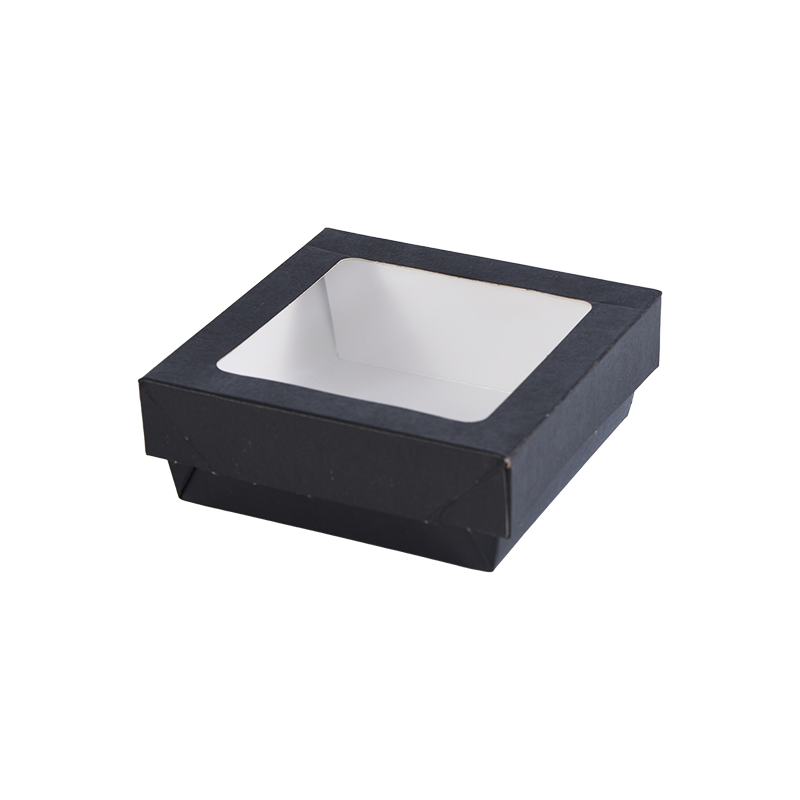 Cake Boxes with LidThese lidded boxes offer headroom for tall decorated cakes, with anti-fog windows and leak-proof PE/PLA lining options. Available in multiple sizes with custom printing, they suit bakeries choosing packaging based on decorated height.View Product →
Bowls and Salad Containers
For bowls, salads, and grain bowls, sizing shifts from dimensions to capacity. Match the filled volume of your portion, in ounces, to the bowl's rated capacity, then check the rim diameter against the matching lids. Where dressings and hot rice are involved, a leak-resistant coating matters as much as the fit itself.
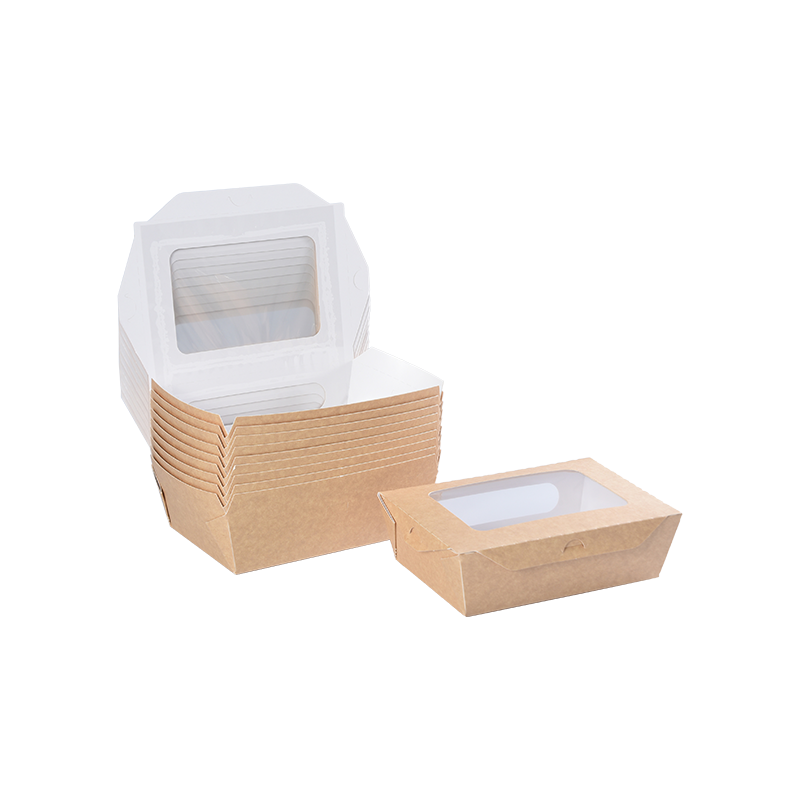 Double Poly-Coated Paperboard Takeaway Paper BowlDouble poly-coated paperboard holds soups, stews, and steamed vegetables without leakage, with a tightly-rolled rim for a secure lid fit. Sizing by rated capacity matches the ounces-to-volume approach used for salads and grain bowls.View Product →
Calculating package size is a skill rather than a guess: measure the food as served, add sensible clearance, multiply the three dimensions for volume, and always validate with a real packed order. Get it right and you protect the food, the presentation, and the shipping budget all at once. If you would like a second opinion on your measurements, or you need a size that is not on the shelf, browse our full range of paper food packaging or reach out to our team. After years of helping restaurants, bakeries, and coffee shops pack with confidence, we are always happy to talk through the numbers.

-
How Do You Calculate Package Size? A Practical Guide for Food Businesses
Ask anyone who has packed a few hundred takeaway orders in a single evening and they will tell you:...
-
How Big Is a Large Pizza Box? Standard Dimensions & Sizing Guide for Pizzeria Owners
A large pizza box is typically 16 inches by 16 inches or 18 inches by 18 inches, but the exact size...
-
How to Measure the Length, Width and Height of a Box: A Practical Guide
A shipping clerk once asked me to confirm the size of a takeout box before ordering 5,000 units. Th...
-
How Does Die Cutting Work? Inside the Pressure Process That Shapes Paper Packaging
A kraft cup carrier holds four drinks steady because a shaped blade punched its openings through th...
-
Kraft Coffee Carrier Box Manufacturer | Custom Eco-Friendly Cup Carriers
Imagine a busy coffee counter at 8:15 a.m. A customer orders four large drinks, two with oat milk, ...
-
Corrugated Lunch Boxes: The Complete Buying Guide for Foodservice Packaging
A delivery rider picks up a bag with six lunch orders: braised pork over rice, fried chicken with w...
 Building 4, Leyin Industrial Park ,No. 330 Qianchun Avenue, Zhanqi Town, Yinzhou District, Ningbo, China
 +86-574-82813668
 Instagram
Copyright © Ningbo Shuohui New Material Technology Co., Ltd. Rights Reserved.
 Custom Disposable Paper Food Packaging Manufacturers