


 English
 Español
-
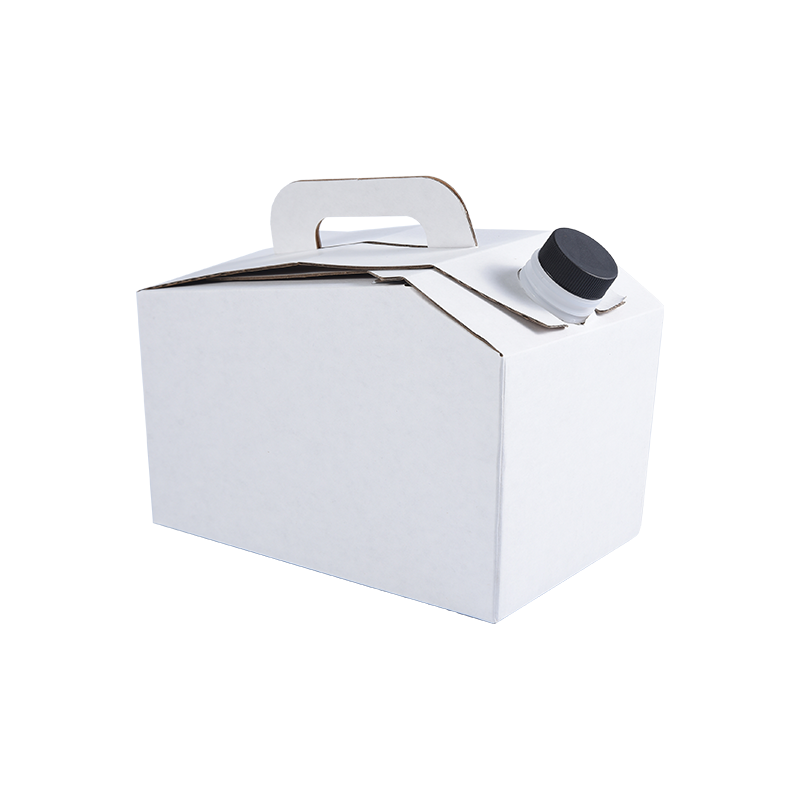 96oz Kraft Coffee/Drink to Go Container/Coffee Carrier Box
-
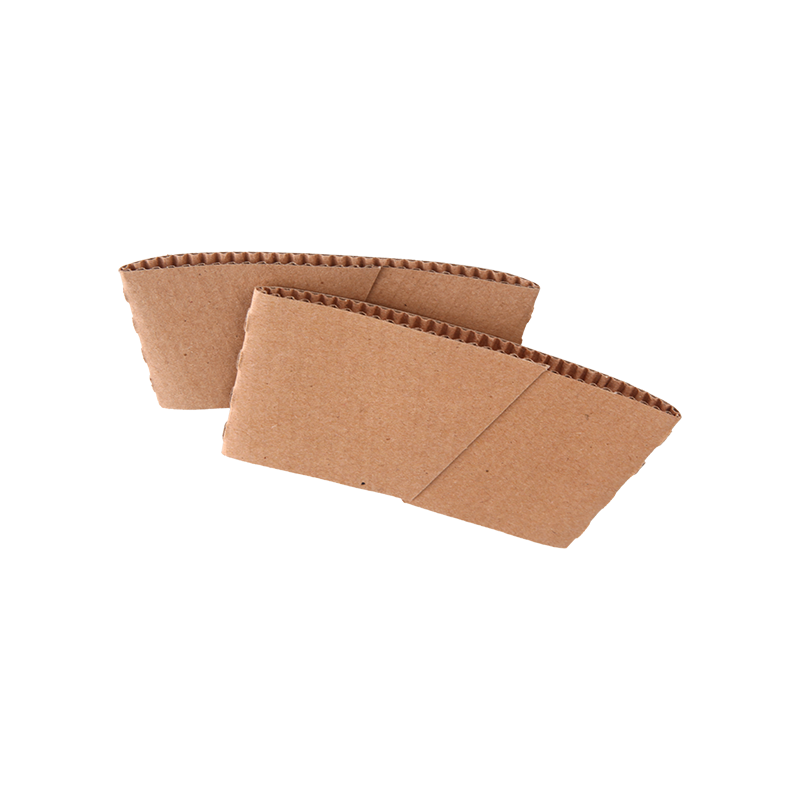 Recyclable Paper Cup Holder Sleeves
-
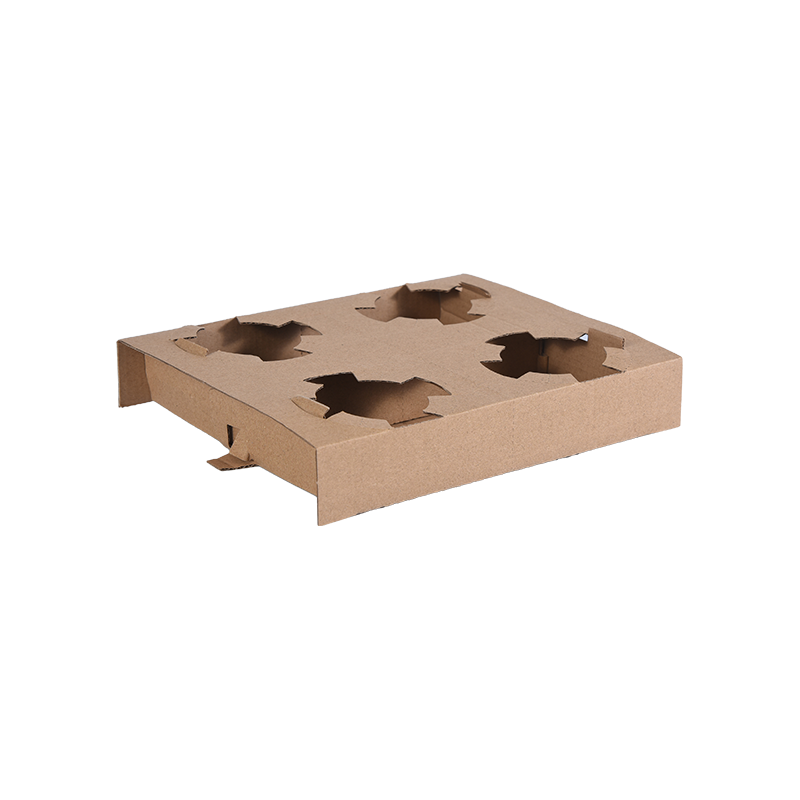 4 Cup Tray Holders for Hot & Cold Drinks – Foldable, Durable, and Cup Carrier for Takeaway, Festivals, Coffee Shops & Events
-
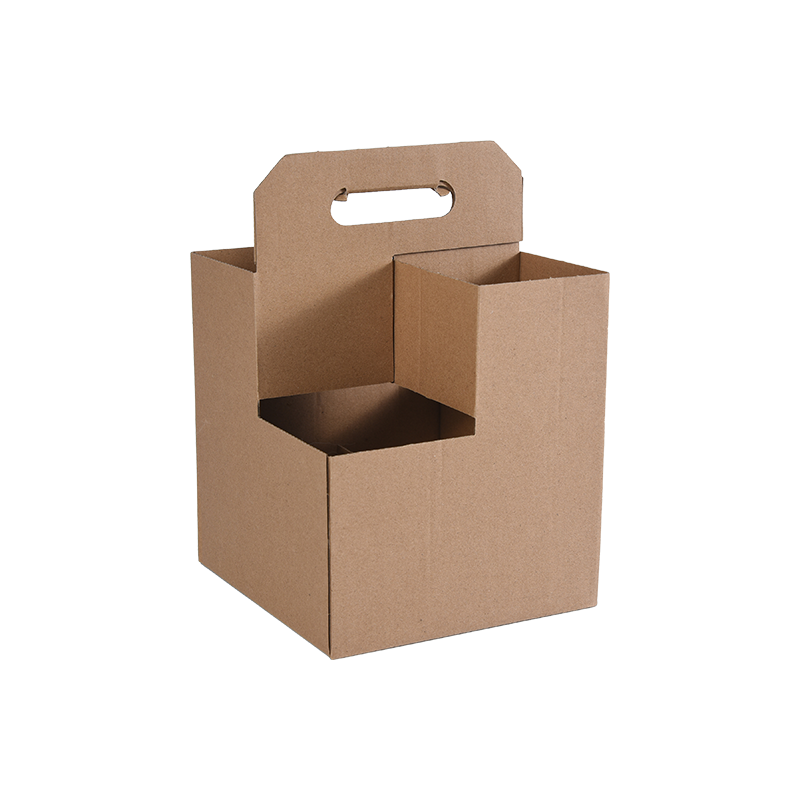 Kraft Cup Drink Carrier with Handles
-
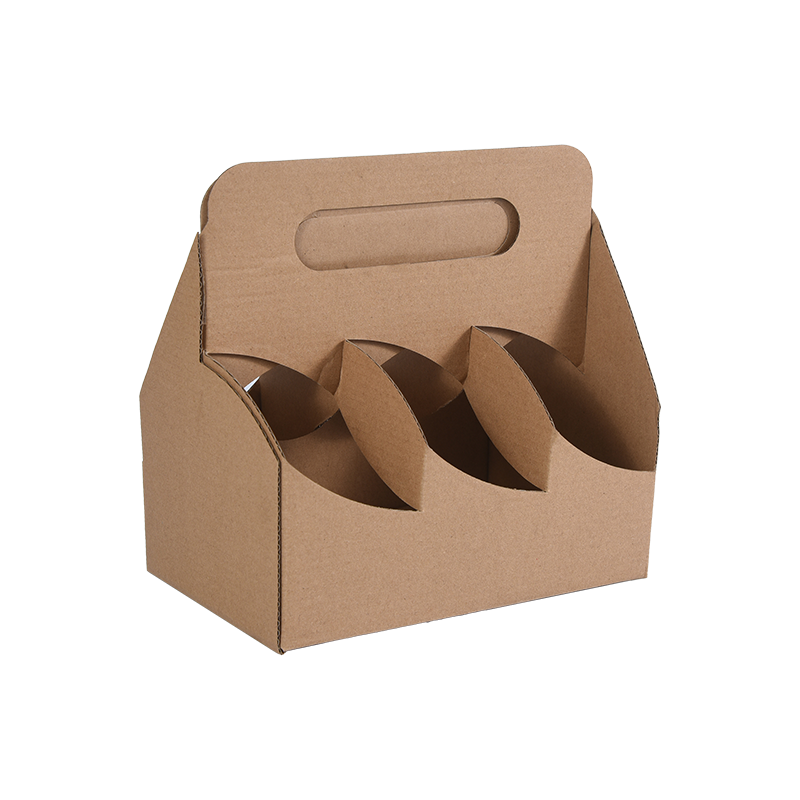 Kraft Beverage Carrier with Handles (6 to 8 Bottles or Cans)
-
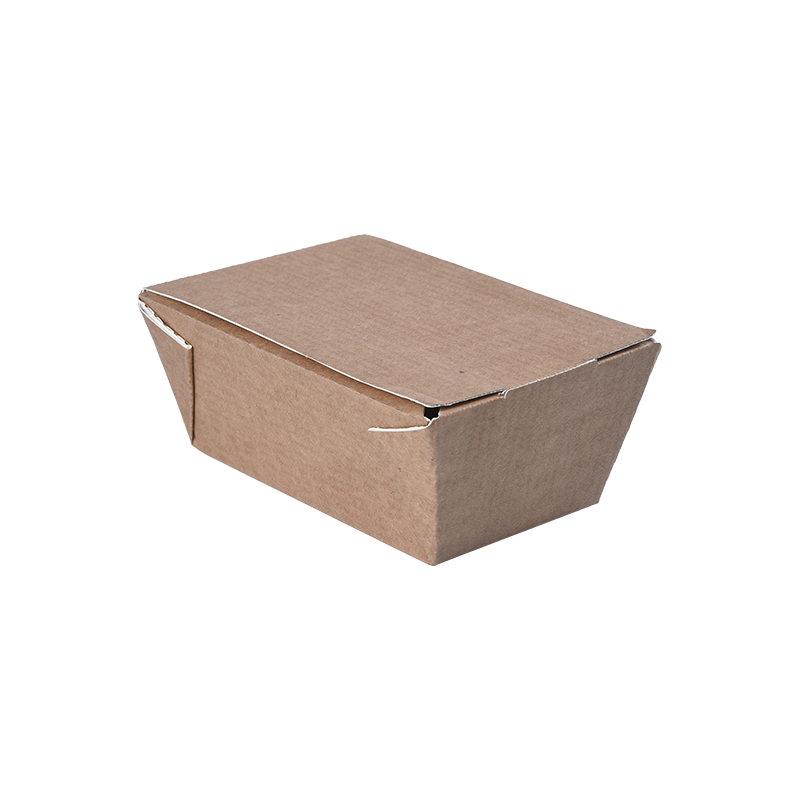 Corrugated Kraft Cardboard Lunch Boxes
-
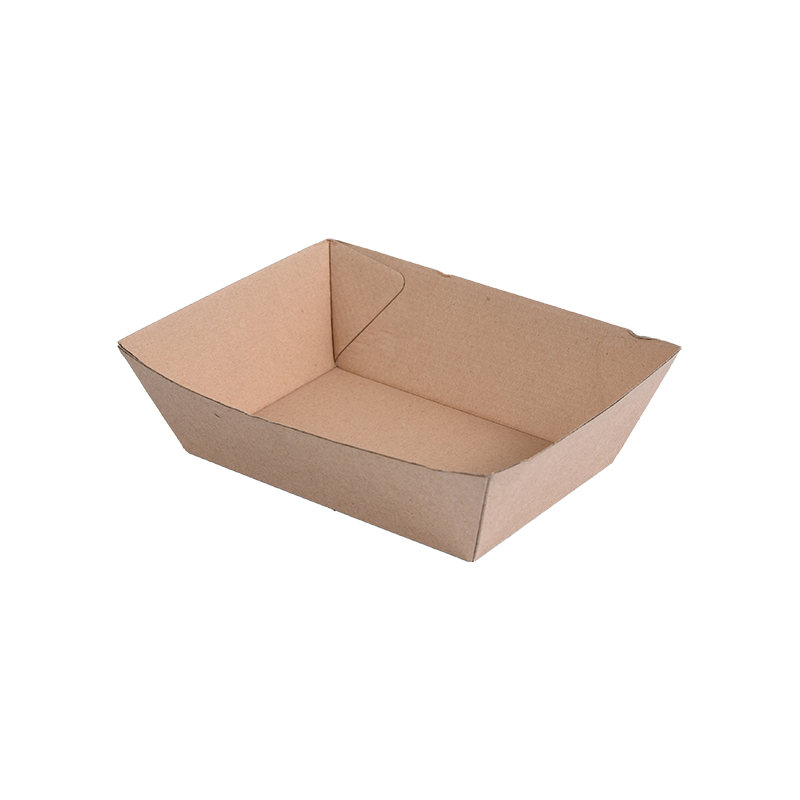 Disposable Rectangular Corrugated Paper Food Trays
-
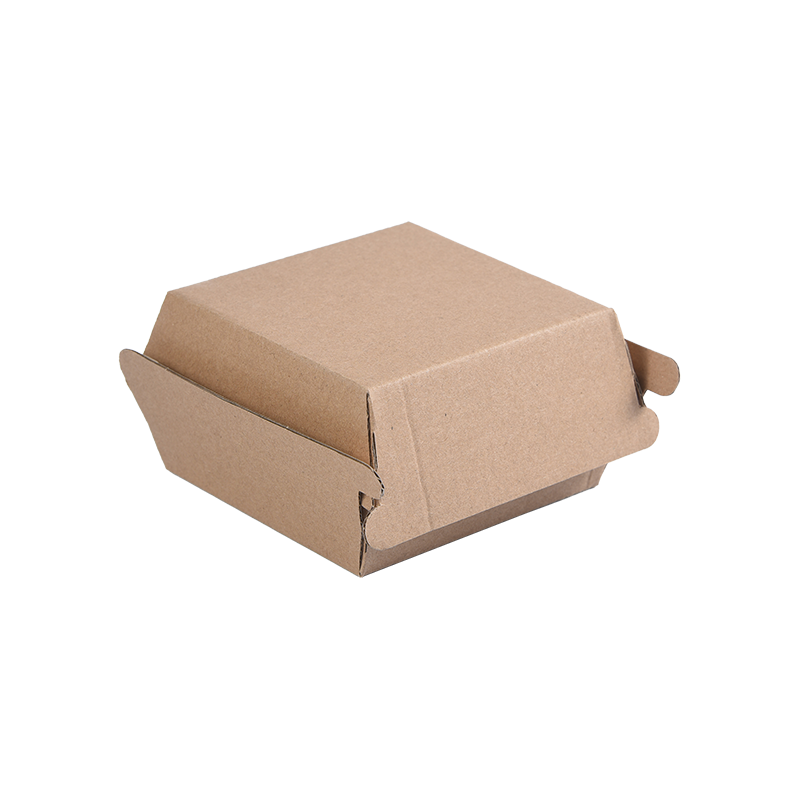 Restaurantware Corrugated Paper Burger Box
How Big Is a Large Pizza Box? Standard Dimensions & Sizing Guide for Pizzeria Owners
A large pizza box is typically 16 inches by 16 inches or 18 inches by 18 inches, but the exact size depends on the pizza diameter and the gap needed for safe transport. Most pizzerias use 16×16 boxes for 14-inch pizzas and 18×18 boxes for 16-inch pizzas. If you are buying boxes for your restaurant or delivery service, the single most important rule is this: the box must be at least 2 inches larger than the pizza in both width and depth to prevent crushed edges and trapped steam.
Standard Large Pizza Box Dimensions
The industry does not have a single “large” standard, but the most common large pizza box sizes are 14″×14″×2″, 16″×16″×2″, and 18″×18″×2″. The variation comes from how pizzerias label their pizzas (e.g., a 14-inch pizza may be called “large” at one chain and “medium” at another). The table below captures the real-world dimensions you will encounter.
| Box Size (inches) | Box Size (cm) | Best Pizza Diameter | Typical Label |
|---|---|---|---|
| 14 × 14 × 2 | 35.6 × 356 × 5.1 | 12" | Medium / Large (smaller pizzerias) |
| 16 × 316 × 2 | 406 × 406 × 5.1 | 14" | Large (most common) |
| 18 × 318 × 2 | 457 × 457 × 5.1 | 16" | Large / Extra Large |
| 20 × 20 × 2 | 50.8 × 50.8 × 5.1 | 18" | Extra Large / Party |
Why Large Pizza Box Sizes Vary
The confusion comes from three sources: pizza diameter naming conventions, the required gap between pizza and box walls, and the type of crust.
Pizza Size Naming Is Not Universal
One pizzeria’s large may be another’s medium. A 14-inch pizza is called large by many independent shops, while Dominos and Pizza Hut list it as a medium. As a result, the box that fits a 14-inch pizza (16×16) is often sold as a “large pizza box” by packaging suppliers. Always measure your pizza diameter first, then choose the box that leaves at least 1 inch of space on each side.
The 2-Inch Clearance Rule
Pizza boxes are designed to accommodate the pizza plus a small gap for airflow, preventing the crust from becoming soggy. A 16-inch pizza needs an 18-inch box. If you force a 16-inch pizza into a 16-inch box, the toppings will smear against the lid and the steam will soften the underside.
Deep-Dish and Thick Crust Require More Height
Standard large pizza boxes are 2 inches tall, which works for thin and hand-tossed crusts. For deep-dish, Detroit-style, or double-crust pizzas, you need a 3-inch tall box. Some suppliers offer custom height options; note that using a taller box with a thin pizza can cause the pizza to slide during delivery.
How to Choose the Right Large Pizza Box for Your Business
Getting the size right directly affects your food quality, packaging cost, and customer satisfaction. Here are the key factors to evaluate.
- Measure your pizza after baking. The diameter can shrink or expand slightly depending on dough hydration and stretching technique. Use a caliper or ruler when the pizza is hot.
- Decide on material. Corrugated cardboard (B‑flute for standard pizzas, E‑flute for lighter boxes) is standard. B‑flute provides good insulation and stacking strength. E‑flute saves material cost but is less rigid.
- Consider branding and customization. Many suppliers allow printing on the box lid. If you plan to add your logo, confirm the print area dimensions beforehand.
- Order sample boxes before bulk purchasing. Fit-test five to ten pizzas of your largest size in the proposed box. Check that the lid closes without bulging and that the box can support stacking three high.
- Factor in storage space. Large boxes take up significant room. A case of 18×18 boxes occupies about 2 cubic feet per 50 units.
What About the “X Large” Pizza Box?
Extra‑large pizza boxes start at 20×20 inches and go up to 30×30 inches for party pizzas. For a 30‑inch pizza, you need a 32‑inch box – but these sizes are rare and often require custom orders. If your menu includes a 20‑inch or larger pizza, verify that your supplier stocks those dimensions; otherwise, plan for a longer lead time.
Practical Sourcing Tips for Pizzeria Owners
When you source large pizza boxes, the box itself is only part of the equation. You also need to consider the flute type and heat retention properties that keep pizzas hot without collapsing. For a standard large pizza (14‑16 inches), a B‑flute corrugated box with a 2‑inch depth is the most cost‑effective choice. Many independent operators pair this with a paper or plastic pizza saver (the small white table) to prevent the cheese from sticking to the lid.
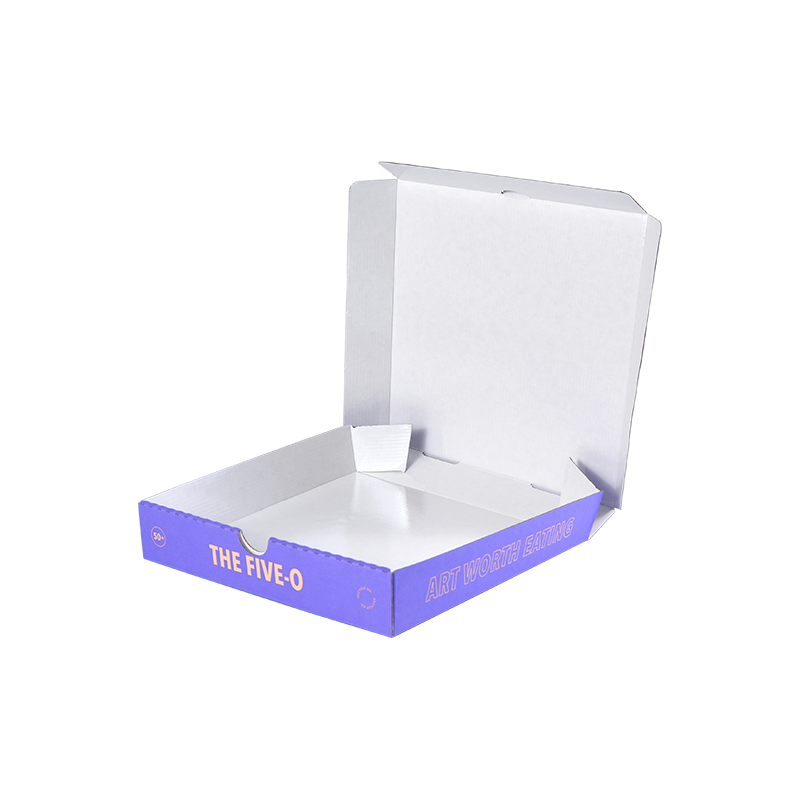 Inside PE Laminated Pizza Box for Hot Food DeliveryThis box features a grease-resistant PE inner coating, keeping pizzas and fried items hot and fresh without sogginess. It meets food-grade corrugated standards and pairs well with paper pizza savers, making it a reliable choice for consistent, stackable delivery runs.View Product →
If you need a reliable source for 16×16, 18×18, or even custom‑height boxes, make sure the manufacturer uses food‑grade corrugated materials and can supply a consistent run without color or thickness variations. Request a spec sheet that lists edge crush test (ECT) values – an ECT of 32 or higher will safely hold stackable delivery orders.
Final Recommendations
- For a 14‑inch pizza: use a 16×16×2 box.
- For a 16‑inch pizza: use an 18×18×2 box.
- For deep‑dish or thick crust: increase height to 3 inches.
- Always test a sample box with your actual pizza before committing to a bulk order.
The answer to “how big is a large pizza box” is not a single number, but a range that serves different pizza diameters. By understanding your own pizza size and the 2‑inch clearance rule, you can select the perfect box every time – and keep every slice arriving hot, intact, and ready to serve.

-
How Big Is a Large Pizza Box? Standard Dimensions & Sizing Guide for Pizzeria Owners
A large pizza box is typically 16 inches by 16 inches or 18 inches by 18 inches, but the exact size...
-
How to Measure the Length, Width and Height of a Box: A Practical Guide
A shipping clerk once asked me to confirm the size of a takeout box before ordering 5,000 units. Th...
-
How Does Die Cutting Work? Inside the Pressure Process That Shapes Paper Packaging
A kraft cup carrier holds four drinks steady because a shaped blade punched its openings through th...
-
Kraft Coffee Carrier Box Manufacturer | Custom Eco-Friendly Cup Carriers
Imagine a busy coffee counter at 8:15 a.m. A customer orders four large drinks, two with oat milk, ...
-
Corrugated Lunch Boxes: The Complete Buying Guide for Foodservice Packaging
A delivery rider picks up a bag with six lunch orders: braised pork over rice, fried chicken with w...
-
A Practical Guide to Corrugated Food Trays: Materials, Flute Types, and Sourcing
At a busy concession stand, the tray under a loaded fish basket has to do more than look presentabl...
 Building 4, Leyin Industrial Park ,No. 330 Qianchun Avenue, Zhanqi Town, Yinzhou District, Ningbo, China
 +86-574-82813668
 Instagram
Copyright © Ningbo Shuohui New Material Technology Co., Ltd. Rights Reserved.
 Custom Disposable Paper Food Packaging Manufacturers