


 English
 Español
A corrugated pizza box is a three-layer paper container — two flat kraft liners with a fluted paper medium glued between them — built specifically to trap heat, absorb grease, and survive stacked delivery runs without collapsing.
For most pizzerias, a B-flute or E-flute single-wall box is the right call: B-flute (about 3 mm thick) gives the strongest stacking support for delivery, while E-flute (about 1.5 mm) is thinner, prints more sharply for branding, and still holds heat well for dine-in and short-hop orders. The fluted air pockets are what make the difference — they keep a pizza 15–25% warmer for longer than a flat single-layer box, and the material itself is now recycled at a rate of roughly 90% for old corrugated containers in the U.S., even with typical grease residue.
What a Corrugated Pizza Box Is Actually Made Of
Every corrugated pizza box is built from three bonded layers, not one solid sheet. Understanding the anatomy explains why the box performs the way it does under a hot, greasy 16-inch pie.
| Layer | Material | Function |
|---|---|---|
| Outer liner | Kraft paper or white-coated paperboard | Printable surface for branding, logos, and vent instructions |
| Fluted medium | Wavy corrugated paper core | Creates insulating air pockets; adds crush and stacking strength |
| Inner liner | Kraft paper, often grease-resistant coated | Direct food contact; slows grease bleed-through |
The middle wave — the flute — is the entire reason corrugated outperforms flat paperboard. Those arches trap still air, and still air is a poor conductor of heat, which is exactly why the box acts like a mini insulated container rather than a flat sheet of cardboard.
Flute Types: Picking Between B, C, and E
Flute size is measured by wave height and how many flutes fit per linear foot. That single spec determines whether a box is built for heavy stacking or for sharp, retail-shelf printing.
| Flute | Thickness | Best for | Trade-off |
|---|---|---|---|
| B-flute | ~3 mm | Delivery, stacked orders, heavier or loaded pizzas | Slightly less crisp print detail than E-flute |
| C-flute | ~4 mm | General food packaging needing versatile, all-around strength | Bulkier; less space-efficient in storage |
| E-flute | ~1.5 mm | Branded boxes, dine-in trays, premium takeout presentation | Less cushioning for rough handling or long transit |
How to Decide Between Them
Choose B-flute if…
- Orders travel more than 10–15 minutes by delivery driver
- Boxes get stacked two or three high in a hot bag
- Pizzas are loaded with toppings or run larger than 16"
Choose E-flute if…
- Branding and full-color print quality is a priority
- Most orders are dine-in, pickup, or short-hop delivery
- Storage space for flat-packed boxes is limited
Why Corrugated Outperforms Flat Cardboard for Heat and Grease
The two most common complaints about pizza packaging — a cold pie on arrival and a soggy, oil-stained bottom — are both directly tied to box construction, and corrugated addresses both better than single-layer paperboard.
The gap in heat retention widens the longer delivery takes and the colder the outside air is, which is why a box that performs fine for a 5-minute walk to a dine-in table can leave a pizza noticeably cooler after a 25-minute drive. For short trips under 10 minutes, a lighter single-layer box is manageable; for anything longer, the fluted layer is doing real, measurable work.
On grease specifically: a widely cited paper-industry study found recycled fiber strength stays essentially unaffected until grease reaches about 20% of the box's weight. A typical used box sits at only 1–2%, roughly a tenth of that threshold — which is why the "greasy box can't be recycled" advice is now outdated in most areas.
Recyclability: What Actually Happens to the Box After Delivery
Corrugated pizza boxes carry a stronger sustainability story than most operators realize, and it's worth knowing the numbers well enough to state them confidently on packaging or a menu insert.
- Recovery rate: around 90% of old corrugated containers (OCC) in the U.S. are recovered and recycled, and the fiber can typically go through the recycling process up to seven times before quality degrades.
- Access: roughly 82% of Americans now have a community recycling program that accepts pizza boxes, up from 73% just a few years earlier, as guidance from major paper mills has caught up with the grease-tolerance research.
- Scale: about 3 billion pizza boxes are used annually in the U.S., representing an estimated 600,000 tons of recoverable corrugated material each year.
- When to trash instead: if grease has soaked through more than half the box, tear off the clean lid, recycle that portion, and discard the saturated base. Heavily soiled boxes are also fully compostable as a brown, carbon-rich material, so long as they carry no plastic or wax coating.
- Light grease, no leftover food — recycle as normal corrugated cardboard
- Heavy grease soaking through the base — tear off and trash only the soaked section
- No plastic window or wax coating — safe to add to a home or municipal compost pile
- Leftover cheese or food scraps — scrape off before recycling to avoid contaminating the load
Matching the Box to Your Order Volume and Delivery Radius
There's no single "best" corrugated pizza box — the right spec depends on how far the pizza travels, how it's handled, and how much the box needs to sell your brand at the same time.
| Use case | Recommended flute | Why |
|---|---|---|
| High-volume delivery | B-flute | Withstands stacking in hot bags across longer routes without crushing |
| Dine-in / carryout plate-style | E-flute | Folds cleanly into a flat plate; thinner profile is easier to tear down |
| Catering / large-format pies | C-flute or double-wall | Extra rigidity supports the added weight of oversized or loaded pizzas |
| Brand-forward, premium positioning | E-flute, full-color print | Smoother surface reproduces logos and color detail more sharply |
Practical Features Worth Specifying
- Vent holes: typically four holes on the lid release steam so the crust doesn't go soft during transit.
- Grease-resistant inner coating: slows oil bleed-through without adding a plastic laminate that would block composting.
- Tear-away lid: lets the top double as a serving plate, cutting down on extra dishware for the customer.
- Right-sized fit: a box sized close to the pizza's actual diameter reduces sliding and topping shift in transit — oversized boxes are a common, avoidable cause of a messy delivery.
Sourcing Corrugated Pizza Boxes and Related Paper Packaging
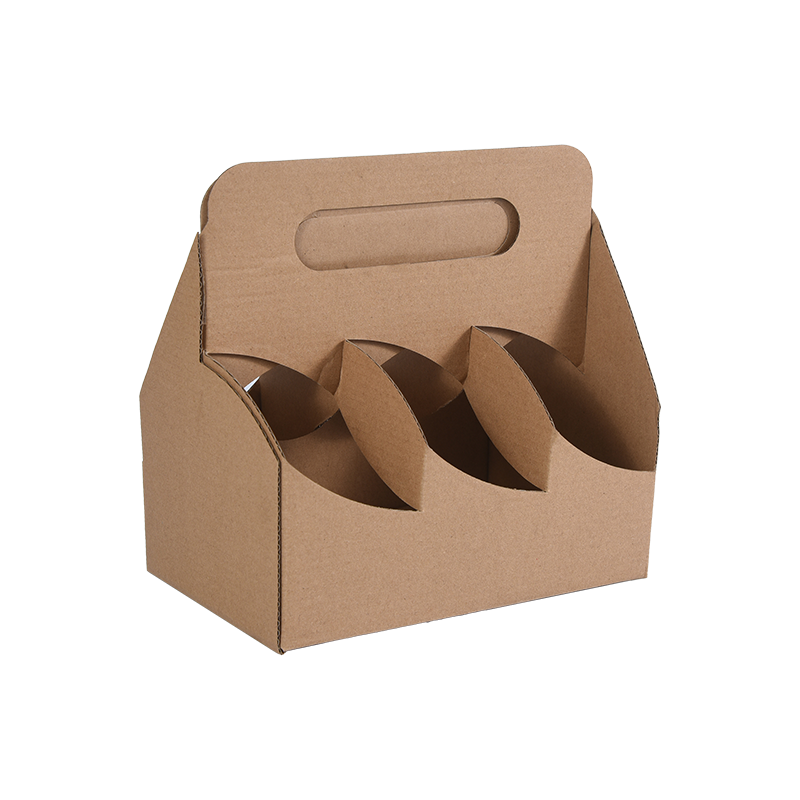
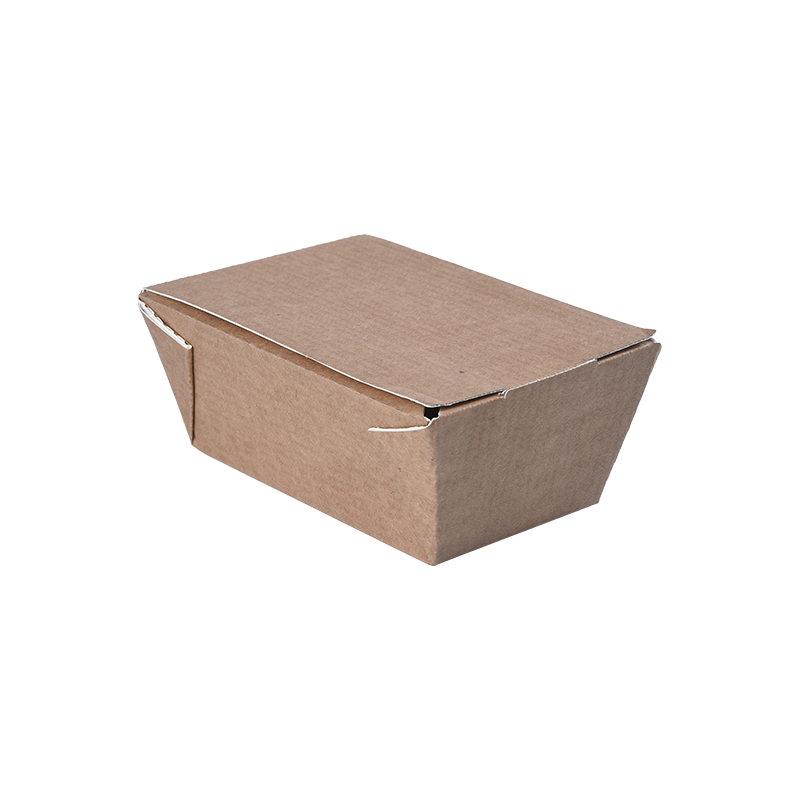
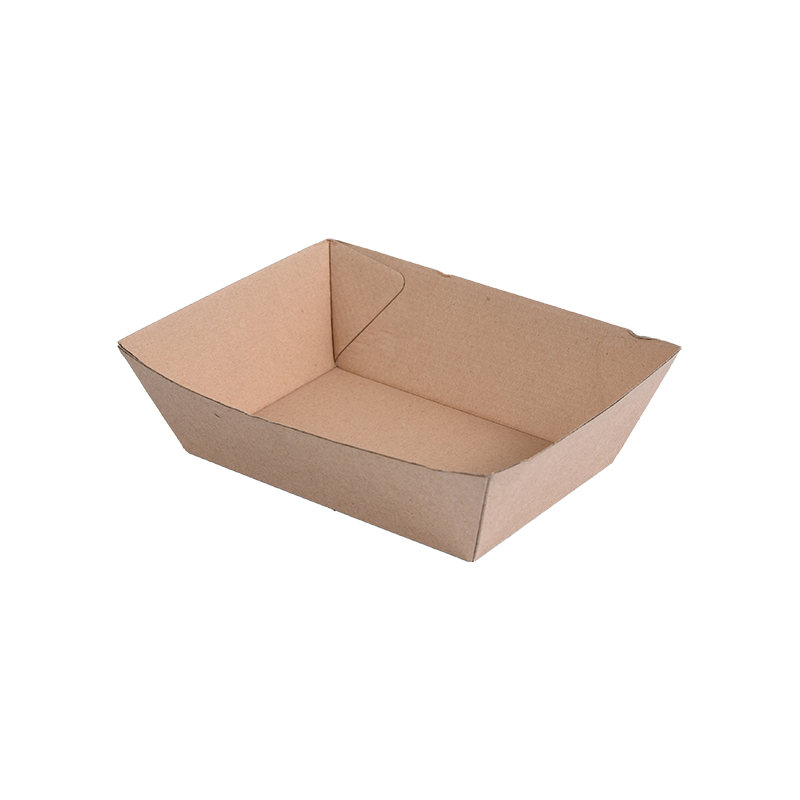
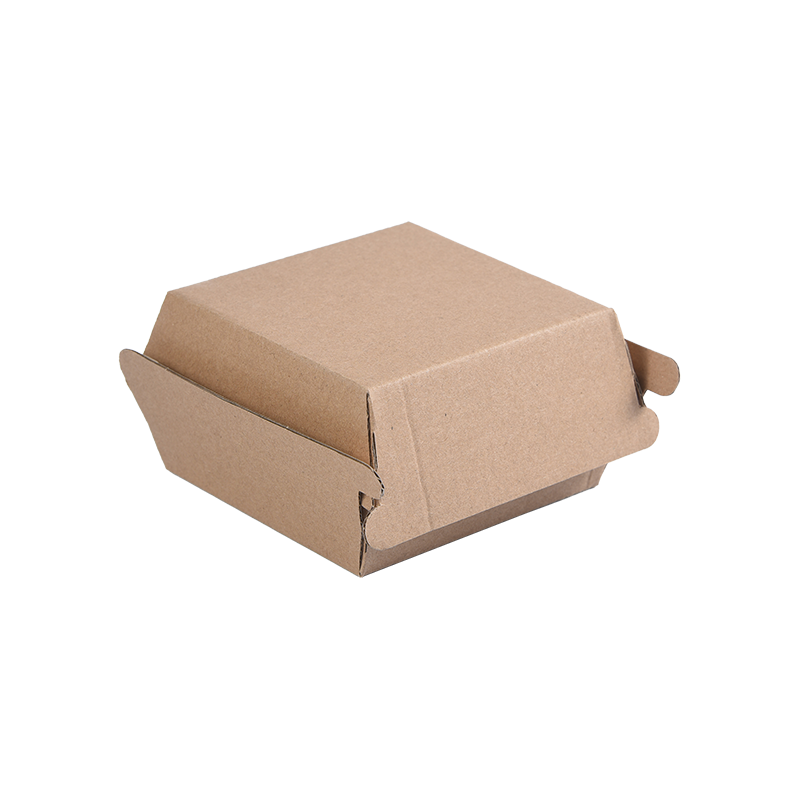
Choosing the right flute, print finish, and grease-resistant lining makes a measurable difference in how a pizza arrives and how a brand is perceived. Beyond pizza boxes, the same fluted-paper principles apply across a full range of foodservice packaging.

 Building 4, Leyin Industrial Park ,No. 330 Qianchun Avenue, Zhanqi Town, Yinzhou District, Ningbo, China
 +86-574-82813668
 Instagram