A corrugated burger box is one of the most practical packaging choices for burgers sold at restaurants, food trucks, ghost kitchens, and takeaway counters. Its layered fluted structure keeps heat in, absorbs grease, and protects the burger's shape during transit — making it a clear functional upgrade over flat paperboard clamshells. Whether you're sourcing custom-printed boxes for a brand or plain kraft boxes for a pop-up, understanding what differentiates corrugated options helps you make a better buying decision.
What Makes Corrugated Different from Standard Burger Boxes
Most burger boxes on the market use single-layer paperboard (SBS or coated kraft). Corrugated boxes add a fluted medium layer sandwiched between two flat liners. That structure creates air pockets that act as insulation — a key reason corrugated packaging keeps food warmer for longer.
In a thermal retention test published by a UK packaging research group, corrugated food boxes retained heat up to 25% longer than comparable single-wall paperboard clamshells over a 30-minute delivery window. For delivery-heavy operations, that difference translates directly to customer satisfaction scores.
Key structural differences at a glance:
| Feature |
Corrugated Burger Box |
Standard Paperboard Box |
| Wall layers |
2–3 (liner + flute + liner) |
1 |
| Heat retention |
High |
Moderate |
| Crush resistance |
High |
Low–Moderate |
| Grease resistance |
Moderate (can be coated) |
Varies by coating |
| Print quality |
Good (outer liner) |
Excellent (smooth surface) |
| Weight |
Slightly heavier |
Lighter |
Corrugated vs. standard paperboard burger boxes across key performance factors
Common Sizes and Formats Available
Corrugated burger boxes come in several standard formats, each suited to different menu items and service styles. Most suppliers offer customization on all dimensions.
Standard Single-Burger Boxes
The most common size runs approximately 4.5" × 4.5" × 3" (115 × 115 × 75 mm), fitting a standard beef patty with toppings. These are typically clamshell or tuck-top designs that can be assembled flat and popped open quickly during service.
Double-Stack and Gourmet Boxes
For tall smash burgers, double-decker builds, or brioche-bun configurations, taller boxes in the range of 4.5" × 4.5" × 4.5" are standard. Gourmet burger restaurants often prefer this format to prevent the lid from compressing the bun.
Combo Boxes with Fry Compartment
Some corrugated formats include a divided interior or an attached side compartment for fries. These are popular with food trucks and meal deal setups where reducing bag usage matters for speed of service.
Grease Resistance and Food Safety Coatings
Plain corrugated board absorbs grease, which weakens the structure and can make boxes look unsightly by the time they reach customers. Most food-grade corrugated burger boxes address this with one of three approaches:
- PE (polyethylene) coating: Applied to the inner liner; highly effective at blocking moisture and grease. The tradeoff is recyclability — PE-coated boards are not accepted in all curbside recycling streams.
- PLA (polylactic acid) coating: A plant-derived bioplastic that provides similar barrier properties to PE but is compostable under industrial conditions. Often used by eco-focused brands.
- Aqueous (water-based) coating: A lighter barrier option that improves grease resistance moderately while remaining recyclable. Suitable for burgers without heavy sauces.
- Uncoated kraft with a grease-resistant insert: Some suppliers use a wax paper or parchment liner inside an uncoated box, keeping the outer structure fully recyclable.
If sustainability certifications matter to your brand — such as FSC (Forest Stewardship Council) or BPI compostability — confirm these at the supplier level before ordering in bulk, as coatings significantly affect certification eligibility.
Custom Printing on Corrugated Burger Boxes
Custom printing turns the box into a branding surface that customers interact with at every meal. The corrugated outer liner accepts print differently than smooth paperboard, so knowing the right method saves cost and avoids disappointment.
Flexographic Printing
The most common and cost-effective method for corrugated packaging. It works well for logos, simple graphics, and text at minimum orders typically starting at 500–1,000 units. Color accuracy is good but not photographic-quality.
Digital Printing
Suitable for lower quantities and more detailed artwork. Digital printing on corrugated has improved dramatically — some suppliers now offer runs as small as 100 units with full-color artwork, useful for seasonal campaigns or limited editions.
Litho-Laminate Printing
A premium process where a high-resolution lithographic print is laminated onto the corrugated board. This achieves near-magazine print quality and is used by premium burger chains where visual brand impact is part of the dining experience. It adds cost but delivers a noticeably better result on photographic imagery and fine gradients.
Sustainability: What to Look for When Sourcing
Corrugated board is one of the most recycled packaging materials in the world — in the US, the corrugated recycling rate has consistently exceeded 90% over the past decade (according to the American Forest & Paper Association). However, food contamination and grease can disqualify boxes from recycling depending on local facility rules.
When evaluating corrugated burger boxes on sustainability grounds:
- Look for post-consumer recycled (PCR) content in the board — many corrugated boxes are already made from 70–100% recycled fiber.
- Check whether the grease barrier coating is recyclable or compostable in your region.
- Confirm FSC or PEFC certification if your brand communicates sustainable sourcing to customers.
- For compostable claims, look for BPI (Biodegradable Products Institute) or the EN 13432 certification in Europe.
- Avoid PFAS (per- and polyfluoroalkyl substances) coatings — some jurisdictions have banned them in food packaging, and global regulation is tightening.
Pricing and Minimum Order Quantities
Cost per unit varies significantly by order volume, customization, and coating type. The table below gives a realistic overview of what to expect from typical corrugated burger box suppliers in 2024–2025.
| Order Quantity |
Plain Kraft (per unit) |
Custom Print (per unit) |
Litho-Laminate (per unit) |
| 100–500 |
$0.25–$0.45 |
$0.60–$1.10 |
$1.50–$2.50 |
| 1,000–5,000 |
$0.15–$0.25 |
$0.35–$0.60 |
$0.90–$1.40 |
| 10,000+ |
$0.08–$0.14 |
$0.18–$0.30 |
$0.45–$0.80 |
Estimated unit pricing for corrugated burger boxes by quantity and finish type (USD, 2024–2025)
For most independent restaurants, the 1,000–5,000 unit range offers the best balance of per-unit cost and manageable upfront investment. Custom print setup fees typically run $150–$400 depending on the number of print colors and the supplier's tooling requirements.
How to Choose the Right Corrugated Burger Box for Your Operation
Not every corrugated burger box is the right fit for every setup. Work through these considerations before placing an order:
- Dine-in vs. delivery: For dine-in, a lighter single-wall corrugated box often suffices. For delivery lasting 20+ minutes, prioritize heat retention with a thicker E-flute or B-flute board.
- Burger height: Measure your tallest build — a double patty with toppings can easily reach 4". Order a box at least 0.5" taller than your tallest burger to avoid lid compression.
- Sauce and grease volume: High-sauce burgers need a PE or PLA inner coating. For dry or lightly dressed burgers, an aqueous coating may be sufficient.
- Brand presentation: If unboxing experience matters — for premium concepts or delivery brands — invest in at least flexographic custom printing. Plain kraft reads as utilitarian, which can undercut a premium price point.
- Storage space: Corrugated boxes are bulkier than flat-packed paperboard. Confirm that flat-pack shipping is available from your supplier (most corrugated burger boxes ship flat and are assembled on-site).
Ventilation Features: Do You Need Them?
Some corrugated burger boxes include small perforations or vent holes on the sides or top. These serve a specific purpose: releasing steam to prevent bun sogginess. Whether you need them depends on your menu and service model.
- Use vented boxes if your burgers go straight from grill to box and travel more than 10 minutes. Steam trapped inside a sealed box makes brioche buns collapse and soft buns go limp.
- Avoid vented boxes for cold-weather delivery where heat retention outweighs sogginess risk, or for burgers that have already rested briefly before boxing.
A practical middle-ground used by several QSR operators is to box the burger with the lid slightly open for 60 seconds before sealing — this allows initial steam to escape without requiring a vented design.


 English
 Español
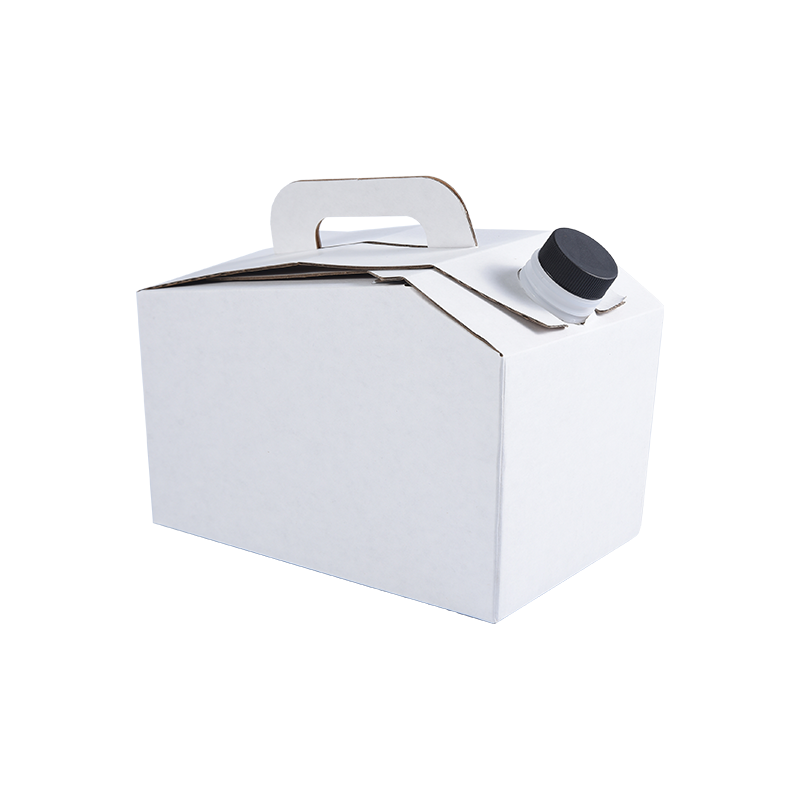 96oz Kraft Coffee/Drink to Go Container/Coffee Carrier Box
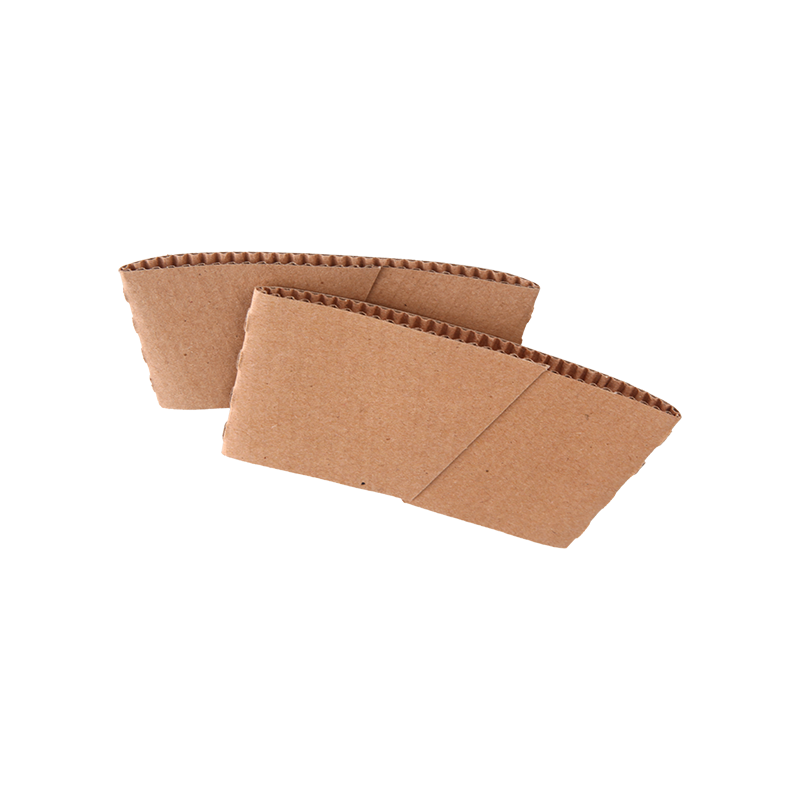 Recyclable Paper Cup Holder Sleeves
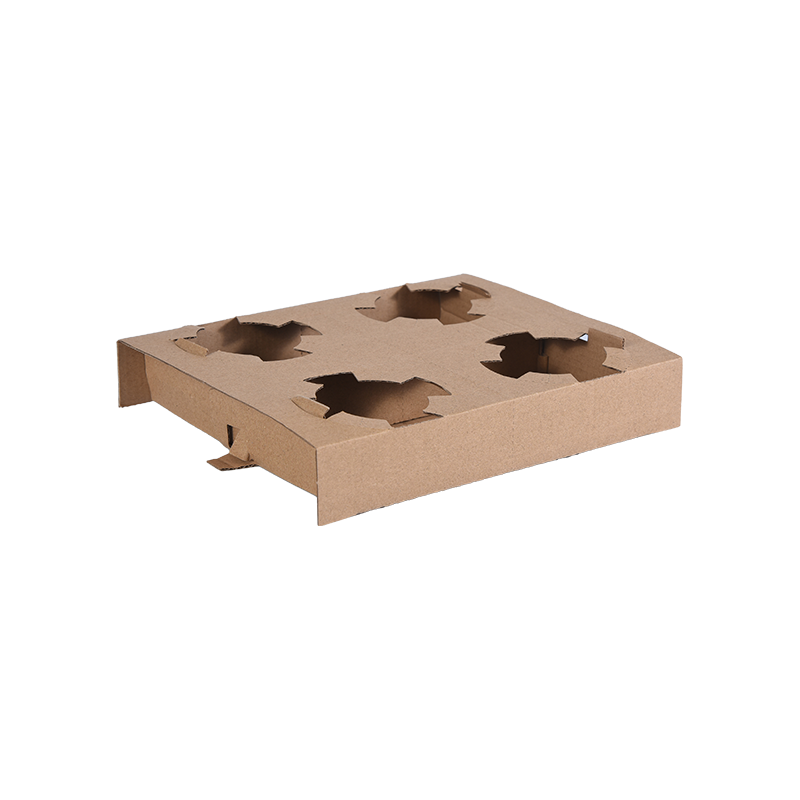 4 Cup Tray Holders for Hot & Cold Drinks – Foldable, Durable, and Cup Carrier for Takeaway, Festivals, Coffee Shops & Events
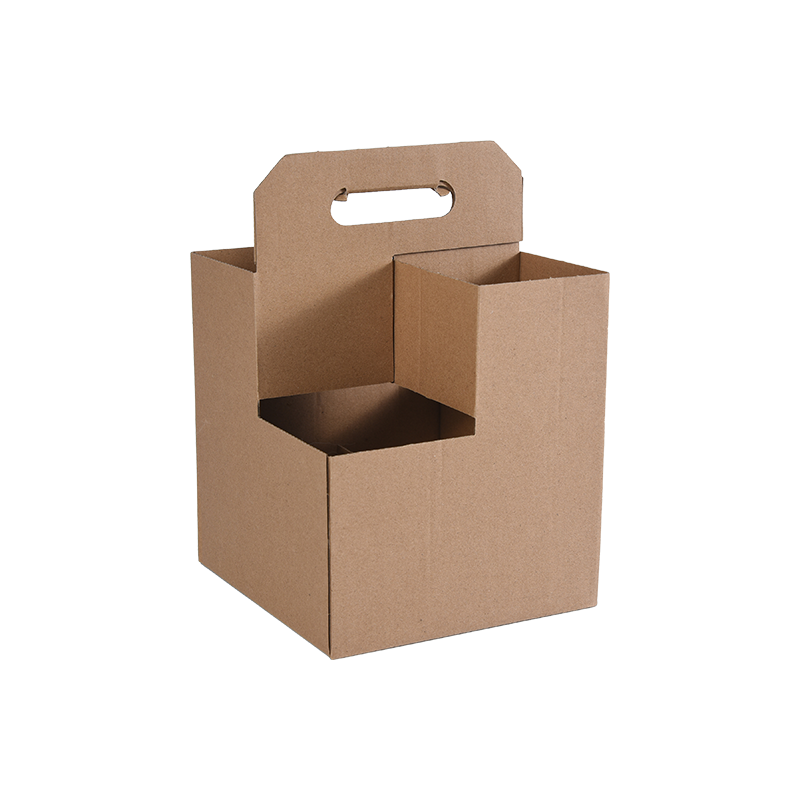 Kraft Cup Drink Carrier with Handles
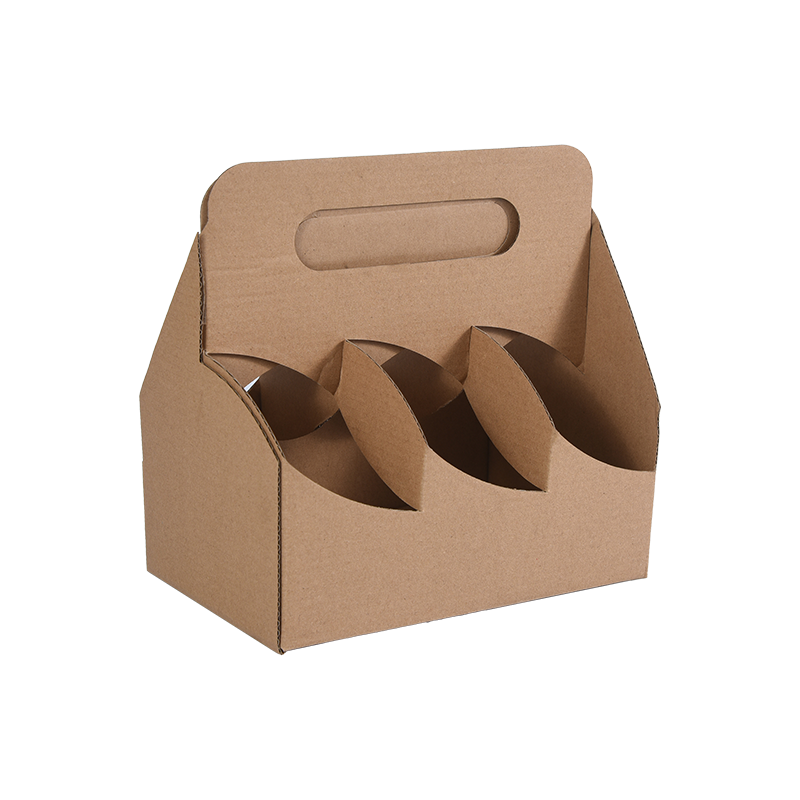 Kraft Beverage Carrier with Handles (6 to 8 Bottles or Cans)
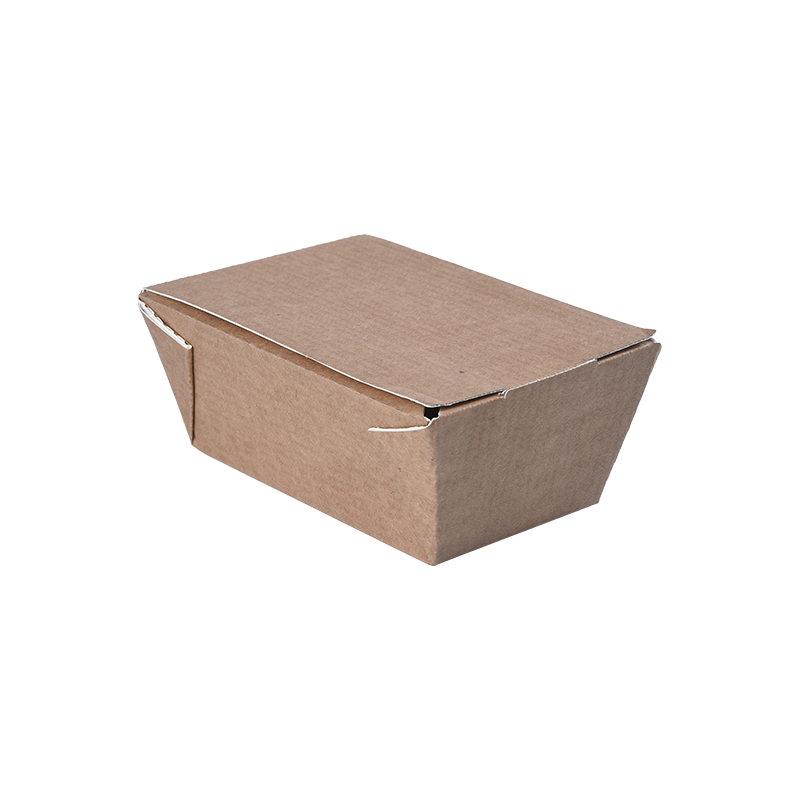 Corrugated Kraft Cardboard Lunch Boxes
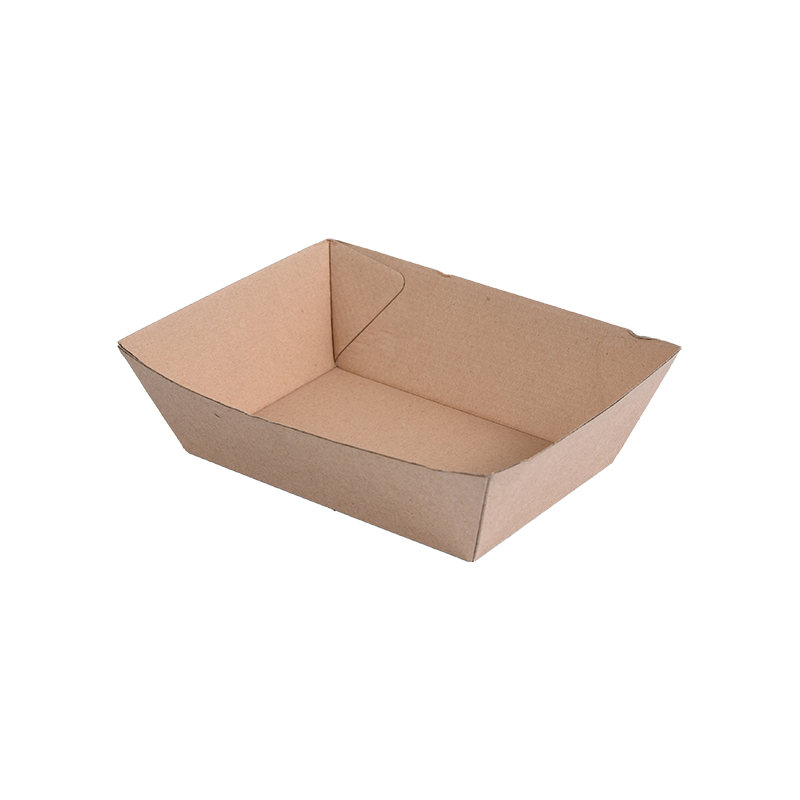 Disposable Rectangular Corrugated Paper Food Trays
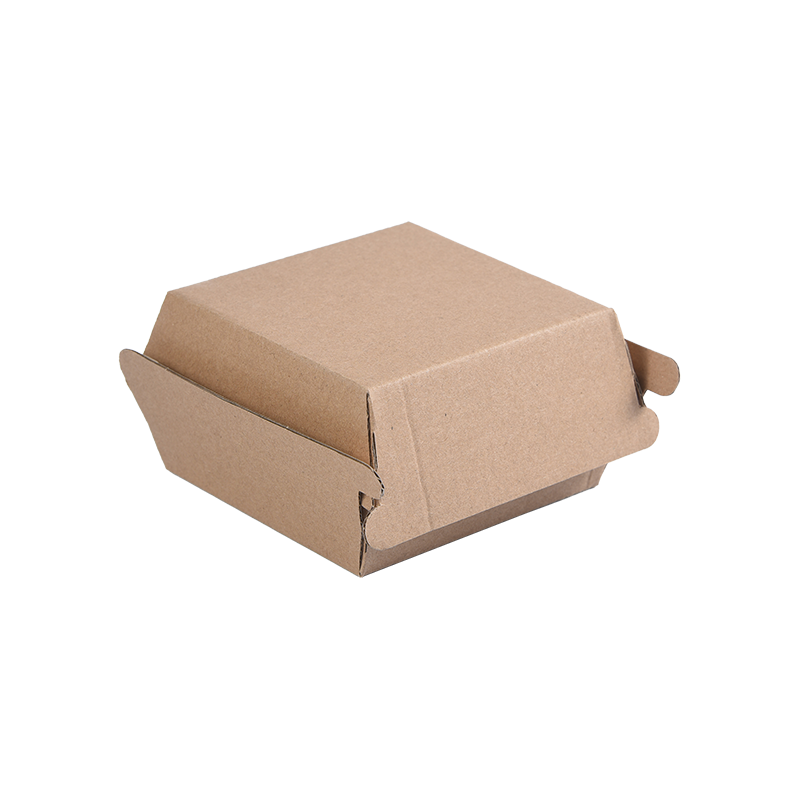 Restaurantware Corrugated Paper Burger Box
 Building 4, Leyin Industrial Park ,No. 330 Qianchun Avenue, Zhanqi Town, Yinzhou District, Ningbo, China
 +86-574-82813668
 Instagram
 Custom Disposable Paper Food Packaging Manufacturers