


 English
 Español
-
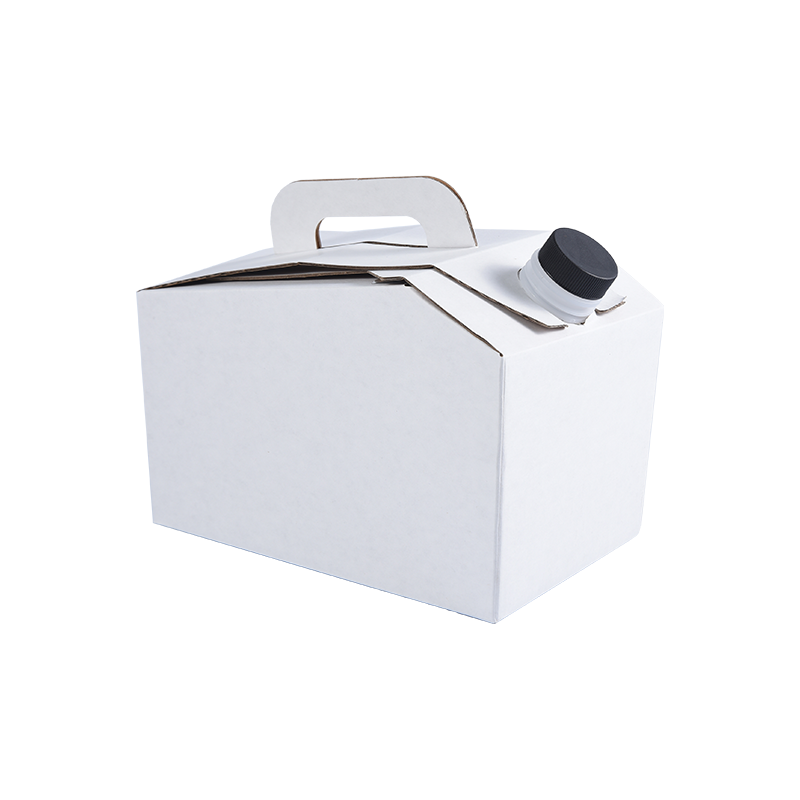 96oz Kraft Coffee/Drink to Go Container/Coffee Carrier Box
-
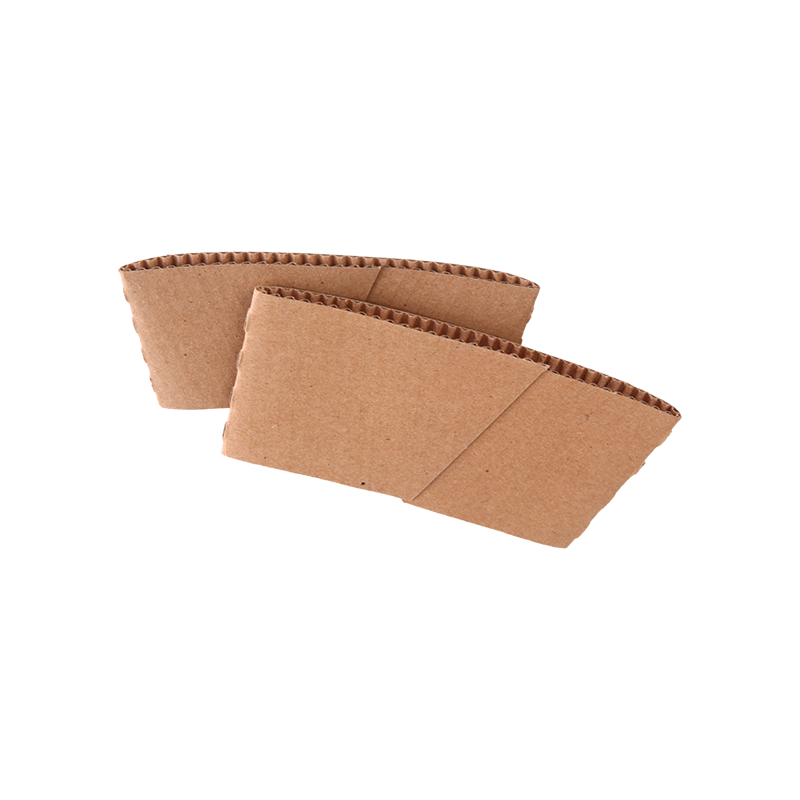 Recyclable Paper Cup Holder Sleeves
-
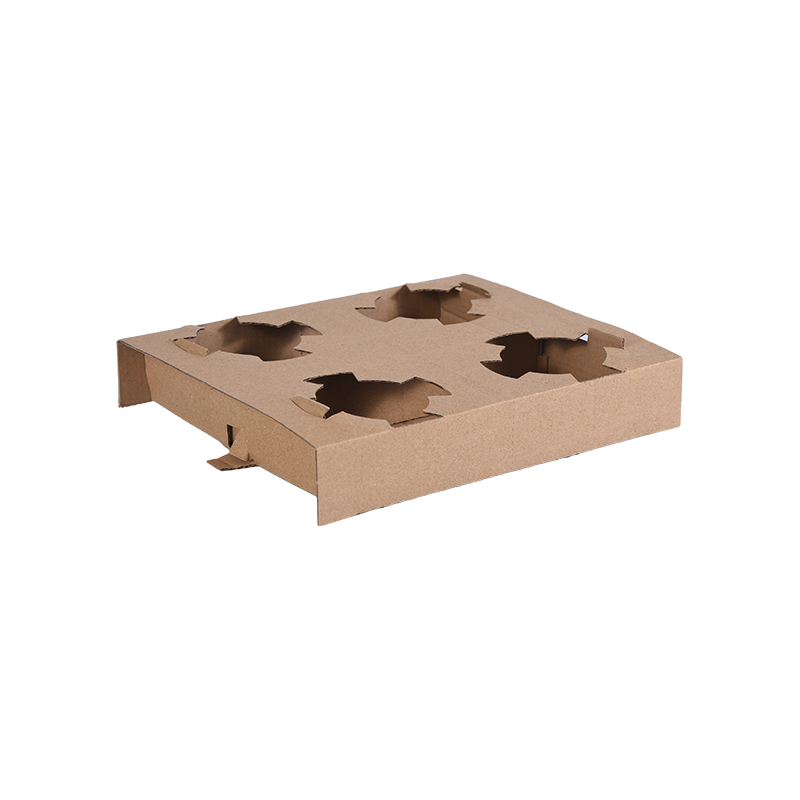 4 Cup Tray Holders for Hot & Cold Drinks – Foldable, Durable, and Cup Carrier for Takeaway, Festivals, Coffee Shops & Events
-
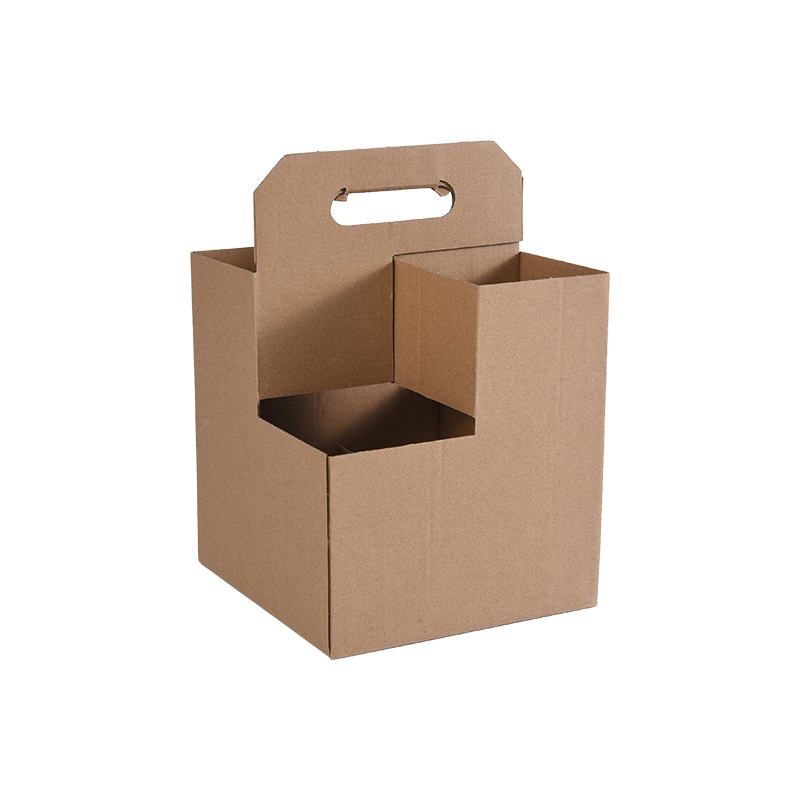 Kraft Cup Drink Carrier with Handles
-
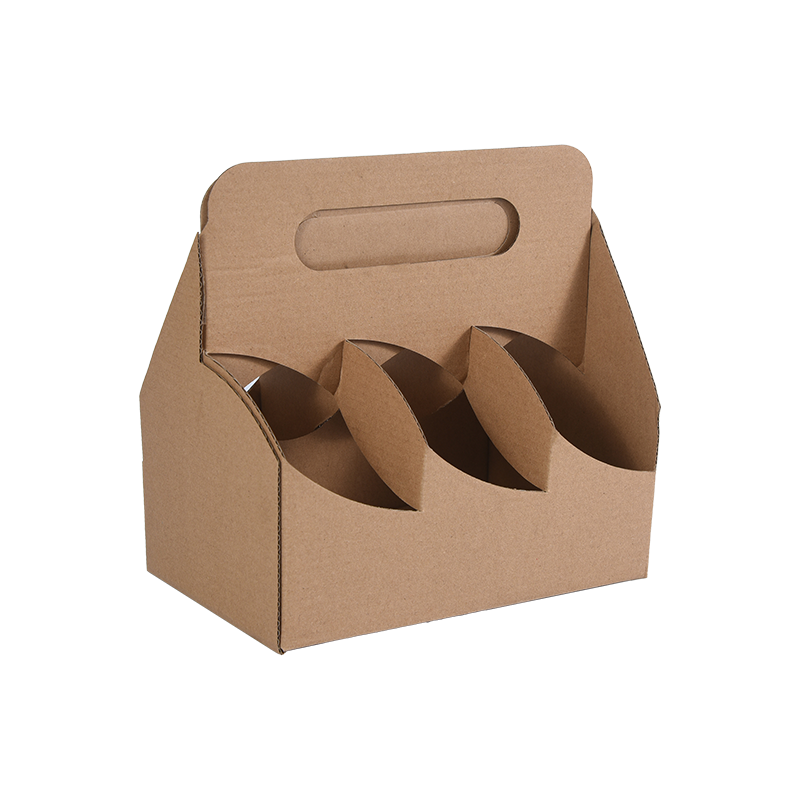 Kraft Beverage Carrier with Handles (6 to 8 Bottles or Cans)
-
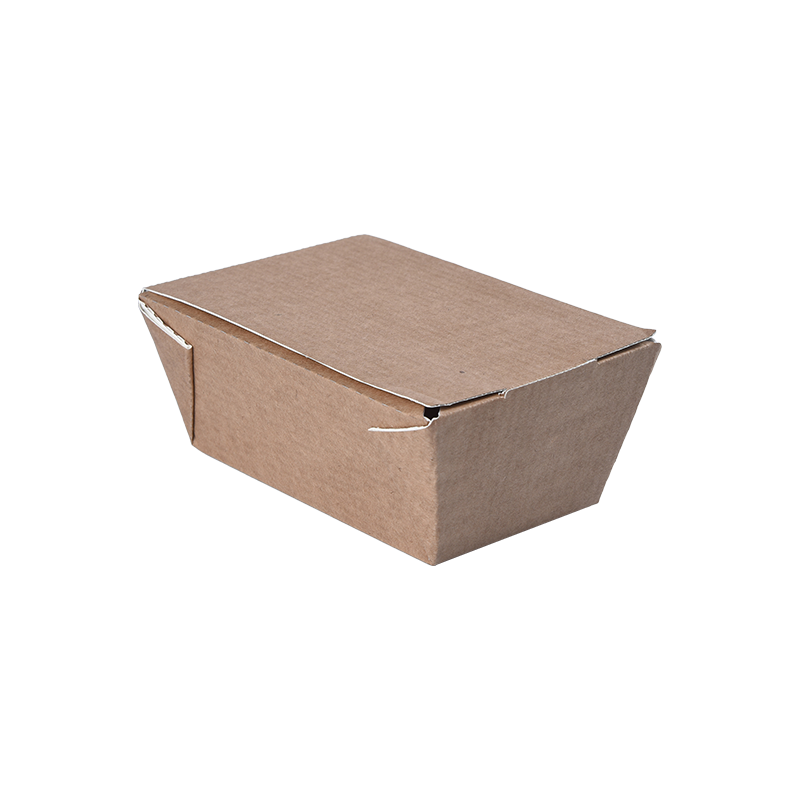 Corrugated Kraft Cardboard Lunch Boxes
-
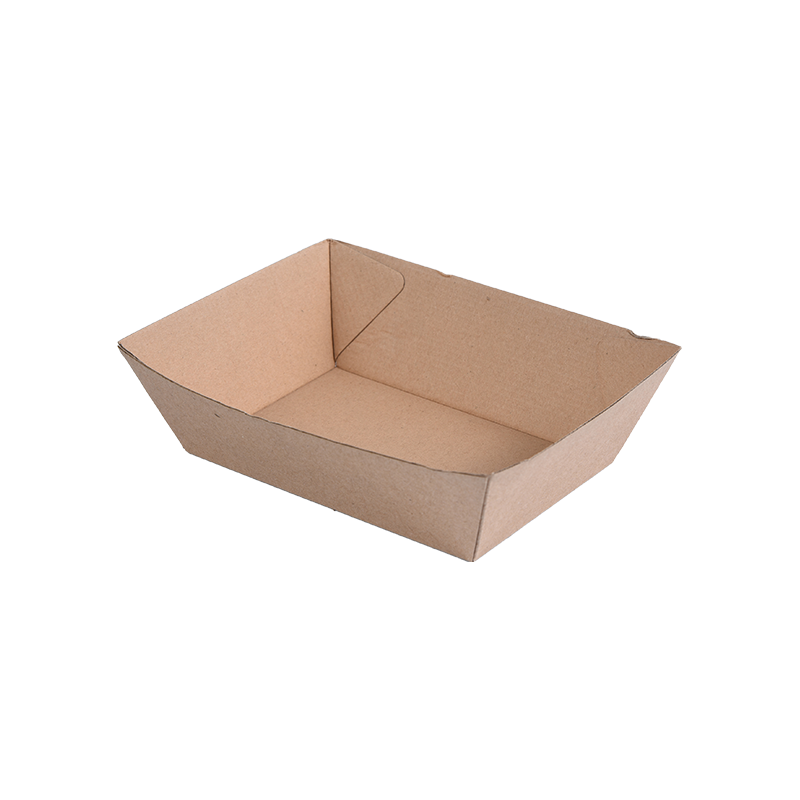 Disposable Rectangular Corrugated Paper Food Trays
-
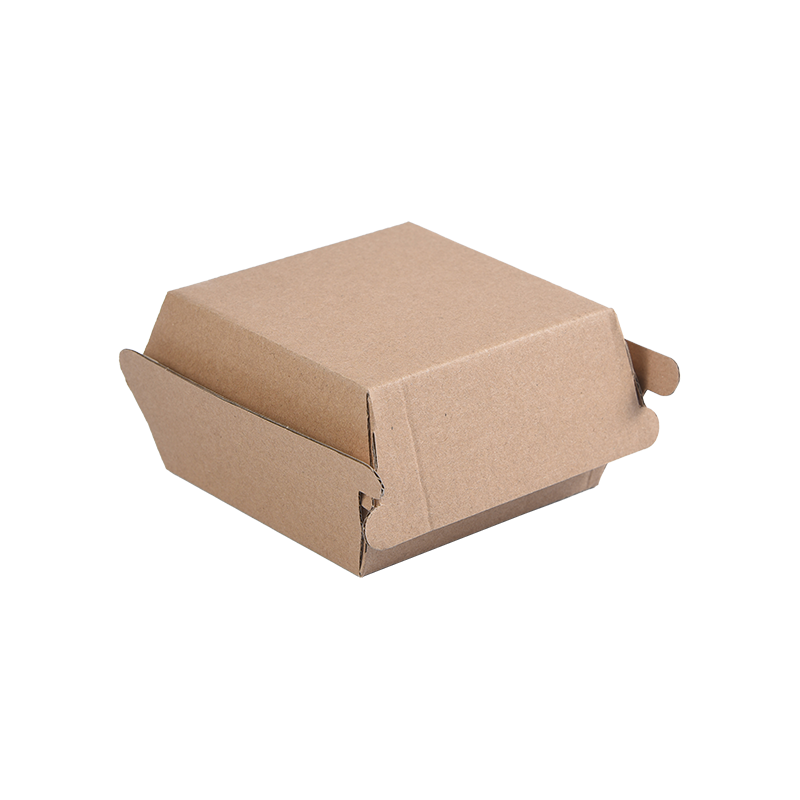 Restaurantware Corrugated Paper Burger Box
How Big Is an 8 Ounce Cup? Real Dimensions, Capacity and Everyday Uses
Order a small coffee at the counter and there is a good chance it arrives in an 8 ounce cup. It is one of the most common sizes in foodservice: small enough to be a comfortable single serving, large enough to feel like a real drink. Yet when buyers sit down to spec packaging, the question that keeps coming back is surprisingly basic: how big is an 8 ounce cup, really?
The short answer is that it holds 8 US fluid ounces, which is about 237 millilitres, or roughly one American measuring cup. The longer answer involves diameter, height, taper and wall thickness, because those details decide whether a lid seals properly, whether a sleeve fits, and whether the cup looks right in a customer's hand. Having produced paper cups, bowls and carriers for years, this is how we usually explain it to our own clients.
What 8 Ounces Actually Means
An 8 ounce cup measures volume, not weight. In the US customary system, 8 fluid ounces equals one cup, half a pint, or 236.6 millilitres, which most suppliers round to 237 ml on a specification sheet. In metric markets the same physical cup is often listed as 230 ml or 240 ml, and those two figures usually describe an identical product.
Confusion creeps in because "ounce" also measures weight. A cup of water weighs 8 ounces, but a cup of flour weighs closer to 4.25 ounces, and a cup of granola weighs less again. When a packaging supplier lists an "8 oz cup", it always refers to fluid ounces of liquid capacity. The dry weight of whatever you serve inside does not change the cup itself.
Standard Dimensions of an 8 Ounce Paper Cup
Capacity tells you the volume; dimensions tell you whether the cup will actually work in your operation. A typical 8 ounce hot cup is roughly 3.1 inches (80 mm) across the top, 2.2 inches (56 mm) across the base, and 3.5 to 3.7 inches (90 to 93 mm) tall. Cold cups of the same volume tend to be a little wider and a little shorter, with a different rim profile to take a dome or straw lid.
An 8 ounce bowl-style container, the kind used for soup, chili or ice cream, looks quite different. It trades height for width, usually measuring around 4 inches across and 2 inches deep, which gives a spoon room to work and lets heat escape more gently.
| Nominal size | Volume | Top diameter | Typical height | Common use |
|---|---|---|---|---|
| 4 oz | 118 ml | 2.4 in / 60 mm | 2.4 in / 60 mm | Espresso, samples, sauces |
| 8 oz | 237 ml | 3.1 in / 80 mm | 3.6 in / 92 mm | Small coffee, tea, soup, ice cream |
| 12 oz | 355 ml | 3.5 in / 90 mm | 4.3 in / 110 mm | Regular coffee, side portions |
| 16 oz | 473 ml | 3.5 to 3.7 in | 5.1 in / 130 mm | Large coffee, cold drinks |
| 20 oz | 591 ml | 3.5 to 3.8 in | 5.9 in / 150 mm | Iced drinks, long sodas |
Those numbers explain why the same 8 ounces can feel generous in one format and dainty in another. A tall, narrow cup reads as a beverage. A wide, shallow bowl reads as a portion of food, even though the volume on paper is identical.
How Big Is an 8 Ounce Cup in Everyday Terms
Numbers on a spec sheet are useful, but most people need a mental picture. Here are the comparisons we find land best with clients and their staff:
- A standard measuring cup from a home kitchen, filled to the brim.
- About two thirds of the volume of a 12 ounce soda can.
- Half a US pint of milk, or a single ladle of soup at a deli counter.
- Roughly two standard scoops of ice cream before melting.
- Fits comfortably in one hand, with fingers wrapped around the middle.
Put another way, an 8 ounce cup is the size of a modest coffee, a side of broth, or a children's portion of dessert. It is rarely the largest item on a menu and rarely the smallest.
Does Shape Change How Much Actually Fits?
Why does the same 8 ounce cup seem to hold different amounts on different days? Headroom is the main reason. Baristas usually leave half an inch to three quarters of an inch below the rim to avoid spills, so an 8 ounce cup often serves 6 to 7 ounces of drink. Add ice and the liquid volume drops again; an 8 ounce iced drink may contain only 4 to 5 ounces of actual beverage once the cubes go in.
Taper matters as well. A tapered cup nests and stacks efficiently and releases from a dispenser smoothly, but the usable volume close to the base is smaller than a straight-walled cup of the same nominal capacity. Wall thickness and the coating also nibble at the interior space. In practice, two 8 ounce cups from different suppliers can look identical on the outside and behave quite differently at the fill line.
Matching the 8 Ounce Size to Your Menu
In foodservice, the 8 ounce format shows up in four predictable places. The first is the café counter, where it serves as the small espresso or filter coffee. The second is the soup and deli station, where an 8 ounce bowl is the standard single portion for broth, chili or chowder. The third is the dessert cabinet, where the same volume becomes ice cream, mousse or pudding. The fourth is the children's menu and the side dish, where a smaller portion is exactly the point.
For soup and other hot, wet foods, a bowl-shaped container with a reliable coating does most of the work. Our
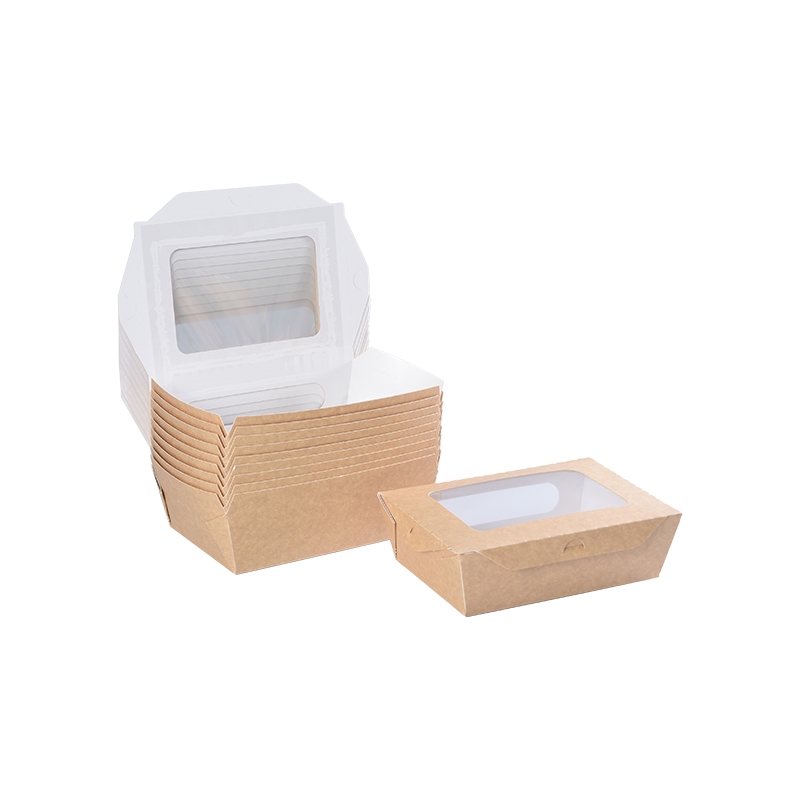 Double Poly-Coated Takeaway Paper BowlsDouble poly-coated paperboard bowls for hot, wet deli takeaway foods, available in 12, 16, and 24 oz sizes with a rolled rim.View Product →
is the format many of our deli customers come back for, because the double coating handles both heat and a spoon scraping the base.
Hot drinks are a different problem. An 8 ounce cup is small enough that the heat reaches the fingers quickly, which is why this is the size where a sleeve earns its place. We go deeper into the branding side of that in our guide to custom paper cup sleeves, but the practical point is simple: a sleeve makes a small cup comfortable and turns blank space into a second printing surface.
A sleeve also solves the fit question, since it wraps whatever taper the cup happens to have. Our
 Recyclable Custom Paper Cup SleevesRecyclable paper cup sleeves in custom designs, offered in models for 8 oz and 10–20 oz cups, with insulating paper construction for coffee shops.View Product →
is cut to sit snugly on standard 8 to 16 ounce hot cups without slipping.
Finally, consider how the drink travels. Small cups are often sold in pairs or fours, and a flimsy tray undoes every careful decision made upstream. A moulded or foldable tray keeps 8 ounce cups upright in a delivery bag and gives the customer one clean object to carry. Our
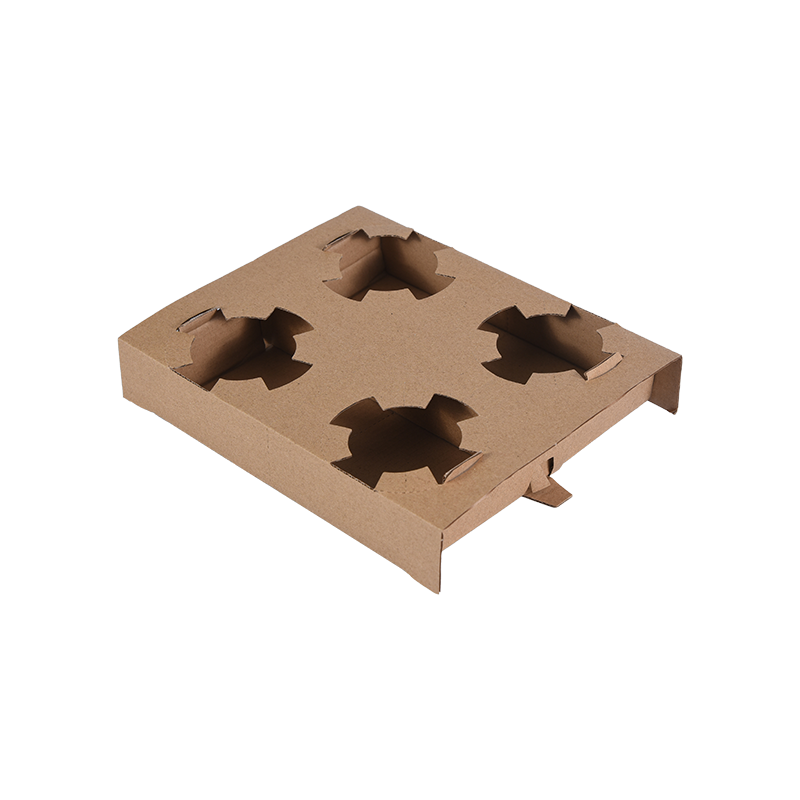 Foldable 4-Cup Takeaway Drink TrayFoldable, stackable tray holding up to four 8–32 oz hot or cold drinks, designed for takeaway, coffee shops, festivals, and events.View Product →
is designed for exactly that job, hot or cold, and folds flat for storage behind the counter.
A Quick Buying Checklist for 8 Ounce Cups
Once you know the volume you need, the rest of the specification is about consistency. These are the points we walk through with every buyer before an order is confirmed:
- Rim diameter and lid compatibility. An 80 mm rim is common for 8 ounce hot cups, but not universal, so always confirm against the lid you intend to use.
- Board weight and coating. Polyethylene handles hot liquids well, PLA suits cold drinks and compostable claims, and aqueous coatings are worth considering for dry or short-contact foods.
- Taper and sleeve fit. A cup that is too tapered will not hold a sleeve in place, and one that is too straight stacks poorly in a dispenser.
- Case pack and storage. Smaller cups mean more units per case; check that the count matches your shelf space and par levels.
- Print area. An 8 ounce cup has noticeably less printable surface than a 16 ounce one, so keep artwork simple and test the logo at final size.
- Real-world trial. Fill, lid, shake and carry a sample before committing to a full run.
If you also serve salads, sides or cold desserts in the same size bracket, it is worth looking at our paper bowls range alongside the cup line, so lids, sleeves and carriers can be standardised across the menu.
Bringing It Back to the Simple Answer
An 8 ounce cup holds 237 millilitres, stands around 3.6 inches tall, and measures roughly 3.1 inches across the rim in its most common hot-cup form. Those three figures are all most people need. Everything else, from taper to coating to the lid that actually clicks into place, is detail that determines whether the cup works day after day behind the counter.
If you are weighing up formats for a new menu item or refreshing packaging across several sites, send us the drink or dish you have in mind and the volume you expect to serve. Matching the cup to the food is far easier than making the food fit the cup.
-
How Big Is an 8 Ounce Cup? Real Dimensions, Capacity and Everyday Uses
Order a small coffee at the counter and there is a good chance it arrives in an 8 ounce cup. It is ...
-
How Big Is a 5 oz Container? Dimensions, Capacity, and Common Food Uses
A 5 oz container holds about 148 ml. In paper food packaging that usually means a small tray or boa...
-
Chinese Food Container Sizes Explained: Measurements in Pints & Quarts
If you have ever ordered Chinese takeout, you have probably held one of those folded paper pails wi...
-
How Are Paper Bags Made? The Complete Kraft Paper Manufacturing Process
Paper bags are one of those everyday objects we rarely stop to think about — until we watch one bei...
-
how to carry cupcakes: Applications, Selection Criteria, and Practical Guidance
Freshly baked cupcakes are hard to resist, but they are even harder to carry. A light bump can send...
-
How to Make a Paper Lunch Box: DIY Folding & Commercial Manufacturing Guide
A paper lunch box is one of those everyday objects that seems too simple to think about — until you...
 Building 4, Leyin Industrial Park ,No. 330 Qianchun Avenue, Zhanqi Town, Yinzhou District, Ningbo, China
 +86-574-82813668

 Instagram
Copyright © Ningbo Shuohui New Material Technology Co., Ltd. Rights Reserved.
 Custom Disposable Paper Food Packaging Manufacturers