


 English
 Español
-
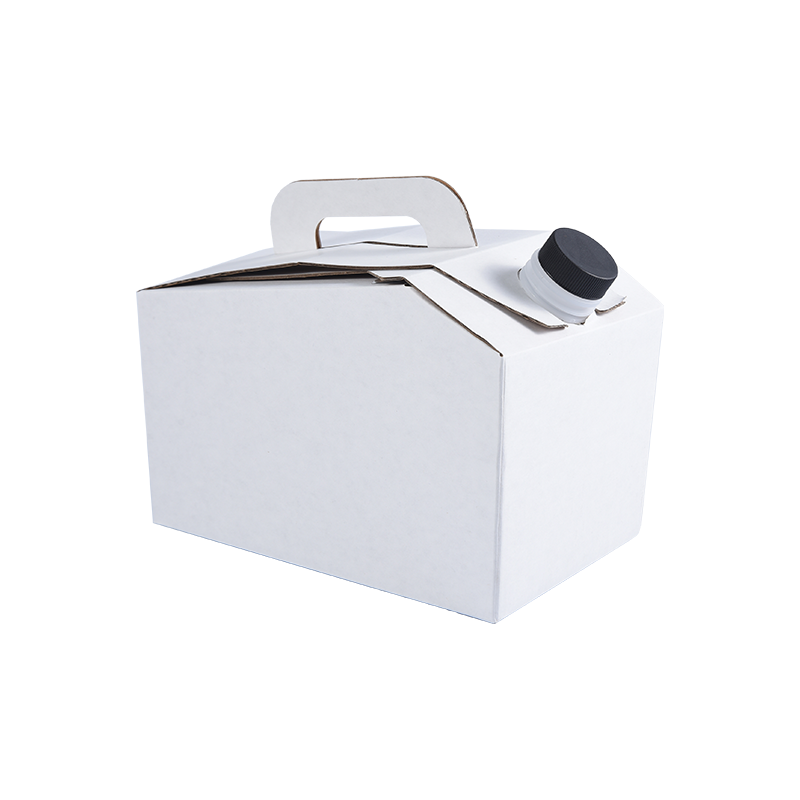 96oz Kraft Coffee/Drink to Go Container/Coffee Carrier Box
-
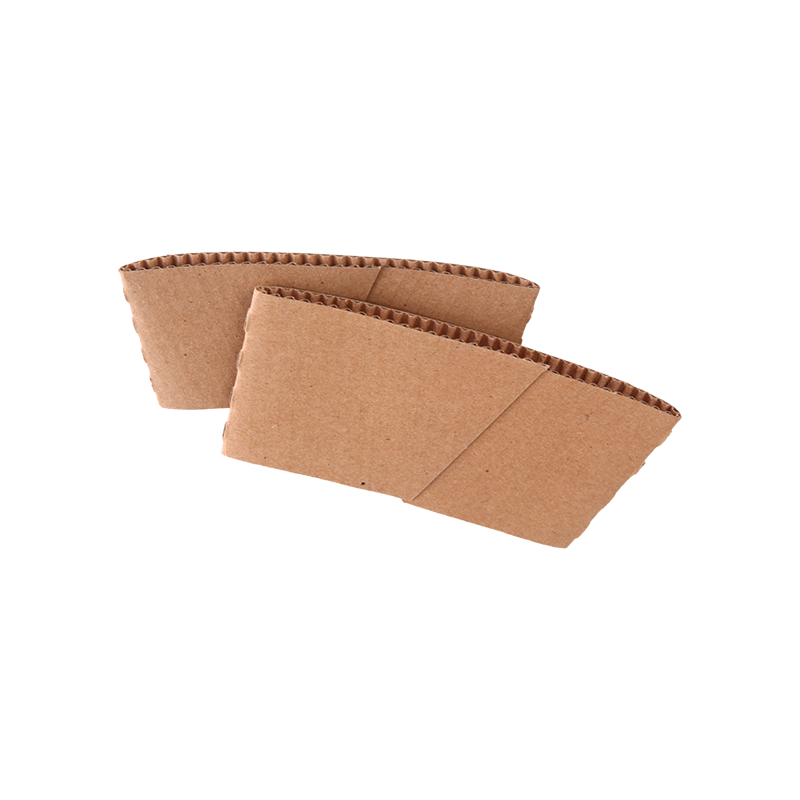 Recyclable Paper Cup Holder Sleeves
-
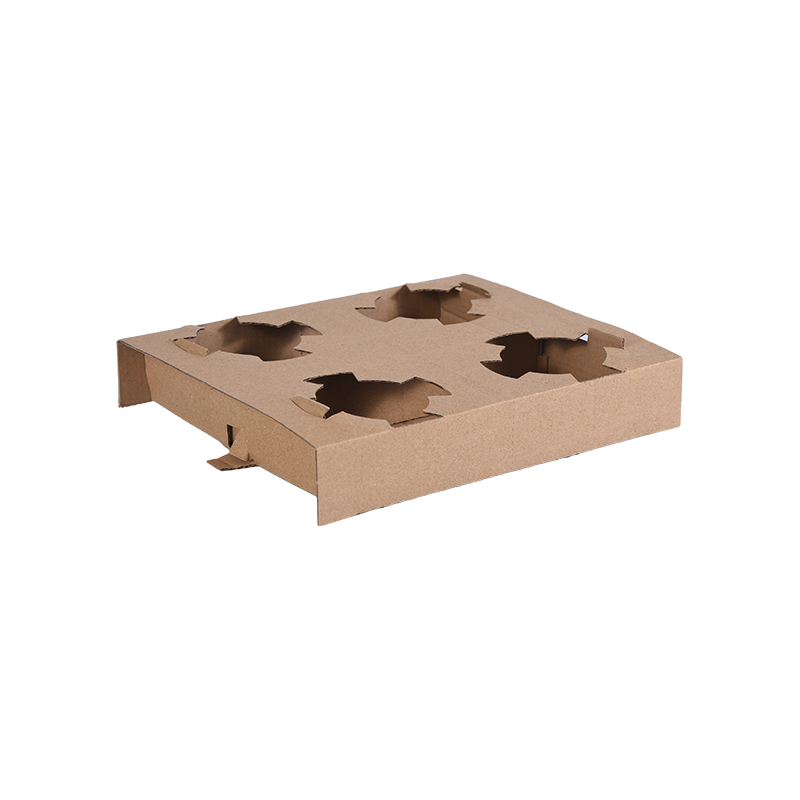 4 Cup Tray Holders for Hot & Cold Drinks – Foldable, Durable, and Cup Carrier for Takeaway, Festivals, Coffee Shops & Events
-
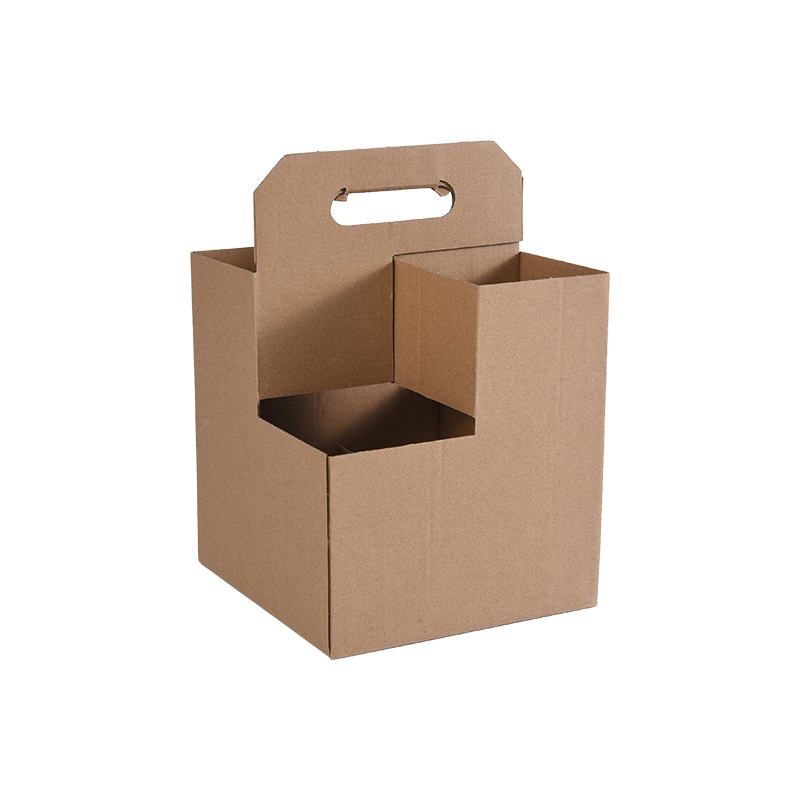 Kraft Cup Drink Carrier with Handles
-
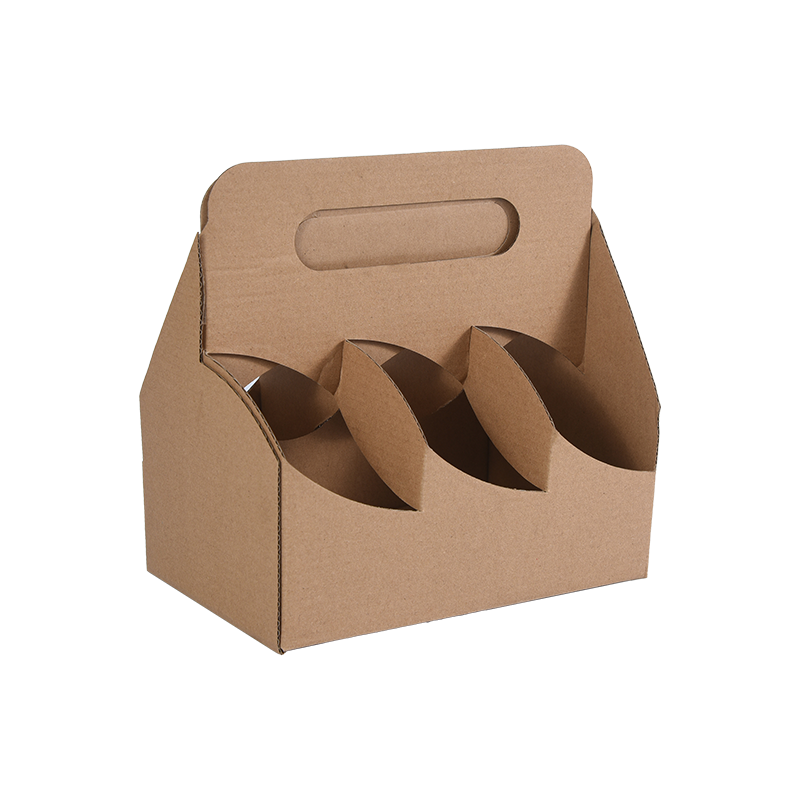 Kraft Beverage Carrier with Handles (6 to 8 Bottles or Cans)
-
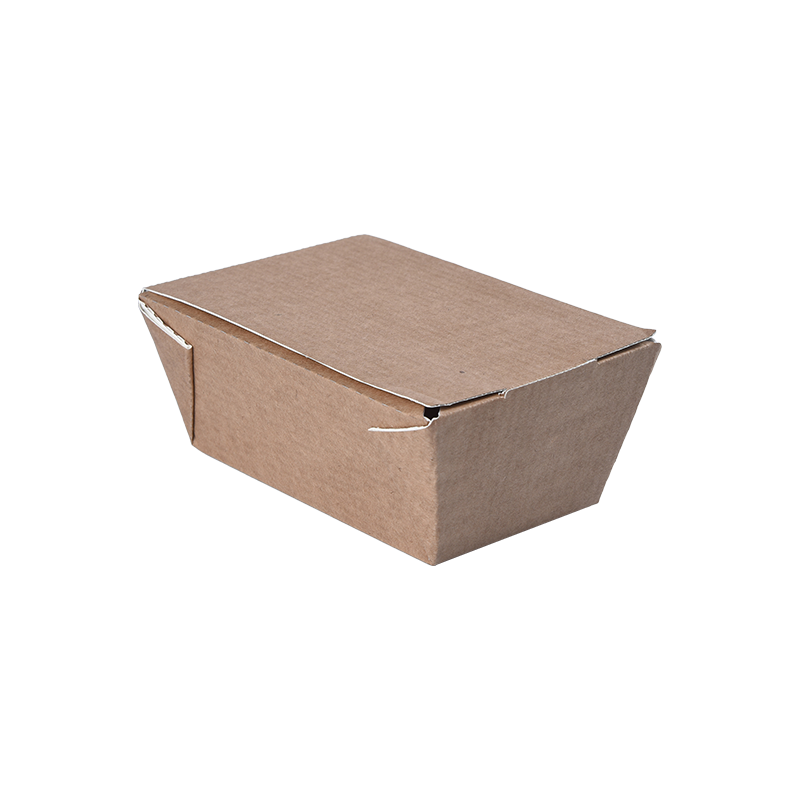 Corrugated Kraft Cardboard Lunch Boxes
-
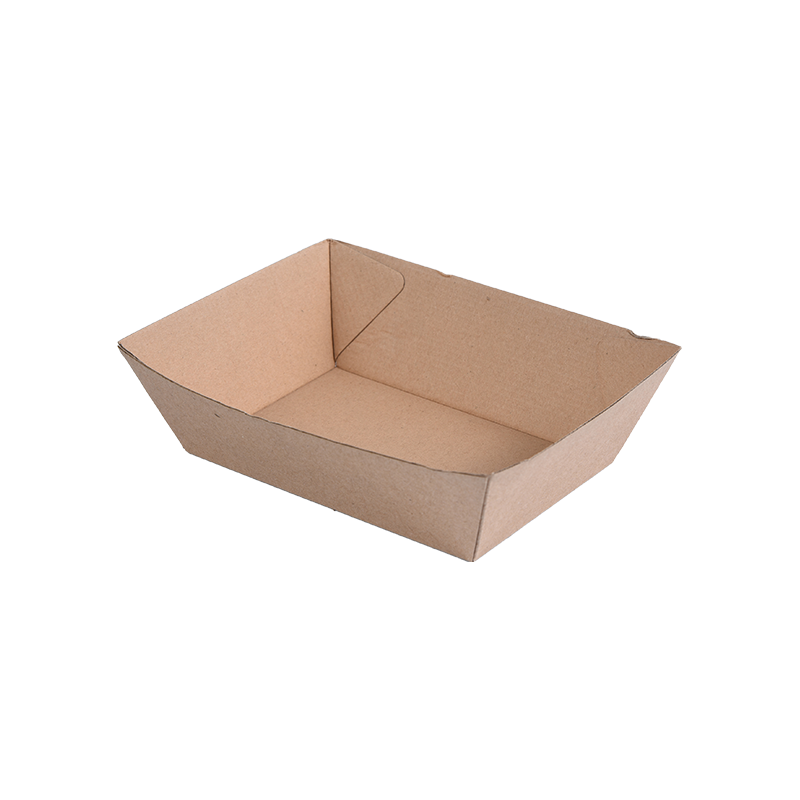 Disposable Rectangular Corrugated Paper Food Trays
-
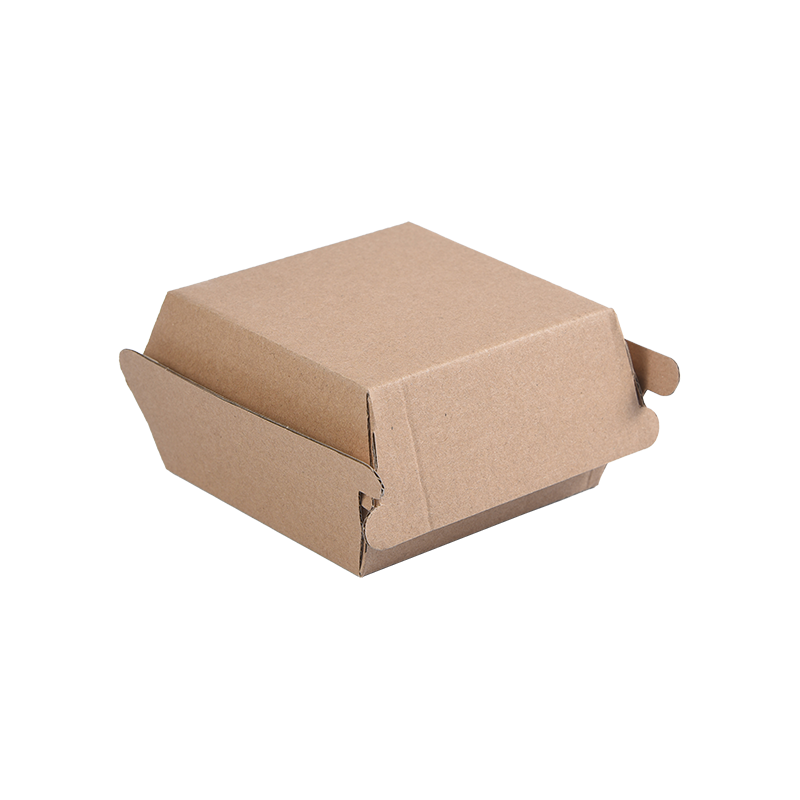 Restaurantware Corrugated Paper Burger Box
How Big Is a 5 oz Container? Dimensions, Capacity, and Common Food Uses
A 5 oz container holds about 148 ml. In paper food packaging that usually means a small tray or boat measuring roughly 5.5 x 3.5 x 1.5 inches, or a small tub about 2.5 inches across and 2.3 inches tall. Exact figures move by a few millimetres between suppliers and material thicknesses, but almost every 5 oz format on the market lands in that same small, palm-sized neighbourhood.
If you are matching a menu item to packaging, the more useful question is not only "how big is it" but "how much food actually goes in before it spills." The notes below cover both, along with the trade-offs we see most often when cafes, bakeries and takeaway kitchens move a side dish or a dessert into a 5 oz format.
What the "5 oz" Label Is Really Telling You
The first thing to untangle is that 5 oz can describe two different things, and the difference matters when you order.
- Fluid ounces, meaning volume. This is what most cups, trays, bowls and tubs use. Five US fluid ounces equals 147.9 ml, normally rounded to 148 ml. A 5 oz cup and a 5 oz tray hold the same volume even though they look wildly different.
- Net weight ounces, meaning mass. This appears more often on bakery and deli packaging. Five ounces of product weighs 142 grams regardless of how much space it takes up, so a 5 oz brownie box and a 5 oz tub of sauce are not the same footprint at all.
There is also the gap between nominal and usable capacity. Container capacities are measured to the brim with no lid and no headspace. Once you allow a 10 to 15 percent margin so that food does not slosh over the edge, a 5 oz tray realistically carries about 4.2 to 4.5 oz of product. That margin is the reason a "5 oz" tray feels smaller in the hand than the number suggests.
Typical Dimensions of Common 5 oz Containers
The table below shows the shape families we produce and quote most often at this size. Treat the numbers as a planning range rather than a fixed standard, and always ask for a spec sheet before you print a menu or a label around them.
| Container style | Typical top size | Typical height | Nominal capacity | Common uses |
|---|---|---|---|---|
| Paper food tray or boat | 5.5 x 3.5 in / 14 x 9 cm | 1.5 to 1.75 in / 4 cm | 5 fl oz / 148 ml | Fries, nachos, small sides, sampler portions |
| Paper cup or tub | 2.4 to 2.6 in top diameter / 6 cm | 2.2 to 2.5 in / 6 cm | 5 fl oz / 148 ml | Dips, sauces, one scoop of ice cream, tasting samples |
| Round paper bowl | 3.5 to 4 in top diameter / 9 to 10 cm | 1.5 in / 4 cm | 5 fl oz / 148 ml | Small side salad, soup sample, rice or grain side |
| Mini hinged clamshell | 4.5 x 4.5 in / 11 x 11 cm | 1.5 in / 4 cm | 5 fl oz / 148 ml | Slider, single pastry, small dessert |
| Kraft portion or cake box | 3.7 x 3.7 in / 9.5 x 9.5 cm | 1.6 in / 4 cm | 5 oz fill weight / 142 g | Cake slice, brownie, cookies, truffles |
5 oz in Everyday Terms
Numbers on a spec sheet are hard to picture, so here are the conversions our customers find easiest to work with when they are sketching a menu:
- 148 ml, or 5 US fluid ounces
- About 0.6 of a US cup, roughly five eighths
- 10 level tablespoons, or 30 teaspoons
- 142 grams if the label refers to weight rather than volume
- Roughly a deck of cards in footprint, and about two thirds the height of a standard soda can
Put another way, a 5 oz container is a portion size, not a meal size. It is the format you reach for when the food is an accompaniment, a sample, or a single sweet item rather than the main event.
How Much Food Actually Fits
Volume is only half the story, because the shape of the food decides how efficiently the space is used. These are the fills that work consistently well in a 5 oz format:
- French fries or potato wedges: a small single portion, around 60 to 80 g, sits comfortably below the rim so the tray still stacks.
- Nachos or loaded fries: enough for a sharing starter only if the toppings go on at service; pre-loaded trays need to stay under the fill line.
- Dips and sauces: one to two tablespoons short of the brim is the practical limit once a lid is involved.
- Small side salad: 50 to 70 g of leaves and dressing, ideally with the dressing in a separate mini tub.
- Bakery portions: a single cake slice, one brownie, two or three cookies, or a handful of truffles.
- Ice cream and frozen desserts: one standard scoop plus a little headroom for melting.
Two practical warning signs are worth remembering. First, a 5 oz tray filled to the very top cannot be stacked or lidded, which costs you space in the delivery bag. Second, greasy or saucy foods need a coated board rather than an uncoated kraft surface, otherwise the base softens long before the customer opens the box.
How 5 oz Compares With Other Common Sizes
Buyers often arrive asking about 5 oz when a neighbouring size would serve them better, so it helps to see the family together:
- 2 to 3 oz: condiment, tasting spoon, single truffle, sauce dip.
- 4 oz: small side, small soup, half-portion dessert.
- 5 oz: the smallest size that still reads as a real portion; fries, sides, single-slice bakery.
- 8 oz: a full side dish, a salad for one, a slice of pie with room to spare.
- 12 to 16 oz: main courses, noodle boxes, loaded bowls.
As a rule of thumb, if the item is meant to be eaten with a fork as a course on its own, move up to 8 oz. If it sits beside the main dish or is eaten in two or three bites, 5 oz is the sweet spot.
Choosing a 5 oz Container for Your Menu
Size is the easy part. The harder decisions are the ones that affect how the food arrives at the table: board weight, coating, and how the container behaves once it is full.
For hot, oily or saucy items, a coated board tray keeps its shape for the length of a normal delivery run. For dry items such as pastries, chips or cookies, uncoated kraft is usually enough and gives the natural look many brands prefer. If the same container is used across several dishes, choose the coating that satisfies the messiest one, because a container that only just copes with a dry item will fail on a greasy one.
Our leak-proof food trays are the format we most often recommend for a 5 oz side of fries or a small saucy portion, since the pressed corners hold together better than a simple folded boat. You can see how the coating and board weight affect performance in practice in this guide on how paper food trays improve convenience for fast food and takeaway.
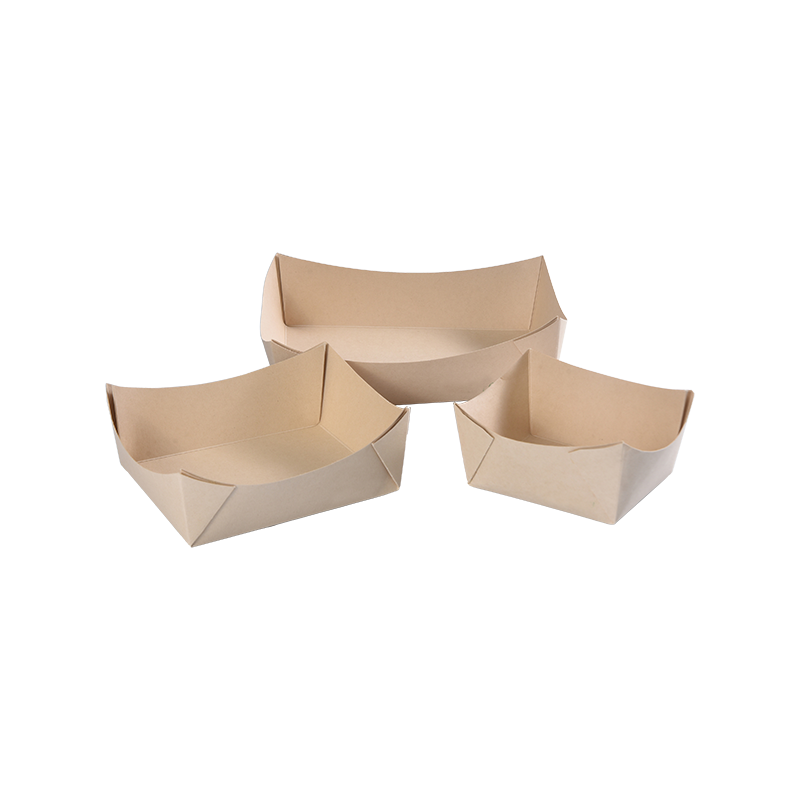 Custom Leak-Proof Paper Food TraysCustomizable leak-proof paper food trays with PE lining and glued corners, offered in three sizes for saucy takeaway portions and small sides.View Product →
Bakery and dessert counters have a slightly different problem: the container needs to look presentable on the shelf as well as protect the product. A small kraft portion box in the 3.7 inch range handles a cake slice or a brownie neatly, and the flat lid means several boxes can be stacked in a display case without crushing what is inside.
 Brown Kraft Small Cake Boxes with PET WindowSmall brown kraft bakery boxes with a clear PET window, suited to cake portions, cookies, brownies and gifts, with visible contents for display.View Product →
Three checks before you place an order
- Fill a sample to the level you intend to serve, then walk it across the room and back. If it moves, the size is wrong.
- Confirm whether the 5 oz figure refers to volume or fill weight, and match it to your portion scale.
- Check the packed dimensions, not just the container dimensions, so cartons and delivery bags still close.
Questions We Hear Most
Is a 5 oz container the same as a 5 oz cup?
In volume, yes. Both hold about 148 ml. In shape they are completely different, so a cup will not fit where a tray fits, even though the capacity matches.
Can a 5 oz paper container hold hot food?
It can, provided the board and coating are specified for hot service. Uncoated kraft will soften quickly under hot, moist food, while a PE or PLA coated board holds up far better. Very hot foods with a lot of liquid are still better suited to a slightly larger bowl so there is room to vent.
How do I measure my own container to check?
Measure the top opening across its widest point, the base, and the inside depth. Then fill with water to the level you would fill with food and weigh it: one gram of water equals one millilitre, so 148 g means you have a genuine 5 oz usable capacity.
A 5 oz container is small, and that is its whole value. It lets you serve a side, a sample or a single dessert without over-portioning, without wasting packaging, and without the food arriving in a container that looks half empty. Get the shape and coating right, and the size almost looks after itself.
If you are still deciding between a tray, a bowl or a portion box for a particular dish, you are welcome to browse our paper food container range or send us the portion weight and we will tell you honestly which format fits it best.
-
How Big Is an 8 Ounce Cup? Real Dimensions, Capacity and Everyday Uses
Order a small coffee at the counter and there is a good chance it arrives in an 8 ounce cup. It is ...
-
How Big Is a 5 oz Container? Dimensions, Capacity, and Common Food Uses
A 5 oz container holds about 148 ml. In paper food packaging that usually means a small tray or boa...
-
Chinese Food Container Sizes Explained: Measurements in Pints & Quarts
If you have ever ordered Chinese takeout, you have probably held one of those folded paper pails wi...
-
How Are Paper Bags Made? The Complete Kraft Paper Manufacturing Process
Paper bags are one of those everyday objects we rarely stop to think about — until we watch one bei...
-
how to carry cupcakes: Applications, Selection Criteria, and Practical Guidance
Freshly baked cupcakes are hard to resist, but they are even harder to carry. A light bump can send...
-
How to Make a Paper Lunch Box: DIY Folding & Commercial Manufacturing Guide
A paper lunch box is one of those everyday objects that seems too simple to think about — until you...
 Building 4, Leyin Industrial Park ,No. 330 Qianchun Avenue, Zhanqi Town, Yinzhou District, Ningbo, China
 +86-574-82813668

 Instagram
Copyright © Ningbo Shuohui New Material Technology Co., Ltd. Rights Reserved.
 Custom Disposable Paper Food Packaging Manufacturers