


 English
 Español
-
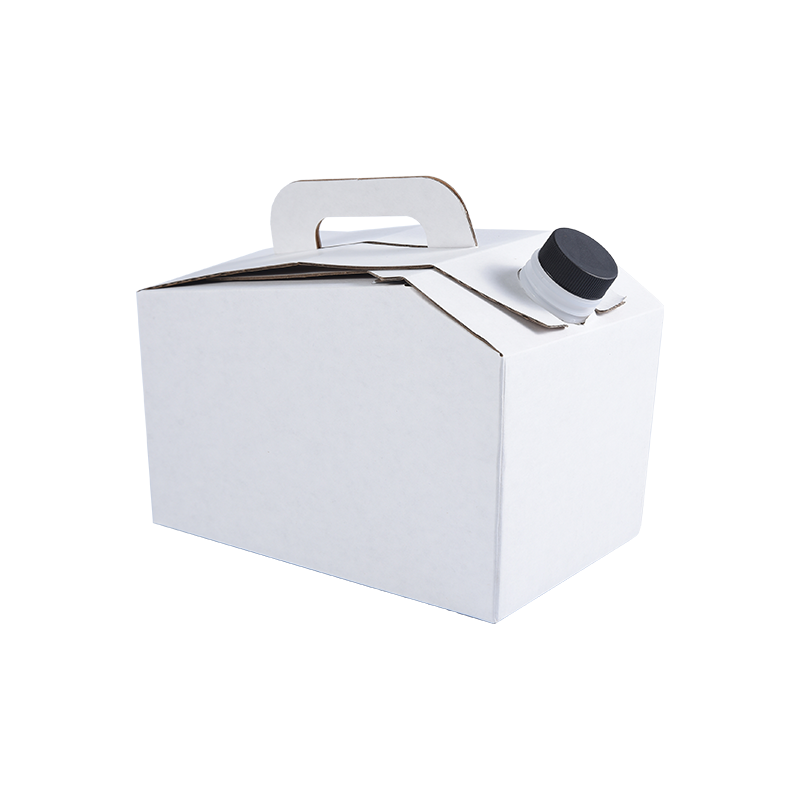 96oz Kraft Coffee/Drink to Go Container/Coffee Carrier Box
-
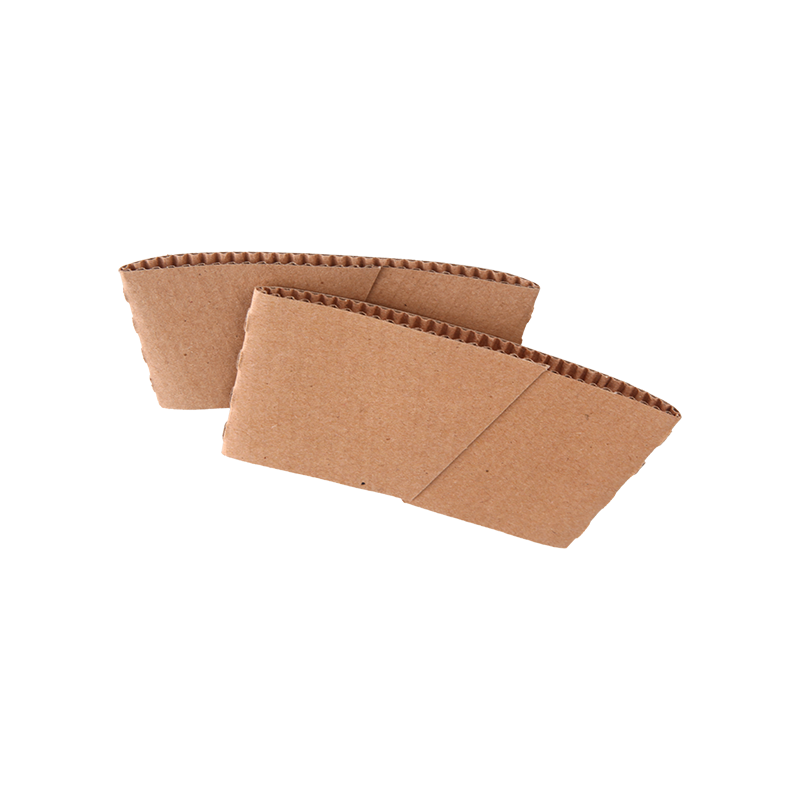 Recyclable Paper Cup Holder Sleeves
-
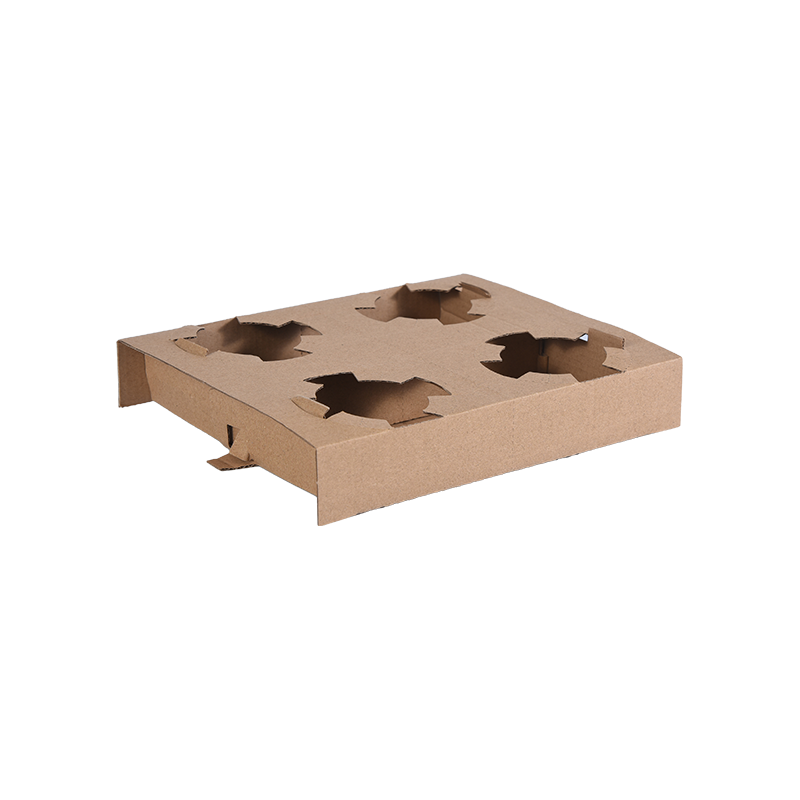 4 Cup Tray Holders for Hot & Cold Drinks – Foldable, Durable, and Cup Carrier for Takeaway, Festivals, Coffee Shops & Events
-
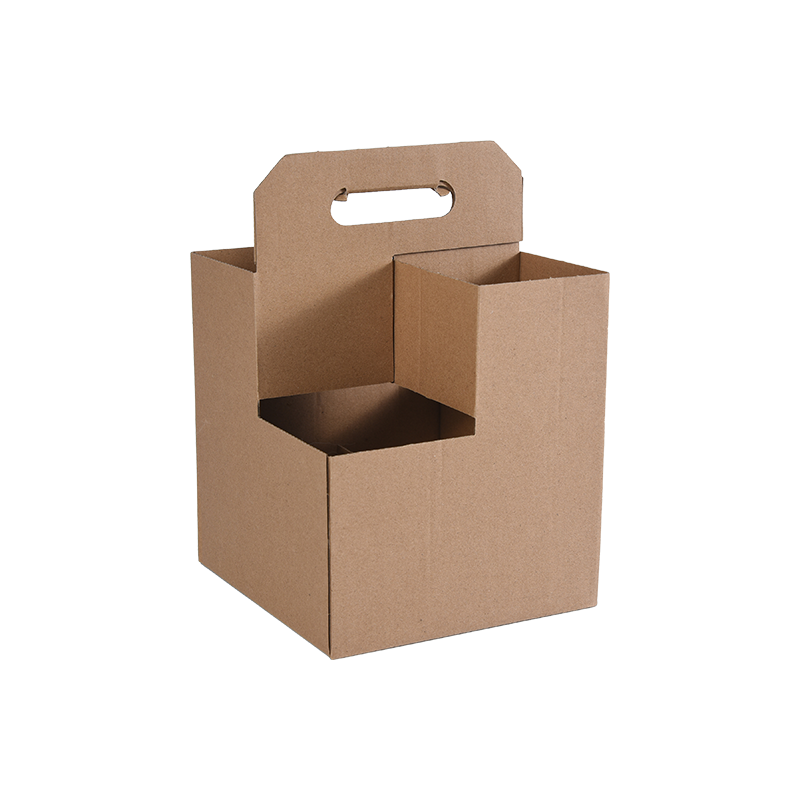 Kraft Cup Drink Carrier with Handles
-
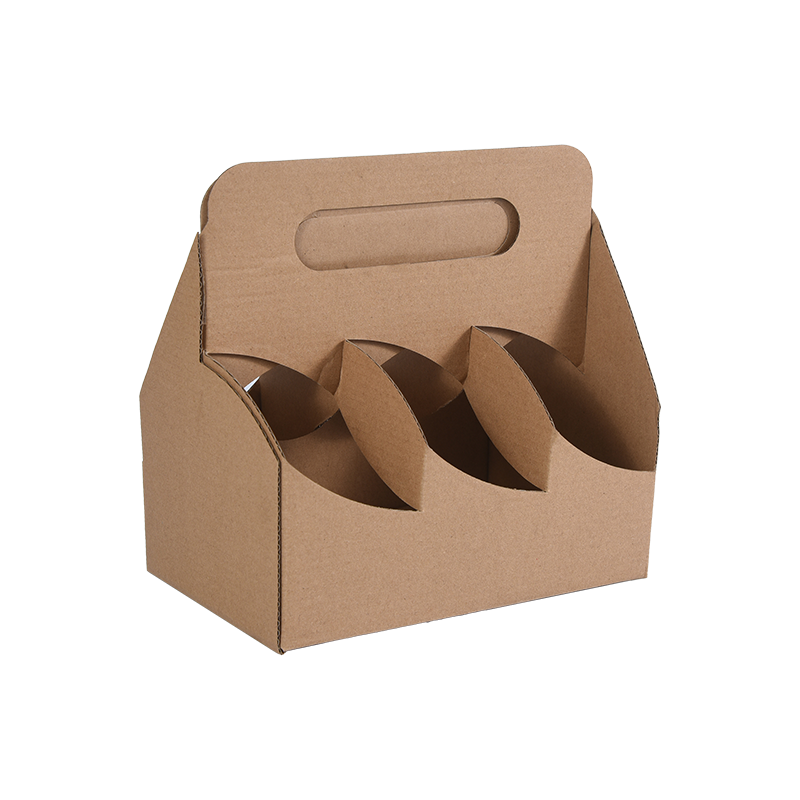 Kraft Beverage Carrier with Handles (6 to 8 Bottles or Cans)
-
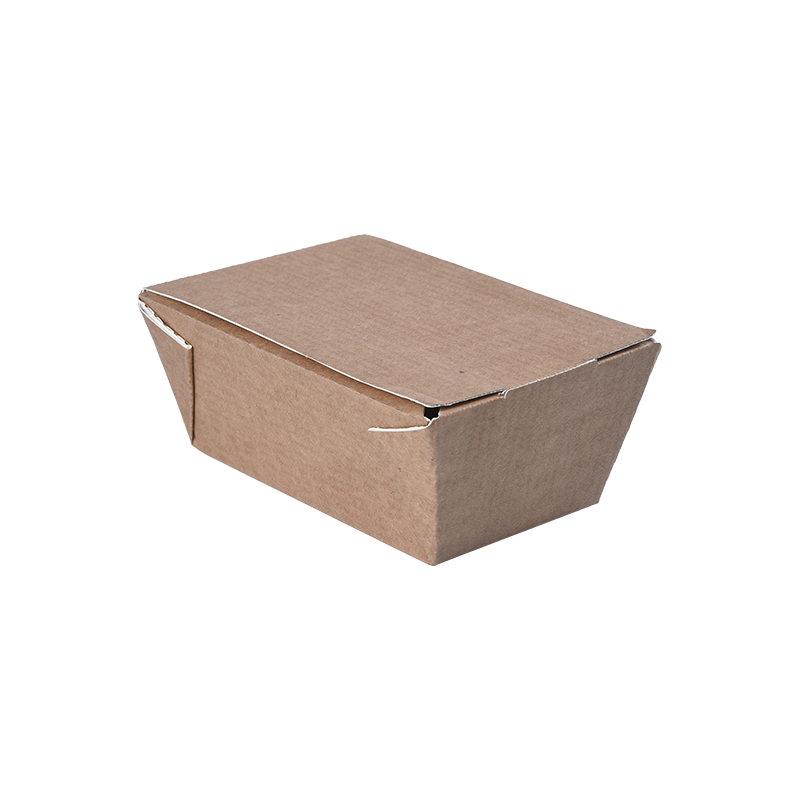 Corrugated Kraft Cardboard Lunch Boxes
-
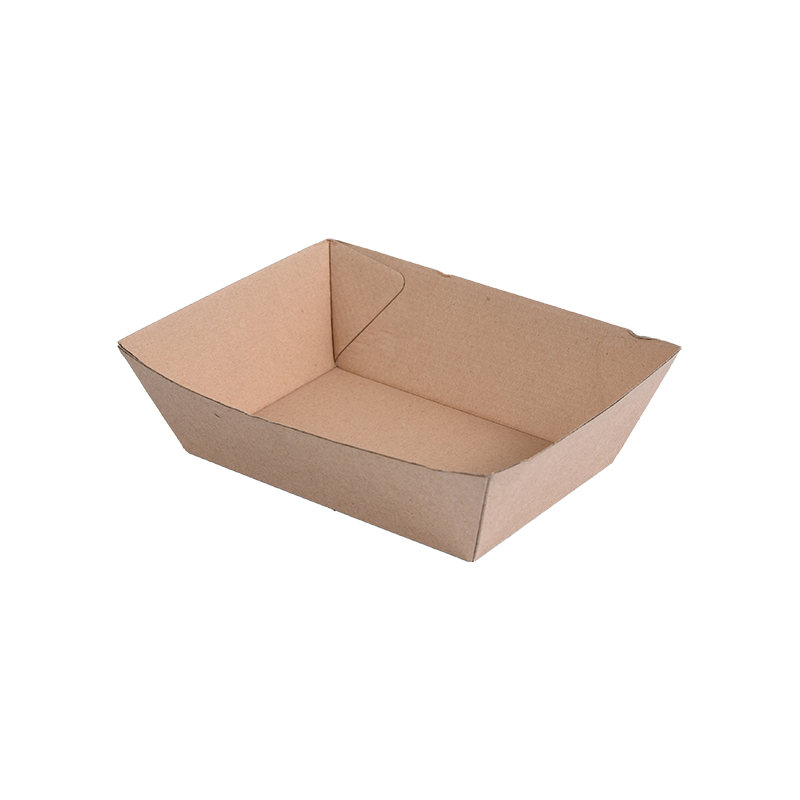 Disposable Rectangular Corrugated Paper Food Trays
-
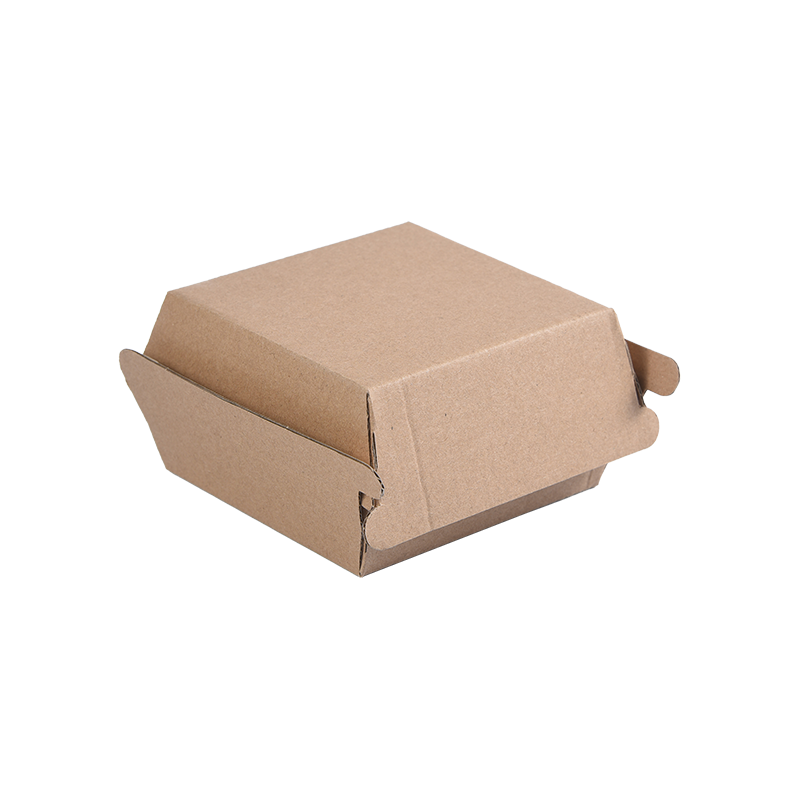 Restaurantware Corrugated Paper Burger Box
A Practical Guide to Corrugated Food Trays: Materials, Flute Types, and Sourcing
At a busy concession stand, the tray under a loaded fish basket has to do more than look presentable. It has to hold heat, resist grease, survive a short wait, and feel light enough for a customer to carry one-handed. That is the basic job of a corrugated food tray, sometimes called a cardboard serving tray. When the board quality, flute type, and coating are matched to the food being served, a corrugated food tray is one of the most practical packaging choices in foodservice.
For most operators, the right buy is a food-grade corrugated tray with a moisture barrier, enough flute strength for the portion weight, and recyclable construction. Everything else comes down to sizing, branding, and sourcing.
What Exactly Is a Corrugated Food Tray?
A corrugated food tray is made from three layers: a top liner, a fluted middle layer, and a bottom liner. The arched flutes give the tray stiffness without adding much weight. Because the flutes are hollow, they also trap air, which helps separate hot food from the counter or table.
This structure sets corrugated trays apart from single-ply paperboard trays or foam plates. A thin paperboard tray bends too easily under a heavy portion, while a corrugated tray keeps its shape. That is why corrugated food trays work well for loaded fries, barbecue plates, fish-and-chip service, tasting platters, and other food that needs a broad, stable base.
Benefits That Matter in Daily Foodservice
Corrugated trays are not exotic products, but their performance depends heavily on how they are specified. Get the material right and they become a reliable part of service. Get it wrong and they can turn into soggy, collapsing mistakes.
Strength Without Unnecessary Weight
A well-made corrugated tray can hold a full entrée and sides without sagging. E-flute trays are thin enough for smaller items, while B-flute trays provide extra cushioning for heavier meals. Both are light enough to keep freight costs low and easy for customers to carry.
Grease and Moisture Resistance Are Dealbreakers
Corrugated board is porous. If you are serving fried food, barbecue, or sauce-heavy dishes, the tray needs some form of moisture or grease barrier. Look for water-based acrylic coatings, PE or PLA lamination, or grease-resistant treatments advertised as PFAS-free. The supplier should confirm that the barrier is food-contact safe and that the tray can still be recycled or composted in your local waste stream.
An Eco-Friendly Option That Is Visible to Customers
Corrugated board is one of the most recycled paper materials in the world. When it does not become heavily contaminated by food, it can move into a paper recycling stream. Even when food contamination makes recycling difficult, PLA-lined trays can go to commercial composting facilities. For operators trying to reduce foam or plastic, this is a meaningful step. To understand how this material performs on busy service lines, read more about how paper food trays improve convenience for fast-food operators.
- Stiff enough to support portions without bending
- Lighter than molded fiber or plastic alternatives
- Printable on the top liner for branding
- Recyclable or compostable when specified correctly
Matching Board Structure and Coatings to Your Menu
Not all corrugated trays behave the same way. The flute shape, liner weight, and coating determine whether a tray will hold up under hot, greasy, or saucy foods. For a broader view of how corrugated materials behave, refer to our breakdown of corrugated food packaging material and design performance before you commit to a large order.
Flute Choice: E-Flute vs. B-Flute
E-flute is roughly 1.5 mm thick. It gives you a smoother surface for printing and works well for smaller trays, such as appetizer boats, taco trays, or sample platters. B-flute is roughly 3 mm thick and provides stronger vertical support, making it a better choice for loaded plates and orders with multiple sides.
Coating and Compliance
The coating is the first line of defense against moisture and grease. A PE layer offers reliable moisture resistance, while PLA provides a plant-based alternative that is accepted by many commercial composters. Water-based coatings are often recyclable but may need a heavier application to stand up to oily foods. Always ask for the coating type, whether the tray is food-contact certified, and which end-of-life route the final product is designed for. Even with a coating, these trays are not meant for liquid; they are best for solid or semi-solid foods with moderate sauce.
| Feature | What to check | Why it matters |
|---|---|---|
| Food-contact liner | Virgin food-grade fibers or approved recycled material | Prevents contamination during direct food contact |
| Moisture barrier | PE, PLA, or water-based coating on the inside | Prevents the tray from getting soggy with juicy or sauce-heavy foods |
| Grease resistance | PFAS-free grease-resistant treatment or barrier | Keeps fried foods from soaking through and weakening the tray |
| Flute type | E-flute for lighter portions, B-flute for heavier meals | Ensures enough vertical strength without excess bulk |
| Heat tolerance | Temperature range provided by the supplier | Confirms the tray can be used with hot food without warping or releasing chemicals |
Types, Sizing, and Customization
Corrugated food trays are available in several open formats. The most common is a rectangular tray with raised edges, wide enough to hold a main item and two sides. Some formats add a divider, while others are shaped like a boat or a shallow box. Before choosing, check the internal usable area, not just the outside dimensions, because raised edges reduce the loading space.
Rectangular Trays and Compartment Designs
Rectangular trays are the most flexible starting point. They can hold burgers, fried chicken, tacos, loaded nachos, or a sliced sandwich with fruit. For fast-service or delivery menus where customers need one hand free, a rigid rectangular tray with a slightly taller side wall makes the order easier to carry. Many foodservice operations buy disposable rectangular corrugated paper food trays because they give a clean paper look without the weight of molded pulp.
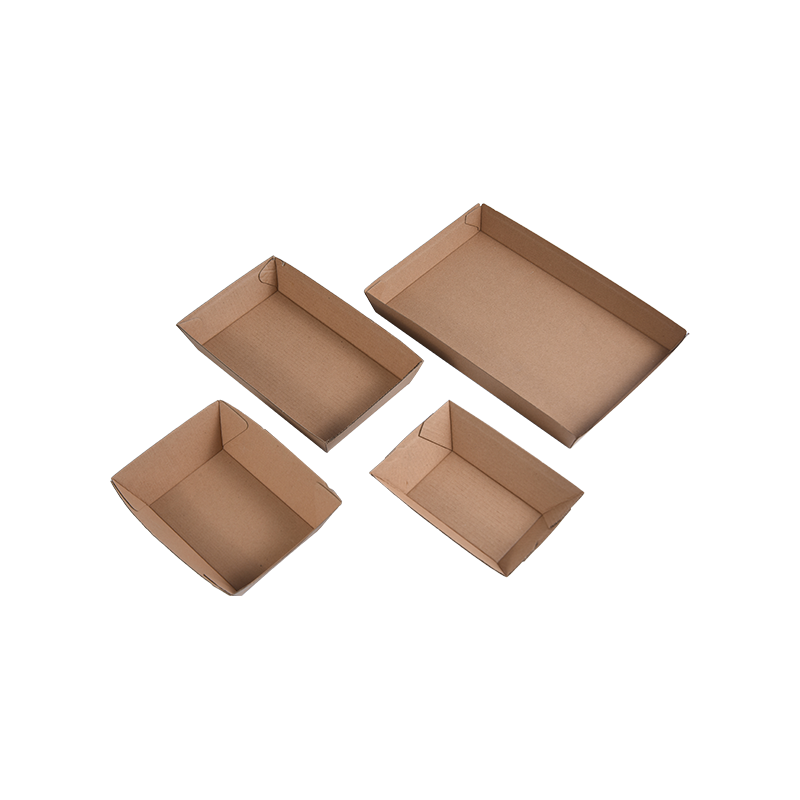 Custom Disposable Rectangular Corrugated Paper Food Trays Suppliers, OEM/ODM FacNingbo Shuohui New Material Technology Co., Ltd is China custom Disposable Rectangular Corrugated Paper Food Trays Suppliers and OEM/ODM ...View Product →
Custom Printing for Brand Recognition
The flat liner of a corrugated tray is a useful branding surface. You can add your logo, a slogan, or simple serving instructions. E-flute trays are especially good for detailed graphics because the smoother surface creates a better print result. Even a two-color print on a kraft tray can make the counter or delivery bag feel more like part of the brand.
Beyond the Open Tray
Some menu items need more protection than an open tray. For saucy barbecue or noodle dishes, a leak-proof food tray design keeps juice from running across the table. If your menu is lighter and you do not need a thick flute, standard paper food tray options may be enough. Building an assortment across these formats lets you match the tray to the meal instead of forcing one tray to do everything.
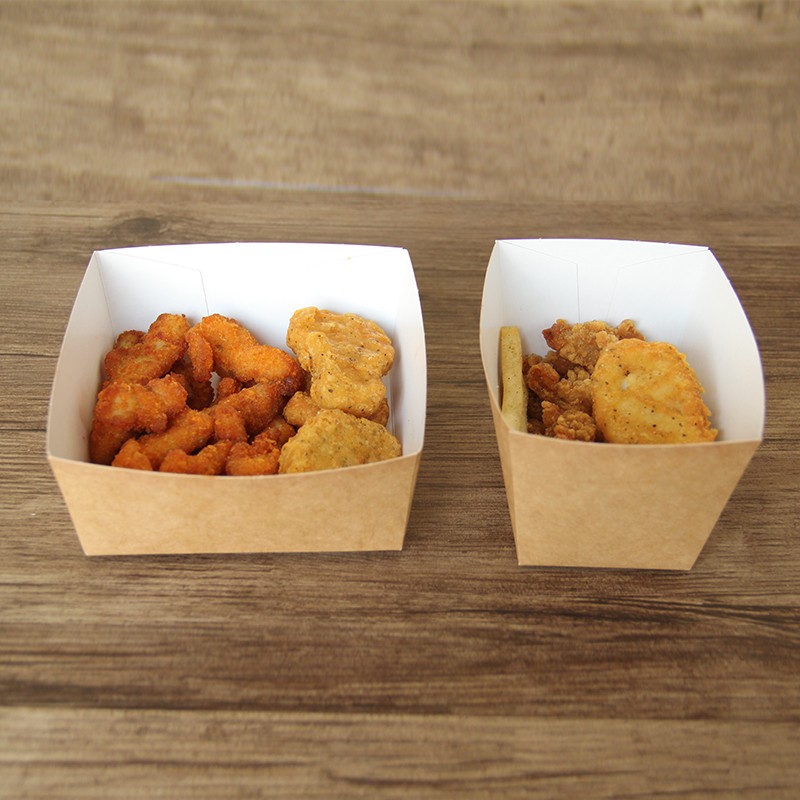 Custom Paper Trays Suppliers, OEM/ODM Factory - Ningbo Shuohui New Material TechNingbo Shuohui New Material Technology Co., Ltd is China custom Paper Trays Suppliers and OEM/ODM Factory, details:View Product →
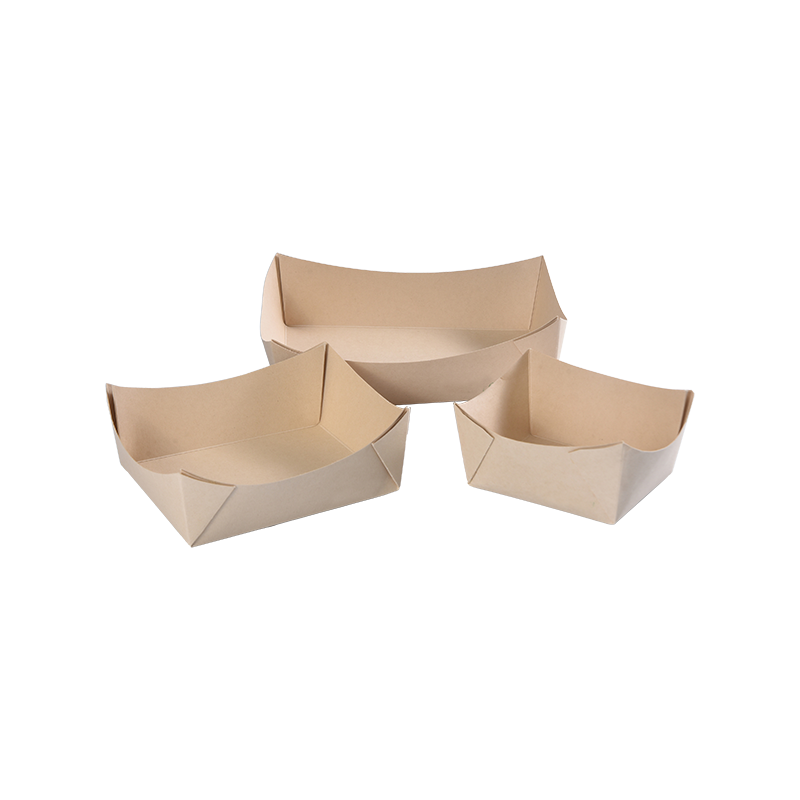 Custom Leak Proof Food Trays Suppliers, OEM/ODM Factory - Ningbo Shuohui New MatNingbo Shuohui New Material Technology Co., Ltd is China custom Leak Proof Food Trays Suppliers and OEM/ODM Factory, details:This food tr...View Product →
Sourcing Corrugated Food Trays With Confidence
When you buy packaging in volume, the difference between a good tray and a poor one shows up fast. A tray that looks fine in a catalogue can fail during service. That means sourcing should be based on documented specifications and real samples, not just price.
Ask for a Complete Specification Sheet
Your supplier should be able to share the board composition, flute type, coating, dimensions, and temperature range for the tray. If they cannot provide clear product specifications, move on. A transparent supplier is also more likely to handle custom orders predictably.
Request Samples With Your Actual Menu Items
Place a sample under the hottest item you serve, add sauce, and let it sit for the average delivery time. Then lift it from one side to check for sagging. This simple test reveals more than any description on a website. If you are comparing suppliers, test the same portion sizes on every sample.
Check the Supplier's Production Scope
Buying corrugated trays from a supplier with in-house production can simplify quality control and lead times. A factory that also produces related corrugated food boxes and paper containers can consolidate orders and keep packaging consistent across your menu. For a closer look at the operational side, review the benefits of using corrugated paper food boxes in foodservice operations before making the switch.
Corrugated food trays are simple to overlook but important to get right. Choose a board structure and coating that match the food you serve, insist on food-contact documentation, and test a sample in real service conditions. When those elements are in place, a corrugated tray can keep your food, your customers, and your brand looking steady from the kitchen to the table.

-
How Many Oz in a Chinese Takeout Box? Pint, Quart and Half Sizes Explained
Few questions reach our inbox as often as this one, and it nearly always arrives from someone holdi...
-
How Are Today's Foods Typically Packaged? A Complete Modern Guide to Paper Packaging
Walk into any restaurant, coffee shop, or delivery kitchen today, and you will see packaging that b...
-
How to Pack Food for Takeaway: Essential Paper Container Tips for Restaurants
When a customer orders takeaway, they are not just buying a meal; they are buying the convenience o...
-
How Do You Calculate Package Size? A Practical Guide for Food Businesses
Ask anyone who has packed a few hundred takeaway orders in a single evening and they will tell you:...
-
How Big Is a Large Pizza Box? Standard Dimensions & Sizing Guide for Pizzeria Owners
A large pizza box is typically 16 inches by 16 inches or 18 inches by 18 inches, but the exact size...
-
How to Measure the Length, Width and Height of a Box: A Practical Guide
A shipping clerk once asked me to confirm the size of a takeout box before ordering 5,000 units. Th...
 Building 4, Leyin Industrial Park ,No. 330 Qianchun Avenue, Zhanqi Town, Yinzhou District, Ningbo, China
 +86-574-82813668
 Instagram
Copyright © Ningbo Shuohui New Material Technology Co., Ltd. Rights Reserved.
 Custom Disposable Paper Food Packaging Manufacturers