


 English
 Español
-
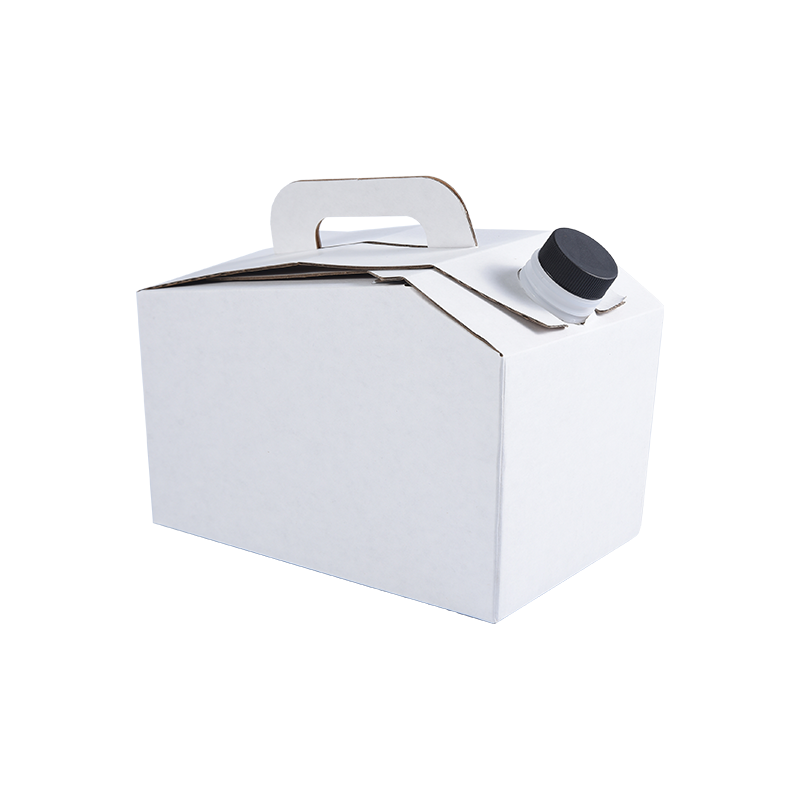 96oz Kraft Coffee/Drink to Go Container/Coffee Carrier Box
-
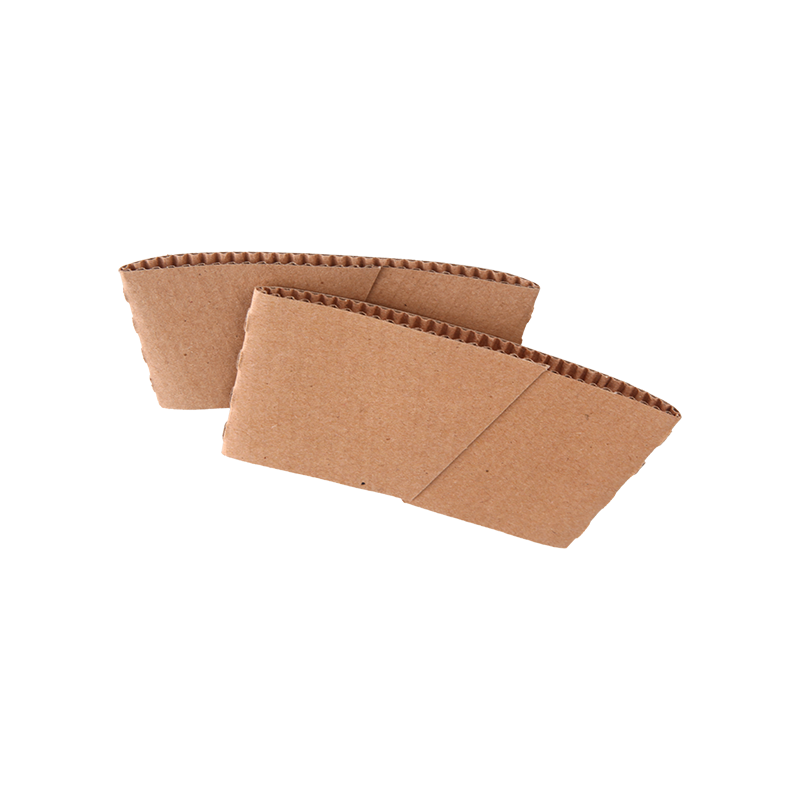 Recyclable Paper Cup Holder Sleeves
-
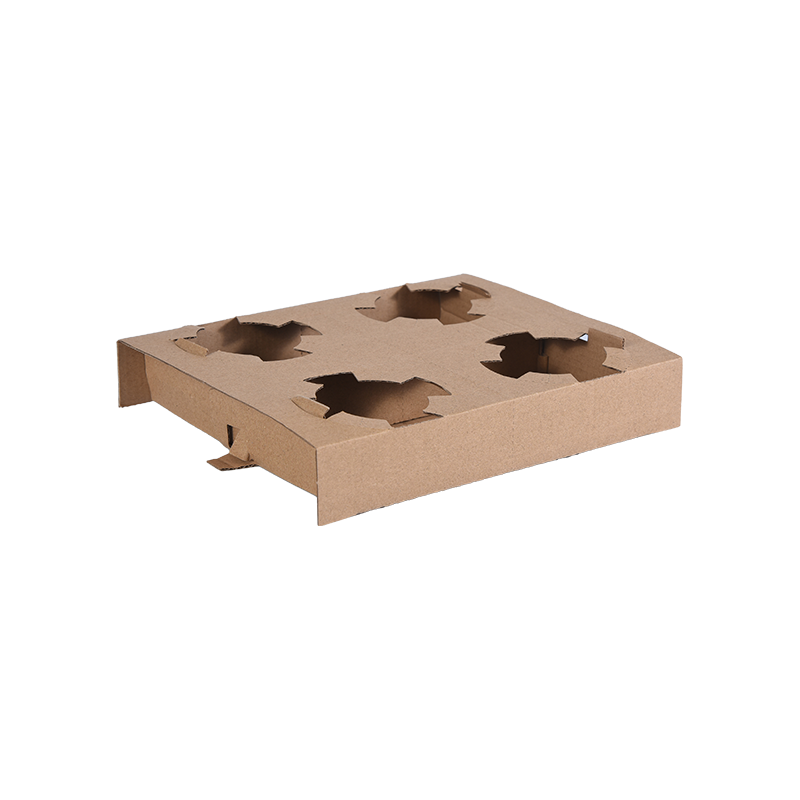 4 Cup Tray Holders for Hot & Cold Drinks – Foldable, Durable, and Cup Carrier for Takeaway, Festivals, Coffee Shops & Events
-
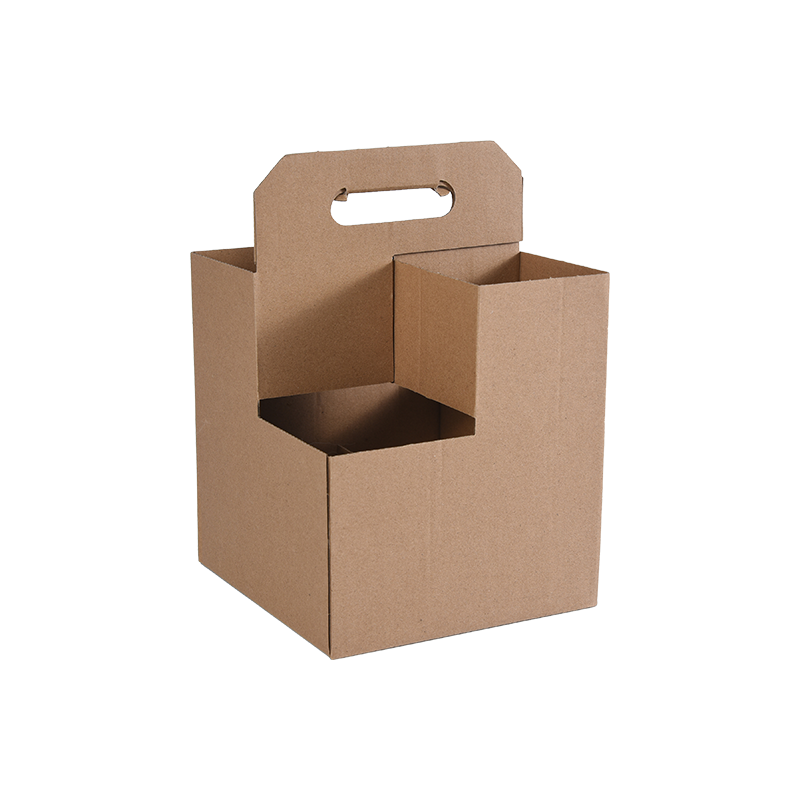 Kraft Cup Drink Carrier with Handles
-
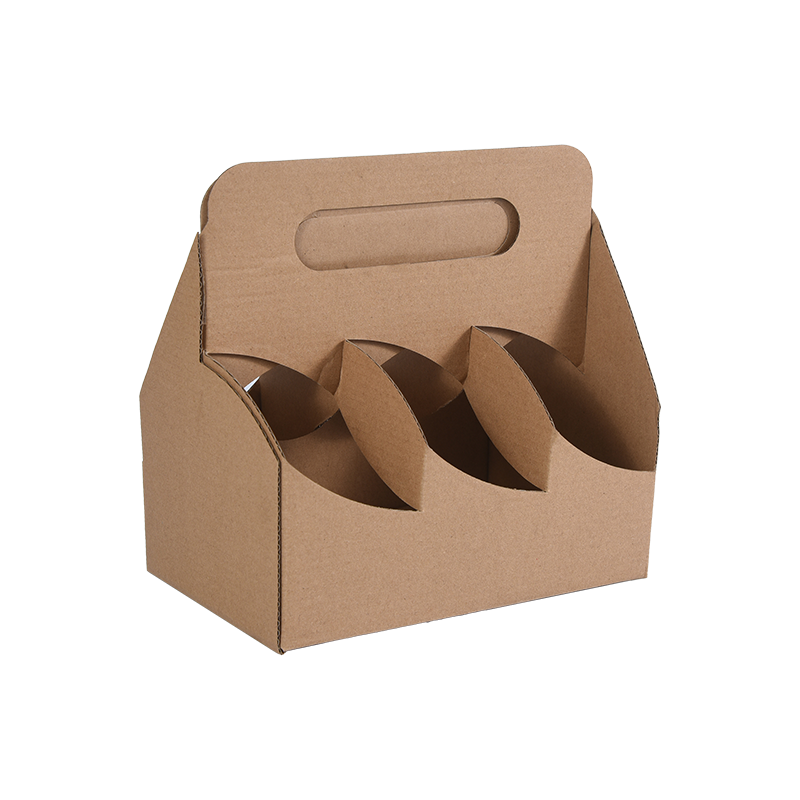 Kraft Beverage Carrier with Handles (6 to 8 Bottles or Cans)
-
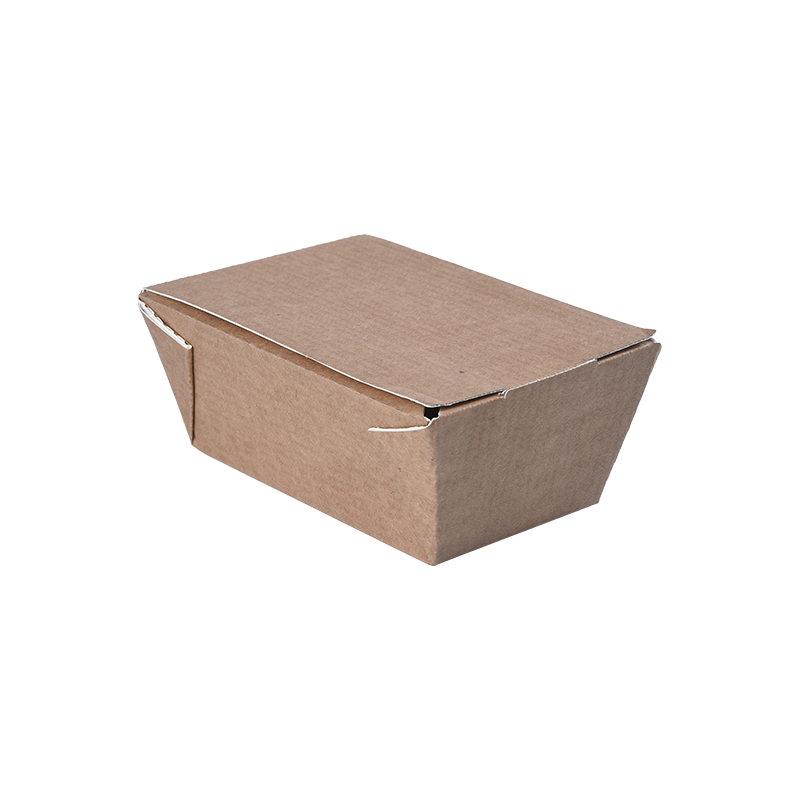 Corrugated Kraft Cardboard Lunch Boxes
-
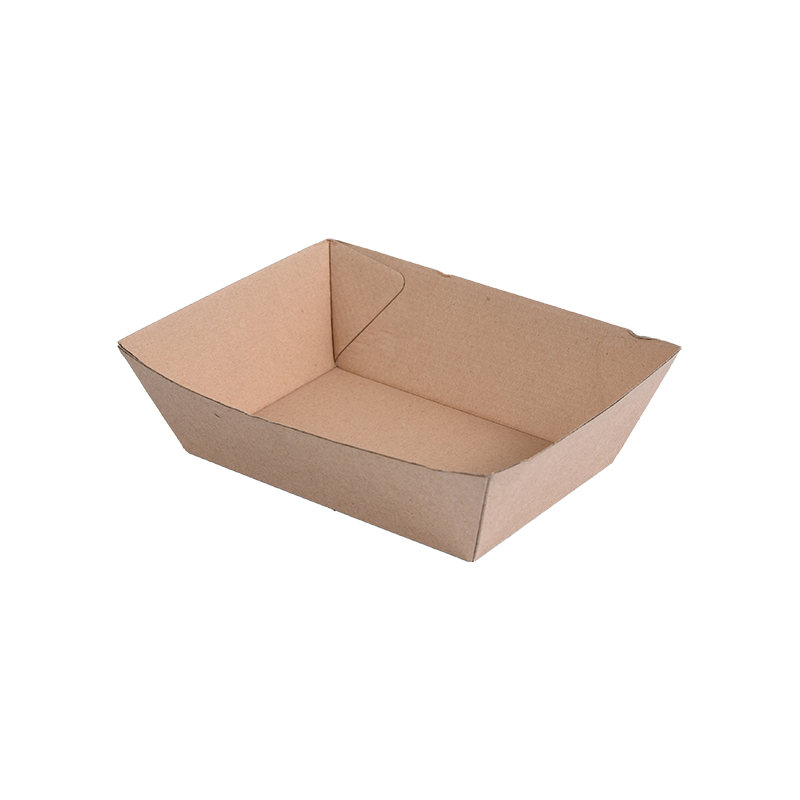 Disposable Rectangular Corrugated Paper Food Trays
-
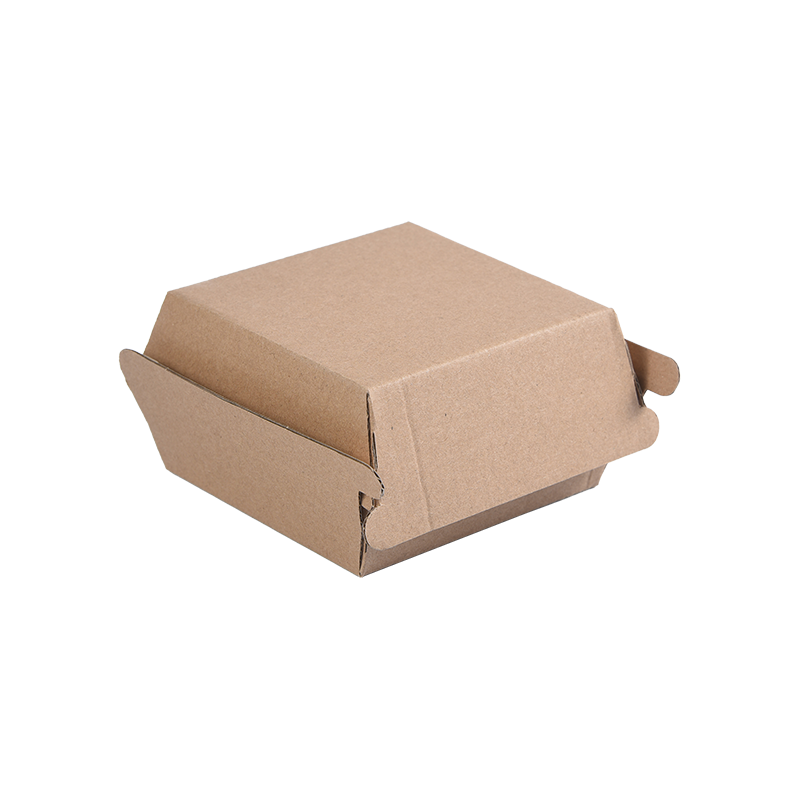 Restaurantware Corrugated Paper Burger Box
Corrugated Lunch Boxes: The Complete Buying Guide for Foodservice Packaging
A delivery rider picks up a bag with six lunch orders: braised pork over rice, fried chicken with wedges, a warm noodle bowl, and three stacked meals in corrugated boxes. Thirty minutes later, the boxes at the bottom are still square, the lids have not sagged, and the food is warm enough to serve. That outcome is not a matter of luck or packaging budget. It depends mostly on one decision: the structure of the box.
Corrugated lunch boxes outperform ordinary paperboard on heat retention, stacking strength, and crush resistance while remaining fully recyclable and cost-competitive at scale. The trade-offs are subtle, though, and they show up in flute choice, coating type, and how the box is actually scored and glued. This guide explains what those details mean for your takeout operation, so you can specify the right box the first time.
Why corrugated structure changes takeout performance
A corrugated board is a sandwich of two flat linerboards with a fluted, wavy medium in between. The trapped air inside the flute layer is what changes the result. Air conducts heat much more slowly than solid fiber, so a corrugated wall slows heat loss from hot rice, noodles, or braised dishes. The same air channels cushion the food and absorb the small impacts that are normal inside a delivery bag.
The flutes also carry vertical load. B-flute, roughly three millimeters thick, supports several boxes stacked in a delivery carrier without the bottom box collapsing. For high-volume kitchens, the difference between a crushed order and an intact order is often simply the board structure. If you plan to stack boxes high in insulated carriers, ask your supplier for the edge crush test (ECT) rating; a higher ECT means the walls resist compression better and the boxes hold up across longer delivery routes.
Flute types and what they mean for your menu
Flute profile is the most important specification on a corrugated lunch box. Choose the wrong flute and you either pay for strength you do not need or lose orders to boxes that fold under pressure.
| Flute | Approx. thickness | Insulation | Print surface | Best for |
|---|---|---|---|---|
| B-flute | ~3 mm | Highest | Moderate | Heavy, hot, or saucy mains; long deliveries |
| E-flute | ~1.5 mm | Good | Good | Standard takeout, portioned meals, lighter menus |
| F-flute | ~0.8 mm | Fair | Best | Premium branded containers, bento-style packs |
B-flute is the workhorse for full meals. It handles heavier portions, keeps its shape when sauce spills, and offers the best heat retention. E-flute gives a slimmer profile and a smoother printing surface, which matters when you want a sharp logo on the lid. F-flute is rarely used for large lunch portions; it suits small retail treats or premium bento-style packs. For most takeout menus, the practical choice is a B-flute or E-flute box with a suitable barrier coating.
Grease resistance and moisture barriers
Plain kraft corrugated board performs well with dry foods and lightly oiled items. The moment your menu includes hot sauce, gravy, or braising liquid, you need a barrier. Without one, grease wicks into the flutes, weakens the fiber, and stains the outside of the box well before the customer opens it.
Two common barrier options are polyethylene (PE) and polylactic acid (PLA). PE is a conventional moisture and grease barrier and remains recyclable in mixed paper streams. PLA is a bio-based coating, usually derived from corn starch, and is designed for commercial composting. If sustainability goals are driving the switch, PLA-coated corrugated boxes keep the package plastic-free from a materials standpoint. Always confirm with your supplier that the coating is PFAS-free as part of your food-safety review.
Stacking strength in real delivery conditions
Most packaging fails on the road, not in the kitchen. A delivery bag can hold four to six orders, and the box at the bottom carries the combined weight. Thin paperboard bends and deforms. Corrugated holds because the vertical flute walls act like small load-bearing columns.
For catering and meal-prep operations that send out large orders, lining the bag with a disposable rectangular corrugated paper food tray stabilizes the load and keeps side items from shifting during the ride. The tray also catches small spills before they reach the bottom of the bag.
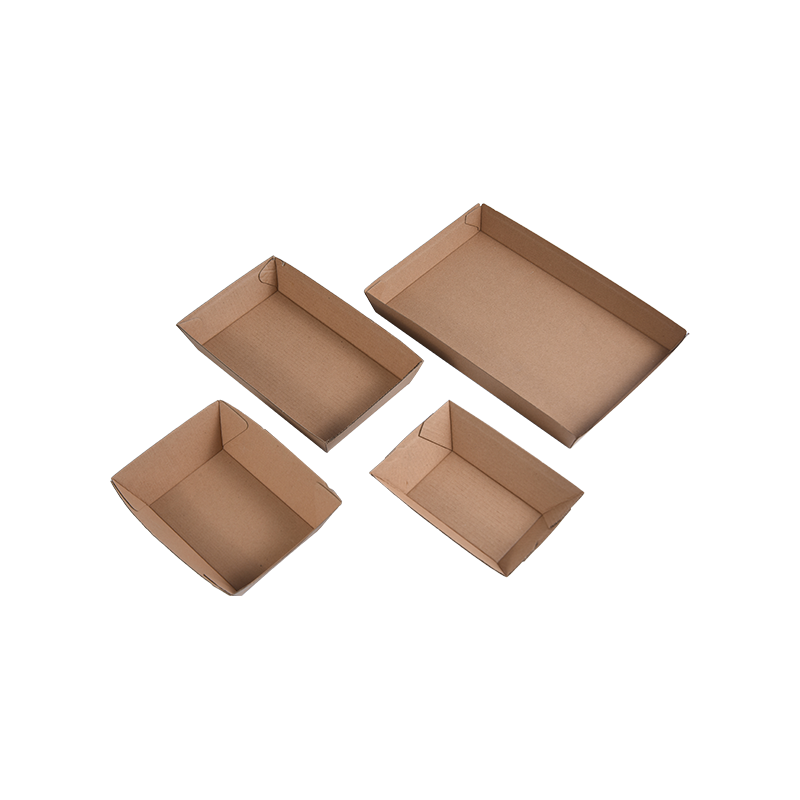 Custom Disposable Rectangular Corrugated Paper Food Trays Suppliers, OEM/ODM FacNingbo Shuohui New Material Technology Co., Ltd is China custom Disposable Rectangular Corrugated Paper Food Trays Suppliers and OEM/ODM ...View Product →
What to check before you buy in bulk
Once flute and coating are settled, sourcing comes down to a few practical checks.
First, food-contact safety. Not all corrugated stock is qualified for direct contact with food. Ask for documentation on the board and the coating. Second, fit. Verify the actual inner dimensions against your largest regular portion. A box with the right nominal capacity will still leak if the lid cannot close flat because the food is packed too high.
Third, production quality. Corrugated lunch boxes are formed, cut, and glued through a process where scoring depth, folding tolerance, and adhesive coverage all matter. A weak glue seam or a poorly cut flap invites failure during the busiest lunch hour. A detailed look at what to pay attention to when making corrugated lunch boxes covers the production points a supplier should be ready to discuss candidly.
If you are ready to evaluate options, our corrugated kraft cardboard lunch boxes are available in several flute profiles and coating choices, so the packaging can be matched to the menu instead of the other way around.
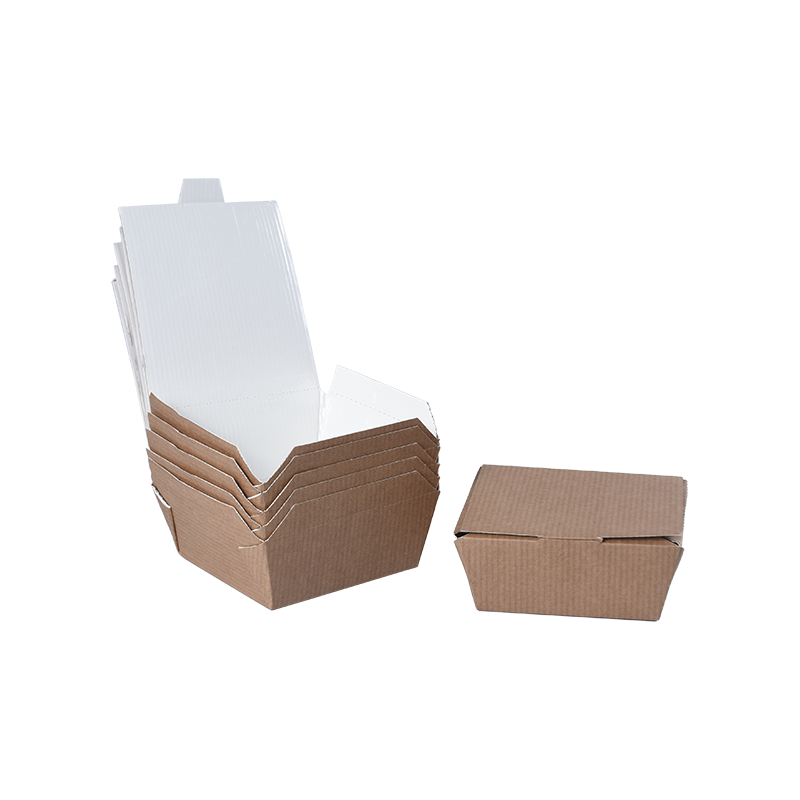 Custom Corrugated Kraft Cardboard Lunch Boxes Suppliers, OEM/ODM Factory - NingbNingbo Shuohui New Material Technology Co., Ltd is China custom Corrugated Kraft Cardboard Lunch Boxes Suppliers and OEM/ODM Factory, det...View Product →
Building a complete corrugated packaging system
Corrugated lunch boxes work best when they are part of a broader system. A fast-casual kitchen that holds sandwiches in a restaurantware corrugated paper burger box and packs the whole meal into a corrugated lunch box benefits from consistent supply, simpler ordering, and a uniform natural look in front of customers.
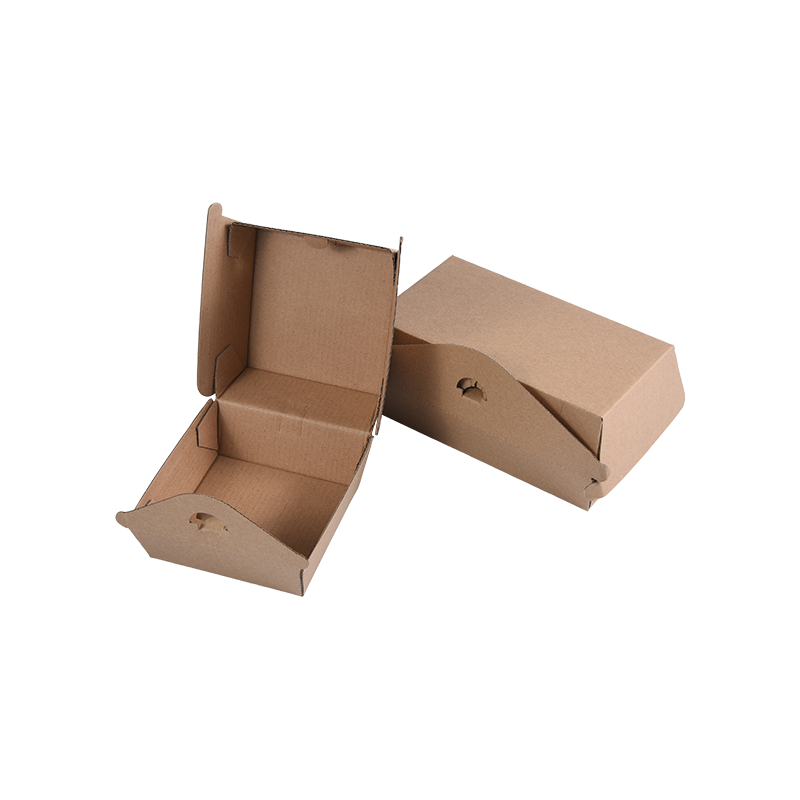 Custom Restaurantware Corrugated Paper Burger Box Suppliers, OEM/ODM Factory - NNingbo Shuohui New Material Technology Co., Ltd is China custom Restaurantware Corrugated Paper Burger Box Suppliers and OEM/ODM Factory,...View Product →
Corrugated board is made from renewable paper fiber and is recyclable in most municipal systems. It avoids the fossil-fuel feedstocks used in expanded polystyrene, and with the correct coating it can be kept free of hidden plastic layers. That gives operators a concrete claim they can explain without overstating their environmental position.
The practical takeaway is simple. Choose B-flute or E-flute for most menus, add a moisture barrier for saucy dishes, and test samples under real delivery conditions before committing to volume. Unit price matters, but the more useful number is cost per successfully delivered order. A box that prevents a refund or a re-send is far cheaper than the meal it protects. For a broader view, browse our complete food packaging range to see how corrugated compares with other sustainable formats.
-
How Many Oz in a Chinese Takeout Box? Pint, Quart and Half Sizes Explained
Few questions reach our inbox as often as this one, and it nearly always arrives from someone holdi...
-
How Are Today's Foods Typically Packaged? A Complete Modern Guide to Paper Packaging
Walk into any restaurant, coffee shop, or delivery kitchen today, and you will see packaging that b...
-
How to Pack Food for Takeaway: Essential Paper Container Tips for Restaurants
When a customer orders takeaway, they are not just buying a meal; they are buying the convenience o...
-
How Do You Calculate Package Size? A Practical Guide for Food Businesses
Ask anyone who has packed a few hundred takeaway orders in a single evening and they will tell you:...
-
How Big Is a Large Pizza Box? Standard Dimensions & Sizing Guide for Pizzeria Owners
A large pizza box is typically 16 inches by 16 inches or 18 inches by 18 inches, but the exact size...
-
How to Measure the Length, Width and Height of a Box: A Practical Guide
A shipping clerk once asked me to confirm the size of a takeout box before ordering 5,000 units. Th...
 Building 4, Leyin Industrial Park ,No. 330 Qianchun Avenue, Zhanqi Town, Yinzhou District, Ningbo, China
 +86-574-82813668
 Instagram
Copyright © Ningbo Shuohui New Material Technology Co., Ltd. Rights Reserved.
 Custom Disposable Paper Food Packaging Manufacturers