Quick answer: a well-customized paper cake box gets four things right: it's sized to fit the specific cake or cake board with roughly half an inch to one inch of clearance on all sides, it's made from a paperboard weight matched to the cake's weight (250–300 GSM for cupcakes and light pastries, 350 GSM or higher for a standard cake, corrugated board for heavy or multi-tier cakes), it carries the bakery's branding through printing rather than a plain generic exterior, and it's ordered from a supplier who can confirm food-contact compliance for the specific paper stock used. Getting any one of these wrong is the most common reason a "custom" box order still ends up looking generic, structurally weak, or unsuitable for the cake it was meant to hold.
Customized paper cake boxes sit at an odd intersection for a lot of bakeries and packaging buyers: the box itself feels like a minor detail compared to the cake inside it, but a poorly chosen box is one of the most common causes of damaged deliveries, unprofessional-looking presentation, and unhappy customers who never see how good the cake actually was. This guide breaks down exactly what "customized" should mean in practice — sizing, material, printing, and sourcing — so a box order actually matches the product it's protecting.
What Makes a Paper Cake Box "Customized" (Not Just Printed)
Customization is often reduced to "add my logo," but a genuinely well-specified custom cake box order typically involves four separable decisions, each of which affects cost, durability, and presentation independently.
- Dimensions: Built to the exact footprint and height of the cakes actually being sold, rather than a generic size that's slightly too big or too small.
- Material and board weight: Matched to the cake's weight and delivery distance, not chosen by price alone.
- Printing and branding: Logo, color scheme, and any occasion-specific artwork applied directly to the box exterior.
- Structural features: Windows, handles, locking tabs, or compartment inserts added based on how the box will actually be used and transported.
Getting the branding right while skipping the sizing and material decisions is the most common way a custom order underdelivers — a beautifully printed box that's the wrong size or too flimsy for the cake still fails at its core job.
Sizing a Custom Cake Box: The Numbers That Matter
Box sizing follows a fairly consistent rule of thumb across the bakery packaging industry, built around clearance from the cake outward rather than guessed dimensions.
- Start with the cake board, not the cake. Cake boards are typically sized about 2 inches larger than the cake itself on all sides, to leave a stable presentation edge.
- Size the box to the board, with clearance. The box should be roughly 0.5 to 1 inch larger than the cake board on all sides — enough to slide the board in and out easily, but not so loose that the cake shifts in transit.
- Add height for frosting and decoration. A common guideline is 1–2 inches of clearance above the cake's finished height, so piping, fondant details, or toppers don't touch or smear against the lid.
- Adjust for tiered or unusual shapes. Tiered wedding cakes need taller, reinforced boxes rather than a simple height increase, and non-round or non-square cakes (hearts, numbers, novelty shapes) typically require a fully custom die-line rather than a standard box adjusted at the edges.
| Cake Type |
Typical Box Size (Approx.) |
| Standard 10" round or square cake |
10" x 10" x 4" |
| Quarter sheet cake (9" x 13") |
10" x 14" x 4" |
| Half sheet cake (13" x 17") |
14" x 18" x 4" |
| Full sheet cake (16" x 24") |
17" x 25" x 4" |
| 12-count cupcake box |
14" x 10" x 4" |
| Tall or tiered cake |
10" x 10" x 12"+ (reinforced walls) |
Quick Tip
When submitting a custom size request to a packaging supplier, provide the cake board dimensions rather than the cake dimensions alone — it removes ambiguity and is the measurement the box actually needs to fit around.
Choosing the Right Paper Weight and Material
Material choice is where cost, durability, and print quality trade off against each other, and the right answer depends heavily on the cake's weight and how far it's traveling.
| Material |
Typical Weight/Spec |
Best For |
| Standard paperboard (duplex board) |
250–300 GSM |
Cupcakes, small pastries, light single-layer treats |
| Heavy paperboard |
350–400 GSM |
Standard 8–10" cakes, single-tier birthday cakes |
| Corrugated (E-flute) |
~1.5mm flute thickness |
Heavier cakes, standard tiered cakes, better crush resistance |
| Corrugated (B-flute or double-wall) |
~3mm+ flute thickness |
Multi-tier wedding cakes over roughly 10kg, long-distance delivery |
Paperboard is significantly more economical and folds flat for compact storage, which matters for bakeries managing limited back-of-house space. Corrugated board costs more and stores in bulkier flat sheets, but the added crush resistance is often non-negotiable for heavy or multi-tier cakes traveling any real distance.
Why Board Weight Alone Isn't the Full Story
A box that's technically heavy enough on paper can still underperform if humidity is a factor — standard paperboard absorbs ambient moisture over time, which can soften the box structure in hot, humid climates or during outdoor summer events. For bakeries regularly delivering in humid conditions, stepping up to a corrugated option even for a moderately sized cake can be a worthwhile trade against occasional box failure.
Printing and Branding Options for Custom Cake Boxes
Once size and material are locked in, printing is where a box actually becomes recognizable as a specific bakery's packaging rather than generic bulk stock.
- Full CMYK or offset printing: Supports photo-quality graphics, gradients, and detailed logos directly on the box exterior — best print fidelity, typically used on paperboard and E-flute corrugated.
- Spot color / single-color printing: A more economical option for simple logo placement, often chosen for smaller order runs where full-color printing isn't cost-effective per unit.
- Window cutouts: A clear film insert (commonly PET, OPP, or a compostable PLA equivalent) in the lid, letting the cake itself act as the primary visual sell without opening the box.
- Occasion-specific runs: Separate printed designs for recurring events — birthdays, weddings, holidays — allow a bakery to keep one base box structure while rotating exterior designs seasonally.
Window boxes deserve a specific sizing note: because the window cutout reduces the structural paperboard around that section, window boxes are sometimes built to slightly larger dimensions than an equivalent solid box, to compensate for the reduced rigidity at the cutout.
250–400 GSM Typical paperboard weight range across cake box sizes
0.5–1 in Recommended clearance between cake board and box on all sides
1–2 in Recommended height clearance above the cake for frosting/toppers
What to Confirm Before Placing a Bulk Custom Order
For bakeries and packaging buyers ordering in volume, a handful of supplier-side questions catch most of the problems that show up after the order has already shipped.
- Food-contact compliance documentation. Confirm the specific paper stock used is certified for direct or indirect food contact (in the U.S., this typically means FDA 21 CFR compliance) — a general packaging certification isn't the same as food-contact approval for that exact material.
- Minimum order quantity and lead time. Custom die-lines and printing plates usually carry a minimum run size; confirm this fits your actual order volume before committing to a fully custom size versus a semi-custom (standard size, custom print) option.
- Sample or proof approval process. Request a physical sample or a detailed proof before full production, especially for a first order with a new size or print design — color and structural issues are far easier to catch before a full print run than after.
- Sustainability certifications, if claimed. If the packaging is marketed as eco-friendly, ask for specific certificate numbers (FSC for sourced paper, BPI or EN 13432 for compostable claims) rather than accepting a general "sustainable" label at face value.
- Consolidated sourcing. If a supplier can produce cake boxes alongside other packaging needs (cupcake boxes, bags, inserts), consolidating orders with one supplier typically simplifies procurement and can improve pricing versus managing several separate vendors.
Final Takeaway
A genuinely well-customized paper cake box is a sizing decision and a material decision before it's a design decision. Start from the cake board dimensions, choose a paperboard or corrugated weight that matches the cake's actual weight and delivery distance, and only then layer in printing, windows, or branding. Ordering from a supplier who can confirm food-contact compliance and provide a sample before a full production run is what separates a box that looks good in a catalog from one that actually performs once it's holding a real cake.


 English
 Español
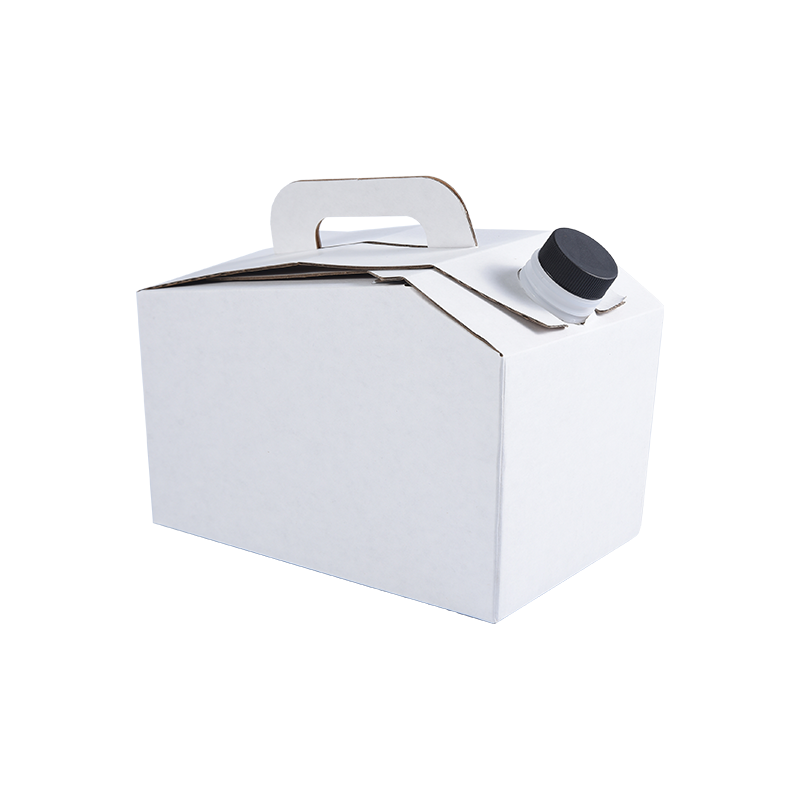 96oz Kraft Coffee/Drink to Go Container/Coffee Carrier Box
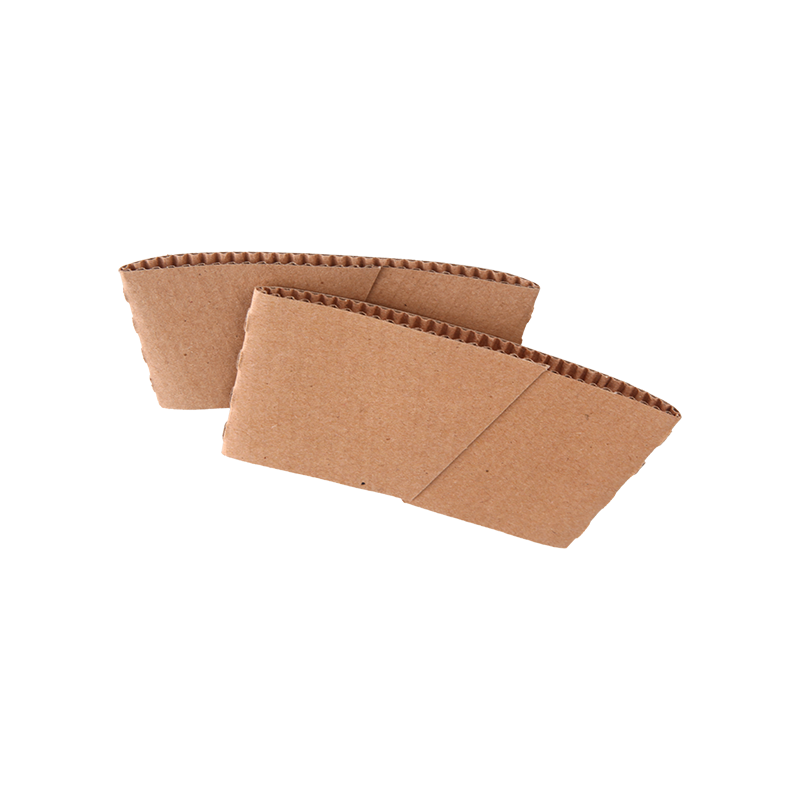 Recyclable Paper Cup Holder Sleeves
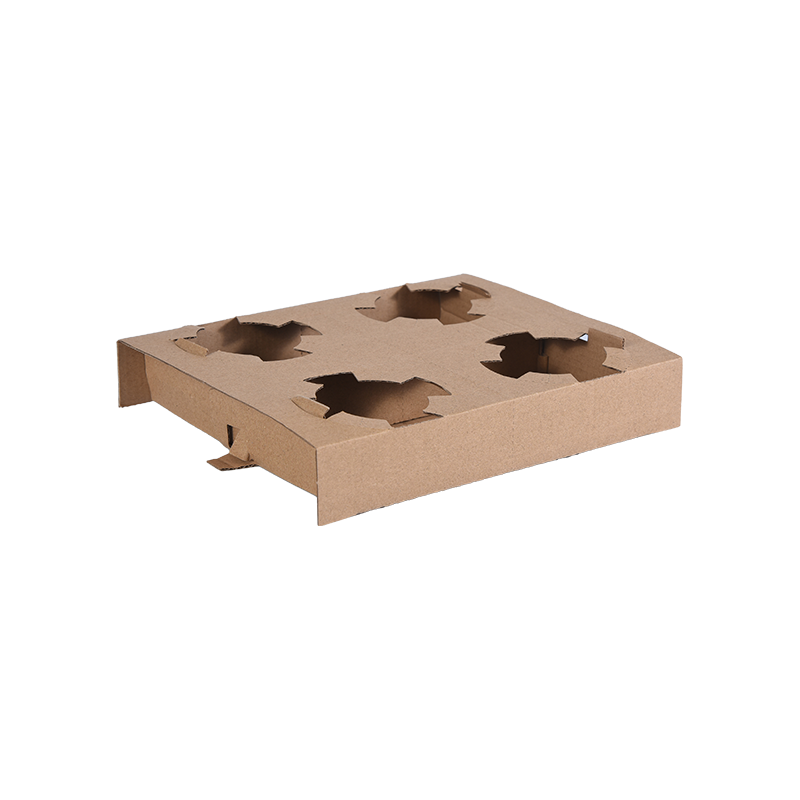 4 Cup Tray Holders for Hot & Cold Drinks – Foldable, Durable, and Cup Carrier for Takeaway, Festivals, Coffee Shops & Events
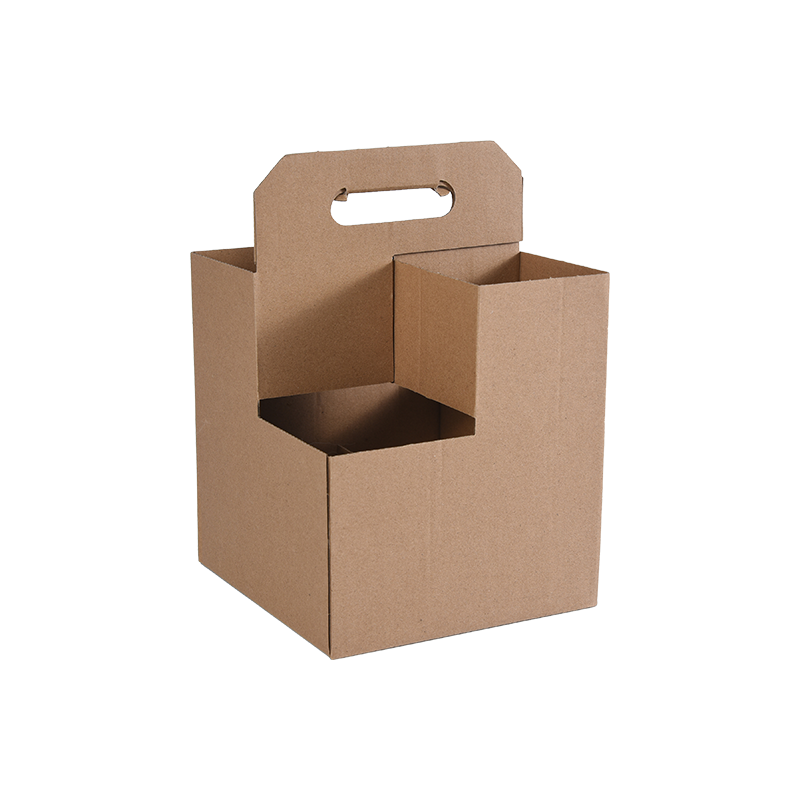 Kraft Cup Drink Carrier with Handles
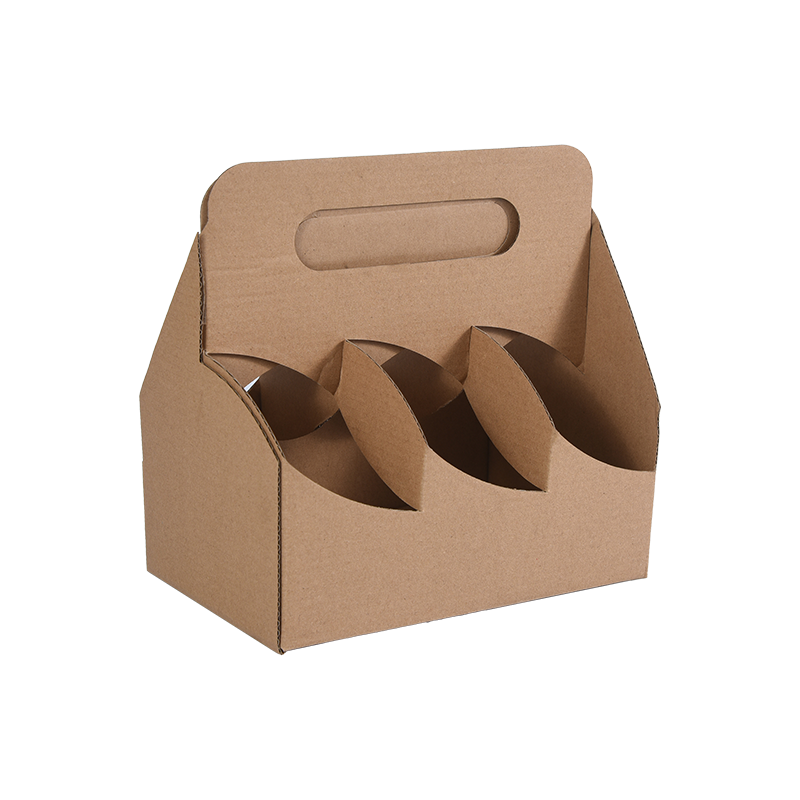 Kraft Beverage Carrier with Handles (6 to 8 Bottles or Cans)
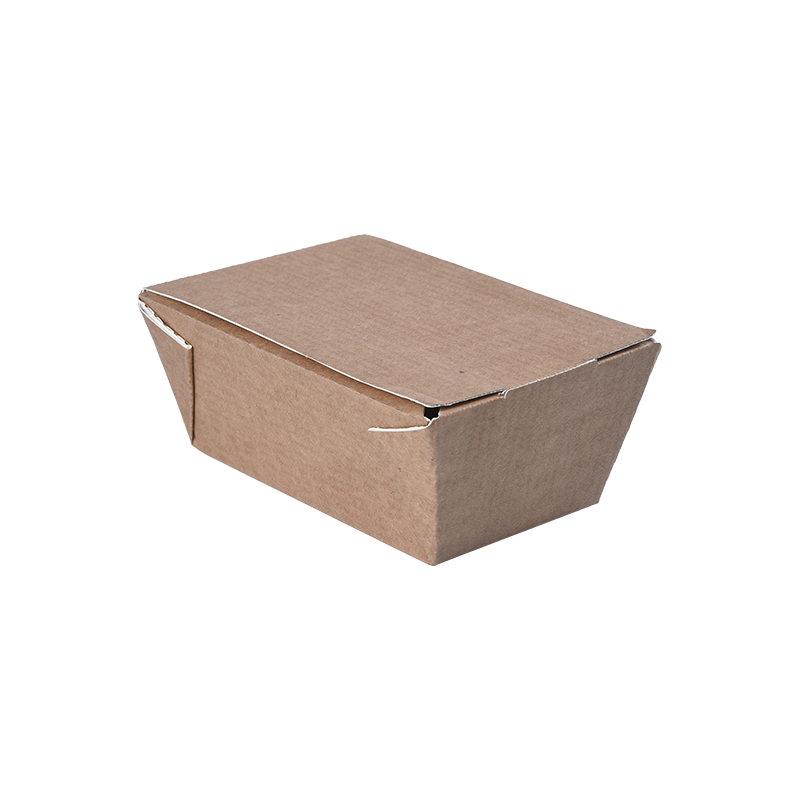 Corrugated Kraft Cardboard Lunch Boxes
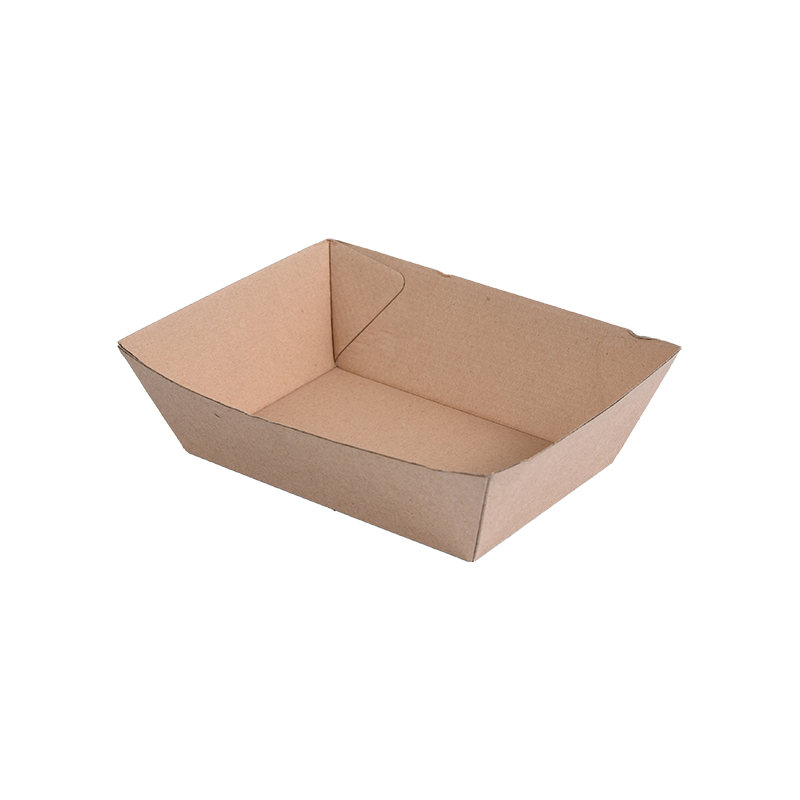 Disposable Rectangular Corrugated Paper Food Trays
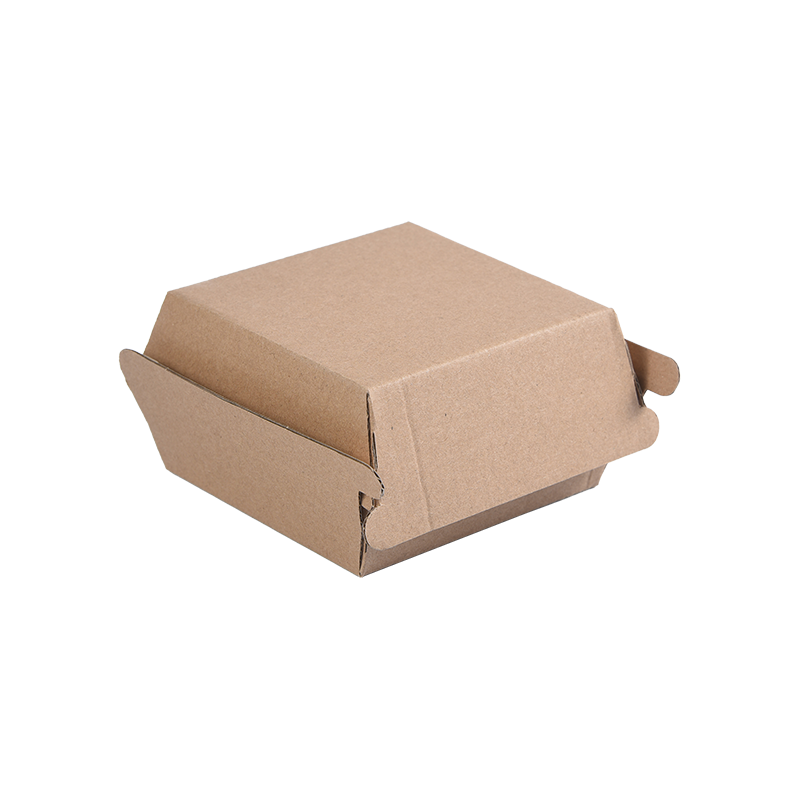 Restaurantware Corrugated Paper Burger Box
 Building 4, Leyin Industrial Park ,No. 330 Qianchun Avenue, Zhanqi Town, Yinzhou District, Ningbo, China
 +86-574-82813668
 Instagram
 Custom Disposable Paper Food Packaging Manufacturers