For most food businesses, a paper burger box is the better overall choice over plastic packaging, offering comparable insulation, lower long-term regulatory risk, and significantly better biodegradability, typically breaking down in 2 to 6 months versus the hundreds of years plastic takes to decompose. Plastic containers still hold a narrow edge in grease resistance and cost in some regions, but that advantage is shrinking as more cities and countries restrict single-use plastic foodservice packaging. Over 100 jurisdictions worldwide now have some form of ban or fee on single-use plastic food containers, making paper packaging less of a sustainability preference and more of an operational necessity in many markets.
This article compares paper burger boxes and plastic packaging across the factors that matter most to restaurants and food businesses: cost, performance, environmental impact, and regulatory exposure, followed by practical guidance on choosing the right box.
What a Paper Burger Box Is Made Of
Most paper burger boxes are constructed from paperboard, often coated with a thin layer of polyethylene (PE) or, increasingly, a compostable bio-based coating such as PLA (polylactic acid), to provide grease and moisture resistance. Uncoated kraft paper boxes are also common for lower-fat items, relying on the paper's natural fiber structure rather than a coating layer.
Standard plastic burger containers, by comparison, are typically made from polystyrene foam (EPS), polypropylene (PP), or clear PET plastic — all derived from petroleum and, apart from PET in limited facilities, rarely recycled in practice due to food contamination.
Head-to-Head Comparison: Paper vs. Plastic
Comparison of paper burger boxes and plastic burger containers across key performance factors
| Factor |
Paper Burger Box |
Plastic Container |
| Heat Retention |
Good, especially with clamshell fold |
Very good (EPS foam) |
| Grease Resistance |
Good with coating |
Excellent |
| Decomposition Time |
2–6 months |
450+ years |
| Recyclability in Practice |
Moderate to high |
Low (food contamination) |
| Typical Unit Cost |
$0.08–$0.20 |
$0.05–$0.15 |
| Regulatory Risk |
Low |
High and increasing |
Performance: Heat, Grease, and Structural Strength
A well-designed paper burger box with a folding clamshell lid traps steam effectively, keeping a burger warm for roughly the same window as foam packaging — typically 20 to 30 minutes before noticeable heat loss in both materials. Where plastic still outperforms paper is in grease resistance for very high-fat items, since uncoated or lightly coated paper can develop visible grease spotting faster than solid plastic.
Structurally, paper boxes with corrugated or double-wall construction hold up well under stacking, while thin single-wall plastic clamshells can crack under pressure. For delivery and takeout stacking in bags, corrugated paper burger boxes generally resist crushing better than thin-wall plastic, reducing spillage complaints during transport.
Environmental Impact
The environmental case for paper packaging centers on end-of-life outcomes rather than manufacturing alone. While producing paperboard does consume more water and energy per unit than producing plastic, paper's biodegradability and higher real-world recycling rate shift the overall lifecycle impact in its favor for single-use foodservice items.
- Paper burger boxes are commonly accepted in curbside recycling or industrial composting programs where available
- EPS foam containers are banned from recycling in most municipal programs due to contamination and low material value
- Uncoated or PLA-coated paper boxes can be industrially composted, breaking down within a single composting cycle
- Plastic packaging that ends up as litter frequently breaks into microplastics rather than fully decomposing
An estimated 8 million metric tons of plastic enter the ocean annually, and single-use foodservice packaging is consistently identified as one of the largest contributing categories in coastal cleanup audits.
Cost Considerations for Food Businesses
On a pure per-unit basis, basic plastic containers are often slightly cheaper than paper equivalents, with foam clamshells sometimes priced 20–30% below comparable paper boxes at wholesale volume. However, this gap has narrowed considerably as paperboard packaging has scaled and as plastic packaging faces added compliance costs — bag and container fees in regulated jurisdictions can range from $0.10 to $0.25 per unit, often erasing any upfront savings from choosing plastic.
Bulk ordering also narrows the price difference substantially: businesses ordering paper burger boxes in cases of 500 or more units frequently see per-unit costs drop to within a cent or two of plastic alternatives.
Regulatory Trends Affecting Packaging Choice
Regulatory pressure has become one of the strongest drivers pushing food businesses toward paper packaging. Many regions have implemented outright bans on polystyrene foam foodservice containers, while others have introduced fees or phased restrictions on single-use plastics more broadly.
- Several U.S. states and dozens of cities have banned polystyrene foam foodservice packaging outright
- The European Union's Single-Use Plastics Directive restricts a range of plastic foodservice items across member states
- Some jurisdictions require compostable or recyclable packaging as a condition of a food business operating permit
- Additional regions are actively drafting similar legislation, meaning restrictions are likely to expand rather than loosen
Switching to paper packaging proactively, before a local ban takes effect, avoids the disruption of last-minute supplier changes and menu-cost adjustments that businesses caught unprepared often face.
Choosing the Right Paper Burger Box
Not all paper burger boxes are built the same, and matching the box to the product prevents common complaints about sogginess or grease bleed-through:
- Choose a PE or PLA-coated box for high-grease items like double patties or bacon burgers
- Use vented or perforated lids for fried items packaged alongside the burger to reduce steam buildup
- Select corrugated double-wall construction for stacked delivery orders
- Confirm compostability certification (such as BPI) if marketing the packaging as compostable to customers
- Match box size closely to the burger to reduce shifting and heat loss during transport
Conclusion
Paper burger boxes outperform plastic packaging on balance for most food businesses, matching plastic's heat retention closely enough for practical use while offering far better decomposition, higher real-world recyclability, and significantly lower regulatory exposure. Plastic retains a narrow edge in raw grease resistance and, in some markets, upfront unit cost, but that gap continues to close as paperboard packaging scales and as plastic restrictions expand. For businesses weighing packaging changes, choosing a properly coated paper burger box now is generally the more future-proof decision.


 English
 Español
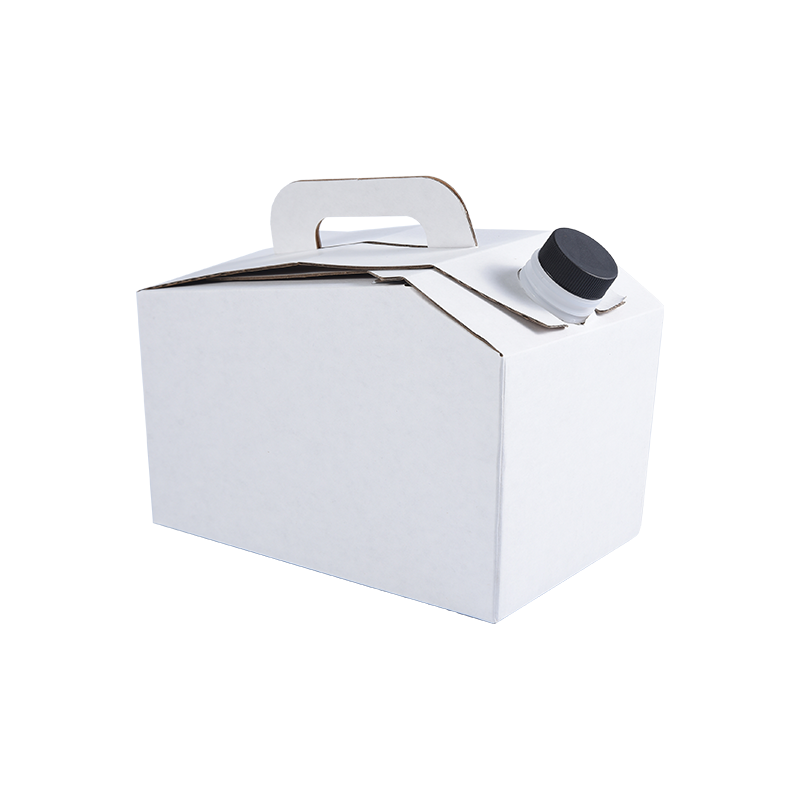 96oz Kraft Coffee/Drink to Go Container/Coffee Carrier Box
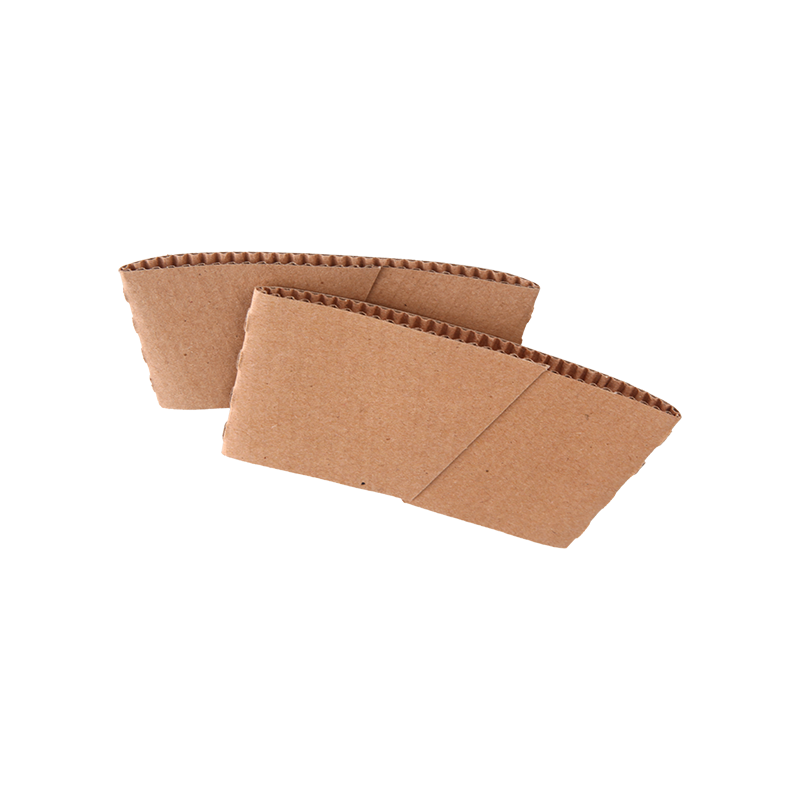 Recyclable Paper Cup Holder Sleeves
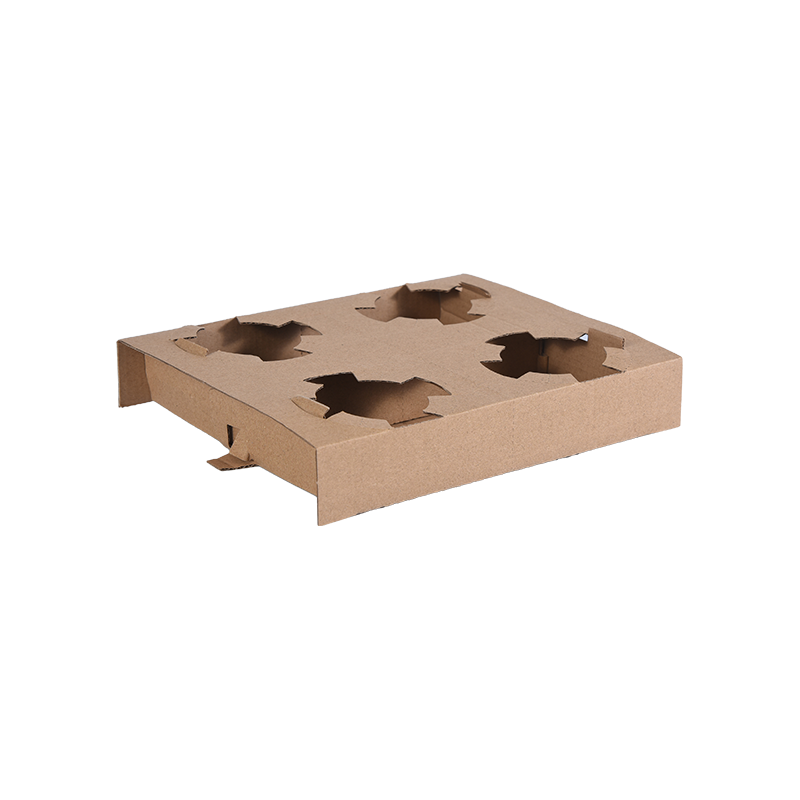 4 Cup Tray Holders for Hot & Cold Drinks – Foldable, Durable, and Cup Carrier for Takeaway, Festivals, Coffee Shops & Events
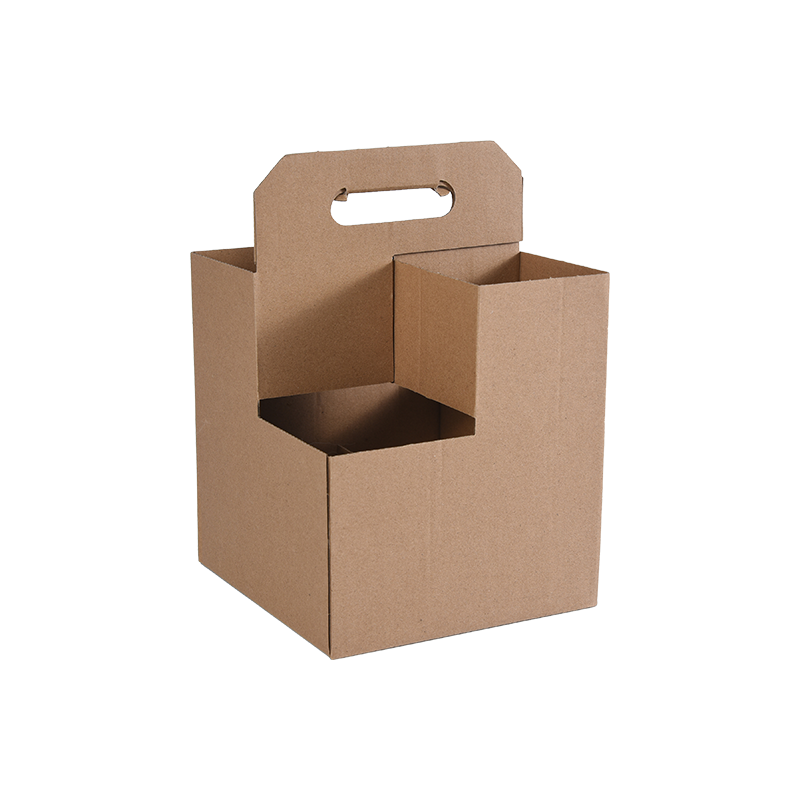 Kraft Cup Drink Carrier with Handles
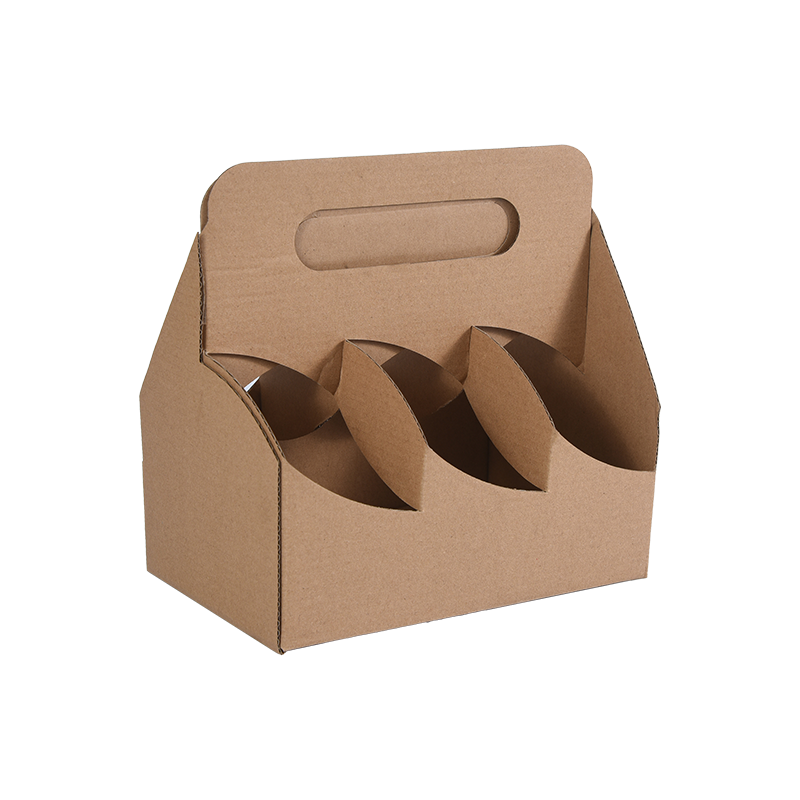 Kraft Beverage Carrier with Handles (6 to 8 Bottles or Cans)
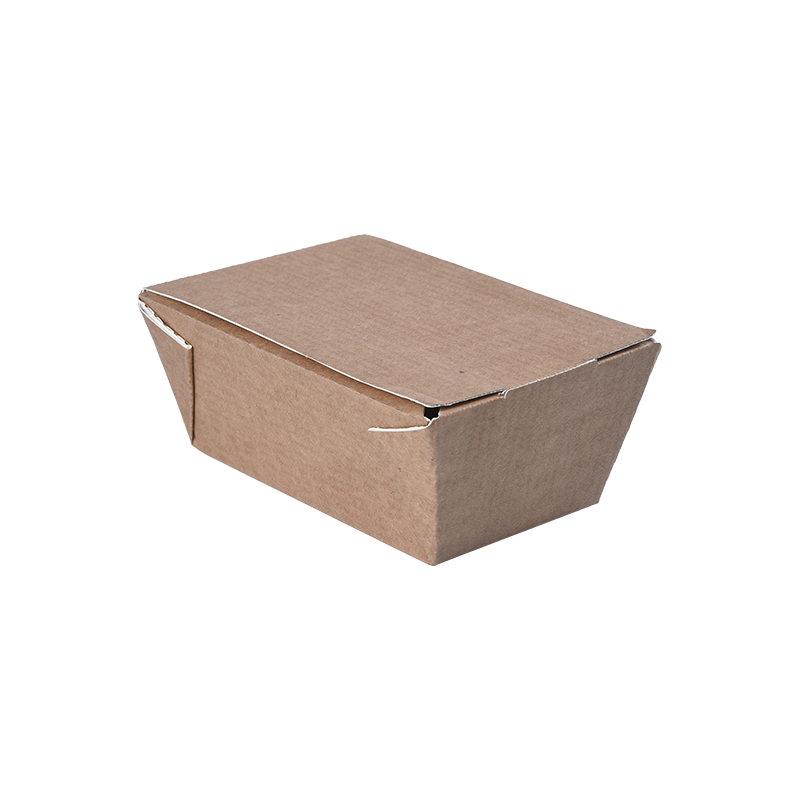 Corrugated Kraft Cardboard Lunch Boxes
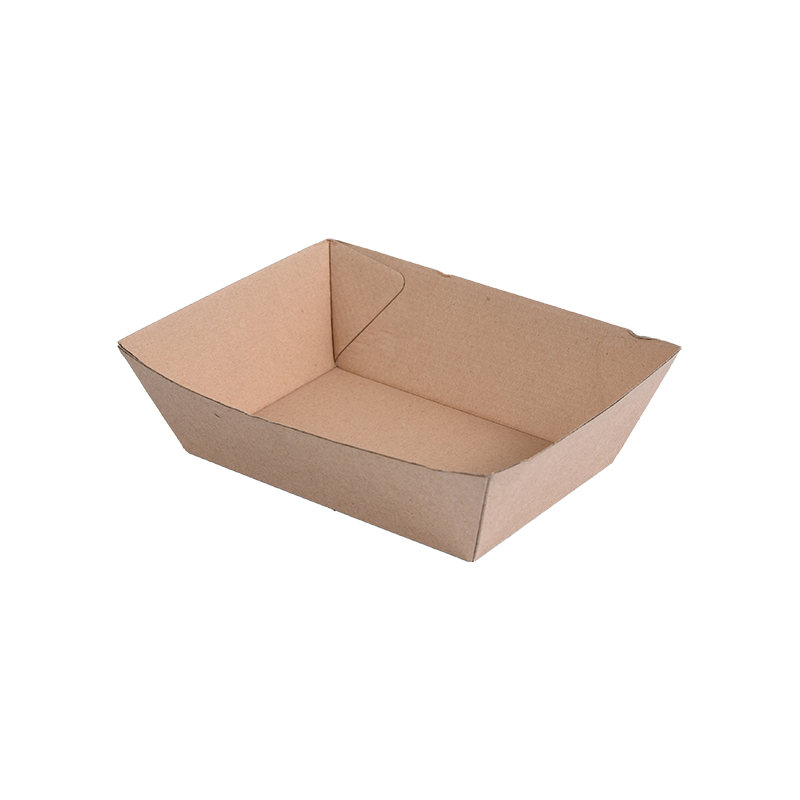 Disposable Rectangular Corrugated Paper Food Trays
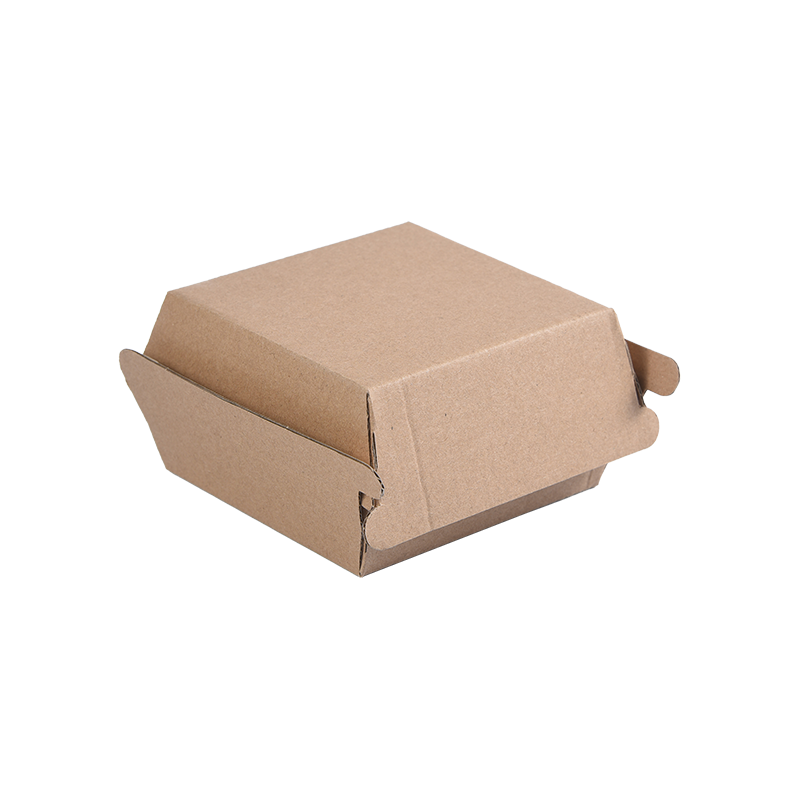 Restaurantware Corrugated Paper Burger Box

 Building 4, Leyin Industrial Park ,No. 330 Qianchun Avenue, Zhanqi Town, Yinzhou District, Ningbo, China
 +86-574-82813668
 Instagram
 Custom Disposable Paper Food Packaging Manufacturers