Plant-Based and Compostable Materials Are the Best Eco-Friendly Food Packaging Choice for Most Businesses
For most food brands and restaurants, compostable packaging made from plant fibers such as sugarcane bagasse, cornstarch (PLA), and molded pulp offers the best balance of environmental benefit, cost, and practicality. These materials break down in industrial composting facilities within 90 to 180 days, compared to hundreds of years for conventional plastic. They are widely available, increasingly affordable, and accepted by most municipal composting programs.
If composting infrastructure isn't available in your area, recycled paperboard and molded fiber are the next-best option, since they fit into existing recycling streams used by over 70% of U.S. households, according to industry recycling data. This makes paper-based alternatives a safer default for businesses operating across multiple regions with inconsistent composting access.
The right choice ultimately depends on three factors: the type of food being packaged, the disposal infrastructure available to your customers, and your budget per unit. A business serving hot soups in a city with industrial composting can justify PLA-lined bowls, while a bakery shipping dry goods nationwide is usually better served by recycled paperboard boxes that any recycling bin will accept.
Why Eco-Friendly Food Packaging Matters Now
Food packaging is one of the largest contributors to single-use plastic waste worldwide. Packaging accounts for nearly 40% of all plastic produced globally, and a large share of that comes from food service and retail. Takeout containers, beverage cups, produce bags, and clamshell trays are used for minutes but persist in the environment for centuries. Consumer expectations have shifted just as fast as the waste problem has grown, and packaging decisions now directly influence purchasing behavior, brand loyalty, and even investor confidence.
Consumer and Regulatory Pressure Are Both Rising
Surveys consistently show that around 65% of consumers say they would pay more for products in sustainable packaging. At the same time, more than 100 countries have introduced bans or fees on single-use plastics, including plastic bags, straws, and foam containers. The European Union's Single-Use Plastics Directive, several U.S. state-level bans, and similar measures in parts of Asia and Latin America have made plastic-heavy packaging a growing legal and financial liability. Businesses that delay adoption risk both compliance costs and lost customer trust, while early adopters often gain a measurable competitive edge in markets where sustainability has become a purchasing criterion rather than a nice-to-have.
The Cost of Inaction Is Growing
Companies that continue relying on conventional plastic packaging face rising material costs as oil prices fluctuate, increasing extended producer responsibility (EPR) fees in regions that have adopted them, and reputational risk from consumers who actively avoid brands seen as environmentally careless. In several markets, EPR fees can add a meaningful surcharge per unit of non-recyclable packaging sold, which means the "cheaper" plastic option is not always cheaper once regulatory costs are factored in over a product's full lifecycle.
Comparing the Main Types of Eco-Friendly Food Packaging
Not all "eco-friendly" packaging performs the same way. Materials vary widely in cost, durability, moisture resistance, and how they need to be disposed of at the end of their life. The table below compares the most common materials by cost, durability, and end-of-life disposal method, which should be the starting point for any sourcing decision.
Comparison of common eco-friendly food packaging materials
| Material |
Relative Cost |
Best Use Case |
Disposal Method |
| Sugarcane Bagasse |
Low-Medium |
Hot food containers, plates |
Compostable |
| Molded Pulp |
Low |
Egg cartons, trays |
Recyclable/Compostable |
| PLA (Cornstarch Plastic) |
Medium |
Cold drink cups, clamshells |
Industrial Compost Only |
| Recycled Paperboard |
Low |
Boxes, bags, wraps |
Recyclable |
| Mushroom (Mycelium) |
High |
Protective/insulated packaging |
Home Compostable |
| Seaweed-Based Film |
High |
Single-serve wraps, sachets |
Edible/Biodegradable |
Bagasse: The Workhorse of Compostable Packaging
Sugarcane bagasse, the fibrous residue left after juice extraction, has become one of the most popular materials for clamshells, plates, and bowls. It withstands temperatures up to roughly 200°F (93°C), making it suitable for hot food without leaching chemicals, and it is sturdy enough to hold liquids without an additional coating in most cases.
PLA: Useful but Often Misunderstood
PLA is derived from fermented plant starch, typically corn, and looks and feels like conventional plastic. Its biggest limitation is that it only breaks down properly in industrial composting facilities reaching temperatures above 140°F (60°C); in a backyard compost bin or, worse, a landfill, PLA can persist for years, which is why proper end-of-life labeling matters.
Key Benefits of Switching to Eco-Friendly Food Packaging
Environmental and Business Advantages
- Reduced landfill volume — compostable packaging diverts waste from landfills and can return nutrients to soil instead of sitting inert for centuries.
- Lower carbon footprint — plant-based materials typically require up to 50% less energy to produce than virgin plastic, lowering Scope 3 emissions for food brands.
- Stronger brand perception — sustainable packaging signals corporate responsibility to increasingly eco-conscious customers, particularly among Gen Z and millennial shoppers.
- Regulatory readiness — early adoption avoids scramble costs when local plastic bans take effect, and positions a brand ahead of EPR fee structures.
- Reduced ocean and waterway pollution — fiber-based and compostable materials are far less likely to persist as microplastics in marine ecosystems.
Financial Benefits Are Often Underestimated
Beyond brand image, eco-friendly packaging can reduce long-term costs. Many municipalities now charge per-pound disposal or recycling-contamination fees for non-recyclable packaging, and some retailers offer shelf-space or marketing incentives to vendors using certified sustainable materials. Businesses that switched early to recyclable or compostable packaging report average savings of 10-15% in long-term waste management costs, based on industry sustainability reporting.
Real-World Examples of Eco-Friendly Packaging in Action
Several large food and beverage companies have already demonstrated that sustainable packaging can scale without sacrificing performance or cost-efficiency.
Quick-Service Restaurants
Major fast-food chains have transitioned salad bowls, sandwich wraps, and cup lids to fiber-based or PLA alternatives, citing reduced plastic use in the tens of thousands of tons annually across their global operations. These shifts were often paired with redesigned packaging shapes that use less material overall, compounding the environmental benefit.
Grocery and Retail
Grocery retailers have introduced compostable produce bags and molded-fiber trays for meat and produce, replacing polystyrene foam trays that were difficult or impossible to recycle in most curbside programs. Some chains report that switching to fiber trays cut their packaging-related plastic purchases by more than 30% within the first year of rollout.
Specialty and Direct-to-Consumer Brands
Smaller specialty food brands, particularly in coffee, snacks, and meal-kit delivery, have adopted mushroom-based protective packaging and recycled corrugated boxes as a differentiator. While unit costs are sometimes higher, these brands frequently use sustainable packaging as a core part of their marketing story, which can justify a price premium with environmentally motivated customers.
Common Mistakes When Choosing Eco-Friendly Packaging
Not every product labeled "green" is actually better for the environment. Avoiding these mistakes helps ensure your packaging choice delivers real impact rather than just marketing value.
- Assuming "biodegradable" means it breaks down anywhere — many materials need industrial composting facilities, which are not available in most regions.
- Ignoring the supply chain impact of sourcing the material, including transportation emissions from importing fiber or bioplastic feedstock long distances.
- Overlooking moisture resistance and shelf-life needs, leading to food waste that offsets packaging gains; spoiled food has a far larger environmental cost than the packaging itself.
- Choosing materials without checking local recycling or composting acceptance, resulting in compostable items being sent to landfill anyway.
- Relying on vague greenwashing claims rather than verified, third-party certifications.
- Switching materials without testing for durability under real shipping or storage conditions, which can lead to costly product damage.
How to Choose the Right Eco-Friendly Packaging for Your Business
Start by identifying your food type, required shelf life, and the disposal infrastructure available to your customers. A packaging solution is only truly sustainable if customers can dispose of it correctly, so matching material to local waste systems is critical.
For hot, greasy, or liquid foods, bagasse or PLA-lined materials perform best. For dry goods, recycled paperboard is usually sufficient and least expensive. Businesses scaling production should also request third-party certifications such as BPI Compostable or FSC-certified paper to validate environmental claims.
A Practical Checklist Before You Switch
- Confirm what your local waste system actually accepts — compost, recycling, or landfill only.
- Test the material with your actual product under real temperature and moisture conditions.
- Request supplier certifications (BPI, FSC, ASTM D6400) rather than relying on packaging labels alone.
- Calculate total cost including shipping weight, since heavier fiber packaging can raise freight costs.
- Pilot the new packaging with a subset of products before a full-scale rollout.
The Future of Eco-Friendly Food Packaging
Innovation in this space is accelerating quickly. Researchers and startups are developing edible films made from seaweed and milk proteins, packaging derived from agricultural byproducts like banana leaves and rice husks, and "active packaging" that extends shelf life by releasing natural antimicrobial compounds. The global sustainable food packaging market is projected to grow at a compound annual rate of approximately 6-8% over the next several years, driven largely by regulatory pressure and consumer demand.
As composting infrastructure expands and material costs continue to fall with scale, eco-friendly packaging is expected to shift from a premium differentiator to a baseline industry expectation, much like recyclable packaging did over the past two decades. Businesses that begin testing and adopting sustainable materials now are likely to face a smoother, less costly transition than those that wait until regulation forces their hand.


 English
 Español
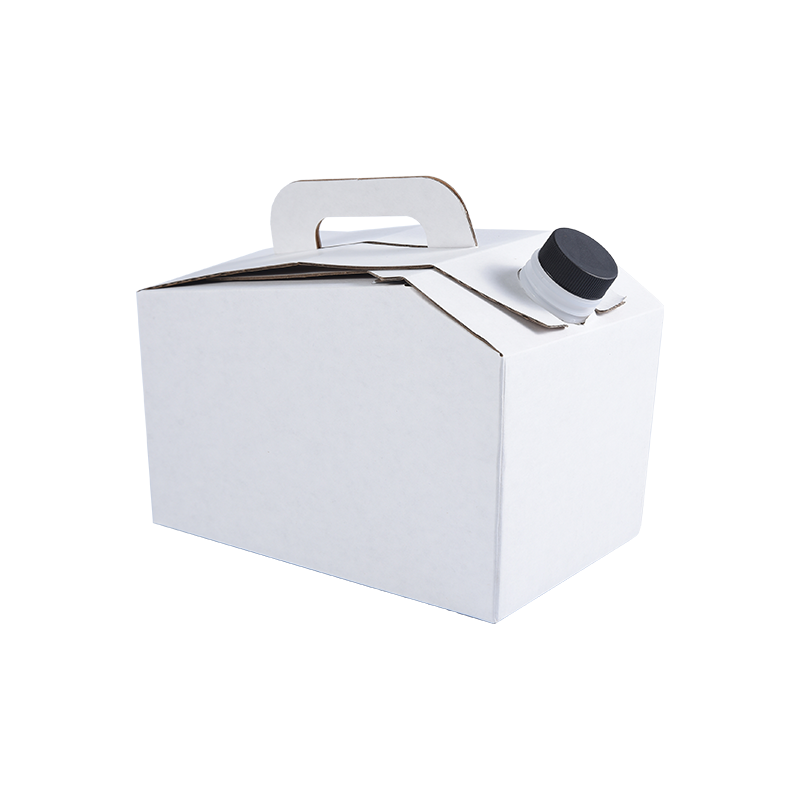 96oz Kraft Coffee/Drink to Go Container/Coffee Carrier Box
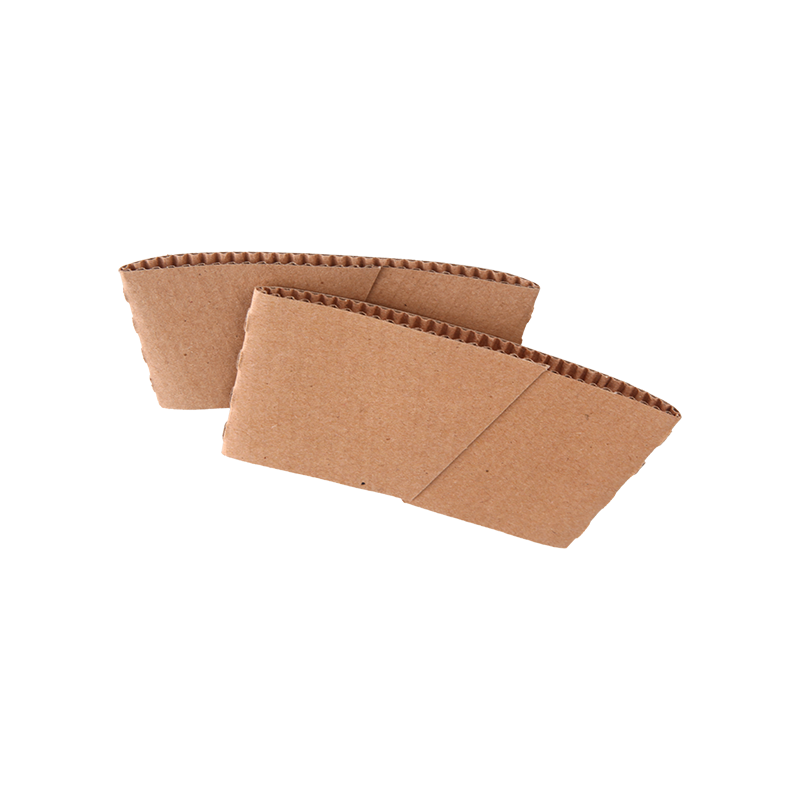 Recyclable Paper Cup Holder Sleeves
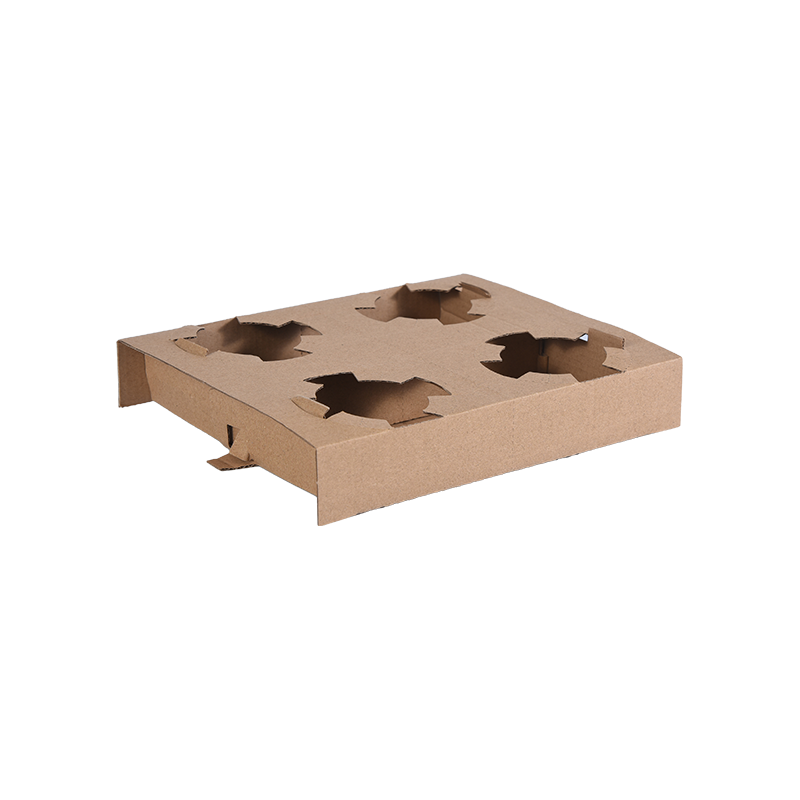 4 Cup Tray Holders for Hot & Cold Drinks – Foldable, Durable, and Cup Carrier for Takeaway, Festivals, Coffee Shops & Events
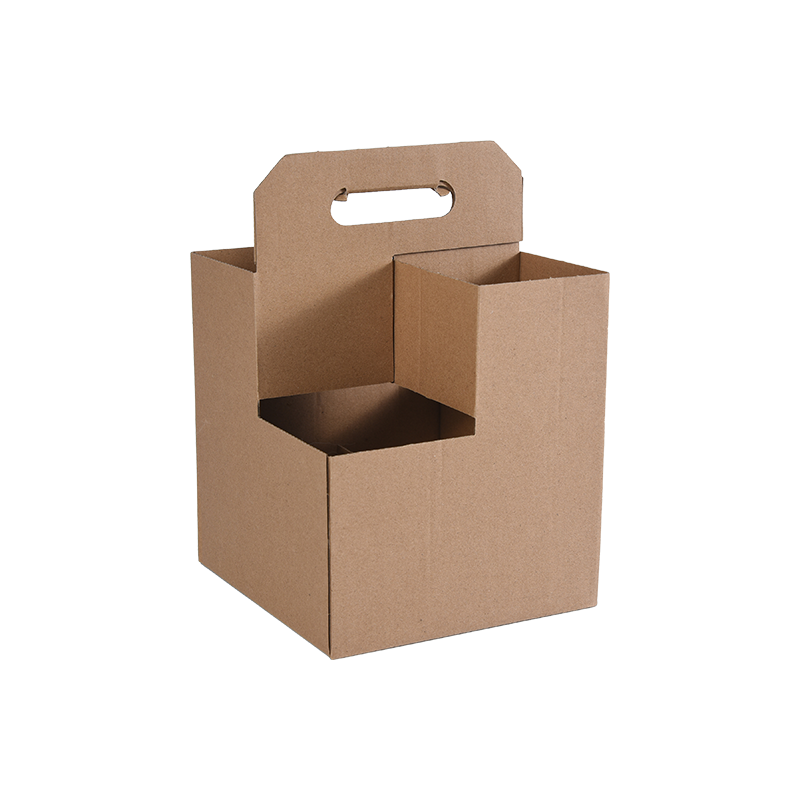 Kraft Cup Drink Carrier with Handles
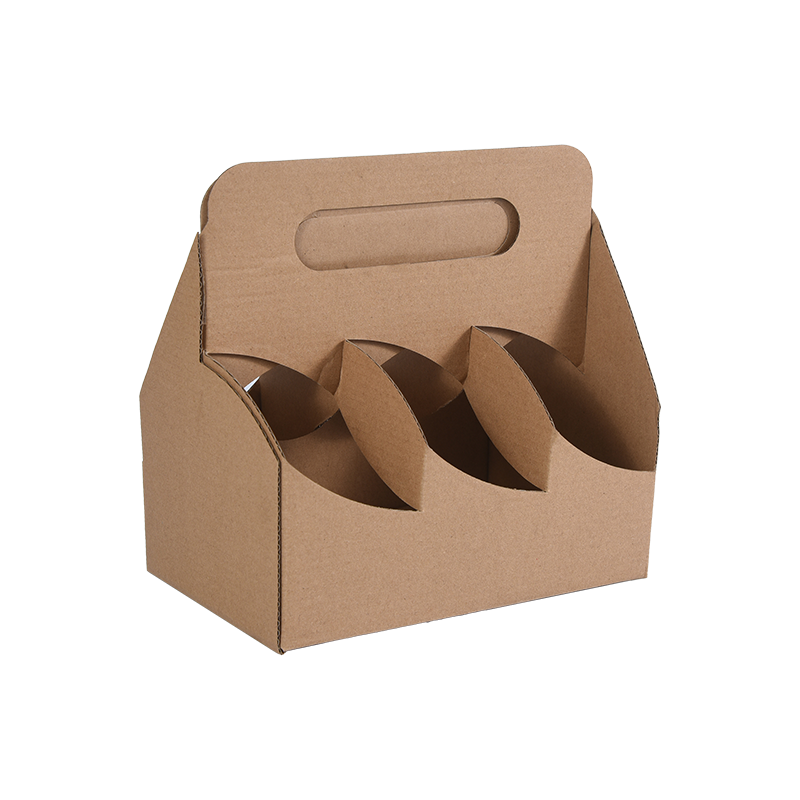 Kraft Beverage Carrier with Handles (6 to 8 Bottles or Cans)
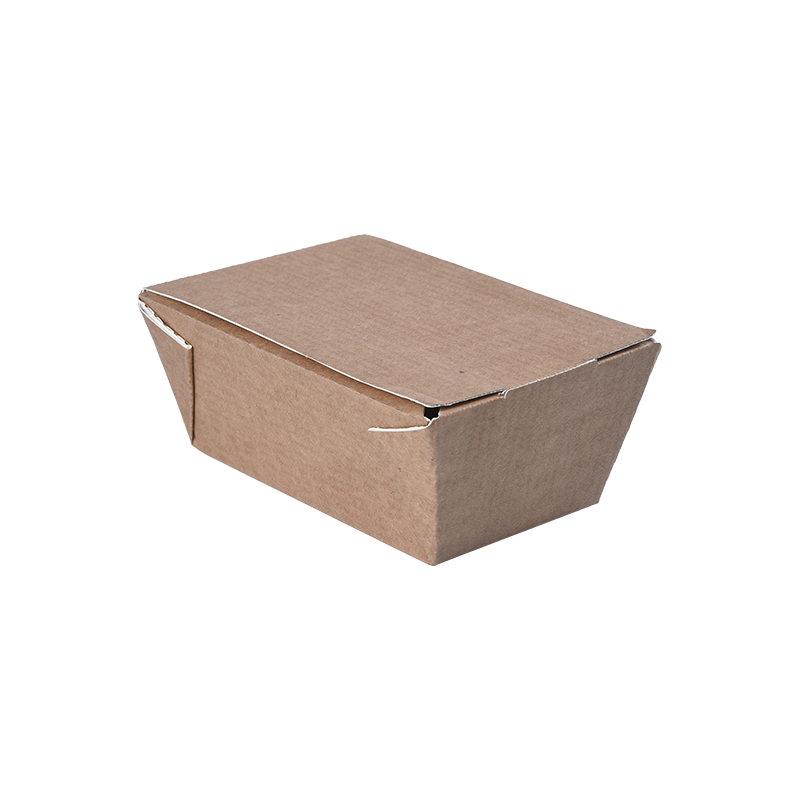 Corrugated Kraft Cardboard Lunch Boxes
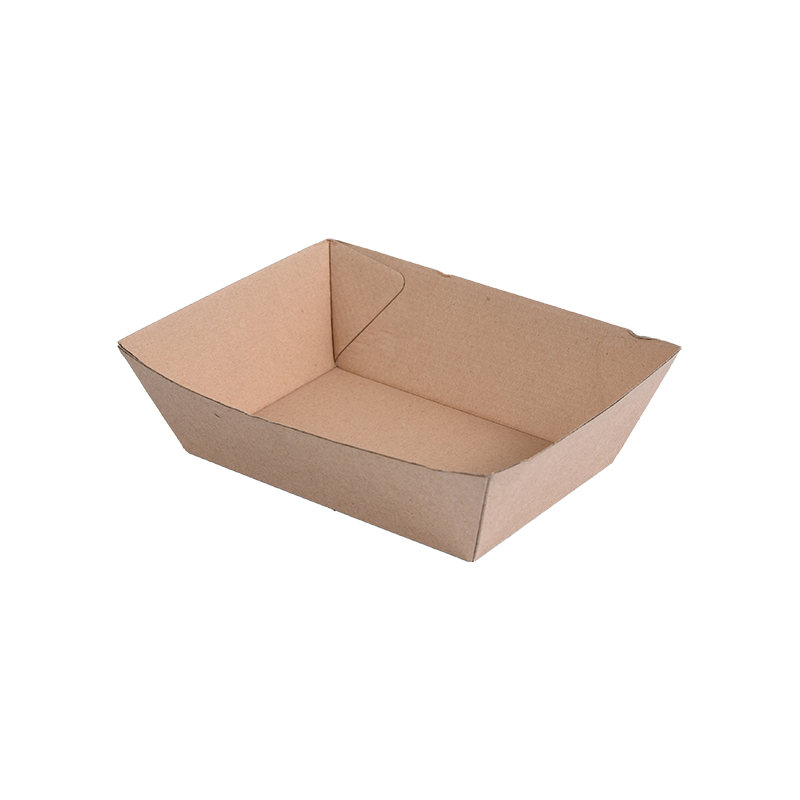 Disposable Rectangular Corrugated Paper Food Trays
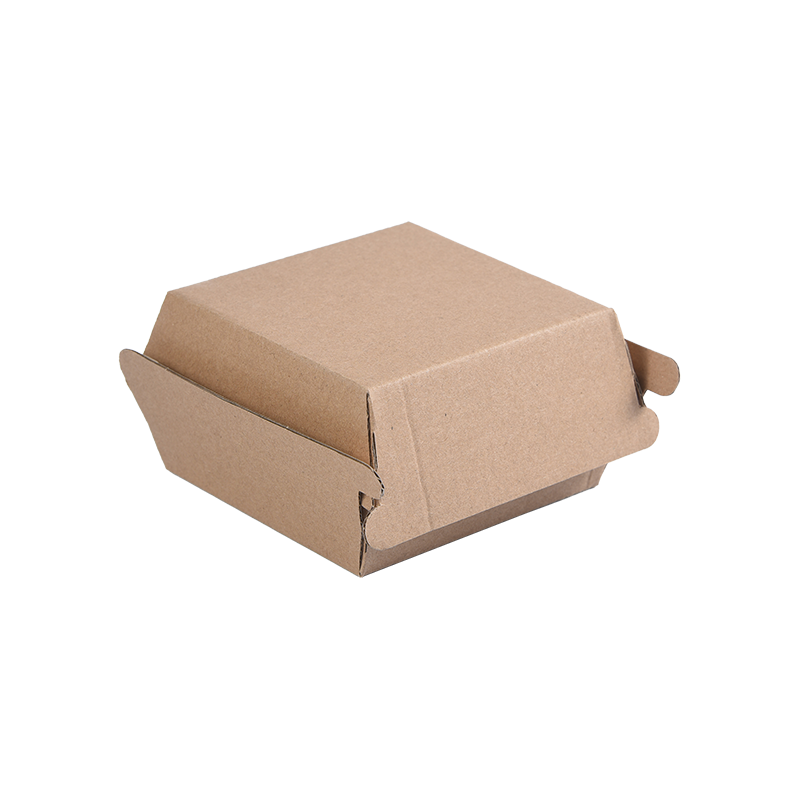 Restaurantware Corrugated Paper Burger Box
 Building 4, Leyin Industrial Park ,No. 330 Qianchun Avenue, Zhanqi Town, Yinzhou District, Ningbo, China
 +86-574-82813668
 Instagram
 Custom Disposable Paper Food Packaging Manufacturers