A quality paper fast food box needs three things to work: grease resistance, a coating free of intentionally added PFAS, and the right size and vent design for the food it holds. Kraft paperboard is the standard base material because its long cellulose fibers resist tearing, and most reputable suppliers now use plant-based or water-based grease barriers instead of the PFAS coatings that were common until recently. Getting these three elements right determines whether a box holds up through a delivery trip, meets current packaging law, and keeps food at the right temperature and texture.
Below is a breakdown of the materials used in paper fast food boxes, the regulatory changes reshaping the category in 2026, how to pick the right box for different foods, and what to check before placing a bulk order.
What Paper Fast Food Boxes Are Made Of
Most paper fast food boxes fall into one of two paperboard categories, each suited to a different look and price point.
Kraft Paperboard
Kraft paperboard is produced through the kraft pulping process, which preserves long cellulose fibers and gives the board its natural brown color and above-average tear resistance. The long fibers make the board genuinely harder to tear than standard paperboard, and it is typically fully recyclable and biodegradable, often left unbleached to minimize processing impact. This is the material customers associate with an eco-conscious, artisanal presentation, which is why it dominates the fast-casual and delivery segment.
SBS and FBB Paperboard
For a cleaner white finish or premium retail look, boxes are made from Solid Bleached Sulfate (SBS) or Folding Box Board (FBB). SBS is a whiteboard made from virgin pulp, prized for its whiteness and how sharply it takes printing, while FBB uses a multi-layer construction that adds stiffness with a slightly more natural surface texture. Both are common choices for branded boxes that need sharp, full-color logo printing.
Grease and Moisture Barriers
Plain paperboard alone won't hold up against burgers, fried chicken, or pizza. Manufacturers add a barrier layer — historically a PFAS-based coating, now increasingly a PLA lining, water-based coating, or plastic-free treatment — to block grease and moisture from soaking through. The choice of barrier is now the single most consequential material decision for compliance, discussed in detail in the next section.
The PFAS Rules Changing Paper Box Sourcing in 2026
If you buy, sell, or specify paper fast food boxes, 2026 is the year the ground shifted under the category. Regulators in the U.S. and EU have moved from voluntary phase-outs to enforceable bans on PFAS ("forever chemicals") in grease-resistant paper packaging.
United States: A Patchwork of State Bans
There is still no single federal ban, but state-level action has accelerated sharply. At least 12 U.S. states already have PFAS food packaging restrictions in force, with roughly 23 more considering active legislation during their 2026 sessions. Maine is the state to watch most closely, since its environmental regulators adopted rules prohibiting PFAS in plant fiber-derived packaging — including paper or paperboard bags, containers, and wraps — starting May 25, 2026. On the federal side, the FDA announced in February 2024 that manufacturers had stopped selling PFAS-based grease-proofing substances for paper and paperboard food packaging in the U.S., and by January 2025 the agency had formally determined that the related food contact notifications for those substances were no longer effective, since the use had been abandoned industry-wide.
European Union: A Hard Deadline in August
The EU's Packaging and Packaging Waste Regulation sets a firm cutoff. Under Article 5 of the PPWR, PFAS are banned in food-contact packaging starting August 12, 2026, and the requirement is binary — a supplier either holds documented proof of compliance for each packaging type, or that packaging cannot legally be placed on the EU market. Fast food boxes are named directly in the regulation's scope, alongside pizza boxes, fast-food wrappers, bakery bags, takeaway containers, paper cups, and moulded fibre trays. Compliance is measured against three chemical thresholds at once, and a general compliance statement without lab test data tied to those specific thresholds does not count as valid proof.
Key 2026 PFAS deadlines affecting paper fast food box packaging
| Jurisdiction |
Effective Date |
Scope |
| Maine |
May 25, 2026 |
Plant fiber food packaging, nine categories |
| European Union (PPWR) |
August 12, 2026 |
All food-contact packaging placed on EU market |
| New Jersey |
April 2026 (enacted) |
Multiple categories including food packaging |
| California (SB 682) |
January 2028 |
Food packaging, statewide |
The practical takeaway for buyers: a supplier's verbal assurance that a box is "PFAS-free" is not sufficient. Ask for a test report referencing the specific thresholds that apply in your market, tied to the exact packaging format and coating you're purchasing.
Matching Box Style to Food Type
A box built for a dry snack will fail on a saucy burger, and an over-sealed box will turn crisp fried food soggy through trapped steam. Matching the box style to the food is as important as the material itself.
- Hinged clamshell boxes work best for burgers and sandwiches, since the single-piece design closes securely without needing tape and holds its shape during transport.
- Tuck-top and lock-top boxes suit fried chicken and nuggets, particularly when they include ventilation holes that let steam escape so the coating stays crisp instead of going limp.
- Flat-lid square boxes are the standard for pizza, where a wide, rigid base matters more than a tight seal.
- Window boxes with a clear PLA or film cutout perform well for bakery items, sushi, and salads, where visible presentation drives the purchase decision.
- Multi-compartment trays keep wet and dry components separate in combo meals, preventing sauce or dressing from making fries or bread soggy before the customer opens the box.
Ventilation deserves special attention for fried and hot food: a fully sealed box traps steam, and that trapped moisture is one of the most common causes of customer complaints about soggy delivery orders.
Compostable vs. Recyclable: Know the Difference
"Eco-friendly" is used loosely in packaging marketing, but compostable and recyclable are two different end-of-life paths with different requirements.
Compostable Boxes Need Commercial Facilities
A box labeled compostable, even one certified to ASTM or BPI standards, generally requires an industrial composting facility to break down as intended. Plain paper and fiber boxes will not biodegrade meaningfully in a standard landfill, since landfills lack the oxygen, heat, and moisture that composting facilities are designed to provide. If your local area doesn't have access to commercial composting, a compostable label doesn't change how the box behaves after disposal.
Recyclability Depends on the Coating
A box's coating determines whether curbside recycling programs will accept it. Boxes with PE coatings or laminated layers tend to be harder for local recycling systems to process, while newer water-based, plastic-free, and mono-material coatings are specifically engineered to move through standard recycling streams more easily. When sourcing boxes, ask specifically whether the barrier coating is mono-material or a laminate, since that single detail decides whether the box is accepted at most municipal recycling centers.
Checklist Before Placing a Bulk Order
Whether you're a restaurant owner switching suppliers or a packaging buyer sourcing at scale, running through these points before committing to an order prevents costly requalification later.
- Request a PFAS test report, not a verbal claim. Confirm it references the specific packaging format, coating, and market you're selling into.
- Confirm the certification standard. Look for FSC certification on virgin fiber sourcing and BPI or ASTM certification if compostability is being marketed.
- Match the box to your food's moisture and grease profile. A greaseproof interior suited to fried chicken may be unnecessary and more costly for dry snacks or baked goods.
- Order samples before a bulk run. Test the box under real conditions — hot food, delivery transit time, stacking — rather than relying on the spec sheet alone.
- Check minimum order quantities and lead times. Custom-printed runs typically take longer than stock designs, so build that into your reorder schedule.
- Verify food-safe ink compliance if you're adding custom branding, logos, or QR codes directly to the box surface.
Why the Box Itself Has Become a Branding Tool
Paper fast food boxes are no longer purely functional. As delivery orders have grown, the box has become the first physical touchpoint a customer has with a brand, often before they've even opened the bag.
Communicating a box's compostable or recycled-content status on the packaging itself has become a common way for brands to reinforce their sustainability positioning at the exact moment a customer is deciding how to dispose of it — turning a routine disposal decision into a small but consistent brand impression.


 English
 Español
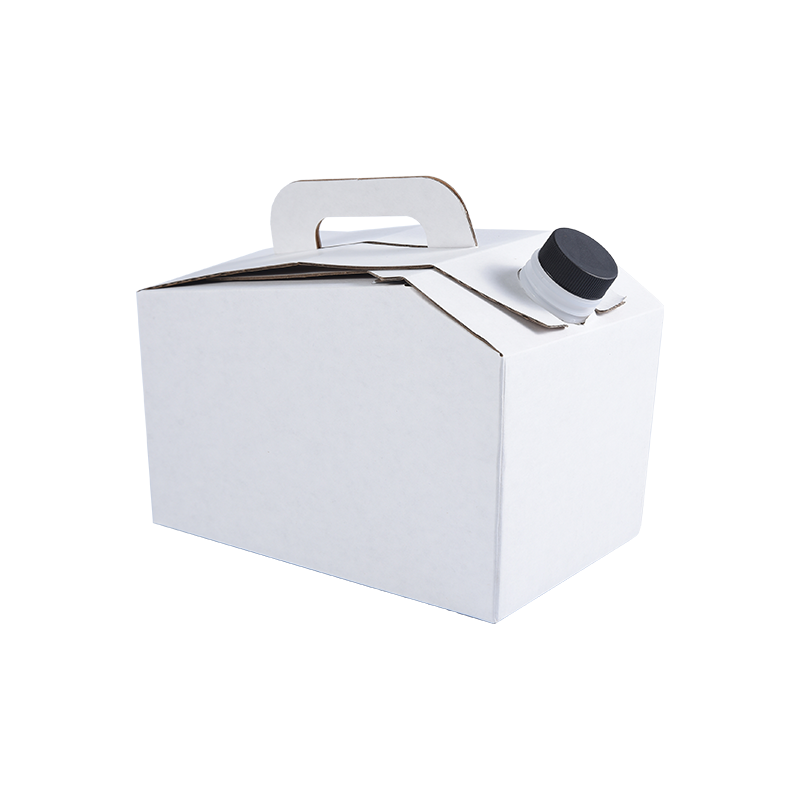 96oz Kraft Coffee/Drink to Go Container/Coffee Carrier Box
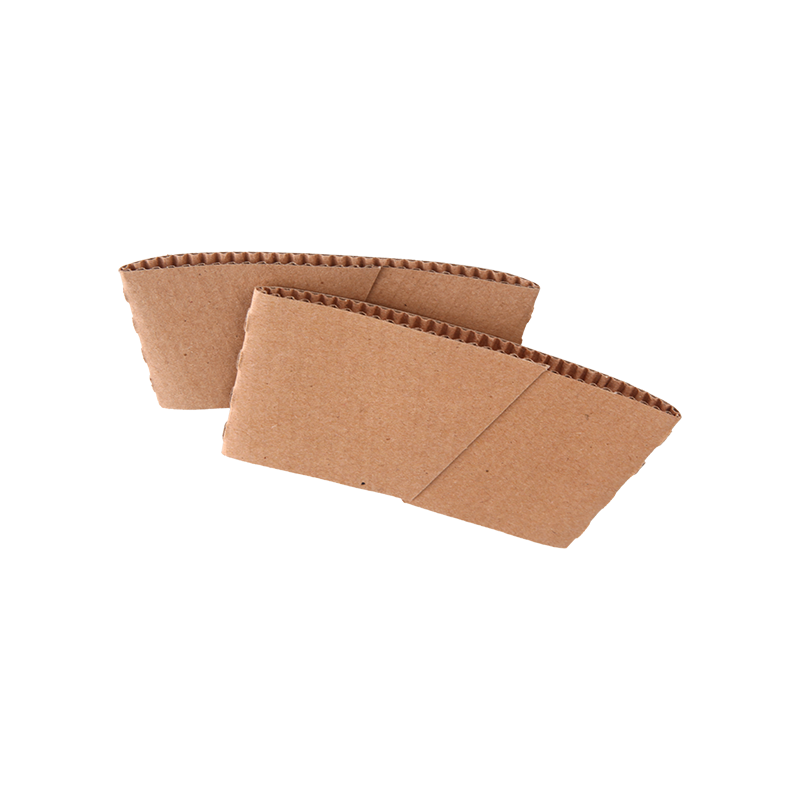 Recyclable Paper Cup Holder Sleeves
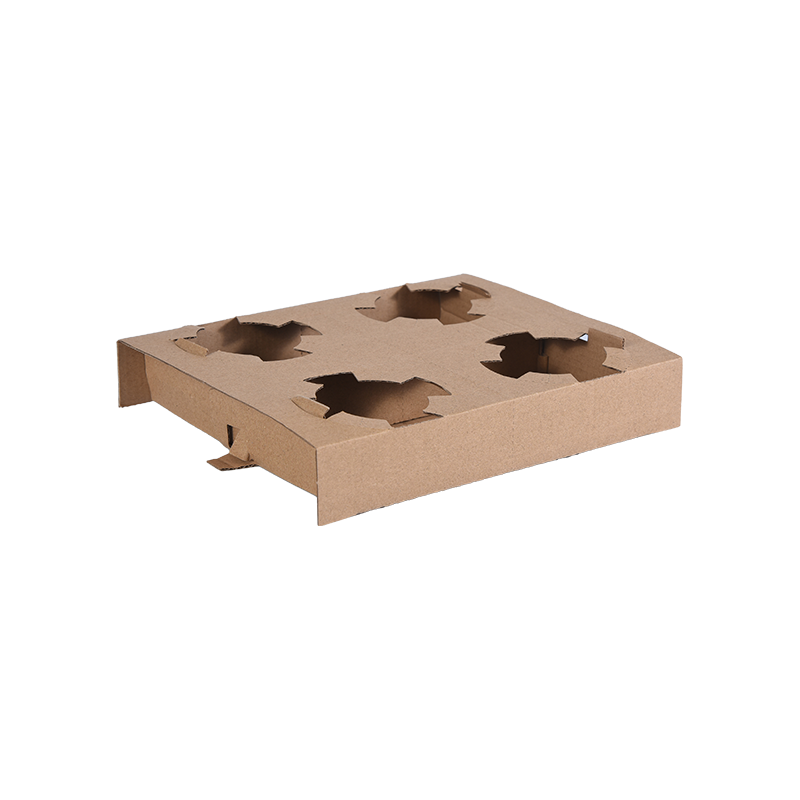 4 Cup Tray Holders for Hot & Cold Drinks – Foldable, Durable, and Cup Carrier for Takeaway, Festivals, Coffee Shops & Events
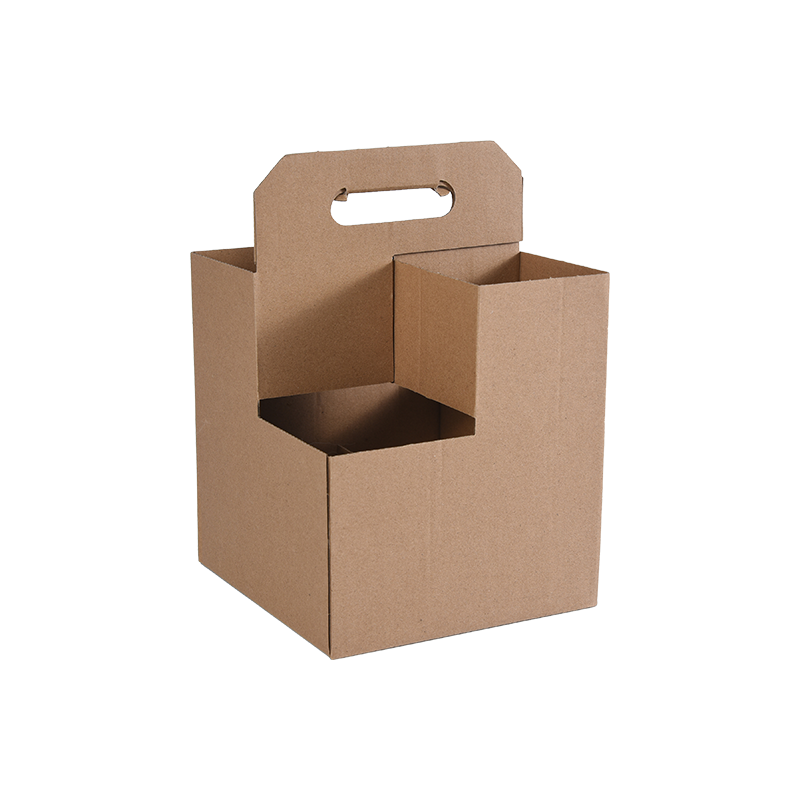 Kraft Cup Drink Carrier with Handles
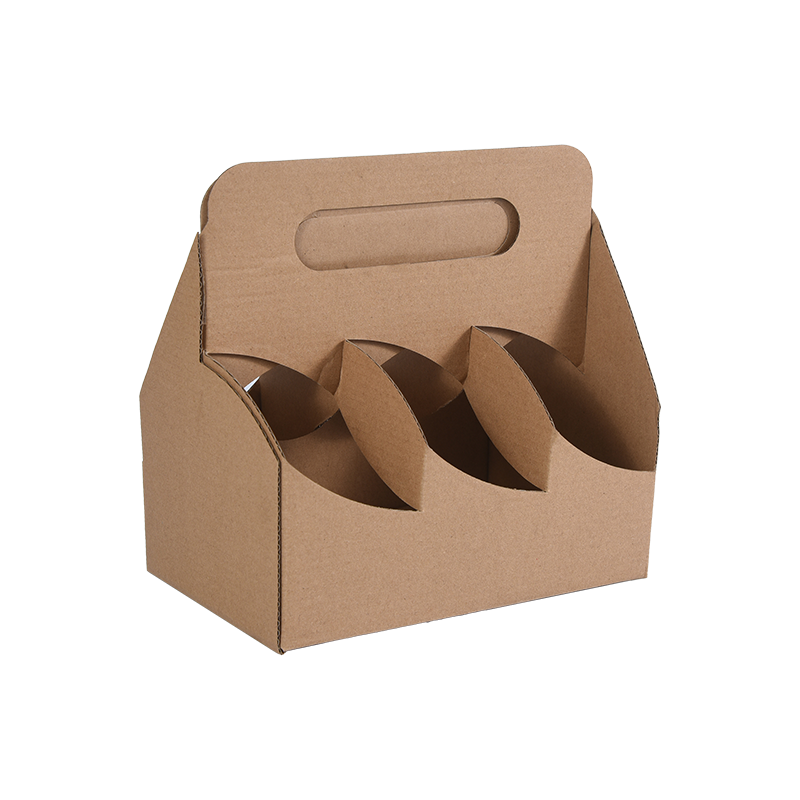 Kraft Beverage Carrier with Handles (6 to 8 Bottles or Cans)
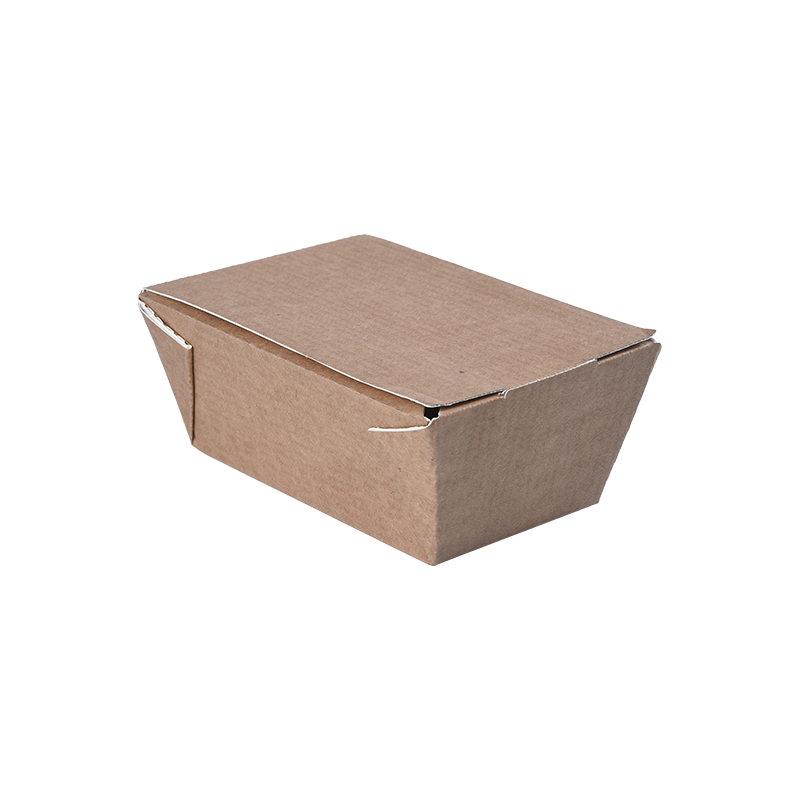 Corrugated Kraft Cardboard Lunch Boxes
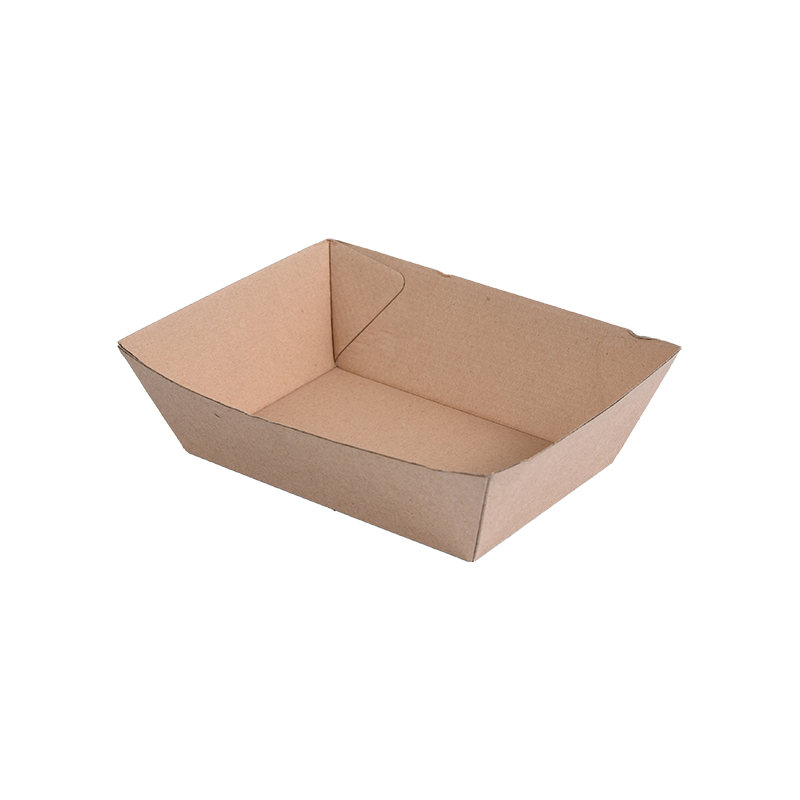 Disposable Rectangular Corrugated Paper Food Trays
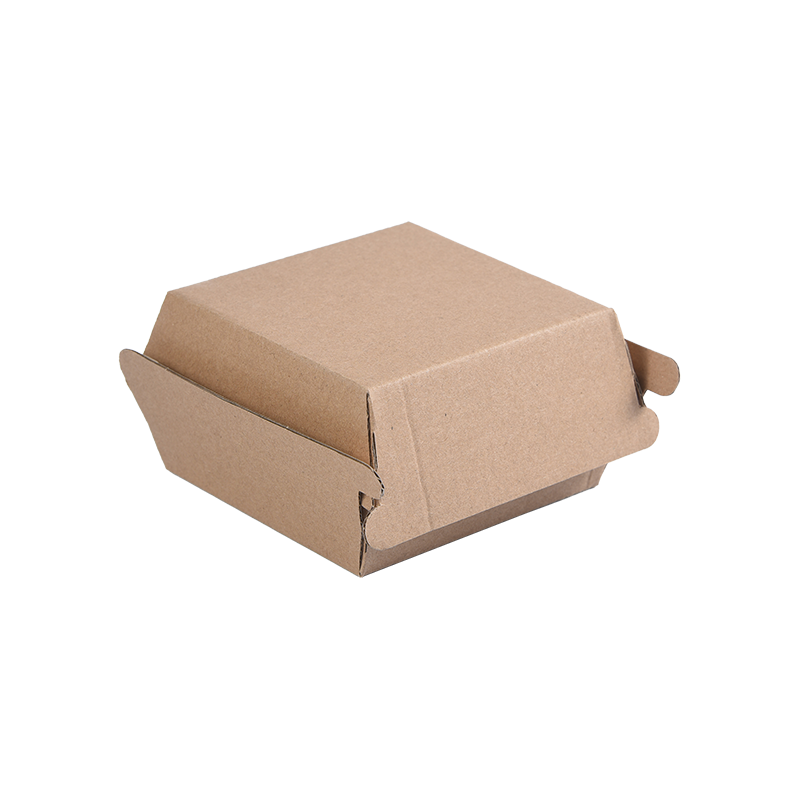 Restaurantware Corrugated Paper Burger Box
 Building 4, Leyin Industrial Park ,No. 330 Qianchun Avenue, Zhanqi Town, Yinzhou District, Ningbo, China
 +86-574-82813668
 Instagram
 Custom Disposable Paper Food Packaging Manufacturers