Paper food packaging boxes are the most practical, cost-effective, and environmentally responsible choice for food businesses today. Whether you run a bakery, restaurant, meal-prep service, or food manufacturing operation, switching to paper-based boxes reduces plastic waste, meets tightening regulations, and appeals to a growing base of eco-conscious consumers. This guide covers everything you need to know—from material types and structural formats to performance data and procurement tips.
What Are Paper Food Packaging Boxes?
Paper food packaging boxes are rigid or semi-rigid containers made primarily from cellulose-based materials—kraft paper, paperboard, corrugated board, or molded pulp—designed to hold, protect, and transport food products. They replace plastic clamshells, polystyrene trays, and foam containers across a wide range of food categories, from takeout meals to dry goods to fresh produce.
The global paper-based food packaging market was valued at approximately USD 142 billion in 2023 and is projected to surpass USD 190 billion by 2030, driven by legislative bans on single-use plastics in over 60 countries and shifting consumer preferences toward sustainable packaging.
Common Types of Paper Food Packaging Boxes
Not all paper boxes are built the same. The right format depends on your food type, temperature requirements, and branding needs.
Folding Cartons
Made from solid bleached sulfate (SBS) or coated unbleached kraft (CUK) board, folding cartons are flat-packed and assembled on-site. They are ideal for dry snacks, cereals, frozen food, and bakery items. Typical board weight ranges from 180 to 400 gsm.
Corrugated Pizza and Takeout Boxes
Single- or double-wall corrugated board provides insulation and stacking strength. A standard single-wall corrugated pizza box can withstand a compressive load of 200–300 kg, making it reliable for delivery stacking. The fluted inner layer also traps air, keeping food warm up to 30 minutes longer than flat paperboard.
Kraft Paper Boxes
Natural brown kraft boxes are unbleached, minimally processed, and often used for artisan bakeries, sandwich shops, and organic food brands. They are highly customizable with water-based inks and carry a strong visual association with naturalness—73% of consumers in a 2022 Smithers survey linked kraft packaging to "healthy" or "organic" product perceptions.
Grease-Resistant and PE-Coated Boxes
For fried foods, pastries, and saucy dishes, boxes need an internal barrier. Polyethylene (PE) coatings or fluorine-free grease-resistant treatments prevent oil migration. However, PE-coated paperboard is generally not recyclable in standard streams—an important trade-off to consider. PFAS-free aqueous barriers are now available as a sustainable alternative.
Rigid Setup Boxes
Used for premium chocolates, macarons, and gift food sets, rigid setup boxes feature a wrapped chipboard construction. They do not fold flat and are more expensive, typically costing 3–8× more per unit than folding cartons of comparable size, but deliver a premium unboxing experience.
Molded Pulp Trays and Clamshells
Manufactured from recycled newsprint or sugarcane bagasse, molded pulp containers are compostable and provide excellent cushioning for eggs, fruits, and prepared meals. They can tolerate temperatures up to 120°C (248°F) in standard grades and are accepted in most commercial composting programs.
Key Material Comparison
The table below compares the five most common paper-based materials used in food packaging boxes across critical performance and sustainability dimensions.
| Material |
Grease Resistance |
Moisture Resistance |
Recyclable |
Compostable |
Relative Cost |
| SBS Folding Carton |
Low |
Low |
Yes |
No |
Low |
| Kraft Paperboard |
Low |
Low–Medium |
Yes |
Yes (uncoated) |
Low |
| PE-Coated Board |
High |
High |
No |
No |
Low–Medium |
| Corrugated Board |
Low |
Low |
Yes |
Yes (uncoated) |
Low |
| Molded Pulp |
Medium |
Medium |
Yes |
Yes |
Medium–High |
Table 1: Performance and sustainability comparison of common paper food packaging materials
Why Businesses Are Switching to Paper Food Packaging
The shift from plastic to paper packaging is not purely ideological—it is driven by measurable business benefits.
- Regulatory compliance: The EU Single-Use Plastics Directive (2019/904) and similar laws in Canada, India, and Australia now restrict or ban expanded polystyrene food containers. Paper boxes provide a compliant alternative without reformulating products.
- Consumer demand: A 2023 McKinsey study found that 60% of consumers across the US, UK, Germany, and China said they would pay a premium of up to 9.7% for sustainably packaged food products.
- Carbon footprint: A lifecycle assessment by the Paper and Packaging Board (2021) showed that paperboard cartons generate 60% fewer greenhouse gas emissions per unit than equivalent polystyrene containers.
- Printability and branding: Paper surfaces accept high-resolution flexographic and offset printing, enabling richer brand visuals than most plastic alternatives without secondary labeling.
- Supply chain efficiency: Flat-pack folding cartons reduce storage volume by up to 80% compared to pre-formed plastic containers, lowering warehousing and freight costs.
Food Safety and Compliance Standards to Know
Paper food packaging boxes must meet food-contact material (FCM) regulations in their target markets. Failing to verify compliance can result in product recalls, border rejections, or legal liability.
Key Regulatory Frameworks
- EU Regulation (EC) No 1935/2004: Requires all materials in contact with food to be inert—they must not transfer substances to food in quantities that could endanger health or alter taste.
- US FDA 21 CFR: Specifies which substances (inks, adhesives, coatings) are approved for food-contact use. Suppliers must provide a Declaration of Compliance (DoC).
- PFAS restrictions: Several US states (California, New York, Minnesota) and the EU are banning per- and polyfluoroalkyl substances (PFAS) in food packaging. Request PFAS-free certification from suppliers.
- Mineral oil migration: Recycled paper can contain mineral oil hydrocarbons (MOSH/MOAH) that migrate into food. Functional barriers or virgin-fiber boards eliminate this risk for sensitive products.
Always request a full Declaration of Compliance and migration test reports from your packaging supplier before committing to large orders.
How to Choose the Right Paper Food Packaging Box
Use the following step-by-step framework to match box type to product requirements.
- Define your food type: Dry goods tolerate standard paperboard; greasy or wet foods need a barrier coating or liner. Hot foods above 70°C require heat-stable substrates.
- Determine shelf life needs: Short shelf-life (same-day) takeout tolerates basic kraft boxes. Products needing 6–12 months shelf life require moisture vapor transmission rate (MVTR) tested materials.
- Assess your volume: Custom printed boxes typically require minimum order quantities of 500–2,000 units. Smaller operations should use stock boxes with custom stickers or stamps.
- Set a sustainability target: If recyclability matters, avoid PE coatings. If compostability is the goal, choose certified molded pulp or PLA-coated board with BPI or EN 13432 certification.
- Evaluate branding requirements: High-fidelity imagery and Pantone-matched colors need coated SBS board with offset printing. Rustic or minimalist aesthetics suit uncoated kraft with single-color flexo printing.
- Request prototypes: Always test structural integrity with your actual product weight, temperature, and delivery conditions before placing production orders.
Sustainability Certifications Worth Verifying
When sourcing paper food packaging boxes, third-party certifications signal responsible sourcing and genuine environmental performance. The most credible ones include:
- FSC (Forest Stewardship Council): Certifies that pulp comes from responsibly managed forests. Over 200 million hectares of forest globally are FSC-certified as of 2024.
- PEFC (Programme for the Endorsement of Forest Certification): An alternative to FSC with strong coverage in Europe and Asia.
- BPI Compostable / EN 13432: Required to legally label packaging as compostable in North America and the EU respectively.
- Recycled Content Claims: Look for post-consumer recycled (PCR) content percentages backed by third-party audit, not just supplier self-declaration.
- ISO 22000 / BRCGS: Food safety management standards covering the entire packaging production chain, particularly important for high-risk or ready-to-eat food contacts.
Cost Benchmarks for Paper Food Packaging Boxes
Pricing varies significantly by format, volume, print complexity, and geography. The table below provides indicative unit cost ranges for common box types based on industry benchmarks for orders of 1,000–10,000 units.
| Box Type |
Typical Size Range |
Unit Cost (1k MOQ) |
Unit Cost (10k MOQ) |
| Kraft Takeout Box |
Small–Large |
$0.15–$0.45 |
$0.08–$0.20 |
| Corrugated Pizza Box (12") |
12×12×2 in |
$0.40–$0.80 |
$0.20–$0.45 |
| SBS Folding Carton (custom print) |
Various |
$0.35–$1.20 |
$0.12–$0.50 |
| Molded Pulp Tray |
Standard meal size |
$0.50–$1.50 |
$0.25–$0.70 |
| Rigid Setup Box (premium) |
Gift/confection size |
$2.00–$6.00 |
$1.00–$3.00 |
Table 2: Indicative unit cost ranges for paper food packaging boxes by type and order volume (USD)
Custom die-cut tooling typically adds a one-time cost of $300–$1,500, which is amortized across print runs. Sourcing from domestic suppliers adds 20–40% to unit costs compared to overseas manufacturing but reduces lead times from 8–12 weeks to 2–4 weeks.
Common Mistakes to Avoid When Ordering Paper Food Packaging
- Ignoring moisture testing: A box that performs well in dry warehouse conditions may fail within minutes in a high-humidity kitchen. Always request Cobb water absorption test results.
- Assuming "paper" means "recyclable": Laminated, foil-lined, or PE-coated paper boxes are often rejected by recycling facilities. Check with your local waste authority before making recyclability claims.
- Underestimating structural needs for delivery: Delivery packaging endures multiple drop events averaging 1–2 meter heights. Test with ISTA 2A or ASTM D4169 protocols before launch.
- Overcomplicating the design structure: Complex tuck-end and auto-bottom styles require more assembly time. For high-volume quick-service environments, simpler snap-lock or straight-tuck cartons reduce labor.
- Skipping supplier audits: Food-grade paper packaging requires verified ink safety, clean production environments, and traceability. Conduct at least a remote audit or request third-party audit reports before first production runs.
The Future of Paper Food Packaging Boxes
Innovation in this sector is accelerating. Key trends reshaping paper food packaging include:
- Fiber-based barriers: New nanocellulose and bio-based dispersion coatings are replacing PE liners, maintaining high grease and moisture resistance while preserving full recyclability.
- Active packaging: Antimicrobial paper coatings infused with plant-based compounds (e.g., rosemary extract, zinc oxide nanoparticles) extend shelf life by suppressing microbial growth on the packaging surface.
- Digital printing at scale: HP PageWide and Landa digital printing now allow short runs of as few as 100 units with photographic quality, enabling hyper-personalized seasonal and regional packaging.
- Smart traceability: QR codes, NFC tags, and even embedded conductive ink sensors are being integrated directly into paper boxes to enable farm-to-fork traceability and real-time freshness monitoring.
- Agricultural fiber alternatives: Bagasse (sugarcane residue), bamboo, and wheat straw are reducing reliance on tree-sourced pulp—bamboo in particular regenerates in 3–5 years versus 25–70 years for conventional timber.
Businesses that invest now in transitioning to next-generation paper food packaging will be better positioned to meet incoming Extended Producer Responsibility (EPR) regulations, which are being adopted across the EU, UK, Canada, and US states through 2025–2027.


 English
 Español
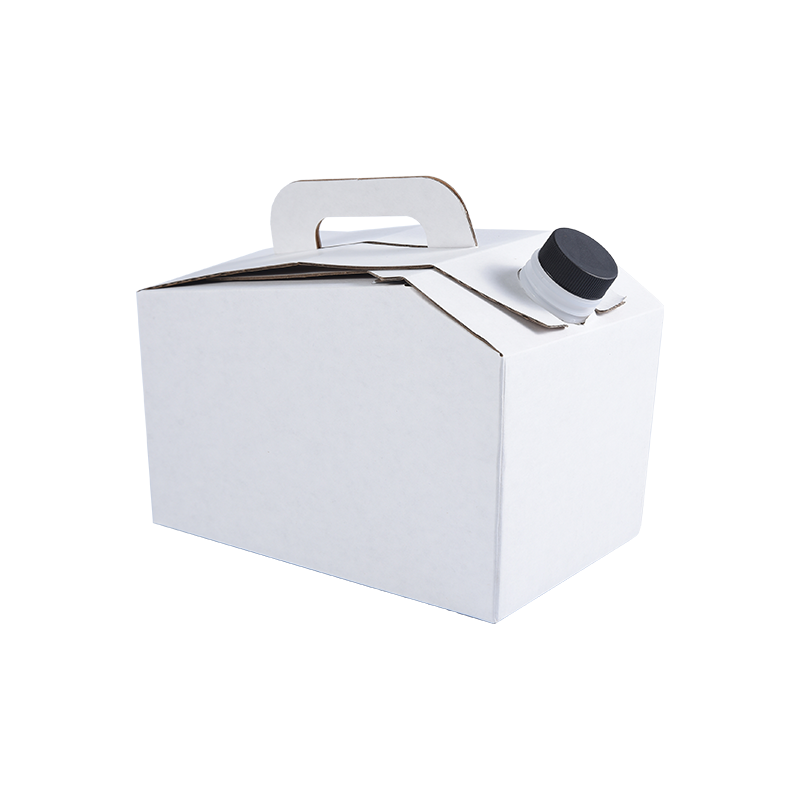 96oz Kraft Coffee/Drink to Go Container/Coffee Carrier Box
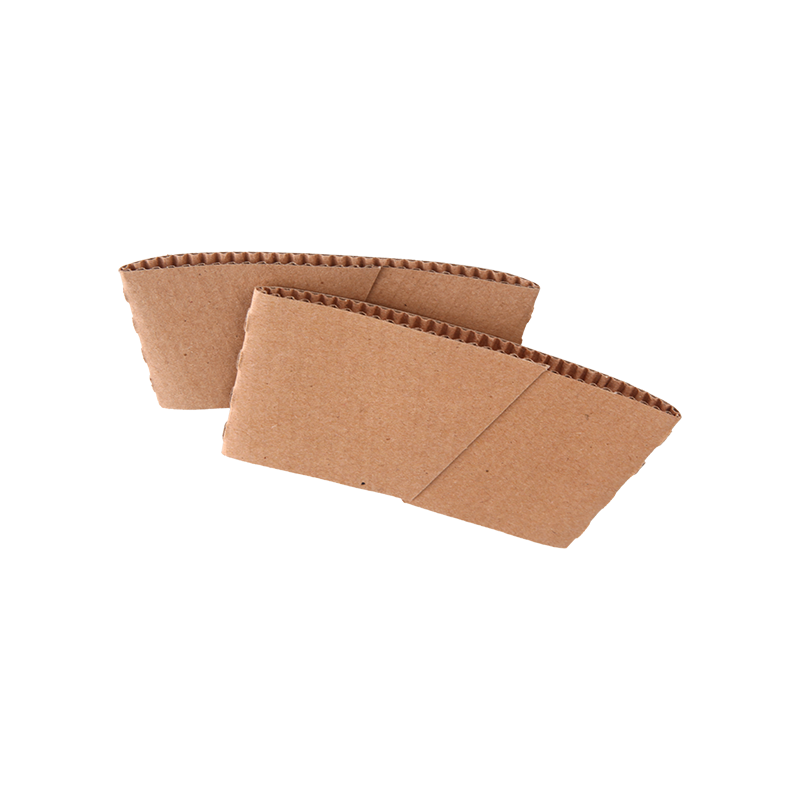 Recyclable Paper Cup Holder Sleeves
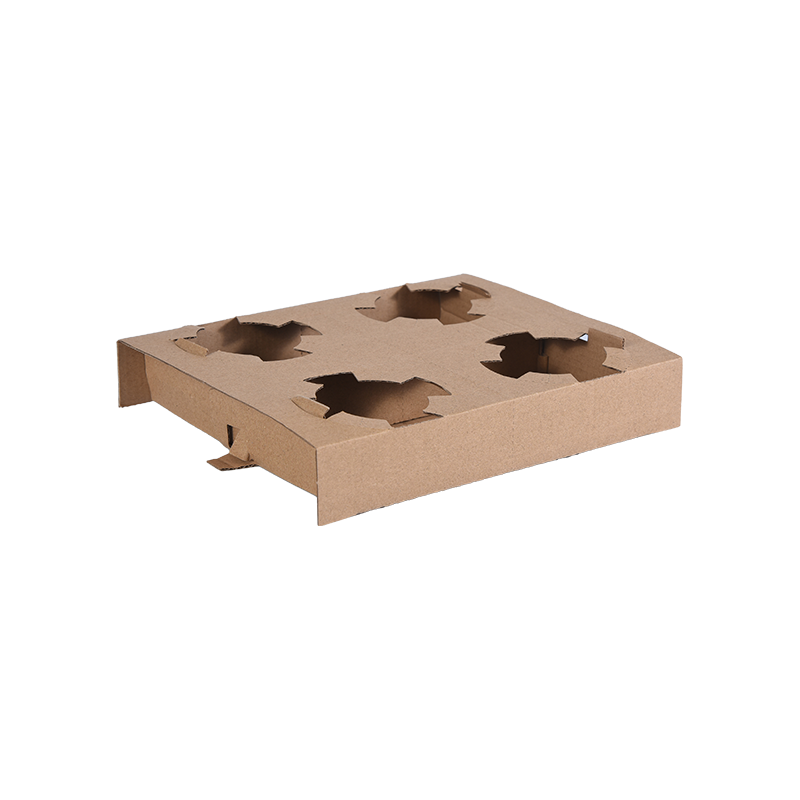 4 Cup Tray Holders for Hot & Cold Drinks – Foldable, Durable, and Cup Carrier for Takeaway, Festivals, Coffee Shops & Events
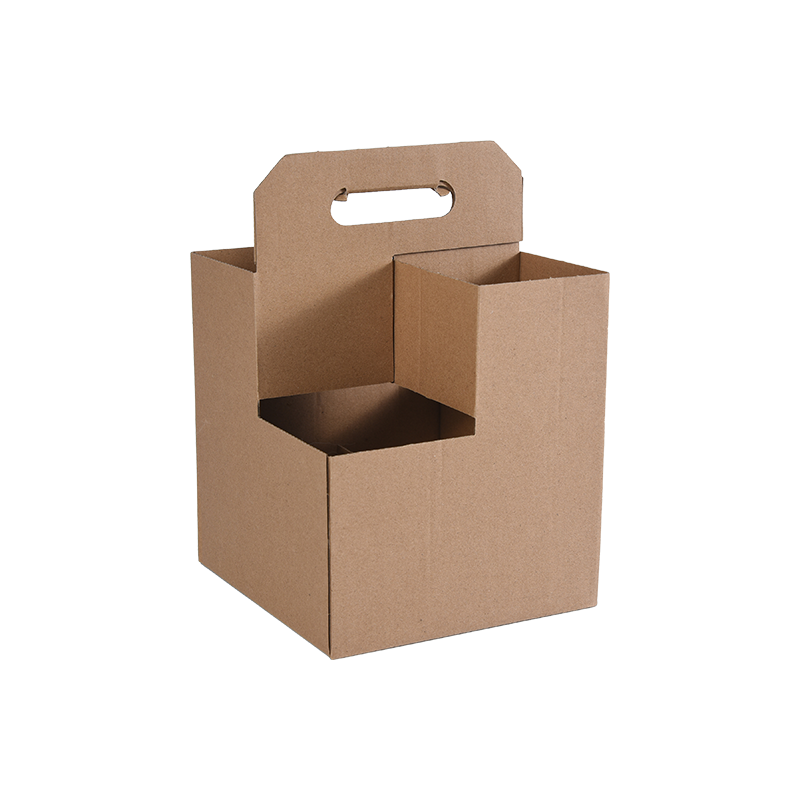 Kraft Cup Drink Carrier with Handles
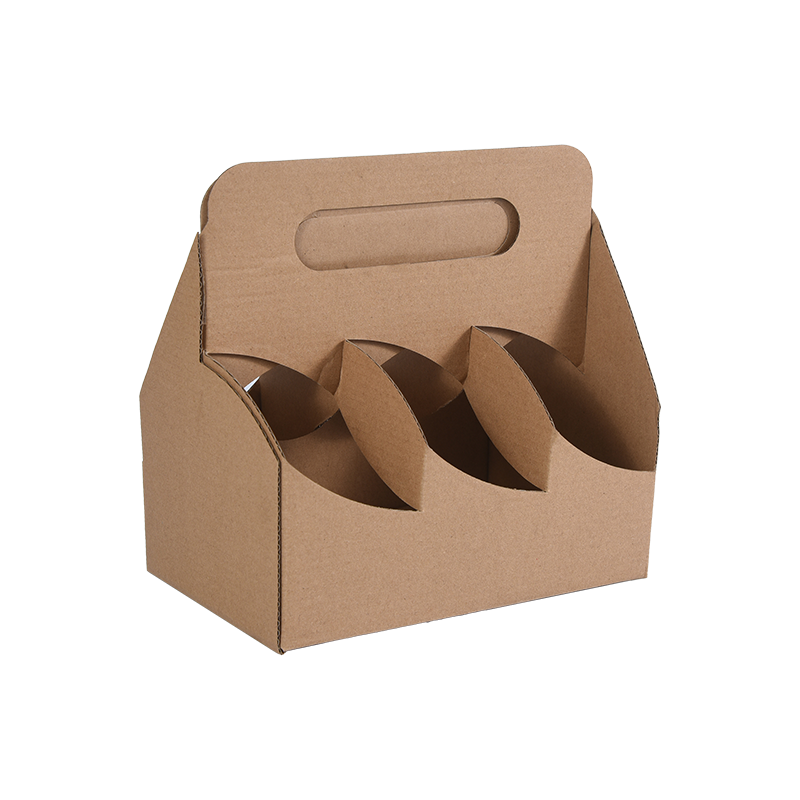 Kraft Beverage Carrier with Handles (6 to 8 Bottles or Cans)
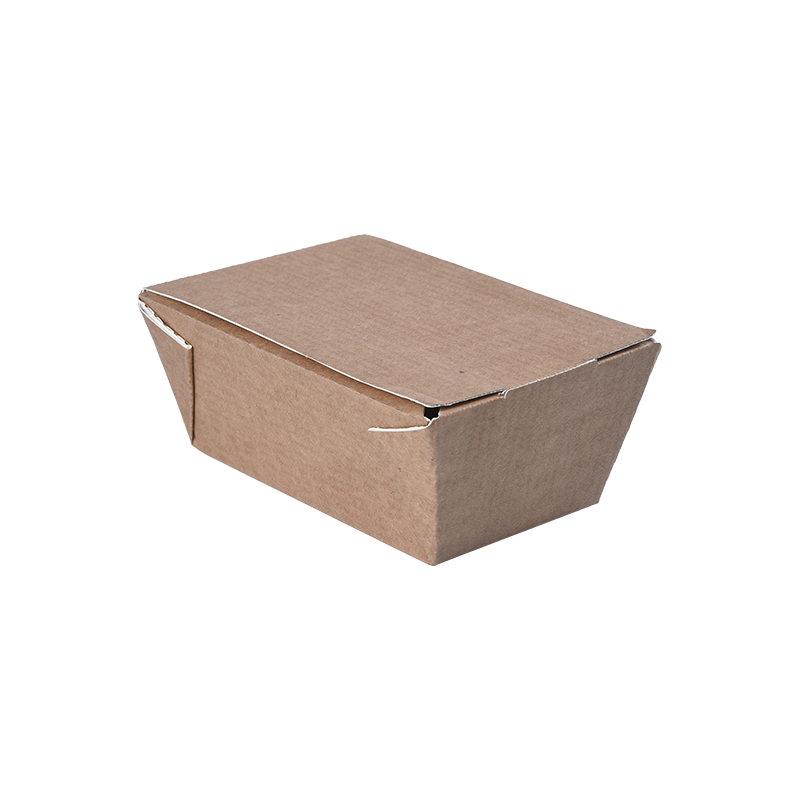 Corrugated Kraft Cardboard Lunch Boxes
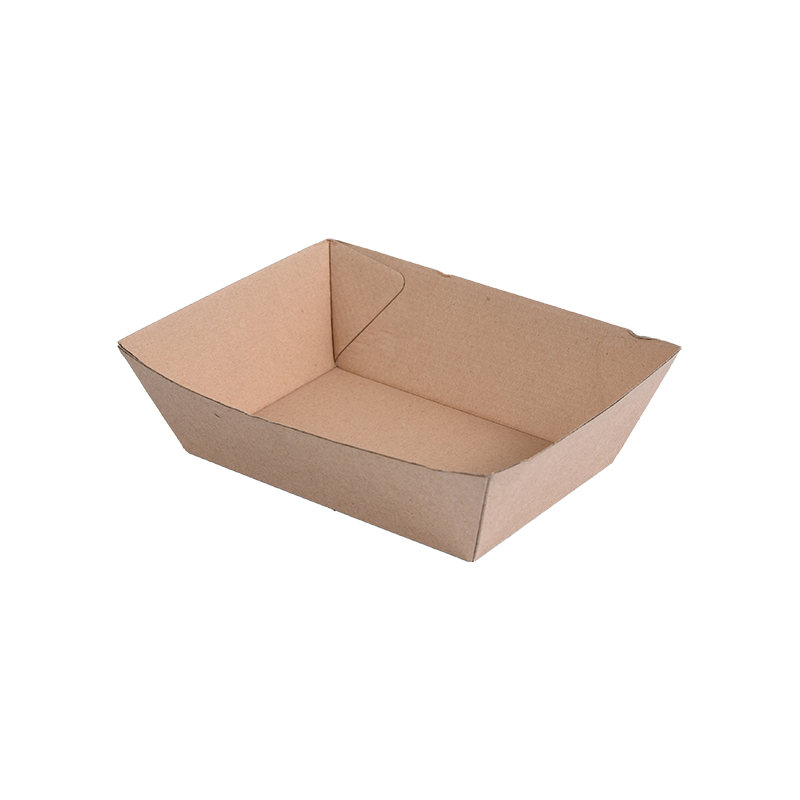 Disposable Rectangular Corrugated Paper Food Trays
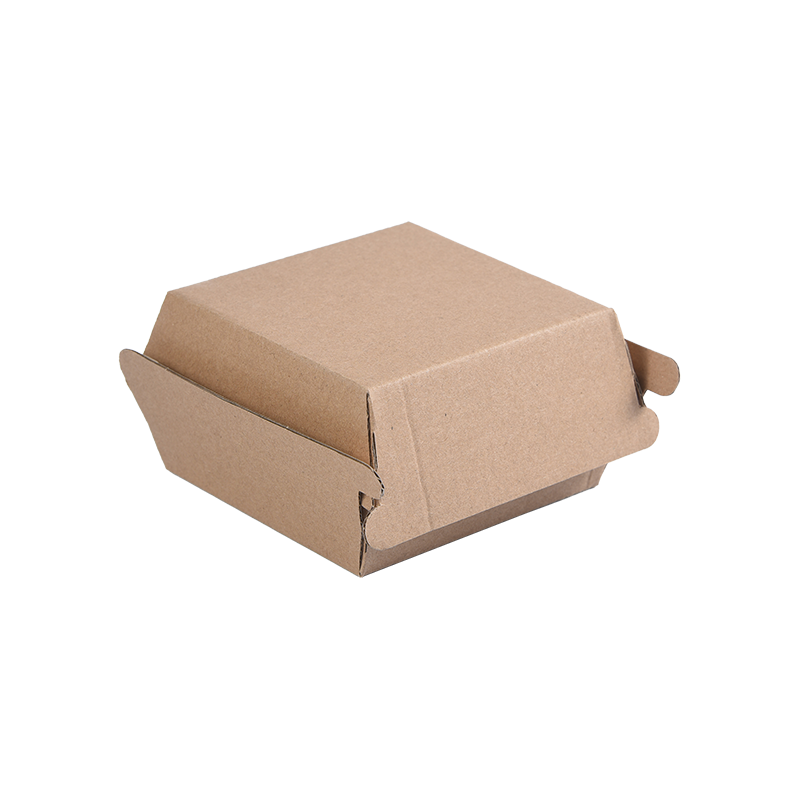 Restaurantware Corrugated Paper Burger Box
 Building 4, Leyin Industrial Park ,No. 330 Qianchun Avenue, Zhanqi Town, Yinzhou District, Ningbo, China
 +86-574-82813668
 Instagram
 Custom Disposable Paper Food Packaging Manufacturers