For food storage at home, glass containers are the safest and most durable long-term choice. For takeout and single-use food service, paper food containers are the most environmentally responsible option. Plastic containers remain the most affordable and lightweight, but carry real concerns around chemical leaching and environmental persistence. This article breaks down each material across safety, cost, durability, and sustainability so you can make an informed decision for your specific use case.
Side-by-Side Comparison: Plastic, Glass, and Paper Food Containers
Before diving into detail, here is a direct comparison of all three materials across the factors that matter most to everyday users:
Overview of plastic, glass, and paper food containers across key decision factors
| Factor |
Plastic |
Glass |
Paper |
| Food Safety |
Moderate (risk of leaching) |
Excellent (non-reactive) |
Good (depends on coating) |
| Durability |
High (impact resistant) |
Moderate (breakable) |
Low (single-use) |
| Weight |
Very light |
Heavy |
Very light |
| Microwave Safe |
Some (BPA-free only) |
Yes (most types) |
No (generally) |
| Eco-Friendliness |
Poor (slow to degrade) |
Good (fully recyclable) |
Good to Excellent (compostable options) |
| Average Cost |
$1–$8 per unit |
$5–$25 per unit |
$0.10–$0.80 per unit |
| Best For |
On-the-go, budget use |
Home meal prep, reheating |
Takeout, catering, events |
Plastic Food Containers: Affordable but Not Without Risk
Plastic containers dominate the market due to their low price, light weight, and shatter resistance. However, their safety profile is more complicated than manufacturers often communicate.
The BPA and Chemical Leaching Problem
Bisphenol A (BPA) — a chemical used to harden certain plastics — has been shown in studies to act as an endocrine disruptor, interfering with hormone function even at low exposure levels. While many manufacturers now produce BPA-free containers, research published in journals including Environmental Health Perspectives found that some BPA-free plastics still leach estrogenic chemicals, particularly when heated or scratched. The key risk factors are:
- Microwaving food in plastic containers, even those labelled "microwave-safe"
- Washing plastic containers repeatedly in high-heat dishwashers, which degrades the polymer structure
- Storing acidic or fatty foods (tomato sauce, oily leftovers) which accelerate chemical migration
- Using old or visibly scratched containers where surface degradation increases leaching risk
Understanding Plastic Recycling Numbers
The number stamped on the bottom of plastic containers (1–7) indicates the resin type, not safety level. For food contact:
- #2 (HDPE) and #5 (PP) are considered the safest options for repeated food storage use
- #3 (PVC) and #6 (PS / polystyrene) are best avoided for food contact due to potential leaching of plasticizers and styrene
- #7 (Other) is a catch-all category that may or may not contain BPA — verify with the manufacturer
From an environmental standpoint, plastic food containers take 400–1,000 years to decompose in landfill conditions. Less than 9% of all plastic waste is recycled globally, according to a 2022 OECD report — meaning the vast majority ends up in landfills or the environment.
Glass Food Containers: The Safest Choice for Home Storage
Glass is chemically inert — it does not absorb food odors, stains, or flavors, and does not leach any substances into food regardless of temperature. This makes it the gold standard for food safety among reusable container materials.
Key Advantages of Glass Containers
- Oven, microwave, and freezer safe — borosilicate glass (e.g., Pyrex-type) can handle temperatures from −40°C to over 300°C without cracking
- No flavor transfer — glass does not absorb smells or stains, making it ideal for storing garlic, tomato-based dishes, or strong spices
- Indefinitely reusable — a quality glass container can last 10–20+ years with proper care, reducing long-term cost per use significantly
- 100% recyclable — glass can be recycled endlessly without loss of quality or purity, unlike plastic which downcycles over time
Limitations of Glass Containers
- Weight: A standard 1-liter glass container weighs approximately 400–600g, compared to 100–150g for an equivalent plastic container. This makes glass impractical for packed lunches or travel.
- Breakability: Tempered glass is more resistant than standard glass, but all glass containers carry a breakage risk if dropped on hard surfaces.
- Higher upfront cost: A set of 10 glass containers typically costs $30–$60, versus $10–$20 for an equivalent plastic set. Over 5 years of use, however, the cost-per-use is comparable or lower for glass.
- Not all glass is created equal: Avoid containers with decorative painted interiors or non-food-grade glass, which may contain heavy metals like lead in the colorants.
Paper Food Containers: The Leading Option for Single-Use and Foodservice
Paper food containers have grown significantly in market share as businesses and consumers move away from single-use plastics. They are the dominant packaging choice for takeout meals, bakeries, catering events, and food delivery services worldwide.
Types of Paper Food Containers
Not all paper containers are equivalent. The material composition varies significantly by intended use:
- PE-coated paperboard: The most common type, featuring a thin polyethylene lining for moisture resistance. Widely used for cups and takeout boxes. Not compostable due to the plastic lining, though recyclable at specialist facilities.
- PLA-coated paper: Uses a plant-based (polylactic acid) coating instead of PE. Certified compostable in industrial composting facilities. A popular choice for eco-focused food businesses.
- Uncoated kraft paper: Fully compostable and recyclable, but only suitable for dry foods like bread, pastries, or wraps. Cannot hold wet or oily foods without rapid degradation.
- PFAS-free treated paper: Some paper containers use fluorochemical (PFAS) treatments for grease resistance. These "forever chemicals" have come under significant regulatory scrutiny — always look for PFAS-free labelling when purchasing paper food packaging.
Environmental Reality of Paper Containers
Paper containers are widely marketed as eco-friendly, but the reality is more nuanced. A 2021 lifecycle analysis by the European Environment Agency found that paper cups with PE coating require specialized recycling infrastructure that is unavailable in most municipalities. Compostable PLA-coated containers require industrial composting at temperatures above 58°C — household compost bins rarely achieve this. Despite these caveats, paper still outperforms single-use plastic in overall environmental impact when disposed of correctly, decomposing in 2–6 weeks under composting conditions compared to centuries for plastic.
Food Safety: How Each Material Performs Under Real Conditions
Safety is not just about what a container is made of — it also depends on how it is used. Here is how each material holds up under the conditions most people actually encounter:
Food safety performance of plastic, glass, and paper containers across common real-world conditions
| Condition |
Plastic |
Glass |
Paper |
| Microwaving Food |
Risk of leaching; only use if labeled microwave-safe |
Safe (borosilicate) |
Not recommended |
| Storing Acidic Foods |
Moderate risk of chemical migration |
Completely safe |
Short-term only |
| Freezing |
Safe if freezer-rated |
Safe (leave expansion room) |
Not suitable |
| Long-Term Storage (days) |
Good seal; odor absorption over time |
Excellent; no odor transfer |
Not designed for this |
| Hot Food Service |
Risky above 60°C |
Safe |
Suitable (coated types) |
Cost Analysis: What You Actually Pay Over Time
The upfront price of a container tells only part of the story. Long-term cost depends on how often you replace containers and how many uses you get per unit:
- Plastic: A set of 10 containers costs roughly $10–$20. With average replacement every 2–3 years (due to staining, warping, or scratching), you spend approximately $5–$10 per year on a household supply.
- Glass: A comparable set costs $30–$60 upfront, but with a lifespan of 10+ years and no staining or degradation, the annual cost drops to $3–$6 per year — comparable to or cheaper than plastic over time.
- Paper: At $0.10–$0.80 per unit, paper containers are the cheapest per-unit option, but costs accumulate quickly for businesses. A café serving 200 customers daily using $0.25 paper cups spends approximately $18,000 per year on containers alone — a strong financial argument for investing in reusable alternatives where feasible.
Which Container Should You Choose? A Decision Framework
There is no single best material for all situations. Use the following criteria to guide your decision:
- For daily home meal prep and reheating: Choose glass. It is the safest, most durable, and most cost-effective over time. Borosilicate glass sets with airtight lids are the benchmark option.
- For packed lunches, school, or travel: Choose BPA-free #5 PP plastic. It is lightweight, shatter-resistant, and adequate for cold or room-temperature foods. Avoid microwaving in these containers.
- For takeout, food delivery, or catering events: Choose paper food containers — specifically PLA-coated or PFAS-free options. They are lightweight, compostable, and meet food safety standards for hot and cold foods.
- For freezing and long-term storage: Glass or freezer-rated plastic (#2 HDPE or #5 PP) are both suitable. Glass is preferable for foods with strong odors or high fat content.
- For businesses aiming to reduce environmental impact: Transition from single-use plastic to paper containers as a short-term step, and actively explore reusable deposit-return schemes for further impact reduction.
What to Look for When Buying Food Containers
Regardless of material, the following labels and certifications are worth checking before purchasing any food container:
- FDA-approved or EU food contact certified — confirms the material is tested safe for direct food contact
- BPA-free and BPS-free — for plastic containers, both chemicals should be absent
- PFAS-free — critical for paper containers; look for explicit labelling or third-party testing confirmation
- Compostable certification (e.g., TÜV, DIN CERTCO, BPI) — for paper containers claiming compostability; without third-party certification, such claims are often unverifiable
- Airtight or leak-proof lid design — regardless of material, a poor seal accelerates food spoilage and reduces practical value
- Stackability and storage footprint — particularly relevant for glass, which takes more cabinet space than equivalent plastic sets
The right food container is ultimately the one that aligns with your usage pattern, safety priorities, and environmental values. Glass leads for safety and longevity, paper leads for single-use sustainability, and plastic remains a pragmatic choice when weight and cost are the primary constraints — provided you use the right type and avoid heating food in it.


 English
 Español
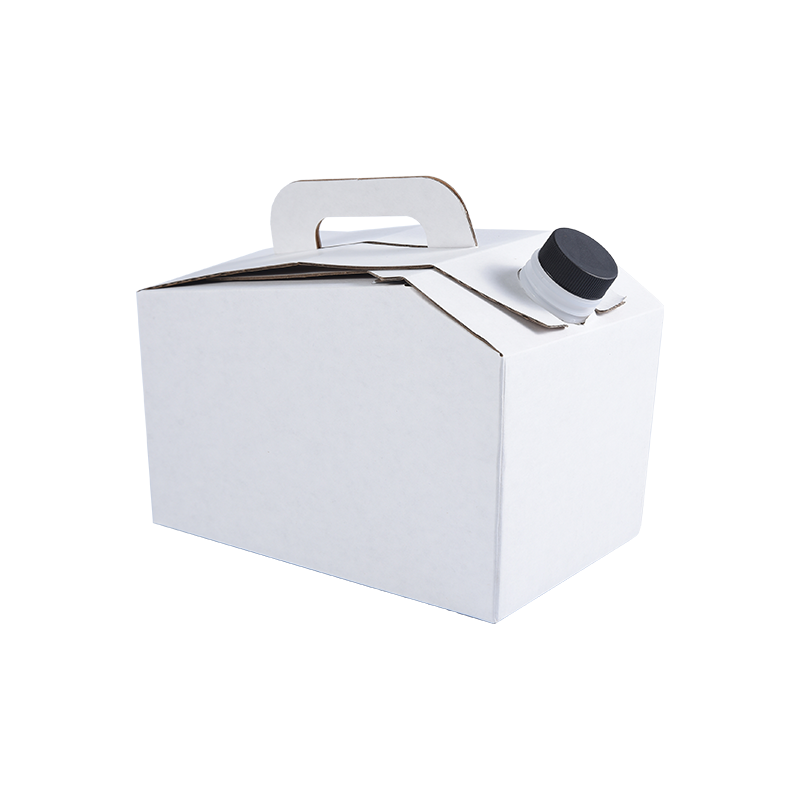 96oz Kraft Coffee/Drink to Go Container/Coffee Carrier Box
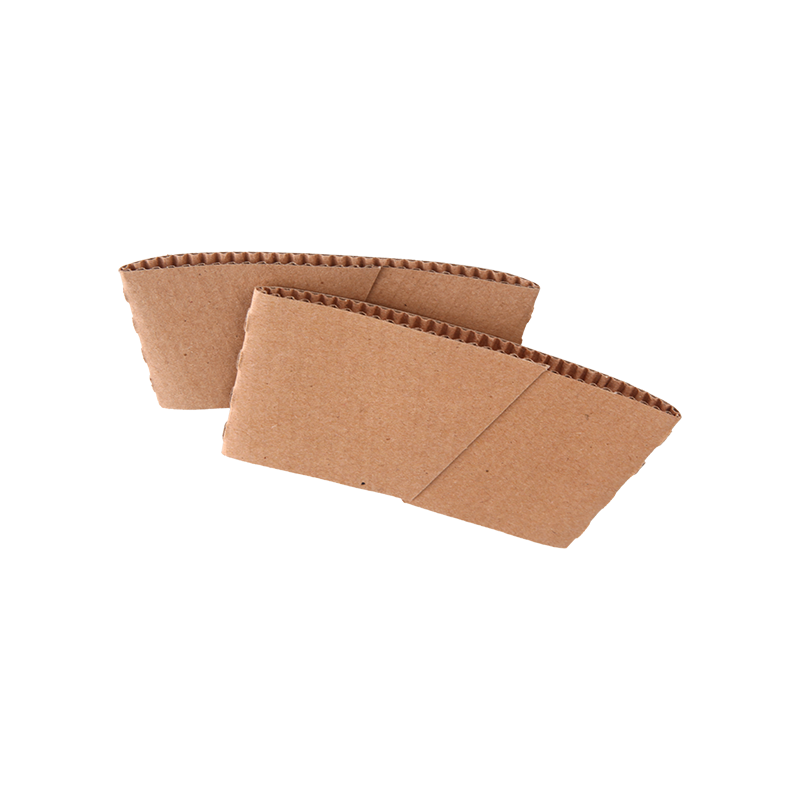 Recyclable Paper Cup Holder Sleeves
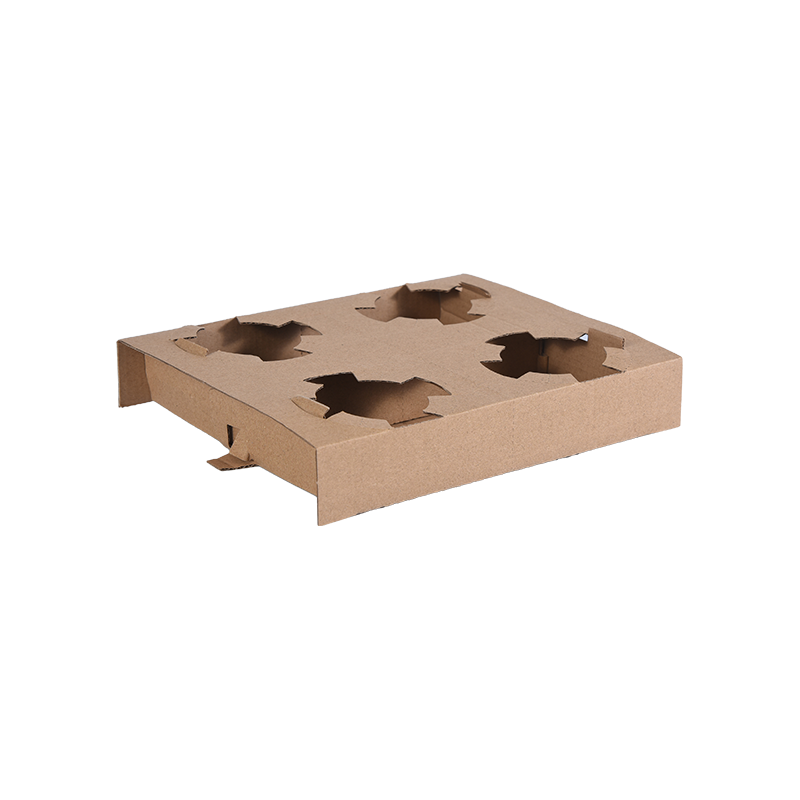 4 Cup Tray Holders for Hot & Cold Drinks – Foldable, Durable, and Cup Carrier for Takeaway, Festivals, Coffee Shops & Events
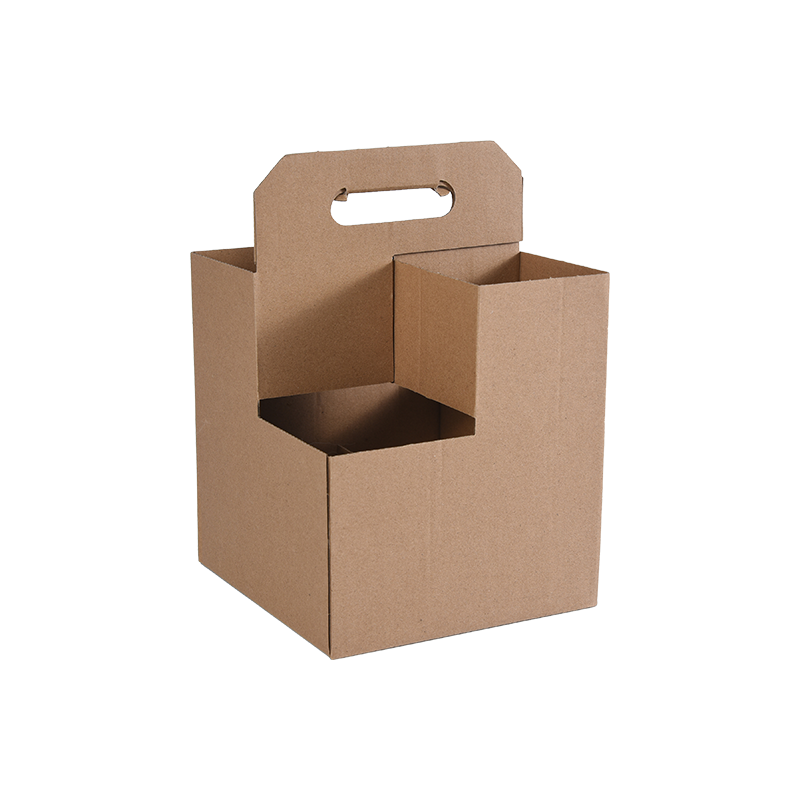 Kraft Cup Drink Carrier with Handles
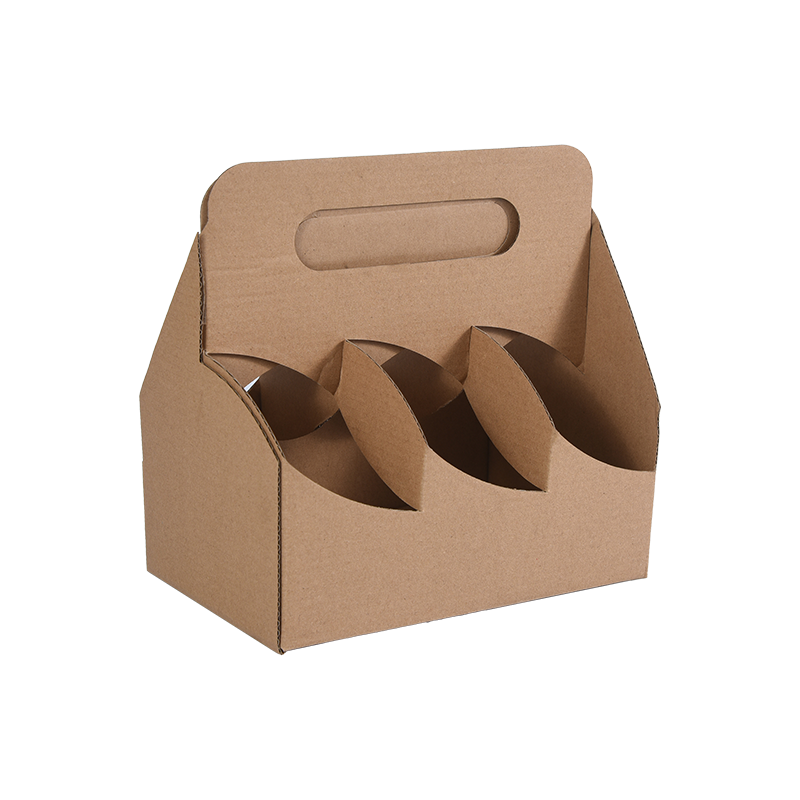 Kraft Beverage Carrier with Handles (6 to 8 Bottles or Cans)
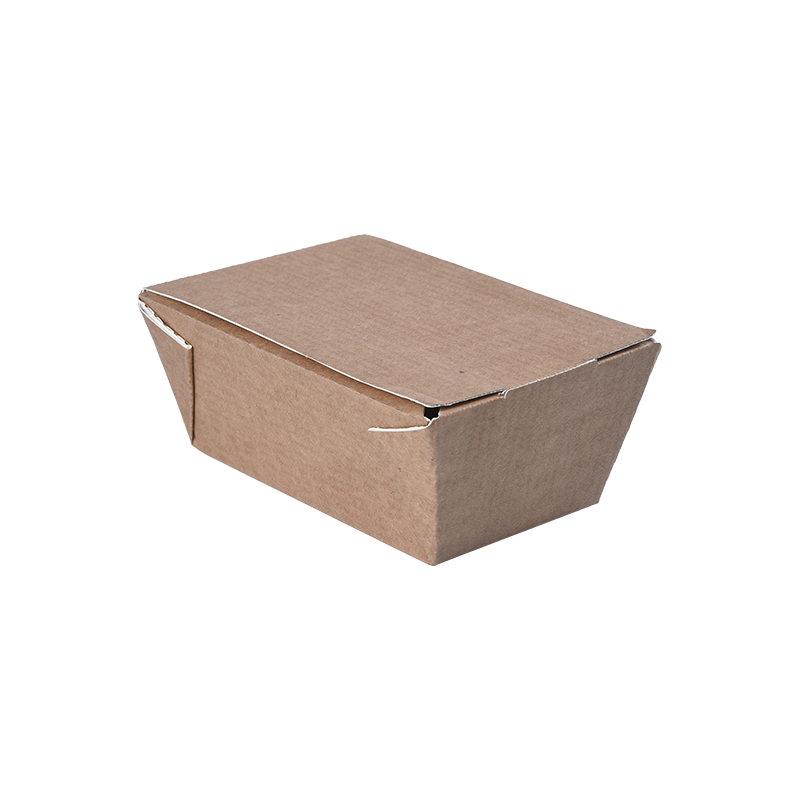 Corrugated Kraft Cardboard Lunch Boxes
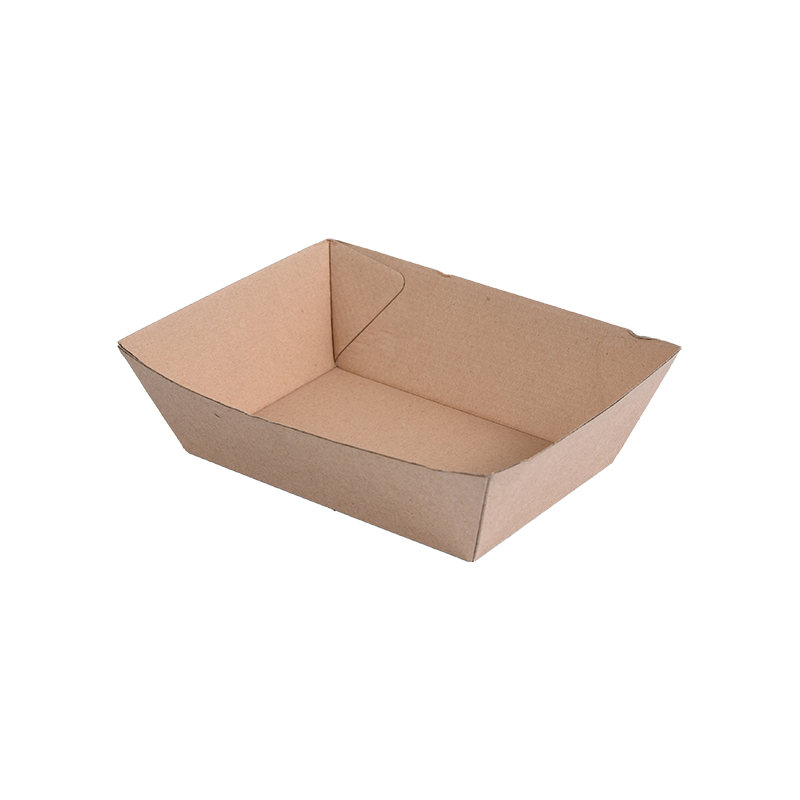 Disposable Rectangular Corrugated Paper Food Trays
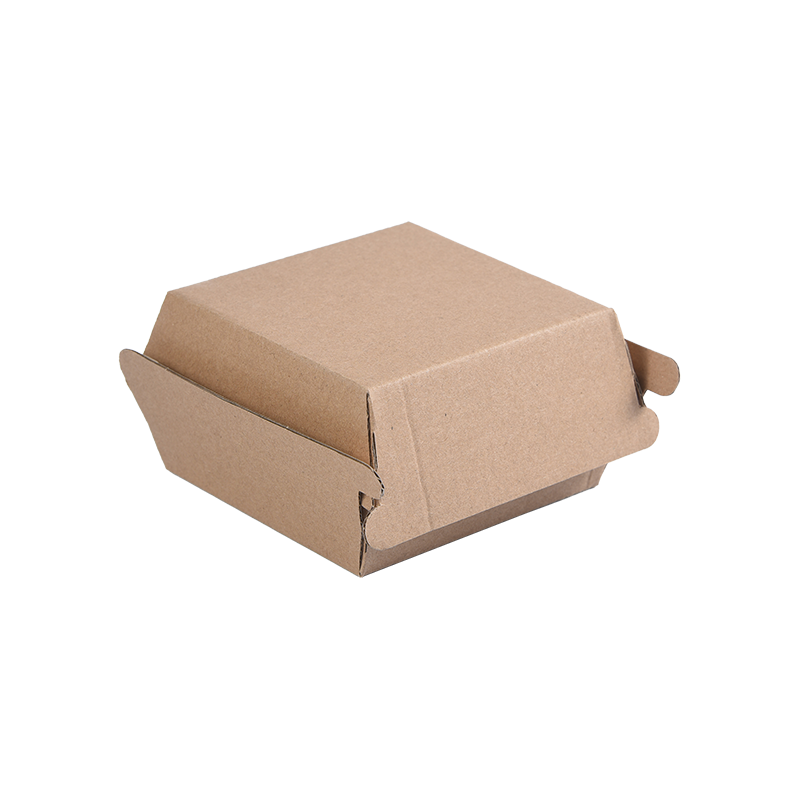 Restaurantware Corrugated Paper Burger Box
 Building 4, Leyin Industrial Park ,No. 330 Qianchun Avenue, Zhanqi Town, Yinzhou District, Ningbo, China
 +86-574-82813668
 Instagram
 Custom Disposable Paper Food Packaging Manufacturers