A biodegradable salad box is a food-grade container made from plant-derived or naturally occurring materials — such as bagasse, kraft paper, PLA-lined paperboard, or bamboo fiber — that breaks down through microbial activity into water, carbon dioxide, and organic matter within a defined timeframe under composting conditions. Switching from conventional plastic clamshells to certified biodegradable salad boxes is one of the highest-impact packaging changes a food service business can make, given that single-use plastic food containers represent one of the fastest-growing categories of municipal solid waste globally.
This guide covers the main material options, certification standards, real-world performance data, and practical buying criteria so restaurants, caterers, meal-prep brands, and retailers can choose biodegradable salad boxes that genuinely perform — both functionally and environmentally.
Why Biodegradable Salad Boxes Matter: The Plastic Problem in Food Packaging
Salad and fresh food packaging is disproportionately problematic from a waste perspective because it is used once, briefly, and is almost always contaminated with food residue — making conventional plastic recycling impractical. According to the Ellen MacArthur Foundation, less than 14% of plastic packaging is collected for recycling globally, and food-soiled containers are among the least likely to be processed even when placed in recycling streams.
In the United States alone, an estimated 36 billion plastic utensils and containers are discarded annually from food service operations. The EU Single-Use Plastics Directive (2019/904) has already banned several categories of single-use plastic food containers in member states, and similar legislation is advancing in the UK, Canada, and multiple Asian markets. For food businesses operating internationally or planning to scale, transitioning to biodegradable salad boxes is increasingly both a regulatory necessity and a customer expectation.
Main Materials Used in Biodegradable Salad Boxes
Not all biodegradable salad boxes are made equally. The material determines grease resistance, moisture handling, rigidity, composting speed, and cost. Understanding each option prevents purchasing decisions based on misleading "eco" labeling.
Bagasse (Sugarcane Fiber)
Bagasse is the fibrous residue left after sugar extraction from sugarcane stalks. It is molded into rigid containers using heat and pressure, producing one of the most durable and practical biodegradable salad box formats available. Bagasse boxes are certified compostable in industrial facilities within 60–90 days under ASTM D6400 or EN 13432 standards. They are naturally grease- and moisture-resistant without requiring a separate coating, and can withstand temperatures from -20°C (freezer) to 120°C (microwave-safe). This combination of properties makes bagasse the most widely used material in premium biodegradable salad packaging.
Kraft Paper with Aqueous Coating
Kraft paper salad boxes use recycled or virgin kraft board as the structural layer, with an aqueous (water-based) coating on the interior to resist moisture migration from wet salad ingredients. Unlike PE (polyethylene) laminates used in conventional paperboard food containers, aqueous coatings are fully compostable and do not require separation before composting. Kraft boxes are lighter and lower cost than bagasse but offer less rigidity for heavier salad portions. They are best suited for dry or lightly dressed salads where liquid pooling is minimal.
PLA-Lined Paperboard
PLA (polylactic acid) is a bioplastic derived from fermented corn starch or sugarcane. When used as a thin inner lining on paperboard salad boxes, it provides excellent oil and moisture resistance comparable to conventional plastic coatings. However, PLA requires industrial composting at temperatures above 58°C to break down — it does not degrade in home compost bins or standard landfill conditions within any reasonable timeframe. Buyers should verify their waste stream can access industrial composting facilities before specifying PLA-lined packaging as a sustainable option.
Bamboo Fiber
Bamboo fiber containers are manufactured using a process similar to bagasse — pulped bamboo is molded under heat and pressure into rigid food containers. Bamboo grows rapidly without pesticides or irrigation, giving it a lower agricultural footprint than sugarcane. Bamboo fiber salad boxes carry a premium price — typically 15–25% more than equivalent bagasse boxes — but offer a distinctive natural aesthetic that is valued in upscale restaurant and retail settings. Composting timelines are similar to bagasse: 90–120 days in industrial facilities.
CPLA and Cellulose Acetate (Transparent Lids)
Salad boxes often require a transparent lid to display the contents. Crystallized PLA (CPLA) and cellulose acetate provide clear, compostable alternatives to conventional PET plastic lids. CPLA is heat-tolerant up to approximately 85°C, while standard PLA lids distort above 45°C. Cellulose acetate is derived from wood pulp and offers clarity close to PET with a faster composting profile than PLA.
Material Comparison: Performance Across Key Criteria
Comparison of biodegradable salad box materials across practical performance and environmental criteria
| Material |
Grease Resistance |
Moisture Resistance |
Rigidity |
Compost Type |
Relative Cost |
| Bagasse |
High |
High |
High |
Industrial (60–90 days) |
Medium |
| Kraft Paper (Aqueous) |
Medium |
Medium |
Medium |
Industrial or Home |
Low |
| PLA-Lined Paperboard |
High |
High |
Medium–High |
Industrial only (58°C+) |
Medium |
| Bamboo Fiber |
High |
High |
High |
Industrial (90–120 days) |
High |
| CPLA (Lids) |
High |
High |
Medium |
Industrial only |
Medium–High |
Certifications to Look for When Buying Biodegradable Salad Boxes
"Biodegradable" and "eco-friendly" are unregulated marketing claims in most jurisdictions. The only reliable way to verify that a salad box will actually break down as claimed is to check for third-party certification against recognized international standards.
- ASTM D6400 (USA): The American standard for compostable plastics and packaging. Requires the product to disintegrate by more than 90% within 84 days in a municipal composting environment and leave no toxic residue. Look for the BPI (Biodegradable Products Institute) logo as the certification mark for ASTM D6400 compliance.
- EN 13432 (EU): The European standard for compostable packaging, equivalent in intent to ASTM D6400. Products certified to EN 13432 carry the seedling logo issued by DIN CERTCO or TÜV Austria. Required for "compostable" claims in EU member states.
- OK Compost HOME (TÜV Austria): A more stringent certification that verifies the product will break down in home composting conditions at ambient temperatures (20–30°C) — not just in industrial facilities. This certification is significantly harder to achieve and carries higher environmental credibility than industrial-only compostable claims.
- FSC Certification: For paper-based salad boxes, Forest Stewardship Council (FSC) certification confirms that the virgin fiber content was sourced from responsibly managed forests. FSC Chain of Custody certification applies to the entire supply chain from forest to finished product.
- FDA / EC 1935/2004 Food Contact Compliance: Confirms the packaging materials are safe for direct food contact. Essential for salad boxes and any container where the packaging touches the food product directly.
Box Formats and Sizes: Matching the Container to the Product
Biodegradable salad boxes are produced in several structural formats. Choosing the correct format affects leakage prevention, presentation, stackability, and portion size accuracy.
Clamshell Format
A single-piece hinged container where the lid and base are connected. Clamshells are the dominant format for grab-and-go retail salads. They require no separate lid, reducing assembly time and the risk of lid-base mismatch. Bagasse and molded fiber clamshells in the 500ml–1500ml capacity range are the most commonly ordered sizes for single-serving salads. The main limitation is that opaque bagasse clamshells do not display contents visually — clear CPLA or cellulose acetate clamshells address this for premium retail.
Base-and-Lid Format
A separate tray base with a matching flat or domed lid. This format allows the base and lid to be made from different materials — for example, a bagasse base (rigid, moisture-resistant) paired with a transparent CPLA dome lid (visual display). Domed lids are particularly important for composed salads with toppings that would be crushed by a flat lid. Standard capacities range from 750ml to 2000ml for individual and sharing portions.
Compartmentalized Boxes
Divided containers with 2–4 internal compartments allow dressings, toppings, and proteins to be stored separately from leafy greens, preventing sogginess during transport. This format is growing rapidly in meal-prep delivery and catering applications. Bagasse handles internal compartment molding well due to its thermoforming properties — kraft paper construction requires folded inserts or separate ramekins for the same function.
Round vs. Rectangular Bowl Styles
Round bowls are preferred for noodle, grain, and composed salad presentations due to their resemblance to restaurant-style serving vessels. Rectangular boxes maximize pallet and shelf space efficiency — a rectangular box occupies up to 20–30% less shelf space than an equivalent round bowl due to eliminated dead space between units, a significant consideration for high-volume retail operations.
Real-World Performance: How Biodegradable Salad Boxes Hold Up in Use
Environmental credentials mean little if the packaging fails to protect the product. Here is how the leading biodegradable salad box materials perform under realistic operating conditions:
- Dressing and Oil Resistance: Bagasse and bamboo fiber boxes maintain structural integrity in contact with oil-based dressings for up to 4–6 hours at room temperature — sufficient for most retail shelf-life windows. Kraft paper boxes without aqueous coating begin to soften within 30–60 minutes under the same conditions.
- Cold Chain Performance: Bagasse performs well at refrigerator temperatures (2–8°C) without becoming brittle. PLA-lined paperboard also performs reliably in cold storage. Both materials maintain structural integrity through standard chilled distribution conditions.
- Stack Stability: Molded bagasse and bamboo boxes have consistent dimensional tolerances and stack reliably in retail display. Kraft paper boxes exhibit more dimensional variability and are prone to collapsing under heavy stacking loads above 8–10 units.
- Microwave Compatibility: Bagasse boxes are microwave-safe to 120°C for up to 3 minutes, making them suitable for warm salad formats. PLA-lined paperboard is not microwave-safe — PLA lining softens and may delaminate above 45°C.
- Print and Branding Quality: Kraft paper boxes accept high-resolution flexographic and offset printing directly on the outer surface. Bagasse boxes have a textured surface that limits fine-detail printing — label application or sleeve wrapping is the standard branding approach for branded bagasse packaging.
Cost Analysis: What to Expect When Switching to Biodegradable Salad Boxes
Cost is the most frequently cited barrier to switching from conventional plastic salad containers. The gap has narrowed substantially as production volumes have scaled, but biodegradable options still carry a premium in most markets.
Approximate wholesale unit cost ranges for biodegradable salad boxes versus conventional PET plastic, based on standard 1000-unit order quantities (750ml–1000ml size)
| Packaging Type |
Approx. Unit Cost (USD) |
Premium vs. PET |
Best For |
| Conventional PET Clamshell |
$0.08–$0.14 |
Baseline |
High-volume, price-sensitive |
| Kraft Paper (Aqueous Coat) |
$0.12–$0.20 |
+30–50% |
Light salads, cost-sensitive eco switch |
| Bagasse Clamshell |
$0.18–$0.32 |
+80–130% |
Wet/dressed salads, QSR, catering |
| PLA-Lined Paperboard |
$0.16–$0.28 |
+70–100% |
Branded retail packaging |
| Bamboo Fiber Box |
$0.22–$0.40 |
+100–185% |
Premium dining, upscale retail |
Businesses ordering in quantities above 10,000 units per SKU can typically negotiate pricing toward the lower end of these ranges. For operations in markets with plastic packaging taxes or mandatory eco-packaging regulations, the effective cost difference narrows further when compliance penalties are factored in.
Avoiding Greenwashing: What "Biodegradable" Claims Actually Mean
The term "biodegradable" without qualification is one of the most misused claims in food packaging. Technically, almost every organic material is biodegradable given enough time — conventional plastic degrades over 400–1,000 years. The term becomes meaningful only when paired with a specific timeframe and conditions.
- "Biodegradable" with no certification: Meaningless as a standalone claim. Requires verification of what conditions (industrial compost, home compost, soil, marine) and what timeframe the claim applies to.
- "Compostable" without industrial vs. home distinction: Most compostable salad boxes require industrial composting at controlled temperatures. If your customers are unlikely to access industrial composting facilities, the real-world end-of-life pathway is still landfill — the environmental benefit is substantially reduced.
- "Plant-based" or "made from renewable materials": Describes the input feedstock only, not the end-of-life behavior. A plant-based plastic that takes 400 years to degrade is not meaningfully better than petroleum-derived plastic from a waste perspective.
- "Recycled content": Relevant for paper-based boxes (recycled kraft fiber) but not a biodegradability claim. Recycled content reduces upstream resource use but does not change the end-of-life pathway of the container itself.
The most defensible claim a biodegradable salad box supplier can make is: certified compostable to ASTM D6400 or EN 13432, with BPI or DIN CERTCO certification documentation available on request. Anything short of this standard should be treated with skepticism.
Practical Buying Checklist for Biodegradable Salad Boxes
Use the following checklist when evaluating suppliers or placing initial orders to ensure the product meets both operational and environmental requirements:
- Confirm third-party composting certification — request the actual certificate number and expiry date, not just a logo on a website.
- Verify food contact compliance — ask for FDA 21 CFR or EC 1935/2004 food contact migration test reports specific to the product, not generic material declarations.
- Test with your actual product — request samples and fill them with your dressed salad for at least 4–8 hours under refrigeration to verify real-world moisture and oil resistance before committing to a bulk order.
- Check lid-base compatibility — if ordering base and lid separately, confirm they are designed as a matched set and test the closure seal for transport security.
- Clarify minimum order quantities (MOQs) — biodegradable packaging MOQs vary widely: 500–1,000 units for stock items, 5,000–50,000 units for custom printed or bespoke sizes.
- Assess your local composting infrastructure — if industrial composting access is limited in your area, prioritize OK Compost HOME certified products or kraft paper with aqueous coating that can be home composted.
- Calculate total cost including logistics — biodegradable boxes from overseas manufacturers may carry lower unit costs but higher shipping costs due to greater weight and volume per unit compared to nested plastic clamshells.


 English
 Español
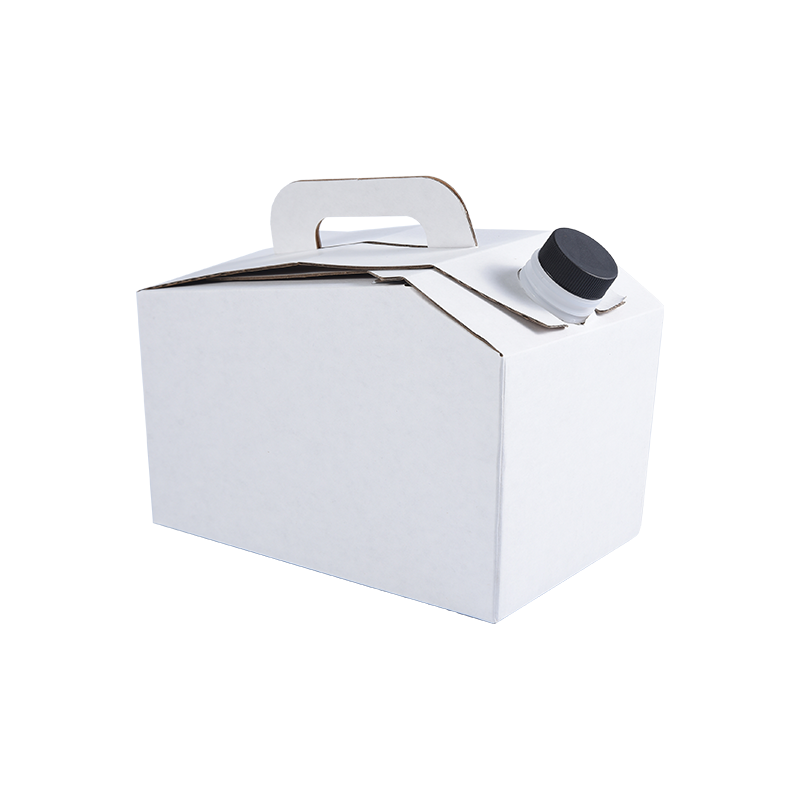 96oz Kraft Coffee/Drink to Go Container/Coffee Carrier Box
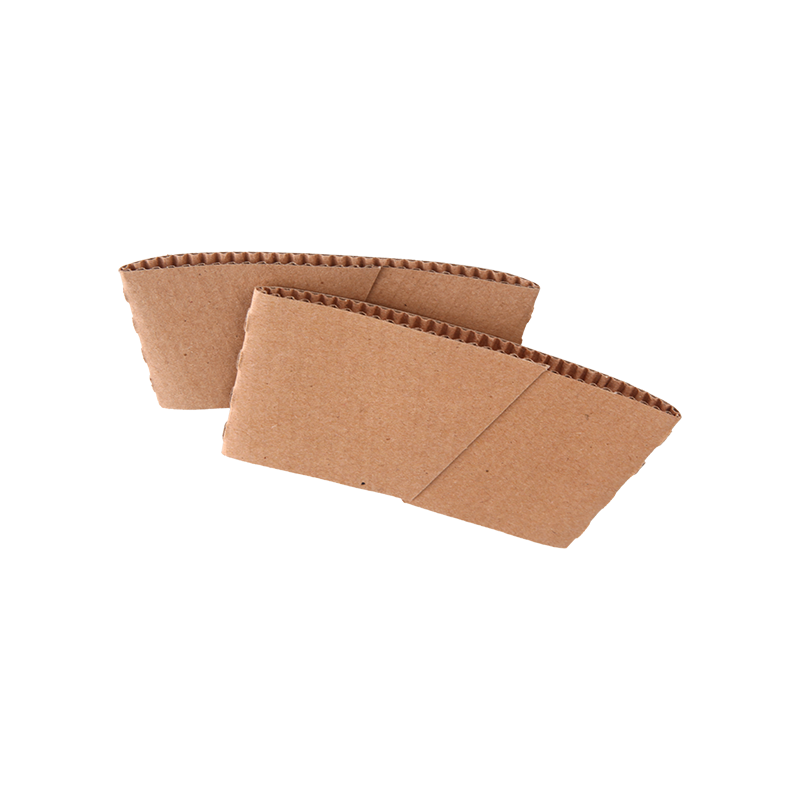 Recyclable Paper Cup Holder Sleeves
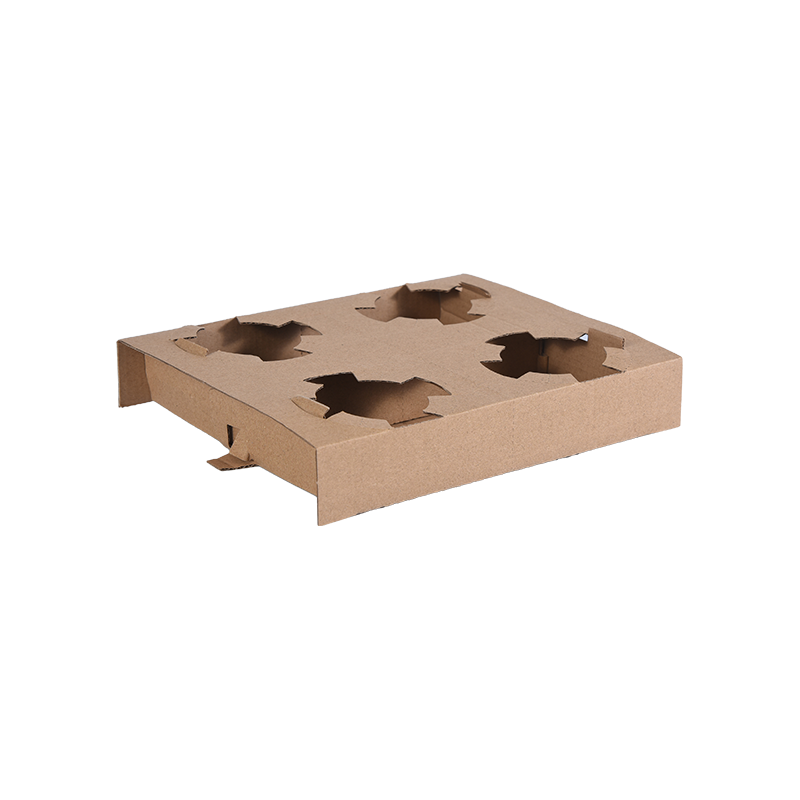 4 Cup Tray Holders for Hot & Cold Drinks – Foldable, Durable, and Cup Carrier for Takeaway, Festivals, Coffee Shops & Events
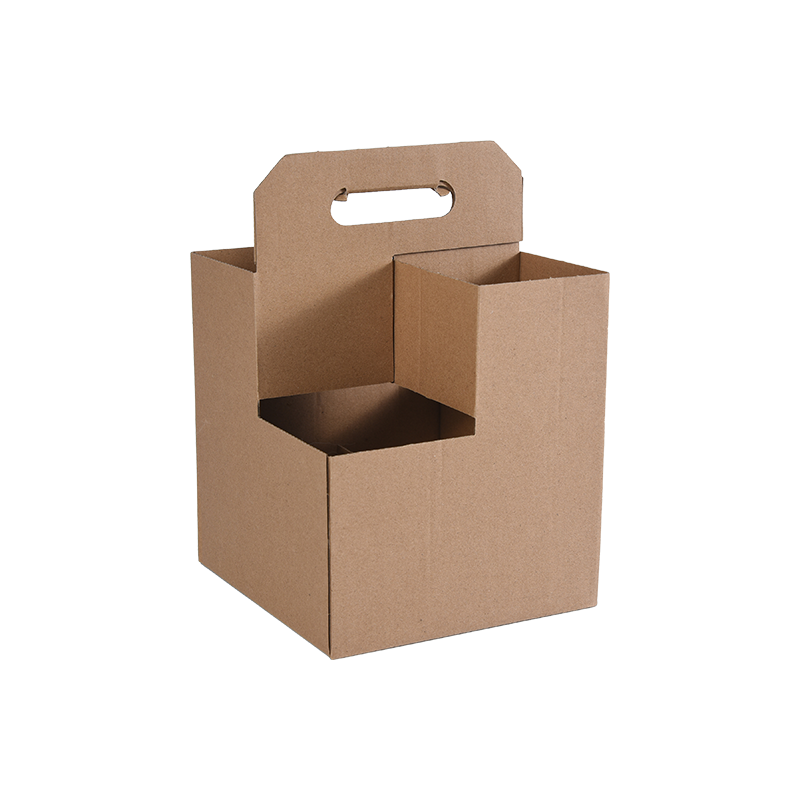 Kraft Cup Drink Carrier with Handles
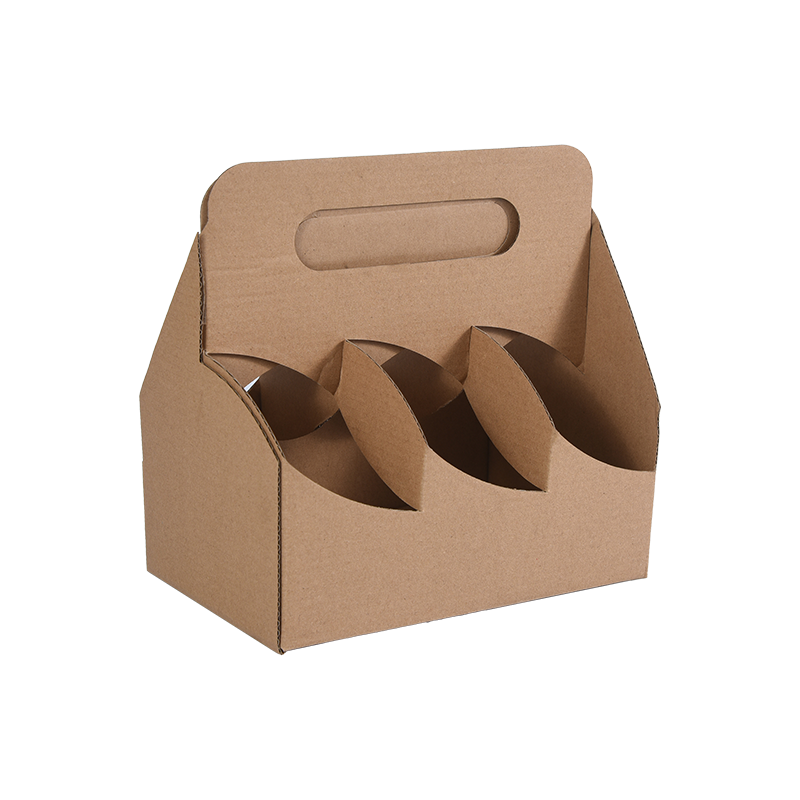 Kraft Beverage Carrier with Handles (6 to 8 Bottles or Cans)
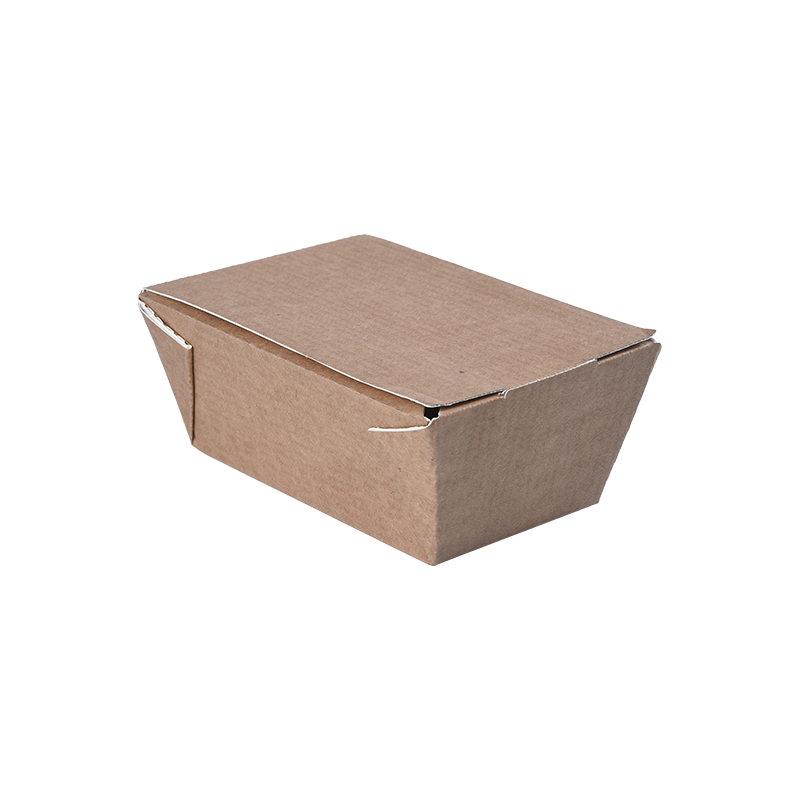 Corrugated Kraft Cardboard Lunch Boxes
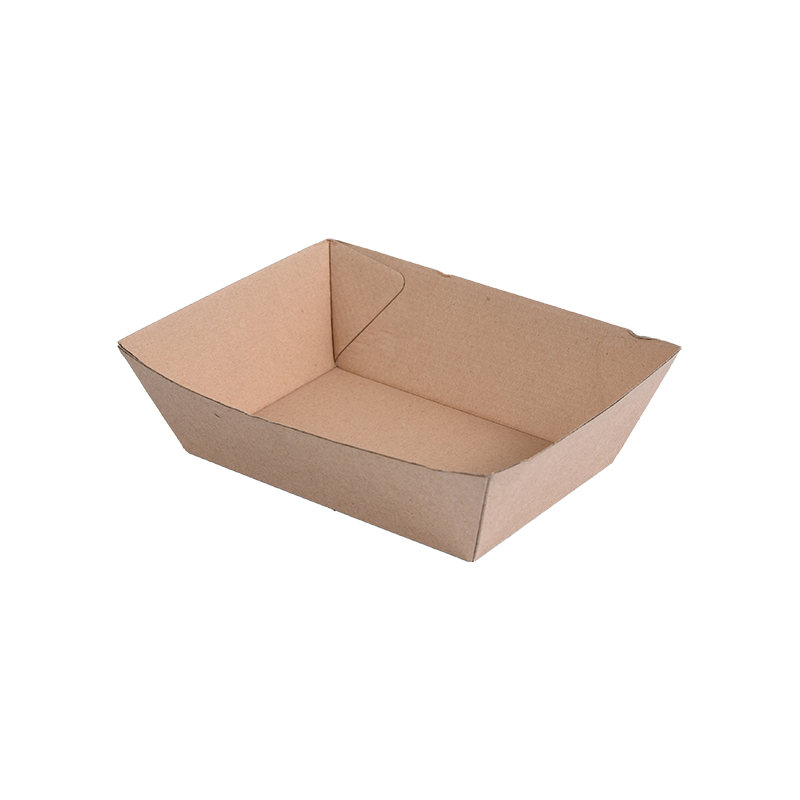 Disposable Rectangular Corrugated Paper Food Trays
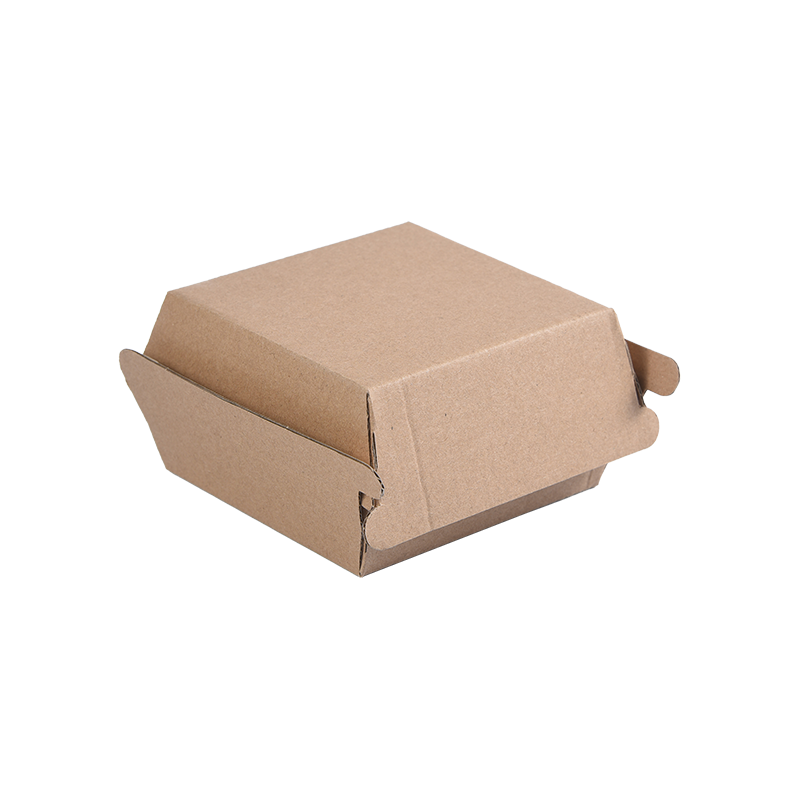 Restaurantware Corrugated Paper Burger Box
 Building 4, Leyin Industrial Park ,No. 330 Qianchun Avenue, Zhanqi Town, Yinzhou District, Ningbo, China
 +86-574-82813668
 Instagram
 Custom Disposable Paper Food Packaging Manufacturers