Biodegradable paper food boxes are food-grade containers made from plant-based fiber materials — most commonly virgin kraft paper, recycled paperboard, sugarcane bagasse pulp, or bamboo fiber — that break down naturally through microbial activity after disposal. The best-performing options decompose in 60–180 days in industrial composting conditions, leaving no toxic residue, compared to conventional plastic food boxes that persist in the environment for 400–500 years.
For foodservice businesses, retailers, and packaging buyers, the practical question is not whether to switch from plastic, but which type of biodegradable paper food box performs reliably for specific food applications — greasy fried foods, wet dishes, hot soups, or cold desserts — without leaking, softening prematurely, or failing food safety requirements. This guide addresses that question directly.
What Makes a Paper Food Box Truly Biodegradable
The word "biodegradable" on food packaging is not a regulated term in most markets and is frequently misused. A paper food box is genuinely biodegradable only if all components — the base material, any barrier coating, inks, and adhesives — break down completely under real-world disposal conditions within a defined timeframe.
The most common failure point is the barrier coating. Most paper food boxes require a moisture or grease barrier to function. Traditional polyethylene (PE) laminate coatings — the standard for decades — are not biodegradable and render the entire box non-compostable. Genuinely biodegradable options use alternative barrier technologies:
- PLA (Polylactic Acid) coating: A plant-derived bioplastic derived from corn starch or sugarcane. Biodegradable in industrial composting conditions (58°C+) within 90–180 days, but does not break down in home composting or landfill at meaningful rates.
- Aqueous (water-based) coatings: Applied as a liquid that bonds to the fiber surface. Fully compostable, repulpable in paper recycling streams, and increasingly available with grease resistance ratings up to Kit 6–8 (TAPPI T559). The most genuinely sustainable barrier option available at scale.
- PFAS-free fiber-based barriers: New-generation barrier treatments using starch, cellulose derivatives, or protein-based coatings that provide moderate moisture resistance without any synthetic polymer. Suitable for dry or lightly moist foods.
- Uncoated kraft or molded fiber: No coating at all — suitable for dry foods, baked goods, or items wrapped in parchment. The most straightforwardly biodegradable option, typically composting within 60–90 days even in home compost bins.
Inks also matter. Soy-based or water-based inks are compostable; UV-cured inks may not be. When evaluating a supplier's biodegradability claims, ask specifically about the coating chemistry and ink system, not just the base material.
Core Materials Used in Biodegradable Paper Food Boxes
The base fiber material determines the structural strength, weight tolerance, thermal performance, and environmental profile of a biodegradable food box. Each material has distinct advantages and trade-offs.
Virgin Kraft Paperboard
Made from unbleached softwood pulp, kraft paperboard offers high tensile strength, clean food-safe surfaces, and predictable performance with barrier coatings. It is the standard material for folded carton food boxes (burger boxes, fry cartons, bakery boxes). Basis weight typically ranges from 200–450 gsm. Compostable when coated with aqueous or PLA barriers; the natural brown color reduces bleaching chemical requirements compared to white paperboard.
Recycled Paperboard (SBS and CRB)
Solid Bleached Sulfate (SBS) from virgin fiber and Coated Recycled Board (CRB) from post-consumer waste are widely used for food box production. CRB has a lower carbon footprint at manufacture but may contain trace contaminants from recycled feedstock that require careful food-safety testing. SBS offers the cleanest white surface for printing and direct food contact. Both are compostable with appropriate coatings.
Sugarcane Bagasse
The fibrous residue left after sugarcane juice extraction. Bagasse pulp is molded under heat and pressure into rigid container shapes — trays, clamshells, bowls, and plates — rather than folded like paperboard. Key performance advantages include natural heat resistance up to 120°C (248°F), freezer compatibility down to −20°C, microwave safety, and inherent moisture resistance without additional coating. Bagasse containers typically compost in 45–90 days in industrial composting and 3–6 months in home compost. They are among the most widely certified compostable foodservice containers globally.
Bamboo Fiber
Processed similarly to bagasse, bamboo fiber produces molded containers with a slightly smoother surface finish and comparable thermal and moisture performance. Bamboo grows to harvest maturity in 3–5 years versus 25–70 years for softwood trees, giving it a strong renewable-resource advantage. Bamboo fiber boxes are compostable, typically breaking down in 60–120 days industrially. Per-unit cost is generally 10–20% higher than bagasse due to more complex processing.
Wheat Straw Pulp
An agricultural by-product fiber derived from wheat straw after grain harvest. Properties are similar to bagasse — suitable for molded trays and bowls, naturally grease-resistant, heat-tolerant, and compostable. Wheat straw pulp is often 20–30% less expensive than bamboo fiber and utilizes a material that would otherwise be burned as agricultural waste, giving it a strong circular economy argument.
Performance Comparison: Which Material Suits Which Food Application
Selecting the wrong material for a food application is the most common practical failure in sustainable packaging transitions. A box that softens under a burger in 10 minutes or leaks soup before reaching the customer creates waste and brand damage regardless of its environmental credentials.
| Material |
Grease Resistance |
Moisture Resistance |
Heat Tolerance |
Best Food Applications |
| Kraft paperboard (aqueous coated) |
Kit 5–8 (moderate–good) |
Moderate |
Up to 100°C |
Burgers, sandwiches, fried chicken, pastries |
| Kraft paperboard (PLA coated) |
Kit 6–10 (good–excellent) |
Good |
Up to 90°C (PLA softens above) |
Salads, cold foods, moderate-grease hot foods |
| Sugarcane bagasse (molded) |
Inherent moderate resistance |
Good (up to 30 min liquid hold) |
Up to 120°C; microwave safe |
Hot meals, rice dishes, soups, noodles, takeaway entrees |
| Bamboo fiber (molded) |
Moderate–good |
Good |
Up to 120°C; microwave safe |
Premium hot meals, sushi, grain bowls, upscale takeaway |
| Wheat straw pulp (molded) |
Moderate |
Moderate–good |
Up to 110°C |
Cafeteria trays, budget hot meals, institutional catering |
| Uncoated kraft (no barrier) |
Low |
Low |
Ambient |
Dry bakery items, pastries, confectionery (with parchment liner) |
Table 1: Performance comparison of biodegradable paper food box materials by food application suitability.
Certifications That Verify Genuine Biodegradability
Third-party certification is the only reliable way to verify that a supplier's biodegradability claims are accurate. These are the most recognized and rigorous standards globally:
BPI (Biodegradable Products Institute) — North America
BPI certification verifies that a product meets ASTM D6400 or ASTM D6868 standards for compostability — meaning it disintegrates by at least 90% within 84 days and leaves no toxic residue in industrial composting conditions. BPI is the most widely recognized composting certification for foodservice packaging in the US and Canada. Look for the green BPI logo with the circular arrows.
TÜV Austria OK Compost (Industrial and Home) — Europe and Global
TÜV Austria's OK Compost INDUSTRIAL certification (based on EN 13432) is the European equivalent of BPI — verifying disintegration and biodegradation under industrial conditions. Their separate OK Compost HOME certification is stricter and more valuable — it confirms biodegradation at ambient temperatures (around 25°C), meaning the product actually breaks down in a backyard compost bin, not only in a commercial composting facility running at 58°C+.
DIN CERTCO — Germany and Europe
Similar scope to TÜV Austria, DIN CERTCO certifies industrial compostability against EN 13432 and home compostability against AS 5810. Widely accepted by European retailers and procurement standards.
FSC and PEFC — Fiber Sourcing Certifications
Forest Stewardship Council (FSC) and Programme for Endorsement of Forest Certification (PEFC) certify that virgin fiber used in paper food boxes comes from responsibly managed forests. These do not verify compostability but confirm sustainable sourcing — important for buyers with supply chain sustainability commitments. FSC-certified paperboard is now a baseline requirement for major retail and foodservice chains in Europe and increasingly in North America.
PFAS-Free Verification
Per- and polyfluoroalkyl substances (PFAS) were widely used as grease-resistant treatments in food packaging and have been identified as persistent environmental and health hazards. The US FDA has phased out PFAS use in food contact materials, and many states have enacted their own bans. Look for explicit PFAS-free declarations tested to total fluorine levels below 100 ppm (the threshold used in most regulatory standards) as a minimum requirement for any barrier-coated food box.
Common Box Styles and Their Structural Characteristics
Biodegradable paper food boxes are available in a wide range of structural formats, each suited to different food types, service temperatures, and operational requirements.
- Folded carton boxes (tuck-end, auto-bottom): Die-cut from flat paperboard sheets and folded into shape. Ideal for burgers, sandwiches, fries, and pastries. Compact flat-pack storage reduces shipping and warehousing costs. Auto-bottom designs assemble quickly in high-volume environments.
- Clamshell containers: Hinged single-piece design in both paperboard and molded fiber formats. The lid closes securely to retain heat and prevent spills — the most popular format for takeaway hot meals. Molded fiber clamshells (bagasse or bamboo) outperform paperboard versions for wet or heavily sauced foods.
- Tray-and-lid systems: A separate base tray and lid. More material than a clamshell but allows greater depth — suitable for noodle bowls, salads, and portion-controlled meal kits. Lids can be clear PLA (biodegradable) or paperboard.
- Noodle/soup boxes: Tall-walled folded carton format with a wire or paperboard handle, or a deep molded fiber bowl with a matching lid. Designed for high-moisture, high-heat contents. The wire handle version requires verification that the handle material is also compostable or recyclable.
- Windowed bakery boxes: Folded carton format with a cellulose or PLA window panel for product visibility. Ensure the window material is certified compostable and matched to the box's certification — a PLA window on a certified industrial compostable box is acceptable; a conventional acetate window is not.
- Compartmented trays: Molded fiber trays with built-in compartments for multi-component meals. Widely used in airline catering, school meal programs, and institutional foodservice where separate food items must not mix.
Cost Analysis: Biodegradable Paper Boxes vs. Conventional Plastic
The price premium of biodegradable paper food boxes relative to conventional plastic or PE-coated paper has narrowed significantly as production volumes have scaled. Current market pricing (2024–2025) reflects the following approximate ranges for standard mid-volume orders:
| Box Type |
Material |
Approx. Cost per Unit (USD, 5,000–10,000 pcs) |
vs. PE-Coated Paper Equivalent |
| Burger box (folded carton) |
Kraft + aqueous coating |
$0.08–$0.14 |
+5–15% |
| Clamshell (medium, ~750 ml) |
Bagasse molded fiber |
$0.12–$0.22 |
+20–40% |
| Meal tray (compartmented) |
Bagasse or wheat straw |
$0.18–$0.35 |
+25–50% |
| Noodle box with handle |
Kraft + PLA coating |
$0.15–$0.28 |
+15–30% |
| Bakery box (windowed) |
SBS kraft + PLA window |
$0.22–$0.45 |
+10–25% |
Table 2: Approximate unit cost ranges for biodegradable paper food boxes at mid-volume orders (2024–2025 market pricing).
At volumes above 50,000 units, the premium narrows further — many buyers report achieving cost parity with PE-coated paper boxes for standard kraft formats when sourcing directly from manufacturers. The cost gap is widest for molded fiber formats, where tooling and processing costs remain higher than for flat-sheet paperboard converting.
Key Questions to Ask Suppliers Before Ordering
Supplier selection is critical because marketing claims for "eco-friendly" or "biodegradable" packaging are inconsistently regulated. These questions help separate verified products from greenwashing:
- What is the barrier coating material, and what certification does it hold? Request the specific certificate number and verify it on the certifying body's database (BPI, TÜV Austria, or DIN CERTCO all have public verification tools).
- Has the finished product (not just the raw material) been tested for PFAS? Barrier coatings and fiber additives can introduce PFAS independently of each other. Request a total fluorine test result for the final assembled box.
- What is the grease resistance rating (Kit level per TAPPI T559)? For fried or fatty foods, request a minimum Kit 5 for moderate-grease applications and Kit 8+ for heavily greasy foods like fried chicken or chips.
- What food-contact safety standards does the material comply with? For the US market, FDA 21 CFR compliance; for the EU, Regulation (EC) No. 1935/2004. Request documentation rather than verbal assurance.
- What is the minimum order quantity for custom printing, and what ink system is used? Confirm that printing inks are water-based or soy-based and compatible with the box's compostability certification.
- Can the supplier provide performance test data (leak test, compression strength, heat hold time) specific to your food application? Reputable manufacturers will have standardized test protocols and can share test data for your intended use case.
Disposal Pathways: What Happens After the Meal
The environmental benefit of a biodegradable paper food box is only realized if it reaches an appropriate disposal pathway. Understanding what options exist — and their limitations — helps buyers make disposal claims to customers that are accurate rather than misleading.
- Industrial composting (58°C+ facilities): The correct pathway for most BPI and EN 13432 certified boxes. Breaks down PLA-coated paperboard and molded fiber products fully in 60–180 days. Access is limited — only about 27% of US municipalities have curbside compost collection; coverage in Europe and Asia varies widely by city and country.
- Home composting: Suitable for OK Compost HOME certified products and uncoated kraft or molded fiber boxes. Works at ambient temperatures in a properly managed compost bin. PLA-coated items should not be home composted — they will not break down meaningfully.
- Paper recycling: Aqueous-coated kraft paperboard is repulpable and can enter paper recycling streams if contamination (food residue) is minimal. PLA-coated and molded fiber products generally cannot be recycled in paper streams and must go to compost or landfill.
- Landfill: All biodegradable paper food boxes will eventually biodegrade even in landfill, but in oxygen-limited landfill conditions this process may take 2–5 years rather than weeks or months — significantly better than plastic's 400+ years but not the optimal outcome. Methane generated by organic matter in landfill is a more immediate concern than the degradation timeline.
For foodservice businesses operating in areas without industrial composting infrastructure, aqueous-coated kraft paperboard with paper recycling compatibility often represents a more genuinely circular option than certified compostable molded fiber that ends up in landfill by default.
Regulatory Trends Driving Adoption of Biodegradable Paper Food Boxes
Legislative and regulatory pressure is accelerating the transition to biodegradable food packaging globally, making early adoption a strategic business decision rather than just an environmental one.
- EU Single-Use Plastics Directive (SUPD): Bans expanded polystyrene food containers and requires plastic reduction targets for other single-use formats. In force since 2021, with extended producer responsibility schemes adding cost to plastic packaging across all EU member states.
- US state-level PFAS bans: As of 2025, over 30 US states have enacted or proposed bans on PFAS in food packaging, with several (California, Colorado, Connecticut, Maine, Minnesota, New York) already in full enforcement. Non-compliant PE-coated and PFAS-treated boxes will become illegal for sale in these markets.
- China's "Plastic Restriction Order" (限塑令): China's expanded plastic restriction regulations, effective from 2021 onward, ban non-degradable plastic food containers in major cities and mandate biodegradable or paper alternatives in foodservice and takeaway applications — directly affecting the world's largest food packaging market.
- Extended Producer Responsibility (EPR) schemes: EPR programs in Canada, the EU, and increasingly in US states require packaging producers to fund end-of-life collection and processing. Compostable paper boxes qualify for lower EPR fees in many schemes compared to plastic packaging, creating a direct cost incentive for switching.


 English
 Español
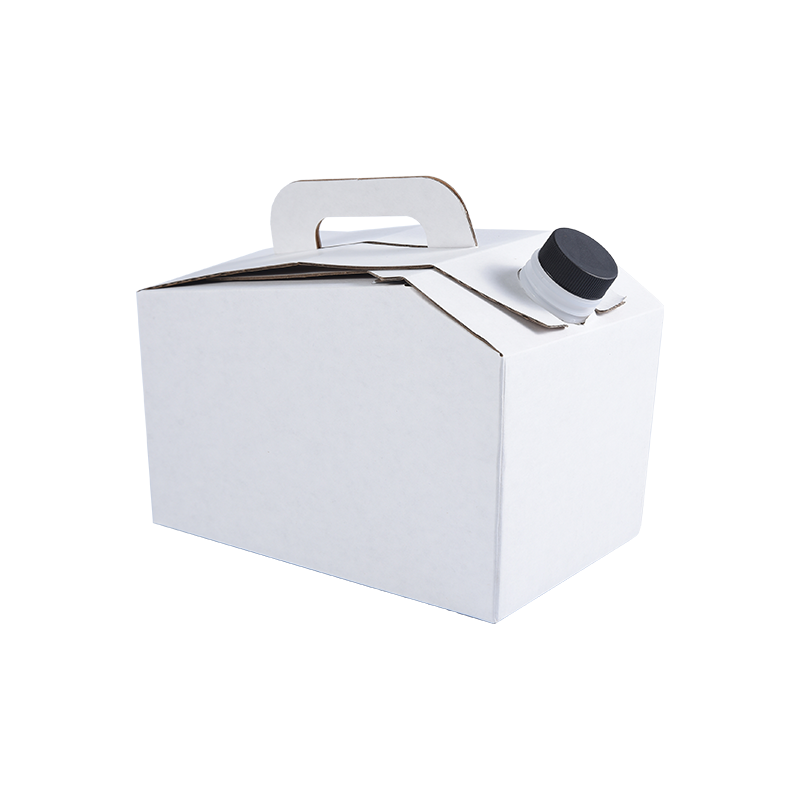 96oz Kraft Coffee/Drink to Go Container/Coffee Carrier Box
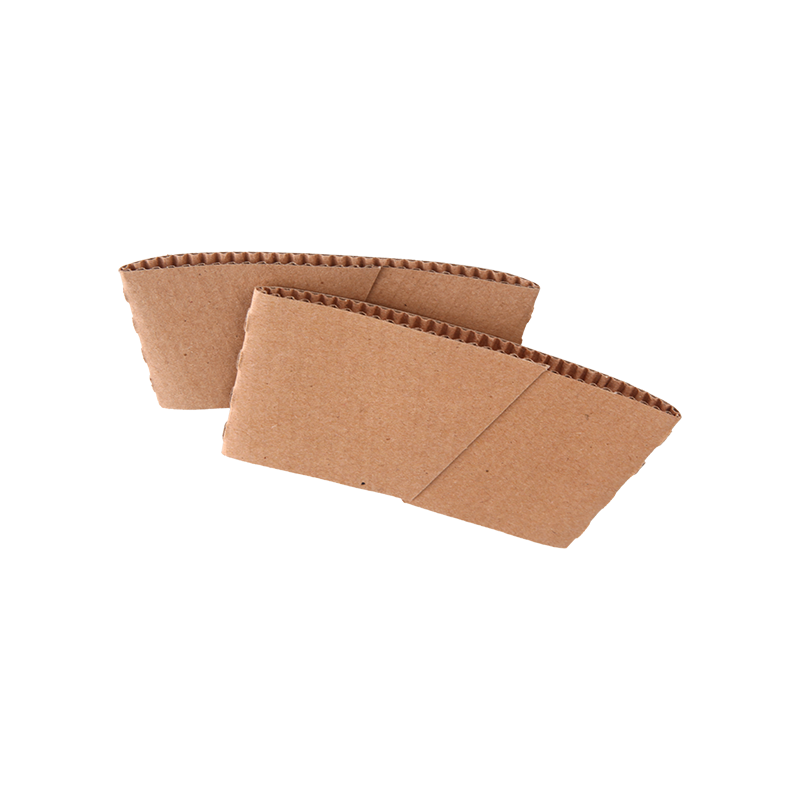 Recyclable Paper Cup Holder Sleeves
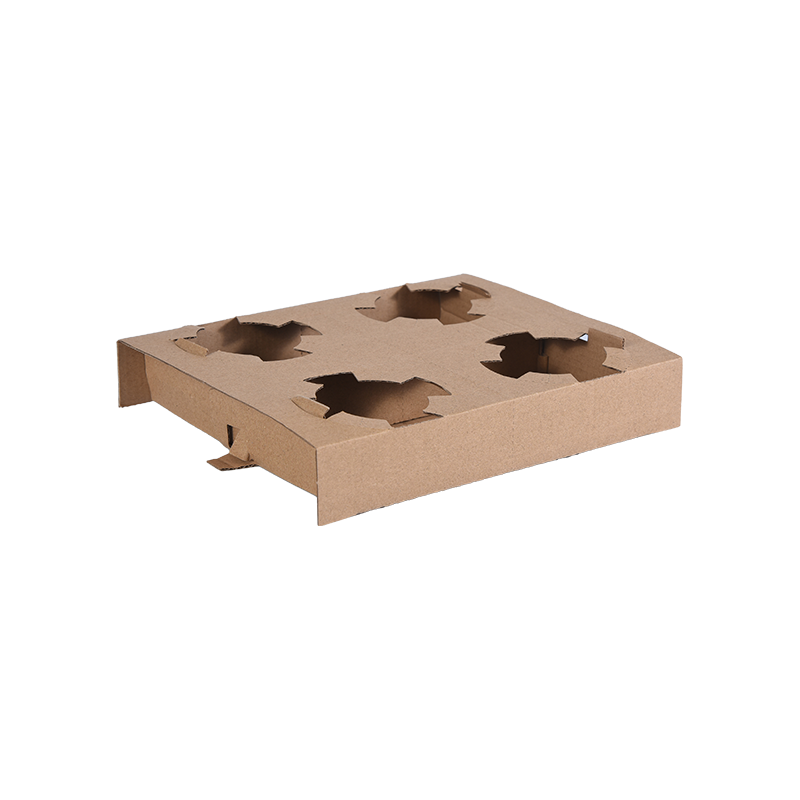 4 Cup Tray Holders for Hot & Cold Drinks – Foldable, Durable, and Cup Carrier for Takeaway, Festivals, Coffee Shops & Events
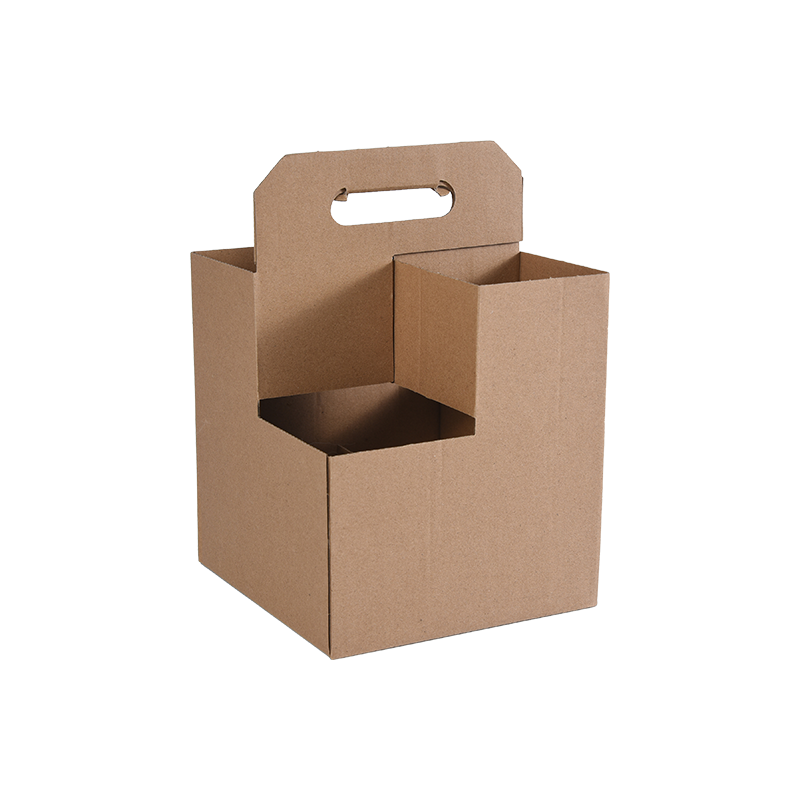 Kraft Cup Drink Carrier with Handles
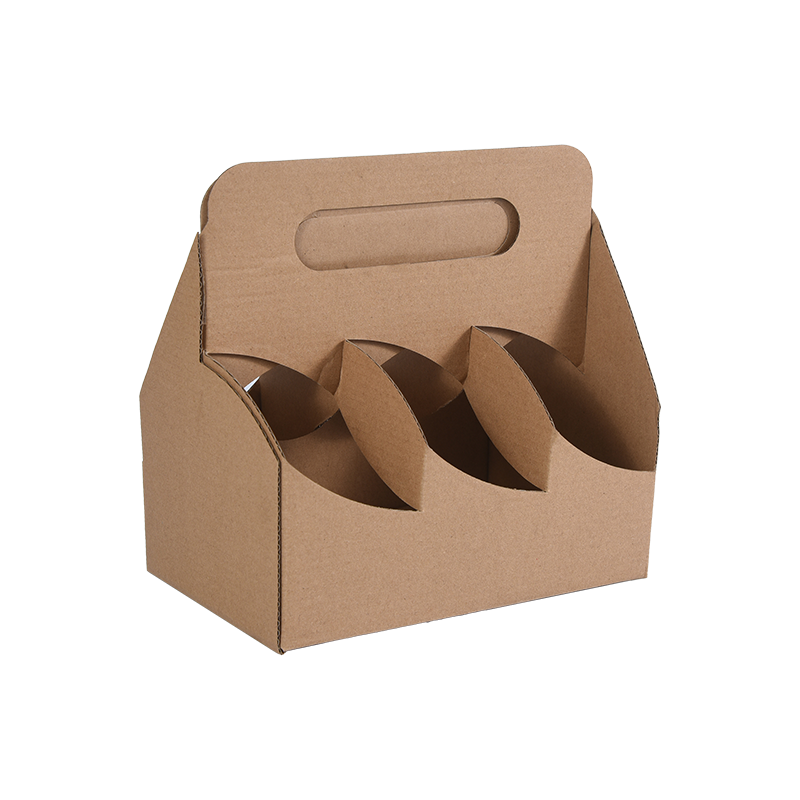 Kraft Beverage Carrier with Handles (6 to 8 Bottles or Cans)
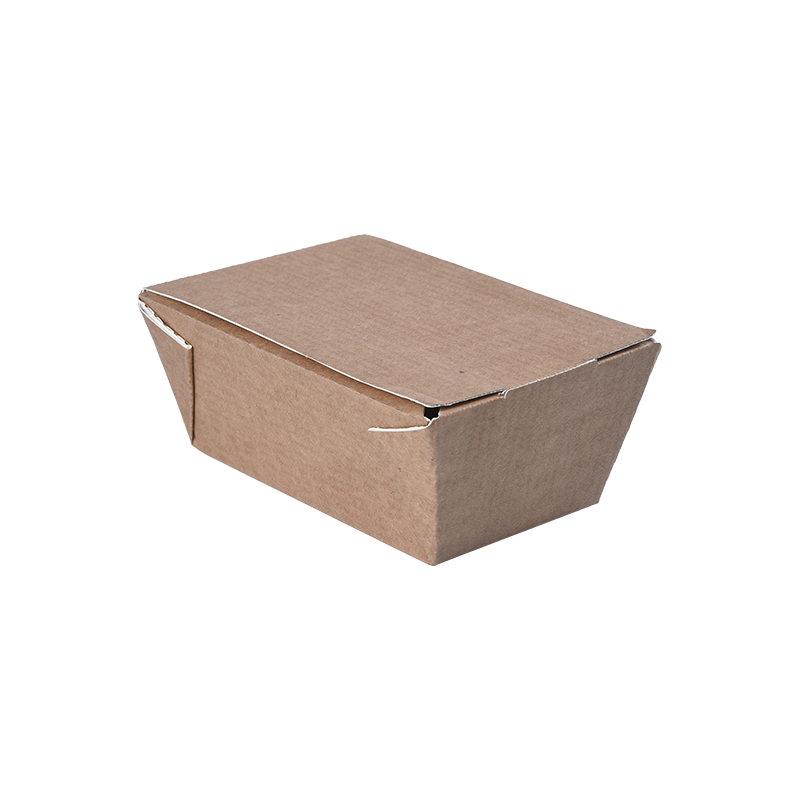 Corrugated Kraft Cardboard Lunch Boxes
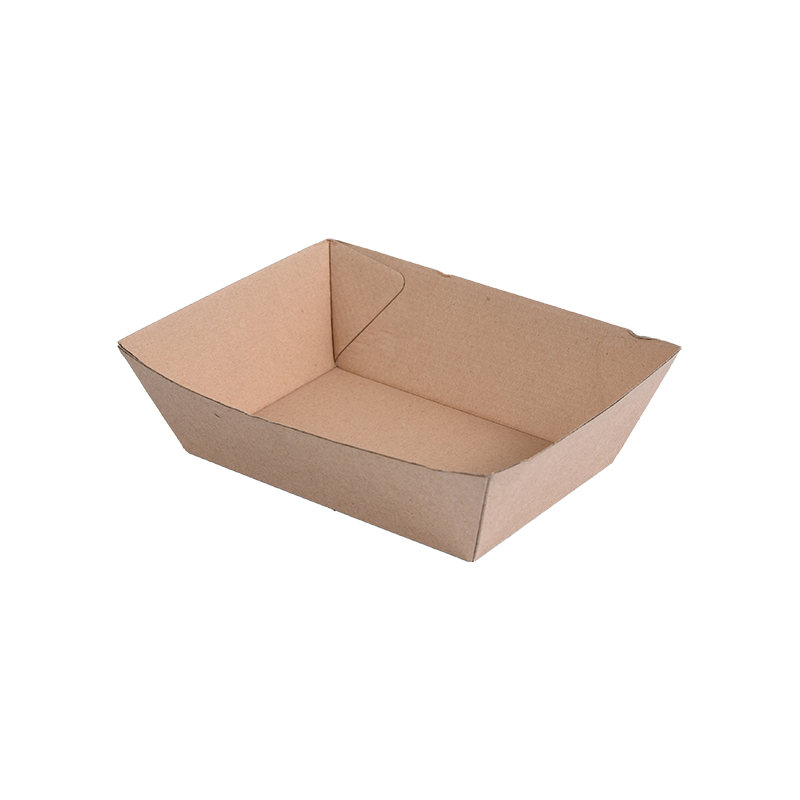 Disposable Rectangular Corrugated Paper Food Trays
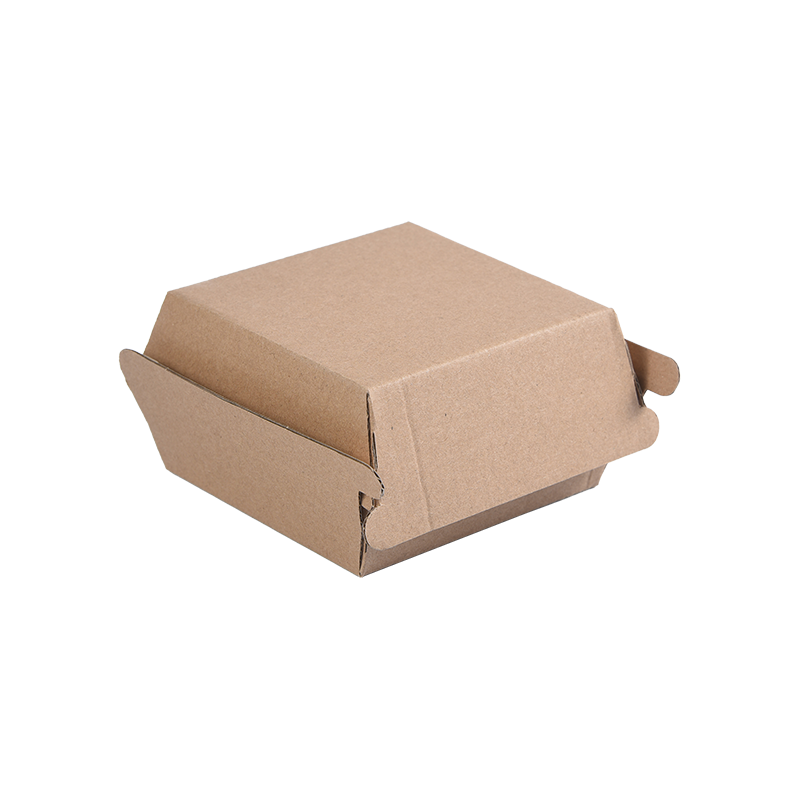 Restaurantware Corrugated Paper Burger Box
 Building 4, Leyin Industrial Park ,No. 330 Qianchun Avenue, Zhanqi Town, Yinzhou District, Ningbo, China
 +86-574-82813668
 Instagram
 Custom Disposable Paper Food Packaging Manufacturers