Corrugated paper boxes and biodegradable paper food boxes are now the default packaging choice for brands that need strength, food safety, and a genuine environmental story in one material. Corrugated board delivers the compression strength and shipping protection that plastic-free logistics demands, while biodegradable paper food boxes give restaurants and food brands a grease-resistant, compostable container that breaks down in weeks rather than centuries. Together, they cover both ends of a product's life: getting it there safely, and letting the packaging disappear afterward instead of sitting in a landfill.
The global corrugated and paperboard boxes market is valued at roughly USD 247.45 billion in 2026 and is projected to grow at a 4.12% CAGR through 2031, while the biodegradable food packaging market is separately tracking toward USD 391.3 billion by 2035. This article breaks down what actually distinguishes these two packaging categories, when to use each one, what they cost, and how to choose a supplier that meets food-safety and composting standards without cutting corners.
What Makes Corrugated Paper Boxes Different From Standard Cardboard
A corrugated paper box is not the same thing as the thin single-layer cardboard used for cereal cartons. Corrugated board is a three-layer (or more) structure: two flat linerboards sandwiching a fluted (wavy) medium in between. That fluted layer is what gives the board its compression strength, cushioning, and stacking capacity — the same box weight in flat cardboard would crush under a fraction of the load.
Flute Types and What They're Used For
Flute size determines whether a box is built for heavy-duty shipping, retail display, or lightweight mailers. Choosing the wrong flute is one of the most common — and costly — packaging mistakes for new brands.
Common corrugated flute profiles and their typical packaging applications
| Flute Type |
Thickness |
Best Use Case |
| A-Flute |
~4.7 mm |
Heavy items, maximum cushioning |
| B-Flute |
~3.2 mm |
Retail packaging, food boxes, point-of-sale |
| C-Flute |
~3.9 mm |
General shipping cartons, most common flute |
| E-Flute |
~1.6 mm |
Printed retail boxes, subscription mailers |
| BC Double-Wall |
~7 mm |
Export cartons, fragile or stacked freight |
For most e-commerce shippers, C-flute is the default choice because it balances strength, weight, and printability. B-flute and E-flute are increasingly used in food-box applications because their thinner profile still holds shape while keeping box weight and shipping cost down.
Why Corrugated Packaging Demand Keeps Growing
Corrugated boxes are not a niche or legacy packaging format — they are the backbone of global shipping. Global parcel shipments climbed to 161 billion units in 2025, and corrugated packaging fulfilled 68% of primary shipping requirements, which shows how tightly this material is tied to e-commerce fulfillment rather than any single industry.
Three forces are driving continued growth in this category:
- E-commerce parcel volume. Every online order needs an outer shipping box, and that demand scales directly with online retail growth.
- Plastic-reduction regulation. Sustainability mandates from the European Union and major consumer goods companies are accelerating the transition toward fiber-based recyclable packaging materials, pushing brands away from plastic void-fill and clamshells toward corrugated alternatives.
- Manufacturing efficiency gains. Flexographic presses now integrate AI-enabled registration controls that cut set-up waste, while right-sizing software trims corrugate consumption by 8-12%, which lowers material cost per box even as demand rises.
Regionally, Asia Pacific dominates the global corrugated and paperboard boxes market with 36% market share in 2025, driven largely by China's manufacturing base and India's formalizing packaging sector. For brands sourcing internationally, this concentration means lead times and pricing are heavily influenced by Asia-Pacific mill capacity and shipping schedules.
What Actually Makes a Paper Food Box Biodegradable
Not every "paper" food box is biodegradable, and not every biodegradable box is compostable in your city's system. These are three separate claims, and mixing them up is the most common labeling mistake food brands make.
Biodegradable vs. Compostable vs. Recyclable
- Biodegradable means the material breaks down naturally over time through microbial action — but there's no guaranteed timeframe or end condition.
- Compostable is a stricter, certified claim: the material must break down into non-toxic compost within a defined period under specific conditions (often verified against ASTM D6400 for plastics or ASTM D6868 for biodegradable coatings on paper).
- Recyclable means the material can be reprocessed into new material — plain kraft paper is recyclable, but a plastic-laminated box usually is not.
This distinction matters commercially, not just legally. The FTC Green Guides are an important reference for environmental marketing claims in the US, and claims such as compostable, biodegradable, eco-friendly, or sustainable must be substantiated and not misleading. A brand printing "compostable" on a box that only breaks down in an industrial facility — one most households don't have access to — risks both regulatory exposure and consumer backlash.
Grease and Moisture Resistance Without Losing Compostability
The biggest engineering challenge in biodegradable food boxes is barrier performance: paper alone soaks through with oil, sauce, and steam within minutes. Solving this without reintroducing plastic is where most of the innovation in this category is happening.
Two approaches currently dominate the market:
- Coated kraft paper. A thin functional coating is applied directly to the kraft substrate. Suppliers report that kraft food boxes use coated or waxed kraft that reduces liquid penetration while meeting FDA compliance standards, and that grease-resistant coating is applied directly to the kraft substrate so packaging looks clean from the exterior even with fried or oily food.
- Molded fiber and bagasse. Made from sugarcane pulp or recycled fiber, these containers are naturally rigid and hold liquid better than flat kraft board, making them common in soup, salad, and hot-meal packaging.
One regulatory shift worth noting: in 2024, the FDA announced that grease-proofing substances containing PFAS were no longer being sold by manufacturers for food-contact use in the US market. This closed a major loophole where "eco-friendly" paper packaging had actually relied on persistent PFAS chemicals for grease resistance — meaning current-generation biodegradable food boxes are held to a genuinely cleaner standard than those made even two or three years ago.
Market Size and Growth: Why Food Brands Are Switching Now
The scale of this shift is no longer small. The biodegradable food packaging market reached USD 238.8 billion in 2025 and is anticipated to hit USD 391.3 billion by 2035, at a CAGR of 5.6%. Within that total, paper and paperboard are projected to account for 42.8% of the market in 2025 — making paper-based formats the single largest material category, ahead of molded fiber, bagasse, or bioplastics.
In the US specifically, demand for biodegradable food packaging is projected to grow from USD 86.3 billion in 2025 to USD 137.9 billion by 2035, at a CAGR of 4.8%, with paper and paperboard dominating with a 37.0% market share. Growth is not driven by overall food volume increasing — it's driven by material substitution, as brands actively replace plastic clamshells and foam trays with paper-based alternatives across fresh produce, dairy, bakery, and quick-service restaurant packaging.
Foodservice is a particularly strong growth driver. Approximately 70 percent of adults in America already order takeaway, and 60 percent do so at least once a week — a volume of single-use food packaging that makes biodegradable boxes a practical sustainability lever, not just a marketing choice.
Cost Comparison: Corrugated vs. Biodegradable Paper Food Boxes
Cost is usually the first question a buyer asks, and the honest answer is that biodegradable and compostable formats still carry a premium over standard corrugated shipping boxes — though that gap is narrowing as production scales.
Relative cost and use-case comparison between packaging formats
| Packaging Type |
Typical Cost Position |
Primary Use |
| Standard corrugated shipping box |
Baseline |
General e-commerce, transit protection |
| Coated kraft food box |
Moderate premium |
Takeout, bakery, dry food items |
| Bagasse / molded fiber container |
Higher premium |
Hot meals, soups, sauced dishes |
| Certified compostable bioplastic-lined box |
Highest premium |
Cold drinks, high-moisture, delivery-heavy formats |
Industry pricing analysis backs this pattern up: as biodegradable polymers need advanced production techniques and natural raw materials, they are typically 20–30% more expensive than conventional plastic equivalents. That said, the premium is often absorbed by brands as a customer-facing sustainability signal, and continues to shrink as more manufacturers scale coated-kraft and molded-fiber production lines.
Regulatory Compliance: What Buyers Need to Verify Before Ordering
Buying food-grade paper packaging isn't just a design decision — it's a compliance decision. Skipping verification here can lead to customs holds, retailer rejection, or removal from shelf.
Documentation to Request From Any Supplier
Before placing a bulk order, request the following from your packaging supplier:
- FDA food-contact substance documentation. FDA compliance under 21 CFR Parts 174-186 is mandatory for all food-contact packaging sold in the US, and this applies to the board, coatings, inks, and adhesives — not just the finished box.
- Third-party lab test reports from accredited labs (SGS, Intertek, TÜV, or equivalent) confirming PFAS-free status and food-contact safety across hot, cold, oily, and acidic food conditions.
- Compostability certification (ASTM D6400 or D6868, or BPI certification) if the box will be marketed as compostable — FDA clearance alone does not prove compostability.
- Forest sourcing certification such as FSC or PEFC, which is increasingly required by large retailers and is becoming a de facto market entry requirement rather than an optional add-on.
It's worth being precise about what each certification actually proves. FDA food-contact compliance is about safety during food contact — it does not prove that a pack is compostable, and conversely, a compostable certification says nothing about food-contact safety. Buyers who assume one certification covers both are exposed on the one they didn't check.
State-Level Rules That Go Beyond Federal Requirements
National brands should not assume federal compliance is sufficient. California restricts use of the recycling symbol unless the item is recyclable in most of California, and introduces Extended Producer Responsibility requiring brands to help fund recycling infrastructure. Several states prohibit PFAS in food packaging, especially in molded fiber and paper-based formats, while Oregon, Washington, and New York are following with similar EPR programs and chemical restrictions. The practical takeaway: design to the strictest state standard you sell into, rather than maintaining multiple SKU variants by region.
Choosing Between Corrugated and Biodegradable Paper Boxes for Your Product
Most brands don't need to choose one format exclusively — they need to match the right format to each part of their product line. Use this as a quick decision guide:
- Shipping non-food products via courier or freight: standard C-flute or BC double-wall corrugated box.
- Packaging dry, low-moisture food (bakery, snacks, cereal): coated kraft box or E/B-flute corrugated with food-grade liner.
- Packaging hot or greasy takeout food: grease-resistant coated kraft or bagasse molded-fiber container.
- Packaging soups, sauces, or high-moisture dishes: molded fiber or certified compostable bioplastic-lined container, since flat kraft alone will not hold liquid reliably.
- Shipping food products by mail order: corrugated outer shipping box with a biodegradable inner food container, combining transit strength with food-safe, compostable direct contact.
This layered approach — a corrugated exterior for protection paired with a compostable interior for food contact — is exactly how the fastest-growing segment of the market operates. The food and beverage segment is a primary user of corrugated boxes, functioning as critical secondary packaging, meaning corrugated board's role isn't to touch food directly but to safely transport the biodegradable food container inside it.
Key Takeaways for Packaging Buyers
Corrugated paper boxes and biodegradable paper food boxes solve two different problems, and treating them as interchangeable is where most packaging budgets go wrong. Corrugated board is an engineering material chosen for flute profile, compression strength, and shipping cost efficiency. Biodegradable paper food boxes are a compliance-driven material chosen for food-contact safety, barrier performance, and verified end-of-life claims.
With the corrugated packaging market approaching USD 247 billion and the biodegradable food packaging market on pace to nearly double to USD 391 billion by 2035, neither category is a passing trend — they are the structural default for how products and food will be packaged for the next decade. The brands that get the most value from this shift are the ones that match the right paper format to the right product, and verify every compliance claim before it goes on the label.


 English
 Español
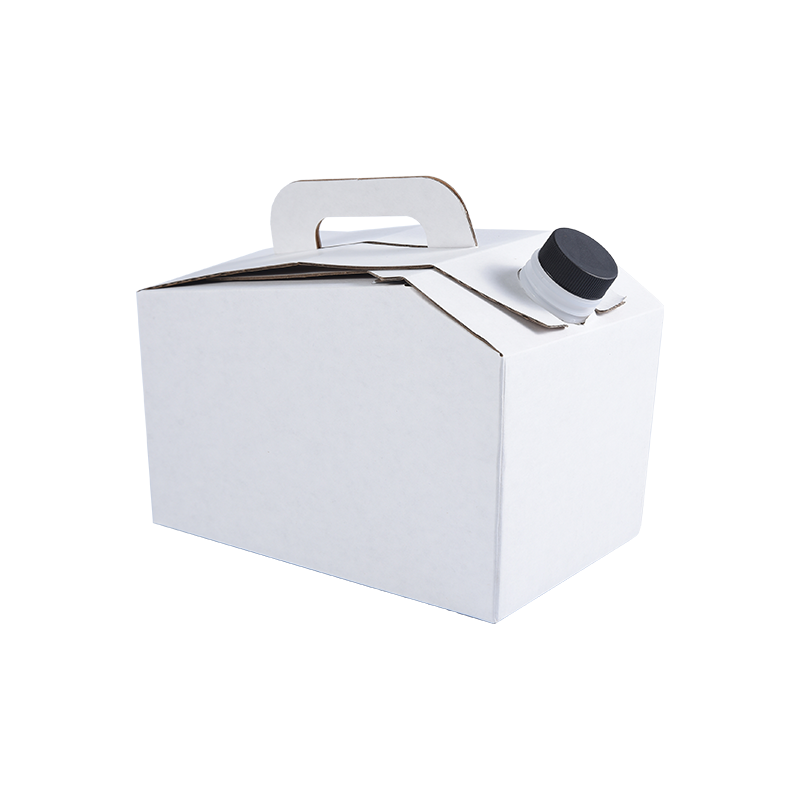 96oz Kraft Coffee/Drink to Go Container/Coffee Carrier Box
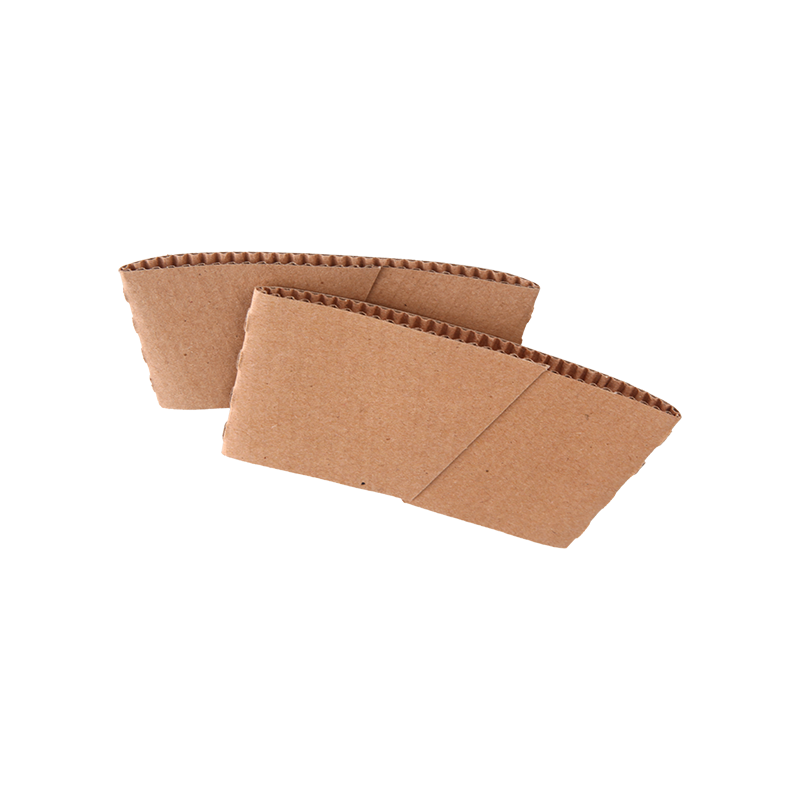 Recyclable Paper Cup Holder Sleeves
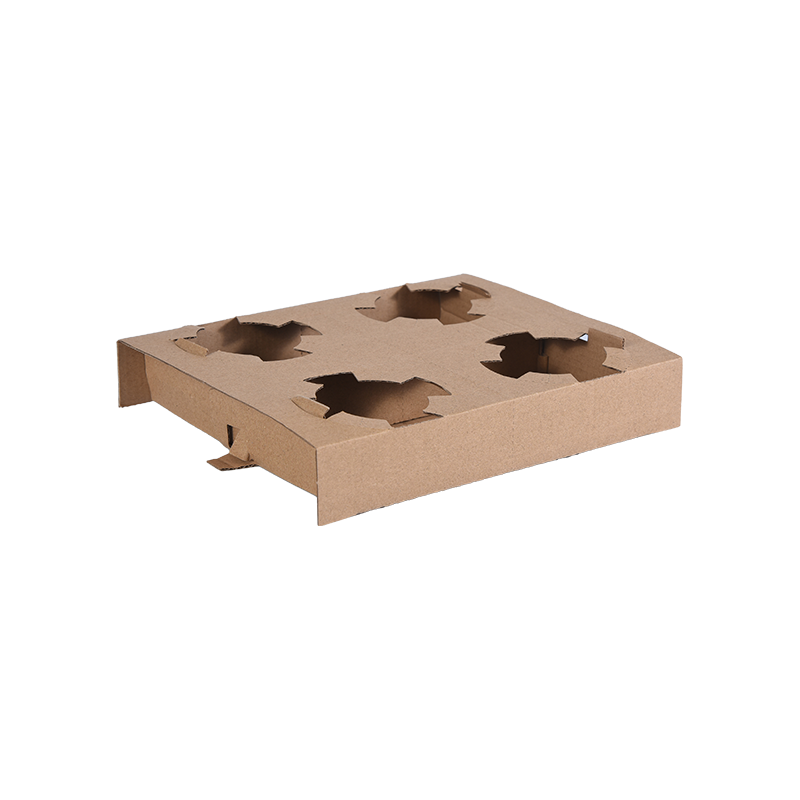 4 Cup Tray Holders for Hot & Cold Drinks – Foldable, Durable, and Cup Carrier for Takeaway, Festivals, Coffee Shops & Events
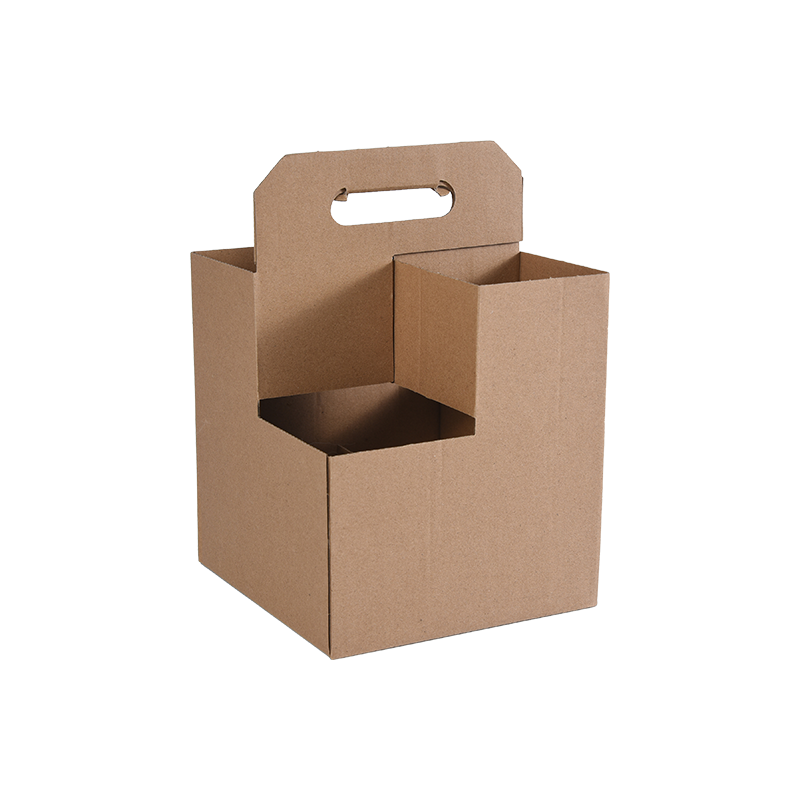 Kraft Cup Drink Carrier with Handles
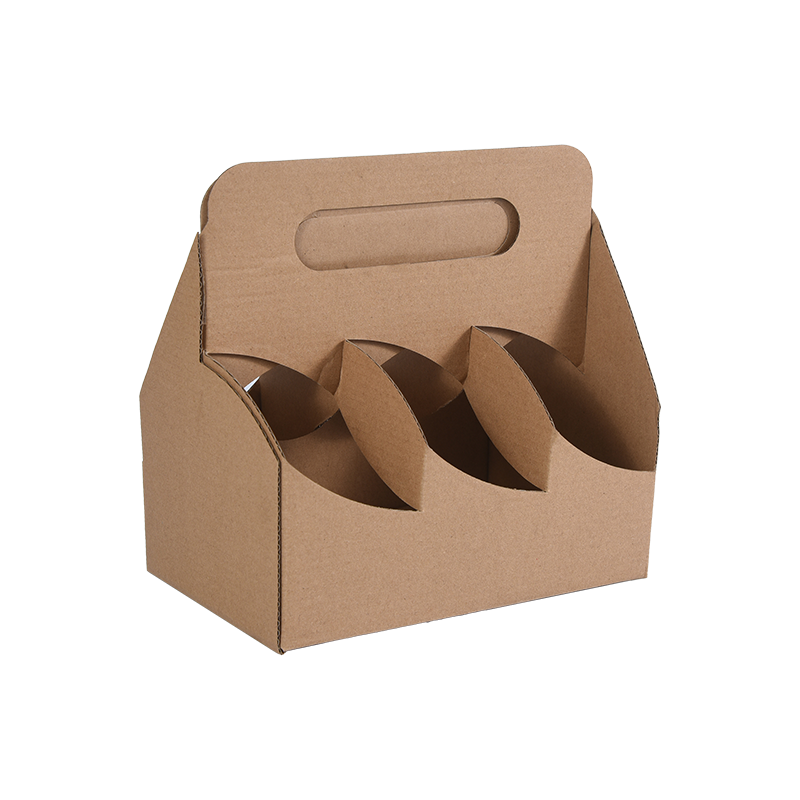 Kraft Beverage Carrier with Handles (6 to 8 Bottles or Cans)
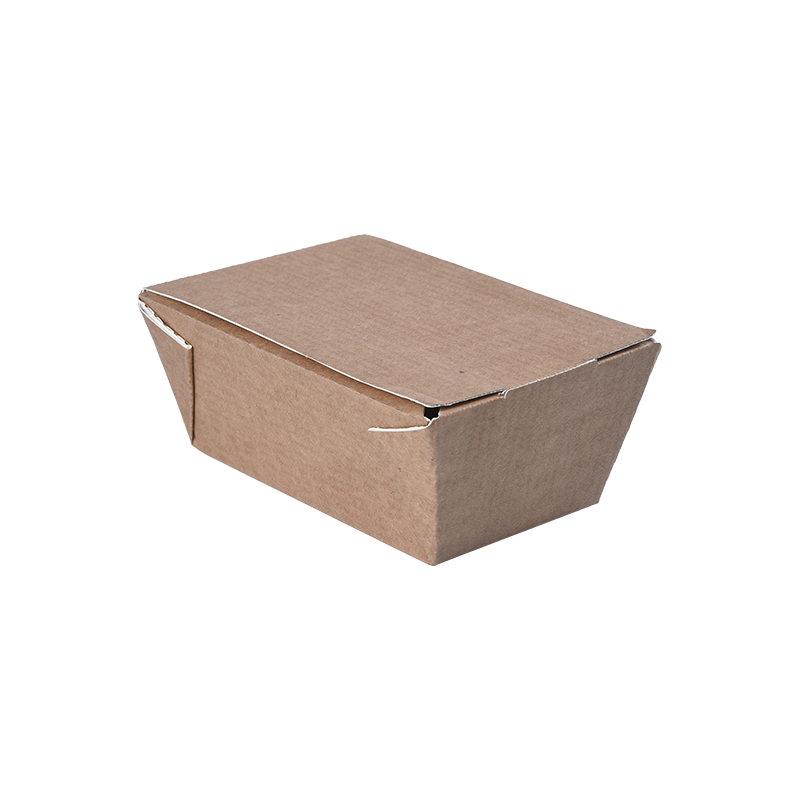 Corrugated Kraft Cardboard Lunch Boxes
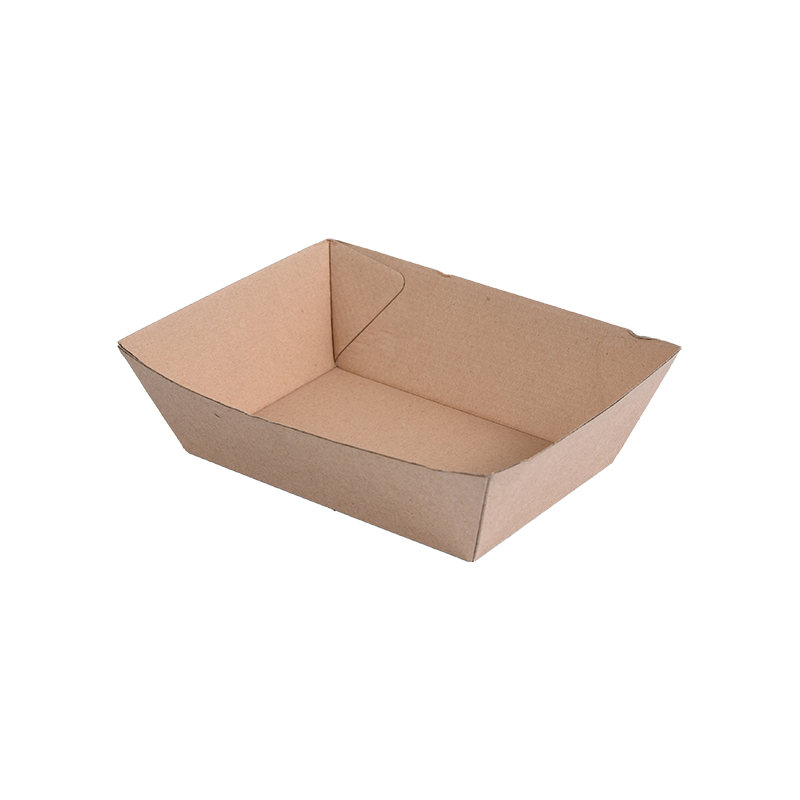 Disposable Rectangular Corrugated Paper Food Trays
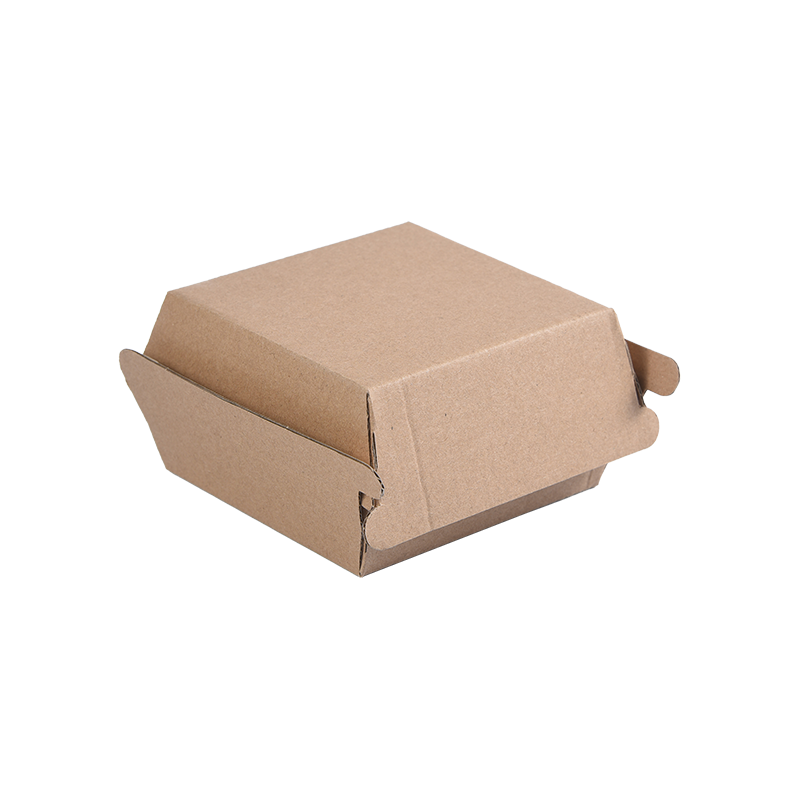 Restaurantware Corrugated Paper Burger Box
 Building 4, Leyin Industrial Park ,No. 330 Qianchun Avenue, Zhanqi Town, Yinzhou District, Ningbo, China
 +86-574-82813668
 Instagram
 Custom Disposable Paper Food Packaging Manufacturers