


 English
 Español
-
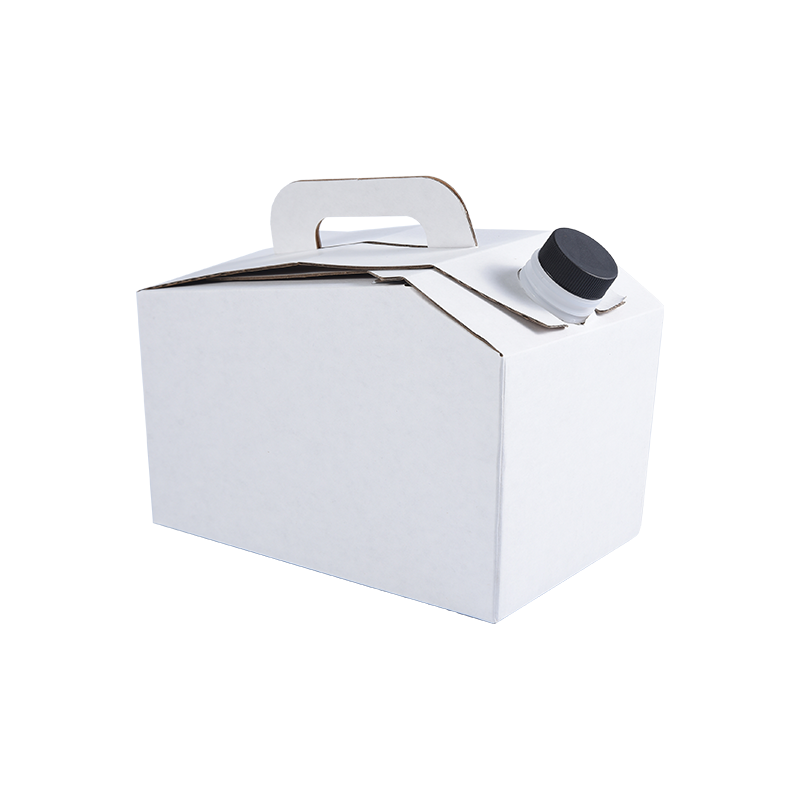 96oz Kraft Coffee/Drink to Go Container/Coffee Carrier Box
-
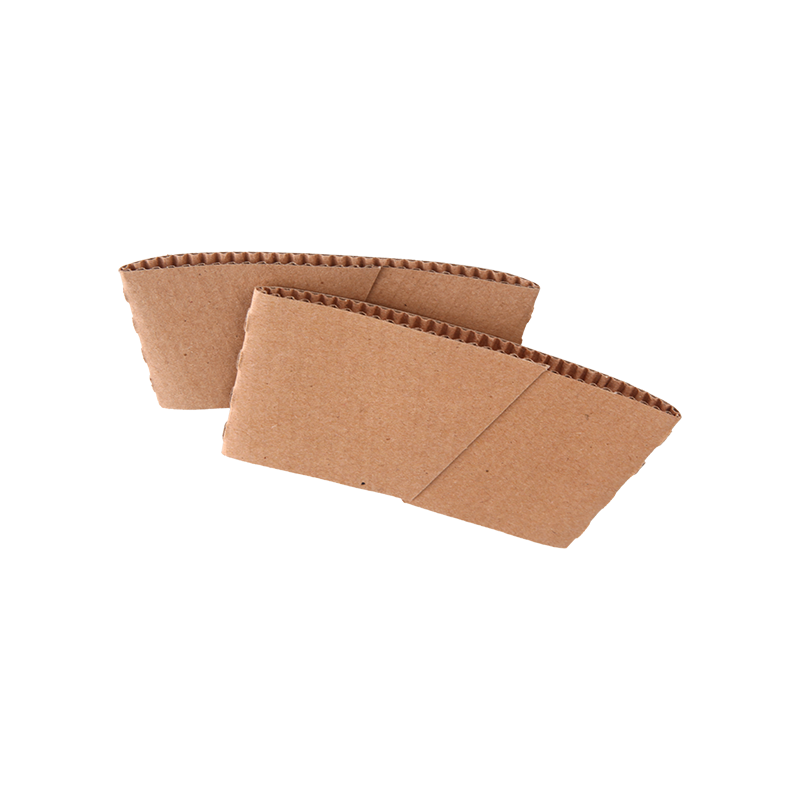 Recyclable Paper Cup Holder Sleeves
-
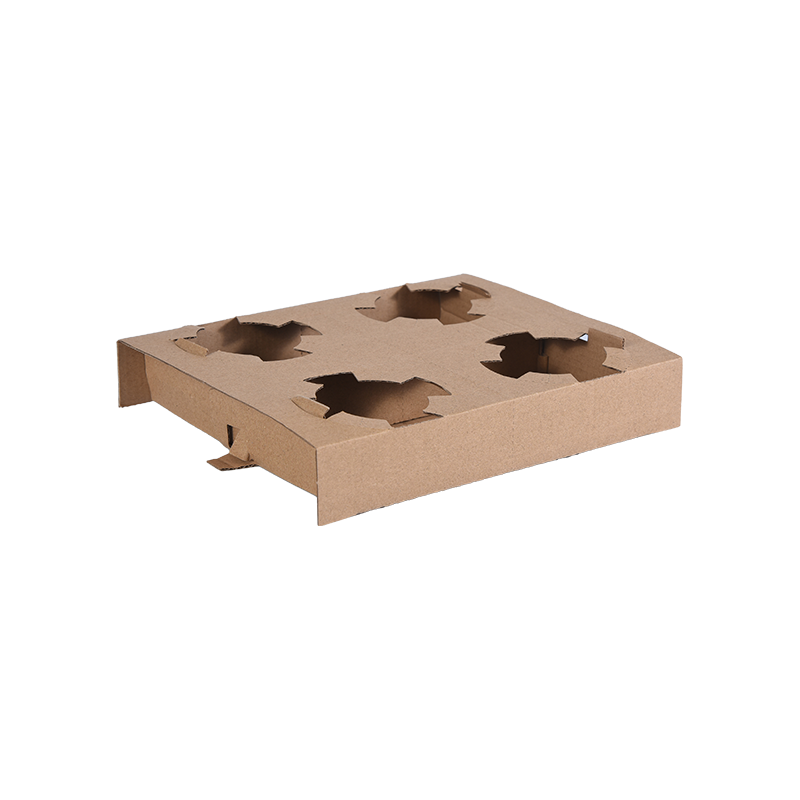 4 Cup Tray Holders for Hot & Cold Drinks – Foldable, Durable, and Cup Carrier for Takeaway, Festivals, Coffee Shops & Events
-
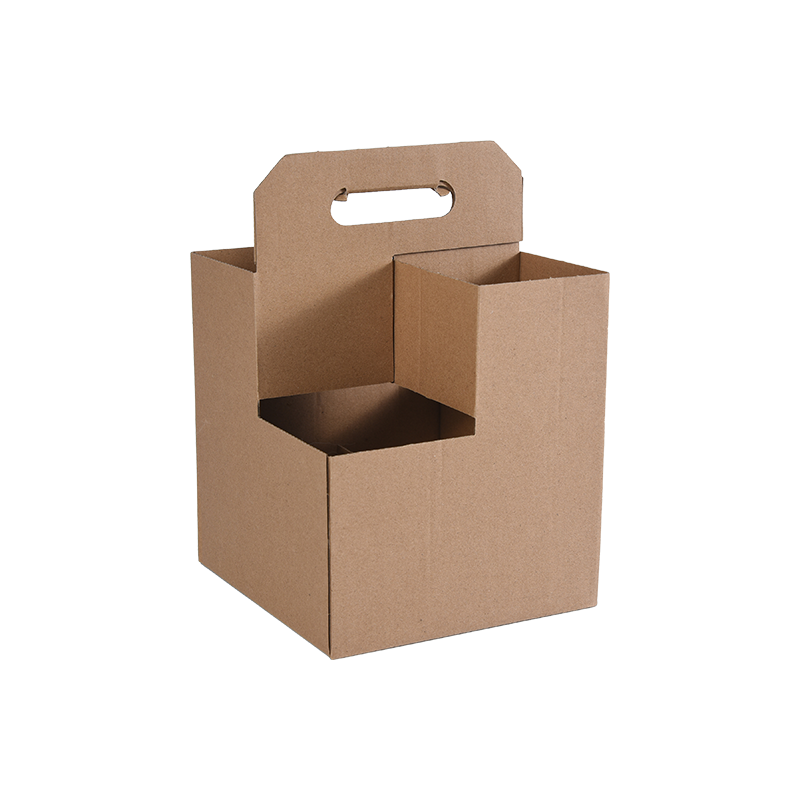 Kraft Cup Drink Carrier with Handles
-
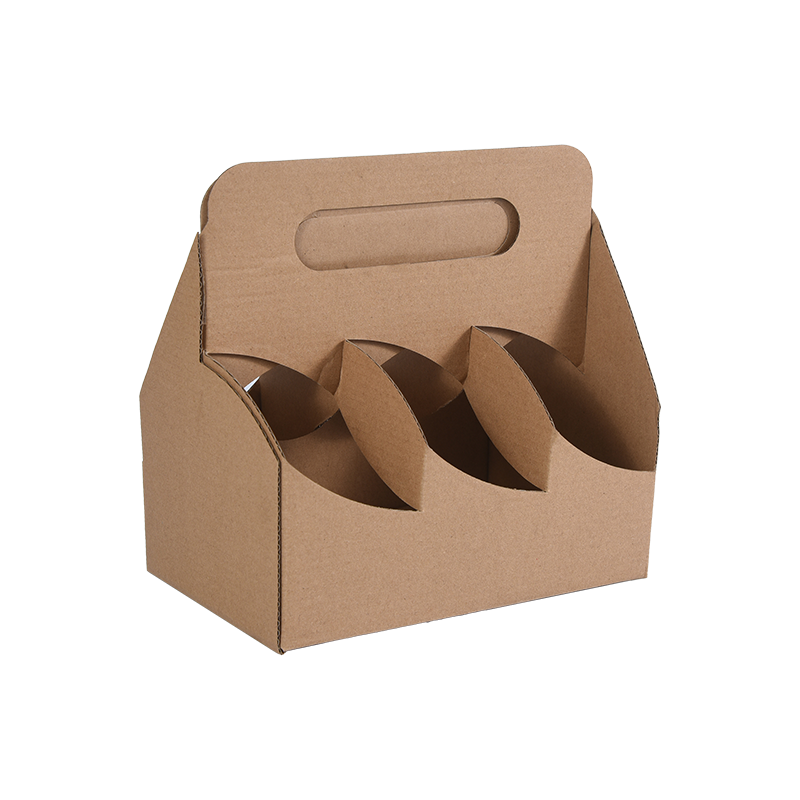 Kraft Beverage Carrier with Handles (6 to 8 Bottles or Cans)
-
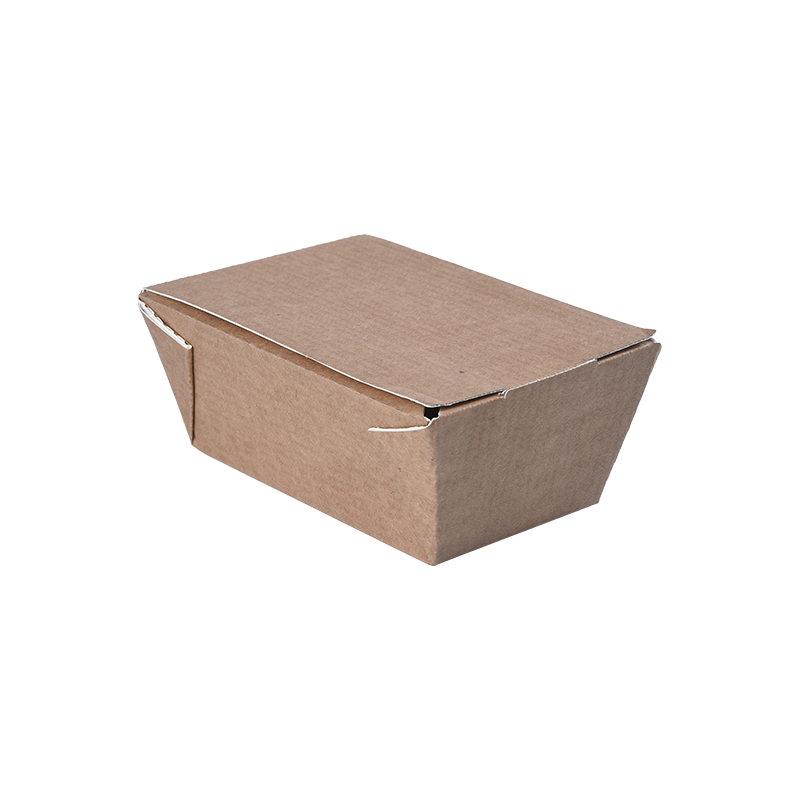 Corrugated Kraft Cardboard Lunch Boxes
-
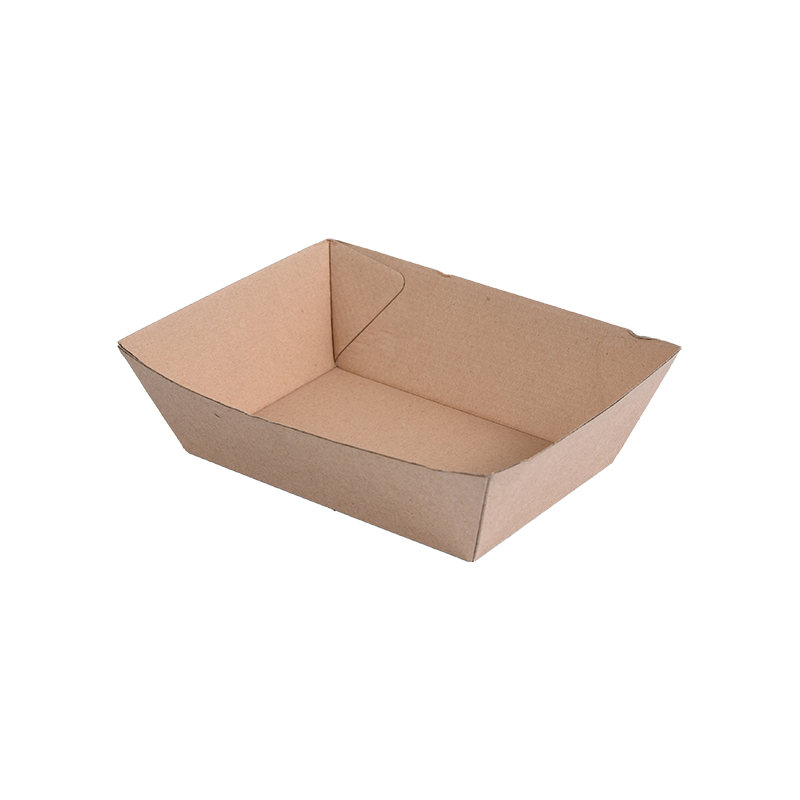 Disposable Rectangular Corrugated Paper Food Trays
-
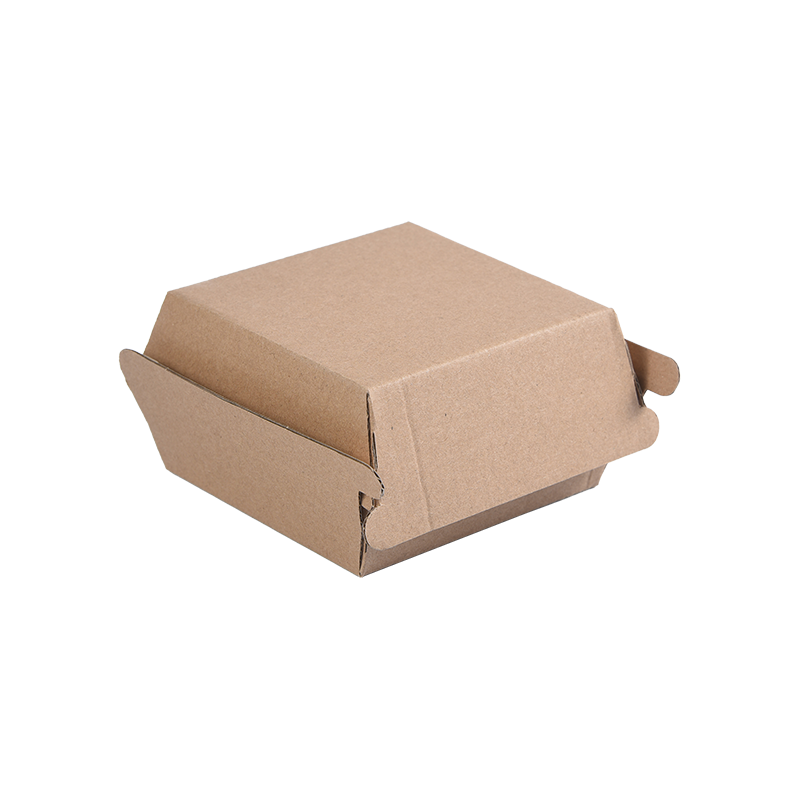 Restaurantware Corrugated Paper Burger Box
How Many Oz in a Chinese Takeout Box? Pint, Quart and Half Sizes Explained
Few questions reach our inbox as often as this one, and it nearly always arrives from someone holding a warm carton of noodles in one hand and a measuring cup in the other. Whether you run a takeout counter, count calories, or simply want to know whether a single box of lo mein will feed two people, the answer begins with the size name on the carton.
Here is the short version. The classic folded Chinese takeout box is a pint, and a US pint is 16 fluid ounces, roughly 473 millilitres. The larger carton is a quart at 32 fluid ounces, and the smallest box most kitchens keep in stock is a half pint at 8 fluid ounces. Almost every other figure you meet is a variation on those three.
The Three Carton Sizes You Will Actually See
Walk through the storeroom of a typical Chinese restaurant and you will find three carton sizes, all built from the same folded paperboard pattern. Suppliers describe them by the volume they hold, which is why one box can be sold as a pint box, a 16 oz box, or a number 8 carton depending on the catalogue in front of you.
| Common name | Capacity (US fl oz) | Metric | What it usually holds |
|---|---|---|---|
| Half pint | 8 | about 237 mL | Soup, wontons, one side of rice, a single appetiser |
| Pint | 16 | about 473 mL | One entrée, lo mein, fried rice, General Tso's chicken |
| Quart | 32 | about 946 mL | Two to three entrées, combo dinners, family sharing |
Those figures are US fluid ounces, the measurement most American and Chinese suppliers quote. They describe a level fill to the rim with the flaps still open, which is the number the industry has used for decades.
Why a Pint Box Rarely Holds a Full Pint
This is the part that surprises people. A 16 oz carton is measured level full with the flaps open. Fold those flaps down over hot food and the usable space shrinks. In real kitchens, a pint box is usually filled to somewhere between 12 and 14 ounces so the top closes cleanly and the wire handle does not press into the noodles.
That is not a flaw in the design. The folded top doubles as a lid, the handle keeps the box level in a delivery bag, and the coating stops grease from soaking through before the food reaches the customer. The same logic applies when you weigh portions: a 16 oz box is a container class, not a promise that every carton leaves the kitchen carrying exactly 16 ounces of food.
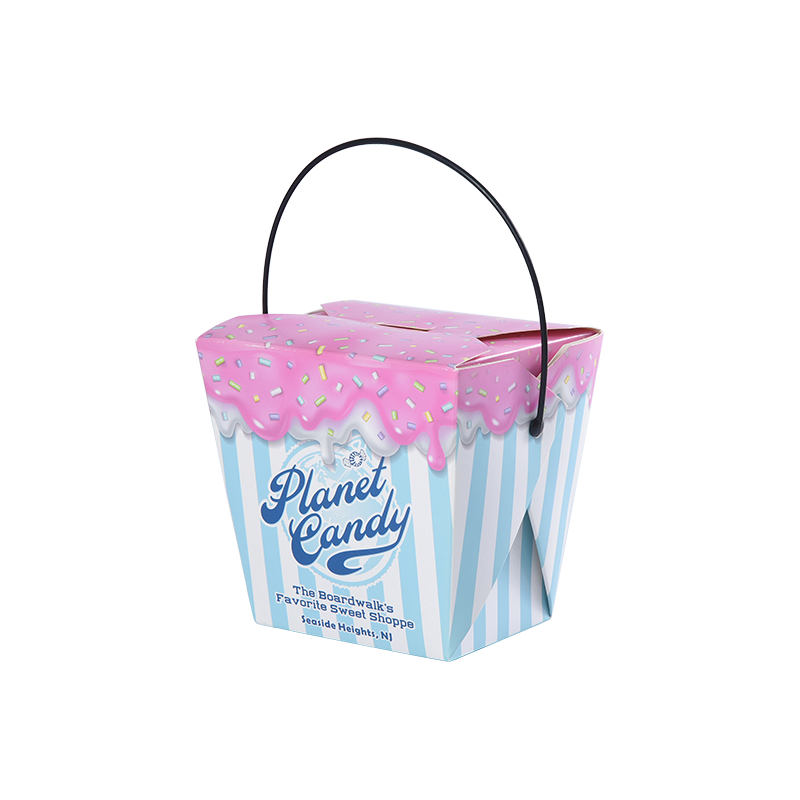 Custom Chinese Noodle Box and Food PailA customizable paper take-out pail with plastic handles in 8oz–32oz sizes, suited to noodles, rice and pasta; check coating and board weight for fold-line performance.View Product →
If you want a carton that behaves predictably at the fold line, the coating and the board weight matter as much as the printed size, and both are worth checking before you commit to a full pallet.
US Pints, Imperial Pints and the Twenty Percent Trap
If you buy packaging from a UK or Commonwealth supplier, the word pint means something different. A US pint is 16 US fluid ounces, or 473 mL. An imperial pint is 20 imperial fluid ounces, or 568 mL. That gap of roughly 20 percent is more than enough to change how many servings a carton holds.
- US pint: 16 fl oz, about 473 mL
- Imperial pint: 20 fl oz, about 568 mL
- US quart: 32 fl oz, about 946 mL
- Imperial quart: 40 fl oz, about 1,136 mL
When a specification sheet lists a pint, ask which pint. For a US restaurant selling to US customers, the 16 ounce figure is the one that matches both the box on the counter and the expectation in the customer's mind.
How to Measure the Box in Front of You
Bench testing takes five minutes and settles the question for your own supply. Nothing beats measuring the carton you actually buy.
- Fill the box with water up to the crease where the flaps begin to fold, and note how much it takes. That is the working capacity.
- Pour the water into a jug marked in fluid ounces or millilitres rather than estimating from the outside dimensions.
- Fill the box level to the very rim as a second test, to see the difference between nominal and usable capacity.
- If you have no jug, weigh the water instead. One US fluid ounce of water weighs very close to one ounce on a kitchen scale.
Run the test on a sample of boxes, not just one. Board thickness and fold accuracy vary slightly between production runs, and a carton that holds 16 ounces from one batch may sit closer to 15 from another.
Shape and Material Change How Much You Can Pack
The gable carton, sometimes called an oyster pail or paper pail, takes its name from the folded roof that closes the top. The taper means the base is narrower than the rim, so a carton that measures 16 ounces to the rim may hold noticeably less once food is stacked above the fold line.
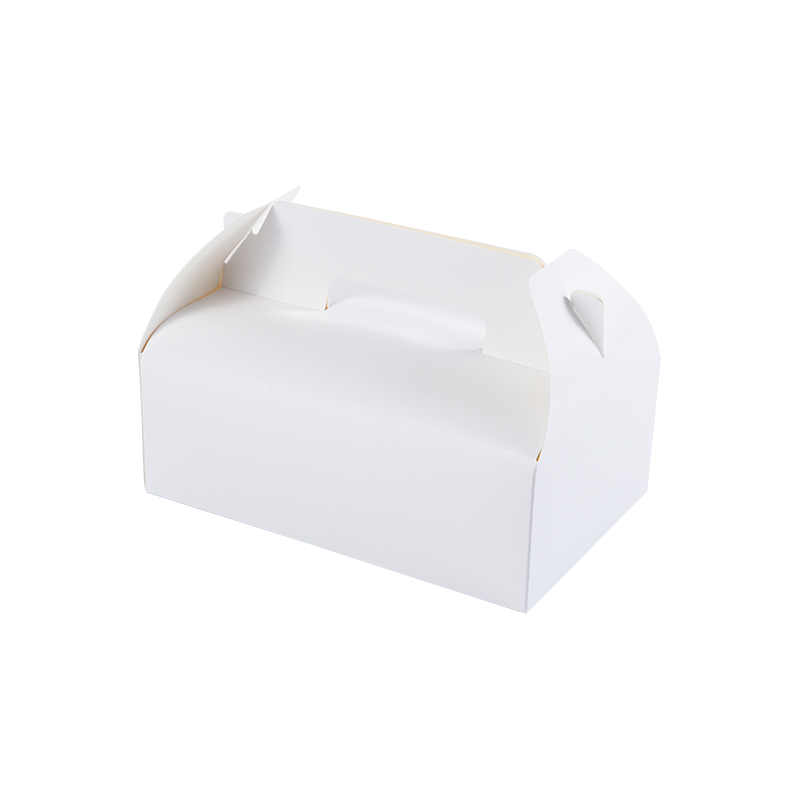 Custom Gable Treat Boxes for Takeaway and GiftsA customizable Kraft or white paper gable box, flat-packed with printing options and a 55 mm handle; coating choice affects grease resistance for takeaway and gifts.View Product →
Coating matters just as much as geometry. Waxed and polyethylene-coated cartons resist grease and standing liquid, while PLA coatings do the same job with compostability in mind. None of them change the ounce count, but they decide whether the box still looks presentable after twenty minutes in a delivery bag. We go into more detail in our guide to takeout box types and materials.
What Those Ounces Mean at the Table
Capacity and portion size are related but not identical, because density varies from dish to dish. A pint of wonton soup weighs far more than a pint of chow mein, and a quart of fried rice stretches further than a quart of noodles.
- An 8 oz half-pint box suits a side of rice, an appetiser, a small soup, or a child's portion.
- A 16 oz pint box is the standard single-diner container for an entrée, or for two people sharing a starter.
- A 32 oz quart box covers two to three servings and is the usual choice for combination dinners and family orders.
For anyone counting calories, the practical takeaway is that a pint box filled the way a restaurant fills it holds roughly 12 to 14 ounces of food, and a quart box roughly 24 to 28 ounces. Weighing a takeaway portion once is more reliable than assuming the carton name equals the portion size.
Choosing Carton Sizes for Your Own Menu
If you are equipping a kitchen rather than measuring one, start from the menu instead of the box. Count how many dishes are served as a single portion, how many are shared, and how many arrive with sauce or broth that can escape a folded top.
Most operators settle on two or three carton sizes and keep the rest of the range for specials. Our paper take-out food containers cover the pint and quart end of the range in kraft, white and black board, with coating options suited to noodles, rice and saucy dishes.
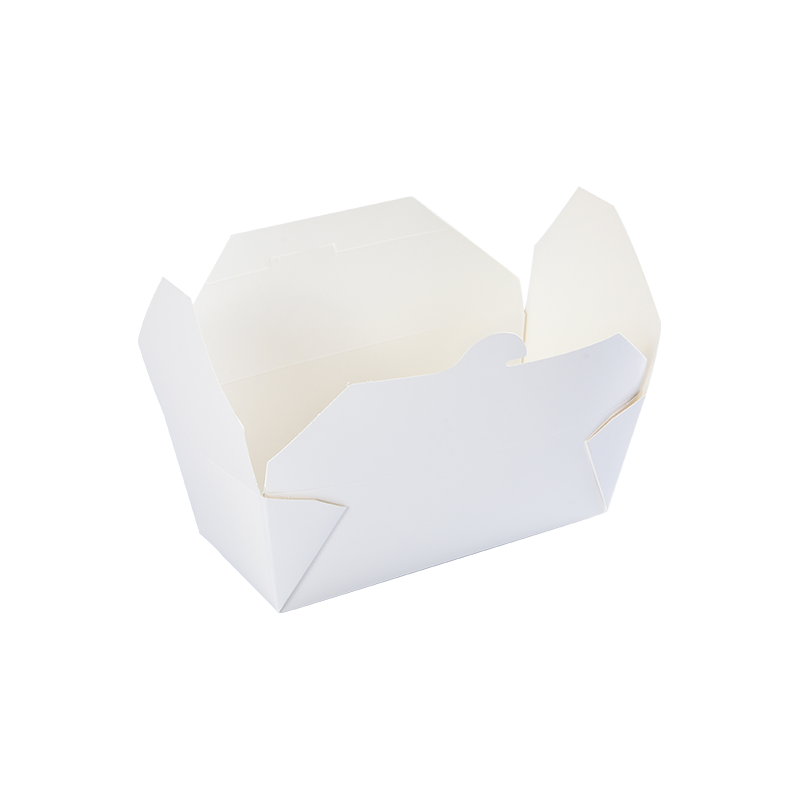 Custom Kraft Paper Take-out Box Food ContainerLeakproof paperboard take-out box with tab-lock flaps, no assembly, recyclable and customizable in kraft or white; multiple capacities support portion control for fast food.View Product →
A consistent carton also makes portion control simpler, because staff learn what a correctly filled box looks like rather than guessing at the weight each time.
Questions We Hear Most
Is a Chinese takeout box 16 oz or 32 oz?
Both exist. The standard single-portion carton is 16 oz, which is one US pint. The larger carton is 32 oz, or one US quart, and is used for combination dinners and shared orders.
How many ounces are in a small takeout box?
The smallest size in common use holds 8 fluid ounces, roughly 237 mL. It is usually reserved for soup, rice, wontons and small appetisers.
How much food does a pint box hold once it is closed?
Expect about 12 to 14 ounces. The nominal 16 ounces is a level fill to the rim with the flaps open, and folding the top down uses up some of that space.
Does the material affect the capacity?
Not the ounce count, no. Board thickness and coating affect strength, grease resistance and how well the box survives a hot, damp delivery bag, but a 16 oz carton is a 16 oz carton whatever it is coated with.
So the honest answer is a short one: a Chinese takeout box holds 16 ounces if it is a pint, 32 ounces if it is a quart, and 8 ounces if it is the small one. The longer answer is that restaurants fill cartons to roughly 80 percent of that figure so the flaps close and the food travels safely.
If you are sourcing cartons and want to know exactly what a size holds before you order, tell us the dish you plan to pack. We will tell you which carton fits it and how much it will really carry.
-
How Many Oz in a Chinese Takeout Box? Pint, Quart and Half Sizes Explained
Few questions reach our inbox as often as this one, and it nearly always arrives from someone holdi...
-
How Are Today's Foods Typically Packaged? A Complete Modern Guide to Paper Packaging
Walk into any restaurant, coffee shop, or delivery kitchen today, and you will see packaging that b...
-
How to Pack Food for Takeaway: Essential Paper Container Tips for Restaurants
When a customer orders takeaway, they are not just buying a meal; they are buying the convenience o...
-
How Do You Calculate Package Size? A Practical Guide for Food Businesses
Ask anyone who has packed a few hundred takeaway orders in a single evening and they will tell you:...
-
How Big Is a Large Pizza Box? Standard Dimensions & Sizing Guide for Pizzeria Owners
A large pizza box is typically 16 inches by 16 inches or 18 inches by 18 inches, but the exact size...
-
How to Measure the Length, Width and Height of a Box: A Practical Guide
A shipping clerk once asked me to confirm the size of a takeout box before ordering 5,000 units. Th...
 Building 4, Leyin Industrial Park ,No. 330 Qianchun Avenue, Zhanqi Town, Yinzhou District, Ningbo, China
 +86-574-82813668
 Instagram
Copyright © Ningbo Shuohui New Material Technology Co., Ltd. Rights Reserved.
 Custom Disposable Paper Food Packaging Manufacturers