Take-out box food containers are purpose-engineered packaging solutions designed to transport prepared food safely from a foodservice establishment to the consumer while preserving temperature, texture, and food quality. Among all available materials, kraft paper food containers have emerged as the leading sustainable choice — combining structural strength, grease resistance, heat retention, and biodegradability in a format that resonates with both operators and environmentally conscious consumers.
The global food container market was valued at over $180 billion in 2023 and continues to grow at approximately 5% annually, driven by the sustained expansion of food delivery platforms, ghost kitchens, and fast-casual dining. Choosing the right take-out container — in terms of material, size, leak resistance, heat performance, and branding potential — directly affects food quality perception, customer satisfaction, and operating cost. This guide covers everything operators, procurement teams, and packaging buyers need to know.
Types of Take-Out Box Food Containers and Their Best Uses
Take-out food containers are available in a wide range of formats, each optimized for specific food types, portion sizes, and service environments. Understanding the structural differences between container types is the starting point for making the right selection.
Folding Carton / Oyster Pail Boxes
The classic folding paper box — often called a Chinese take-out box or oyster pail — is a single-piece paperboard container that folds flat for storage and assembles in seconds. Made from coated or uncoated paperboard (frequently kraft paper), these containers are iconic in the food delivery industry and handle portions from 16 oz to 32 oz. Their wire bail handle makes them easy to carry and stack, and their tuck-in top provides a secure closure. They are well-suited to noodles, rice dishes, salads, and similar bulk foods.
Hinged-Lid Clamshell Containers
Clamshell containers feature an integrated hinged lid that snaps or folds shut, providing a self-contained packaging solution. Available in paperboard, bagasse (sugarcane fiber), molded fiber, and kraft paper constructions, clamshells are the most widely used container format in fast-casual and QSR (quick service restaurant) operations. Single-compartment and multi-compartment versions accommodate everything from burgers and sandwiches to combo meals with separated sides. Kraft paper clamshells typically handle temperatures up to 220°F (104°C) without deformation.
Kraft Paper Food Boxes (Straight-Wall and Tuck-Top)
Straight-wall kraft paper food boxes are rectangular containers with a separate or attached lid, constructed from single or double-wall kraft paperboard. They are the dominant format for meal prep delivery, cloud kitchen operations, and premium restaurant take-out because their flat surfaces offer excellent printability for branding. Double-wall kraft constructions provide additional insulation, maintaining food temperatures for 20 to 35 minutes longer than single-wall equivalents in controlled tests.
Soup Containers and Noodle Bowls
Cylindrical or tapered paper containers with PE (polyethylene) or PLA (polylactic acid) lining are designed specifically for liquid-heavy foods — soups, ramen, congee, and braised dishes. The inner coating provides leak resistance while the kraft paper exterior handles grip and labeling. Standard sizes range from 8 oz to 32 oz, with double-wall versions eliminating the need for a separate sleeve.
Window Boxes and Display Containers
Kraft paper boxes fitted with a clear PET or PLA window panel allow visual product presentation without opening the container — ideal for bakery items, sandwiches, wraps, and premium food retail packaging. The window element adds 15 to 25% to unit cost compared to windowless equivalents but significantly increases perceived value in retail and deli contexts.
Kraft Paper Food Containers: Material Properties and Construction
Kraft paper is produced through the kraft pulping process, which uses sodium hydroxide and sodium sulfide to break down wood chips into pulp. The resulting paper is characterized by high tear strength, excellent flexibility, and superior tensile strength compared to papers produced by other pulping methods — making it structurally ideal for food packaging that must withstand handling, moisture exposure, and the weight of food contents.
Key Physical Properties of Food-Grade Kraft Paperboard
- Basis weight: Food-grade kraft paperboard used in take-out containers typically ranges from 200 to 400 gsm (grams per square meter), with heavier weights used for larger containers or those expected to carry heavier foods
- Burst strength: 200–450 kPa for standard food-grade kraft — sufficient to resist the hydrostatic pressure of liquid-containing foods
- Cobb value (water absorption): Uncoated kraft absorbs 50–100 g/m² of water in 60 seconds; PE-coated or wax-coated kraft reduces this to under 15 g/m², enabling use with wet and oily foods
- Grease resistance: Food-grade kraft can be treated with fluorochemical coatings (Kit rating 6–12) or aqueous barrier coatings to resist grease penetration from fried foods and sauces
- Recycled content: Many kraft food containers incorporate 30 to 100% post-consumer recycled fiber, with virgin kraft used where maximum strength or food contact purity is required
Coating and Lining Options for Kraft Paper Containers
The inner surface treatment of a kraft paper food container determines its suitability for different food types and its environmental profile. The choice of coating significantly affects both performance and recyclability or compostability.
Comparison of inner coating types for kraft paper food containers by performance, sustainability, and food application
| Coating Type |
Liquid Resistance |
Grease Resistance |
Compostable |
Best For |
| PE (Polyethylene) |
Excellent |
Excellent |
No |
Soups, sauces, wet foods |
| PLA (Polylactic Acid) |
Good |
Good |
Yes (industrial) |
Cold foods, salads, cold drinks |
| Aqueous Barrier Coating |
Moderate |
Good |
Yes |
Hot dry foods, sandwiches |
| Wax Coating |
Good |
Moderate |
No |
Bakery, chilled foods |
| Uncoated (Dry Use) |
Poor |
Low |
Yes |
Dry snacks, bakery, dry foods |
Food Safety Standards for Take-Out Box Food Containers
Food safety compliance is non-negotiable for take-out food containers. Any container that contacts food must meet applicable regulatory standards to ensure that no harmful substances migrate from the packaging into the food. Purchasing containers without verified food-contact certification is a legal and health liability risk that no foodservice operator should accept.
Key Regulatory Standards to Look For
- FDA 21 CFR (U.S.): U.S. Food and Drug Administration regulations covering paper and paperboard in contact with food (21 CFR 176.170 and 176.180), specifying permitted coatings, adhesives, and chemical treatments
- EU Regulation 1935/2004 and 10/2011: European framework for food contact materials, including specific migration limits for substances that may transfer from packaging to food
- GB 4806 series (China): Chinese national standards for food contact materials and products, covering paper and paperboard specifically under GB 4806.8
- BPA-free certification: Particularly relevant for containers with plastic coatings or liners — bisphenol A (BPA) is prohibited in many jurisdictions for food contact applications
- PFAS-free / fluorochemical-free: Per- and polyfluoroalkyl substances (PFAS) used in some grease-resistant coatings are facing widespread regulatory restrictions — California's AB 1200 (effective 2023) and similar laws in multiple states prohibit PFAS-treated food packaging
Temperature Safety Thresholds for Kraft Paper Containers
Kraft paper food containers are safe for use with hot foods within defined temperature limits. Exceeding these limits can cause structural failure, coating breakdown, or migration of coating compounds into food:
- Standard single-wall kraft containers: Safe for food at up to 185°F (85°C) for short-term contact
- PE-lined kraft containers: Safe for hot liquids up to 205°F (96°C) — below the boiling point to prevent seal failure
- Microwave-safe kraft containers: Specially formulated containers tested for microwave use must carry explicit microwave-safe labeling — do not assume all kraft containers are microwave-compatible
- Oven use: Most kraft paper containers are not rated for oven use above 350°F (177°C) — direct oven heating should only be done with containers specifically designed and labeled for oven use
Sustainability Credentials of Kraft Paper Food Containers
The shift toward kraft paper food containers from plastic and polystyrene alternatives is one of the most significant sustainability trends in food packaging. Consumer surveys consistently show that 73 to 81% of consumers prefer paper-based packaging over plastic for food delivery, and many jurisdictions have enacted legislation restricting or banning single-use plastic food containers.
Environmental Advantages of Kraft Paper Containers
- Renewable raw material: Kraft paper is produced from wood fiber — a renewable resource — typically sourced from certified sustainably managed forests (FSC or PEFC certification)
- Biodegradability: Uncoated kraft paper biodegrades within 2 to 6 weeks in home composting conditions; even coated variants (aqueous or PLA-lined) biodegrade in industrial composting environments within 90 to 180 days
- Recyclability: Kraft paper containers without plastic coating are fully recyclable in standard paper recycling streams — PE-coated variants require specialized recycling facilities available in an increasing number of municipalities
- Lower carbon footprint: Life cycle assessment (LCA) studies consistently show that kraft paper containers generate 40 to 60% lower greenhouse gas emissions per unit compared to equivalent polystyrene containers on a cradle-to-grave basis
- No microplastic contamination: Unlike plastic containers that shed microplastic particles under heat and mechanical stress, kraft paper containers do not contribute to microplastic pollution in food or the environment
Sustainability Certifications Worth Verifying
- FSC (Forest Stewardship Council): Certifies that virgin fiber content comes from responsibly managed forests
- ASTM D6400 / EN 13432: International standards for industrial compostability — containers certified to these standards will fully disintegrate in commercial composting facilities
- Seedling logo (TÜV Austria): European certification for industrially compostable products, recognized by composting facilities across the EU
- SFI (Sustainable Forestry Initiative): North American equivalent to FSC for certified sustainable fiber sourcing
Selecting the Right Take-Out Box Container for Your Food Type
Matching container specifications to food type is critical — the wrong container choice leads to sogginess, leakage, heat loss, or structural failure that damages your brand and wastes product. The following framework guides selection across the most common food service scenarios.
Hot, Dry Foods (Burgers, Sandwiches, Fried Chicken)
Hot dry foods require containers with moderate grease resistance, good ventilation to prevent sogginess, and structural rigidity to maintain shape during transport. Kraft paper clamshells with aqueous barrier coating or unlined paperboard are ideal. Avoid fully sealed containers without vent holes for crispy foods — trapped steam turns fried food soggy within 10 to 15 minutes. Some premium operators use kraft paper containers with micro-perforated bottom inserts that allow steam escape while maintaining food elevation away from condensation.
Wet and Saucy Foods (Curries, Pasta, Stir-Fries)
Foods with significant liquid or sauce content demand full liquid barrier protection on all inner surfaces, including seams and corners. PE-lined or double-wall kraft containers with sealed seams are essential. Leak testing — filling the container with water and inverting it over white paper — should be performed on any new container specification before adoption. For delivery distances exceeding 20 minutes, containers should be placed upright in insulated delivery bags to minimize hydrostatic pressure on seams.
Salads and Cold Foods
Cold food containers must maintain structural integrity without the benefit of food heat stiffening the container walls. Kraft paper bowls and boxes with PLA or aqueous coating are appropriate for cold applications. Avoid PE-coated containers for cold food destined for composting disposal — the PE lining makes them non-compostable and reduces end-of-life options. Window boxes are particularly effective for cold deli and salad applications as they allow visual inspection without container opening.
Bakery and Dry Snacks
Bakery items — pastries, muffins, cookies, bread — require packaging that prevents crush damage, allows some moisture vapor transmission to prevent condensation, and presents the product attractively. Uncoated or lightly coated kraft paper boxes are ideal; the natural breathability of uncoated kraft prevents the condensation buildup that makes pastry crusts soggy. Windowed kraft boxes are the premium choice for retail bakery presentation.
Standard Sizes and Capacity Guide for Take-Out Food Containers
Common take-out food container sizes, capacities, and recommended food applications for kraft paper containers
| Container Size |
Capacity |
Typical Dimensions |
Best Application |
| Small |
8–12 oz |
4" × 3" × 2.5" |
Side dishes, snacks, sauces |
| Medium |
16–24 oz |
6" × 4.5" × 3" |
Single entrees, salads, noodles |
| Large |
32–48 oz |
8" × 6" × 3.5" |
Full meals, combo plates, pasta |
| Extra Large |
64–96 oz |
10" × 8" × 4" |
Family portions, catering, bulk |
| Soup Bowl |
8–32 oz |
3.5"–5.5" diameter |
Soups, ramen, stews, hot drinks |
| Clamshell Burger Box |
N/A (shape-based) |
4.5"–6" × 4.5" × 3" |
Burgers, sandwiches, wraps |
Branding and Customization Options for Kraft Paper Food Containers
Take-out packaging is a direct touchpoint with every customer — a marketing opportunity that many operators underutilize. Kraft paper's natural brown surface provides an excellent printing substrate and projects an image of natural, artisan quality that aligns with premium and health-conscious brand positioning.
Printing Methods for Kraft Paper Containers
- Flexographic printing: The most common method for high-volume kraft container printing — fast, cost-effective, and capable of 4 to 6 color process printing with good registration accuracy
- Offset lithography: Produces the highest image quality and sharpest color reproduction — used for premium packaging where brand presentation is the priority, at higher per-unit cost
- Digital printing: Ideal for short-run customization, seasonal designs, or limited-edition packaging — minimum order quantities as low as 500 to 1,000 units compared to 5,000+ for flexo
- Soy-based and water-based inks: Preferred for food-contact printing compliance and compostability — verify ink formulation with your container supplier if composting compliance is required
Minimum Order Quantities and Lead Times
Custom-printed kraft paper food containers typically require minimum orders of 3,000 to 10,000 units for flexographic printing, with production lead times of 3 to 6 weeks from artwork approval. Stock (unprinted) kraft containers are available in quantities as low as one case (typically 50 to 500 units) with immediate availability from distributors. For operators transitioning to custom branding, purchasing stock containers while custom orders are produced prevents supply gaps.
Cost Considerations When Sourcing Take-Out Box Food Containers
Container cost is a significant line item in food delivery operations — for high-volume delivery operators, packaging can represent 3 to 8% of total food cost. Optimizing container procurement requires balancing unit cost, order volume, storage capacity, and the performance requirements of your specific menu.
- Stock vs. custom pricing: Unbranded stock kraft containers typically cost $0.08 to $0.35 per unit depending on size and construction. Custom-printed equivalents add $0.03 to $0.12 per unit at volumes of 5,000+, with the premium decreasing at higher volumes.
- Single-wall vs. double-wall cost: Double-wall kraft containers cost 25 to 45% more than single-wall equivalents but may eliminate the need for separate thermal bags or sleeves — analyze total system cost, not just container unit cost.
- Volume tiering: Most suppliers offer meaningful price breaks at 1 case, 5 cases, and full pallet quantities. Centralizing container purchasing across multiple locations — if applicable — can unlock pallet pricing that reduces unit cost by 15 to 30%.
- Total cost of failure: A container that leaks, collapses, or fails to maintain food temperature generates customer complaints, refund costs, and reputational damage far exceeding the cost premium of a higher-specification container. The cheapest container per unit is rarely the lowest-cost packaging solution overall.


 English
 Español
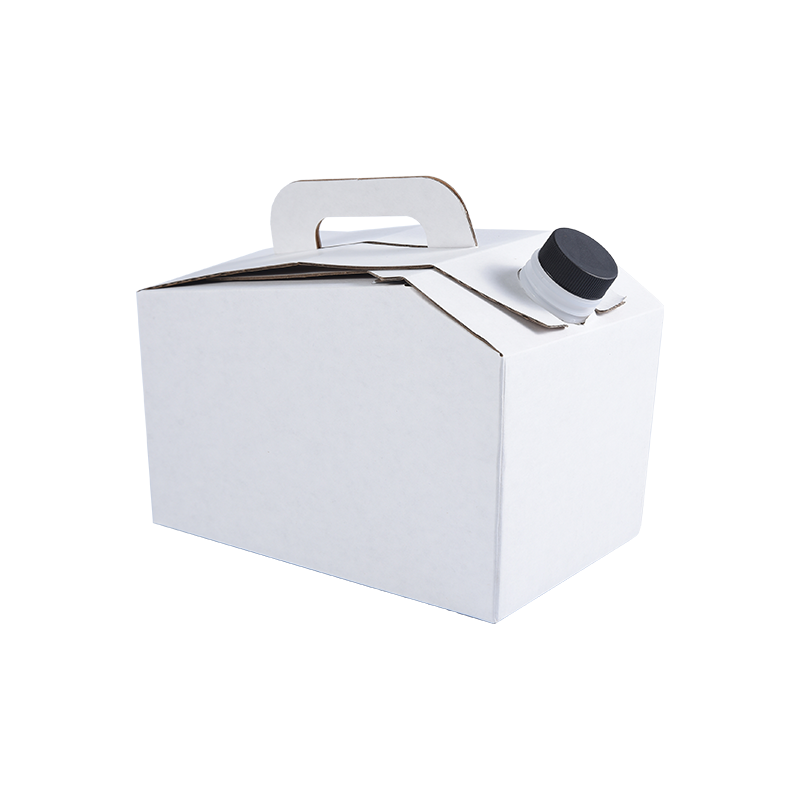 96oz Kraft Coffee/Drink to Go Container/Coffee Carrier Box
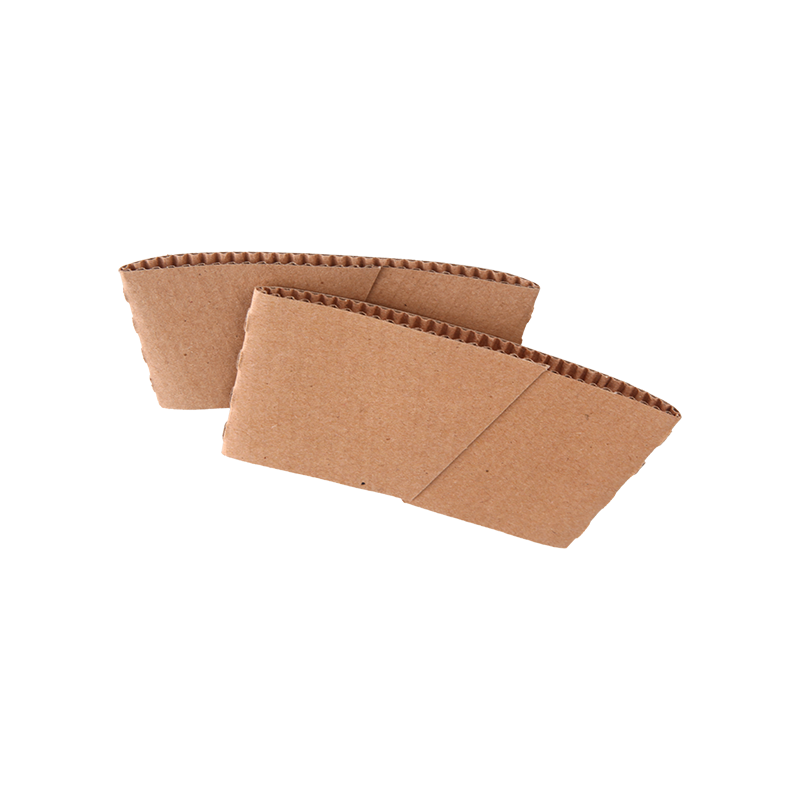 Recyclable Paper Cup Holder Sleeves
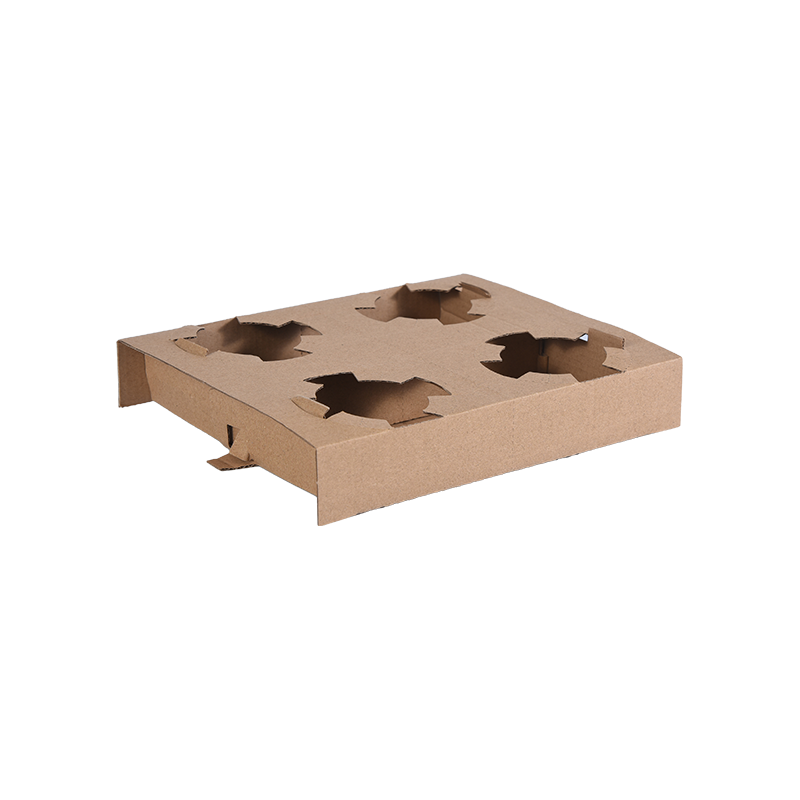 4 Cup Tray Holders for Hot & Cold Drinks – Foldable, Durable, and Cup Carrier for Takeaway, Festivals, Coffee Shops & Events
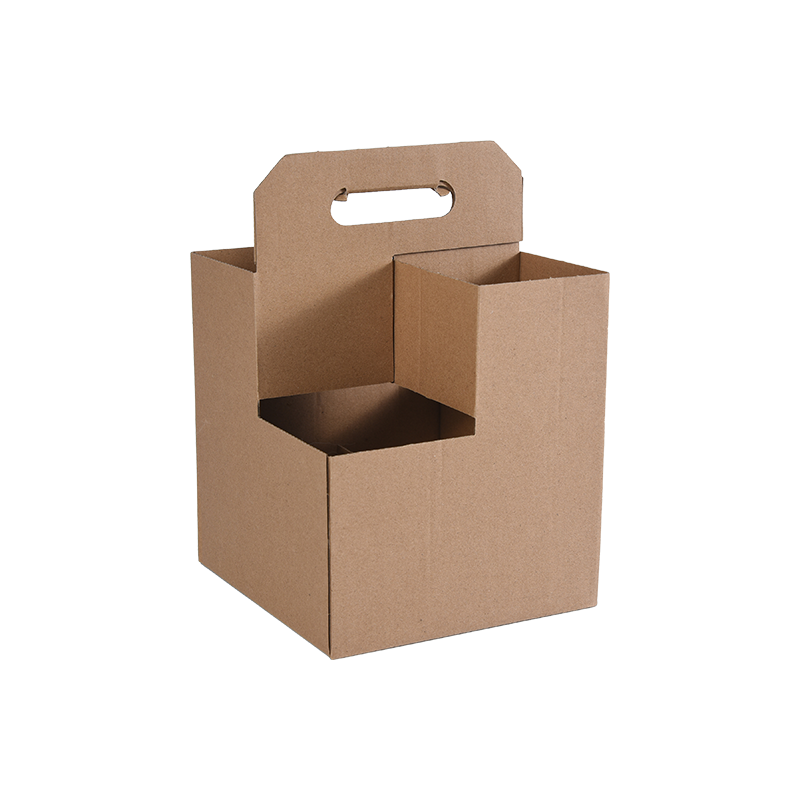 Kraft Cup Drink Carrier with Handles
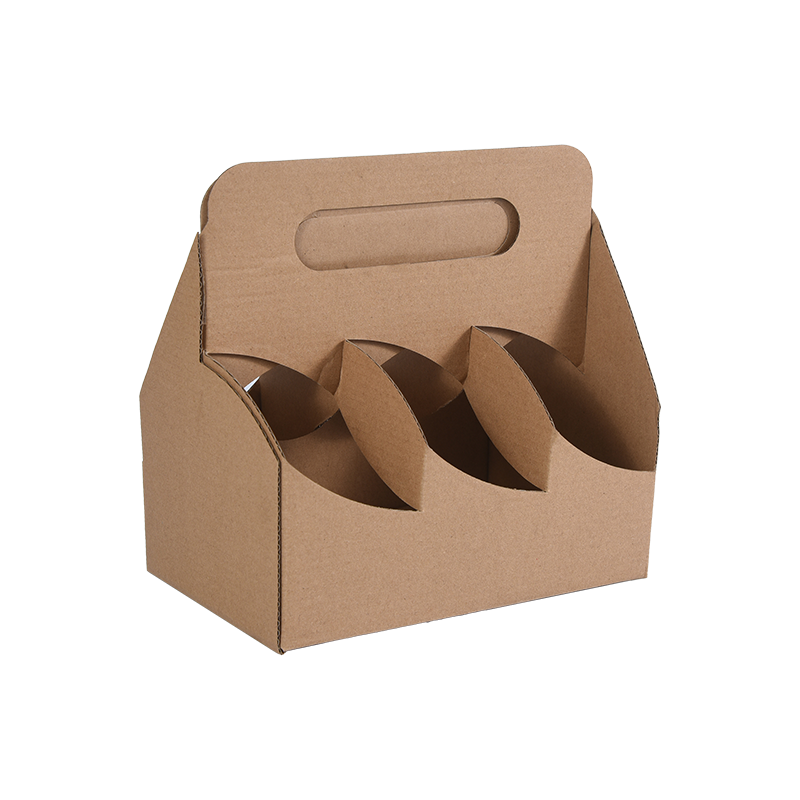 Kraft Beverage Carrier with Handles (6 to 8 Bottles or Cans)
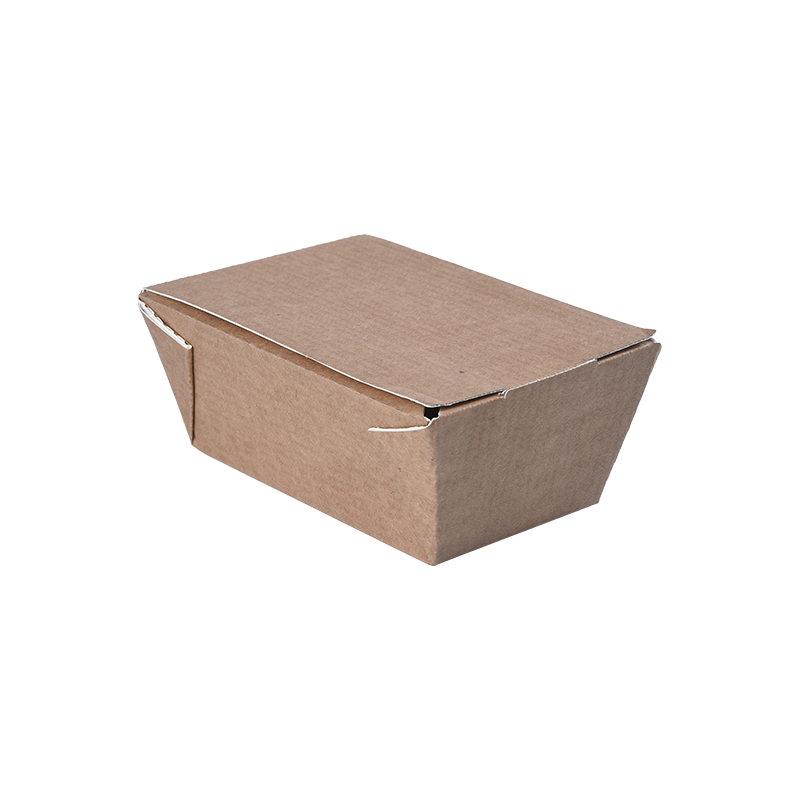 Corrugated Kraft Cardboard Lunch Boxes
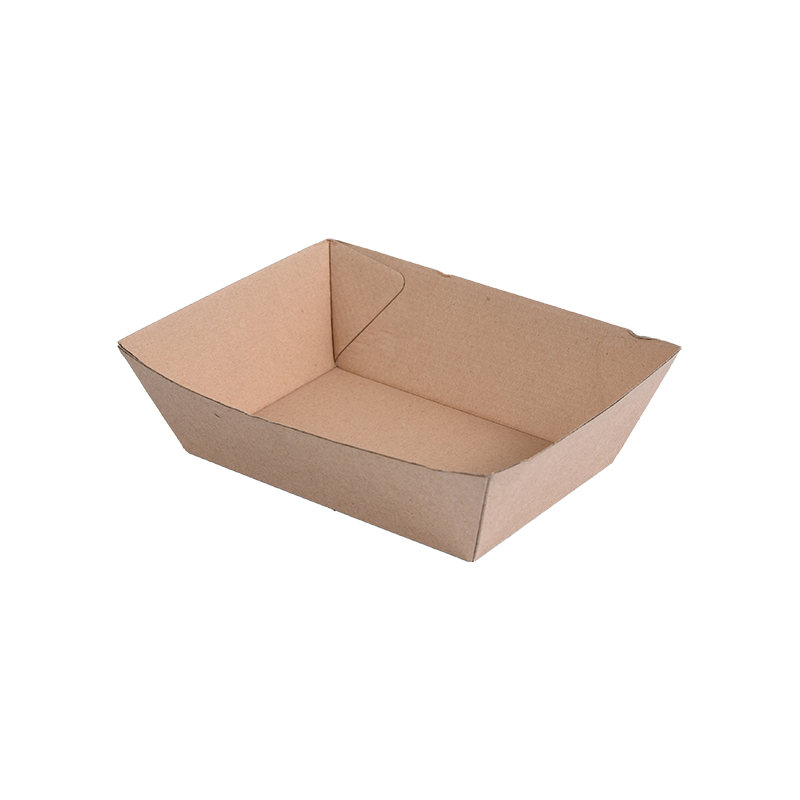 Disposable Rectangular Corrugated Paper Food Trays
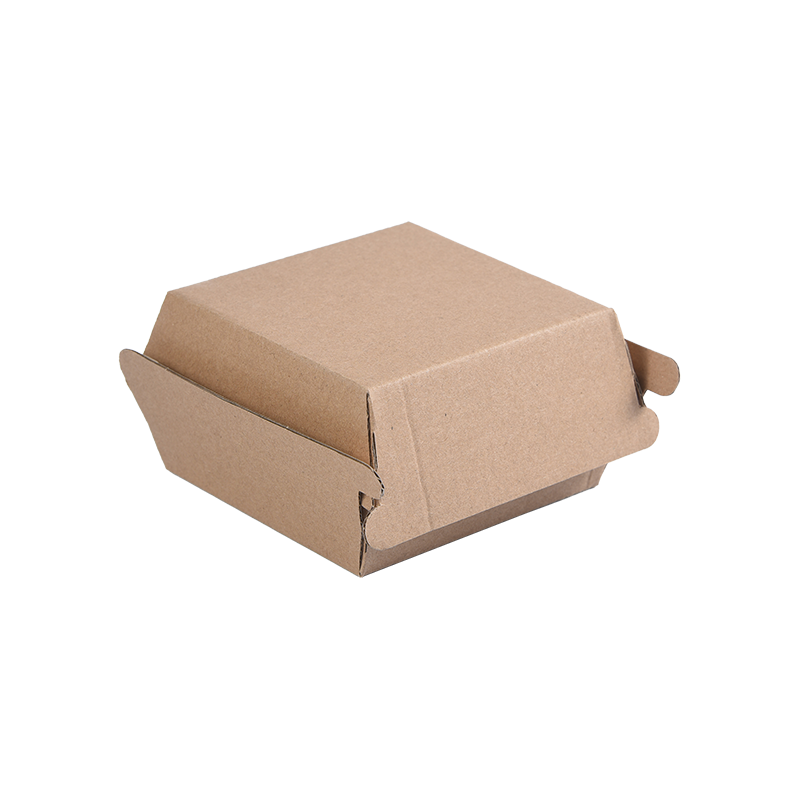 Restaurantware Corrugated Paper Burger Box

 Building 4, Leyin Industrial Park ,No. 330 Qianchun Avenue, Zhanqi Town, Yinzhou District, Ningbo, China
 +86-574-82813668
 Instagram
 Custom Disposable Paper Food Packaging Manufacturers