The most commonly used papers for food packaging are kraft paper, greaseproof paper, bleached sulphite paper, and paperboard — each selected for specific food contact properties such as grease resistance, moisture barrier, structural strength, or heat tolerance. The right paper depends entirely on the food type, contact duration, and whether the packaging needs to be recyclable, compostable, or both.
This guide covers every major paper type used in food packaging, explains what makes a paper food-safe, compares eco-friendly food packaging options against conventional alternatives, and outlines what food businesses and conscious consumers should look for when choosing packaging materials.
The Main Types of Paper Used in Food Packaging
Food-grade paper is not a single material — it is a broad category of cellulose-based sheets that have been manufactured, treated, or coated to meet the specific demands of direct or indirect food contact. The following are the primary types in commercial and artisan food packaging use:
Kraft Paper
Kraft paper is produced using the kraft pulping process, which uses sodium hydroxide and sodium sulphide to break down wood fibres while retaining long cellulose chains. The result is a paper with exceptionally high tensile strength — typically 30–40% stronger than papers made by acid pulping processes. It is widely used for bread bags, flour sacks, fast food bags, wrapping paper for butcher meat, and takeaway packaging. Unbleached kraft paper has a characteristic brown colour and is naturally food-safe without additional treatment. Bleached kraft produces a white sheet suitable for packaging where appearance matters. Both variants are widely recyclable and compostable.
Greaseproof Paper
Greaseproof paper is produced by prolonged beating of wood pulp fibres, which hydrates and collapses the fibres into a very dense, low-porosity sheet. This dense structure physically blocks the passage of oils and fats without any chemical coating. True greaseproof paper resists oils at room temperature for up to several hours and is used for wrapping sandwiches, lining burger baskets, and wrapping pastries. It is naturally food-safe and fully compostable. However, it is not waterproof and will eventually become saturated if exposed to liquid fat for extended periods.
Glassine
Glassine is a supercalendered (highly compressed and polished) paper that is air-, water-, and grease-resistant. Its smooth, semi-transparent appearance makes it popular for bakery packaging, confectionery wrapping, and inter-leaf sheets between sticky food items. Glassine is recyclable with paper streams in most regions and does not require chemical coatings to achieve its barrier properties.
Bleached Sulphite Paper
A white, relatively lightweight paper produced from chemical wood pulp, bleached sulphite paper is the standard substrate for many food wrapping applications including butcher paper, deli paper, and wax paper base stock. It has a smooth surface that prints well, accepts coatings easily, and meets food contact safety standards under the EU Framework Regulation (EC) No 1935/2004 and equivalent FDA regulations in the US.
Paperboard and Solid Bleached Sulphate (SBS)
Paperboard (also called cardboard in common usage) is a thicker, multi-ply paper product used for cereal boxes, frozen food cartons, pizza boxes, and beverage cups. Solid bleached sulphate (SBS) board is the premium food-contact grade — made entirely from virgin bleached chemical pulp, it provides a clean, bright surface free from recycled fibre contaminants, making it the standard for direct food contact applications such as frozen meal trays and milk cartons.
Coated vs Uncoated Food Packaging Paper: Key Differences
Many paper food packaging products perform their function not through the paper alone but through a coating applied to the base sheet. Understanding which coatings are used — and their environmental implications — is essential for making informed eco-friendly packaging decisions.
Common coatings applied to food packaging paper and their properties
| Coating Type |
Barrier Properties |
Recyclable |
Compostable |
Common Uses |
| Polyethylene (PE) |
Water, grease, moisture |
No (most facilities) |
No |
Hot drink cups, frozen food cartons |
| Wax (paraffin) |
Moisture, light grease |
No |
No |
Deli wraps, candy wrappers |
| PLA (polylactic acid) |
Moisture, light grease |
No |
Industrial only |
Eco cups, cold drink cups |
| Aqueous dispersion coating |
Grease, oil |
Yes (many) |
Yes |
Burger wrappers, baking sheets |
| PFAS (fluorochemical) |
Oil, grease (strong) |
No |
No |
Fast food wrappers (being phased out) |
| Clay / mineral coating |
Print surface, light barrier |
Yes |
Yes |
Retail food boxes, labels |
The phase-out of PFAS (per- and polyfluoroalkyl substances) in food packaging is accelerating globally. In the EU, PFAS restrictions under REACH are tightening, and in the US, several states including California and New York have banned PFAS in food packaging as of 2023. Aqueous dispersion coatings and uncoated functional papers are the primary replacements.
What Makes Paper Food-Safe: Regulations and Standards
Not all paper is safe for direct food contact. Food packaging paper must comply with specific regulations governing the migration of chemical substances from the packaging into food. The key frameworks are:
- EU Regulation (EC) No 1935/2004: The overarching framework requiring all food contact materials to be inert — meaning they must not transfer substances to food in quantities that could endanger health or change the food's composition, taste, or odour.
- BfR Recommendations (Germany): The Federal Institute for Risk Assessment publishes specific recommendations for paper and board in food contact use, widely adopted across Europe as a de facto standard in the absence of a harmonised EU regulation specifically for paper.
- FDA 21 CFR (US): The US Food and Drug Administration regulates food contact substances under Title 21 of the Code of Federal Regulations. Paper and paperboard for food use must meet specifications in 21 CFR 176, which lists permitted substances including coatings, adhesives, and wet strength agents.
- Recycled fibre restrictions: Paper made from recycled content poses additional risks because recovered paper can contain mineral oils from printing inks. Mineral oil aromatic hydrocarbons (MOAH) and mineral oil saturated hydrocarbons (MOSH) can migrate into food — this is why direct food contact packaging rarely uses 100% recycled fibre, and why functional barriers are required when it does.
For food businesses, requesting a Declaration of Compliance (DoC) from paper suppliers is the standard due diligence step. A valid DoC confirms that the material meets applicable food contact legislation for the intended use conditions (temperature, contact time, food type).
Eco-Friendly Food Packaging: Which Paper Options Are Truly Sustainable
The term "eco-friendly food packaging" is used loosely in the market, but meaningful sustainability in paper packaging requires evaluating three distinct criteria: recyclability, compostability, and the environmental cost of production.
Recyclable Paper Food Packaging
Uncoated kraft paper, paperboard, and clay-coated board are recyclable through standard paper recovery streams in most developed countries. The EU paper recycling rate reached 74% in 2022, the highest of any packaging material. However, food-contaminated paper is generally rejected at recycling facilities — greasy pizza boxes and soiled food wrappers should be composted or binned, not recycled.
Compostable Paper Food Packaging
Uncoated greaseproof paper, uncoated kraft, and papers with aqueous or PLA coatings are generally compostable. Certifications to look for include EN 13432 (the European standard for compostable packaging) and the Seedling logo, which confirms the packaging will fully disintegrate in an industrial composting facility within 12 weeks. Home compostable certification (e.g., TÜV Austria OK compost HOME) is a higher bar — not all "compostable" packaging will break down in a backyard compost heap within a reasonable timeframe.
Sustainably Sourced Virgin Paper
Where virgin fibre is needed for food safety reasons (direct contact, high-barrier applications), FSC (Forest Stewardship Council) or PEFC certification confirms that the wood pulp was sourced from responsibly managed forests. FSC-certified packaging tells end consumers that the material did not contribute to deforestation — an important credential for brands positioning on sustainability.
Paper Food Packaging by Food Category: What Is Used and Why
Different food types place very different demands on packaging paper. The table below maps common food categories to the paper types most frequently used and the reasons for that selection:
Paper types matched to food packaging applications by category
| Food Category |
Paper Type Used |
Key Requirement |
| Bread and bakery |
Kraft paper, glassine |
Breathability, moisture management |
| Burgers and fried food |
Greaseproof, aqueous-coated kraft |
Oil and grease resistance |
| Fresh meat and fish |
Bleached sulphite, butcher paper |
Blood/moisture absorption, food safety |
| Frozen foods |
SBS board, PE-coated board |
Moisture barrier at low temperatures |
| Dry goods (flour, sugar) |
Multiwall kraft paper |
Strength, tear resistance |
| Hot beverages |
PE-coated SBS or PLA-coated board |
Heat and liquid resistance |
| Confectionery |
Glassine, wax paper, foil-laminated paper |
Non-stick, aroma barrier |
| Pizza |
Corrugated board, greaseproof liner |
Heat retention, grease resistance |
The Problem with PFAS in Food Packaging Paper and What Is Replacing It
PFAS (per- and polyfluoroalkyl substances) were for decades the go-to solution for grease-resistant food packaging paper. Applied as a surface treatment, they create an extremely effective oil and water barrier. However, PFAS are persistent in the environment and in the human body — they do not break down and accumulate over time, earning the label "forever chemicals."
Studies have detected PFAS migration from food packaging into food at levels that raise health concerns, and environmental contamination from paper mill effluent and composting of PFAS-treated paper is well documented. The regulatory response has been significant:
- The EU's proposed universal PFAS restriction under REACH — one of the largest restriction proposals in chemical regulation history — covers PFAS in food packaging among hundreds of other applications.
- In the US, the FDA announced in February 2024 that manufacturers had voluntarily committed to stop selling PFAS-containing grease-resistant food packaging, effectively removing these substances from the US market.
- Denmark became the first country to formally ban PFAS in food contact materials in 2020, ahead of broader EU action.
Replacement technologies include fluorine-free aqueous dispersion coatings (water-based polymer dispersions applied during paper manufacture), densified greaseproof papers with enhanced mechanical barriers, and silicone-coated papers for applications requiring release properties. These alternatives are now commercially mature and widely available at comparable cost to legacy PFAS-treated papers.
How to Choose Paper Food Packaging for a Food Business
For food businesses selecting paper packaging — whether for a restaurant, bakery, deli, or retail brand — the decision involves balancing food safety compliance, functional performance, sustainability credentials, and cost. Work through these considerations in order:
- Define the food contact conditions: Is the paper in direct contact with the food? For how long? At what temperature? Hot, wet, or fatty foods require barrier properties that ambient dry food contact does not. A paper suitable for a cold sandwich wrap is not necessarily appropriate for a hot chip cone.
- Verify food contact compliance: Request a Declaration of Compliance from your supplier confirming the paper meets the relevant regulation (EU 1935/2004, FDA 21 CFR 176, or both) for your intended use. This is a legal requirement in most markets for any food business, not just a best practice.
- Check PFAS status: Ask explicitly whether the paper or any coating contains fluorinated substances. Reputable suppliers will provide a written confirmation. Avoid any supplier unable or unwilling to answer this question clearly.
- Assess end-of-life options: Does the packaging need to be recyclable, compostable, or both? Check what certifications are held (FSC, EN 13432, OK compost) and whether local waste infrastructure in your market can actually process it — a packaging certified as industrially compostable is of limited value if there is no industrial composting collection in your area.
- Consider the whole packaging system: A highly sustainable paper wrap is undermined if it is placed inside a non-recyclable plastic outer. Design the full packaging unit with end-of-life in mind, not just the individual components.
For most food service applications, uncoated or aqueous-coated kraft paper and greaseproof paper represent the best combination of food safety compliance, functional performance, eco-friendly credentials, and cost-effectiveness currently available on the market.
Emerging Innovations in Eco-Friendly Food Packaging Paper
The food packaging paper sector is undergoing significant innovation, driven by tightening regulation, retailer sustainability commitments, and growing consumer demand for packaging that is both functional and environmentally responsible. Key developments include:
- Nanocellulose barrier coatings: Cellulose nanofibrils derived from wood pulp are being developed as transparent, food-safe, and fully biodegradable barrier coatings. Early commercial applications show oxygen barrier performance comparable to synthetic films — critical for preserving shelf life in fresh food packaging.
- Seaweed and algae-based papers: Seaweed-derived fibres and coatings are being explored as low-carbon alternatives to wood pulp. Seaweed grows without fresh water or agricultural land and sequesters carbon rapidly — though commercial scale production remains limited as of 2024.
- Agricultural residue papers: Papers made from sugarcane bagasse, wheat straw, and bamboo use fibres that would otherwise be waste, reducing pressure on virgin forest pulp. These materials are already commercially available and used widely in food service disposables across Asia and increasingly in Europe.
- Mono-material recyclable structures: The packaging industry is moving toward paper-based mono-material laminates — replacing the paper/PE/foil structures that are impossible to recycle — with all-paper constructions that achieve comparable barrier performance through advanced coating and forming techniques while remaining fully recyclable.
The trajectory is clear: within the next decade, the combination of regulatory pressure on plastics and PFAS, improved paper barrier technology, and greater infrastructure for paper composting and recycling will make paper the dominant material in food packaging across most categories where it was previously limited by functional constraints.


 English
 Español
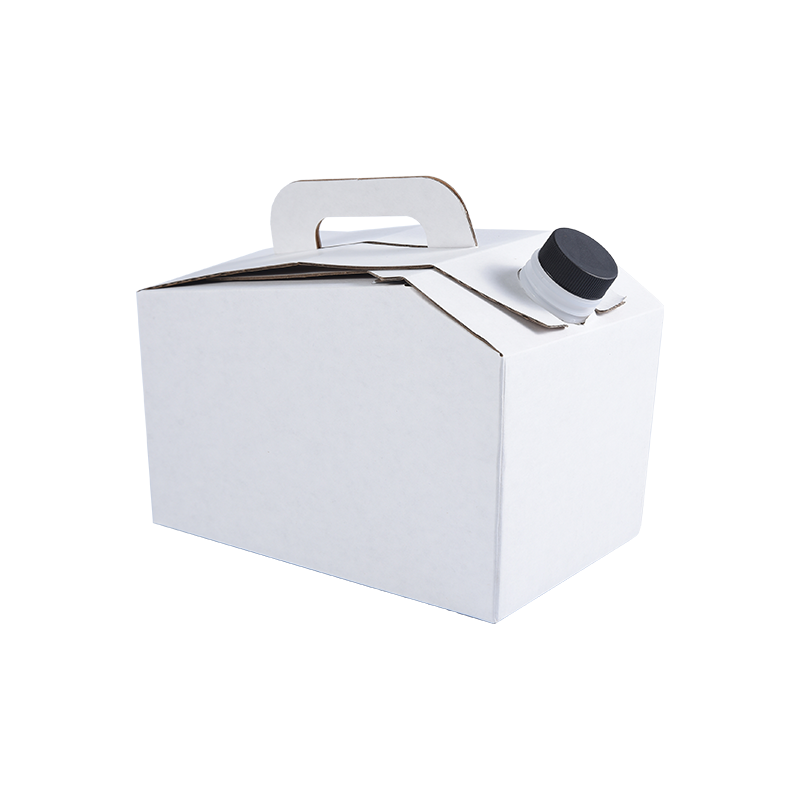 96oz Kraft Coffee/Drink to Go Container/Coffee Carrier Box
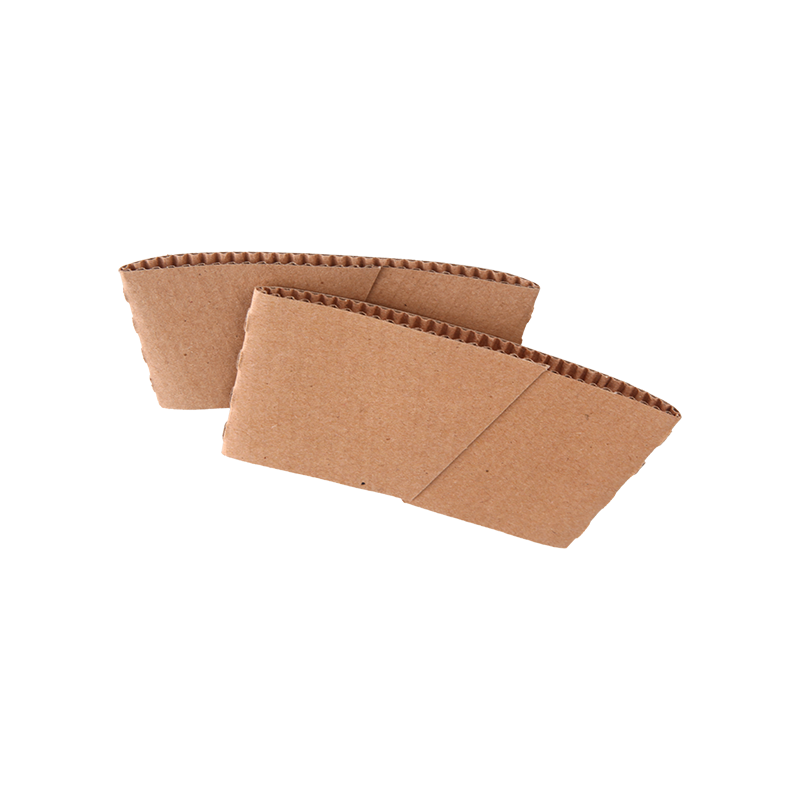 Recyclable Paper Cup Holder Sleeves
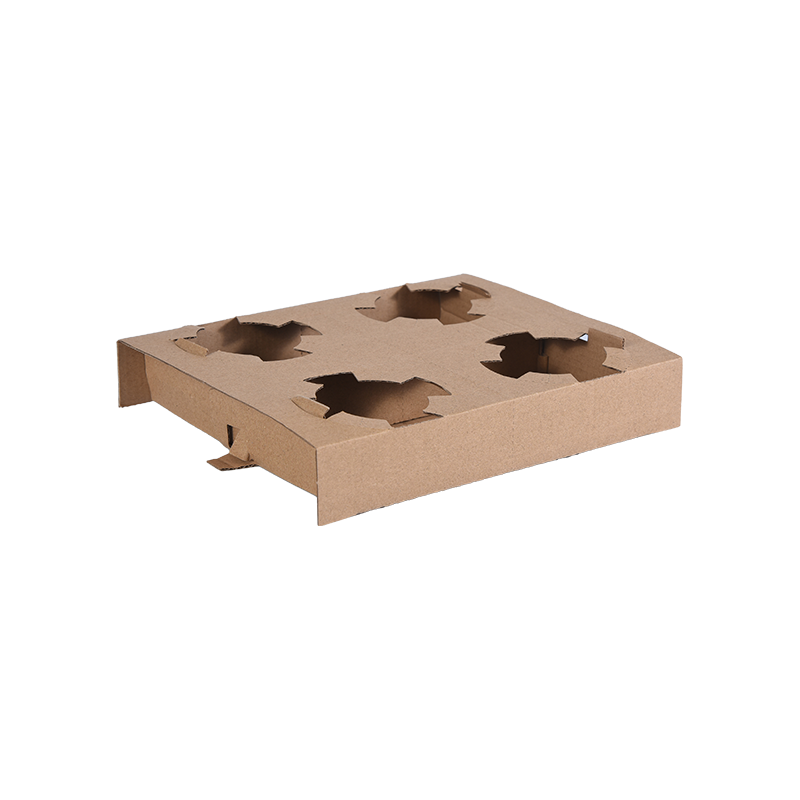 4 Cup Tray Holders for Hot & Cold Drinks – Foldable, Durable, and Cup Carrier for Takeaway, Festivals, Coffee Shops & Events
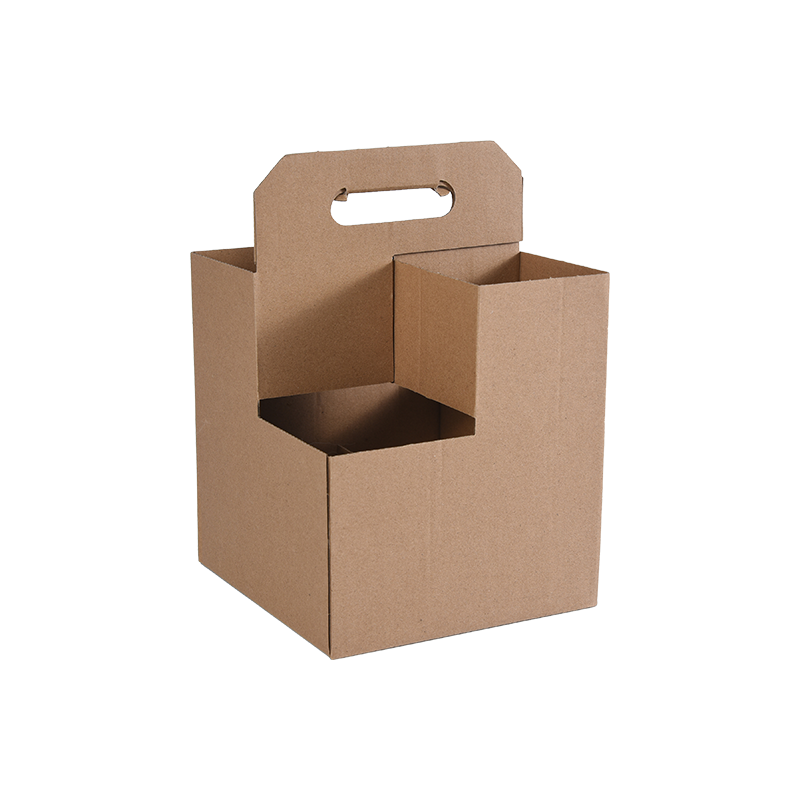 Kraft Cup Drink Carrier with Handles
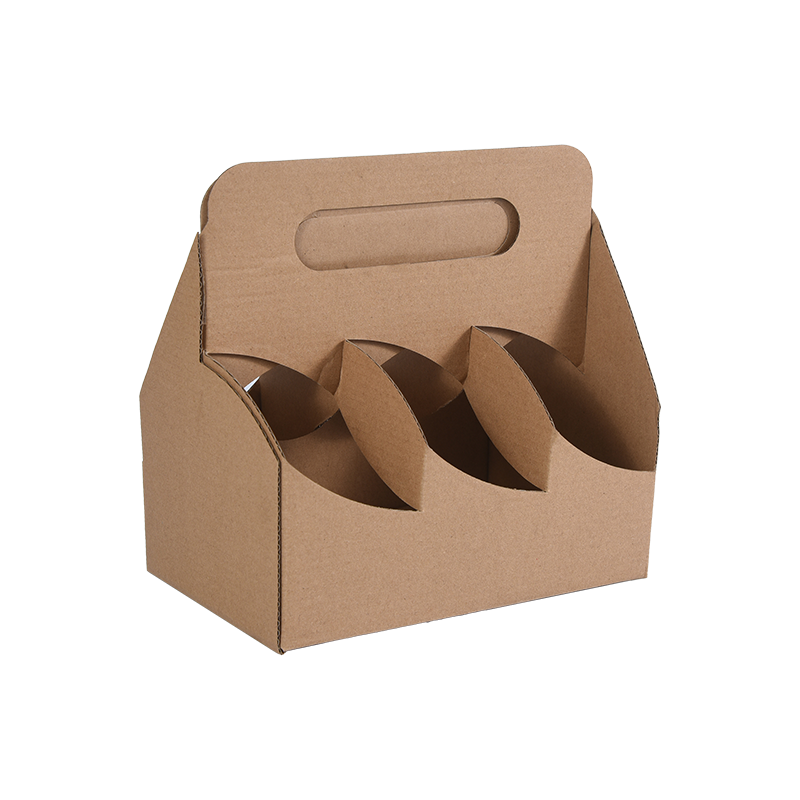 Kraft Beverage Carrier with Handles (6 to 8 Bottles or Cans)
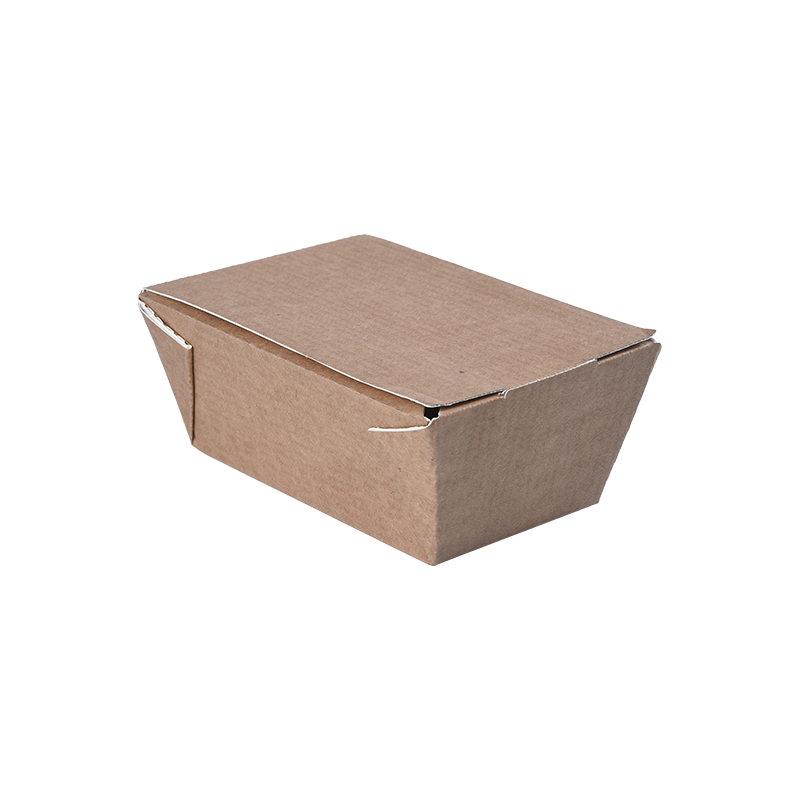 Corrugated Kraft Cardboard Lunch Boxes
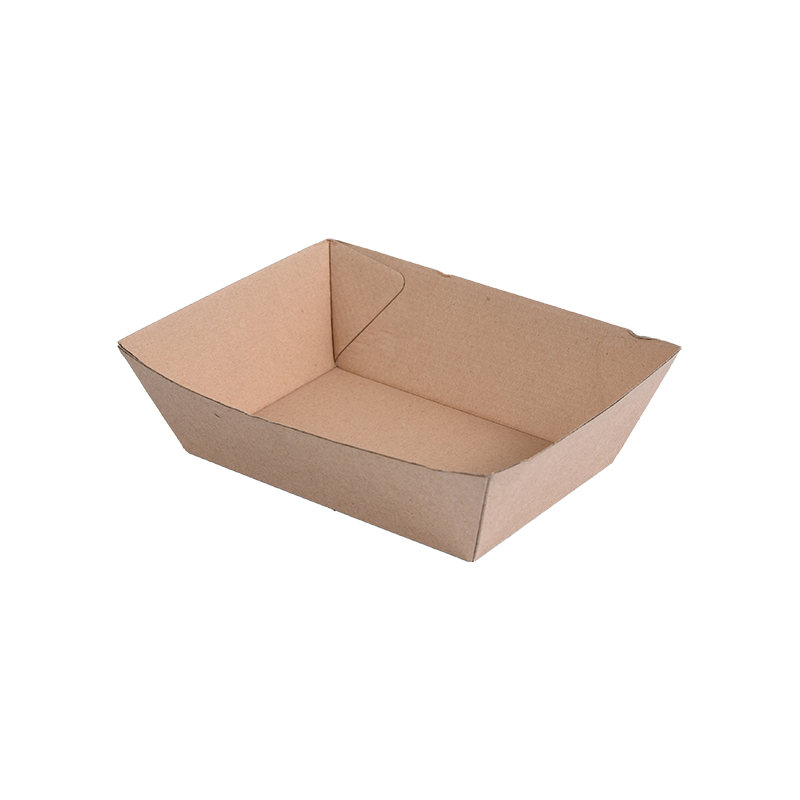 Disposable Rectangular Corrugated Paper Food Trays
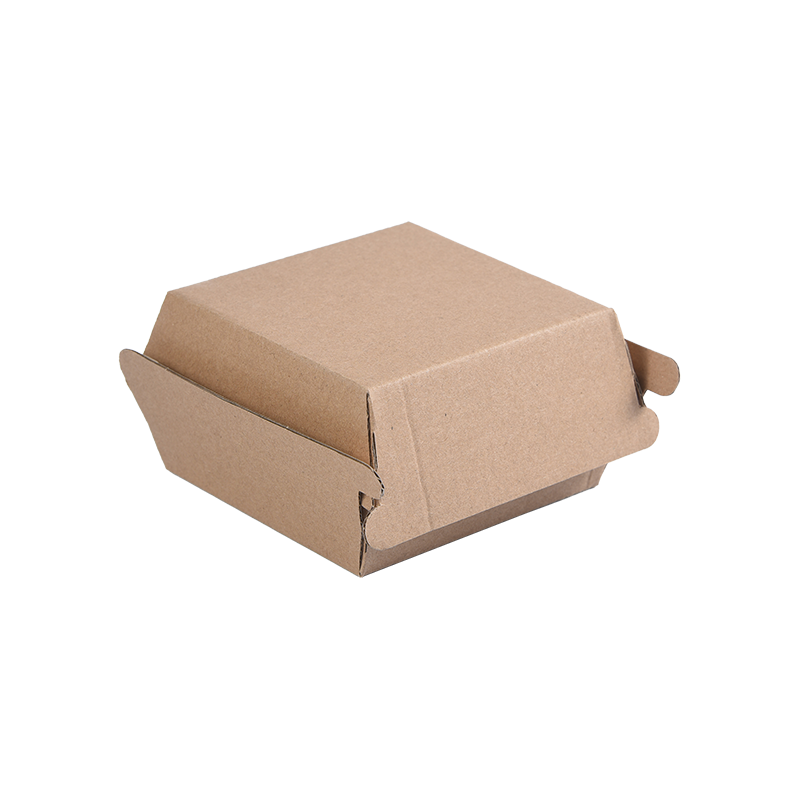 Restaurantware Corrugated Paper Burger Box
 Building 4, Leyin Industrial Park ,No. 330 Qianchun Avenue, Zhanqi Town, Yinzhou District, Ningbo, China
 +86-574-82813668
 Instagram
 Custom Disposable Paper Food Packaging Manufacturers