Are Paper Containers Microwave-Safe? The Direct Answer
Some paper containers are microwave-safe, but many are not—and the difference depends entirely on the materials used to make them. Plain, uncoated paper plates and paper towels are generally safe for short microwave sessions. However, paper containers with plastic or wax coatings, metallic inks, glued seams, or recycled-fibre content can release harmful chemicals, melt, catch fire, or arc in the microwave. The golden rule: only use a paper container in the microwave if it is explicitly labelled "microwave-safe" by the manufacturer.
The confusion arises because paper appears harmless and natural, yet modern paper containers are rarely made from plain paper alone. Food-grade paper containers—including takeout boxes, soup cups, deli containers, and paper bowls—typically incorporate polyethylene (PE) linings, wax coatings, or PFAS-based grease barriers that behave very differently from plain paper under microwave radiation and heat.
How Microwaves Interact With Paper Containers
Microwave ovens heat food by emitting electromagnetic radiation at 2.45 GHz, which excites water molecules in food, generating heat. Paper itself is largely transparent to microwaves—it does not absorb radiation significantly and therefore does not heat up directly from the waves. The danger comes from indirect heating: the food inside the container becomes very hot, and that heat conducts into the container walls.
A paper container holding oily food, for example, can reach temperatures well above 100°C at the contact surface—high enough to melt PE coatings (which soften around 110–120°C) or ignite dry paper if heating continues long enough. Additionally, certain inks, dyes, and adhesives used in paper container manufacturing can undergo chemical breakdown when exposed to sustained heat, potentially releasing volatile compounds into the food.
Why Metal Elements in Paper Containers Are Especially Dangerous
Some paper containers—particularly Chinese takeout boxes with metal handles, foil-lined coffee cups, and containers with metallic decorative printing—contain metal components. Metal causes microwave arcing: the concentrated electromagnetic field at sharp metal edges creates sparks that can ignite the paper container, damage the microwave oven's magnetron, or cause a fire within seconds. Any paper container with a visible metallic element should never be placed in a microwave under any circumstances.
Types of Paper Containers: Which Are Safe and Which Are Not
Paper containers span a wide range of formats, each with different construction materials and therefore different microwave safety profiles. Understanding the distinctions prevents both safety hazards and unnecessary waste from discarding containers that are actually safe to use.
Microwave safety varies significantly by paper container type and construction. Always verify the manufacturer's label before microwaving.
| Container Type |
Typical Construction |
Microwave Safe? |
Primary Risk |
| Plain paper plate |
Uncoated paper fibre |
Generally yes (short use) |
Can ignite if very dry or used too long |
| Coated paper plate |
Paper + plastic/wax coating |
No (unless labelled safe) |
Coating melts into food |
| Paper soup / hot cup |
Paper + PE inner lining |
No |
PE lining melts at high temperature |
| Paper takeout / food box |
Paper + grease barrier / metal handle |
No |
Metal arcing; coating chemical release |
| Paper deli / bakery bag |
Kraft paper, sometimes wax-lined |
No |
Fire risk; wax melts into food |
| Microwave-labelled paper bowl |
Tested paper + safe coating or none |
Yes |
Follow stated time/wattage limits |
| Paper towel |
Unbleached or bleached paper fibre |
Yes (as cover only) |
Fire if bone-dry and overheated |
Paper Coffee Cups: A Commonly Misunderstood Case
Paper coffee cups are one of the most frequently microwaved paper containers—and one of the most problematic. The inner wall of a paper coffee cup is laminated with a thin layer of polyethylene, which keeps the cup waterproof and prevents soggy walls. This PE layer begins to soften and potentially delaminate at temperatures above approximately 110°C. When hot liquid inside the cup approaches boiling point (100°C), the PE layer is under thermal stress. Additionally, the glued seam at the bottom of the cup can fail, causing the cup to leak suddenly when lifted from the microwave. Most paper coffee cup manufacturers explicitly state their cups are not microwave-safe.
The Hidden Risk: Coatings and Chemicals in Paper Containers
Beyond fire and structural failure, the chemical composition of paper container coatings presents a less visible but equally important concern. Three categories of coating chemicals deserve particular attention:
PFAS (Per- and Polyfluoroalkyl Substances)
PFAS compounds—commonly called "forever chemicals"—have been widely used as grease and moisture barriers in paper food packaging, including fast-food wrappers, microwave popcorn bags, and takeout containers. Research published in journals including Environmental Science & Technology has found that PFAS migrate from packaging into food, and migration rates increase significantly with temperature. Heating PFAS-coated paper containers accelerates chemical transfer into food, making them a specific microwave concern beyond structural integrity. Many jurisdictions, including the EU and several US states, are phasing out PFAS in food contact materials, but legacy products remain in circulation.
Polyethylene (PE) and Wax Coatings
PE coatings are food-safe at room temperature and for cold/warm food contact. However, at sustained high temperatures—particularly with fatty or oily foods that reach above 100°C—PE can melt and physically mix with the food. Paraffin wax coatings face the same problem: wax melts at approximately 46–68°C, well within the range of microwaved food temperatures, and leaves a waxy residue in food. Neither compound is acutely toxic in small quantities, but regular ingestion of microplastic fragments from melted PE coatings is an active area of health research concern.
Inks, Dyes, and Adhesives
Printed paper containers use inks and dyes on their outer surfaces. For containers without an inner barrier layer, heat can cause these outer coatings to off-gas volatile organic compounds (VOCs). Similarly, the hot-melt adhesives used to seal container seams contain compounds that can break down at temperatures above 80–100°C. While food-contact regulations require that these materials meet migration limits at standard use temperatures, those limits are typically not tested or validated for microwave heating conditions.
How to Identify Whether a Paper Container Is Microwave-Safe
Identifying microwave-safe paper containers is straightforward once you know what to look for. Use these checks before placing any paper container in the microwave:
- Look for the microwave-safe symbol. This is typically a microwave icon (wavy lines or a box with waves), sometimes accompanied by the words "Microwave Safe" or a specific wattage and time limit. This symbol indicates the manufacturer has tested the container under microwave conditions.
- Check the base for material codes. Some paper containers include a paper recycling symbol (PAP) with a code. PAP 20 and PAP 21 indicate corrugated and other board constructions. These codes alone do not confirm microwave safety but reveal whether additional coatings are present.
- Inspect for coatings manually. Run your finger along the interior surface. A slightly waxy, plastic-smooth, or glossy feel indicates a coating layer. Truly plain paper feels fibrous and slightly rough. A coated surface means the container is likely not microwave-safe.
- Check for metallic elements. Look for any shiny metal handles, foil lining, or metallic printed areas. If any metal is present—however small—do not microwave the container.
- Read any printed instructions. Takeout and restaurant containers increasingly include microwave guidance printed on the packaging. Phrases like "not suitable for microwave use" or "remove lid before microwaving" provide direct guidance.
- When in doubt, transfer to a ceramic or glass container. If you cannot confirm a paper container is microwave-safe, the safest and easiest solution is to transfer the food to a verified microwave-safe glass or ceramic dish before heating.
Safe Practices When Microwaving Paper Containers
Even when using paper containers that are confirmed microwave-safe, following best practices reduces risk and extends the container's integrity during heating:
- Use medium power settings for longer periods rather than maximum power for short bursts. High power causes rapid, uneven temperature spikes that stress container walls more than gentle, sustained heating.
- Never microwave empty paper containers. With no food mass to absorb microwave energy, the container itself absorbs more heat and is far more likely to scorch or ignite.
- Avoid microwaving high-fat foods in paper containers for extended periods. Oils and fats superheat significantly above 100°C—far above the boiling point of water—and transfer extreme heat into container walls, increasing the risk of coating breakdown or fire.
- Do not fold, crumple, or overlap paper containers. Folded sections create localised hot spots where paper layers trap heat and are most likely to scorch.
- Keep heating sessions under 2 minutes for any paper container, even those labelled microwave-safe, unless the manufacturer specifically states longer durations are tested and approved.
- Never leave the microwave unattended when using paper containers. Paper ignition can occur rapidly, and early visual or smell cues—scorching, smoke, or burning odour—require immediate power-off response.
Paper Containers in Food Service: Design and Material Standards
Paper containers used in food service—from fast food chains to meal prep delivery—are engineered products that must meet food safety regulations governing material composition, migration limits, and structural performance. In the United States, the FDA regulates food contact materials under 21 CFR (Code of Federal Regulations). In the EU, Regulation (EC) No 1935/2004 sets the overarching framework, with paper-specific guidance under technical documents from the Council of Europe.
These regulations establish maximum migration limits for substances that may transfer from packaging to food under defined test conditions. However, standard food contact testing is typically conducted at 40°C for 10 days—conditions that do not replicate microwave heating at 80–120°C for minutes. This gap between regulatory testing conditions and real-world microwave use is a recognised limitation, and it is one reason why microwave-safe labelling requires separate, specific testing by manufacturers.
Innovations in Microwave-Safe Paper Container Design
In response to consumer demand for convenience and sustainability, packaging manufacturers are developing paper containers specifically designed for microwave use. These innovations include:
- PLA (polylactic acid) coatings derived from plant starch, which are stable at microwave temperatures up to approximately 120°C—offering a bio-based alternative to PE linings with better heat tolerance.
- Mineral-based barrier coatings using clay or silica compounds that provide grease and moisture resistance without PFAS or plastic polymers, and remain structurally stable under microwave heating.
- Moulded fibre containers made from compressed pulp (bagasse, bamboo, or recycled paper), which have no coatings on food-contact surfaces and are inherently suitable for microwave use at moderate temperatures.
- Steam-venting lids on paper containers that release pressure build-up during microwaving, preventing explosive decompression that can rupture sealed paper containers and cause burns.
The meal kit and ready-meal sectors are leading adoption of these technologies, driven by consumer expectation that packaging can go directly from refrigerator to microwave without the need to transfer food to a separate dish.
Best Alternatives to Microwaving Non-Safe Paper Containers
When a paper container is not microwave-safe, transferring food to a safer vessel takes only seconds and eliminates all associated risks. Here are the best microwave-safe alternatives:
Comparison of common microwave-safe container materials to use as alternatives to non-safe paper containers.
| Material |
Microwave Safe? |
Best For |
Notes |
| Ceramic / porcelain |
Yes (unglazed excepted) |
All food types, long heating |
Avoid metallic glazes or trim |
| Borosilicate glass |
Yes |
Liquids, soups, reheating meals |
Thermally shock-resistant |
| Microwave-safe plastic |
Yes (if labelled) |
Leftovers, meal prep |
Look for FDA/EU microwave-safe mark |
| Moulded fibre / bagasse |
Yes (uncoated) |
Short reheating, dry foods |
Biodegradable; confirm no coating |
| Silicone |
Yes |
Steam cooking, reheating |
Heat-stable up to ~230°C |
Glass and ceramic remain the gold standard for microwave heating—they are chemically inert, structurally stable at high temperatures, and easy to clean. For the highest frequency microwave users, investing in a set of glass meal prep containers eliminates the daily question of whether a given paper container is safe to heat.
Sustainability and Paper Containers: Balancing Convenience With Safety
Paper containers have grown in market share as brands and consumers move away from single-use plastics. Global paper packaging market data indicates that paper and board packaging accounts for over 40% of total packaging volume in many developed markets, with food service paper containers among the fastest-growing segments. The appeal is clear: paper is renewable, widely recyclable, and perceived as environmentally friendly.
However, the composite nature of most food-grade paper containers—paper bonded with plastic coatings, adhesives, and inks—complicates both their recyclability and their microwave safety. A paper cup with a PE lining is not recyclable in standard paper streams without specialist processing, and it is not microwave-safe. A takeout box with PFAS grease barrier raises both microwave safety and environmental contamination concerns.
The most practical approach for consumers is to treat paper containers as single-purpose items: use them for the food service purpose they were designed for, avoid reheating unless explicitly permitted, and choose products from manufacturers that disclose their coating materials and provide verified microwave-safe testing. Convenience should never override the basic safety principle: if you cannot confirm it is microwave-safe, transfer the food first.


 English
 Español
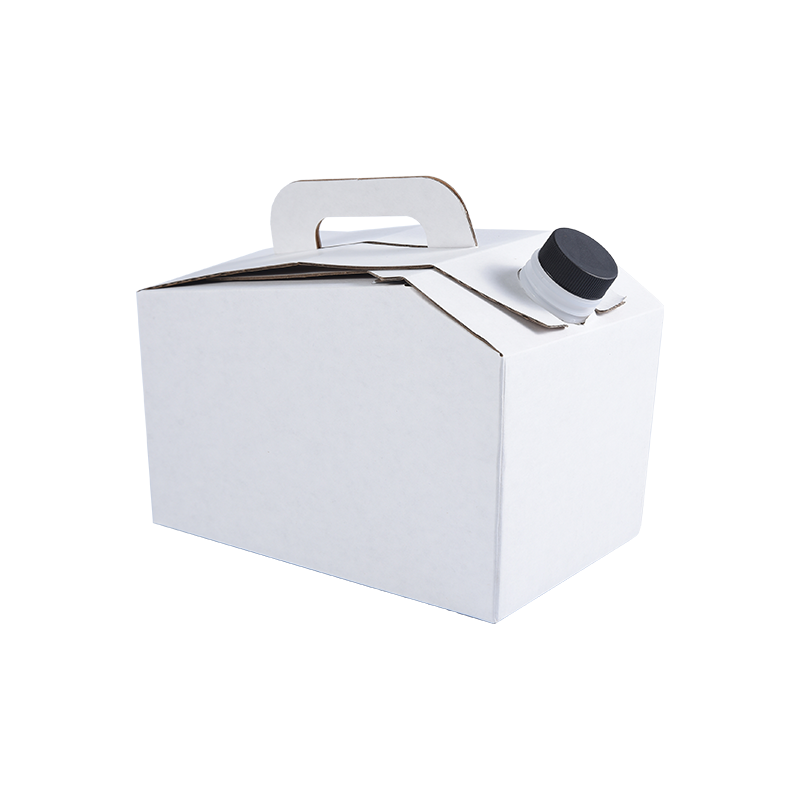 96oz Kraft Coffee/Drink to Go Container/Coffee Carrier Box
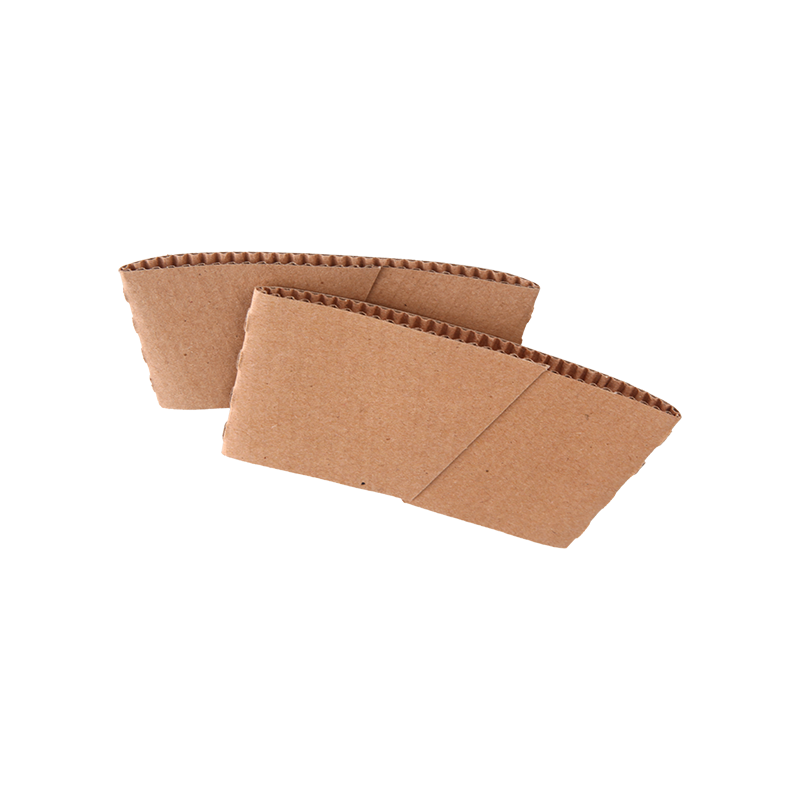 Recyclable Paper Cup Holder Sleeves
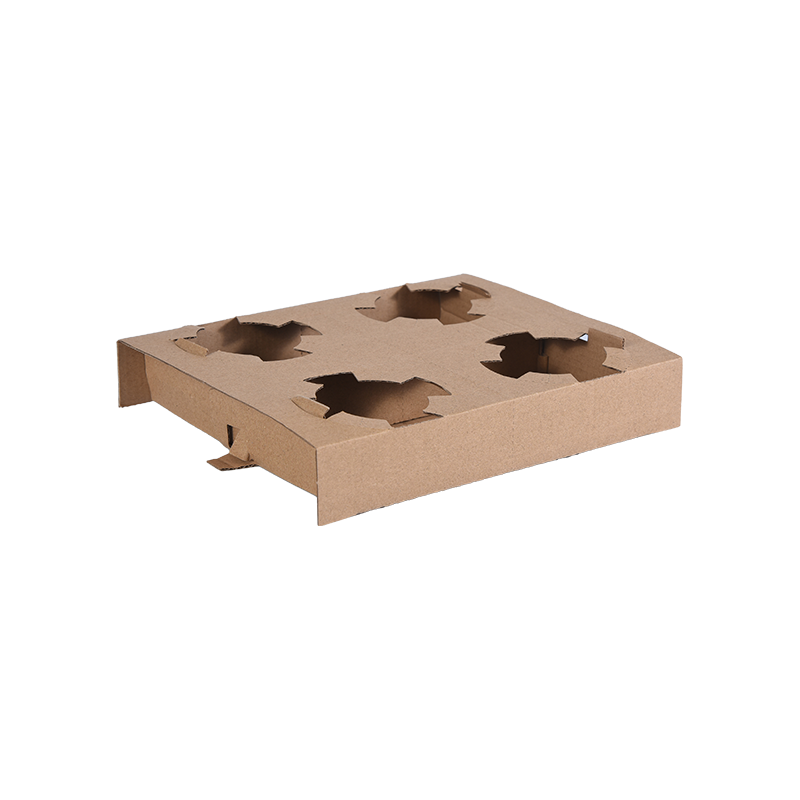 4 Cup Tray Holders for Hot & Cold Drinks – Foldable, Durable, and Cup Carrier for Takeaway, Festivals, Coffee Shops & Events
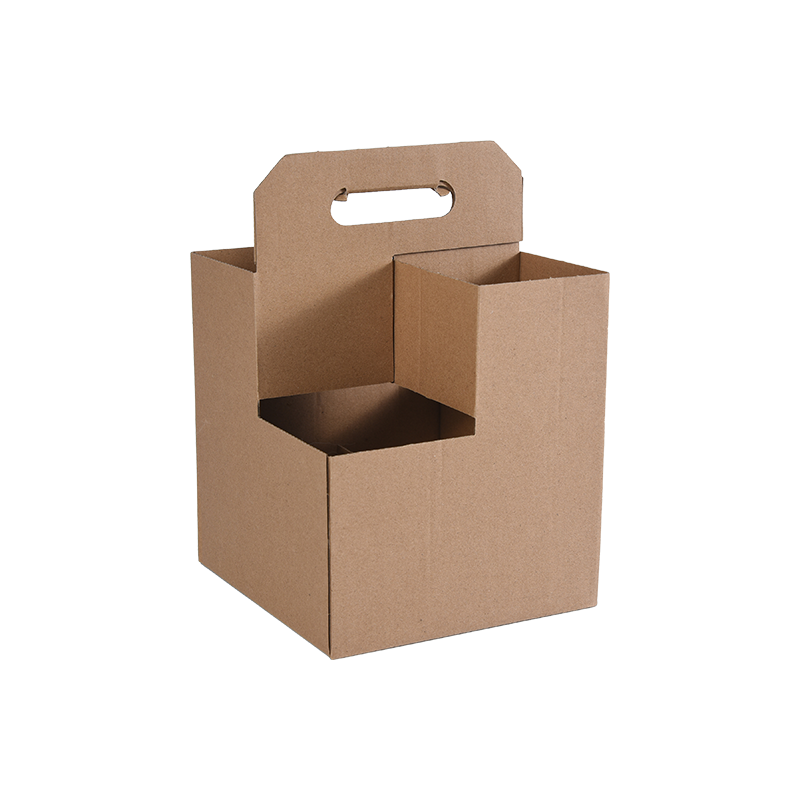 Kraft Cup Drink Carrier with Handles
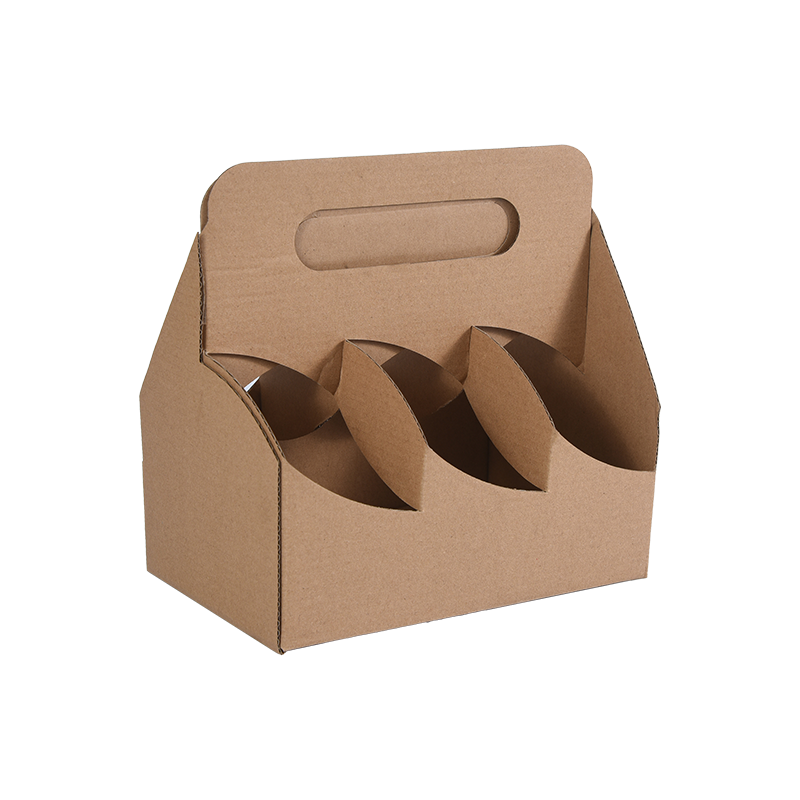 Kraft Beverage Carrier with Handles (6 to 8 Bottles or Cans)
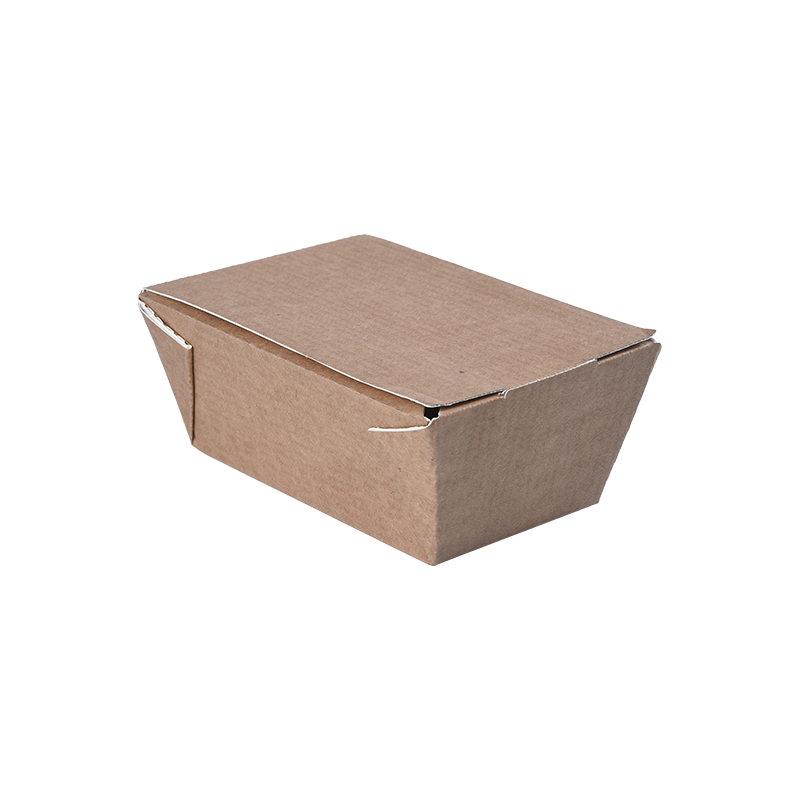 Corrugated Kraft Cardboard Lunch Boxes
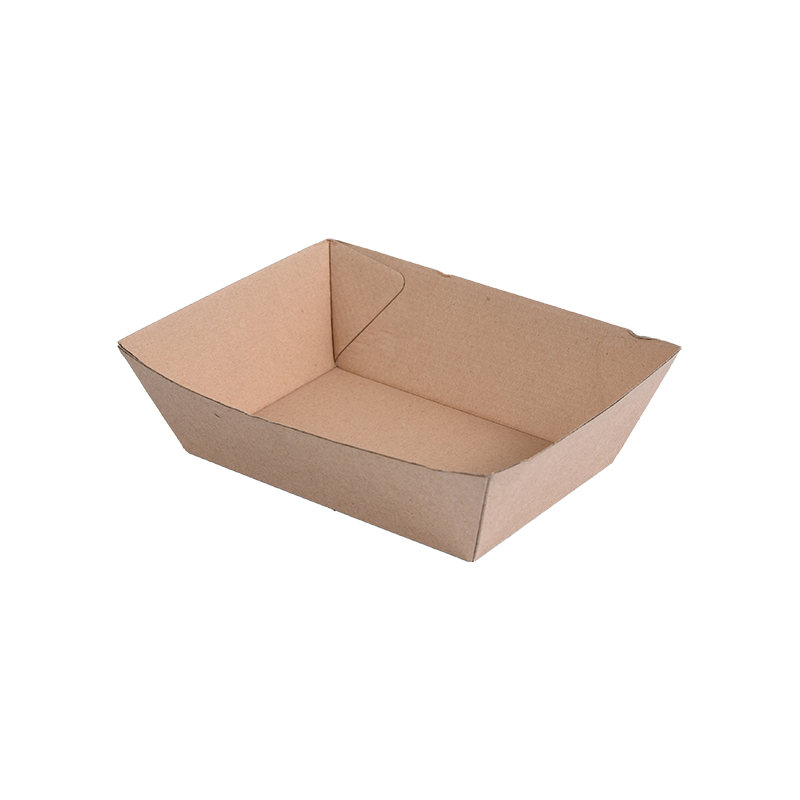 Disposable Rectangular Corrugated Paper Food Trays
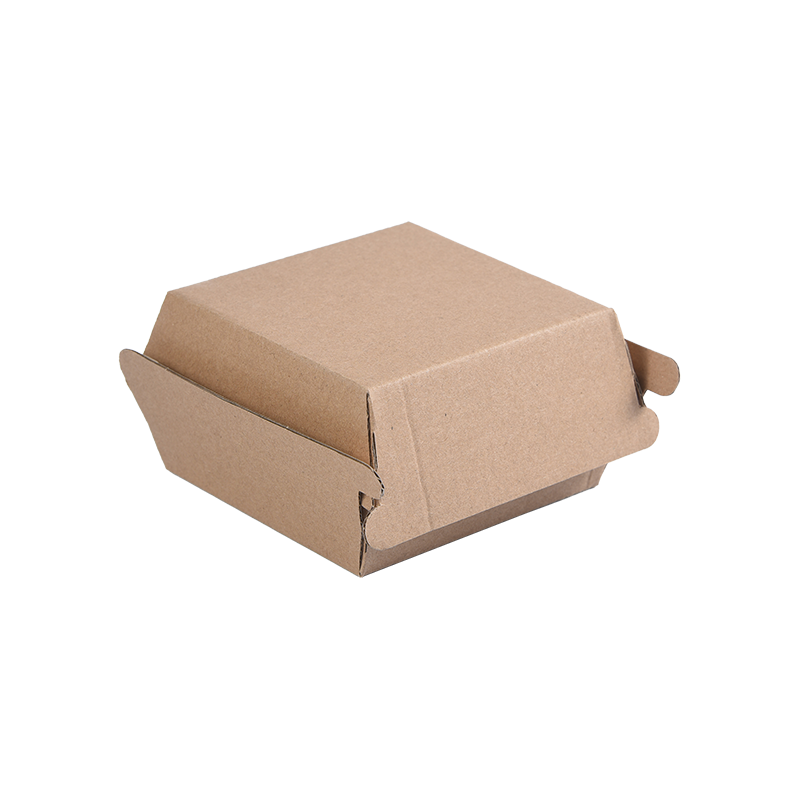 Restaurantware Corrugated Paper Burger Box
 Building 4, Leyin Industrial Park ,No. 330 Qianchun Avenue, Zhanqi Town, Yinzhou District, Ningbo, China
 +86-574-82813668
 Instagram
 Custom Disposable Paper Food Packaging Manufacturers