The verdict is clear: paper burger boxes are the stronger choice for most food businesses today — and the gap between paper and plastic is widening every year. Paper burger boxes biodegrade in as little as 2–6 weeks under composting conditions, can be manufactured from 80–100% recycled fibre, and are now banned or restricted alongside single-use plastics in over 60 countries. Plastic clamshells, by contrast, take 400–1,000 years to decompose and are accepted by fewer than 30% of municipal recycling programmes. That said, the choice between paper and plastic involves more than just environmental headlines — cost per unit, heat retention, grease resistance, branding potential, and food safety regulations all play a role. This article breaks down every factor so you can make the right call for your operation.
What Is a Paper Burger Box and How Is It Made?
A paper burger box — also called a burger clamshell, burger carton, or sandwich box — is a folded, press-formed food container designed to hold a burger, wrap, or sandwich securely while retaining heat and preventing sogginess. Unlike a simple paper sleeve or wrap, a paper burger box fully encloses the product on all sides, making it suitable for takeaway, delivery, and dine-in table service alike.
Materials and Construction
Most paper burger boxes are constructed from one of three base materials:
- Virgin paperboard (SBS — Solid Bleached Sulphate): Bright white, smooth printing surface, high stiffness. Used for premium branded burger boxes where print quality is paramount. Typically 300–400 gsm.
- Recycled paperboard (CRB — Coated Recycled Board): Made from post-consumer waste fibres. Grey inner liner, white-coated outer. Lower carbon footprint than virgin board. Typically 300–380 gsm.
- Kraft paperboard: Unbleached, brown appearance. Strong, with a natural aesthetic favoured by craft burger brands. Available in recycled and virgin grades.
To make the box grease-resistant and food-safe, the interior is treated with one of the following coatings:
- PE (polyethylene) coating: A thin polymer layer that provides excellent grease and moisture resistance. The most affordable option — but this coating makes the box non-compostable and harder to recycle unless facilities can separate the layers.
- PLA (polylactic acid) coating: A plant-derived bioplastic coating. Industrially compostable (EN 13432 / ASTM D6400 certified). Adds approximately 5–15% to unit cost versus PE-coated board but enables genuine compostability claims.
- Aqueous (water-based) barrier coating: Applied as a liquid and dried in-line during manufacture. Increasingly common as an alternative to plastic lamination. Fully recyclable and often compostable; grease resistance rating reaches Kit 5–8 on the TAPPI grease resistance scale.
- PFAS-free fluorochemical-free coatings: Regulatory pressure in the EU, UK, and US is pushing manufacturers away from per- and polyfluoroalkyl substances (PFAS), formerly used for superior grease resistance. Most reputable suppliers now offer PFAS-free options certified to food contact standards.
Common Box Formats and Sizes
Paper burger boxes are available in several configurations to suit different product sizes and service styles:
- Flat-fold clamshell: Ships flat, assembled by the user. Lowest storage and shipping cost. Standard sizes range from 100×100×70 mm (slider/mini burger) to 150×150×90 mm (double/large burger).
- Pre-erected clamshell: Arrives assembled and ready to use at point of service. Faster throughput in high-volume kitchens but requires more storage space.
- Windowed box: A small transparent window (typically PLA film) allows product visibility while keeping the box largely paper-based. Popular in premium grab-and-go retail.
- Vented box: Small perforations in the lid allow steam to escape, preventing sogginess in buns. Trade-off: slightly reduced heat retention.
Environmental Impact: Paper Burger Box vs Plastic Clamshell
Environmental performance is the most cited reason for switching from plastic to paper — but the comparison is more nuanced than "paper good, plastic bad." Life cycle analysis (LCA) data reveals the full picture.
Carbon Footprint and Production Energy
Manufacturing a standard plastic burger clamshell from virgin polystyrene generates approximately 30–40g of CO₂ equivalent per unit. A comparable paper burger box made from virgin SBS board generates roughly 20–30g CO₂e, and one made from 80% recycled CRB board reduces that to approximately 12–18g CO₂e — a saving of up to 55% on greenhouse gas emissions per box.
However, paper production is water-intensive: manufacturing one tonne of paperboard requires approximately 10,000–25,000 litres of water, compared to 2,000–5,000 litres for the equivalent weight of plastic. This is an important consideration in water-stressed regions, though most large-scale paper mills now operate closed-loop water recycling systems that significantly reduce net consumption.
End-of-Life: Biodegradation, Composting, and Recycling
This is where the gap between paper and plastic becomes most stark:
- Uncoated paper boxes: Biodegrade in 2–6 weeks in soil, are recyclable in standard paper streams, and can be home composted.
- PLA-coated paper boxes: Industrially compostable in 12 weeks at 58°C+ (certified under EN 13432). Not recyclable in most paper streams due to the bioplastic layer — requires correct composting infrastructure.
- PE-coated paper boxes: Not compostable. Recyclable only in specialist facilities that can separate the plastic film from the fibre. In most municipal programmes, they go to landfill.
- Polystyrene (EPS) plastic clamshells: Take an estimated 500 years to decompose. Technically recyclable but accepted by fewer than 15% of kerbside programmes. Frequently found as marine and litter pollution.
- PP (polypropylene) plastic clamshells: More widely recyclable than EPS (accepted in approximately 30% of programmes). Still takes 20–30 years to degrade even when exposed to UV in outdoor environments.
Regulatory Landscape: Where Plastic Is Already Banned
Regulatory pressure is reshaping purchasing decisions faster than voluntary sustainability commitments ever did:
- European Union: The EU Single-Use Plastics Directive (SUPD, 2021) bans EPS food containers and mandates that producers of all single-use plastic packaging bear extended producer responsibility (EPR) costs. Many EU member states are extending bans to all non-recyclable plastic food packaging by 2025–2027.
- United Kingdom: The UK Plastic Packaging Tax (April 2022) charges £217.85 per tonne on plastic packaging containing less than 30% recycled content, directly increasing the cost of virgin plastic food boxes.
- United States: Over 500 local and state-level ordinances restrict EPS food packaging, including bans in California, New York, Maine, and Maryland. No federal ban yet, but EPR legislation is advancing in 30+ states.
- China, India, and Southeast Asia: China banned single-use non-degradable plastic packaging in all cities from 2021. India banned identified single-use plastics from July 2022.
Cost Comparison: Paper Burger Box vs Plastic Clamshell
For any food business, packaging cost per unit directly affects margin. The price gap between paper and plastic has narrowed considerably over the past five years, and when regulatory costs are factored in, paper often proves equal or cheaper at scale.
Indicative unit cost comparison for standard burger-size containers (100×100×70 mm to 150×150×90 mm), order quantities 5,000–50,000 units
| Container Type |
Unit Cost (Low MOQ) |
Unit Cost (High Volume) |
Custom Print Available? |
Regulatory Surcharge Risk |
| Paper box (PE-coated, plain) |
£0.06–0.10 |
£0.03–0.06 |
Yes (from ~5,000 units) |
Low |
| Paper box (PLA-coated, compostable) |
£0.09–0.15 |
£0.05–0.09 |
Yes (from ~5,000 units) |
Very low |
| Paper box (aqueous coating) |
£0.07–0.12 |
£0.04–0.07 |
Yes (from ~5,000 units) |
Very low |
| EPS plastic clamshell |
£0.04–0.07 |
£0.02–0.04 |
Limited (high tooling cost) |
Very high (ban risk) |
| PP plastic clamshell |
£0.05–0.09 |
£0.03–0.06 |
Yes (injection mould tooling) |
Medium–High |
At first glance, EPS plastic clamshells appear cheapest. But these figures exclude regulatory compliance costs (EPR fees, plastic packaging taxes), the rising cost of petroleum-derived resins, and the brand risk of being associated with plastic waste. When a business factors in the UK Plastic Packaging Tax of £217.85/tonne on non-compliant plastic, the effective cost of virgin EPS boxes rises by approximately £0.01–0.02 per unit, significantly narrowing the gap.
Minimum Order Quantities and Stock Management
Paper burger boxes ship flat-packed and nest efficiently, typically 200–500 units per carton, compared to pre-formed plastic clamshells at 50–200 per carton. For smaller operations, this means paper boxes require significantly less storage space and capital tied up in stock, making cash-flow management more straightforward.
Food Performance: Heat Retention, Grease Resistance, and Structural Integrity
Sustainability credentials mean nothing if the box fails to keep the burger hot, intact, and appetising. Here is how paper and plastic compare on food-specific performance metrics.
Heat Retention
This is traditionally cited as plastic's strongest advantage — but the gap is smaller than most assume. In controlled tests, a 150g beef burger at 72°C placed in a closed paper clamshell drops to approximately 58°C in 10 minutes at 20°C ambient temperature. An equivalent EPS plastic clamshell retains heat marginally better, reaching approximately 62°C at 10 minutes, owing to EPS's excellent insulating properties. PP plastic clamshells perform similarly to paper, with little statistical difference.
For delivery operations, both paper and standard plastic boxes are inadequate without an insulated delivery bag — and in that context, the difference between box materials becomes negligible. Businesses focused on delivery should invest in quality insulated bags rather than selecting packaging based on heat retention alone.
Grease and Moisture Resistance
Uncoated paper fails rapidly against burger grease — a structural failure within minutes. However, modern coated paper burger boxes are engineered specifically for this challenge:
- PE-coated boxes achieve Kit 10+ grease resistance (maximum on the TAPPI scale), effectively impermeable to standard burger grease for 60+ minutes.
- PLA and aqueous-coated boxes typically achieve Kit 5–8, sufficient for the standard 15–30 minute window between boxing and consumption.
- PP and EPS plastic clamshells are inherently grease-resistant but can trap condensation inside the lid, leading to soggy buns — a problem less common with vented paper boxes.
Structural Strength and Stack-ability
A well-designed paper burger box using 350+ gsm paperboard provides sufficient compression strength for 3–4 stacked boxes in a delivery bag without crushing. EPS clamshells offer greater rigidity under lateral pressure but are brittle under point loads and can crack if dropped. PP clamshells offer a good balance of flexibility and strength but add more weight. For most burger applications, the structural performance of quality paper boxes is entirely adequate.
Branding and Print Quality: Where Paper Burger Boxes Win Outright
If you want your packaging to communicate brand identity, paper burger boxes are in a different league from plastic clamshells. The flat, smooth surface of coated paperboard accepts up to 6-colour offset or digital printing, enabling photographic-quality images, precise Pantone colour matching, and intricate designs — all at commercially viable costs from around 5,000 units.
Plastic clamshells, by contrast, require either pad printing (limited coverage, typically 1–2 colours) or a label — both inferior in visual impact and adding cost. Custom-moulded plastic requires expensive tooling (typically £5,000–£30,000 per mould) that only makes financial sense at very high volumes of a single SKU.
Branding Options for Paper Burger Boxes
- Full-colour litho print: Highest quality, minimum run typically 5,000–10,000 units. Cost-effective at scale. Enables photographic imagery and gradients.
- Flexographic print: Lower cost per unit than litho at high volumes (50,000+ units). Slightly less precise colour registration but excellent for spot colours and bold graphics.
- Digital print: No printing plates required. Minimum runs from as low as 500 units. Ideal for seasonal campaigns, multiple SKUs, or personalised packaging. Higher cost per unit than litho at large volumes.
- Embossing and debossing: Adds tactile quality to premium kraft boxes. Common in artisan and premium burger brands to convey craft positioning without additional colour.
- Plain kraft with stamp or sticker: Lowest entry cost for small operators. Provides artisan aesthetics while keeping per-unit cost minimal.
Head-to-Head Comparison: Paper Burger Box vs Plastic Clamshell
The table below summarises performance across all major evaluation criteria to help operators make a fast, informed decision:
Comprehensive comparison of paper burger boxes versus plastic clamshells across key operational and environmental criteria
| Criterion |
Paper Burger Box |
EPS Plastic Clamshell |
PP Plastic Clamshell |
| Unit cost (volume) |
£0.03–0.09 |
£0.02–0.07 |
£0.03–0.09 |
| Biodegradability |
2–12 weeks (compostable grades) |
500+ years |
20–30 years |
| Recyclability |
Good (aqueous/uncoated); limited (PE/PLA-coated) |
Poor (<15% programmes) |
Moderate (~30% programmes) |
| Heat retention (10 min) |
~58°C |
~62°C |
~58–60°C |
| Grease resistance |
Kit 5–10+ (coating-dependent) |
Excellent (inherent) |
Excellent (inherent) |
| Print / branding quality |
Excellent (6-colour litho/digital) |
Poor (pad print / label only) |
Limited (pad print / label) |
| Regulatory compliance risk |
Low |
Very High (banned in 60+ countries) |
Medium–High |
| Storage efficiency (flat-pack) |
Excellent (200–500/carton) |
Poor (50–200/carton) |
Poor (50–150/carton) |
| Consumer perception |
Strongly positive |
Increasingly negative |
Moderately negative |
What to Look for When Buying Paper Burger Boxes
Not all paper burger boxes are created equal. Use this checklist to evaluate suppliers and ensure you're getting the right product for your operation:
- Food contact compliance. Confirm the box meets the relevant food contact materials (FCM) regulations: EU Regulation 1935/2004 in Europe, FDA 21 CFR in the US, or GB 4806 in China. Request a Declaration of Compliance (DoC) from your supplier.
- PFAS-free certification. Ask specifically whether the grease-resistant coating contains PFAS (per- and polyfluoroalkyl substances). Many regulators are moving to restrict PFAS in food packaging; getting ahead of this avoids a costly product switch later.
- Grease resistance rating. Request TAPPI T 559 test data. For standard burgers, aim for Kit 5 minimum; for high-fat products (double patties, smash burgers) choose Kit 8+.
- Board weight and source. 300–380 gsm is the typical range. Lighter boards may feel flimsy and collapse under moderate filling pressure. Ask for FSC (Forest Stewardship Council) or PEFC certification to verify responsible fibre sourcing.
- Compostability certification. If you're making compostability claims to customers, verify the box carries EN 13432 (Europe) or ASTM D6400 (US) certification — not just a supplier's assurance.
- Minimum order quantity vs your volume. Match MOQ to your throughput. For a 200-cover restaurant serving 400 burgers per day, an MOQ of 5,000 units represents less than two weeks' stock — reasonable. For a 20-cover café doing 40 burgers per day, a 5,000-unit MOQ means 125 days of stock — a cash-flow burden that may push you toward a plain stock box with lower MOQ.
- Lead time for custom print. Litho-printed custom boxes typically require 3–6 weeks production lead time plus shipping. Plan seasonal or promotional packaging orders at least 8 weeks in advance.
When Plastic Still Makes Sense — and When It Doesn't
Despite the strong case for paper burger boxes, there are a small number of scenarios where plastic remains the pragmatic choice — and it's worth being honest about them rather than dismissing plastic entirely.
Scenarios Where Plastic Still Has an Argument
- Extended holding times in hot-holding cabinets: If burgers are pre-boxed and held in a heated display for 20–45 minutes, EPS's superior insulation can help maintain safe serving temperature without a heat lamp. This applies mainly to high-volume quick-service settings like sports venues or festival catering.
- Very high humidity environments: In open kitchen or outdoor catering environments with high ambient moisture, paper boxes can absorb environmental moisture and lose structural integrity before the burger is even filled. In these niche settings, PP plastic's impermeability to external moisture can be advantageous.
- Jurisdictions without single-use plastic restrictions: In markets where plastic packaging carries no regulatory or reputational penalty, the pure cost argument for plastic may still hold for price-sensitive operations — though this window is narrowing rapidly.
Scenarios Where Plastic Is Clearly the Wrong Choice
- Any operation in the EU, UK, or jurisdictions with active single-use plastic bans or EPR schemes — the regulatory exposure alone disqualifies plastic for most operators.
- Any brand that communicates quality, craft, or sustainability as part of its identity — plastic packaging actively undermines these values in consumer perception.
- Any operator running a loyalty, social media, or influencer marketing strategy — unboxing moments in plastic containers generate neutral-to-negative social engagement compared to well-branded paper boxes.
- Any delivery-focused operation — paper boxes in insulated bags perform equivalently to plastic for heat retention, eliminating the one remaining functional argument for plastic in this context.
The Bottom Line: Making the Switch from Plastic to Paper
For the vast majority of burger restaurants, quick-service outlets, food trucks, and catering operations, the transition from plastic clamshells to paper burger boxes is not a compromise — it is an upgrade across almost every dimension that matters: brand presentation, regulatory compliance, storage efficiency, consumer sentiment, and long-term cost trajectory.
The practical steps to make the switch efficiently:
- Audit your current plastic usage by SKU and volume. Identify the 1–3 box sizes that cover 80%+ of your burger products.
- Request paper box samples from 2–3 suppliers in your relevant size range. Test with your actual products: fill with a hot burger, close, wait 20 minutes, inspect for grease strike-through, sogginess, and structural integrity.
- Choose your coating and certification based on your sustainability claims and local waste infrastructure — aqueous-coated for recyclability, PLA-coated for composting programmes, PE-coated for lowest cost where composting claims aren't needed.
- Plan your print strategy: plain stock box to start if volume is low; custom litho once you hit 5,000+ units per run and want to leverage branding benefits.
- Communicate the change to your customers — a simple on-box message like "Now in 100% recyclable paper" converts a cost into a brand asset.
The direction of travel in food packaging is unambiguous. Regulations are tightening, consumer expectations are rising, and paper technology continues to improve. Businesses that make the move to paper burger boxes now avoid forced transitions later — and gain a competitive advantage in the meantime.


 English
 Español
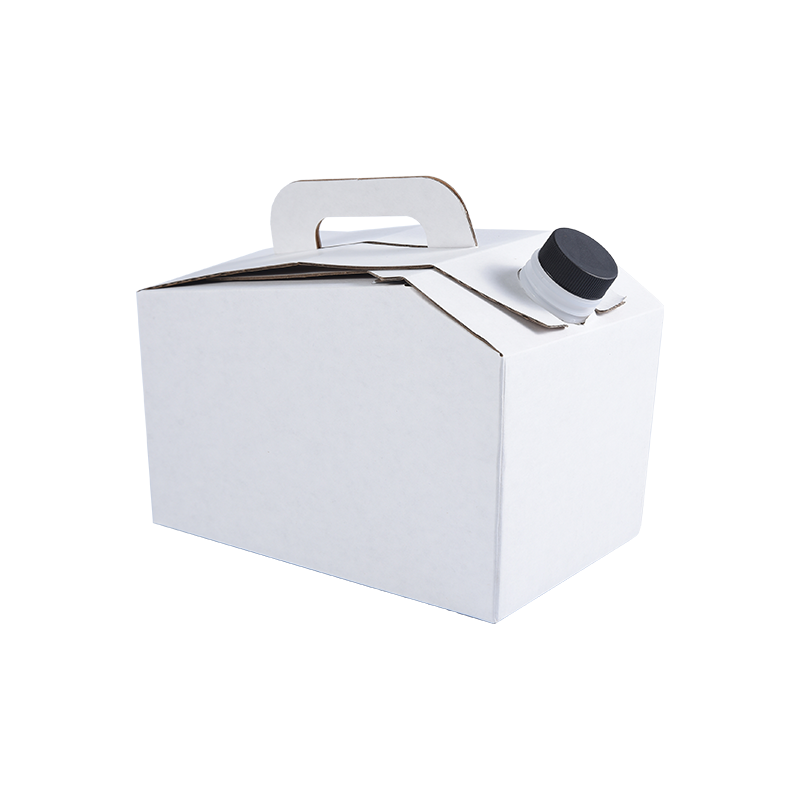 96oz Kraft Coffee/Drink to Go Container/Coffee Carrier Box
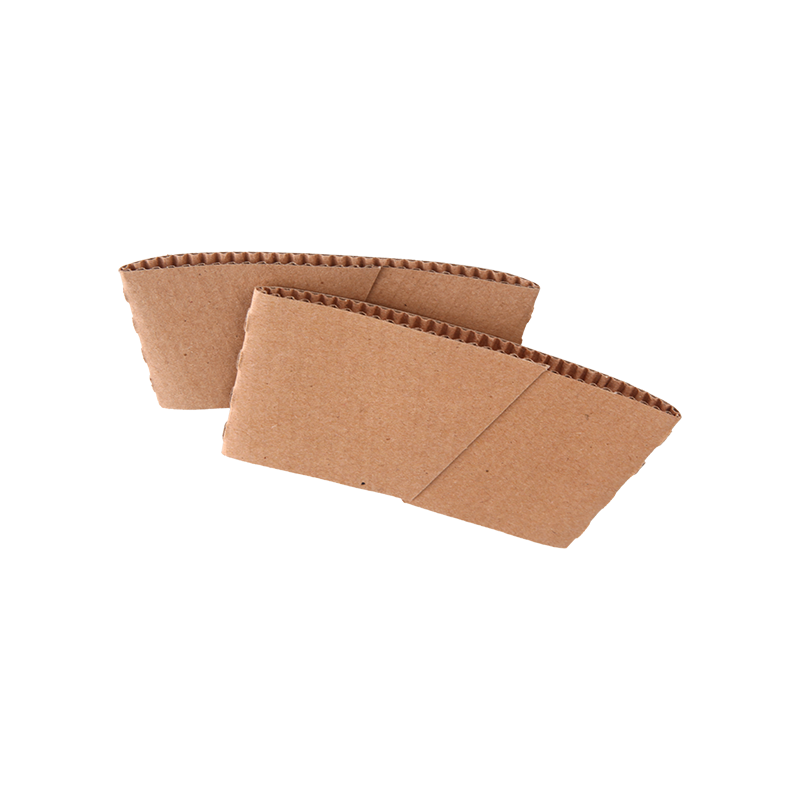 Recyclable Paper Cup Holder Sleeves
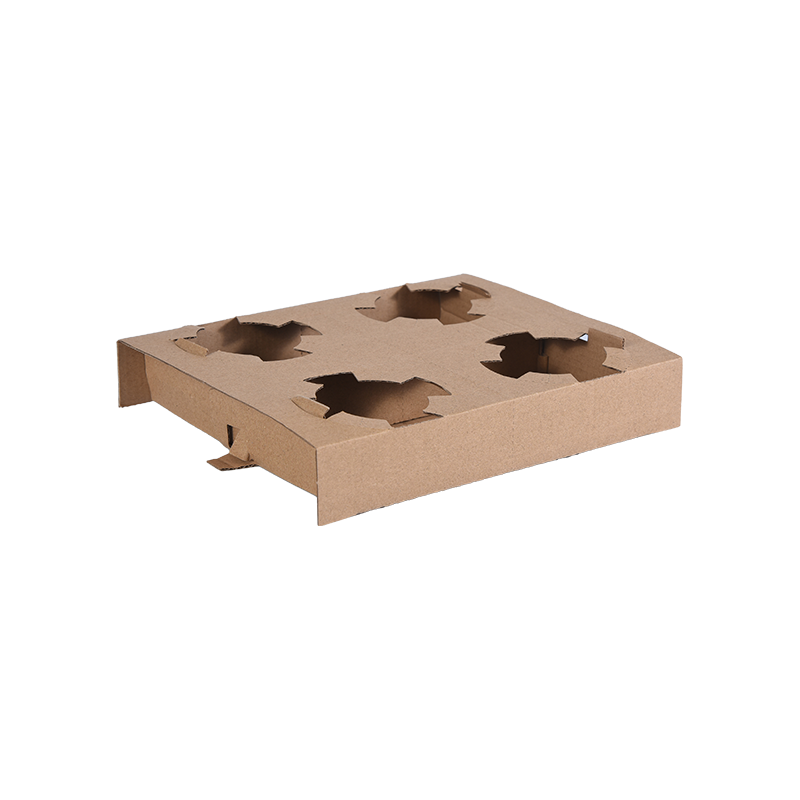 4 Cup Tray Holders for Hot & Cold Drinks – Foldable, Durable, and Cup Carrier for Takeaway, Festivals, Coffee Shops & Events
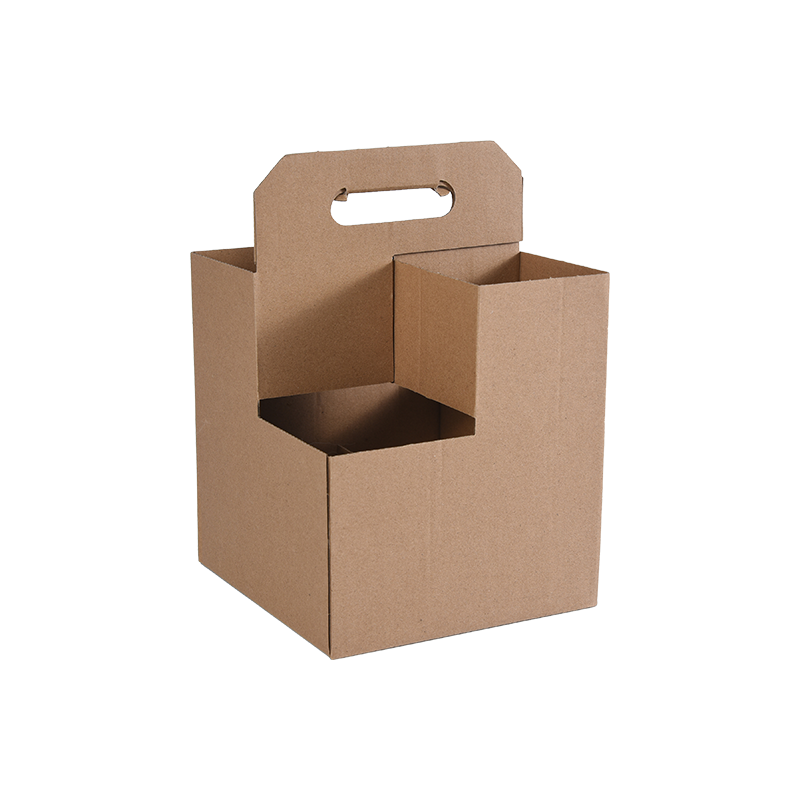 Kraft Cup Drink Carrier with Handles
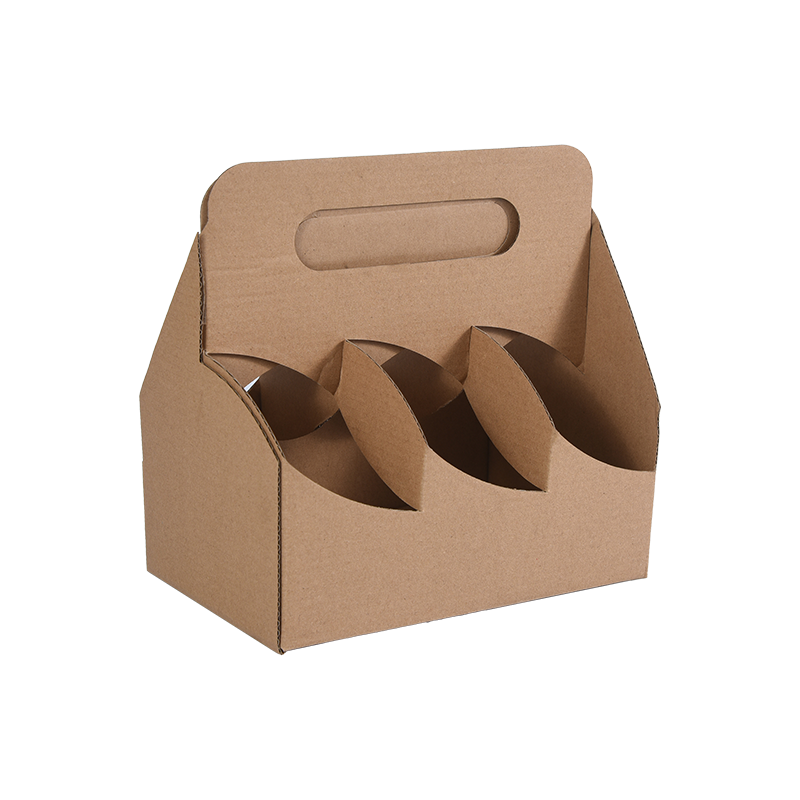 Kraft Beverage Carrier with Handles (6 to 8 Bottles or Cans)
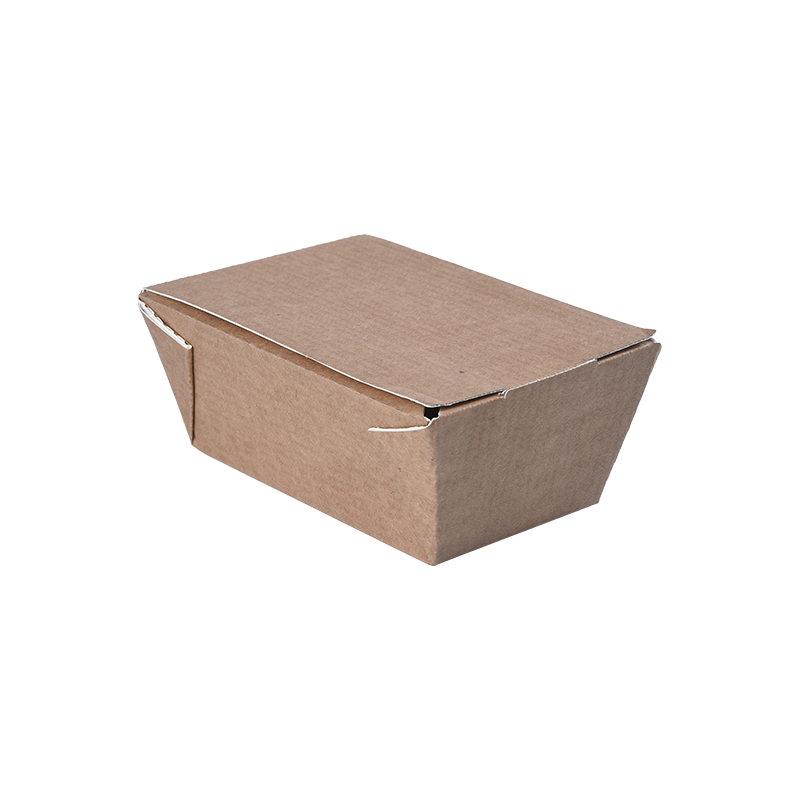 Corrugated Kraft Cardboard Lunch Boxes
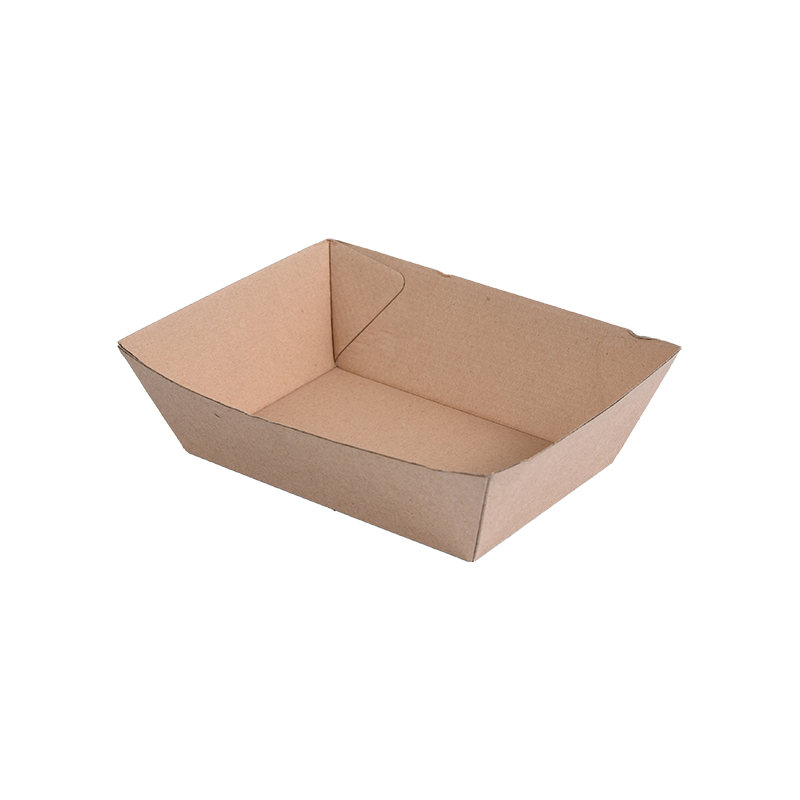 Disposable Rectangular Corrugated Paper Food Trays
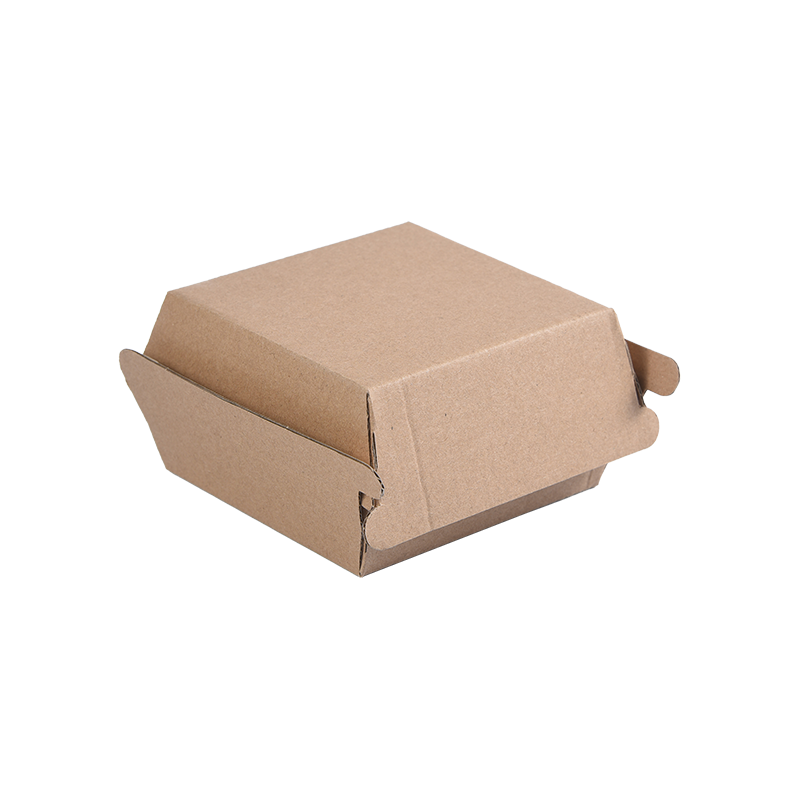 Restaurantware Corrugated Paper Burger Box
 Building 4, Leyin Industrial Park ,No. 330 Qianchun Avenue, Zhanqi Town, Yinzhou District, Ningbo, China
 +86-574-82813668
 Instagram
 Custom Disposable Paper Food Packaging Manufacturers