A paper salad box is a food-grade paperboard container designed specifically to hold fresh salads, grain bowls, and cold food servings for takeout, delivery, and dine-in use. The best paper salad boxes combine grease resistance, moisture control, structural rigidity, and compostability — making them the preferred packaging format for restaurants, salad chains, meal prep services, and food halls shifting away from plastic containers.
The global food packaging market is projected to exceed $400 billion by 2027, with paper-based food containers among the fastest-growing segments as foodservice operators respond to plastic bans, consumer sustainability preferences, and municipal composting mandates. This guide covers every practical aspect of paper salad boxes — from materials and construction to size selection, printing options, and sourcing — so you can make the right choice for your operation.
What Makes a Paper Salad Box Different from Other Food Containers
Salad packaging presents specific technical challenges that distinguish it from hot food containers. Salads contain high moisture from dressings, washed greens, tomatoes, cucumbers, and citrus-based ingredients — all of which generate liquid that would rapidly soften uncoated paperboard and cause leakage or structural failure.
A well-engineered paper salad box addresses these challenges through:
- Moisture and grease-resistant coatings or liners that prevent liquid migration through the box walls and base
- Adequate structural rigidity so the box holds its shape when filled with dense grain bowls or dressed salads weighing 300–600 grams
- Secure closure mechanisms — folding lids, tuck-in tabs, or separate lids — that prevent spillage during transport
- Large opening geometry that allows easy ingredient placement during service and comfortable eating directly from the box
- Stackability for efficient storage in kitchen prep areas and delivery bags
Unlike hot soup containers or burger boxes, paper salad boxes must perform at refrigerated temperatures (2–8°C) without becoming brittle, and at ambient temperature for 30–60 minutes of transport time without softening to the point of structural failure.
Paper Salad Box Materials: What They Are Made From
The material composition of a paper salad box determines its performance, sustainability credentials, compostability, and cost. There are four primary material constructions used in commercial paper salad boxes.
PE-Coated Paperboard
The most common and lowest-cost construction. A layer of polyethylene (PE) plastic is laminated to the interior surface of food-grade paperboard, creating a moisture and grease barrier. PE-coated boxes are highly functional and available at the lowest price points — typically $0.08–$0.25 per unit at high volumes. The significant drawback is compostability: PE coating prevents industrial composting in most facilities, and the boxes are not recyclable in standard paper streams. Many jurisdictions with plastic bans are beginning to restrict PE-coated paper containers alongside single-use plastics.
PLA-Lined Paperboard
Polylactic acid (PLA) is a bioplastic derived from corn starch or sugarcane that replaces polyethylene as the interior liner. PLA-lined paper salad boxes are certified compostable at industrial composting facilities (certifications include BPI in North America and DIN CERTCO in Europe) and are accepted by many municipal food waste collection programs. PLA-lined boxes cost approximately 15–30% more than PE-coated equivalents but meet green packaging claims and composting compliance requirements. One limitation: PLA does not break down in home compost bins — it requires the sustained heat of industrial composting.
PFAS-Free Molded Fiber
Molded fiber (also called molded pulp) salad containers are pressed from recycled paper pulp or virgin sugarcane bagasse into rigid three-dimensional shapes. Premium molded fiber containers use PFAS-free (per- and polyfluoroalkyl substance-free) barrier treatments to achieve moisture resistance without the health and environmental concerns associated with older fluorochemical treatments. Molded fiber boxes have excellent sustainability credentials — they are home compostable, biodegradable, and made from renewable agricultural byproduct. They cost $0.30–$0.80 per unit and are favored by premium health food brands and zero-waste operations.
Uncoated Kraft Paperboard with Separate Liner
Some paper salad box designs use uncoated natural kraft paperboard for the box structure with a separate removable PLA or greaseproof paper liner inserted inside. This construction allows the outer box to be recycled in paper streams while the inner liner handles moisture management. This two-component approach adds assembly complexity but provides maximum recyclability for the structural component.
Common Paper Salad Box Styles and Their Best Uses
Paper salad boxes come in several structural formats, each suited to specific service contexts and food types.
Fold-Top Salad Box (Lock Corner Box)
The most widely used format in fast-casual and QSR (quick-service restaurant) settings. The box is die-cut and fold-formed from a flat blank, with a tuck-in or interlocking flap closure. It assembles quickly on the service line, holds its shape well under the weight of dressed salads, and provides a flat printable exterior for branding. The open-top design allows visual presentation of the contents — important for salad bars and customizable bowl concepts. Available in sizes from 16 oz to 64 oz.
Clamshell Salad Container
A hinged one-piece design where the lid and base are connected by a scored fold. Clamshell paper salad boxes are popular for pre-packaged grab-and-go retail — supermarkets, convenience stores, and café display cases. The integral lid creates a tamper-evident presentation and protects contents during self-service display. Paper clamshells are increasingly replacing plastic clamshells in retail deli settings, with comparable performance at competitive price points when produced in sufficient volumes.
Bowl-Style Salad Box with Separate Lid
A deep, round or oval paperboard bowl paired with a matching flat or domed lid. This format is standard in grain bowl and poke bowl service, where ingredients are layered vertically and a generous depth is needed to accommodate sauces and toppings without overflow. Separate lids can be clear PLA (for visual product display) or paper (for printed branding). Bowl formats typically range from 24 oz to 48 oz capacity.
Windowed Salad Box
A folded paperboard box with a die-cut window covered by a clear PLA or rPET film that allows visual inspection of the contents without opening the box. Used primarily in retail pre-packaged salads, meal kit inserts, and premium grab-and-go. The window film significantly increases per-unit cost but dramatically improves product visibility and retail shelf appeal.
Compartmented Salad Box
A paper salad box with internal dividers — either fold-formed from the same blank or inserted as a separate tray — that separates dressing, croutons, proteins, or hot toppings from the main salad. Compartmented boxes prevent ingredient mixing during transport, which is the primary quality complaint in salad delivery. This format is favored by meal delivery platforms and health food subscription services where ingredient integrity over a 30–60 minute delivery window is a key quality metric.
Standard Paper Salad Box Sizes and Capacity Guide
Standard paper salad box sizes, approximate dimensions, and typical foodservice applications
| Size |
Capacity |
Approx. Dimensions |
Typical Use |
| Small |
16 oz (473 ml) |
5.5" × 4" × 2.5" |
Side salad, kids' portion, snack bowl |
| Medium |
24 oz (710 ml) |
6.5" × 4.5" × 3" |
Regular entrée salad, lunch portion |
| Large |
32 oz (946 ml) |
7.5" × 5" × 3.5" |
Large entrée salad, grain bowl, poke bowl |
| Extra Large |
48 oz (1.4 L) |
8.5" × 6" × 4" |
Family portion, catering individual serving |
| Catering / Sharing |
64–128 oz (1.9–3.8 L) |
10"+ × 7"+ × 4" |
Catering trays, shared salad service, buffets |
For most fast-casual salad concepts, the 32 oz size is the commercial sweet spot — it accommodates a full-portion dressed salad or grain bowl, fits standard delivery bags, and stacks efficiently for kitchen storage. Always verify that your chosen box size matches standard delivery bag dimensions used by your delivery platform to avoid spillage and presentation issues.
Key Performance Specifications to Evaluate When Buying Paper Salad Boxes
Not all paper salad boxes perform equally under real service conditions. These are the specifications that matter most for commercial foodservice operations.
Wet Strength and Moisture Resistance Duration
A quality paper salad box should maintain structural integrity for a minimum of 60 minutes when holding a dressed salad at ambient temperature. Test this by filling sample boxes with a mixture of wet greens and dressing, sealing them, and checking for base softening or sidewall delamination at 30 and 60 minutes. Lower-quality PE coatings begin to fail at seam lines before the 30-minute mark, which is unacceptable for delivery operations.
Grease Resistance (Kit Value)
Grease resistance is measured using the KIT test (TAPPI T559) on a scale from 1 (no resistance) to 12 (excellent resistance). For salad boxes containing oil-based dressings — Caesar, vinaigrette, tahini — a minimum KIT value of 5–6 is recommended for PE-coated boards, and KIT 6–8 for PLA-lined boards used in greasy applications such as grain bowls with avocado or olive oil toppings.
Paperboard Basis Weight
The paperboard substrate weight determines rigidity and puncture resistance. For salad boxes, a minimum basis weight of 300–350 gsm (grams per square meter) is recommended for boxes holding 24 oz or more. Lighter boards at 250 gsm are adequate only for small side salad portions. Heavier boards at 400+ gsm provide the premium, rigid feel associated with upscale packaging but increase cost and carton weight.
Seal Integrity at Folded Corners
The corners and seam lines of a folded paper salad box are the most vulnerable points for liquid penetration. Inspect corner construction closely — well-engineered boxes have tightly glued or heat-sealed corner seams with no exposed raw paperboard edge visible on the interior. Exposed paperboard edges absorb moisture and begin delaminating within minutes of contact with wet ingredients.
Lid Fit and Closure Security
Test lid security by filling the box to 80% capacity, closing the lid, and inverting it for 5 seconds. A properly fitted lid should not pop open and should not allow contents to leak at the lid-box interface. Loose-fitting lids are a major source of customer complaints in delivery and a leading cause of negative reviews on delivery platforms. For delivery-focused operations, snap-lock or interference-fit lids are preferred over tuck-flap closures.
Sustainability and Certification: What Labels Actually Mean
Sustainability claims on paper salad box packaging vary widely in credibility and practical meaning. Understanding the key certifications helps buyers make defensible environmental claims and comply with local regulations.
Key sustainability certifications for paper salad boxes and what each guarantees
| Certification |
Issuing Body |
What It Certifies |
Composting Requirement |
| BPI Certified Compostable |
Biodegradable Products Institute (USA) |
Meets ASTM D6400 composting standard |
Industrial composting facility |
| OK Compost HOME |
TÜV Austria |
Biodegrades in home compost conditions |
Home compost bin (lower temperature) |
| FSC Certified |
Forest Stewardship Council |
Paperboard sourced from responsibly managed forests |
N/A — relates to fiber sourcing, not end-of-life |
| PFAS-Free Verified |
Various third-party labs |
No per- and polyfluoroalkyl substances in barrier coating |
N/A — health/safety claim, not composting |
| SFI Certified |
Sustainable Forestry Initiative |
Responsible North American forest sourcing |
N/A |
For operations making genuine sustainability claims, the most defensible combination is FSC-certified paperboard + BPI-certified PLA lining + PFAS-free barrier treatment. This combination satisfies fiber sourcing, compostability, and chemical safety requirements simultaneously. Boxes labeled simply "eco-friendly" or "green" without specific certifications should be scrutinized carefully before making environmental claims to customers.
Custom Printing on Paper Salad Boxes: Options and Practicalities
Paper salad boxes offer significantly better print surface quality than plastic containers — the matte or coated paperboard surface accepts high-resolution graphics, brand colors, and food photography printing far more effectively than smooth plastic.
Flexographic Printing
The standard printing method for high-volume paper salad box production. Flexographic printing uses flexible relief plates and fast-drying inks to print directly onto the paperboard blank before die-cutting and forming. It supports up to 8 spot colors in a single pass and is cost-effective at volumes of 50,000 units or more. It is the right choice for established brands with consistent packaging needs.
Offset Lithographic Printing
Offset printing produces the highest image quality — photographic reproduction, fine typography, and precise color matching — and is used for premium retail packaging where visual shelf appeal is paramount. It requires higher setup costs and longer lead times than flexographic printing, with minimum orders typically starting at 10,000–25,000 units.
Digital Printing for Short Runs
Digital printing on paperboard has become practical for short-run custom salad box orders — minimum quantities as low as 500–1,000 units. It is suitable for seasonal promotions, new menu launches, limited edition packaging, and market testing. Per-unit costs are higher than flexographic printing at scale, but the elimination of plate setup costs makes it economical for low-volume custom needs.
Food-Safe Ink Requirements
All inks and coatings used on food contact packaging must comply with relevant food safety regulations — FDA 21 CFR in the United States, EU Regulation 10/2011 in Europe, and equivalent local standards. Confirm with your supplier that inks are migrationlimited and food-contact compliant — particularly important when printing on the interior surfaces of open-top salad boxes where ink surfaces may come into direct contact with food.
Paper Salad Box Use Cases by Business Type
Different foodservice formats have specific requirements that should drive paper salad box selection. Here is how requirements differ by operation type:
- Fast-casual salad chains (Sweetgreen, CAVA style): High throughput requires fast box assembly — fold-top designs with simple interlocking closure; 32 oz is the dominant size; custom printed for brand consistency; PLA-lined for compostability claims
- Meal delivery and cloud kitchens: Delivery operations prioritize leak resistance and compartmentalization over aesthetics; snap-lock lids and compartmented inserts for dressing separation; boxes must fit standard 10"×10" delivery bags flat without nesting
- Retail supermarket deli: Clamshell or windowed formats for self-service display; clear PLA window for product visibility; food date labels must adhere reliably to the box surface; typically unbranded or store-brand printed
- Meal prep and subscription services: Must maintain quality through refrigerated storage for 2–5 days; moisture management at refrigerator temperatures (2–8°C) is critical; FSC and compostable certifications align with target customer values
- Corporate catering and events: Large format (48–64 oz) boxes for generous portions; premium printing to reflect brand quality; ease of carrying and stable base for transport on trays
- Hospital and institutional foodservice: Tray-ready sizing that fits standard institutional meal trays; minimal branding; focus on functional performance and compliance with institutional procurement standards
How to Source Paper Salad Boxes: Supplier Evaluation Checklist
Selecting a reliable paper salad box supplier involves evaluating production capability, certification compliance, minimum order requirements, and lead times. Use this checklist when assessing suppliers.
- Request physical samples filled with your actual product — never approve a salad box based on empty samples; test with dressed greens for 60 minutes at room temperature before committing to an order
- Verify food safety documentation — FDA food contact compliance letter, EU Declaration of Compliance, or equivalent; this is non-negotiable for commercial foodservice use
- Confirm actual certifications — request certification numbers and verify them directly on the certifying body's website; BPI, FSC, and TÜV certifications are all publicly searchable
- Clarify minimum order quantities (MOQs) — stock boxes typically have MOQs of 1,000–5,000 units; custom printed boxes typically require 10,000–50,000 units minimum for flexographic printing
- Check lead times — stock boxes should be available within 5–10 business days domestically; custom printed boxes typically require 4–8 weeks including print plate production and production run
- Evaluate packaging and shipping efficiency — confirm how many flat-pack blanks or assembled boxes ship per case and per pallet; inefficient packaging increases landed cost and storage requirements
- Ask about price breaks — most suppliers offer significant per-unit cost reductions at 10,000, 25,000, and 50,000+ unit thresholds; model your annual volume against these tiers before committing to a supplier
Cost Benchmarks: What Paper Salad Boxes Should Cost in 2026
Paper salad box pricing varies significantly based on material, construction, print complexity, and order volume. These benchmarks reflect current market pricing for quality commercial-grade boxes.
Approximate per-unit cost ranges for paper salad boxes by material and order volume in 2026
| Box Type |
1,000–5,000 Units |
10,000–25,000 Units |
50,000+ Units |
| Stock PE-coated fold-top (32 oz) |
$0.18–$0.28 |
$0.12–$0.18 |
$0.08–$0.13 |
| PLA-lined compostable fold-top (32 oz) |
$0.28–$0.42 |
$0.18–$0.28 |
$0.13–$0.20 |
| Molded fiber PFAS-free bowl (32 oz) |
$0.55–$0.85 |
$0.40–$0.60 |
$0.30–$0.45 |
| Custom printed PLA fold-top (32 oz, 4-color) |
N/A (MOQ too low) |
$0.28–$0.45 |
$0.18–$0.28 |
For most independent restaurants and small chains, the most cost-efficient starting point is a stock PLA-lined fold-top box with a custom printed sticker label for branding — this approach provides sustainability credentials and brand identity at the lowest per-unit cost without committing to custom printing MOQs until volume justifies the investment.


 English
 Español
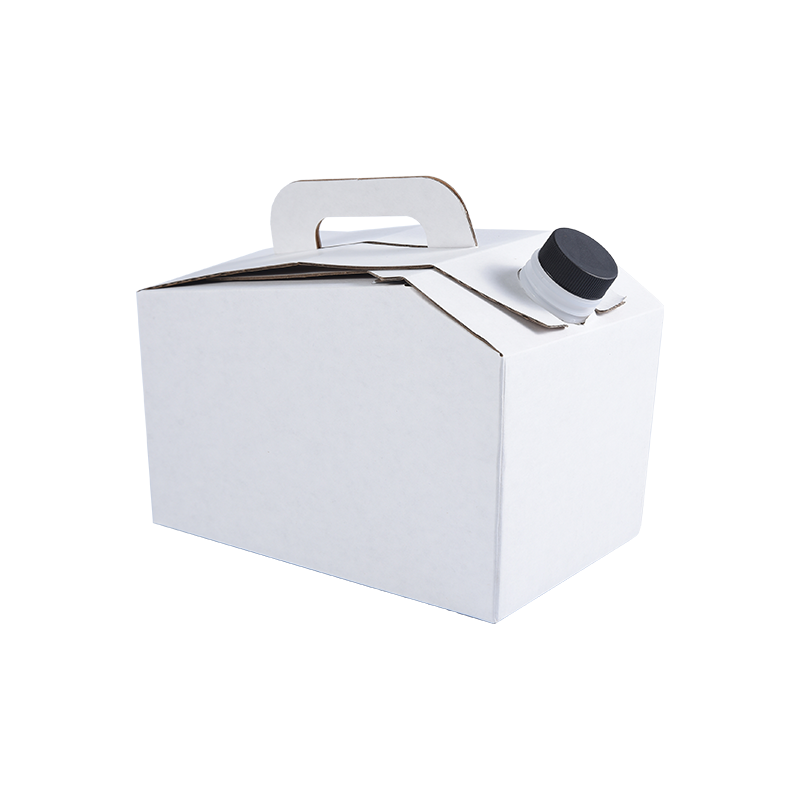 96oz Kraft Coffee/Drink to Go Container/Coffee Carrier Box
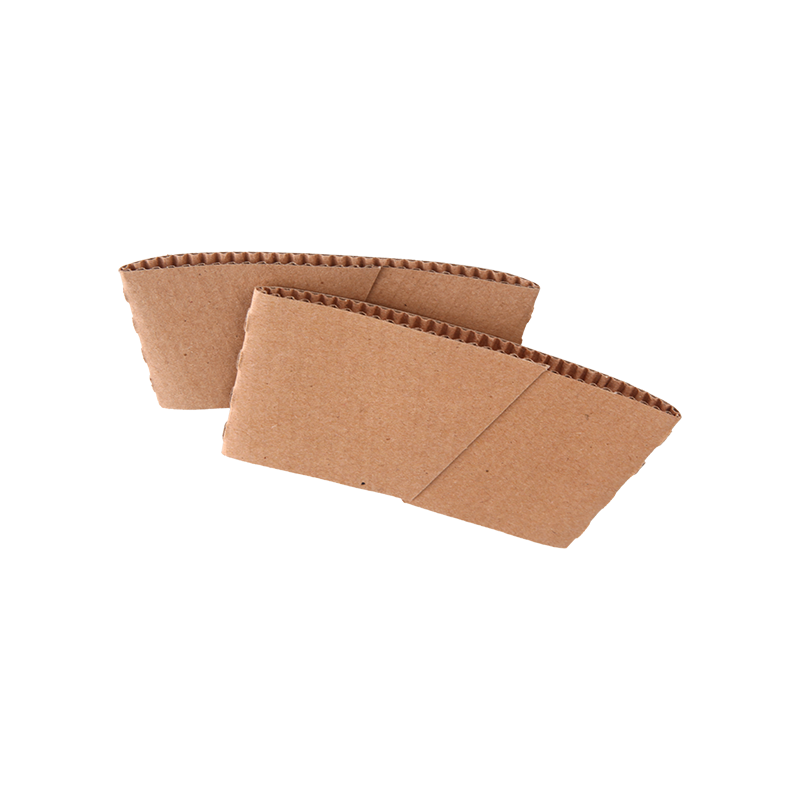 Recyclable Paper Cup Holder Sleeves
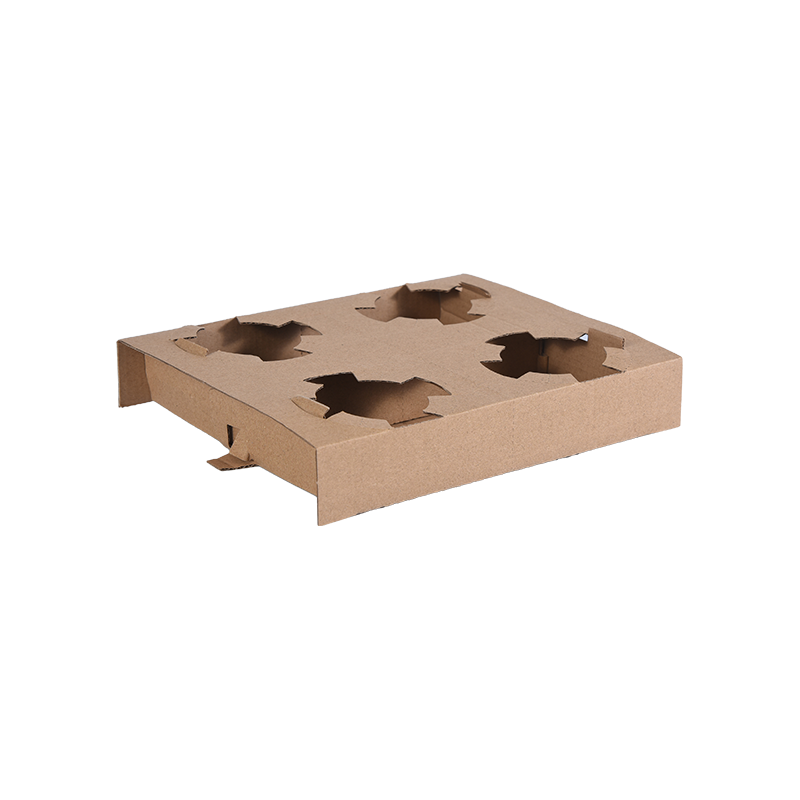 4 Cup Tray Holders for Hot & Cold Drinks – Foldable, Durable, and Cup Carrier for Takeaway, Festivals, Coffee Shops & Events
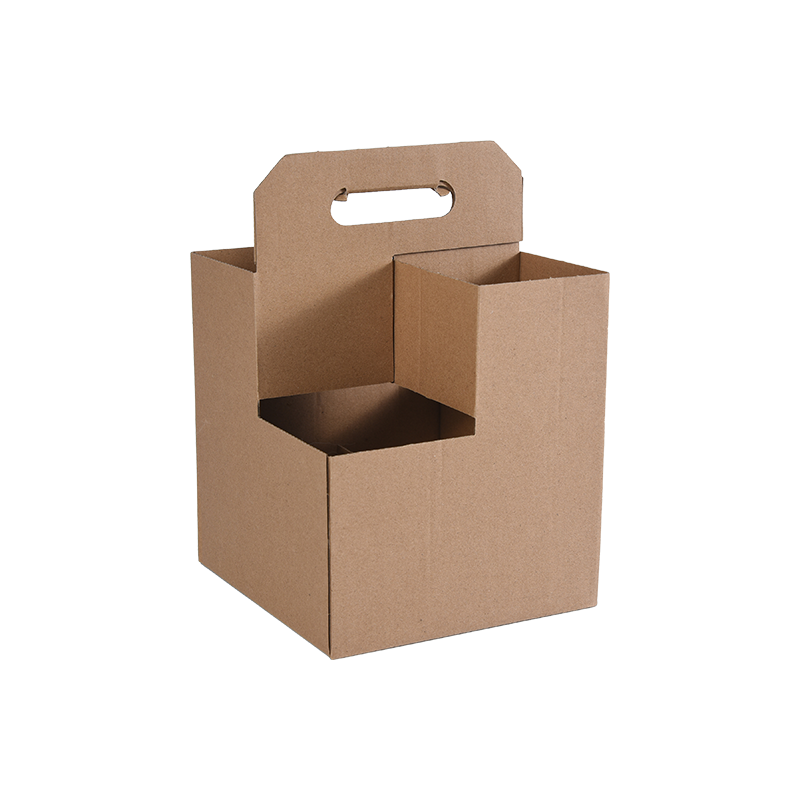 Kraft Cup Drink Carrier with Handles
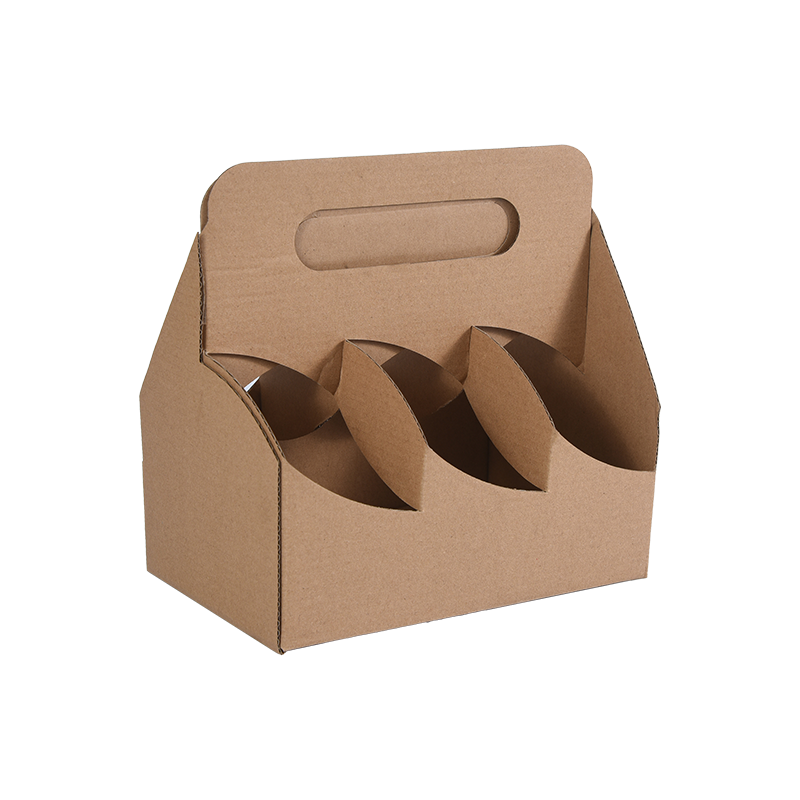 Kraft Beverage Carrier with Handles (6 to 8 Bottles or Cans)
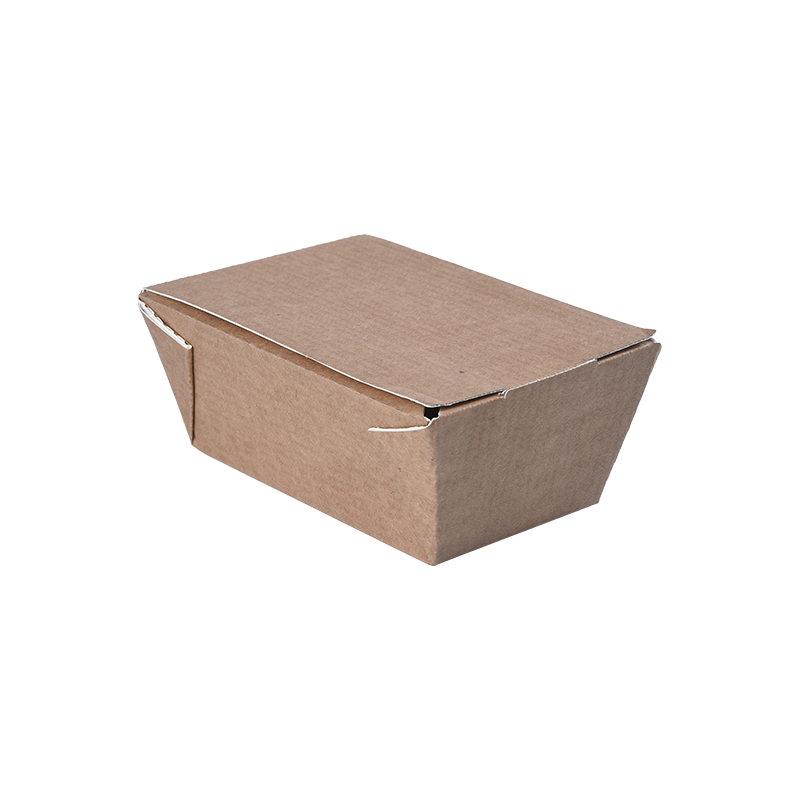 Corrugated Kraft Cardboard Lunch Boxes
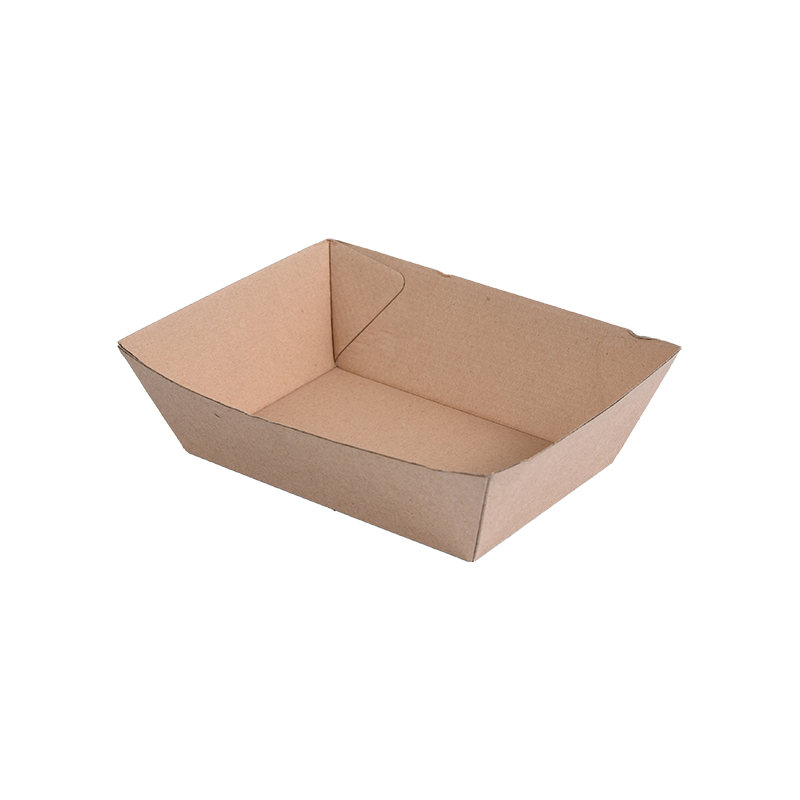 Disposable Rectangular Corrugated Paper Food Trays
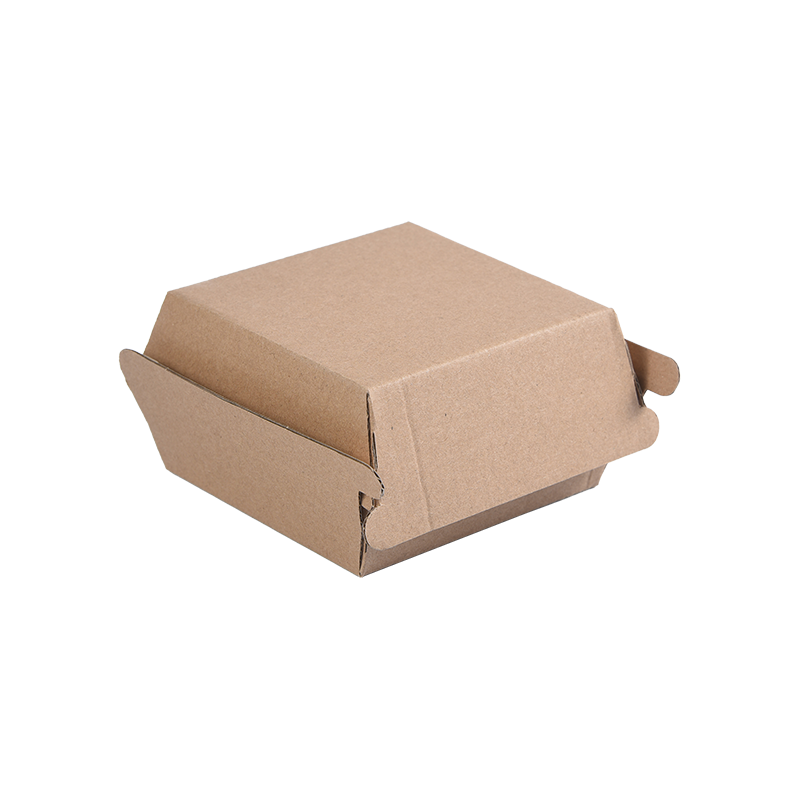 Restaurantware Corrugated Paper Burger Box
 Building 4, Leyin Industrial Park ,No. 330 Qianchun Avenue, Zhanqi Town, Yinzhou District, Ningbo, China
 +86-574-82813668
 Instagram
 Custom Disposable Paper Food Packaging Manufacturers