A paper burger box is a fold-flat or pre-formed paperboard container designed to hold, protect, and present burgers during service or delivery. The right paper burger box keeps your burger structurally intact, retains heat, prevents grease leakage, and reinforces your brand — all while meeting food safety and sustainability requirements. For food businesses, packaging is not an afterthought: studies show that 72% of consumers say packaging design influences their purchasing decisions, and in the competitive food service market, a well-chosen burger box is a direct extension of product quality.
This guide covers every type of paper burger box available, the materials and coatings used, standard sizing, printing and customization options, and the practical criteria for selecting the right box for your operation — whether you're running a single burger stand or a multi-location QSR chain.
Types of Paper Burger Boxes: Structure and Format
Paper burger boxes are manufactured in several distinct structural formats, each suited to different service models, burger sizes, and operational priorities.
Clamshell Burger Box
The clamshell is the most widely used burger box format globally. It is a single-piece construction where the lid and base are connected by a spine fold, allowing the box to snap open and shut. Clamshells are die-cut and shipped flat, saving significant storage space — a standard pallet of flat-pack clamshells holds several thousand units. They assemble in under 3 seconds, making them practical for high-volume service environments. Clamshells provide a snug enclosure that traps heat and keeps toppings in place during transit.
Two-Piece Burger Box (Base and Lid)
Two-piece boxes consist of a separate base tray and a lid that fits over it. This format offers a premium presentation aesthetic — the lid lifts cleanly to reveal the burger in a way that photographs well for dine-in and delivery photography. Two-piece boxes are heavier and more expensive than clamshells, typically costing 20–40% more per unit, but are preferred by premium burger restaurants where unboxing experience is part of the brand.
Flat-Fold Burger Wrap Box
These are partially open-top boxes with low sides, designed for dine-in quick service where the burger is consumed immediately and full heat retention is not required. They are the lightest and lowest-cost paper burger packaging option and are commonly used in stadium concessions, food halls, and casual burger counters where speed of service and minimal packaging waste are priorities.
Windowed Burger Box
Windowed boxes feature a clear PLA (polylactic acid) or PET window on the lid or front panel, allowing the burger to be visible without opening the box. These are used in retail grab-and-go settings, food trucks, and premium delivery services where visual product presentation drives impulse purchase. The window adds approximately 15–25% to unit cost compared to a standard clamshell.
Kraft Paper Burger Box
Made from unbleached brown kraft paperboard, these boxes have become closely associated with the artisan burger and farm-to-table aesthetic. The natural brown appearance communicates sustainability and craft — market research indicates that 67% of consumers associate kraft packaging with natural, high-quality food products. Kraft boxes can be uncoated (for dry burgers) or grease-resistant coated while maintaining the natural exterior appearance.
Paper Burger Box Materials and Coatings Explained
The paperboard substrate and the coating or treatment applied to it determine the box's performance characteristics — particularly its ability to handle grease, moisture, and heat.
Paperboard Grades Used in Burger Boxes
- Solid Bleached Sulfate (SBS): White, smooth, high-quality board ideal for full-color printing. GSM (grams per square meter) typically ranges from 300–450g for burger boxes. Premium choice for branded QSR packaging.
- Kraft Board (unbleached): Brown, strong, and sustainable. Available in 300–400g weights. Lower printing fidelity for complex graphics but excellent for simple branding and eco positioning.
- Coated Unbleached Kraft (CUK): Brown board with a white clay-coated surface on the printing side — offering kraft aesthetics with improved print quality.
- Recycled Paperboard: Made from post-consumer recycled content. Cost-effective and sustainable, but typically lower in strength-to-weight ratio. Best for low-moisture burger applications.
Grease and Moisture Resistance Coatings
Uncoated paperboard absorbs grease within minutes, causing structural failure and an unpleasant customer experience. The coating applied to the interior surface determines performance:
Comparison of burger box interior coatings by performance, compostability, and cost
| Coating Type |
Grease Resistance |
Compostable |
Recyclable |
Relative Cost |
| PE (Polyethylene) Laminate |
Excellent |
No |
Limited |
Low |
| PLA (Polylactic Acid) Coating |
Good |
Yes (industrial) |
Limited |
Medium |
| Aqueous (Water-Based) Barrier |
Moderate |
Yes |
Yes |
Medium |
| PFAS-Free Fluorochemical-Free GRB |
Good–Excellent |
Yes |
Yes |
Medium–High |
| Uncoated (dry applications only) |
None |
Yes |
Yes |
Lowest |
PFAS (per- and polyfluoroalkyl substances) are now banned or restricted in food packaging in over a dozen U.S. states and across the EU. Any business sourcing burger boxes should explicitly confirm PFAS-free status with suppliers — this is no longer optional in many jurisdictions.
Standard Paper Burger Box Sizes and What They Accommodate
Burger box sizing must account for the burger's diameter, height (including toppings and bun), and the gap needed to prevent lid compression — which crushes tall burgers and dislodges toppings during transit.
Common paper burger box sizes and the burger formats they are designed to accommodate
| Box Size (L × W × H) |
Burger Patty Diameter |
Best For |
| 90 × 90 × 60mm |
Up to 80mm |
Sliders, mini burgers, kids' meals |
| 120 × 120 × 70mm |
Up to 110mm |
Standard single-patty burgers |
| 130 × 130 × 80mm |
Up to 120mm |
Standard QSR burgers with toppings |
| 140 × 140 × 90mm |
Up to 130mm |
Double-patty or tall gourmet burgers |
| 150 × 150 × 100mm+ |
130mm+ |
Triple burgers, smash burgers, tower stacks |
Always request a physical sample before committing to a bulk order. A box that appears correctly sized on paper may compress a brioche bun or leave excessive dead space that causes the burger to shift. 5–10mm of clearance on all sides is the recommended fit standard for clamshell burger boxes.
Custom Printing Options for Branded Paper Burger Boxes
Custom-printed burger boxes transform functional packaging into a brand touchpoint. For delivery-heavy operations in particular, the box is the primary physical brand interaction a customer has — making print quality and design directly relevant to customer perception and repeat ordering.
Printing Methods
- Flexographic printing: The industry standard for high-volume burger box production. Cost-effective at quantities above 5,000 units. Delivers good color consistency for solid colors and simple graphics. Setup costs (plate fees) typically range from $300–$800 per color.
- Offset lithographic printing: Superior color fidelity and detail — ideal for complex photographic imagery or gradient designs. Higher setup cost but better results for premium brands. Minimum quantities typically start at 10,000–20,000 units.
- Digital printing: No plate setup costs. Economical for short runs of 500–3,000 units. Color accuracy is excellent. Preferred for seasonal promotions, limited-edition packaging, or new businesses testing designs before committing to large orders.
- Embossing / debossing: Adds tactile dimension to a logo or design element. Often used in combination with foil stamping for premium two-piece box lids.
Print Coverage and Food Safety Compliance
All inks used on food-contact packaging must comply with applicable food safety regulations — FDA 21 CFR in the United States, EU Regulation 10/2011 in Europe. Printing is applied to the exterior only; interior surfaces must remain ink-free or use food-safe coatings. Confirm with your supplier that inks are low-migration, food-safe certified before approving production.
Sustainability Considerations: Eco-Friendly Paper Burger Box Options
Consumer and regulatory pressure on single-use food packaging is intensifying. A 2023 survey by Trivium Packaging found that 82% of consumers are willing to pay more for sustainable packaging — and burger boxes are one of the highest-volume single-use items in food service. Understanding the sustainability credentials of different box options is essential for making responsible procurement decisions.
- FSC-certified paperboard: Sourced from responsibly managed forests. The Forest Stewardship Council (FSC) certification is the most recognized and credible sustainable fiber claim. Look for FSC-Mix or FSC-100% certified board.
- Compostable certification: Look for EN 13432 (Europe) or ASTM D6400 (U.S.) certifications. Note that "compostable" typically means industrial composting facilities are required — home compostability is a higher standard and requires separate certification.
- Recyclability: Paper burger boxes coated with PE laminates are generally not recyclable in standard paper streams. Aqueous-coated or uncoated boards are curbside recyclable in most jurisdictions. Communicate disposal instructions clearly on the box itself.
- Recycled content: Boxes made from 30–100% post-consumer recycled (PCR) fiber reduce virgin material use. Check that food safety standards are met — recycled board may contain contaminants and must be tested accordingly.
- Minimal packaging design: Reducing board weight (lightweighting) while maintaining structural integrity reduces material use per unit. A switch from 400gsm to 350gsm board, where structurally viable, can reduce material cost and carbon footprint by 10–15%.
How to Choose the Right Paper Burger Box for Your Business
Selecting a burger box is a multi-variable decision. Use the following framework to systematically evaluate your options:
- Define your service model first. Dine-in counters need fast-assembling clamshells; delivery services need high-heat-retention sealed boxes; premium restaurants may need two-piece presentation boxes. The service model eliminates most options immediately.
- Measure your burger, not just your patty. Measure the assembled burger including bun height and any tall toppings (stacked onion rings, thick lettuce). Add 5–10mm clearance on each dimension when specifying box size.
- Match coating to burger moisture level. A lightly dressed dry burger can use an aqueous-coated or even uncoated box. A heavily sauced smash burger or a burger with melted cheese and wilted vegetables needs a PE or high-performance GRB coating to last 20–30 minutes in the box.
- Calculate your volume before choosing a print method. Under 3,000 units per order — use digital printing. 3,000–10,000 units — evaluate flexographic vs. digital. Over 10,000 units — flexographic or offset delivers the best cost per unit.
- Verify regulatory compliance in your market. Confirm PFAS-free status, food-safe ink certification, and applicable compostability or recyclability claims for your operating jurisdiction.
- Always order samples before bulk purchasing. Test the assembled box with your actual burger — grease resistance, structural integrity after 20 minutes, lid closure security, and ease of assembly by staff under service pressure.
Pricing Guide: What Paper Burger Boxes Cost at Different Volumes
Burger box pricing varies significantly by construction type, print specification, material, and order volume. The following ranges reflect typical market pricing for standard clamshell boxes with single to two-color printing:
Indicative paper burger box unit cost ranges by order volume and box type (USD, 2024)
| Order Volume |
Stock / Unprinted |
Custom Printed (Digital) |
Custom Printed (Flexo) |
| 500 units |
$0.18–$0.30 |
$0.55–$0.90 |
Not viable |
| 2,000 units |
$0.14–$0.22 |
$0.38–$0.65 |
$0.45–$0.75 + plates |
| 10,000 units |
$0.09–$0.15 |
$0.25–$0.40 |
$0.18–$0.30 + plates |
| 50,000+ units |
$0.06–$0.10 |
$0.15–$0.22 |
$0.10–$0.16 + plates |
Premium materials (stainless kraft board, PLA coating, FSC certification, windowed lid) add 15–40% to base unit cost. Two-piece boxes typically cost 30–60% more than equivalent clamshells at the same volume. Factor plate/setup fees into total cost comparisons when evaluating flexographic printing at lower volumes.


 English
 Español
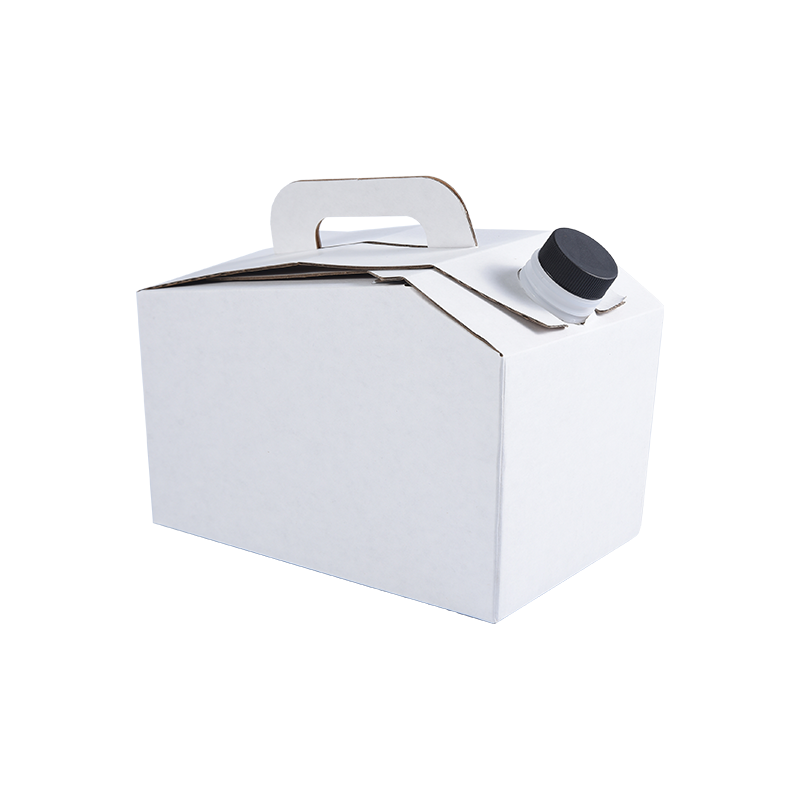 96oz Kraft Coffee/Drink to Go Container/Coffee Carrier Box
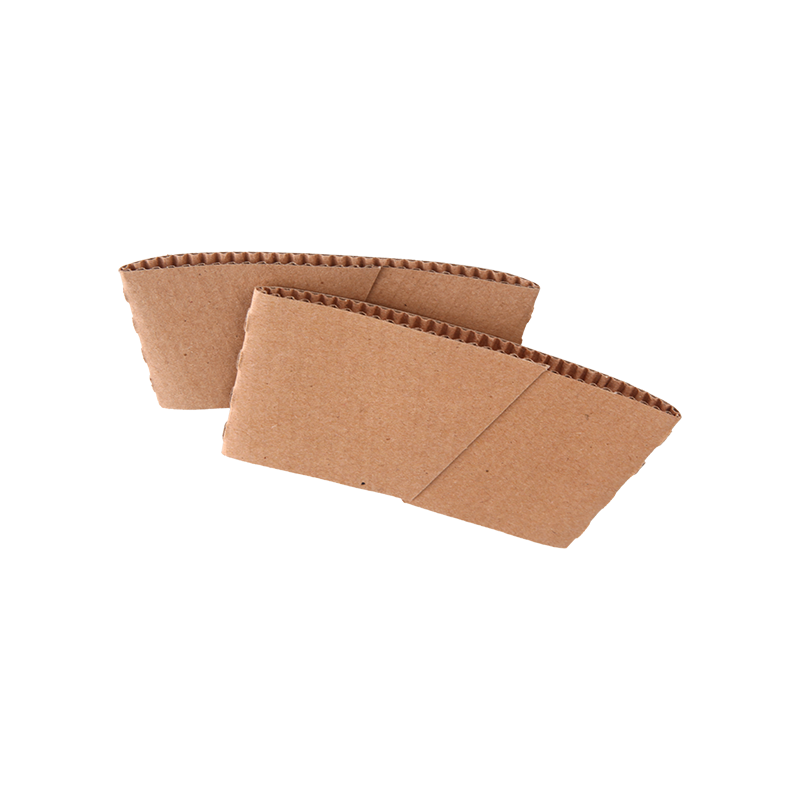 Recyclable Paper Cup Holder Sleeves
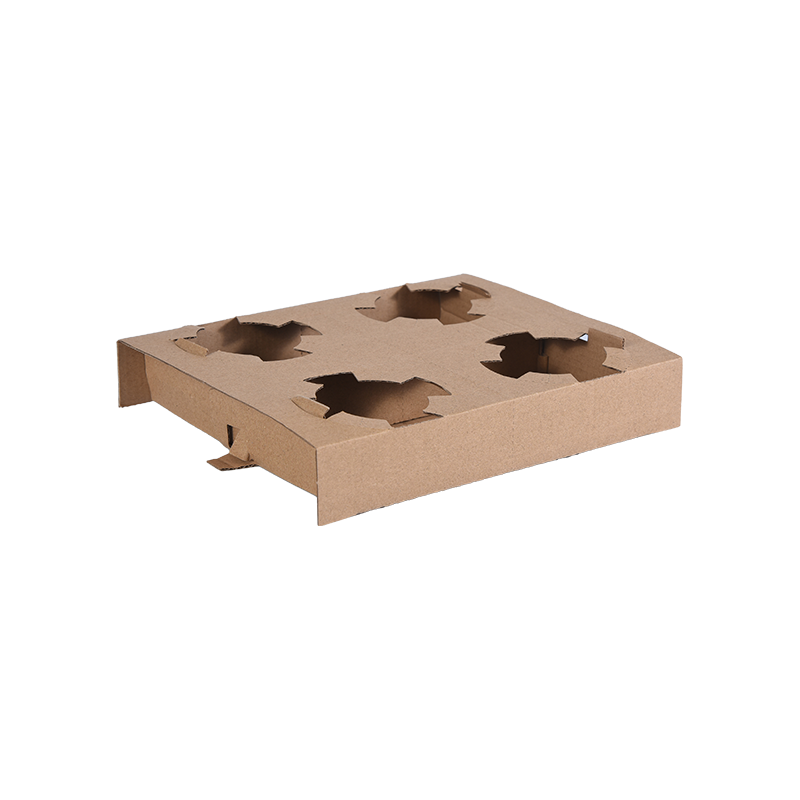 4 Cup Tray Holders for Hot & Cold Drinks – Foldable, Durable, and Cup Carrier for Takeaway, Festivals, Coffee Shops & Events
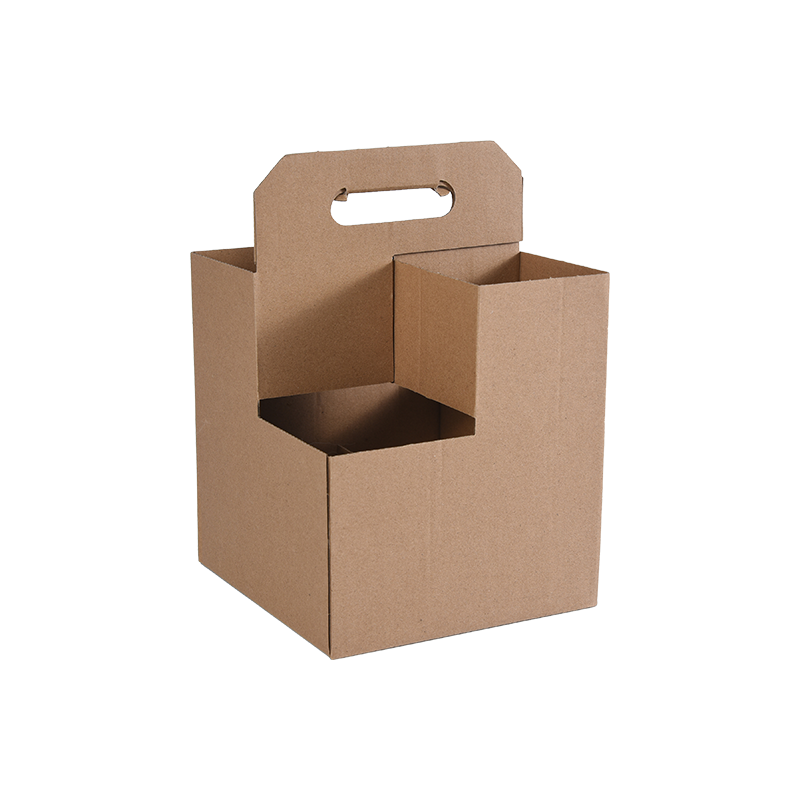 Kraft Cup Drink Carrier with Handles
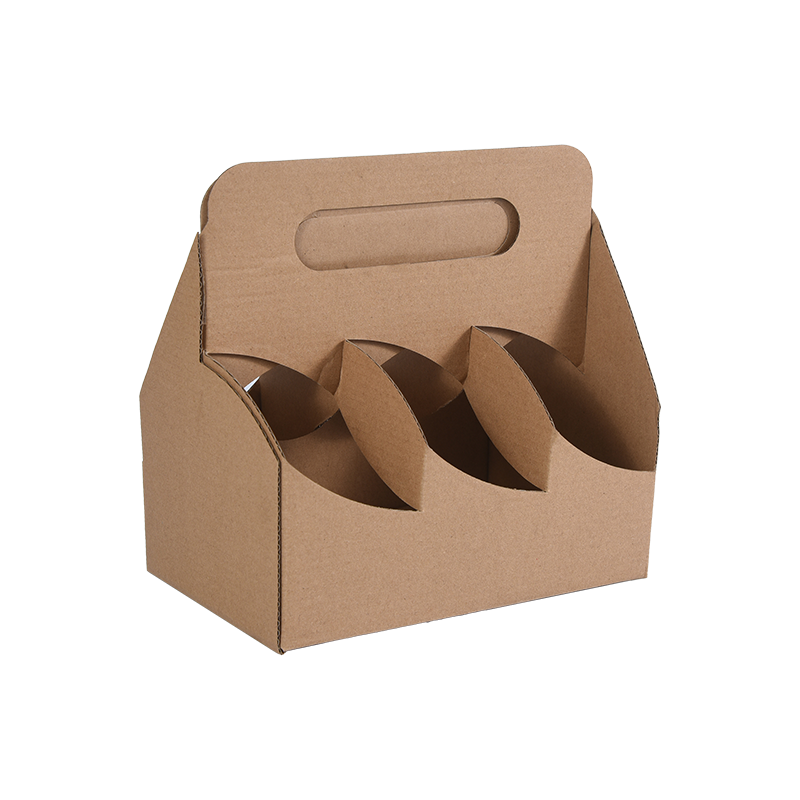 Kraft Beverage Carrier with Handles (6 to 8 Bottles or Cans)
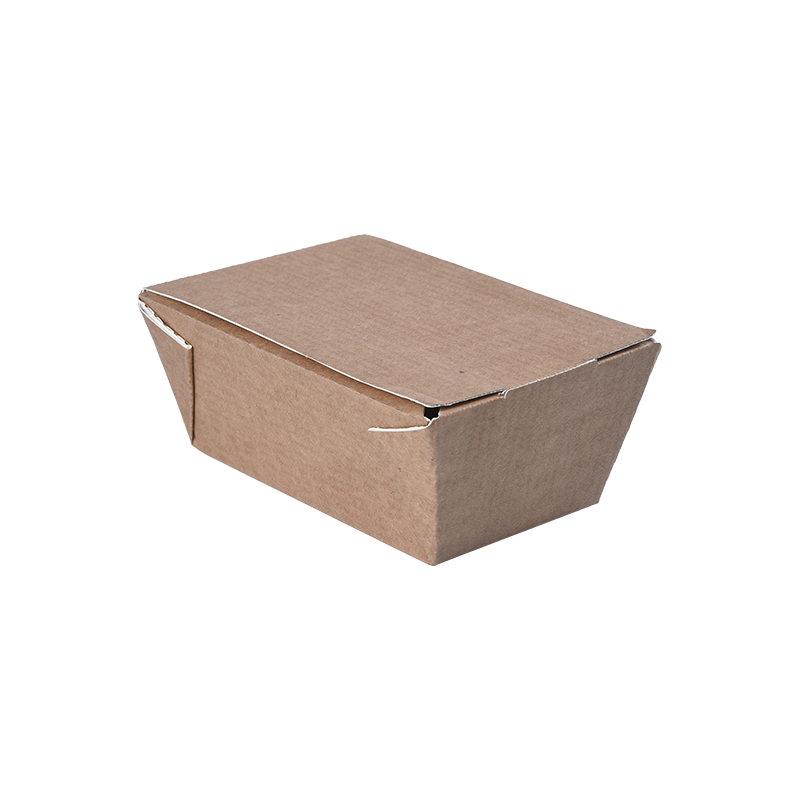 Corrugated Kraft Cardboard Lunch Boxes
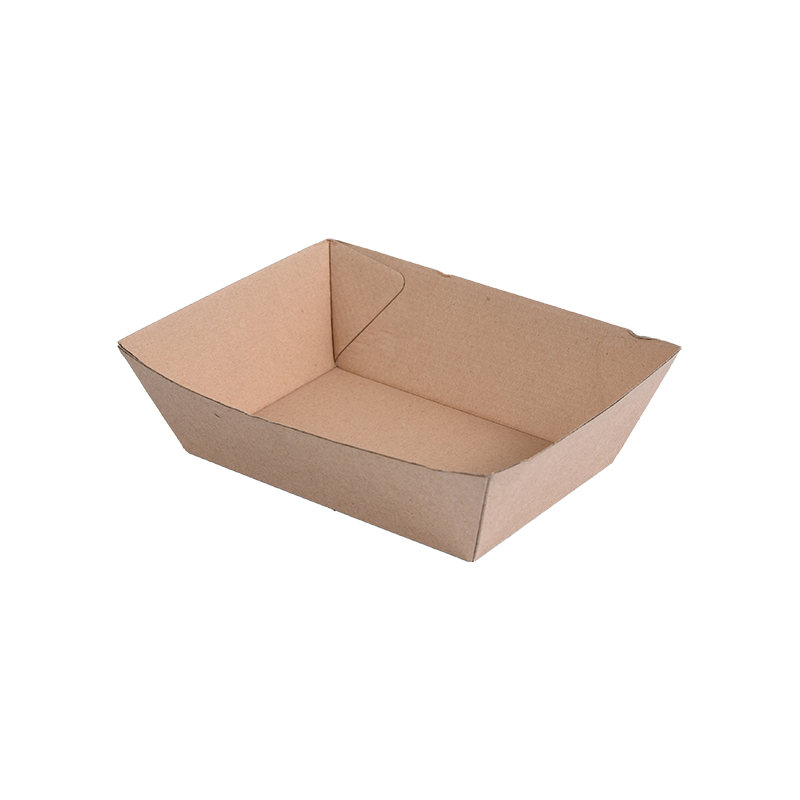 Disposable Rectangular Corrugated Paper Food Trays
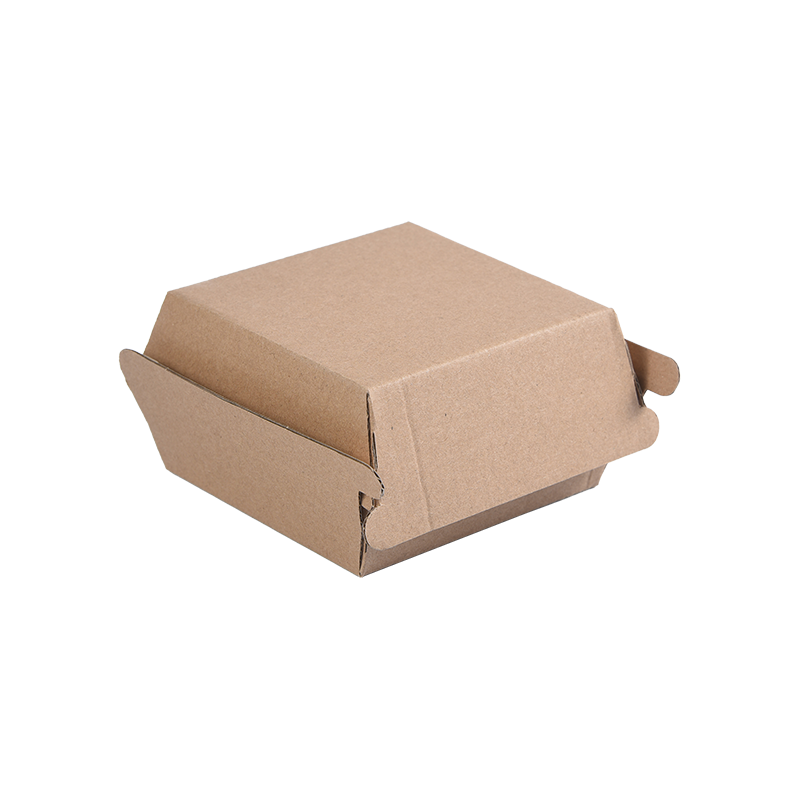 Restaurantware Corrugated Paper Burger Box

 Building 4, Leyin Industrial Park ,No. 330 Qianchun Avenue, Zhanqi Town, Yinzhou District, Ningbo, China
 +86-574-82813668
 Instagram
 Custom Disposable Paper Food Packaging Manufacturers