Take-out box food containers are single-use or reusable packaging designed to hold, transport, and preserve prepared food from restaurants, food stalls, and catering operations to the customer. They come in a wide range of materials—paperboard, plastic, foam, aluminum foil, bagasse, and more—each suited to different food types, temperature requirements, and environmental priorities. Choosing the right take-out container directly affects food quality during transit, customer satisfaction, operational cost, and a business's environmental footprint. This guide covers everything buyers, operators, and consumers need to know.
Types of Take-Out Box Food Containers
Take-out containers are broadly categorized by their structure and intended food type. Understanding the main formats helps operators match the right box to each menu item.
Clamshell Containers
Clamshell containers feature a hinged lid and base that fold together and lock or tuck closed. They are the most versatile take-out format, used for burgers, sandwiches, fries, pasta, rice dishes, and more. Available in foam (EPS), paperboard, molded fiber, and PET plastic. Clamshells account for the largest share of food service container sales globally, favored for their speed of use and secure closure without separate lids.
Chinese Takeout Boxes (Oyster Pails)
The iconic folded paperboard box with a wire bail handle—originally designed for oysters in the late 1800s—became synonymous with Chinese-American takeout. Made from single-ply coated paperboard, these boxes are grease-resistant, stackable, and can be unfolded flat for use as a plate. Standard sizes range from 16 oz to 32 oz. They are poor insulators and unsuitable for heavily liquid-based dishes.
Soup and Liquid Containers
Designed specifically for soups, stews, curries, and beverages, these containers have leak-proof bases, tight-fitting lids, and walls reinforced to resist softening from hot liquids. Common materials include double-wall paper cups, PP plastic tubs, and PE-coated paperboard. Sizes typically range from 8 oz to 32 oz, with deli-style containers being the most widely used format in food service.
Compartmented Trays and Meal Boxes
Multi-compartment containers keep different food components separated—preventing sauces from soaking into dry foods, or hot items from affecting cold sides. Common in school meal programs, airline catering, meal prep delivery, and Indian tiffin-style takeout. Available in aluminum foil, PP plastic, and sugarcane fiber (bagasse) with 2, 3, or 4 compartments.
Pizza Boxes
Corrugated paperboard boxes designed for pizza retain heat, absorb steam, and provide structural support for the pizza during delivery. The corrugated walls provide insulation and the vented design (in some versions) prevents sogginess. Standard sizes range from 8-inch to 18-inch diameter boxes. Many brands now offer grease-resistant coatings and partially recycled corrugated board.
Aluminum Foil Containers
Aluminum foil pans with cardboard or foil lids are widely used for hot prepared foods, roasted meats, casseroles, and catering trays. They are oven-safe up to 400°F (204°C), making them suitable for both holding and reheating. They are fully recyclable when clean but are not biodegradable in standard waste streams.
Materials Used in Take-Out Food Containers
The material of a take-out container determines its thermal performance, leak resistance, environmental impact, food safety, and cost. Each material has clear strengths and specific use cases.
| Material |
Heat Retention |
Leak Resistance |
Eco-Friendliness |
Relative Cost |
| EPS Foam (Styrofoam) |
Excellent |
Good |
Poor (non-recyclable) |
Lowest |
| Coated Paperboard |
Moderate |
Moderate |
Moderate (recyclable if uncoated) |
Low–Moderate |
| Polypropylene (PP) |
Good |
Excellent |
Moderate (recyclable #5) |
Moderate |
| PET Plastic |
Poor (cold use only) |
Excellent |
Good (widely recycled #1) |
Moderate |
| Bagasse (Sugarcane Fiber) |
Good |
Good |
Excellent (compostable) |
Moderate–High |
| Aluminum Foil |
Excellent |
Good |
Good (recyclable when clean) |
Moderate |
| Bamboo / Palm Leaf |
Moderate |
Moderate |
Excellent (fully compostable) |
High |
Performance and sustainability comparison of common take-out container materials
How to Match the Right Container to the Food
Choosing an incompatible container leads to soggy food, leaking bags, failed deliveries, and unhappy customers. The following pairing guidelines are based on food type and packaging performance requirements.
Hot and Fried Foods
Fried chicken, fries, and spring rolls require containers that allow some steam ventilation to prevent sogginess while retaining heat. Vented paperboard clamshells or bagasse boxes are the best choice—their micro-porous structure allows moisture to escape while the walls insulate. Avoid sealed airtight plastic containers for fried foods, which trap steam and cause rapid texture deterioration.
Soups, Curries, and Saucy Dishes
Liquid-heavy dishes need PP plastic deli containers or double-wall paper soup cups with tight snap-fit lids. These provide leak-proof sealing and resist softening from hot liquids for at least 30–60 minutes of transit. Paperboard-only containers without PE or wax lining will fail within minutes under liquid contact. For delivery orders exceeding 20 minutes, PP plastic containers significantly outperform coated paper alternatives.
Cold Foods, Salads, and Sushi
Cold applications favor clear PET plastic clamshells or trays, which allow customers to see the contents, resist moisture, and maintain structural integrity at low temperatures. PET is not suitable for hot foods—it softens above 140°F (60°C)—but it is ideal for salads, cut fruit, sushi, and cold deli items. Clear containers also enhance perceived freshness and presentation value.
Baked Goods and Desserts
Pastries, cakes, and cookies need containers that protect delicate textures without creating condensation. Windowed paperboard boxes or clear PET clamshells work well. For cream-filled or frosted items, containers with raised lids prevent smearing. Grease-resistant coatings are essential for pastries with high butter content.
Multi-Component Meals
Meal prep boxes, bento-style lunches, and combination plates benefit from compartmented trays in PP or bagasse that keep proteins, grains, and vegetables separated. This prevents flavor contamination and maintains the visual presentation of each component. Compartmented containers are increasingly popular in health food delivery services where presentation and ingredient integrity are brand differentiators.
Standard Sizes and Capacity Guide
Take-out containers are manufactured in standardized sizes to accommodate common food service portions. Selecting the right size reduces packaging waste, prevents food movement during transport, and projects a professional appearance.
| Container Size |
Capacity |
Typical Use |
| Small |
8–12 oz / 240–355 ml |
Side dishes, appetizers, dipping sauces, soup |
| Medium |
16–24 oz / 470–710 ml |
Single entrees, salads, noodle dishes, rice bowls |
| Large |
32–48 oz / 950 ml–1.4 L |
Family portions, large salads, pasta, stir-fry |
| Extra Large / Catering |
64 oz+ / 1.9 L+ |
Catering trays, bulk orders, group meals |
Standard take-out container size ranges and common food service applications
Eco-Friendly Take-Out Container Options
Environmental pressure from consumers, legislation, and corporate sustainability goals is reshaping the take-out packaging market. Over 127 countries have introduced some form of single-use plastics regulation as of 2024, pushing food operators toward compostable and recyclable alternatives.
Bagasse (Sugarcane Fiber) Containers
Made from the fibrous residue left after sugarcane juice extraction, bagasse containers are certified compostable in 60–90 days in industrial composting conditions. They are microwave-safe, oil and water resistant, and handle temperatures up to 200°F (93°C). Cost is typically 20–40% higher than foam equivalents, but many operators absorb this for brand alignment with sustainability values.
PLA (Polylactic Acid) Containers
PLA is a bioplastic derived from corn starch or sugarcane that looks and feels like conventional plastic but is compostable under industrial conditions. It is ideal for cold food packaging—clear PLA clamshells offer the visual appeal of PET. However, PLA softens at temperatures above 104°F (40°C), making it unsuitable for hot foods without specific heat-resistant formulations.
Recycled and Recyclable Paperboard
Uncoated or water-based-coated paperboard containers can be recycled with paper waste streams in most municipalities. The critical distinction is the coating: PE (polyethylene) coated paperboard is not recyclable in standard streams because the plastic film cannot be separated from the fiber, while PFAS-free water-based barriers increasingly allow curbside recycling.
Reusable Container Programs
A growing number of restaurants and food halls are adopting reusable container programs using durable PP or stainless steel containers with deposit-return or subscription models. Studies show that reusable containers break even environmentally with single-use containers after as few as 10–20 uses, making them highly favorable for high-frequency customers.
Food Safety Standards and Regulations for Take-Out Containers
Take-out food containers that contact food must comply with food safety regulations governing material safety, chemical migration, and labeling.
- FDA (USA): Food contact materials must comply with 21 CFR (Code of Federal Regulations), which specifies permitted substances for packaging in contact with food at various temperatures and conditions.
- EU Regulation 10/2011: Governs plastic materials and articles intended to contact food, with specific migration limits for over 900 substances including monomers and additives.
- PFAS (Per- and Polyfluoroalkyl Substances): Grease-resistant coatings in paperboard containers historically used PFAS chemicals. Several US states and the EU have banned or are phasing out PFAS in food packaging due to their persistence in the environment and links to health risks. PFAS-free alternatives using fluorine-free barriers are now widely available.
- BPA-Free Requirements: Polycarbonate plastics containing bisphenol A (BPA) are prohibited for food contact in many jurisdictions. Most food service PP and PET containers are now certified BPA-free.
- Microwave Safety Labeling: Containers intended for microwave reheating must be tested and labeled as microwave-safe. Not all plastics, foil containers, or foam are safe for microwave use—operators should verify ratings before recommending reheating in the original container.
Key Factors When Buying Take-Out Containers for Your Business
For restaurant owners, caterers, and food service operators, purchasing decisions should balance performance, cost, compliance, and customer perception. Consider these factors before committing to a container supplier.
- Food compatibility: Match container material and closure type to the temperature, moisture, and fat content of your menu items. A single container type rarely suits an entire menu.
- Delivery distance and time: Longer delivery windows require better insulation and more robust leak-proof sealing. For deliveries over 20 minutes, upgrade from basic paperboard to double-wall or foam-equivalent alternatives.
- Stackability and storage: Containers that nest or stack tightly reduce storage space in the kitchen and packaging costs per shipment. Poorly designed containers that don't stack increase storage overhead significantly.
- Branding and customization: Printed or embossed containers with your logo and colors reinforce brand identity. Minimum order quantities for custom printing typically start at 1,000–5,000 units depending on the supplier and print method.
- Local regulations: Check whether your city or region has bans on foam, single-use plastics, or PFAS-containing packaging. Non-compliance can result in fines and forced reformulation of your packaging supply chain.
- Cost per unit vs. total cost: The cheapest container per unit may not be the most cost-effective if it causes food quality complaints, returns, or reputational damage. Factor in total cost including waste, customer satisfaction, and brand value.


 English
 Español
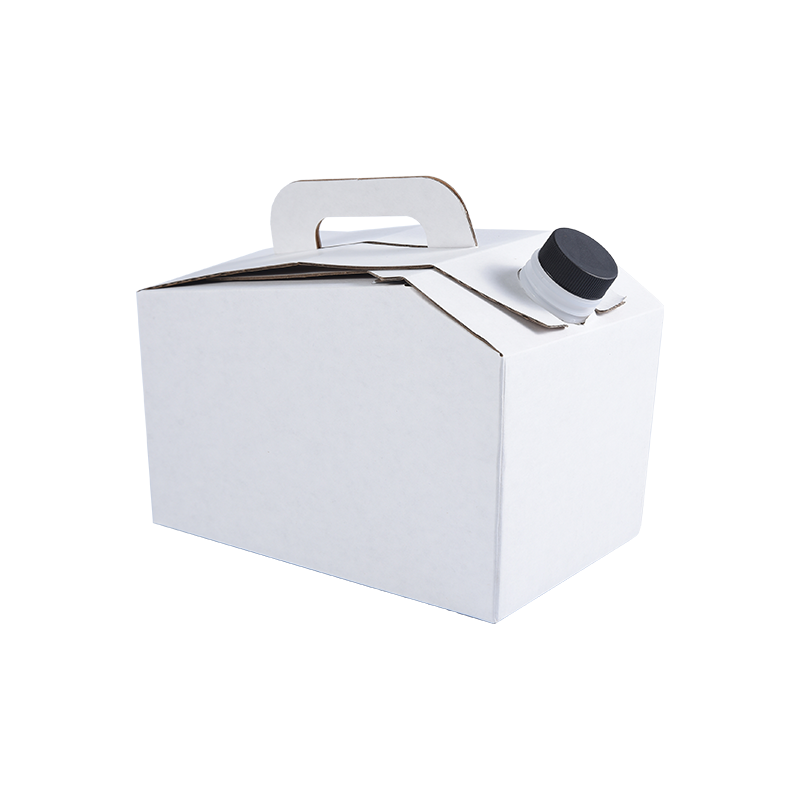 96oz Kraft Coffee/Drink to Go Container/Coffee Carrier Box
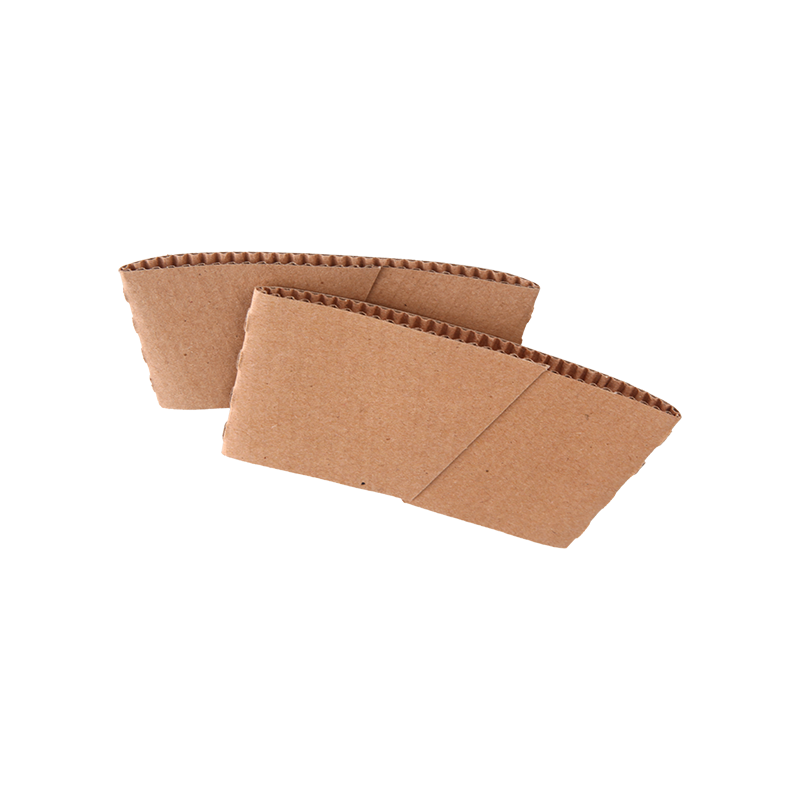 Recyclable Paper Cup Holder Sleeves
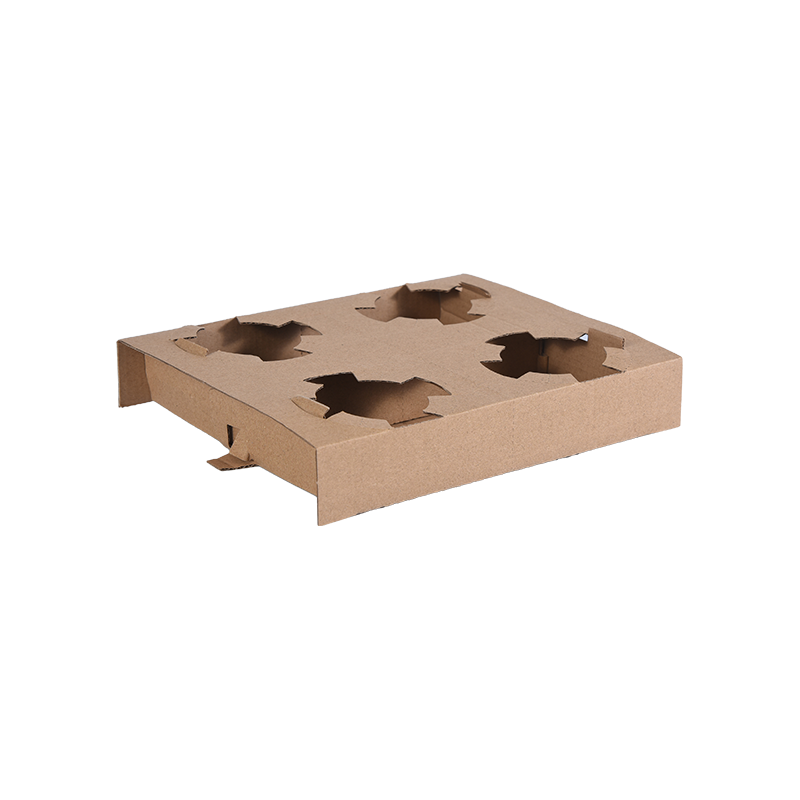 4 Cup Tray Holders for Hot & Cold Drinks – Foldable, Durable, and Cup Carrier for Takeaway, Festivals, Coffee Shops & Events
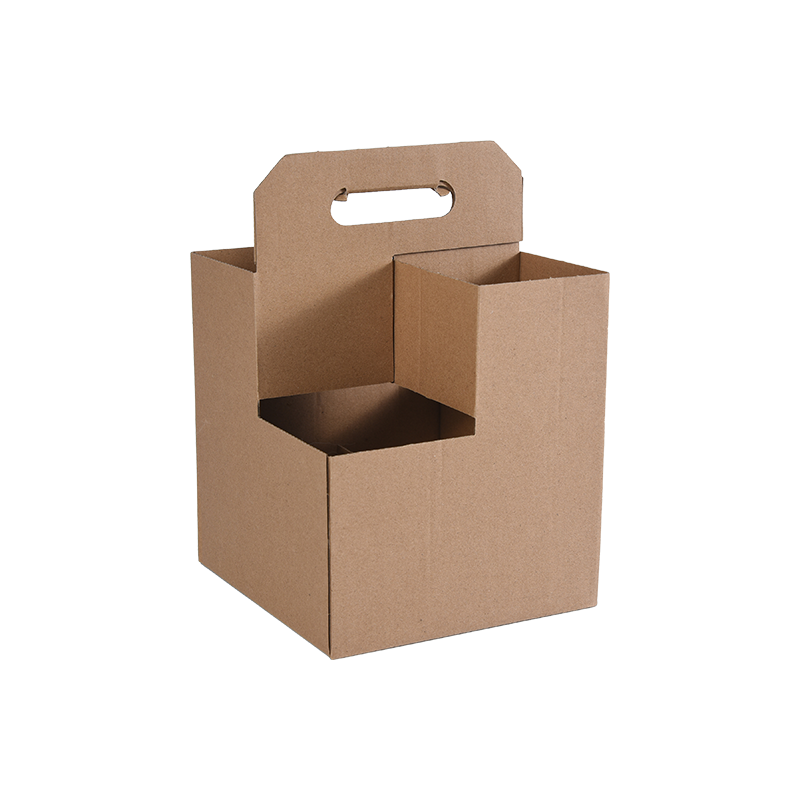 Kraft Cup Drink Carrier with Handles
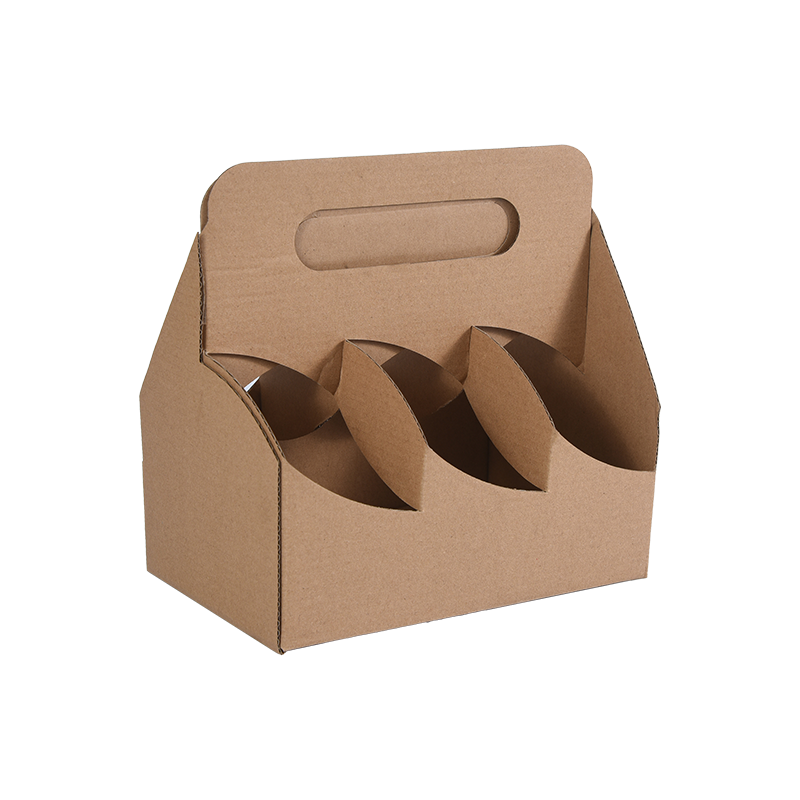 Kraft Beverage Carrier with Handles (6 to 8 Bottles or Cans)
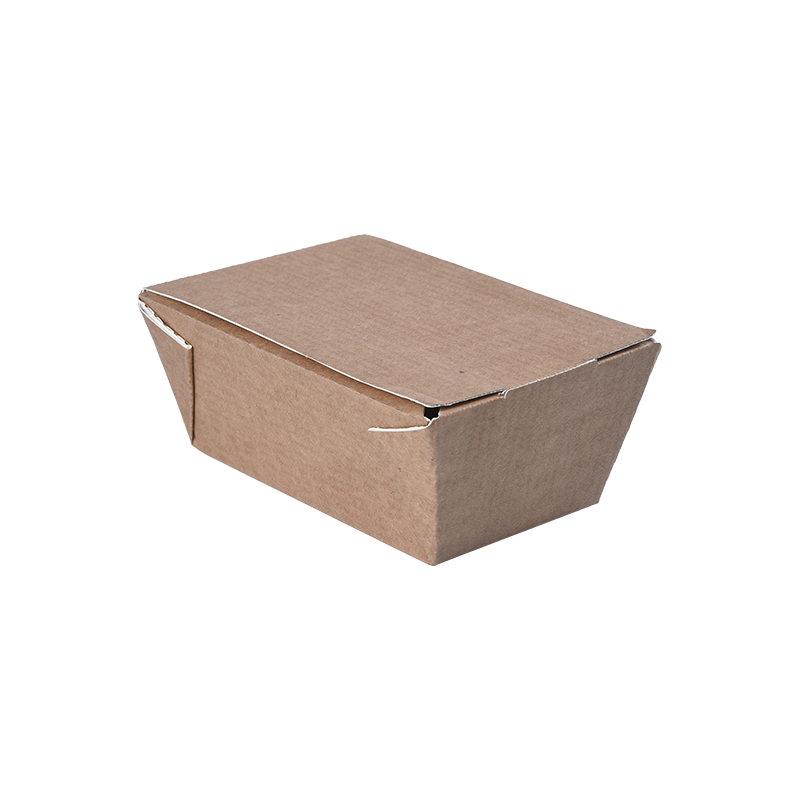 Corrugated Kraft Cardboard Lunch Boxes
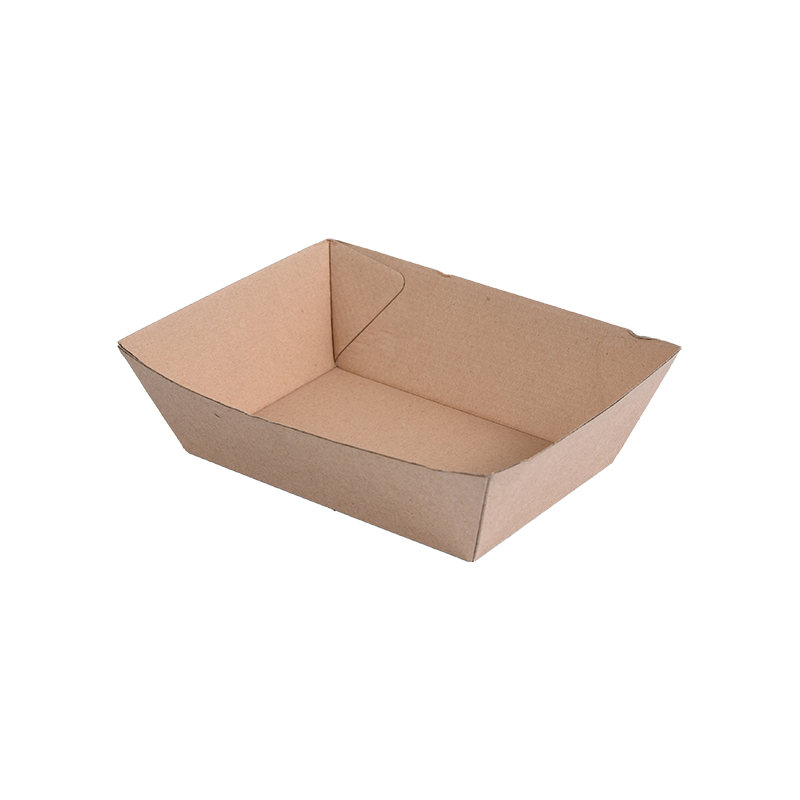 Disposable Rectangular Corrugated Paper Food Trays
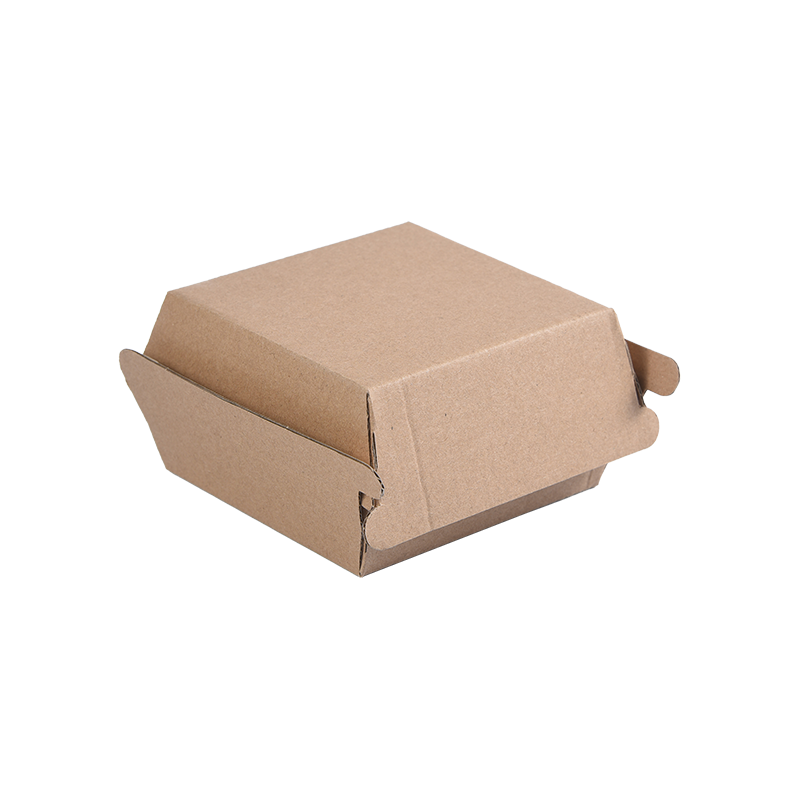 Restaurantware Corrugated Paper Burger Box

 Building 4, Leyin Industrial Park ,No. 330 Qianchun Avenue, Zhanqi Town, Yinzhou District, Ningbo, China
 +86-574-82813668
 Instagram
 Custom Disposable Paper Food Packaging Manufacturers