Paper fast food boxes are the dominant packaging format in the global quick-service restaurant (QSR) industry — and for good reason. The right paper fast food box keeps food hot, resists grease, maintains structural integrity during transport, and communicates your brand at the point of consumption. Whether you're sourcing for a burger concept, a fried chicken chain, or a street food operation, the material grade, coating type, box structure, and print specification all determine whether the packaging performs or fails. This guide covers everything a food service buyer or operator needs to know.
Why Paper Has Become the Default Material for Fast Food Boxes
Plastic and foam (EPS) once dominated fast food packaging, but regulatory pressure and consumer sentiment have driven a decisive shift toward paper. As of 2023, over 127 countries have enacted partial or full bans on single-use plastics, directly impacting food service packaging choices. The global paper-based food packaging market was valued at approximately $115 billion in 2023 and is projected to reach $165 billion by 2030 (Grand View Research), with fast food boxes representing one of its largest segments.
Beyond regulation, paper boxes offer practical operational advantages: they are stackable, printable, customizable, biodegradable (in appropriate grades), and sufficiently robust for the 15–45 minute service window that defines most fast food consumption. They also perform better than plastic in microwave and steam environments — relevant for foods like fries, wraps, and steamed buns.
Main Types of Paper Fast Food Boxes
Not all paper fast food boxes are the same structure. The box type should match the food's geometry, weight, moisture content, and how it will be handed to the customer.
Hinged-Lid Clamshell Boxes
The clamshell is the most recognizable fast food box format — a single-piece construction where the lid and base are connected by a fold-over hinge. It is the standard packaging for burgers, sandwiches, grilled items, and fried chicken portions. Clamshells are fast to assemble (one-handed snap-close in under two seconds), keep contents warm through trapped steam, and provide a flat printable surface on both lid and base. Standard sizes range from 4×4 inches (snack size) to 7×7 inches (double burger size).
Tuck-Top Erect Boxes
Tuck-top boxes — also called auto-bottom or crash-lock boxes — are pre-glued at the base so they pop open flat and lock closed at the top with interlocking flaps. They are common for nuggets, sides, and portions that need depth rather than horizontal space. The enclosed structure retains heat better than open trays and provides four full panels for branding.
Open-Top Trays and Boats
Shallow open trays (often called french fry boats or snack boats) hold fries, onion rings, hotdogs, and other finger foods. They prioritize ventilation over heat retention — excess moisture needs to escape from fried foods to prevent sogginess. Tray sizes are measured by fluid-ounce capacity, typically ranging from 3 oz to 32 oz. Many operators use a combination: a paper bag outer with a tray inner to catch grease.
Sleeve and Wrap Formats
Paper sleeves and wraps — technically flat-folded paper packaging rather than a box — are used for hot dogs, subs, burritos, and crepes. They rely on the food's own structure for rigidity. Grease-resistant kraft or PE-coated paper is essential for this format since the wrapper is in direct, sustained contact with oily or saucy fillings.
Multi-Compartment Meal Boxes
Increasingly popular in QSR and fast-casual concepts, meal boxes include internal dividers that keep a main item, side, and condiment separate within one container. These reduce the number of individual packaging items per transaction and simplify tray assembly. They require a heavier board grade (typically 350–450 gsm) to maintain structural integrity across the full compartment span.
Paper and Board Grades Used in Fast Food Boxes
The base material determines strength, printability, food safety, and recyclability. Understanding the difference between grades prevents under- or over-specifying.
| Board Grade |
Typical GSM |
Best Application |
Key Characteristic |
| SBS (Solid Bleached Sulfate) |
250–400 gsm |
Premium burger & chicken boxes |
Bright white, excellent print quality, FDA food-contact compliant |
| Kraft Paperboard |
200–350 gsm |
Eco-positioned boxes, wraps, trays |
Natural brown finish, high strength, recyclable, compostable |
| Recycled Paperboard (CUK/GC2) |
280–450 gsm |
Value-tier boxes, outer packaging |
Lower cost, good bulk, grey inner liner, lower print brightness |
| Grease-Resistant (MG Kraft) |
40–90 gsm |
Liners, wrappers, fry boats |
Machine-glazed surface resists oil penetration without coating |
| PE-Coated Board |
250–380 gsm |
Wet or saucy food boxes |
Superior moisture barrier; not compostable or easily recyclable |
| PLA-Coated Board |
250–380 gsm |
Eco-certified wet food boxes |
Plant-based coating; industrially compostable (EN 13432) |
Comparison of paper and board grades commonly used in fast food box manufacturing
Grease Resistance: The Most Critical Performance Property
Fast food is inherently greasy. A burger patty, fried chicken piece, or loaded fries can release 5–15 ml of liquid fat and moisture during the service window. If the box walls absorb this grease, the box loses structural integrity, the exterior becomes unsightly, and — in the worst case — grease penetrates to the customer's hands and clothing.
How Grease Resistance Is Measured
The industry standard test is the Kit Test (TAPPI T 559), which rates paper grease resistance on a scale of 1–12. Fast food boxes typically require a minimum kit rating of 4–6 for dry fried foods and 8–10 for sauced or wet applications. The test involves applying a series of increasingly aggressive castor oil / heptane / toluene mixtures to the paper surface and recording which concentration first penetrates.
How Grease Resistance Is Achieved
- Fluorochemical (PFAS) treatment: Historically the most effective grease barrier. However, PFAS (per- and polyfluoroalkyl substances) have been flagged as persistent environmental and health contaminants. The FDA phased out three major PFAS-based food contact substances in 2020, and many major QSR chains — including McDonald's, Whole Foods, and Chipotle — have committed to PFAS-free packaging by 2025.
- Fluorine-free grease barriers (FFGR): Water-based acrylic, starch-based, or wax dispersion coatings that achieve kit ratings of 6–10 without PFAS. These are the fast-growing replacement technology and now meet most QSR specifications.
- PE or PLA lamination: A thin polymer layer on the food-contact surface creates a complete grease barrier. Highest performance (kit 12 equivalent) but impacts recyclability and compostability.
- Mechanical glazing (MG papers): Machine-glazed surface creates a dense, smooth paper structure that is inherently more grease-resistant than standard kraft, without chemical additives.
Eco and Sustainability Standards for Paper Fast Food Boxes
Sustainability claims in food packaging are heavily scrutinized — both by regulators and consumers. 61% of global consumers say they actively consider packaging sustainability when choosing where to eat (Ipsos, 2023). Here are the certifications and standards that matter.
- FSC (Forest Stewardship Council) certification: Confirms that the virgin fiber in the board originates from responsibly managed forests. This is the baseline sustainability credential for any paper food packaging and is required by most major QSR chains worldwide.
- EN 13432 / ASTM D6400 (industrial compostability): Certifies that the complete packaging — including any coatings or inks — will fully disintegrate within 12 weeks in an industrial composting environment. PLA-coated boards frequently carry this certification; PE-coated boards do not.
- OK Home Compost (TÜV Austria): A higher bar than industrial compostability — certifies breakdown in ambient home compost conditions (20–30°C). Very few food boxes achieve this due to the difficulty of home-composting coated boards.
- SFI (Sustainable Forestry Initiative): A North American equivalent to FSC, widely accepted by U.S. and Canadian QSR brands.
- Recycled content claims: Boards with 30–100% post-consumer recycled (PCR) content reduce virgin fiber demand. Verify food safety compliance — recycled board must meet FDA 21 CFR or EU Regulation 1935/2004 for food contact.
Printing and Branding on Paper Fast Food Boxes
For QSR operators, the fast food box is one of the highest-impression brand touchpoints — it is held by the customer for the entire meal duration. Print quality, color accuracy, and finish directly affect brand perception.
Print Processes for Fast Food Boxes
- Offset lithography: The gold standard for high-volume, high-quality box printing. Achieves photographic image quality with tight color registration. Minimum run sizes typically 50,000–100,000 units make it unsuitable for small operators.
- Flexographic printing: The most common process for fast food packaging at scale. Faster and cheaper than offset for simple designs. Slightly lower resolution but entirely adequate for logo and brand color printing. Minimum runs from 10,000–25,000 units.
- Digital printing: Enables short runs of 500–5,000 units with variable data (e.g., limited edition designs, regional messaging). Higher per-unit cost but no plate setup fees — increasingly popular for seasonal campaigns and franchise customization.
Food-Safe Inks
All inks on food contact surfaces must comply with relevant food safety regulations. In the U.S., inks must meet FDA 21 CFR indirect food additive requirements. In the EU, compliance with the Swiss Ordinance on Materials in Contact with Food (SR 817.023.21) is the de facto industry benchmark. Water-based and UV-cured inks have largely replaced solvent-based inks in food packaging printing due to lower migration risk and VOC emissions.
Sourcing Paper Fast Food Boxes: Key Buying Considerations
Whether you're a single-location operator or a multi-unit QSR chain, the sourcing decision involves several variables beyond price per unit.
Minimum Order Quantities and Lead Times
Standard custom-printed fast food boxes from Chinese manufacturers — the dominant global supply source — typically require minimum orders of 5,000–50,000 units depending on box complexity, with production lead times of 15–30 days plus shipping. European and North American suppliers offer shorter lead times (7–15 days for stock items) and lower MOQs (500–2,000 units) at higher per-unit cost. For operators with unpredictable volume, sourcing a mix of branded custom boxes for core items and generic stock boxes for seasonal or low-volume items is a practical cost management strategy.
Stock vs. Custom Boxes
- Stock (plain or generic printed) boxes: Available from packaging distributors with no MOQ or short lead time. Suitable for startups, food trucks, ghost kitchens, and operators testing new menu items. Typically white or natural kraft finish.
- Custom printed boxes: Full branding, specific colors, and messaging. Essential for any QSR building brand recognition. Requires artwork files (vector PDF or AI format), proof approval, and higher upfront commitment.
- Semi-custom (label application): A middle-ground approach — stock boxes with a branded label applied. Faster and cheaper than full custom printing but with visible compromise in presentation.
Certifications to Request from Suppliers
- Food contact compliance certificate (FDA, EU 1935/2004, or equivalent)
- FSC or SFI chain-of-custody certificate for the board
- Grease resistance test report (Kit Test rating for your specific food application)
- PFAS-free declaration (increasingly required by major retail and QSR customers)
- Compostability or recyclability certification if making sustainability claims
- Third-party factory audit (BRCGS, ISO 22000, or equivalent for food safety manufacturing)
Common Problems With Paper Fast Food Boxes and How to Avoid Them
- Sogginess and structural collapse: Caused by insufficient grease resistance or moisture barrier for the food type. Solution: specify the correct kit rating and moisture vapor transmission rate (MVTR) for your specific product. A burger box and a steamed bao bun box need different barrier specifications.
- Box warping during storage: Paper packaging is hygroscopic — it absorbs ambient moisture, causing warping and flat-pack sheets refusing to erect properly. Solution: store flat-packed boxes in climate-controlled conditions below 65% relative humidity, and rotate stock using FIFO (first in, first out).
- Ink migration smell affecting food flavor: A documented issue with certain UV offset inks. Solution: require ink migration test results from your supplier (EN 1186 or equivalent), and ensure printed surfaces are the exterior only — food-contact interior surfaces should be unprinted or use only certified food-contact inks.
- Lid not staying closed during delivery: Clamshell boxes without friction-lock features pop open in delivery bags. Solution: specify boxes with dual-tab or positive-lock closures, or use a sticker seal for delivery orders.
- Misleading eco claims: PE-coated boxes marketed as "paper packaging" are neither recyclable in most curbside programs nor compostable. Solution: verify the actual coating material and request third-party certification before making any sustainability claim to customers.


 English
 Español
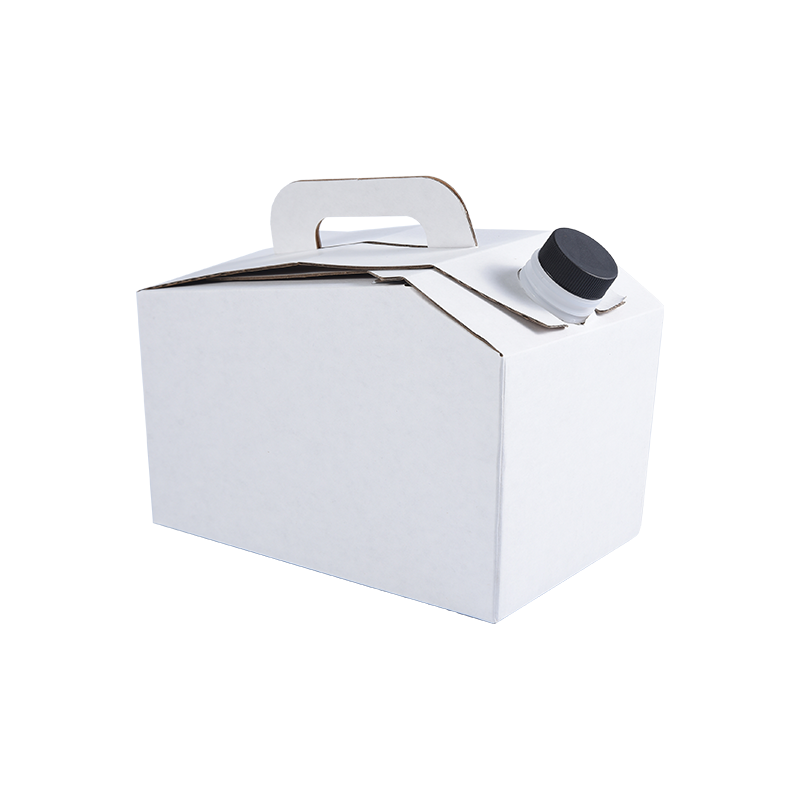 96oz Kraft Coffee/Drink to Go Container/Coffee Carrier Box
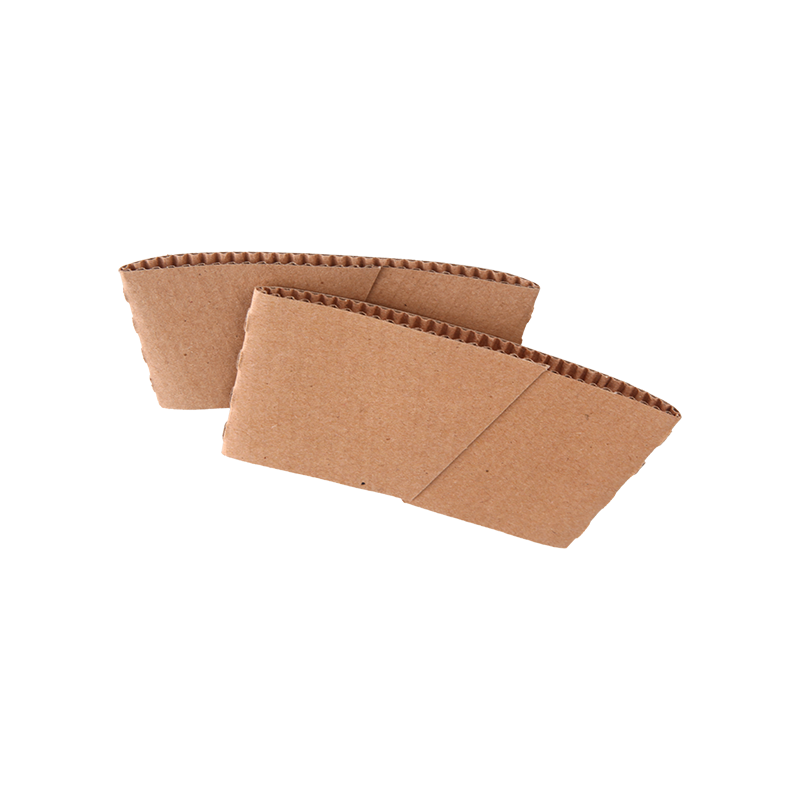 Recyclable Paper Cup Holder Sleeves
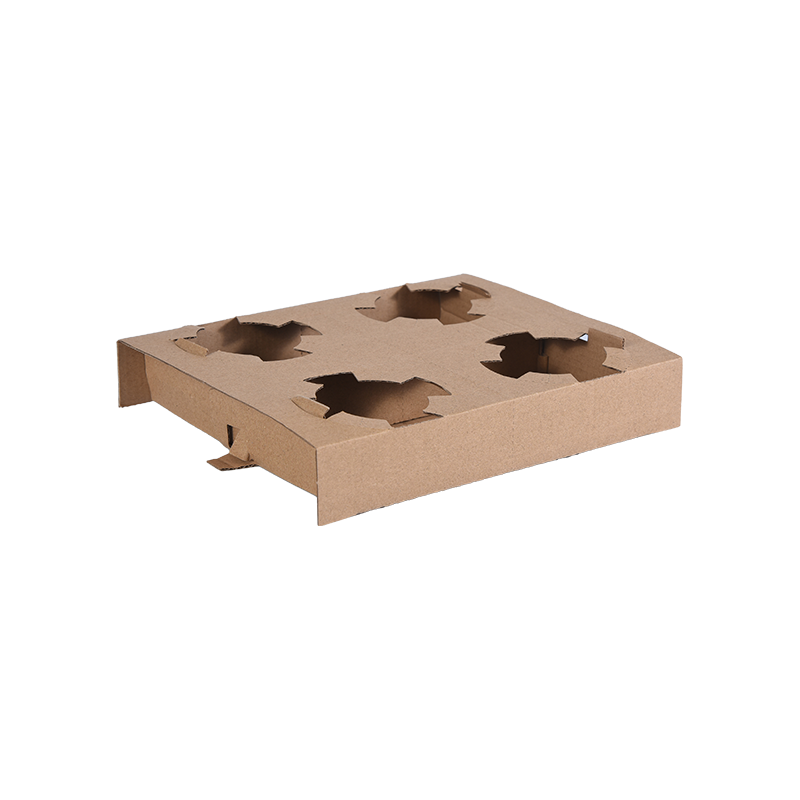 4 Cup Tray Holders for Hot & Cold Drinks – Foldable, Durable, and Cup Carrier for Takeaway, Festivals, Coffee Shops & Events
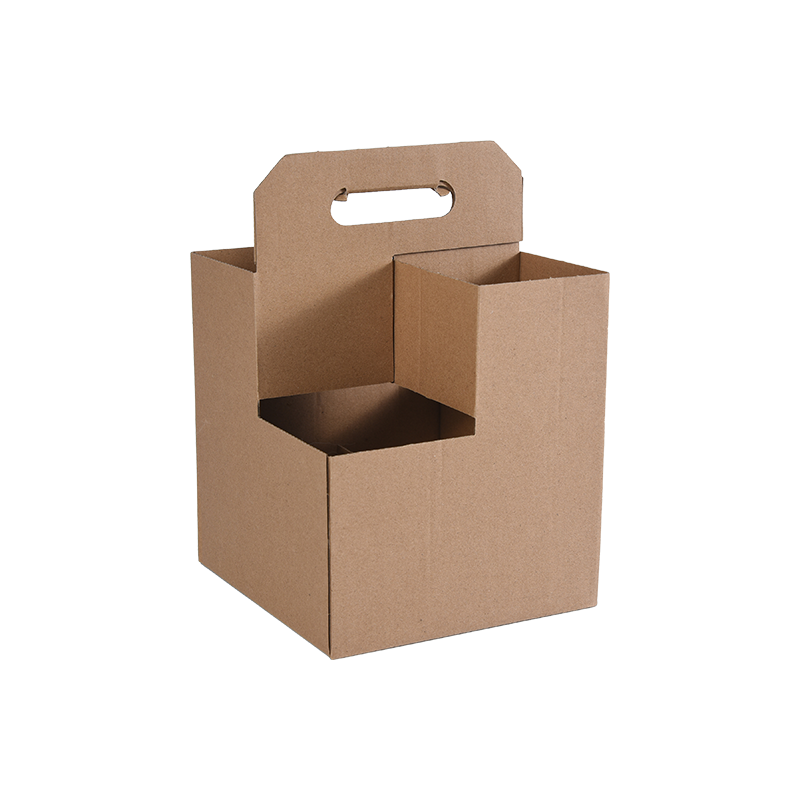 Kraft Cup Drink Carrier with Handles
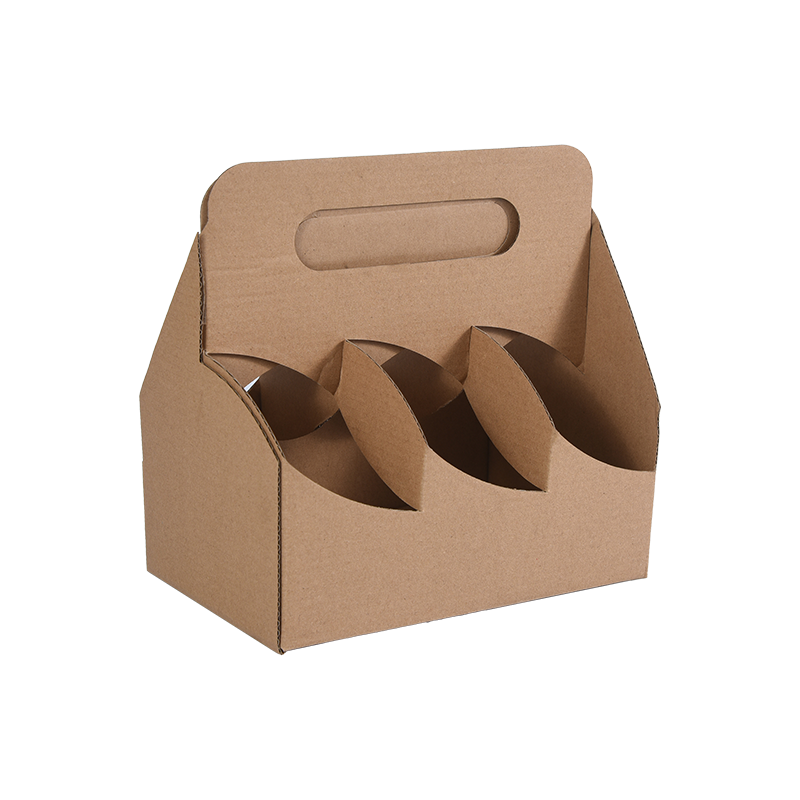 Kraft Beverage Carrier with Handles (6 to 8 Bottles or Cans)
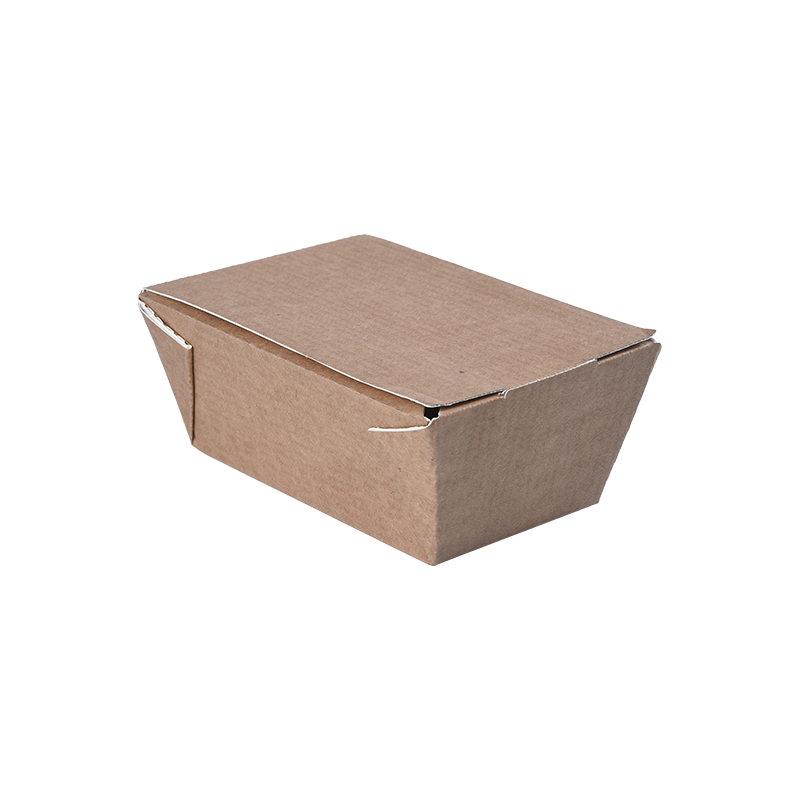 Corrugated Kraft Cardboard Lunch Boxes
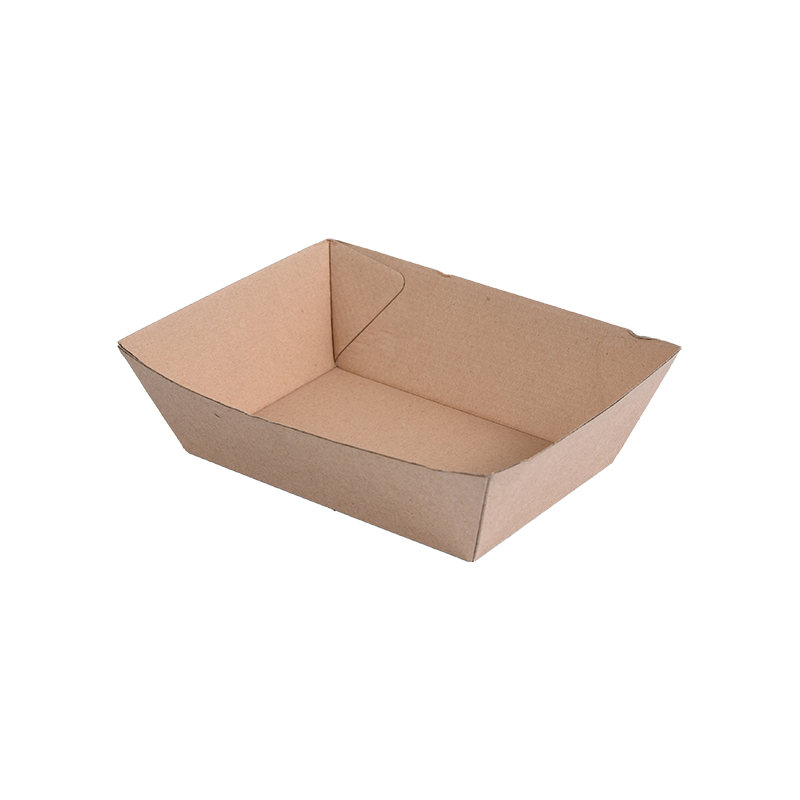 Disposable Rectangular Corrugated Paper Food Trays
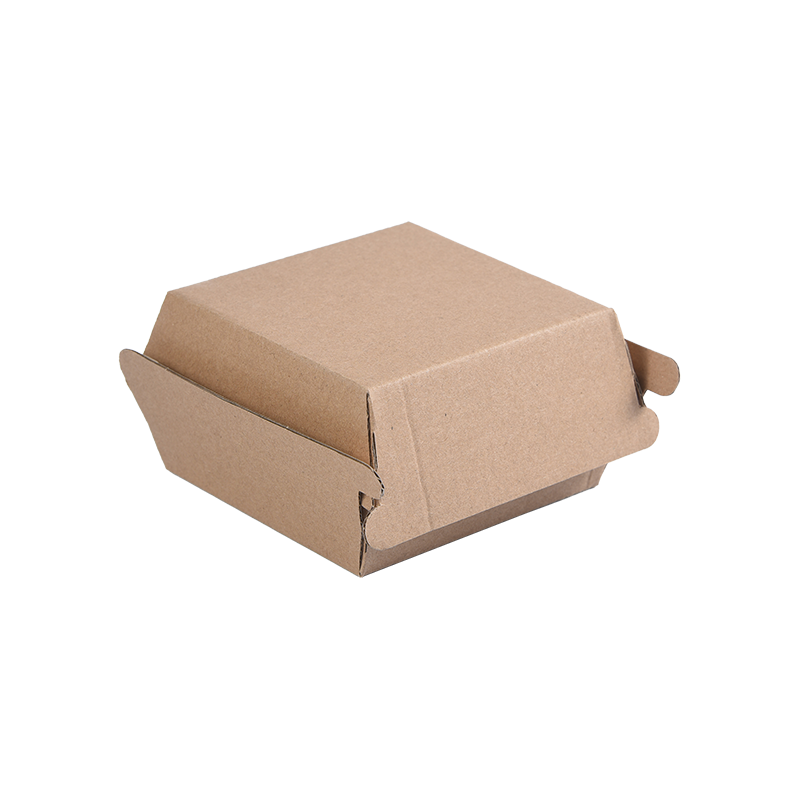 Restaurantware Corrugated Paper Burger Box
 Building 4, Leyin Industrial Park ,No. 330 Qianchun Avenue, Zhanqi Town, Yinzhou District, Ningbo, China
 +86-574-82813668
 Instagram
 Custom Disposable Paper Food Packaging Manufacturers