


 English
 Español
-
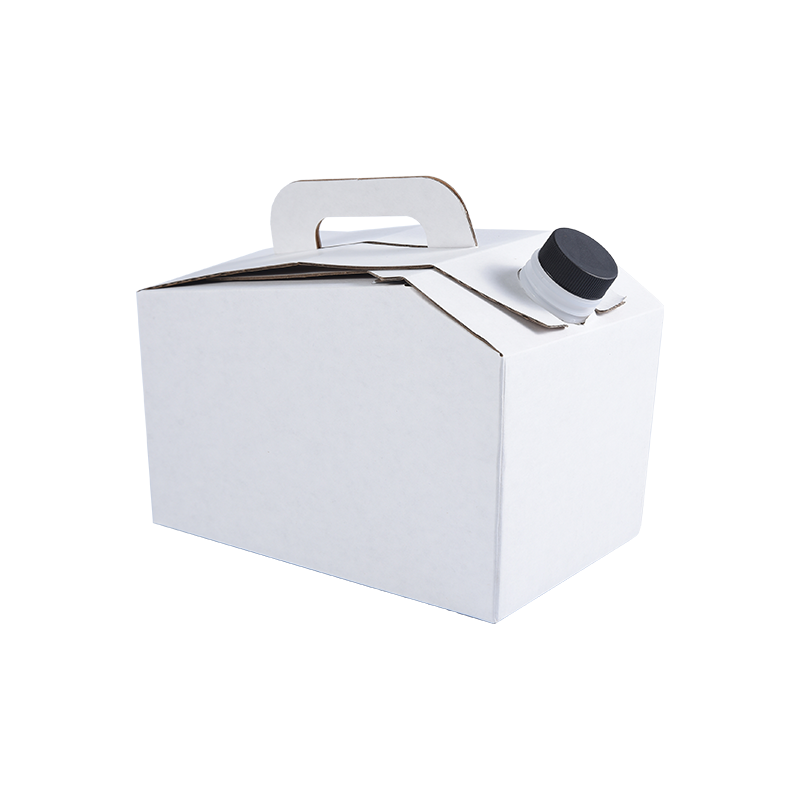 96oz Kraft Coffee/Drink to Go Container/Coffee Carrier Box
-
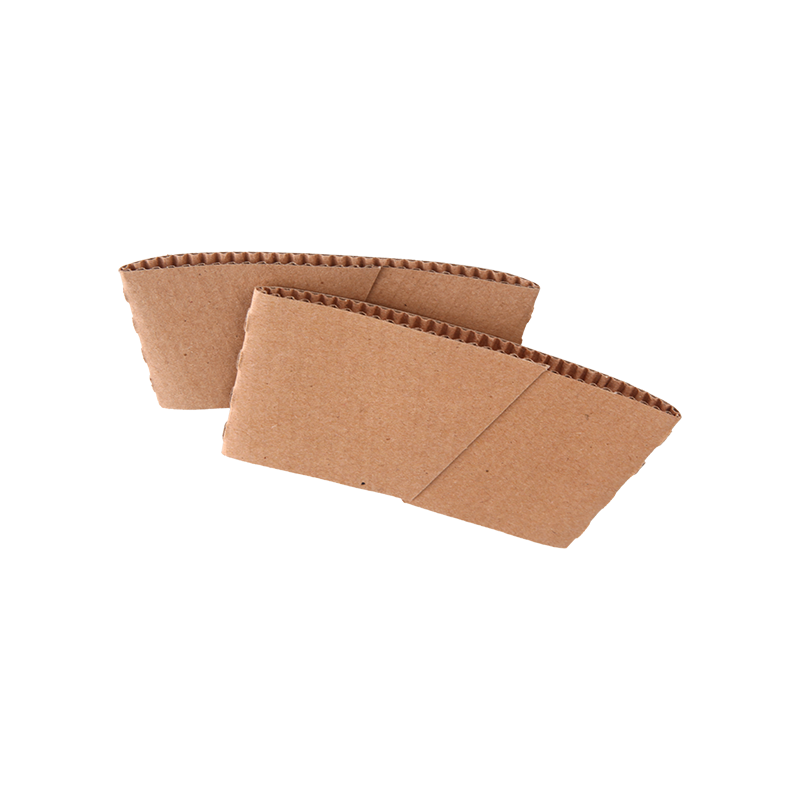 Recyclable Paper Cup Holder Sleeves
-
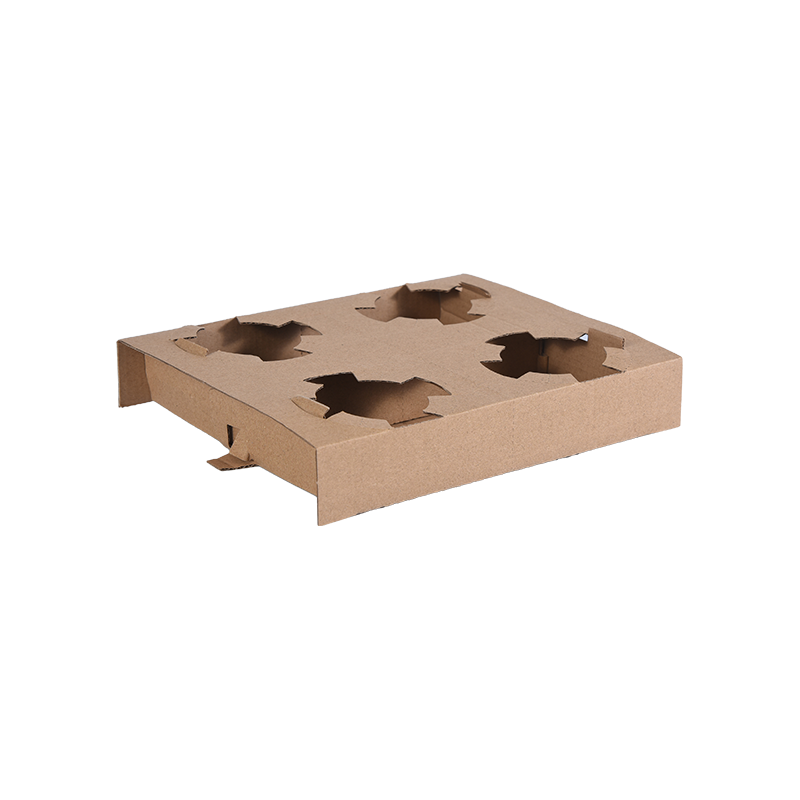 4 Cup Tray Holders for Hot & Cold Drinks – Foldable, Durable, and Cup Carrier for Takeaway, Festivals, Coffee Shops & Events
-
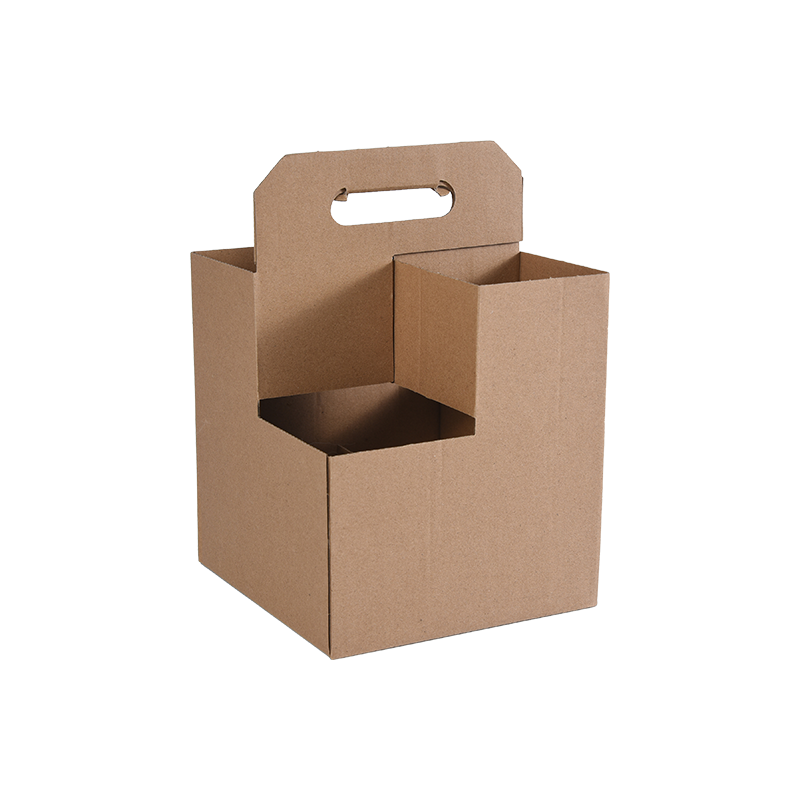 Kraft Cup Drink Carrier with Handles
-
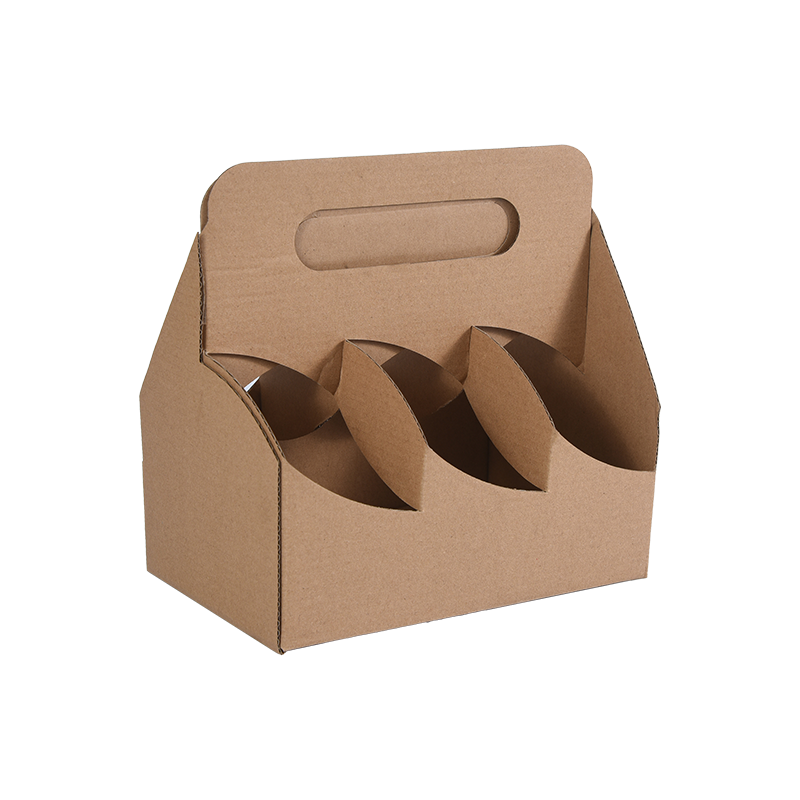 Kraft Beverage Carrier with Handles (6 to 8 Bottles or Cans)
-
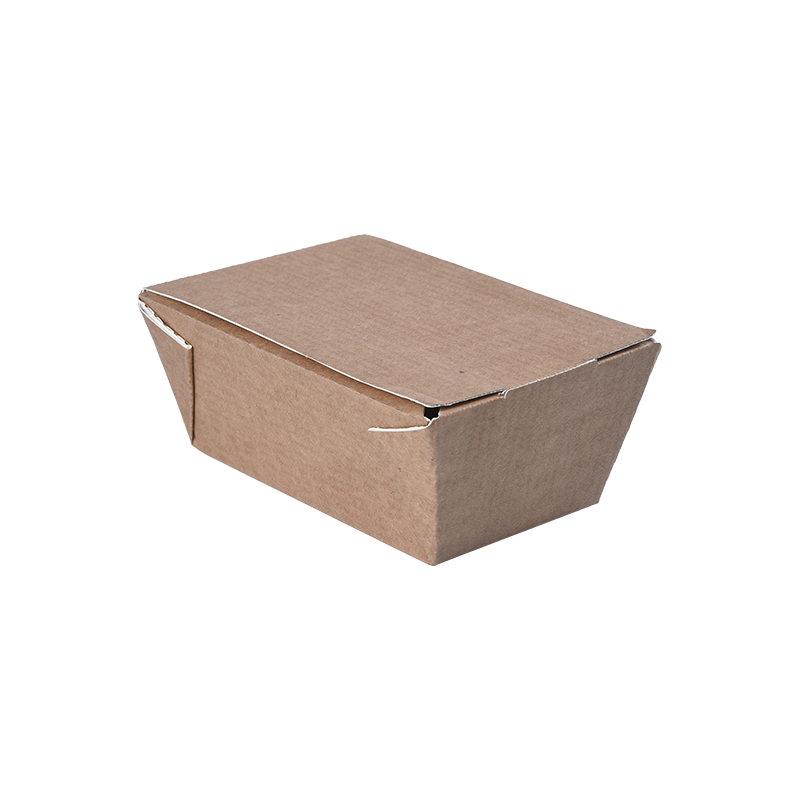 Corrugated Kraft Cardboard Lunch Boxes
-
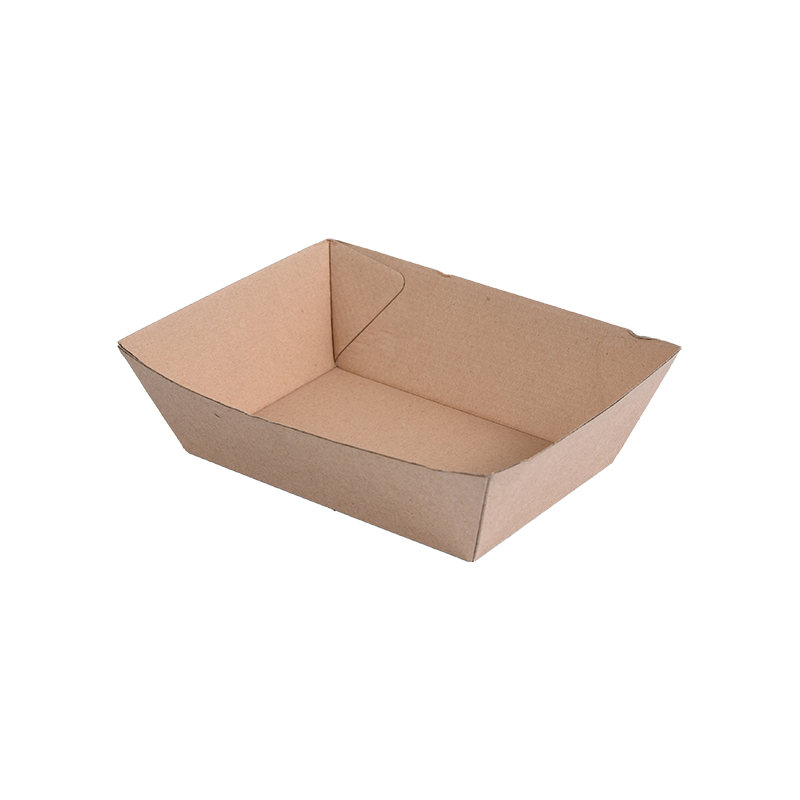 Disposable Rectangular Corrugated Paper Food Trays
-
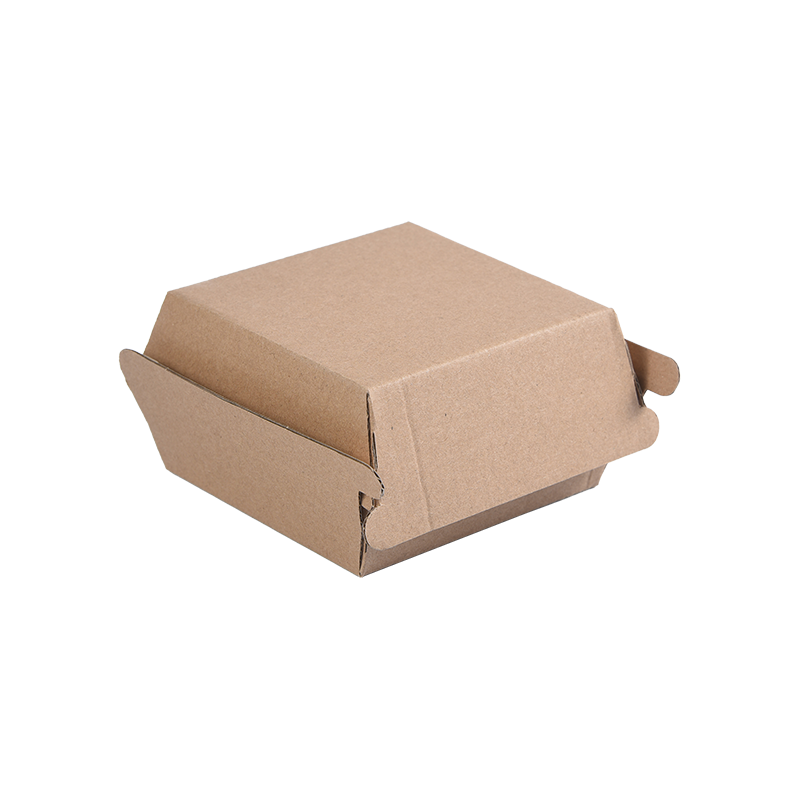 Restaurantware Corrugated Paper Burger Box
How to Pack Food for Takeaway: Essential Paper Container Tips for Restaurants
When a customer orders takeaway, they are not just buying a meal; they are buying the convenience of eating it somewhere else in good condition. The way you pack food for takeaway affects how it arrives, how it looks, and whether that customer orders again. In our years as a paper food packaging manufacturer, we have seen restaurants win loyal fans with simple packing habits, and we have also seen careless packing ruin a kitchen’s reputation. This guide walks you through the essentials of packing takeaway food with paper-based containers so every order leaves your door fresh, secure, and ready to impress.
Start with the Right Container
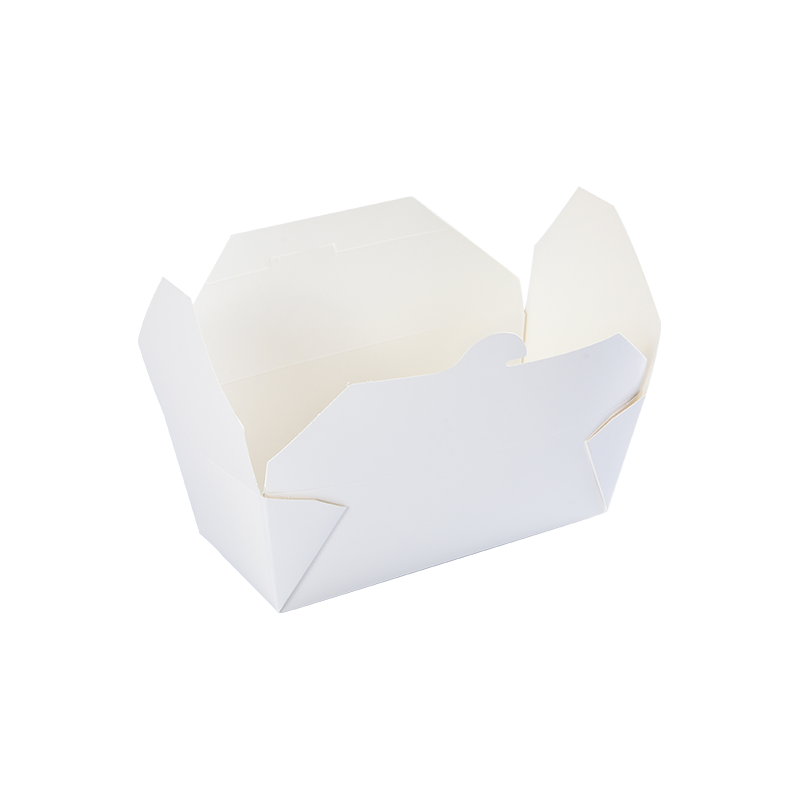 Kraft Paper Take-out Box for Takeaway MealsThis sturdy, grease-resistant kraft paper box suits burgers, fried foods, and quick-service items. Its secure tab lock and leak-resistant paperboard keep portions intact, making it a reliable everyday takeout choice.View Product →
Kraft paper takeout boxes are a versatile starting point for everyday orders, but the right container always depends on the dish. A crispy fried chicken fillet cannot sit in a pool of sauce, while a saucy noodle dish needs a container that will not leak. The simplest way to pack food for takeaway is to match the container to the food. If you serve standard mains, choose sturdy takeout box container types that can hold portion sizes without bulging. Grease-resistant kraft paper boxes work well for burgers, fried foods, and other quick-service items, while corrugated boxes add extra protection for heavier orders.
Before you settle on a container, check the lid. A good lid should click into place without pressing down on the food. Portion size also matters: a box that is too large makes an order look small, while a box that is too small makes the lid bulge and invites leaks. Test a few sizes with your actual menu items so the container matches the meal.
| Food type | Recommended container | Packing note |
|---|---|---|
| Burgers and sandwiches | Paper burger box or corrugated burger box | Wrap sandwich first, then place in box |
| Fried chicken and fries | Paper fast food box or chip cone | Keep upright; do not overload |
| Noodles and saucy dishes | Leak-proof paper food tray or noodle pail | Use coated paperboard to resist grease |
| Soups and stews | Double-polycoated paper bowl | Fill to three-quarters, close lid fully |
| Salads and fresh wraps | Paper salad box or sandwich box | Keep dressing in a separate cup |
| Bakery items | Cake box or pie box with window | Place on a flat surface to avoid crushing |
Prevent Moisture and Leaks
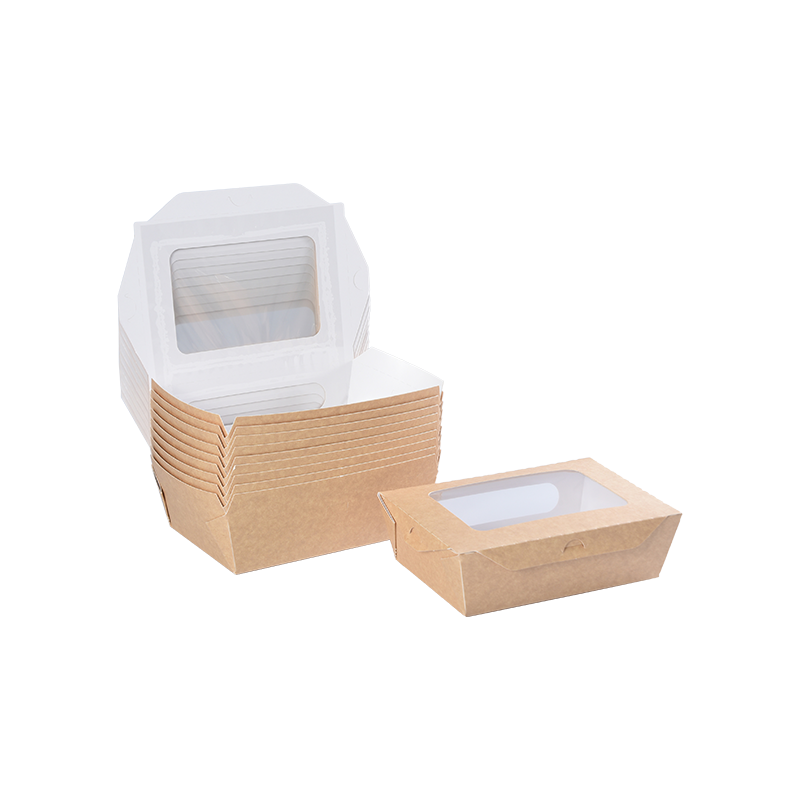 Double Poly-Coated Paperboard Takeaway Soup BowlMade with a double poly coating, this bowl holds soups, stews, and saucy dishes without leaking. Its tightly rolled rim fits a separate lid, and the white exterior allows easy labeling.View Product →
These bowls are especially useful when a customer orders soup, curry, or any other liquid-heavy dish. Grease, moisture, and sauces are the main reasons takeaway food arrives in a mess. When packing saucy entrees, use paper containers with a poly or PLA coating. This thin barrier prevents oil and liquid from soaking through to the outer surface, so the box stays strong and the outside of the bag stays clean.
For broth-based meals, a double-polycoated paper bowl offers extra leak resistance. Do not fill liquid or soup too close to the rim. Leave a small gap so the lid can be pressed down firmly without overflow. After closing the lid, give the container a gentle tilt test to confirm that no liquid escapes. This one habit will save more spilled meals than almost any other packing tip. For noodles with thick sauce, use a leak-proof food tray and double-check that the corners are not creased, since creases can create channels for liquid.
Keep Components Separate
Some takeaway orders are made up of parts that do not belong together. A salad dressing packet should not soak the leaves, and a wet coleslaw should not sit on a warm burger. To pack food for takeaway with better quality, separate ingredients by using compartment boxes, paper liners, or small sauce cups. For lunch bowls and bento-style meals, a two-compartment kraft box can keep rice and main dishes apart. For burgers, wrap the patty and bun separately in parchment paper if possible before placing them in the box. For salads, place the dressing in a small sealed cup and tuck it beside the box instead of pouring it in. If you serve dry items such as spring rolls, put them in a separate paper sleeve or wrap to stop them from absorbing condensation from the main dish. This kind of attention makes the meal feel professionally prepared and encourages repeat orders.
Preserve Temperature
Heat fades quickly in takeaway orders, especially when food is placed in thin, open containers. Use containers with enough stiffness to hold shape and slow down heat loss. Corrugated paper boxes are especially useful for pizza, burgers, and hot sandwiches because the fluted layer adds insulation. When you pack hot food, work quickly and close the lid as soon as possible. Every second the lid is open, heat escapes and the container loses rigidity.
If you need to send a cold salad or dessert in the same bag as a hot meal, keep them on opposite sides of the bag. Do not put a hot container directly on top of a cold one. Place a folded paper napkin or a piece of kraft cardboard between them as a simple divider. This slows heat transfer and keeps the cold item crisp. For large orders, consider grouping hot bags separately from cold bags so each group is delivered at the right temperature.
Pack Drinks Securely
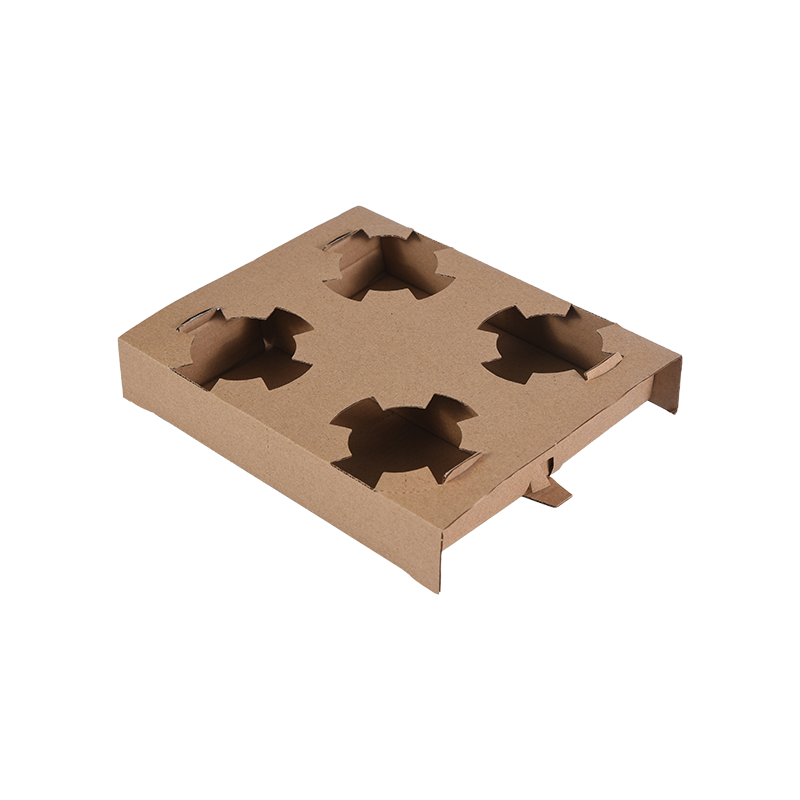 Foldable 4-Cup Tray Holder for Hot and Cold DrinksThis stackable carrier securely holds up to four cups of 8–32 oz sizes, keeping beverages upright during transport. Its sturdy design is ideal for coffee shops, festivals, and large takeout orders.View Product →
With a tray holder in the bag, even a four-cup coffee order reaches the customer upright. Beverages are the easiest part of a takeaway order to damage. Cups slide, lids pop open, and hot coffee can burn a customer before the meal even begins. A sturdy paper cup carrier keeps multiple cups stable and makes them easier to carry. For a single drink order, a paper cup sleeve adds insulation and protects hands.
When placing cups in a paper bag, always use a carrier so the cups do not knock against each other. Put the carrier in the bag first, then arrange the rest of the food around it. Never place hot drinks on top of food containers, because pressure from above can force the lid open. If your restaurant offers both hot and cold drinks, use different carrier sizes for hot and cold cups so the lids stay secure.
Build the Bag With Care
An efficient packing station follows a simple rule: heavy and sturdy items go at the bottom, lighter and softer items go on top. Pack the heaviest paper bowls and boxes first, then place wrapped sandwiches and bakery boxes above them. If you have drinks, place them in a cup carrier and set the carrier at one side of the bag. Use paper bags that are wide enough to close without stretching. If the order is large, use two bags instead of one.
Create a routine that your staff can follow. Keep containers, lids, sauce cups, and napkins within arm’s reach. Train everyone to check the lid closure, wipe any sauce on the outside of the container, and add cutlery before sealing the bag. A short packing checklist posted near the takeaway station can prevent mistakes during a busy dinner rush. Make one staff member responsible for checking each online order before dispatch, especially during peak hours.
Plan for Different Takeaway Channels
Takeaway orders do not all travel the same way. A customer picking up at the counter may hold the bag for only a few minutes, while a delivery driver may carry it across town. For deliveries, choose containers with secure lids and slightly thicker walls so they can withstand vibration in the car. Use cup carriers for any drink order with more than one cup, and avoid putting bagged drinks on the floor of the vehicle. For curbside pickup, keep the order in a stable bag that can be handed through a window without spilling.
If you use a third-party delivery platform, make sure the container can survive being placed in an insulated courier bag alongside other orders. Paper boxes with tamper-evident clear openings are useful for delivery because they allow drivers to see the food without opening the lid. No matter the channel, a consistent packing system protects your food quality and reduces customer complaints.
Common Packing Mistakes to Avoid
Even with good containers, a few bad habits can ruin a takeaway order. Watch out for these common issues:
- Overfilling containers, which causes lids to pop open and sauces to spill.
- Using uncoated paper for oily or wet food, which leads to soggy boxes.
- Placing hot items directly against cold items without a divider, which makes everything lukewarm.
- Ignoring lid closure; pressing the lid fully around the edge is more secure than just pushing the center.
- Putting drinks on top of food, which can crush containers and loosen cups.
- Forgetting to include cutlery, napkins, or dipping sauces, which creates a negative experience no matter how good the food looks.
Make It Part of Your Brand
Takeaway packaging is not only a utility; it is also a touchpoint with your customers. When the packaging is thoughtfully chosen and looks good, customers notice. Paper-based containers made from recyclable materials send a message that your restaurant cares about waste reduction. This is especially true for coffee shops, bakeries, and delivery-focused restaurants that serve a younger generation of eco-conscious customers.
If you are thinking about upgrading your packaging, start by looking at our full range of eco-friendly paper food packaging to see what fits your operation. Even small choices, such as printed paper cup sleeves or a branded cake box, can help your restaurant stand out. Custom printing on takeout boxes is also a low-cost way to advertise your business every time a customer carries your bag down the street.
Learning how to pack food for takeaway starts with the right containers and ends with consistent packing habits. Choose paper packaging that matches the dish, keep moisture and heat under control, separate components that should not touch, and secure drinks properly. By paying attention to these details, you can give every takeaway customer the same quality experience they would expect from dining in.
-
How to Pack Food for Takeaway: Essential Paper Container Tips for Restaurants
When a customer orders takeaway, they are not just buying a meal; they are buying the convenience o...
-
How Do You Calculate Package Size? A Practical Guide for Food Businesses
Ask anyone who has packed a few hundred takeaway orders in a single evening and they will tell you:...
-
How Big Is a Large Pizza Box? Standard Dimensions & Sizing Guide for Pizzeria Owners
A large pizza box is typically 16 inches by 16 inches or 18 inches by 18 inches, but the exact size...
-
How to Measure the Length, Width and Height of a Box: A Practical Guide
A shipping clerk once asked me to confirm the size of a takeout box before ordering 5,000 units. Th...
-
How Does Die Cutting Work? Inside the Pressure Process That Shapes Paper Packaging
A kraft cup carrier holds four drinks steady because a shaped blade punched its openings through th...
-
Kraft Coffee Carrier Box Manufacturer | Custom Eco-Friendly Cup Carriers
Imagine a busy coffee counter at 8:15 a.m. A customer orders four large drinks, two with oat milk, ...
 Building 4, Leyin Industrial Park ,No. 330 Qianchun Avenue, Zhanqi Town, Yinzhou District, Ningbo, China
 +86-574-82813668
 Instagram
Copyright © Ningbo Shuohui New Material Technology Co., Ltd. Rights Reserved.
 Custom Disposable Paper Food Packaging Manufacturers