


 English
 Español
-
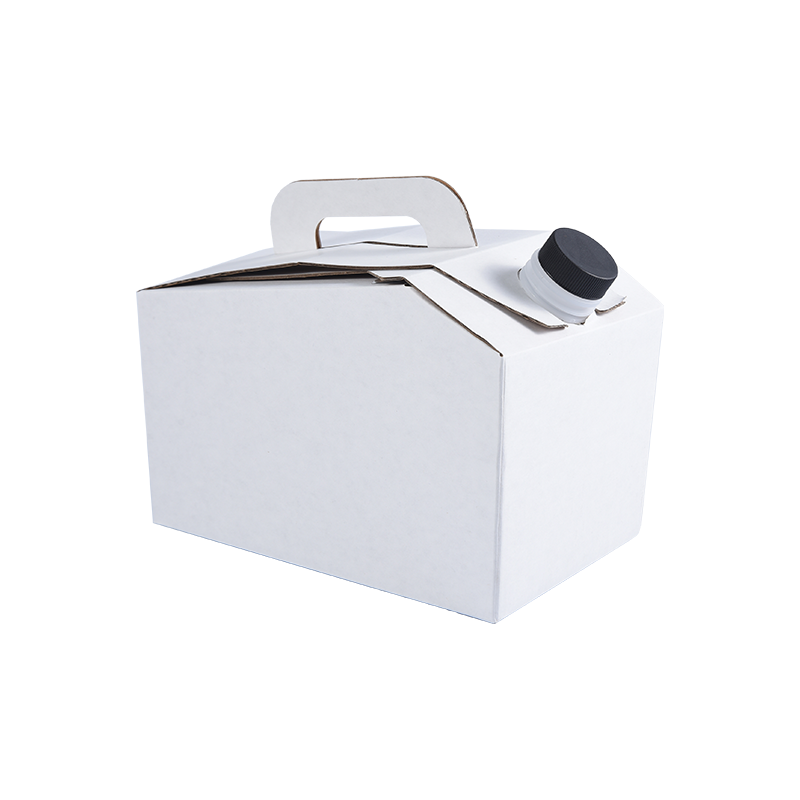 96oz Kraft Coffee/Drink to Go Container/Coffee Carrier Box
-
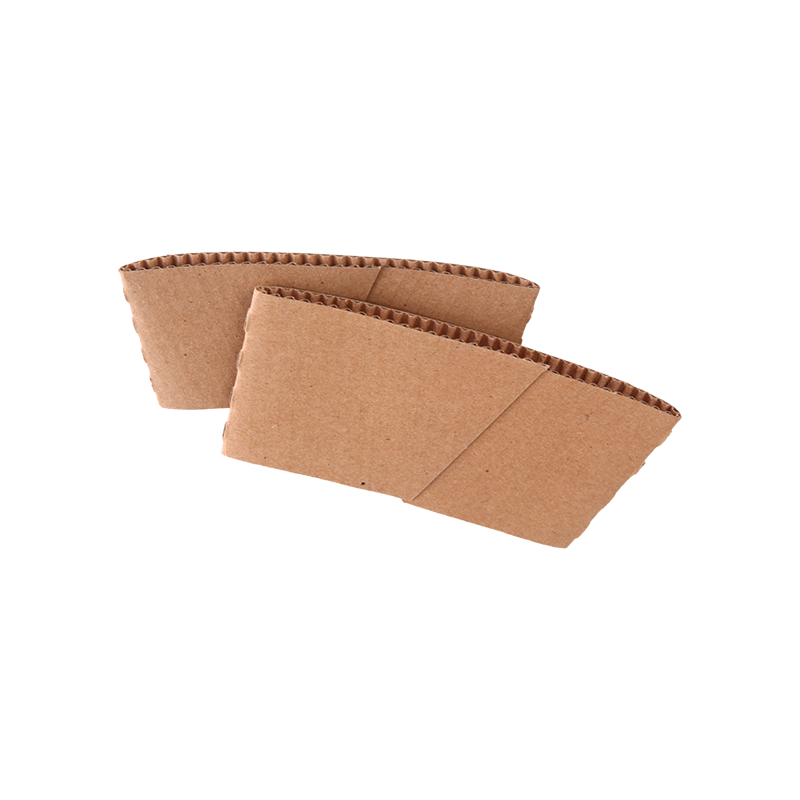 Recyclable Paper Cup Holder Sleeves
-
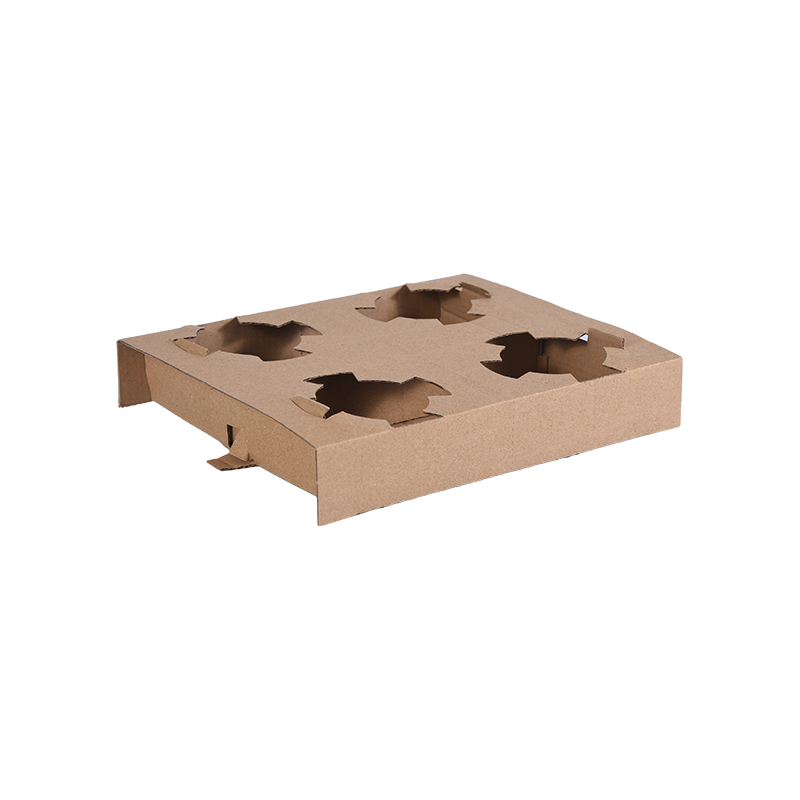 4 Cup Tray Holders for Hot & Cold Drinks – Foldable, Durable, and Cup Carrier for Takeaway, Festivals, Coffee Shops & Events
-
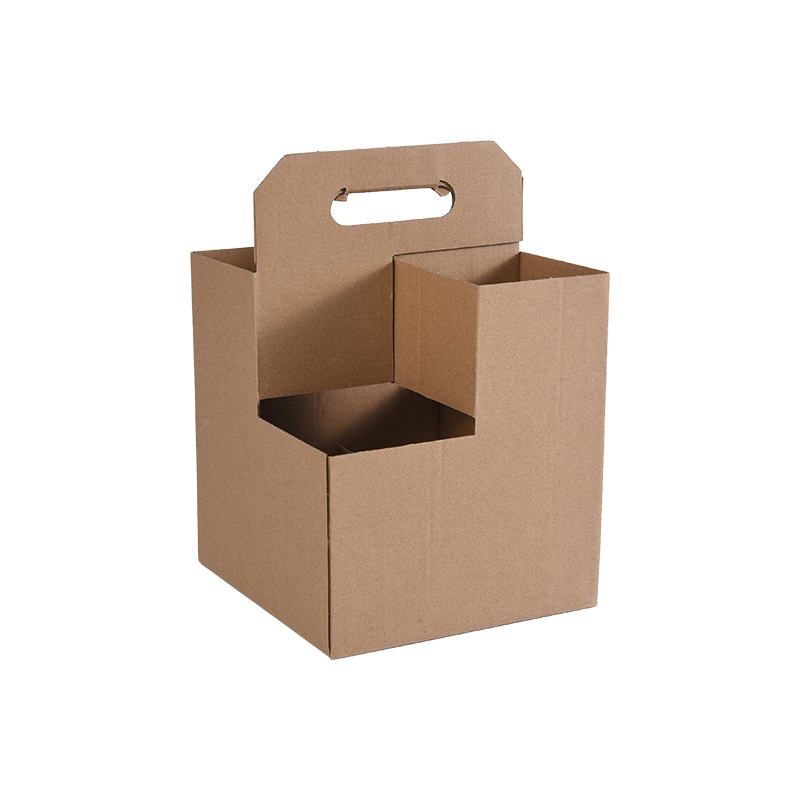 Kraft Cup Drink Carrier with Handles
-
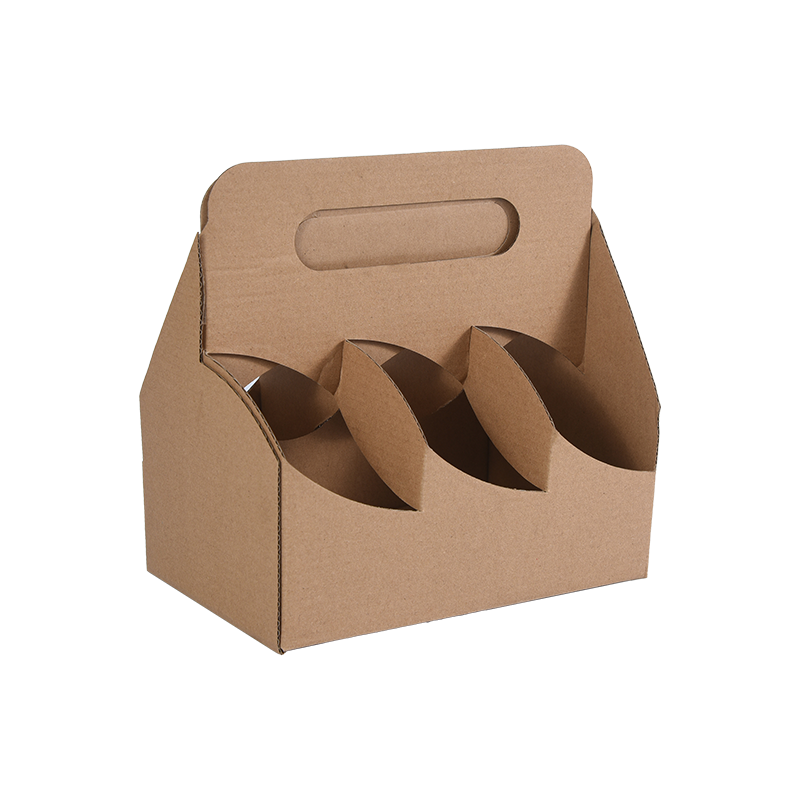 Kraft Beverage Carrier with Handles (6 to 8 Bottles or Cans)
-
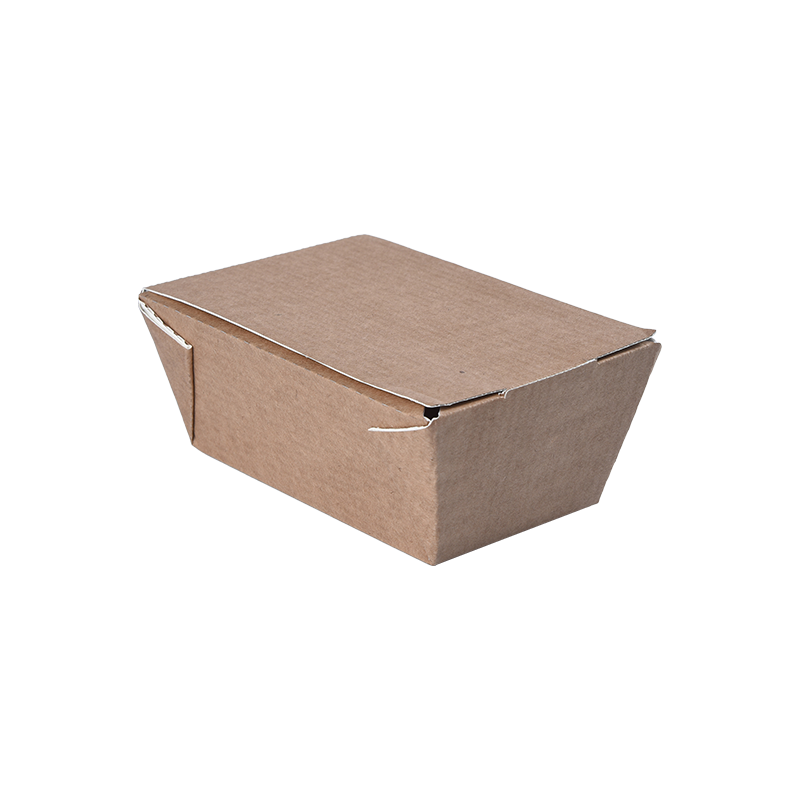 Corrugated Kraft Cardboard Lunch Boxes
-
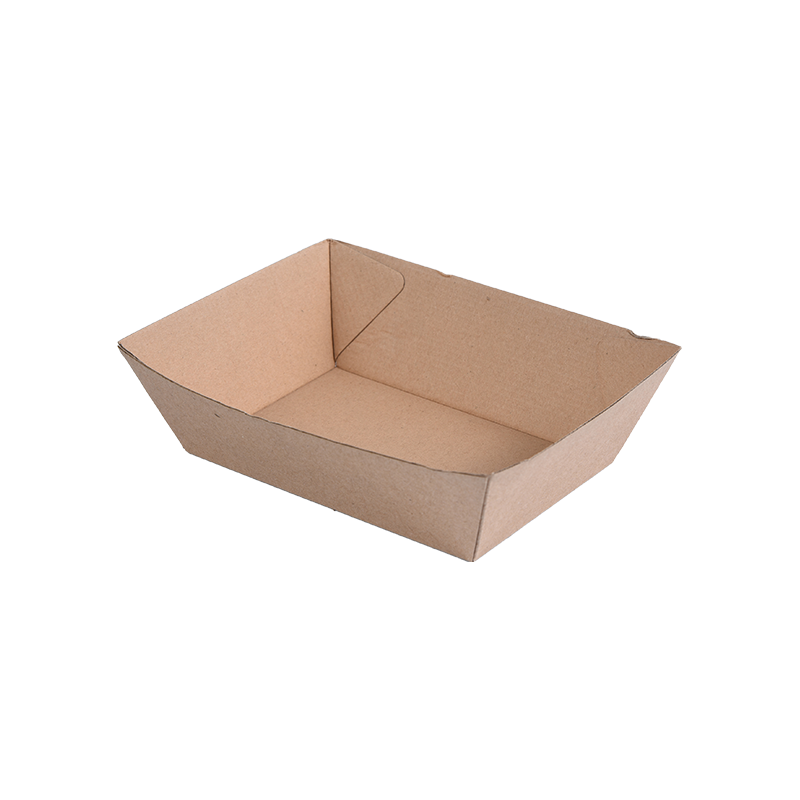 Disposable Rectangular Corrugated Paper Food Trays
-
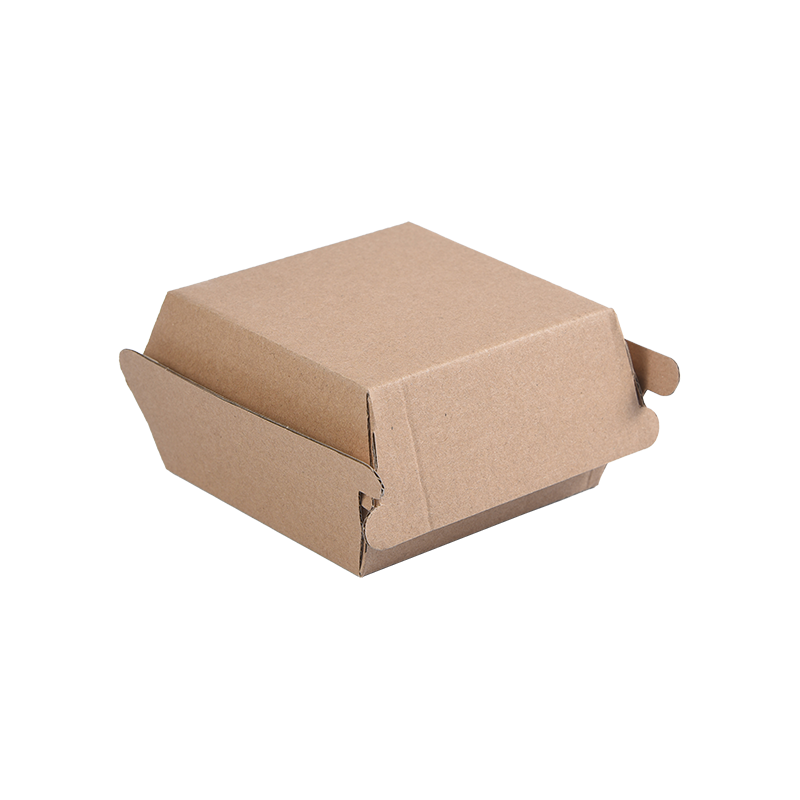 Restaurantware Corrugated Paper Burger Box
How Big Is a Brown Paper Lunch Bag? Standard Sizes, Dimensions and Capacities Explained
A standard brown paper lunch bag, the flat-bottomed kraft bag most of us picture, measures about 5 1/8 inches wide, 3 1/8 inches deep and 10 3/8 inches tall. In metric terms that is roughly 13 x 8 x 26 cm, which works out to around 166 cubic inches, or 2.7 litres, of usable space once the side gusset is opened out. A sandwich, a small bag of chips, a napkin and a juice box fit comfortably. A full takeout meal does not.
That one set of numbers answers the question for most people. But "brown paper lunch bag" describes a whole family of bags, from 4 lb snack sacks to 16 lb grocery bags, and the differences start to matter the moment you are packing food for someone else rather than yourself.
The Standard Lunch Bag, Dimension by Dimension
Bag sizes are almost always quoted in the same order: flat width x gusset depth x height. Knowing what each figure refers to saves a lot of guesswork when you are ordering.
- Flat width is measured across the front panel while the bag is lying flat on the table, not while it is open.
- Gusset depth is the folded side panel. It is the dimension that lets the bag expand from a flat envelope into a three-dimensional box shape.
- Height runs from the bottom edge to the top edge, excluding the fold-over lip. Some suppliers quote height including the lip, which is worth clarifying before you buy.
Once the bag is opened, the mouth becomes a rectangle of width x gusset. For the standard lunch bag that is roughly 5 1/8 by 3 1/8 inches. That opening is the real constraint: it decides whether a container slides in easily or has to be wedged.
Brown Paper Lunch Bag Sizes at a Glance
The table below shows the sizes you will most often find on a shelf or in a foodservice catalogue. Treat them as reliable ranges rather than fixed specifications, because a bag from one mill can differ from another by a quarter of an inch in each direction.
| Size label | Flat width | Gusset | Height | Approx. volume | Typical use |
|---|---|---|---|---|---|
| 4 lb | 4 1/2 in (11.4 cm) | 2 1/2 in (6.4 cm) | 8 3/4 in (22.2 cm) | 1.6 L | Cookies, pastry, a piece of fruit |
| 5 lb | 5 1/8 in (13.0 cm) | 3 1/8 in (7.9 cm) | 10 3/8 in (26.4 cm) | 2.7 L | The classic packed lunch |
| 6 lb | 5 3/4 in (14.6 cm) | 3 1/2 in (8.9 cm) | 11 in (27.9 cm) | 3.6 L | Larger sandwiches, small containers |
| 8 lb | 6 1/8 in (15.6 cm) | 3 5/8 in (9.2 cm) | 11 1/8 in (28.3 cm) | 4.0 L | Takeout boxes, bakery items |
| 10 lb | 6 7/8 in (17.5 cm) | 4 3/8 in (11.1 cm) | 12 1/2 in (31.8 cm) | 6.2 L | A full meal plus a drink bottle |
| 12 lb | 7 1/8 in (18.1 cm) | 4 1/2 in (11.4 cm) | 13 5/8 in (34.6 cm) | 7.2 L | Family-size orders, catering |
| 16 lb | 8 1/4 in (21.0 cm) | 5 1/4 in (13.3 cm) | 15 in (38.1 cm) | 10.6 L | Groceries, bulk carry-out |
What the Pound Rating Really Tells You
Here is the part that trips people up. The "5 lb" on a lunch bag is a historical capacity label borrowed from bakery use, where bags were sold by how many pounds of flour or bread they could hold. It is a rough shorthand for volume, not a load limit, and it is not a promise that the bag will survive five pounds of anything.
Flour is forgiving: it settles, spreads and presses evenly against the base. A bottle of water or a dense foil tray does the opposite. It concentrates weight in a small area and pushes hard against the bottom seam, which is exactly where a lightweight kraft bag will fail first. When we pack samples for customers, the question is never "how many pounds" but "how much flat weight sits on the base and how wet is the contents."
How to Measure a Bag Yourself
If you have a bag in hand and no specification sheet, five minutes with a ruler settles it:
- Lay the bag flat on a hard surface and smooth out the creases.
- Measure across the widest part of the front panel to get the flat width.
- Measure the folded side panel to get the gusset depth.
- Measure from the bottom fold to the top edge, ignoring any lip, to get the height.
- Multiply each imperial figure by 2.54 if you need centimetres, and add roughly half an inch of clearance if the bag will be folded over or sealed with a sticker.
What Actually Fits Inside Each Size
Practical packing experience counts for more than numbers here, so this is what we see most often in real use:
- 4 lb: two cookies, a brownie, an apple or a small pastry box. Popular with bakeries for single-item sales.
- 5 lb: a wrapped sandwich, a snack bag, a napkin and a small drink carton. The default school and office lunch.
- 6 lb: a larger sub or a round container up to about four inches in diameter. Slightly more forgiving for anything with a lid.
- 8 lb: a kraft takeout box, a burger box or a cake box laid flat, with room left for a napkin and cutlery.
- 10 lb and above: a standing water bottle, a two-course meal in containers, or several items carried together. This is where the bag stops being a lunch bag and becomes a delivery bag.
When a Bag Is the Wrong Container
A paper bag is a carrier, not packaging. It has no grease barrier, no moisture resistance and no rigidity, so hot, oily or saucy food should always go inside a proper container first and into the bag second. If you run a shop, the container you choose determines the bag size you need, not the other way around.
For hot meals, a folded-top kraft box holds its shape far better than a bag and stacks neatly for delivery. Our paper food containers range covers these formats by dish type, from burger boxes to salad bowls.
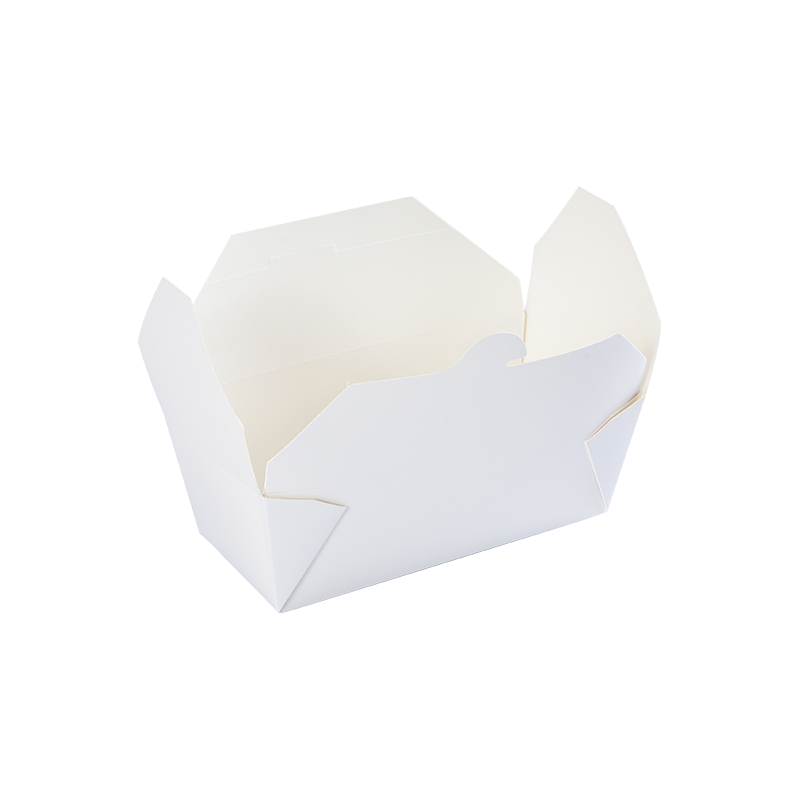 Custom Kraft Paper Take-Out Food ContainersLeak-resistant paperboard boxes with locking flaps suit hot takeaway meals and come in multiple sizes for burgers, salads and delivery.View Product →
For packed lunches that travel in a rucksack or a cooler, a rigid lunch box with a locking lid prevents exactly the kind of crushing that turns a sandwich into a smear.
 Custom Disposable Kraft Lunch Boxes with Click LocksFood-grade kraft containers with four click locks help prevent leaks for catering, take-out, snacks, salads and picnic lunches.View Product →
Paper Weight and Other Details That Change the Answer
Two bags can share identical dimensions and behave completely differently. Most standard lunch bags are made from kraft paper in the 30 to 40 lb basis-weight range; a heavier sheet feels stiffer, stands up on its own and resists tearing at the seams, but it also costs more and takes up more shelf space. Grease-resistant liners, flat-bottom versus block-bottom construction and the depth of the top fold all shift the usable interior slightly. If you want the full picture on substrates, our guide to what paper is used for food packaging goes into fibre types and coatings in more detail.
For heavier loads, corrugated construction is the practical upgrade: the fluted layer adds rigidity without much extra weight, which is why it is the standard for delivery and catering.
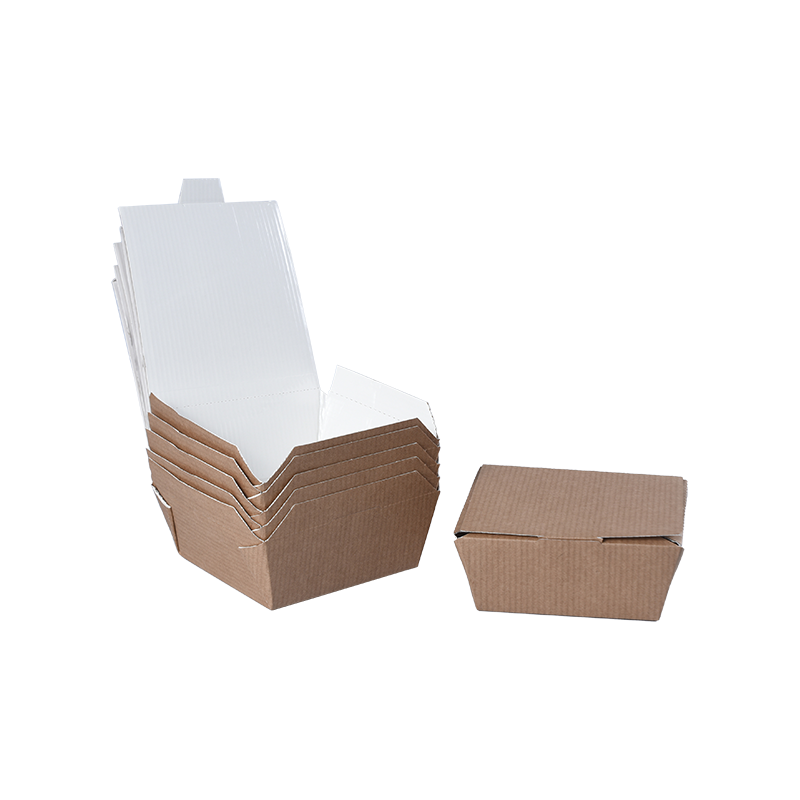 Custom Corrugated Kraft Cardboard Lunch BoxesCorrugated kraft boxes add rigidity for heavier food loads and are offered in three sizes for delivery and catering.View Product →
Quick Answers to Common Questions
How big is a brown paper lunch bag in centimetres?
About 13 cm wide, 8 cm deep and 26 cm tall for the standard 5 lb size. Add roughly 1 cm to each figure for every size step up.
Will a sandwich container fit in a standard bag?
A flat container up to about 4 1/2 inches square will slide in through the 5 1/8 inch opening. A tall clamshell or a rigid box with a domed lid usually will not, and an 8 lb bag is the safer choice.
Are all 5 lb bags the same size?
No. Brands differ by up to a quarter of an inch per dimension, and recycled or heavier-weight papers can vary more. Always check the printed specification rather than assuming.
So the honest answer is a range rather than a single figure: a standard brown paper lunch bag is about 5 by 3 by 10 inches, or 13 by 8 by 26 centimetres, and everything above that is a step toward grocery and delivery formats. Match the bag to the container inside it, allow a little clearance at the opening, and the size question stops being a guessing game.
-
How Big Is a Brown Paper Lunch Bag? Standard Sizes, Dimensions and Capacities Explained
A standard brown paper lunch bag, the flat-bottomed kraft bag most of us picture, measures about 5 ...
-
How Big Is a 64 Qt Container? Real Dimensions, Capacity, and Sizing Tips
A 64 qt container is a serious piece of equipment. It is the tub a busy kitchen pulls off the shelf...
-
How Big Is a 64 oz Container? Capacity, Dimensions, and Packaging Guide
The Short Answer: 64 Ounces Is Half a Gallon When someone asks how big is a 64 oz container, the fi...
-
How Big Is an 8 Ounce Cup? Real Dimensions, Capacity and Everyday Uses
Order a small coffee at the counter and there is a good chance it arrives in an 8 ounce cup. It is ...
-
How Big Is a 5 oz Container? Dimensions, Capacity, and Common Food Uses
A 5 oz container holds about 148 ml. In paper food packaging that usually means a small tray or boa...
-
Chinese Food Container Sizes Explained: Measurements in Pints & Quarts
If you have ever ordered Chinese takeout, you have probably held one of those folded paper pails wi...
 Building 4, Leyin Industrial Park ,No. 330 Qianchun Avenue, Zhanqi Town, Yinzhou District, Ningbo, China
 +86-574-82813668

 Instagram
Copyright © Ningbo Shuohui New Material Technology Co., Ltd. Rights Reserved.
 Custom Disposable Paper Food Packaging Manufacturers