


 English
 Español
-
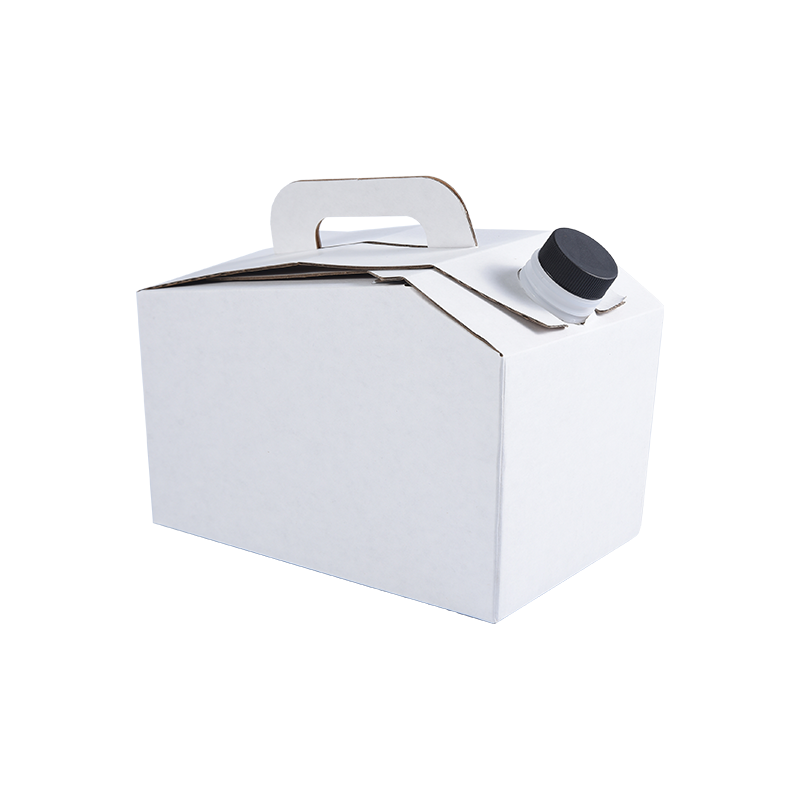 96oz Kraft Coffee/Drink to Go Container/Coffee Carrier Box
-
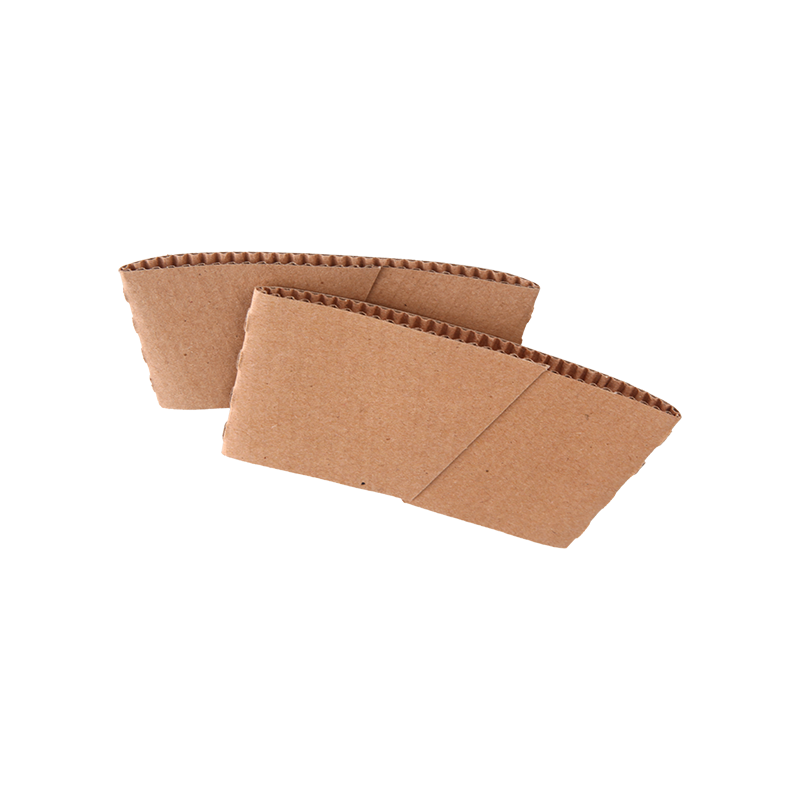 Recyclable Paper Cup Holder Sleeves
-
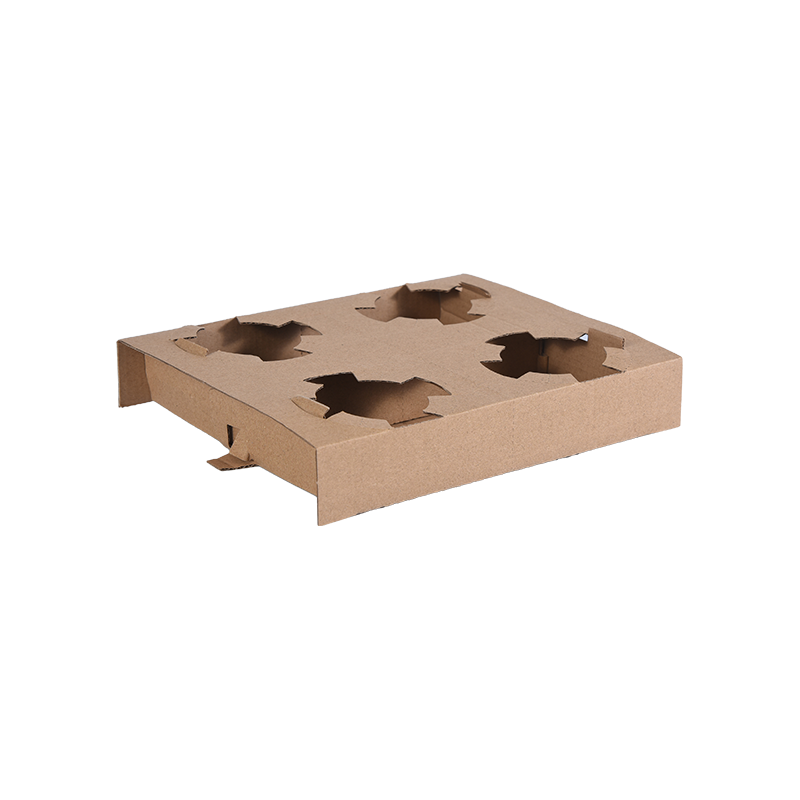 4 Cup Tray Holders for Hot & Cold Drinks – Foldable, Durable, and Cup Carrier for Takeaway, Festivals, Coffee Shops & Events
-
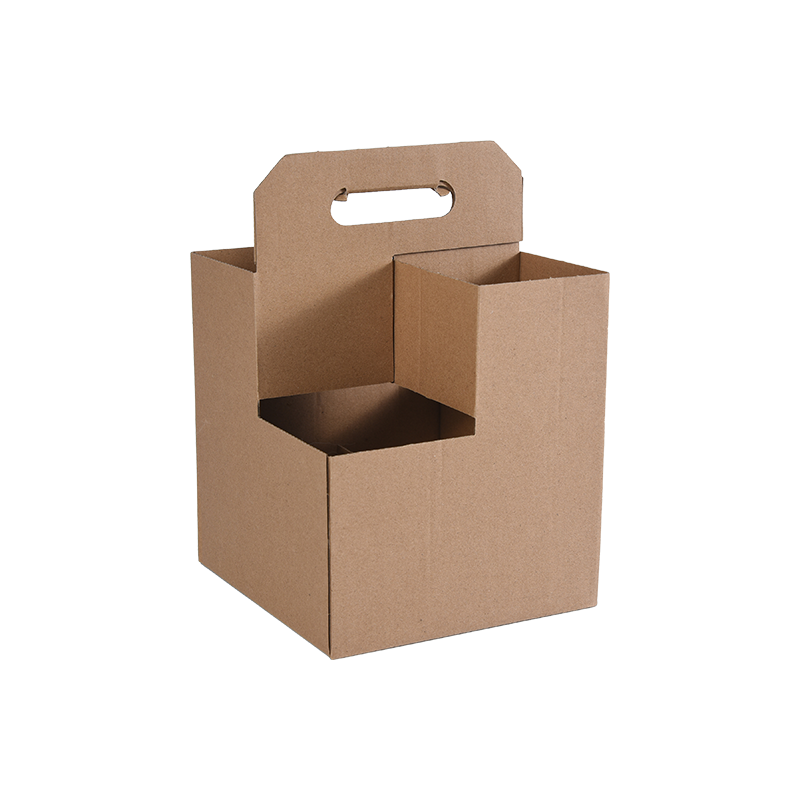 Kraft Cup Drink Carrier with Handles
-
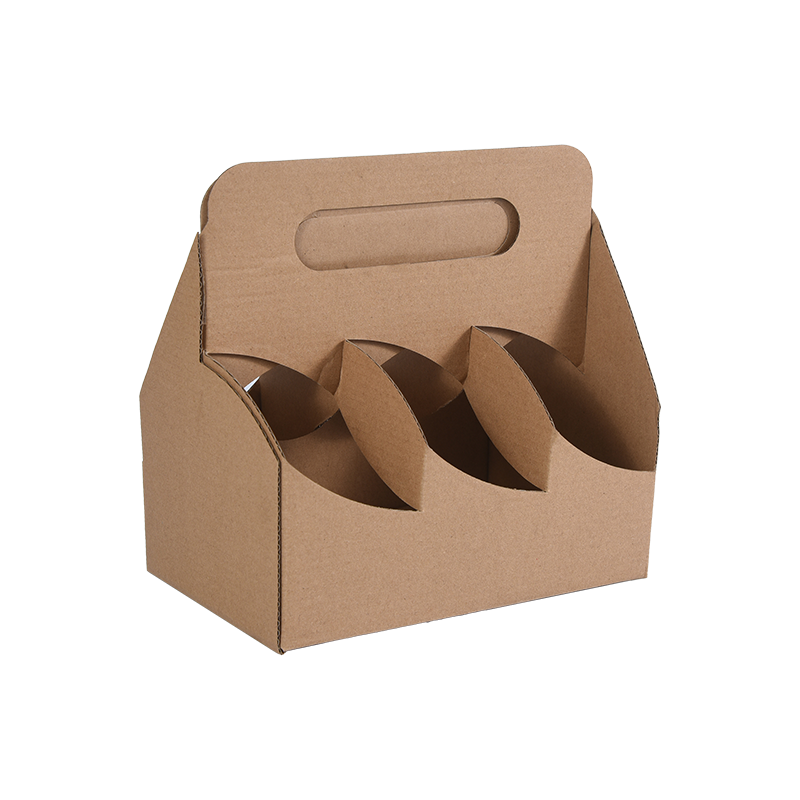 Kraft Beverage Carrier with Handles (6 to 8 Bottles or Cans)
-
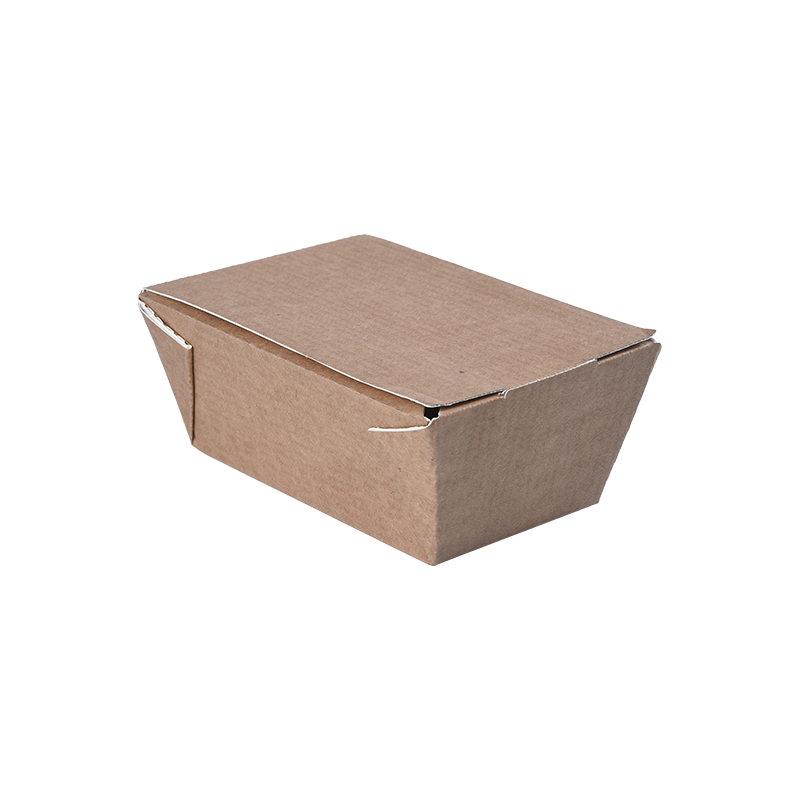 Corrugated Kraft Cardboard Lunch Boxes
-
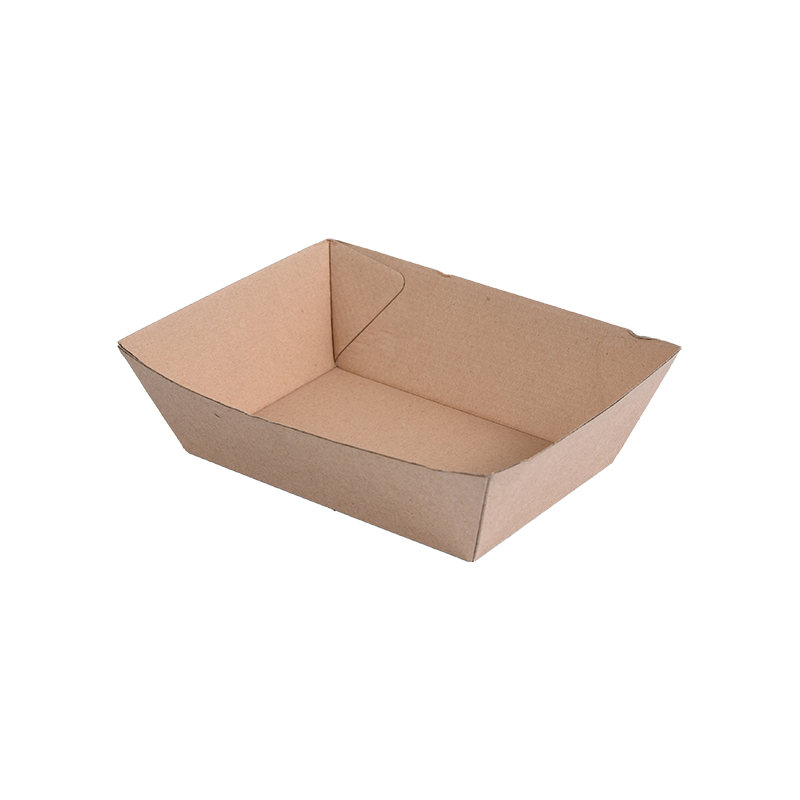 Disposable Rectangular Corrugated Paper Food Trays
-
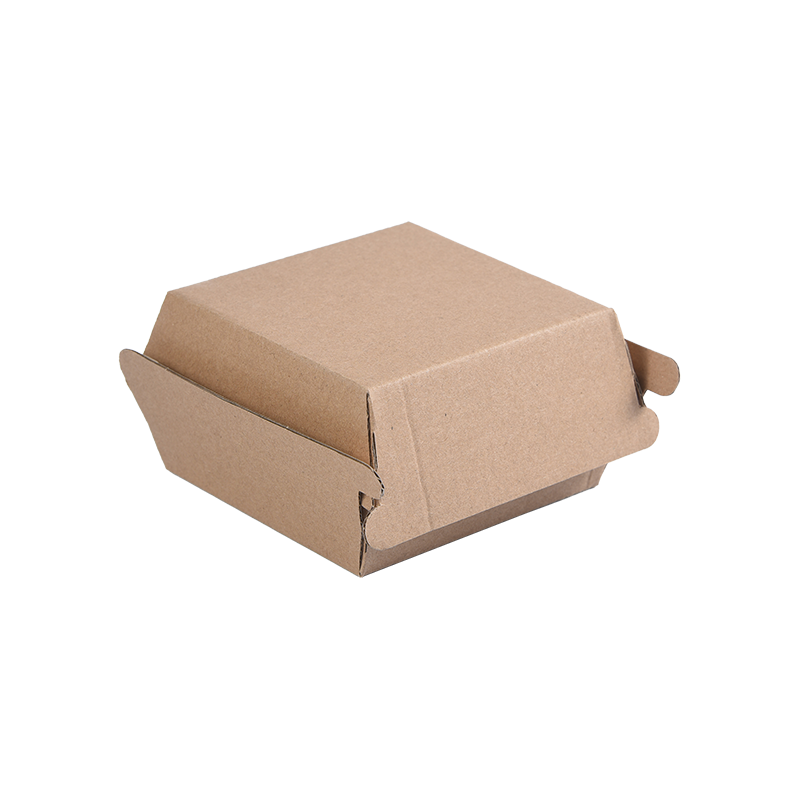 Restaurantware Corrugated Paper Burger Box
Kraft Coffee Carrier Box Manufacturer | Custom Eco-Friendly Cup Carriers
Imagine a busy coffee counter at 8:15 a.m. A customer orders four large drinks, two with oat milk, one extra hot. The barista slides the cups into a kraft carrier, lifts it, and feels the bottom bend slightly. That moment is exactly where packaging quality becomes customer experience.
The short answer to the sourcing question is this: choose a kraft coffee carrier box manufacturer that can prove control over board weight, crease accuracy, handle strength, print registration, and food-contact safety. Those five points determine whether your carriers look professional and survive the trip from counter to car.
What a Kraft Coffee Carrier Box Must Handle
A coffee carrier does more than hold cups. It has to support the weight of liquid, keep cups stable when the carrier is lifted at an angle, and stay square even when condensation makes the board damp. A carrier that folds beautifully on a desk but collapses under real weight is not a good production sample; it is a warning sign.
Board Material and Grammage
Most kraft coffee carriers are made from solid paperboard, while heavier formats use corrugated board. For a four-cup carrier, a common specification is 250 to 350 grams per square meter (gsm), but the right grammage depends on the cup size and the beverage weight. A carrier for 12 oz hot cups can use a lighter board than one designed for 24 oz iced drinks. When you ask a manufacturer for recommendations, provide the cup dimensions, lid style, and maximum liquid weight. That information changes the material choice more than anything else.
Creasing, Folding, and Locking
Precise creasing decides whether the carrier folds flat, opens square, and locks securely. If the crease is too shallow, the board cracks. If it is too deep, the bottom of the carrier weakens. Locking tabs also need to align within a small tolerance. A few millimeters of misalignment might not be visible in flat form, but it becomes obvious when the carrier is assembled at full speed during a morning rush.
How to Evaluate a Manufacturer's Production Capability
Not every packaging supplier is a manufacturer. Some companies act as trading intermediaries and add no real quality control. A kraft coffee carrier box manufacturer with integrated design, tooling, printing, and production is easier to audit and easier to hold accountable.
Ask these questions during supplier evaluation:
- Do you run your own die-cutting and printing lines, or do you outsource part of the process?
- Can you provide a production sample that matches our target board thickness and print colors?
- How do you test handle strength and base rigidity before shipping?
- Can you adjust the die line if our cup dimensions change?
For a closer look at how stronger carriers are being developed for mobile ordering and takeout, read this overview of kraft coffee carrier box manufacturers innovating for convenience and sustainability.
Carrier Formats and Sizing: A Practical Table
Your carrier choice depends on cup count, cup size, and whether the order is for counter service, delivery, catering, or drive-thru. The table below compares the most common kraft carrier formats.
| Carrier format | Common capacity | Material considerations | Best fit |
|---|---|---|---|
| Folded tray carrier | 2 or 4 cups | Paperboard from 250 to 350 gsm; locking tabs need precise alignment; check fit with hot and cold cups | Counter service, quick takeout, and multi-cup orders |
| Handled carrier | 4 or 6 cups | Stronger paperboard or corrugated board; handle attachment must support the full loaded weight | Catering, delivery, and large orders that are carried by hand |
| Large-format carrier box | 96 oz drink-to-go containers | Corrugated board for additional stiffness; base support and handle placement are critical | Smoothies, large cold brew, and shared beverage programs |
For most coffee shops, a four-cup tray is the workhorse. The 4-cup tray holders for hot and cold drinks sold by production-oriented suppliers show how a simple tray can be designed with stable folding walls and a secure grip. Look for a carrier that stores flat but opens without tearing.
Custom Printing and Branding
Your logo, color palette, and cup design are part of the customer experience. The carrier should not hide your branding; it should extend it. A competent kraft coffee carrier box manufacturer will offer flexographic or offset printing on kraft board, and will check how the ink behaves on folds and edges.
Before approving artwork, request a proof on the actual material. Brown kraft carries ink differently than white-coated board. A logo that looks vivid on a screen can look muddy on uncoated kraft if the separation is not adjusted. You should also specify whether you need printing on one side or both, and whether the outside of the carrier must match the printed inside of the cup sleeve.
Sustainability and Food-Contact Safety
Carriers do not touch the beverage directly, but they sit close to cups and can be exposed to condensation, drips, or heat. Food-contact compliance still matters because the packaging may contact the mouth of the cup or the lid. Ask for documentation that the inks, coatings, and board are suitable for food-contact use and that the carrier can be recycled in normal paper streams.
Kraft paper already communicates a recyclable, natural look. If your brand promises plastic-free packaging, make sure the carrier design avoids plastic windows, plastic handles, or laminated layers that complicate recycling. Many manufacturers now produce all-paper carriers with die-cut finger holes and folded handles. A kraft cup drink carrier with handles is a practical example of an all-paper handle that remains strong enough for multiple filled cups.
 Custom Kraft Cup Drink Carrier with Handles Suppliers, OEM/ODM Factory - Ningbo Ningbo Shuohui New Material Technology Co., Ltd is China custom Kraft Cup Drink Carrier with Handles Suppliers and OEM/ODM Factory, detai...View Product →
For more context on why major beverage brands are shifting toward fiber-based systems, read this article about coffee brands and the rise of kraft carrier box manufacturers.
Choosing a Manufacturer That Matches Your Serving Model
Carrier needs change as your menu changes. A shop selling only standard hot coffee may only need a four-cup tray. A cafe with a drive-thru or catering arm will also need handled carriers for larger orders. A smoothie program with 96 oz cups needs corrugated options with reinforced bases and stable handles.
Define your order mix before you ask for samples. If large cold drinks are a growth category, ask the manufacturer for a carrier that is designed specifically for that format rather than a scaled-up paperboard tray. The 96 oz kraft coffee drink-to-go container coffee carrier box is an example of a corrugated carrier built for big cups that need extra side-wall strength.
 Custom 96oz Kraft Coffee/Drink to Go Container/Coffee Carrier Box Suppliers, OEMNingbo Shuohui New Material Technology Co., Ltd is China custom 96oz Kraft Coffee/Drink to Go Container/Coffee Carrier Box Suppliers and ...View Product →
If you serve high volumes of to-go orders, also test a 4-cup carrier tray for hot and cold drinks with your actual cups, lids, and sleeves. The fit must be snug enough to prevent movement, but not so tight that the cups are difficult to insert.
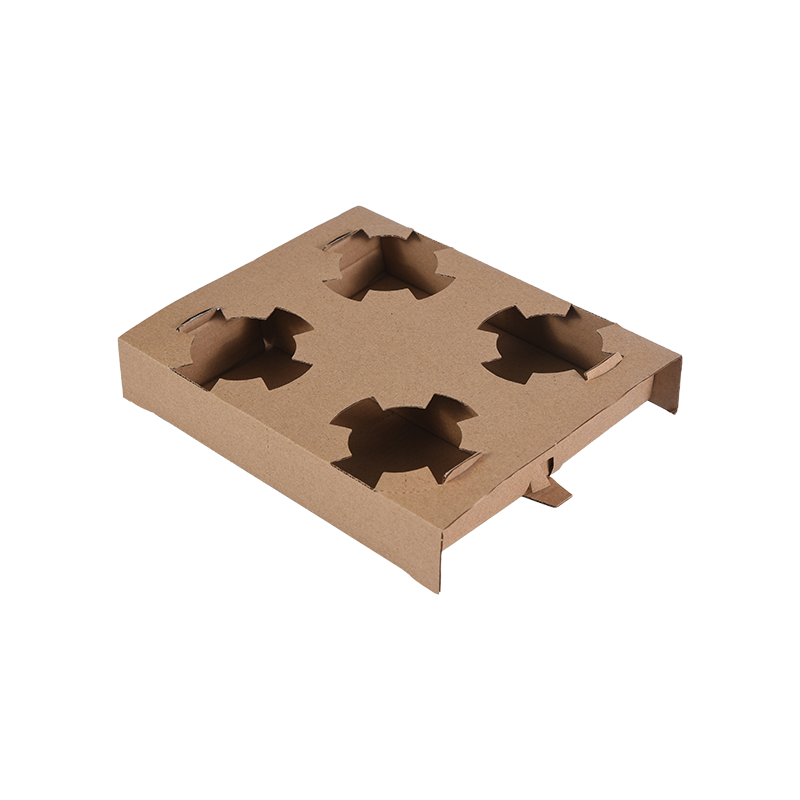 Custom 4 Cup Tray Holders for Hot & Cold Drinks – Foldable, Durable, and Cup CarNingbo Shuohui New Material Technology Co., Ltd is China custom 4 Cup Tray Holders for Hot & Cold Drinks – Foldable, Durable, and Cup Car...View Product →
Final Sourcing Checklist
Before you commit to a kraft coffee carrier box manufacturer, run the product through a realistic test cycle. Use the following checklist to avoid the common procurement mistakes that show up in the first month of delivery.
- Request folded samples, not just flat blanks, and assemble them by hand to check squareness and lock engagement.
- Test the carrier with your actual cups, including lids, sleeves, and condensation from cold drinks.
- Confirm the board grammage and whether the material is approved for food-contact use.
- Lift the loaded carrier with one hand and hold it for at least thirty seconds to check handle strength.
- Ask how the supplier manages print registration on runs that go through multiple batches.
- Clarify minimum order quantities, lead times, and whether the factory can add capacity when your order volume grows.
A reliable carrier does not need to be expensive, but it does need to be consistent. Start with realistic samples, test them in the same conditions your customers will experience, and choose a manufacturer that treats the carrier as part of your product, not as an afterthought.

-
How Many Oz in a Chinese Takeout Box? Pint, Quart and Half Sizes Explained
Few questions reach our inbox as often as this one, and it nearly always arrives from someone holdi...
-
How Are Today's Foods Typically Packaged? A Complete Modern Guide to Paper Packaging
Walk into any restaurant, coffee shop, or delivery kitchen today, and you will see packaging that b...
-
How to Pack Food for Takeaway: Essential Paper Container Tips for Restaurants
When a customer orders takeaway, they are not just buying a meal; they are buying the convenience o...
-
How Do You Calculate Package Size? A Practical Guide for Food Businesses
Ask anyone who has packed a few hundred takeaway orders in a single evening and they will tell you:...
-
How Big Is a Large Pizza Box? Standard Dimensions & Sizing Guide for Pizzeria Owners
A large pizza box is typically 16 inches by 16 inches or 18 inches by 18 inches, but the exact size...
-
How to Measure the Length, Width and Height of a Box: A Practical Guide
A shipping clerk once asked me to confirm the size of a takeout box before ordering 5,000 units. Th...
 Building 4, Leyin Industrial Park ,No. 330 Qianchun Avenue, Zhanqi Town, Yinzhou District, Ningbo, China
 +86-574-82813668
 Instagram
Copyright © Ningbo Shuohui New Material Technology Co., Ltd. Rights Reserved.
 Custom Disposable Paper Food Packaging Manufacturers